From Green Economy to Biodiversity Credits
    EconomyRenewablesSectorImprese

    From Green Economy to Biodiversity Credits

    The role of companies in the ecological transition is central. From the Green Economy to renewable energies, a strategic vision for the benefit of the environment is increasingly important. In this context, biodiversity credits, an essential new tool for companies, come into play.

    Read the article
    23/12/2023Of 3Bee, Elena Fraccaro
    263 Views
    23/12/2023Of 3Bee, Elena Fraccaro
    263 Views

    The role of the circular economy

    The ecological transition promotes the new core business of businesses by emphasising the circular economy. It is precisely this choice that lowers the level of pollution as it promotes the second cycle of a product, without necessarily being thrown into landfill. Companies are investing in this 21st century transformation, representing a real asset of the green economy. "Between 2018 and 2022, 510,830 companies, more than one in three, made investments to improve the impact on the environment - reads the study drawn up by Fondazione Symbola and Unioncamere - while the professional figures linked to the green economy grew by more than 215 thousand."
    L'economia circolare valorizza il riciclo

    Renewable energy: economic driver

    Adopting recycling convinces Italians because they are aware that it is an added value that benefits the environment. And this trend is illustrated in the report drawn up by the Symbola Foundation from which it can be seen "that Italy is the leader in total waste, urban and special, by 83.4% in 2022, compared to the major European economies. A recycling rate more than 30 points higher than the EU average (52.6%) and higher than other major European countries such as France (64.4%), Germany (70%) and Spain (59.8%). Italy is also one of the few European countries that improved its performance from 2010 to 2020 (+10 percentage points, against a European average of 6 percentage points)'. There is also the commitment of the European Parliament voting on 12 September 2023 to increase the share of renewable energy to 42.5 per cent of the energy mix by 2030. To be aligned with the goals of the European Green Deal and the REPowerEU.

    Le energie rinnovabili sono protagoniste
    XNatura

    Renewables: an analysis of the sector

    It is crucial for the ecological transition to adopt renewable energies: carbon dioxide, which comes largely from the energy sector, is among the main anthropogenic greenhouse gases in the atmosphere. Highlighting this is the State of Climate in Europe 2022 report by the World Meteorological Organisation (Wmo) and the European Earth Observation Service (Copernicus), which "shows that last year on our continent the average temperature was a good 2.3 degrees above pre-industrial levels (1850 - 1900); Europe has warmed twice as much as the global average since 1980, while 2022 was the hottest year ever recorded in Italy since scientific records began'.

    Le rinnovabili per diminuire l'inquinamento

    Businesses become more sustainable

    Companies are becoming increasingly sustainable. This trend emerges clearly in the survey 'Sustainable Procurement and Decarbonisation' conducted by EY for the General States of the Green Economy. "More than 90 per cent of the companies surveyed," the paper reads, "include sustainable procurement in their non-financial performance reporting and more than 80 per cent develop a strategy to implement sustainability within their supply chain. From the results of this survey, one can see how crucial it is for companies to manage their supply chain effectively and sustainably. This management is an opportunity to arrive at more responsible business models, contributing to the mitigation of supply risks, the improvement of ESG (environmental, social and governance) performance.

    Le imprese scommettono sulla sostenbilità
    XNatura

    Good performance for industry

    The industry is also performing well in terms of industrial recycling capacity. The Report by the Symbola Foundation and Unioncamere highlights this trend. "In the two-year period 2020-2021," reads the document, "there has been an unexpected consolidation of Italy's industrial recycling capacity, especially in the paper sector, which has seen an increase in the share of secondary materials used in all sectors. This is an excellent result for the ecological transition and for the development of an increasingly circular economy. And it is precisely on the circular economy that Italy, in 2022, approved the National Strategy for the Circular Economy, which is worth 2.1 billion euro allocated by the NRP, and defines four objectives: to foster the market for secondary raw materials; to extend the responsibility of producers and consumers; to spread sharing practices and the principle of 'product as a service'; and to define a roadmap of actions and objectives up to 2040".

    Buona performance per il riciclo industriale
    3Bee

    The new season of decarbonisation

    Italy must accelerate its path towards a green transition to limit the global average temperature increase to a maximum of 1.5 degrees Celsius by the end of the century, compared to pre-industrial levels. The results of the survey 'Sustainable Procurement and Decarbonisation' show "how sustainable procurement is able to contribute to the decarbonisation not only of large companies but also of small and medium-sized enterprises. The supply chains of large Italian companies that allocate resources for the implementation of sustainable procurement programmes are mostly made up of small and medium-sized enterprises, which account for 99.7 per cent of companies in the European Union and have an ecological footprint equal to 70 per cent of European industrial pollution'.

    La decarbonizzazione a benficio dell'ambiente

    The importance of biodiversity

    The growing challenges related to climate change involve states all over the world and biodiversity becomes an increasingly important issue, also in the light of new European regulations. Conservation and regeneration of ecosystems are increasingly central themes for the EU, which periodically takes stock of the current state. And it is precisely in this context that biodiversity credits fit in, which, unlike the already well-known carbon credits, are still an emerging but equally crucial concept.
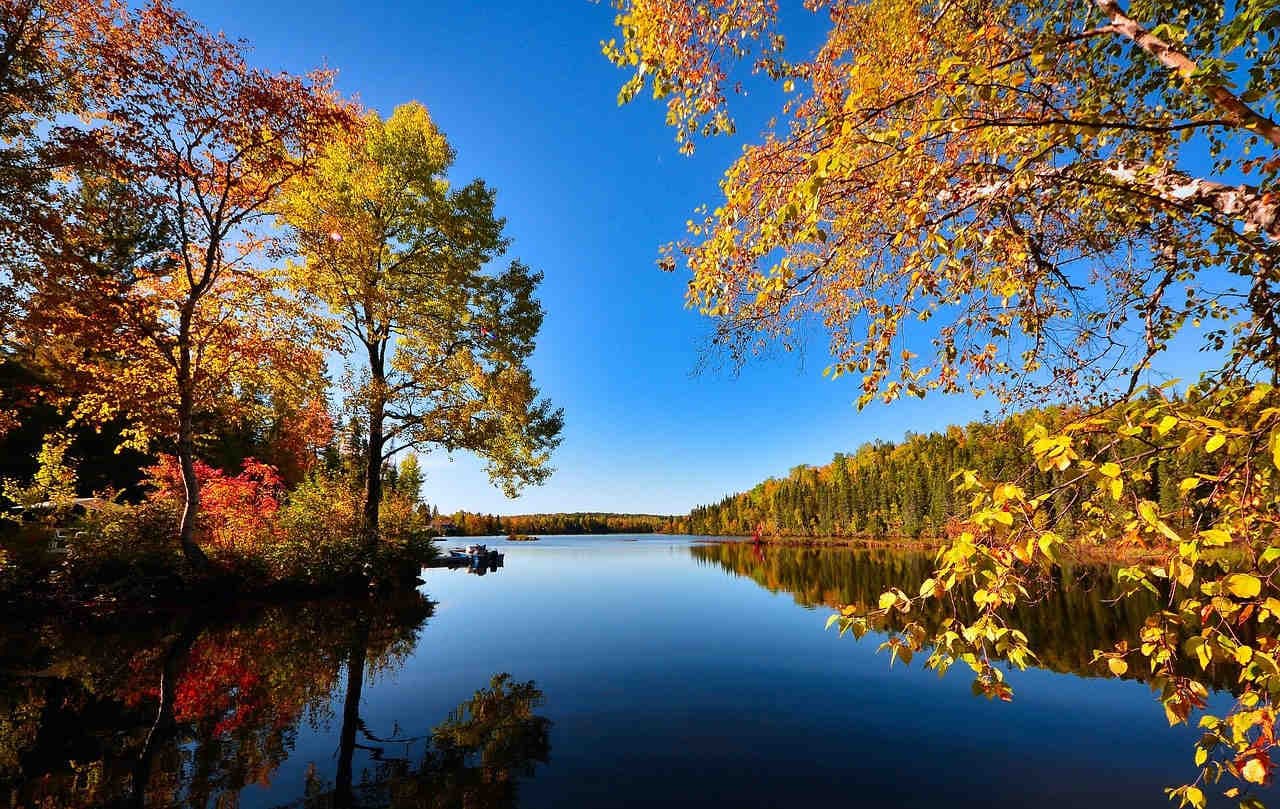
    La biodiversità per favorire l'ecosistema

    What is a carbon credit?

    It is a tradable certificate with a value equal to one tonne of CO2 equivalent not emitted or absorbed. A carbon credit is a financial unit representing the removal of one tonne of CO2 equivalent from the atmosphere. Those who purchase a carbon credit contribute to the implementation of an environmental protection project, which is designed to reduce or absorb global emissions of CO2 and other harmful gases. These projects, national or international, often involve developing countries and are conceived and implemented by organisations, associations or third parties.

    Il credito di carbonio è un certificato

    What is a Biodiversity Credit?

    It is a certification that attests and quantifies the improvement of biodiversity in a specific area. This mechanism is similar to that of carbon credits and allows an economic value to be placed on conservation activities, providing an incentive to protect biodiversity. Biodiversity loss is one of the most urgent challenges to be addressed, on a par with climate change. Last December 2022, the COP 15 - United Nations Conference on Biodiversity - set international targets for biodiversity protection for the first time. Following this line, the Nature Restoration Law approved last July by the European Parliament, envisages the restoration of 20 per cent of the EU's land and marine areas by 2030.

    La biodiversità per salvaguardare l'ecosistema

    Biodiversity Certification: the XNatura Score Protocol

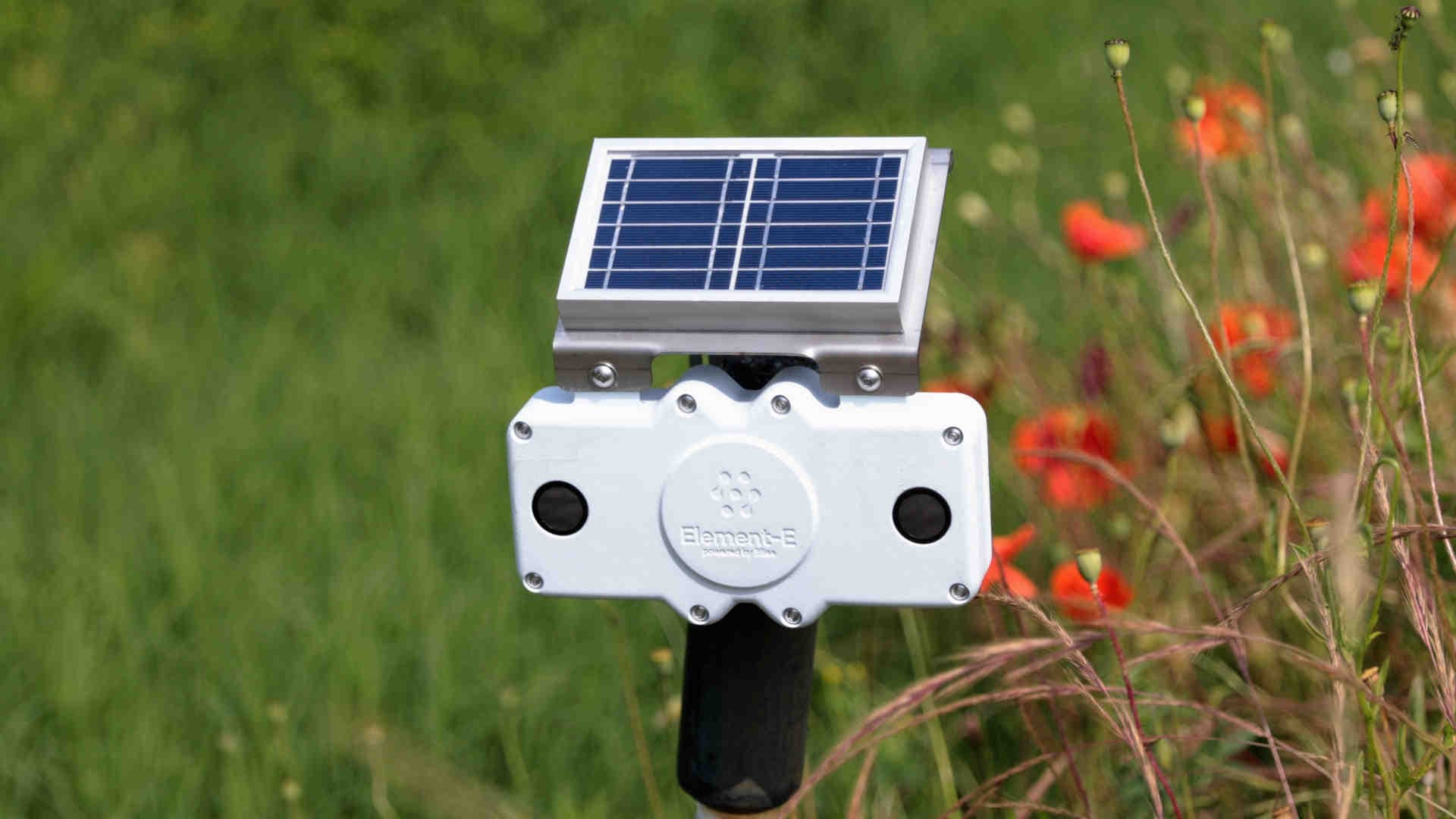
    The revolutionary biodiversity credits approach of 3Bee acts as a response to the many companies subject to NFRD since the release of the new CSRD, acting to support the strategic management of ESG issues to verify and quantify impacts in terms of biodiversity regeneration. Companies will be able to monitor and regenerate the insetting biodiversity of their production sites and supply chains, but also promote reliable offsetting. And it is in this context that the XNatura biodiversity monitoring protocol based on bioacoustics and remote sensing fits in. This makes it possible to monitor and quantify, also thanks to artificial intelligence, the impact of regeneration projects developed in coherence with the new European regulatory framework, which requires companies to assess their impact for ESG reporting.

    Article edited by Francesco Fravolini

    L'importanza della biodiversità a beneficio dell'ambiente
    23/12/2023Of 3Bee, Elena Fraccaro
    263 Views
    Newsletter
    newsletter
    Subscribe to the Blog about bees and biodiversity

    Frequently Asked Questions

    Do you have any doubts or other curiosities about this article? Here you will find some insights