The dark side of conservation
    ConservationInvasionExpropriationAfrica

    The dark side of conservation

    Human activities are driving biodiversity towards a point of no return. We know the solutions, but some of them can exacerbate conflicts and social tensions. This is the case with conservation in the protected areas of the planet.

    Read the article
    17/11/2024Of 3Bee, Valeria Barbi
    352 Views
    17/11/2024Of 3Bee, Valeria Barbi
    352 Views

    The birth of the conservation movement

    Disclaimer: this is an automated translation from Italian. Go to the original article.

    Beginning in the mid-19th century, as a reaction to the significant transformations made by man on hitherto intact natural environments, a movement developed in the United States, philosophical even more than scientific, whose aim was to raise public awareness of the importance of nature for purposes other than economic gain. The main proponents of this current - among them Ralph W. Emerson, Henry D. Thoreau and John Muir - considered nature to be a temple in which to admire the work of God and, as George Perkins Marsh argued, it was therefore the duty of human beings to care for it and preserve its resources for future generations. Thus arose the need to conserve vast natural areas of particular beauty, keeping man out of them, as if he were an outsider.

    Fiume Yellowstone

    Yellowstone, disputed land

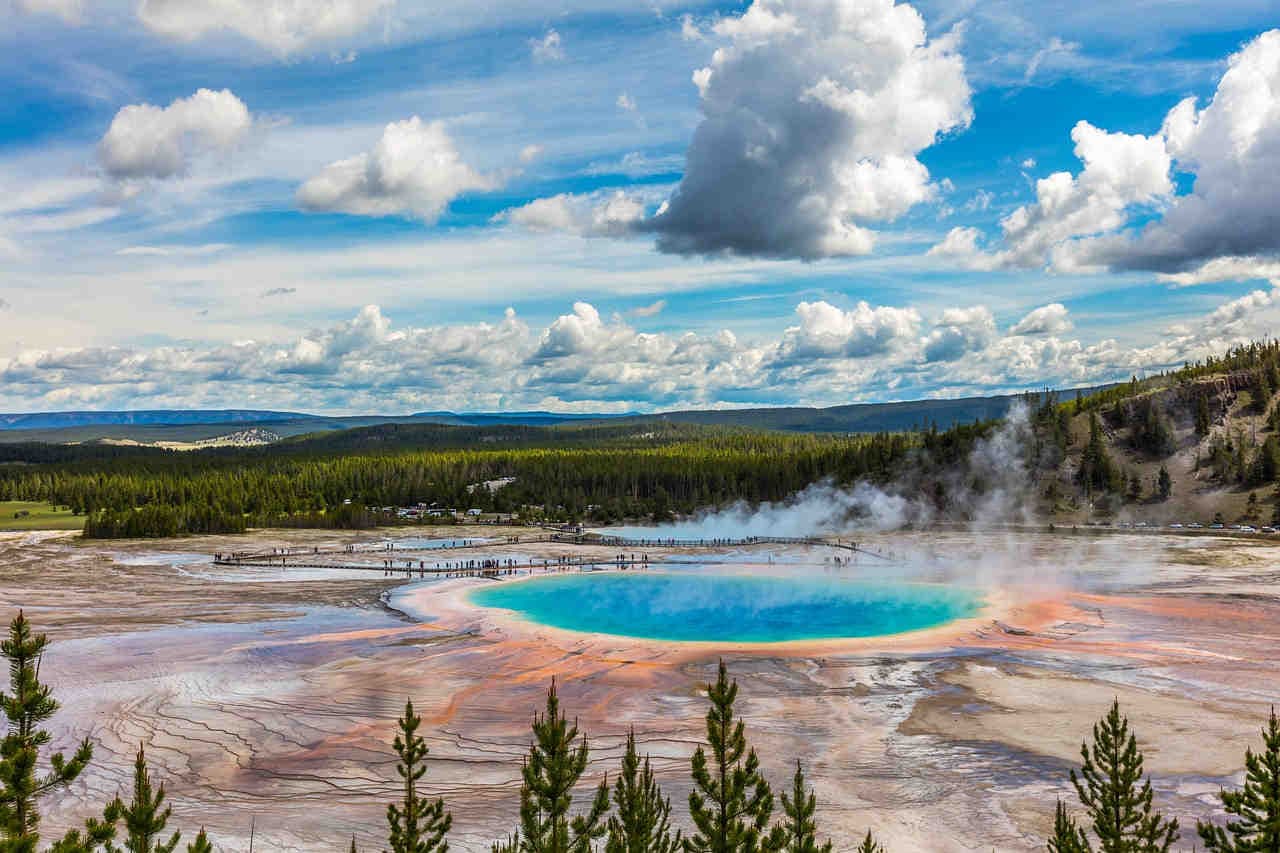
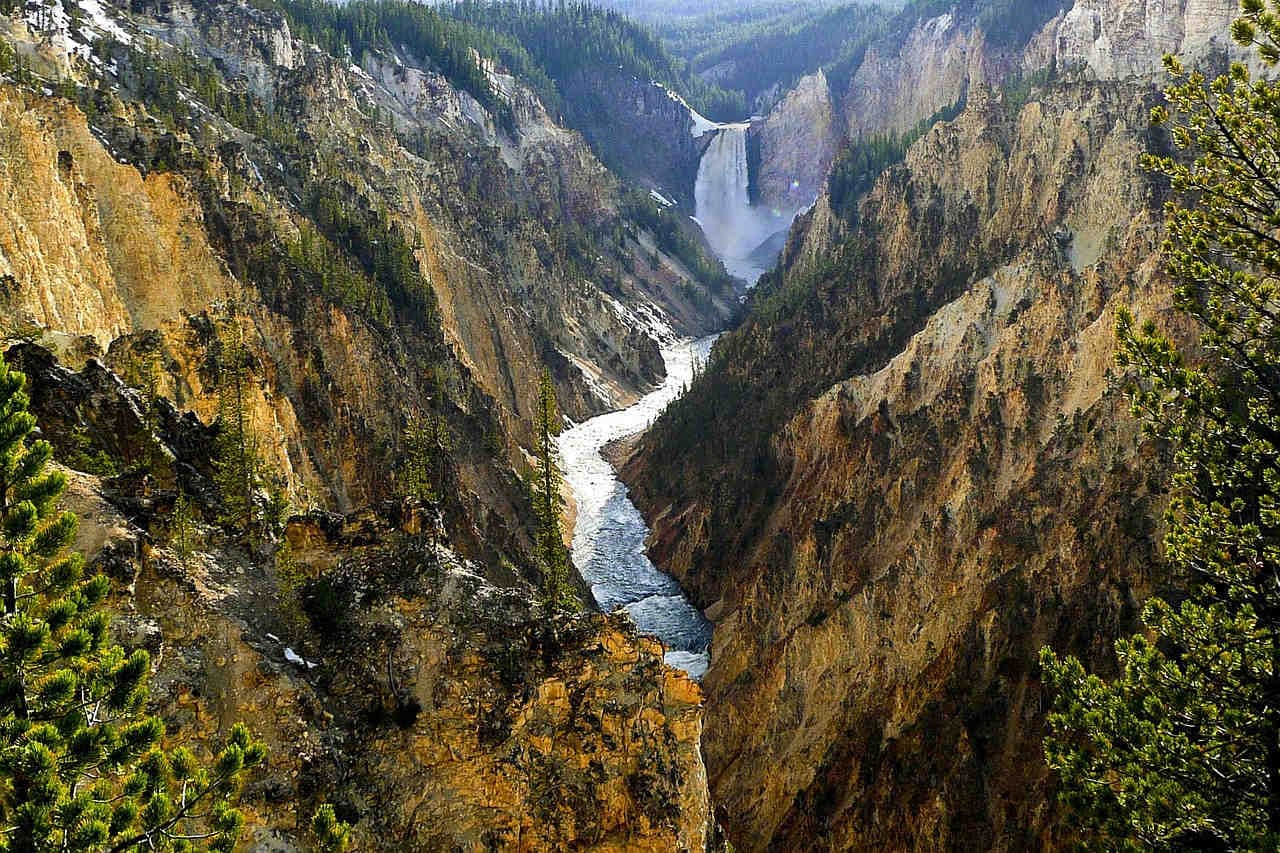
    In the wake of the preservationist movement fuelled by John Muir, the Yellowstone NP was founded in 1872. It was the first protected area in today's sense: public and dedicated to preserving the natural environment over time, protecting it from human activities. Since its creation, this transboundary protected area encompassing Wyoming, Montana and Idaho and extending for almost 9000 Km2 has always been described as the realm of wilderness where it is possible to 'have a privileged look at the Planet as it was hundreds of thousands of years ago', before human beings appeared. It is a pity that at the time of its founding, this place, considered to be a favourite destination for nature tourism, had been frequented by various native peoples for at least 11,000 years.

    Grand Prismatic
    XNatura

    The ousting of indigenous peoples

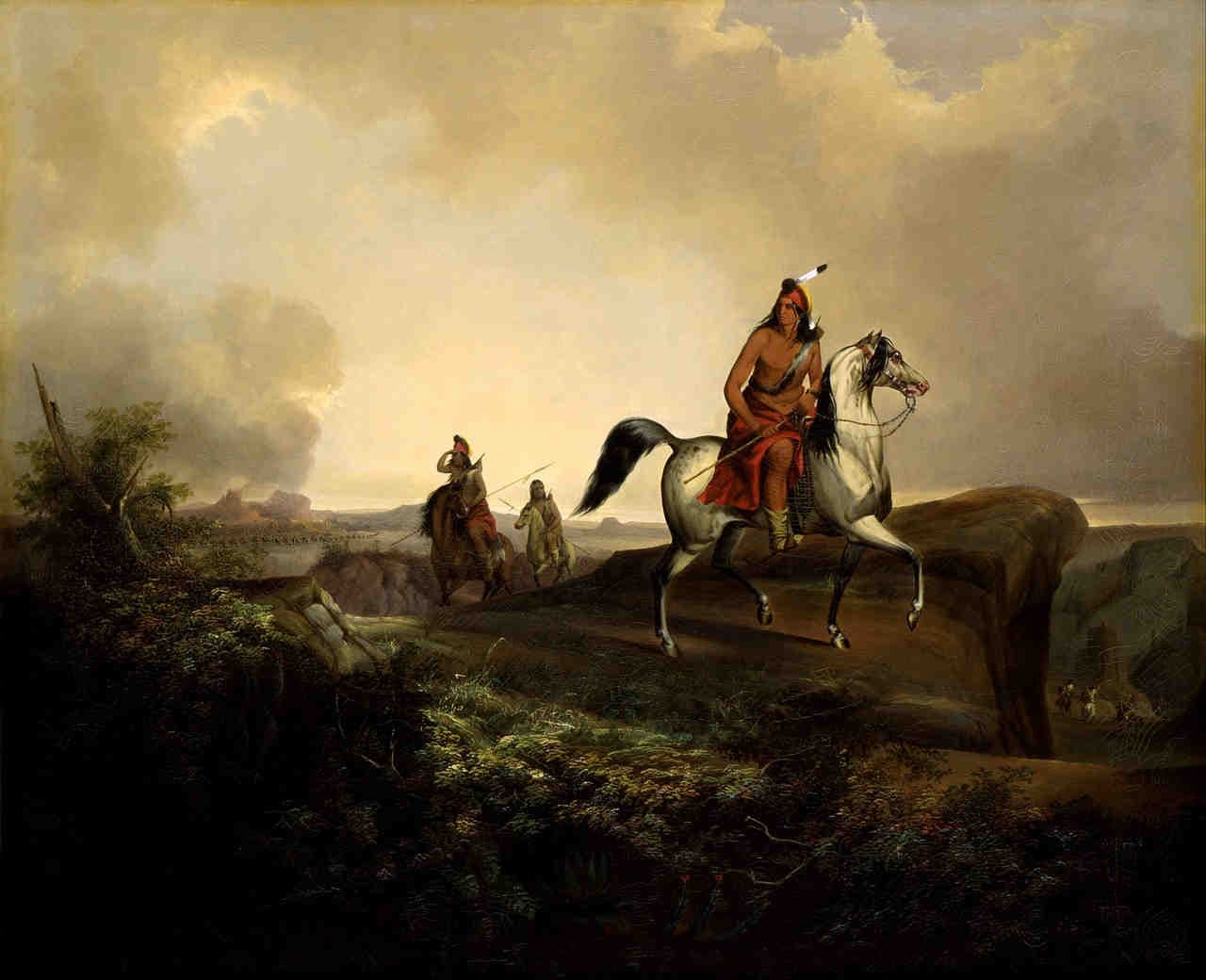
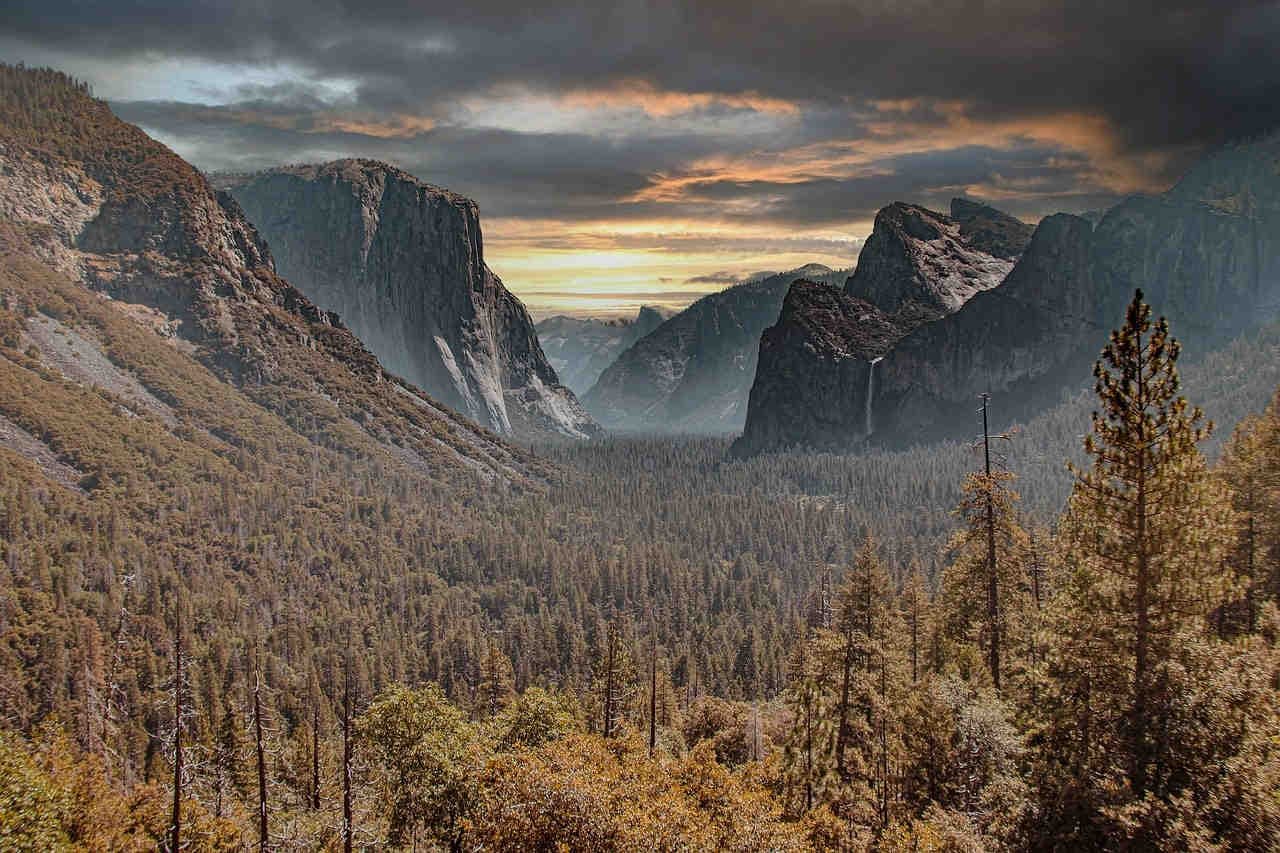
    The practice of expropriating indigenous lands to create protected areas is put down in black and white by Mark David Spence in his 1999 book, Dispossessing the Wilderness: Indian Removal and the Making of the National Parks, in which the author examines the complex origins of national parks and the consequences, in terms of human rights violations, for native peoples. Forcibly removed from Yellowstone and Glacier NP, the presence of indigenous peoples was only tolerated, for a time, at Yosemite. Forced to serve tourists and stage humiliating 'Indian Days', the natives soon began to succumb, leaving their ancestral lands for unknown territories where they ended up, for the most part, begging. The few who tried to resist were expelled and their last villages were ignobly and deliberately burnt down in a fire drill in 1969.

    Nativi americani

    Exporting the Yellowstone model

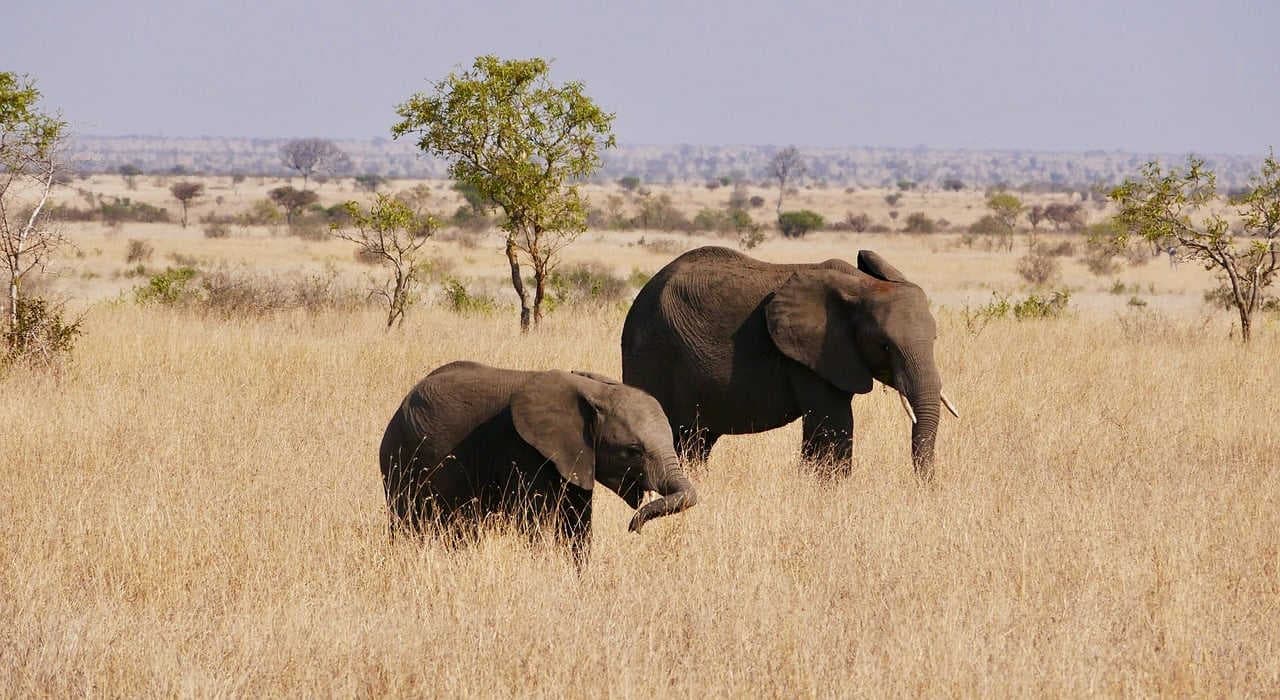
    Far from being a purely North American strategy, the establishment of protected areas on the backs of native peoples soon became a global best practice. The founding, in 1918, of Africa's third largest park - Kruger NP - involved the removal of thousands of Tsonga, a Bantu population originally from southern Africa, who had their land expropriated and, with it, much of their culture and traditions at the behest of Stevenson-Hamilton, a Scottish by birth and the park's first official guardian. His policy towards the indigenous peoples - which included, among other things, a total ban on hunting within the Park - was so strict that it earned him the nickname Skukuza which, in the Tsonga language, means 'he who turned everything upside down' and which, today, identifies one of the most sought-after campsites for tourists on the hunt for an excellent profile photo.
    Exporting the Yellowstone model
    XNatura

    Conservation and Fortress Preservation

    The conservation has never been an easy strategy to describe and apply. Many mistakenly think it has to do with protecting what has never been contaminated by human presence. Pinchot and Roosevelt defined it as the wise use of the Earth's natural resources. What distinguishes it is that, often, it has manifested itself as a process cast from above following western-style logic, practices and interests to the detriment of native peoples. It is, in these cases, 'fortress conservation', which implies the total removal of human presence from areas of high naturalistic interest so as to guarantee access only to tourists, researchers and, in some cases, trophy hunters. Underlying this is the belief, strongly opposed by NGOs such as Survival International, that local people are using natural resources irrationally and that protected areas should be preserved from human disturbance.

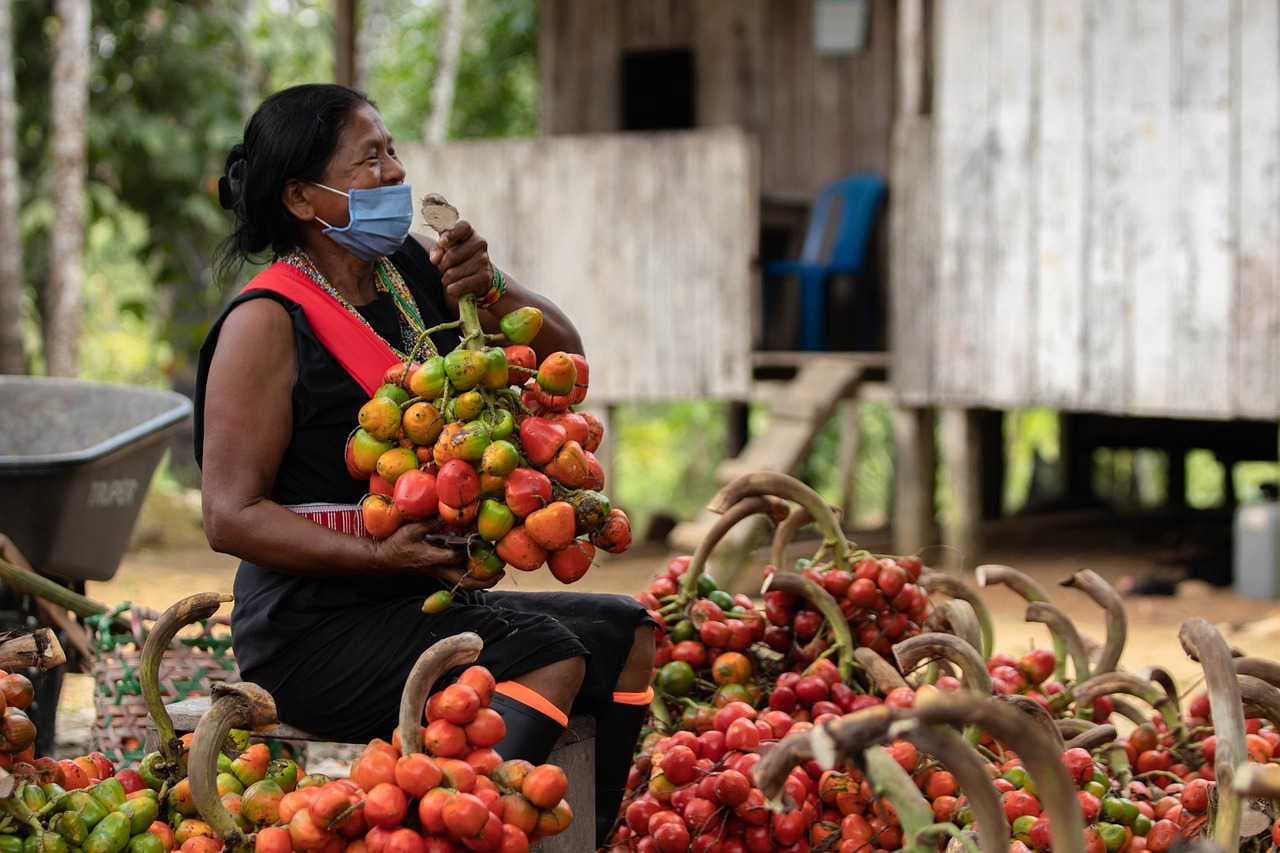
    Donna indigena in Amazzonia
    3Bee

    Today's conservation paradox

    Despite the undoubted and unjustifiable abuse of indigenous peoples in the name of environmental protection - as if one excluded the other regardless - the situation today is so delicate and pushed towards a point of no return, that the debate on whether or not to create protected areas where indigenous peoples live risks being instrumentalised by politics and becoming the victim of useless ideological polarisation. The fact that removing local communities from their lands does not protect biodiversity is an inescapable fact. On the contrary, although comprising only 22% of the earth's surface, ancestral territories coincide with areas that are home to 80% of the planet's biodiversity, demonstrating that native peoples ensure effective and sustainable conservation.

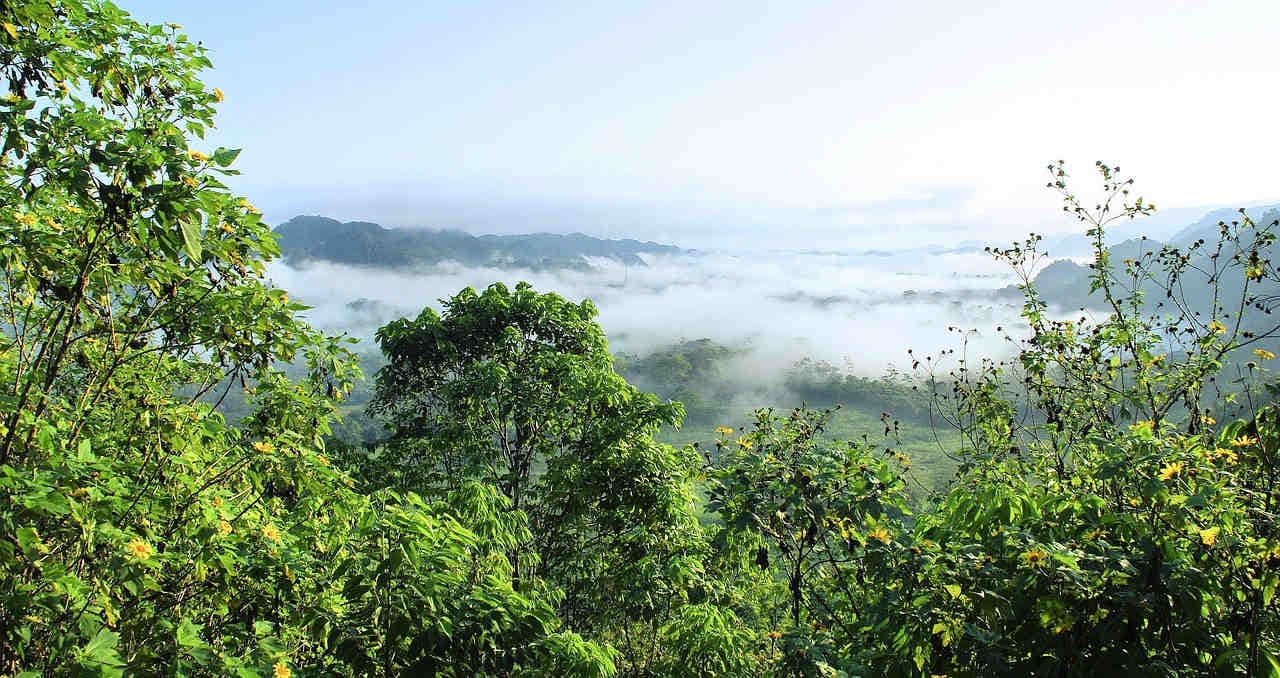
    Foresta amazzonica

    Restarting with land rights community conservation

    However, it is equally undeniable that there is an infiltration of economic power in areas of high biodiversity concentration where local communities, squeezed in the grip of poverty, find themselves having to collaborate with poachers, illegal cattle breeders, mining companies and companies involved in deforestation. Part of the solution to the problem may lie in the application of a conservation strategy that takes its cue from indigenous knowledge and entrusts them with the protection of key areas according to the principles of community-based conservation, which has one of the most successful examples in Madidi National Park (Bolivia).

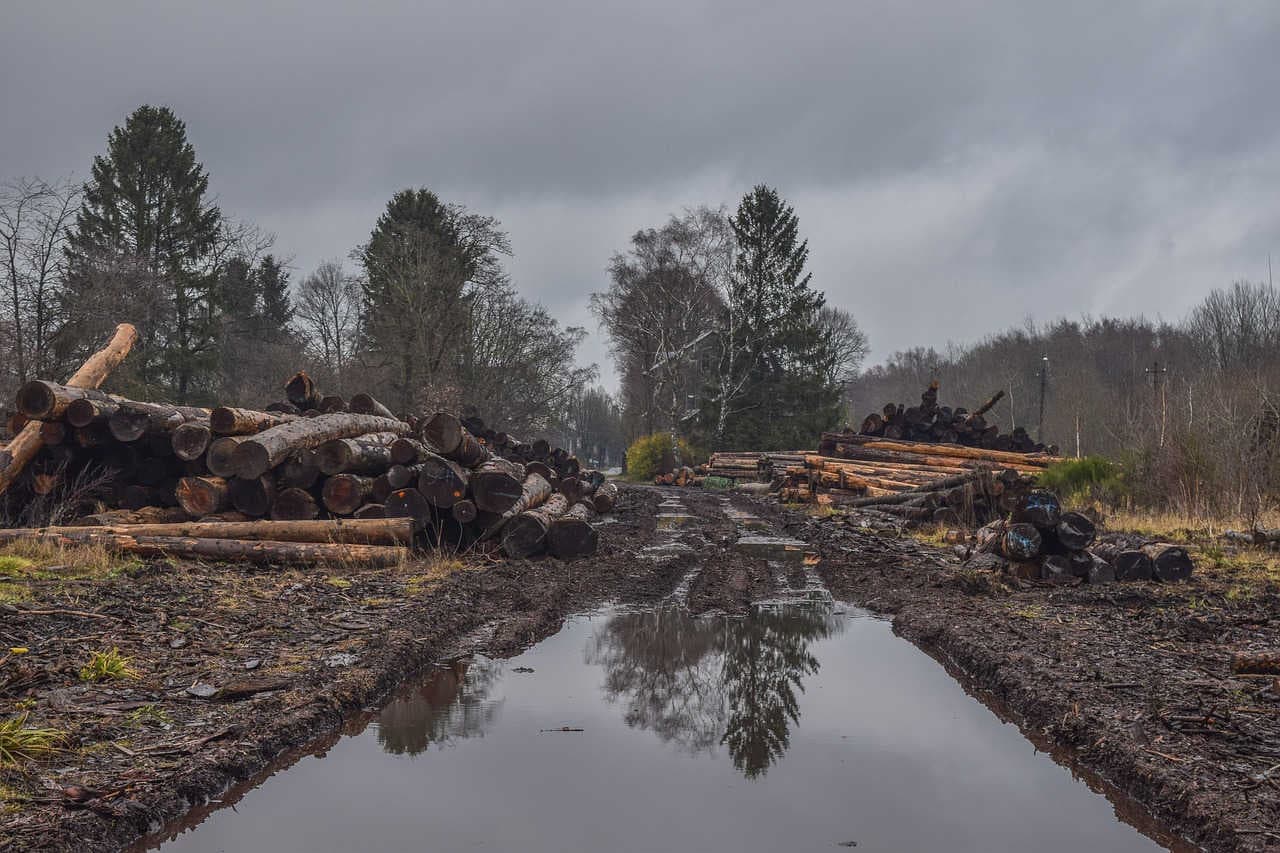
    Deforestazione

    The role of COPs

    Among the instruments that can monitor and improve the relationship between conservation and indigenous peoples, protecting human rights and the rights of other species and ecosystems, are the Conferences of the Parties to the United Nations Convention on Climate Change and the Convention on Biological Diversity that are held annually and biennially respectively. With only a few months to go before the COP30 in Bélem, considered one of the gateways to the Amazon, it is also desirable to envisage legislative instruments that strengthen the rights and duties of the peoples, recognising their role as custodians and managers of the lands they inhabit, and giving them a way to protect themselves from a new form of obscure economic colonialism.

    COP 30
    17/11/2024Of 3Bee, Valeria Barbi
    352 Views
    Newsletter
    newsletter
    Subscribe to the Blog about bees and biodiversity