Extreme weather in Germany: The role of biodiversity
    CLIMATE CHANGEEXTREMWETTERBIODIVERSITÄTECOSYSTEM

    Extreme weather in Germany: The role of biodiversity

    Climate change and the biodiversity crisis are among the factors currently causing extreme weather phenomena in Germany. The causes and consequences are analysed in this article.

    Read the article
    06/07/2023Of 3Bee, Elena Fraccaro
    779 Views
    06/07/2023Of 3Bee, Elena Fraccaro
    779 Views

    The global scenario: climate change

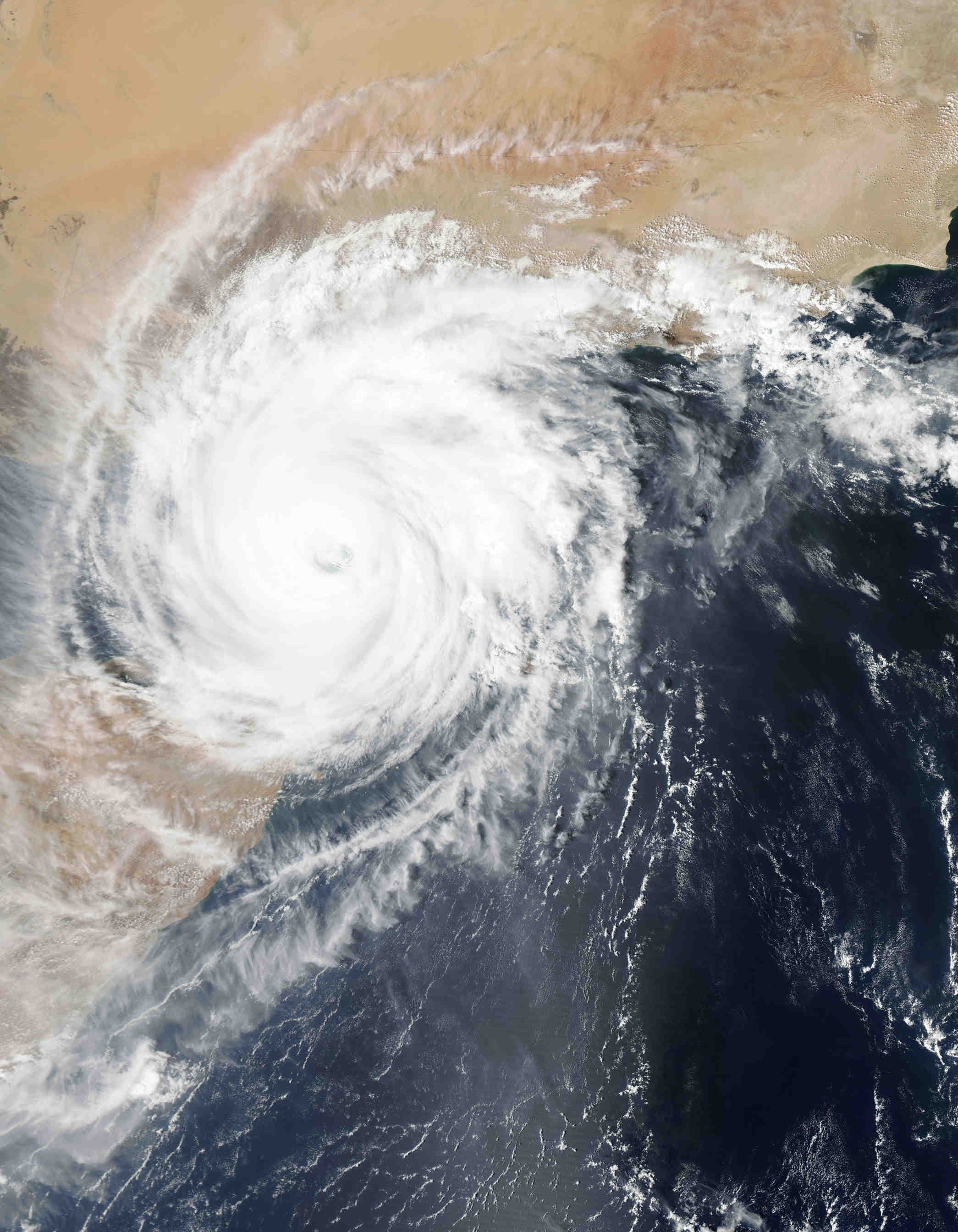
    The unusually high temperatures in the early spring months, combined with the complete lack of rainfall that has led to droughts and dry rivers over the past two to three years, have created a devastating combination. Water evaporates quickly, winds and currents change, and annual rainfall is reduced to a few but extreme events.</clr In the summer of 2021, heavy rainfall caused devastating floods in western and central Europe, including in Rhineland-Palatinate and North Rhine-Westphalia. At least 180 people lost their lives. According to the current state of scientific knowledge, it can be assumed that extreme weather events will continue to increase as global warming accelerates. The European climate is heading towards tropicalisation and we can only protect ourselves by mitigating and adapting.
    Klimawandel Extremwetterereignisse

    What is considered an extreme weather event?

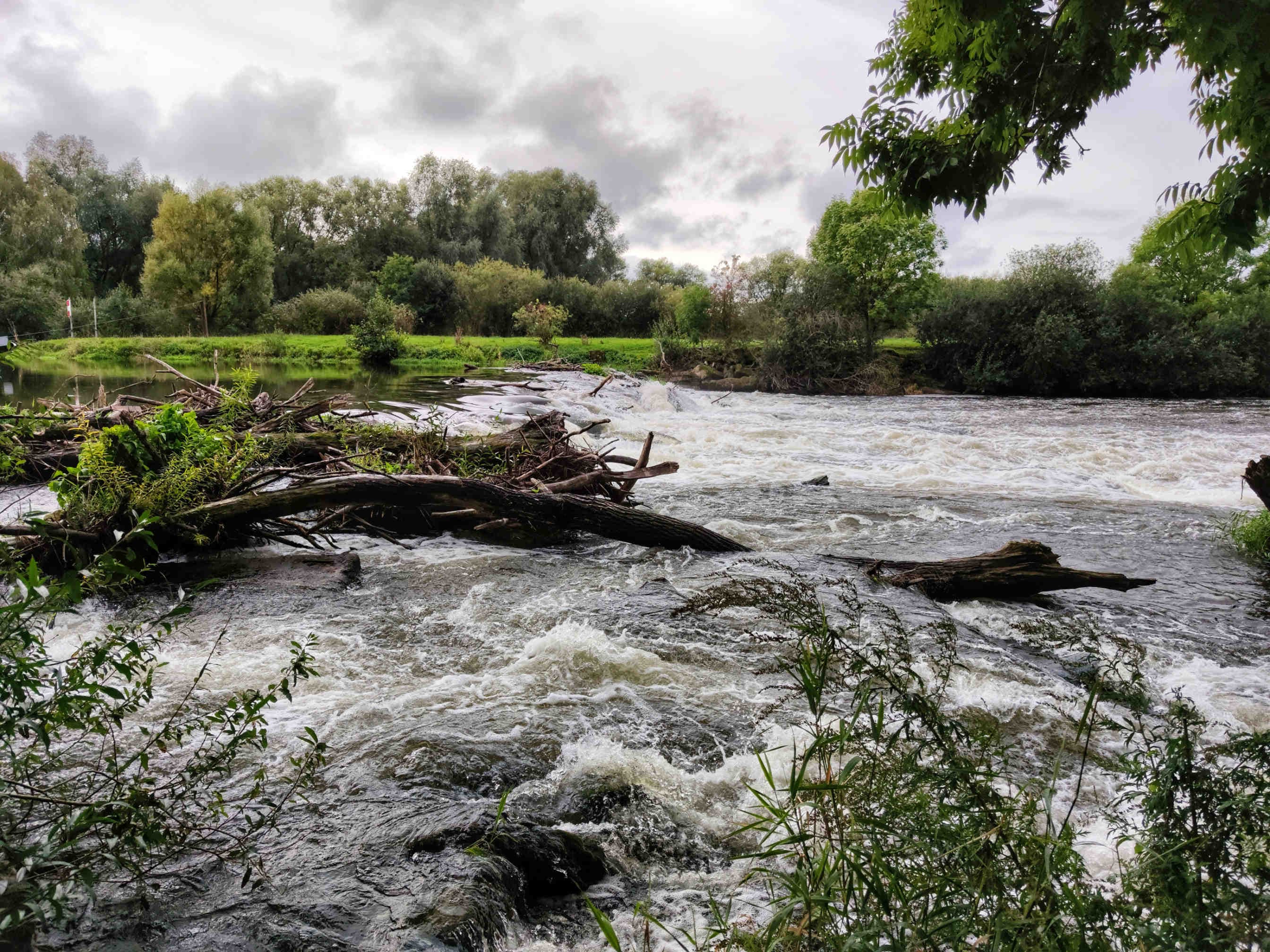
    The German Weather Service describes extreme weather events as phenomena that are very rare or unusual depending on the location and time of year. Accordingly, there are different types of extreme events. These include, for example, particularly high wind speeds during a hurricane storm. A long-lasting phenomenon can also be characterised as extreme, such as a prolonged drought. The categorisation of an event as "extreme" can also depend on when it occurs. For example, temperatures of 25 degrees Celsius in midsummer are common in our latitudes, whereas they would be an extreme event in the winter months. Sometimes extreme events are also measured by their consequences, for example by the economic damage caused.
    Extremwetterereignisse Deutschland 3Bee
    XNatura

    What does this have to do with biodiversity?

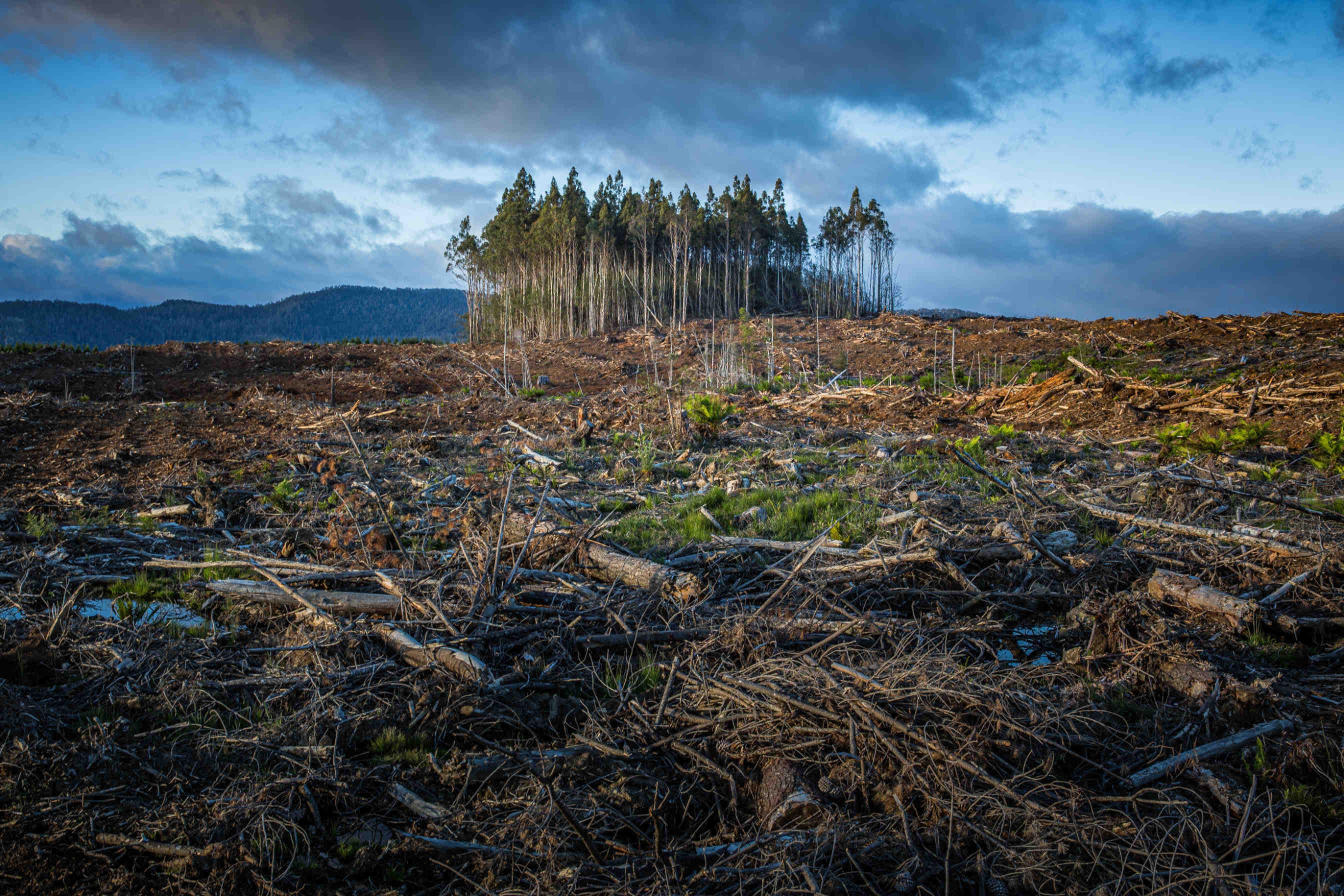
    The answer lies in the soils and natural ecosystems. This becomes clear when we look at a phenomenon such as the flood disaster we experienced in Germany in July 2021. The water storage capacity of soil, vegetation and landscape is a decisive factor in the water cycle. The removal of natural vegetation, the draining of wetlands and soil compaction in agricultural areas reduce this capacity to absorb water and cushion extreme events. Without forest ecosystems, there is no significant amount of water absorption.</clr In addition, we are sealing the earth's surface at an impressive rate. This accelerates water runoff. When rainwater can no longer seep into the ground, it quickly flows to the surface or ends up in the sewerage system.

    Extremwetterereignisse Biodiversität

    More biodiversity and ecosystem services

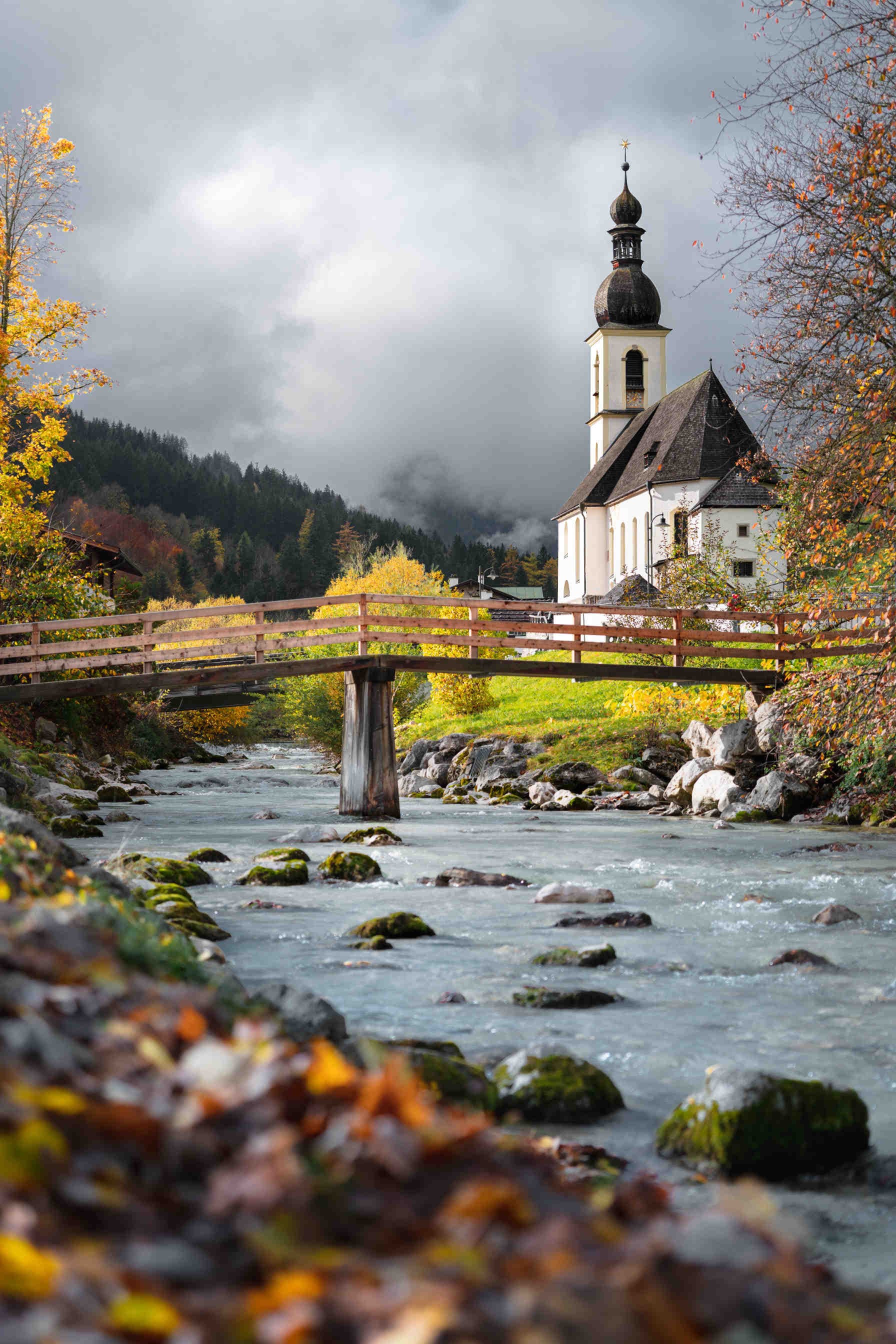
    Among the four categories of ecosystem services that have been identified (supporting, regulating, provisioning, cultural), the focus here is on regulatory services because they relate precisely to protection from hydrogeological disturbance. The recognised causes include cementation and the lack of management and maintenance of riparian vegetation. Forests intercept rainfall, reducing the amount of water that infiltrates and remains in the soil, increasing runoff along the slopes and eroding the soil before it reaches the main river, thus increasing flood events.
    More biodiversity and ecosystem services
    XNatura

    What is happening in Germany right now?

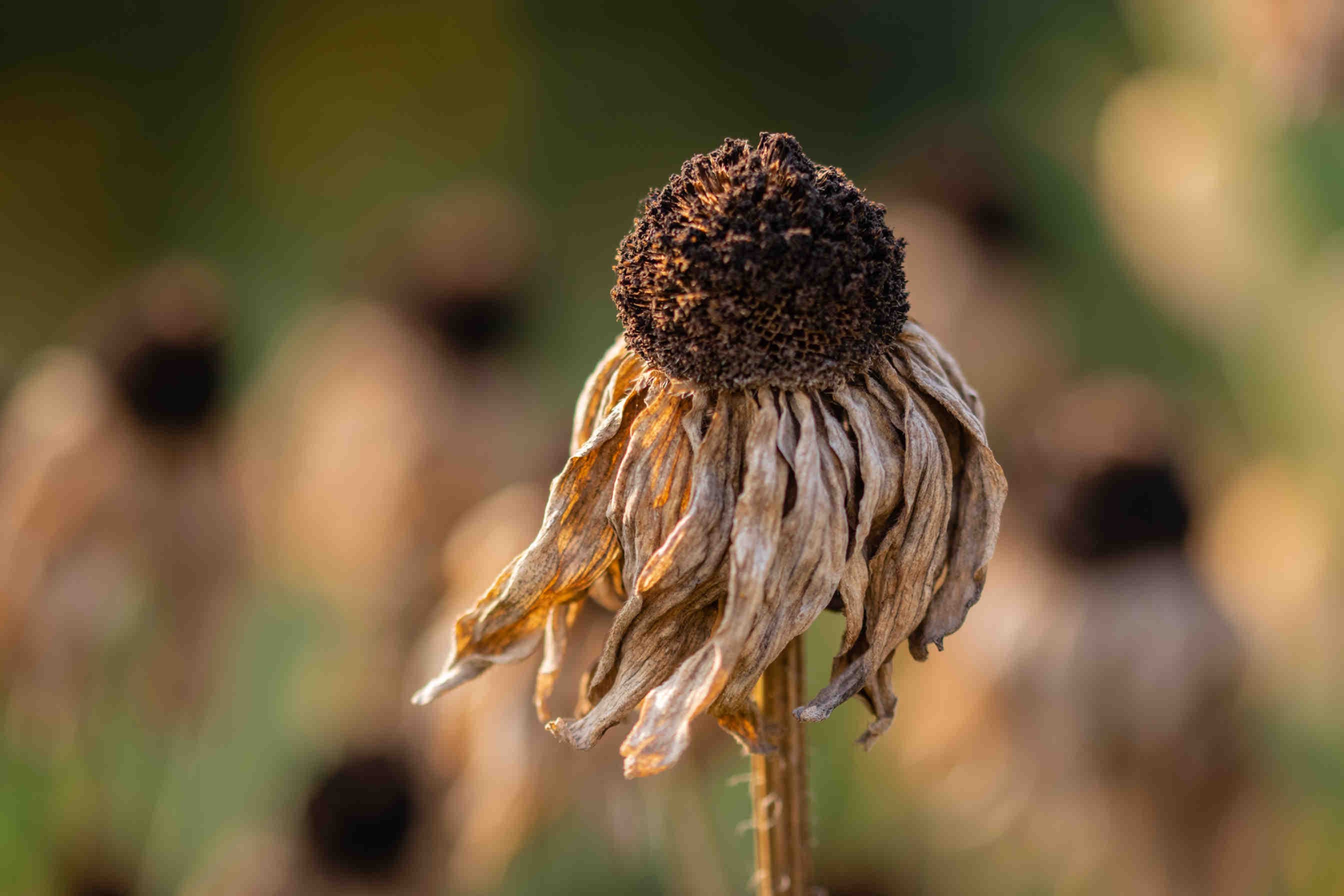
    According to the German Weather Service, June 2023 in Germany was significantly warmer, drier and sunnier than the long-term monthly average. On 8 June, the temperature reached or exceeded 30 °C for the first time in 2023, marking a day of extreme heat. Temperatures continued to rise from the middle of the month and June was very dry overall. Only between 22 and 23 June did a low pressure system cause showers and thunderstorms with heavy rainfall, especially in central Germany. In areas that were not affected by these events, the drought worsened. The average amount of precipitation in Germany totalled 50.4 mm. This corresponds to a decrease of 33.2 % compared to the average for the period 1991-2020.
    Juni 23 in Deutschland warm und trocken
    3Bee

    The need for radical change

    The link between climate change, biodiversity and land management is now taken for granted. In the face of climate change and its consequences, such as devastating floods, joint and decisive action is becoming increasingly urgent. We are called upon to change our paradigm: we must see ourselves as an integral part and guardian of the ecosystem in which we live. This requires sustainable land management, mitigating the impact of human activities on the climate and adopting measures to conserve biodiversity and protect ecosystem services. Only through an integrated approach can we mitigate the effects of climate change and protect our planet. The challenges are enormous, but so are the opportunities that nature offers us.

    Wandel Engagement 3Bee
    06/07/2023Of 3Bee, Elena Fraccaro
    779 Views
    Newsletter
    newsletter
    Subscribe to the Blog about bees and biodiversity

    Frequently Asked Questions

    Do you have any doubts or other curiosities about this article? Here you will find some insights