3Bee supports Nature Restoration Law
    naturaenvironmentItalyagrivoltaic

    3Bee supports Nature Restoration Law

    Fighting climate change and protecting biodiversity is crucial, also for institutions. One major initiative is the EU Green Deal, a comprehensive roadmap for sustainable growth. Today the EU votes for the Nature Restoration Law, aimed at restoring Europe's natural habitats.

    Read the article
    15/06/2023Of 3Bee, Elena Fraccaro
    237 Views
    15/06/2023Of 3Bee, Elena Fraccaro
    237 Views

    Understanding Nature Restoration Law

    The Nature Restoration Law is a landmark proposal by the European Commission to tackle the loss of biodiversity and restore degraded ecosystems in its member states. The intention is to set binding targets for nature restoration, such as reforestation, restoration of wetlands and creation of habitats for wildlife. Specifically, the law aims to restore at least 20 per cent of the EU's land and sea by 2030 and all ecosystems in need of restoration by 2050. The law aligns with the EU's broader Green Deal, a transformative policy framework designed to make Europe the first climate neutral continent by 2050. Described by Ursula von der Leyen as a historic step for Europe, comparable to landing on the moon, the Green Deal includes various initiatives and strategies to combat climate change, promote sustainable agriculture and ensure a cleaner and healthier environment.
    nature restoration law 3Bee

    A law of monumental importance for the environment

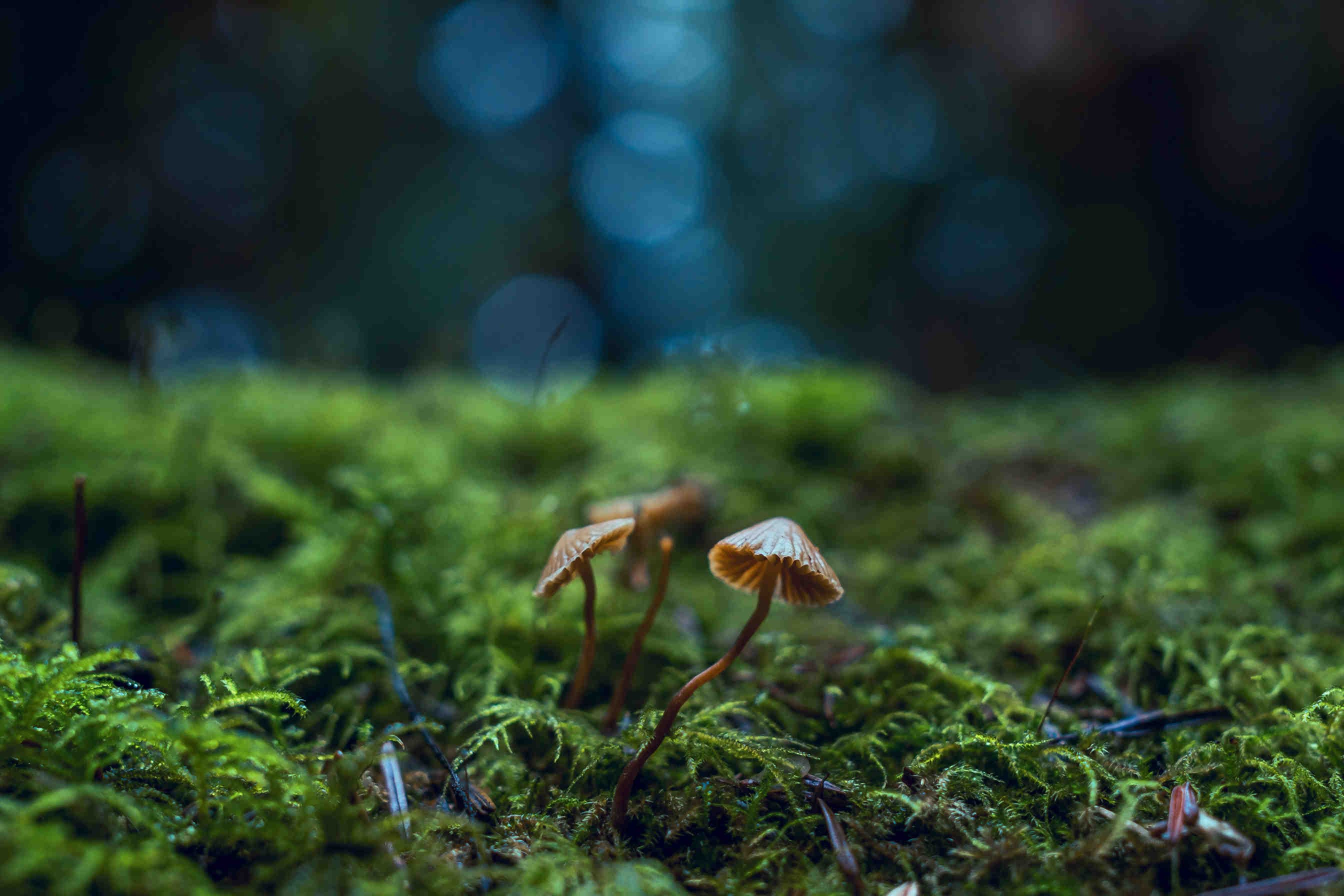
    The Nature Restoration Law has a very important significance for the environment, as it recognises the urgent need to protect and restore ecosystems that are essential for maintaining biodiversity, regulating the climate and sustaining human well-being. According to the European Commission, nature in the EU is in alarming decline, with over 80% of habitats in poor or very poor conservation status. Since 1970, wetlands have shrunk by 50% in Western, Central and Eastern Europe. Up to 70% of soils in the EU are in an unhealthy condition. One in three bee and butterfly species in the EU is in decline and one in ten is on the brink of extinction. By setting binding targets and implementing restoration measures, this bill provides a clear roadmap to reverse the degradation of ecosystems and preserve our natural heritage for future generations.

    biodiversità 3Bee
    XNatura

    The success of nature restoration in Italy

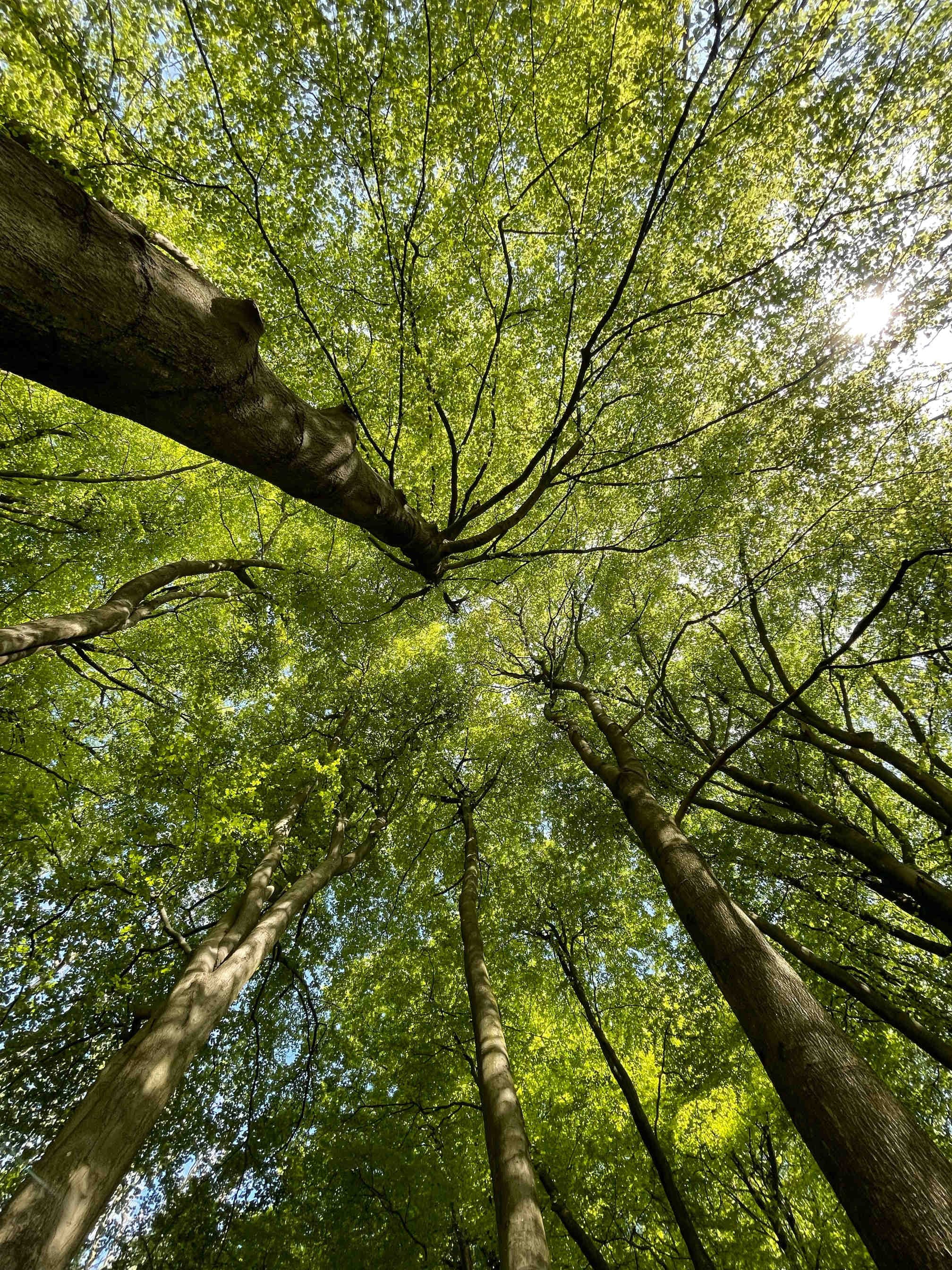
    The objective of the project FAGUS was to ensure the long-term conservation of beech forest habitats in the Apennines, particularly in the Cilento and Vallo di Diano and Gran Sasso-Laga National Parks. Through sustainable habitat management, concrete actions were implemented to increase biological diversity and promote stakeholder awareness of the value of sustainably managed forests. The project recovered timber production while preserving biodiversity and promoting sustainable forest management practices. In this context, 3Bee has worked over the past year to create the largest ecological corridor in Europe, monitored thanks to our technologies. In this way, we have created oases of urban and agroforestry biodiversity, which serve as refuges for pollinators, native flora and certified sites with traceable impacts.
    appennino 3Bee

    Nature Restoration Law e Energy Rinnovabili

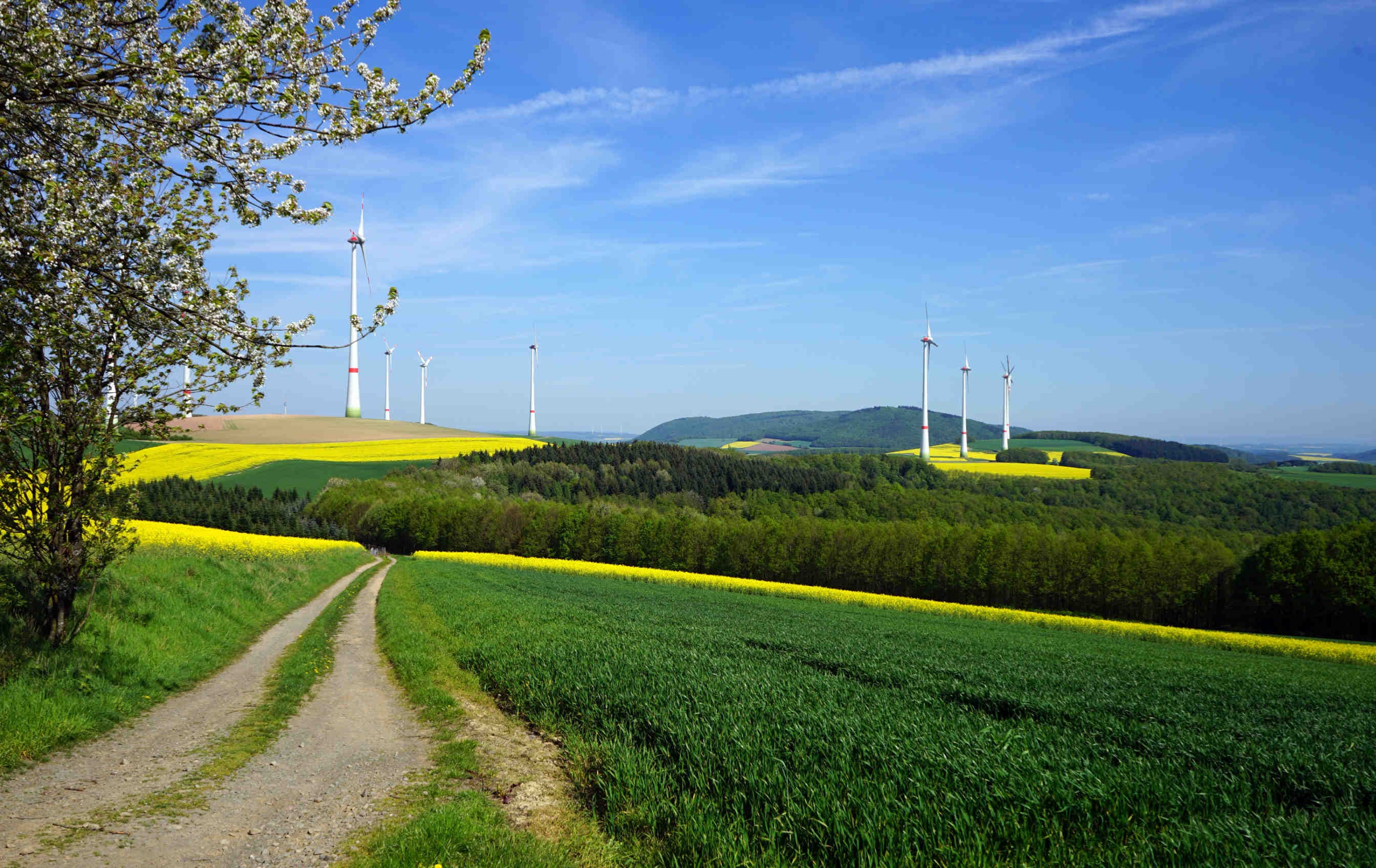
    Critics argue that the nature restoration law will hinder the spread ofrenewable energy in Europe. However, leading industry organisations, such as SolarPower Europe and WindEurope, have affirmed the compatibility between renewable energy generation and nature restoration. They emphasise that solar and wind projects can go hand in hand with regenerating ecosystems, creating habitats for wildlife, and improving water and soil quality. 3Bee supports and amplifies this thinking, recognising the renewable benefits of renewable energy and nature conservation. Positive experiences in the implementation of innovative agri-voltaic projects that mitigate the environmental impact of photovoltaic (PV) and wind farms (Beenergy) further validate the compatibility of renewable energies with the protection of biodiversity.

    Beenergy 3Bee
    XNatura

    Does this law harm the economy? On the contrary, it promotes it

    The Nature Restoration Law benefits the environment, but not only that: it also has considerable economic potential. Rebuilding the damage caused to European nature by 2050 is crucial for the economy, considering the extent to which economic activities rely on natural resources. The implementation of positive policies for nature, as required by law, has the potential to generate significant economic value. According to analyses, such policies could create an estimated annual value of $10 trillion and generate 395 million jobs by 2030. The CEOs and executives of 50 companies, including CNP Assurance, H&M Group, IKEA, L'Occitane en Provence, Legal and General Investment Management, Nestlé, Novozymes, Salesforce, Triodos Bank, Unilever and Velux, expressed their support for maintaining and strengthening environmental legislation, recognising the interdependence between nature and economic well-being.

    3Bee economia nature restoration law
    3Bee

    3Bee's support for Nature Restoration Law

    In line with its commitment to environmental protection, 3Bee strongly supports the Nature Restoration Law. Our CEO Niccolò Calandri says: 'Today the future of Nature is being decided: Europe votes for the Nature Restoration Law. Voting against this law means turning your back on the ongoing fight against climate change. It means tacitly justifying the devastating effects of floods and their victims. Voting against the Nature Restoration Law is a vote in favour of the drought and water crisis that are affecting our continent today. 3Bee is the first company in the industry active in protecting biodiversity in line with the Nature Restoration Law. Whether the law is passed or not, we will continue to do just that."

    Niccolò Calandri CEO 3Bee
    15/06/2023Of 3Bee, Elena Fraccaro
    237 Views
    Newsletter
    newsletter
    Subscribe to the Blog about bees and biodiversity

    Frequently Asked Questions

    Do you have any doubts or other curiosities about this article? Here you will find some insights