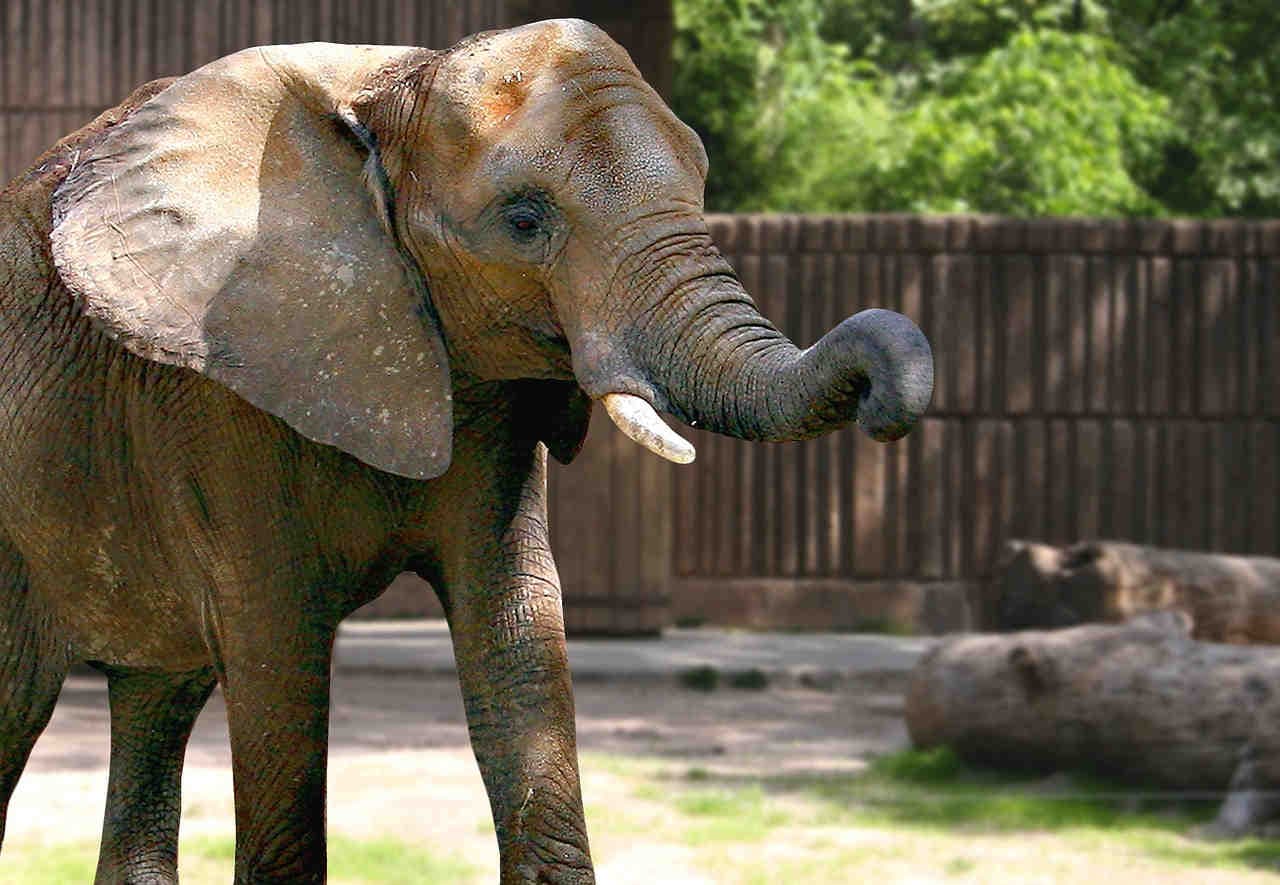
Ethology explains animal welfare
    Well-beingDifferenceMeasurementstereotypy

    Ethology explains animal welfare

    Animal welfare is an increasingly topical ethical issue, with indirect implications for humans as well. Let us see how it can be defined, measured and improved, with a view to safeguarding respect for animals, especially those kept in captivity.

    Read the article
    14/04/2024Of 3Bee, Chiara Grasso
    456 Views
    14/04/2024Of 3Bee, Chiara Grasso
    456 Views

    What is animal welfare?

    The concept of animal welfare and animal consciousness has been widely addressed and discussed in the literature. A researcher at the University of Oxford, Marian Dawkins, published a guide to animal welfare in 2006, describing it as a condition that implies that animals experience positive emotions, pleasure and contentment, and not negative ones, such as fear and frustration. According to Broom in contrast, an individual's well-being corresponds to his or her condition with respect to his or her ability to adapt to the reality in which he or she lives.
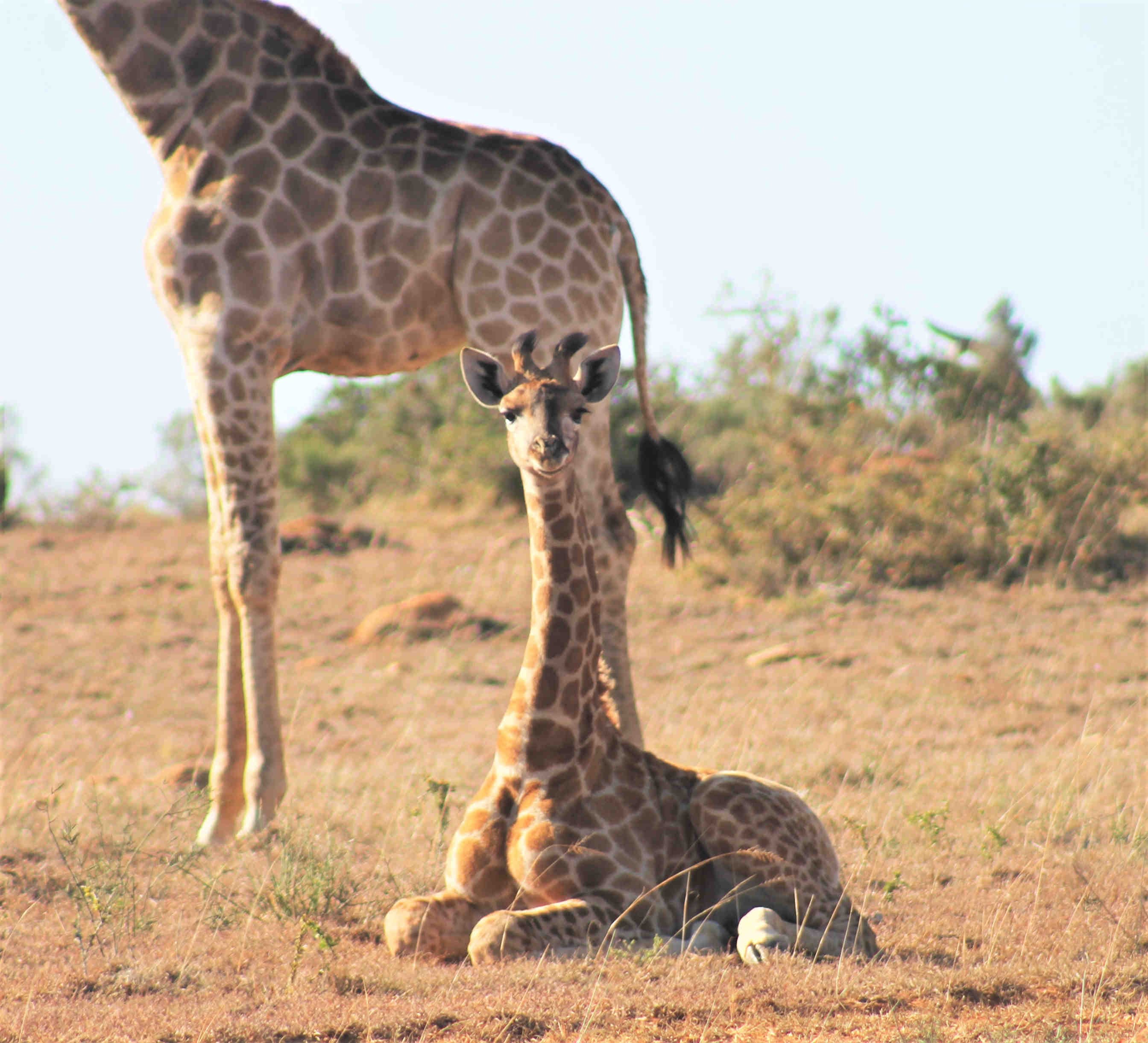
    Photo by Chiara Grasso

    giraffe foto di chiara Grasso

    What is the difference between welfare and wellbeing?

    When it comes to animal welfare, it is complex to understand the difference between Welfare and Wellbeing. Although both mean 'welfare', their subtle difference underlies the understanding of true animal welfare. Welfare (basic well-being) is defined as having basic physical and vital needs met. It refers to a state of good health, avoiding abuse, maintaining adequate standards of accommodation, nutrition and general care, and encouraging the prevention and treatment of disease. On the other hand, Wellbeing refers to a total well-being, a concept more rooted in psycho-physical well-being and related to species-specific biological and ethological needs. These are the psychological, social and cognitive needs. The non-essential needs of respiration and nutrition. Needs that, yes, an animal can do without, but that if they are not satisfied oblige it to live in a condition of survival and not of gratifying existence.

    etologia welfare animali
    XNatura

    How is animal welfare measured?

    Over the past decades, dozens of studies have been published indicating how to measure, monitor and improve animal welfare. One effective method of assessing welfare status is undoubtedly the use of biological parameters, more specifically physiological and hormonal (e.g. quantifying cortisol levels in blood and excreta), that may be indicative of a stress condition. Another way of assessing animal welfare is to turn to ethology, i.e. behavioural studies. To do this, it is useful to know what a stereotype is and to knowthe ethogram (the set of behaviours) of the species in the wild.
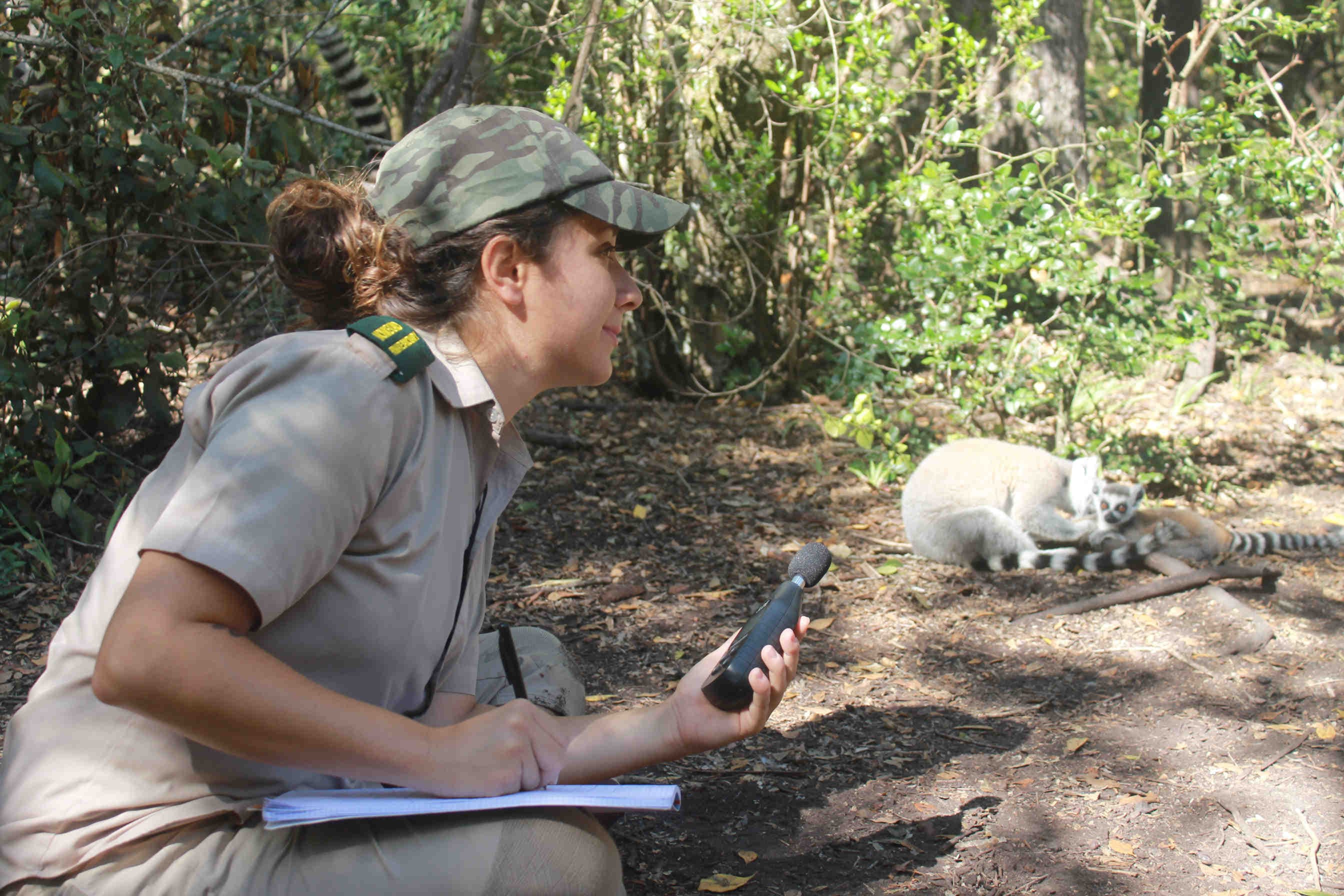
    Photo by Chiara Grasso

    etologa

    What is stereotypy?

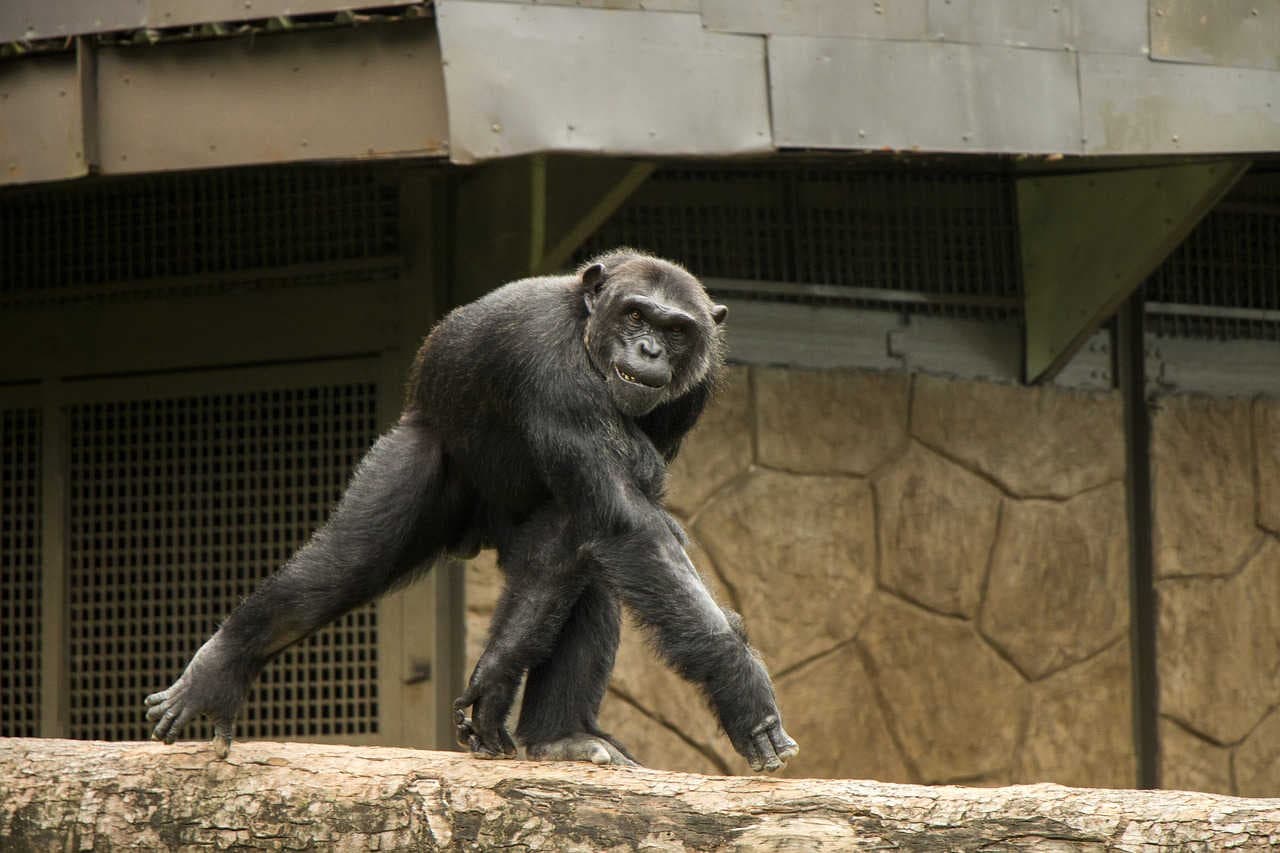
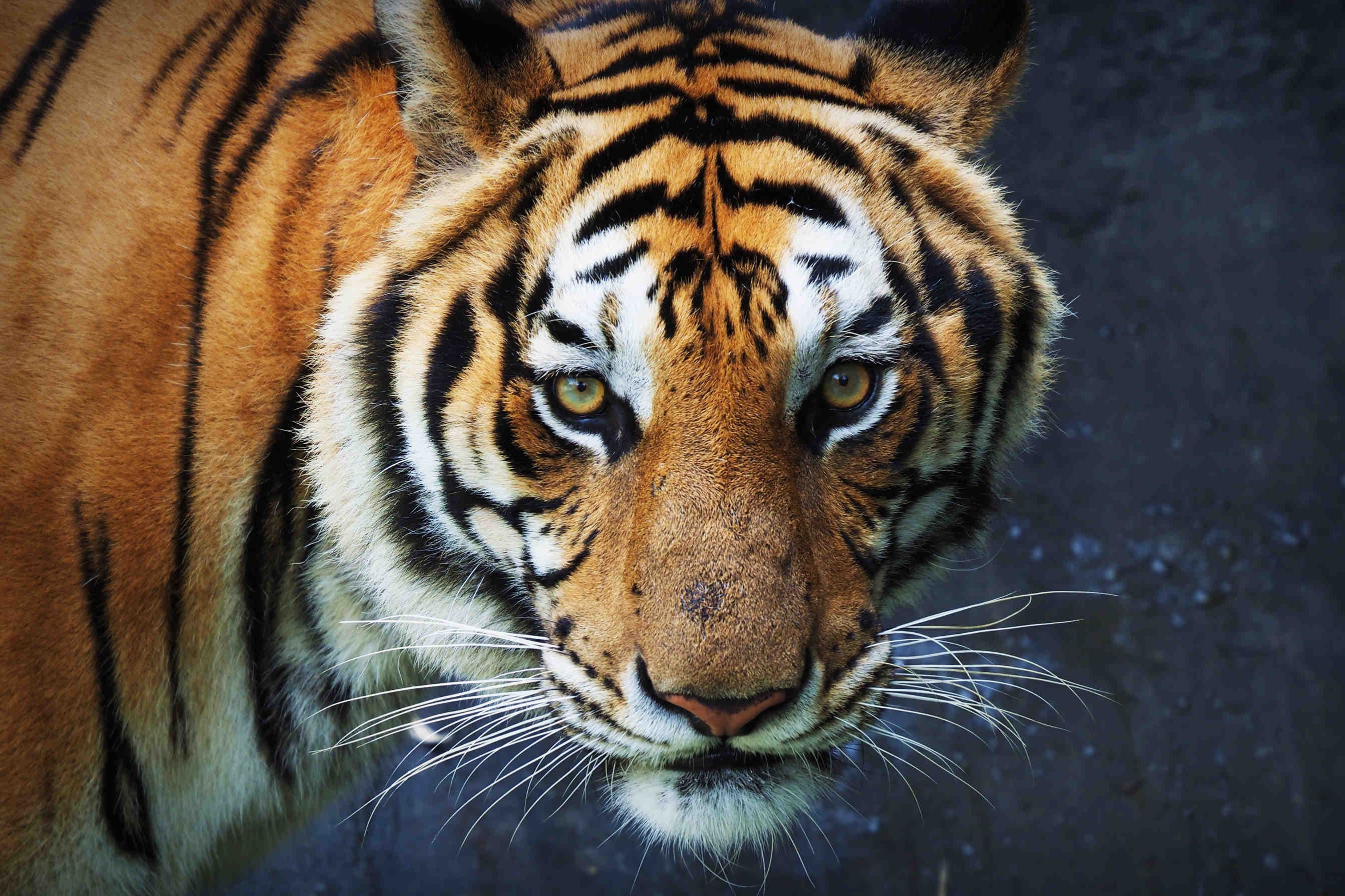
    Often, in the assessment of animal welfare the presence of stereotypy is used as the tip of the iceberg. Stereotypy refers to a series of cyclic, repetitive behavioural modules or sequences, apparently without any purpose or function. Concretely, we can speak of stereotypy, for example, when we see the tigre perform the pacing movement (going back and forth following the same path). Stereotypies, also referred to as maladaptive behaviour, are the animal's way of trying to adapt to its environment. For an animal in a captive condition, stereotypy is the way in which endorphins can be released and cortisol lowered: think of a bear rocking, an elephant swinging, a chimpanzee auto grooming etc. But stereotypy is never the problem: it is only the alarm bell of a difficulty. The goal is not to cure the abnormal behaviour, but to deal with the cause that creates it.

    tigre
    XNatura

    The five freedoms of animal welfare

    The Five Freedoms are internationally accepted standards of care that affirm the right of every living being to humane treatment. These standards were developed by the UK's Farm Animal Welfare Council in 1965 and are:
    1) Freedom from starvation and thirst by providing easy access to fresh water and diet to maintain health and vigour.
    2) Freedom from discomfort by providing a suitable environment including shelter and a comfortable resting area.
    3) Freedom from pain, injury or disease by prevention or prompt diagnosis and treatment.
    4) Freedom to express normal behaviour by providing sufficient space, adequate facilities, and company of one's fellow human beings.
    5) Freedom from fear and the stress by ensuring conditions and care that avoid mental suffering.

    LE CINQUE LIBERTÀ DEL BENESSERE ANIMALE
    3Bee

    Improving animal welfare in a protected environment

    activity can lead to a state of malaise, especially in the case of higher vertebrates, precisely because of the very condition of captivity in which there is no possibility of autonomous decision-making, no possibility of choice and no possibility of cognitive and social stimulation. Environmental enrichment, both sensory and cognitive, comes to the rescue of these deficiencies. The benefits of environmental enrichment have been extensively researched and demonstrated: e.g. for cognitive activities (problem solving), for decreasing levels of stress hormones, for improving social activities and for decreasing stereotypes and abnormal behaviour.

    zoo benessere

    Environmental enrichment

    Environmental enrichment also includes all those great kinds of structural changes to the environment in which the animal can hide from man, the sun, adverse weather conditions or other animals. A good idea would therefore be to create areas such as dens, hiding places and holes. Adding a few naturalised elements such as plants and stones ensures that the animal is not so close to visitors and it is up to it to choose whether to approach or hide. Other solutions to improve the animal welfare in captivity are undoubtedly reduced contact with humans, presence of the mother from the sensitive post-natal period to maturity, and increased decision-making possibilities.
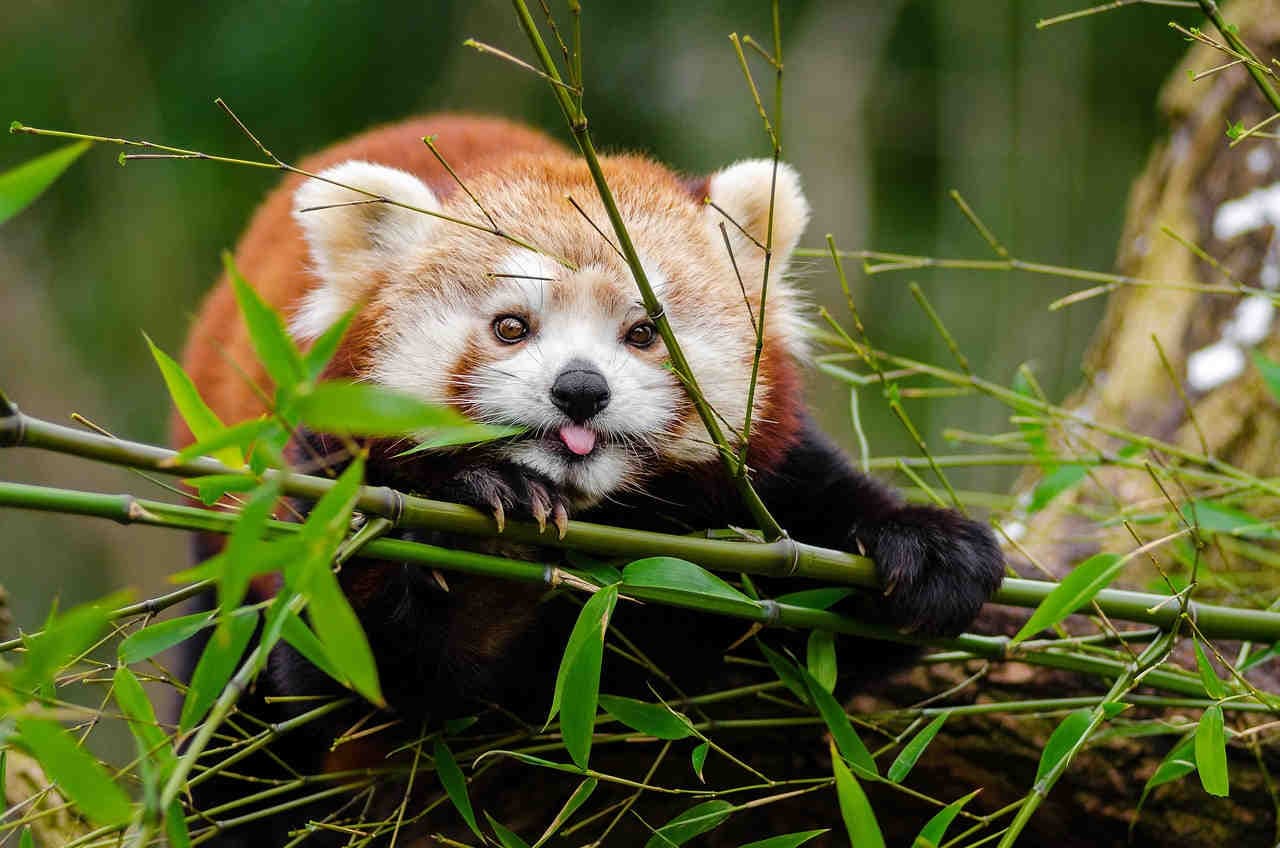
    L’ARRICCHIMENTO AMBIENTALE

    3Bee: technology for the protection of biodiversity

    3Bee is the naturetech company developing technologies for the monitoring, protection and regeneration of biodiversity. Starting with the bee, a fundamental bio-indicator, 3Bee collects and interprets environmental data through innovative proprietary systems to monitor the health of pollinators and their connection with ecosystems.
    - Want to find out how monitor the biodiversity of your production site through technology? Go to the innovative XNatura biodiversity monitoring protocol.
    - Do you want to learn about the main solutions and innovative ESG training programmes for your business? Discover the 3Bee Edu programme.
    - Want to learn more about the creation of Europe's largest ecological corridor for pollinators? Go to the Oases of Biodiversity.
    ape selvatica
    14/04/2024Of 3Bee, Chiara Grasso
    456 Views
    Newsletter
    newsletter
    Subscribe to the Blog about bees and biodiversity

    Frequently Asked Questions

    Do you have any doubts or other curiosities about this article? Here you will find some insights