Environmental Education: Foundation for a Sustainable Future
    ImportanceSustainabilityAgenda 2030GreenComp

    Environmental Education: Foundation for a Sustainable Future

    We discover the importance of environmental education and education for sustainable development, essential tools for raising community awareness and promoting a responsible and environmentally friendly future.

    Read the article
    28/12/2023Of 3Bee, Elena Fraccaro
    639 Views
    28/12/2023Of 3Bee, Elena Fraccaro
    639 Views

    The Importance of Environmental Education

    Environmental education is a fundamental pillar in raising awareness among citizens and communities about environmental issues and good governance. It plays a crucial role in informing and educating people on how their daily actions can impact the environment and suggests practical ways to contribute to its preservation. In an era where climate change and the loss of biodiversity represent growing threats, environmental education is increasingly becoming an indispensable element of a sustainable future.

    The Importance of Environmental Education

    Education for Sustainable Development

    The concept of Education for Sustainable Development (SSE) goes beyond simple environmental protection, embracing economic and social issues such as consumption, poverty and cultural diversity. SSE promotes a holistic and integrated approach, extending beyond formal education to include non-formal and informal learning. This interdisciplinary approach helps form knowledgeable citizens capable of making informed and responsible decisions regarding the environment and society. The key role of Education for Sustainable Development was recognised internationally in 2002, during the World Summit on Sustainable Development in Johannesburg. UNESCO dedicated a UN Decade to SSE (2005-2014), emphasising the importance of integrating sustainability principles into all aspects of education and learning.

    Education for Sustainable Development
    XNatura

    Agenda 2030: Priority to Education

    Goal 4 of the UN Agenda 2030 emphasises quality education as a pillar of sustainable development. This goal aims to integratesustainability, the green economy and resource conservation into education, extending from kindergartens to colleges. The aim is to form knowledgeable citizens capable of facing global environmental, social and economic challenges. Through education that teaches the value of sustainability and respect for the environment, new generations are prepared to actively contribute to a more just and sustainable world. Quality education, according to the 2030 Agenda, goes beyond mere academic learning, promoting a holistic approach that prepares students to become responsible custodians of the planet.
    Agenda 2030: Priority to Education

    GreenComp: Framework for Sustainable Skills

    GreenComp addresses the need to develop skills for sustainable living and working. It is a framework that defines skills in sustainability, providing guidance to educators and a common basis for learners. Suitable for all ages and educational levels, in formal and informal settings, it promotes critical thinking and responsible action for sustainability. The result of extensive research and collaboration between experts, GreenComp is a tool for designing and evaluating sustainability-oriented educational programmes, encouraging a planet-conscious mindset.

    GreenComp: Framework for Sustainable Skills
    XNatura

    The Need for a Holistic Approach

    Environmental education today is more crucial than ever for many reasons: it promotes understanding of the interdependence between environment and society, illustrates how our actions affect the ecosystem, encourages conservation of nature and natural resources and reduces the environmental impact of our activities. Effective environmental education helps to create greater awareness of the need to protect the environment, promoting sustainable behaviour and policies and encouraging active citizen participation.

    The Need for a Holistic Approach
    3Bee

    Environmental Education in Schools

    Integrating environmental education in schools is essential to translate complex scientific concepts into accessible language and stimulate positive change. Targeted educational projects can increase respect for the environment,reduce waste and promote the use of renewable energy. In this context, the Ministry of the Environment has drawn up guidelines to direct schools towards educational topics related to respect for the environment, emphasising the value of environmental education as a means of raising awareness.

    Environmental Education in Schools

    3Bee: At school for biodiversity

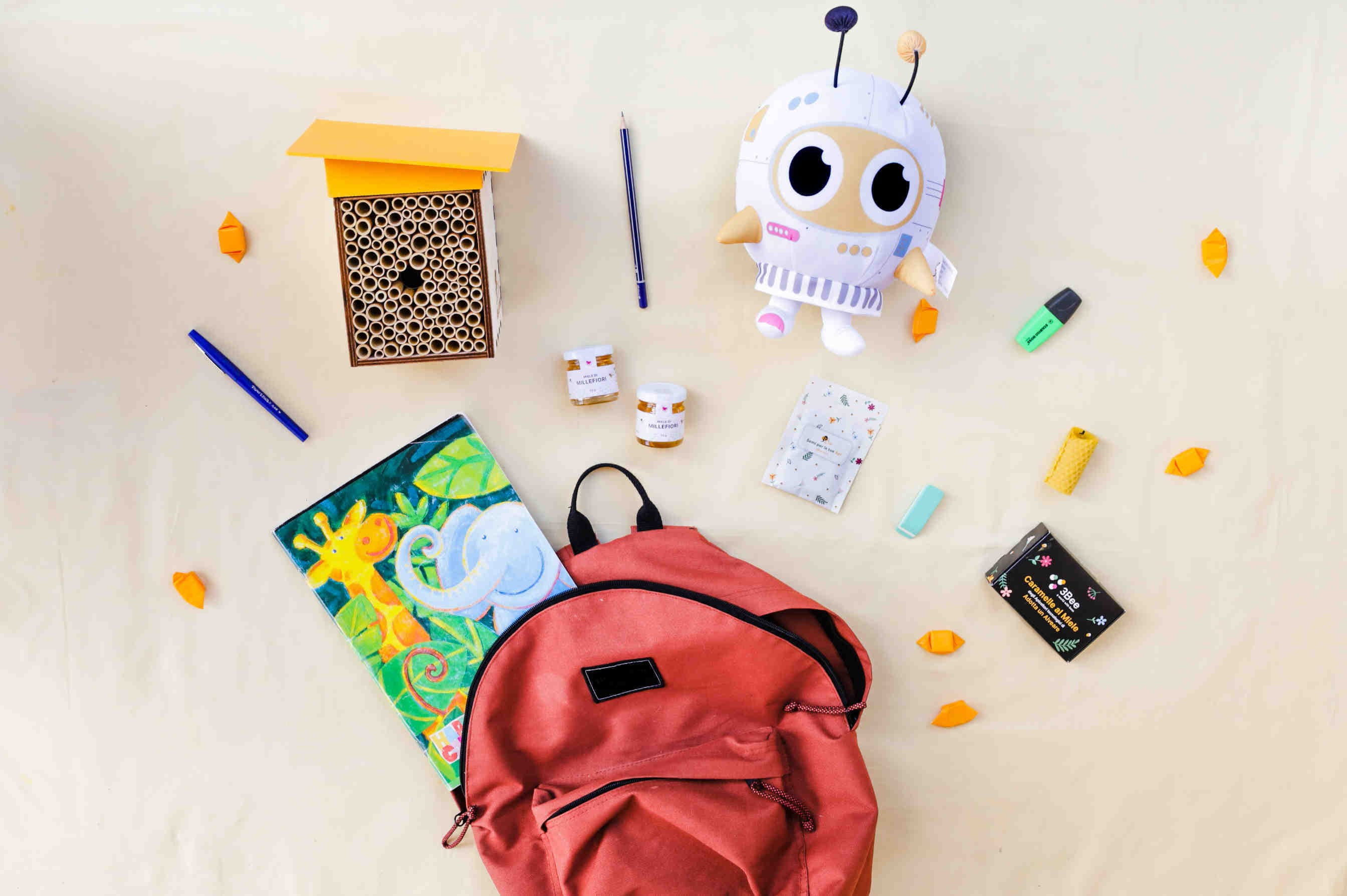
    3Bee, leading Nature Tech company, has created an educational plan dedicated to primary schools with the new, completely free programme "3Bee: at school for biodiversity". A unique opportunity to expand the educational curriculum with high-level environmental sustainability training, all developed and provided free of charge by 3Bee's scientific team. And the success is already tangible: over 500 schools have joined the programme. The project fits perfectly into the context of current Italian legislation, which, with Constitutional Law no. 1 of 11 February 2022, has amended Articles 9 and 41 of the Constitution by including the protection of the environment, biodiversity and ecosystems as fundamental principles of the Italian legal system, also in the interest of future generations.

    3Bee: At school for biodiversity
    28/12/2023Of 3Bee, Elena Fraccaro
    639 Views
    Newsletter
    newsletter
    Subscribe to the Blog about bees and biodiversity

    Frequently Asked Questions

    Do you have any doubts or other curiosities about this article? Here you will find some insights