Attenborough's Echidna: the lost and rediscovered monotreme
    EchidnaShippingDietConservation

    Attenborough's Echidna: the lost and rediscovered monotreme

    Attenborough's Echidna (Zaglossus attenboroughi) is a monotreme mammal, long considered extinct. Its recent rediscovery in Papua, Indonesia, has captured the world's attention, highlighting the importance of protecting the unique biodiversity of this region.

    Read the article
    12/12/2025Of 3Bee, 3Bee
    238 Views
    12/12/2025Of 3Bee, 3Bee
    238 Views

    A living fossil resurfaced from the Cyclopean mountains

    Disclaimer: this is an automated translation from Italian. Go to the original article.

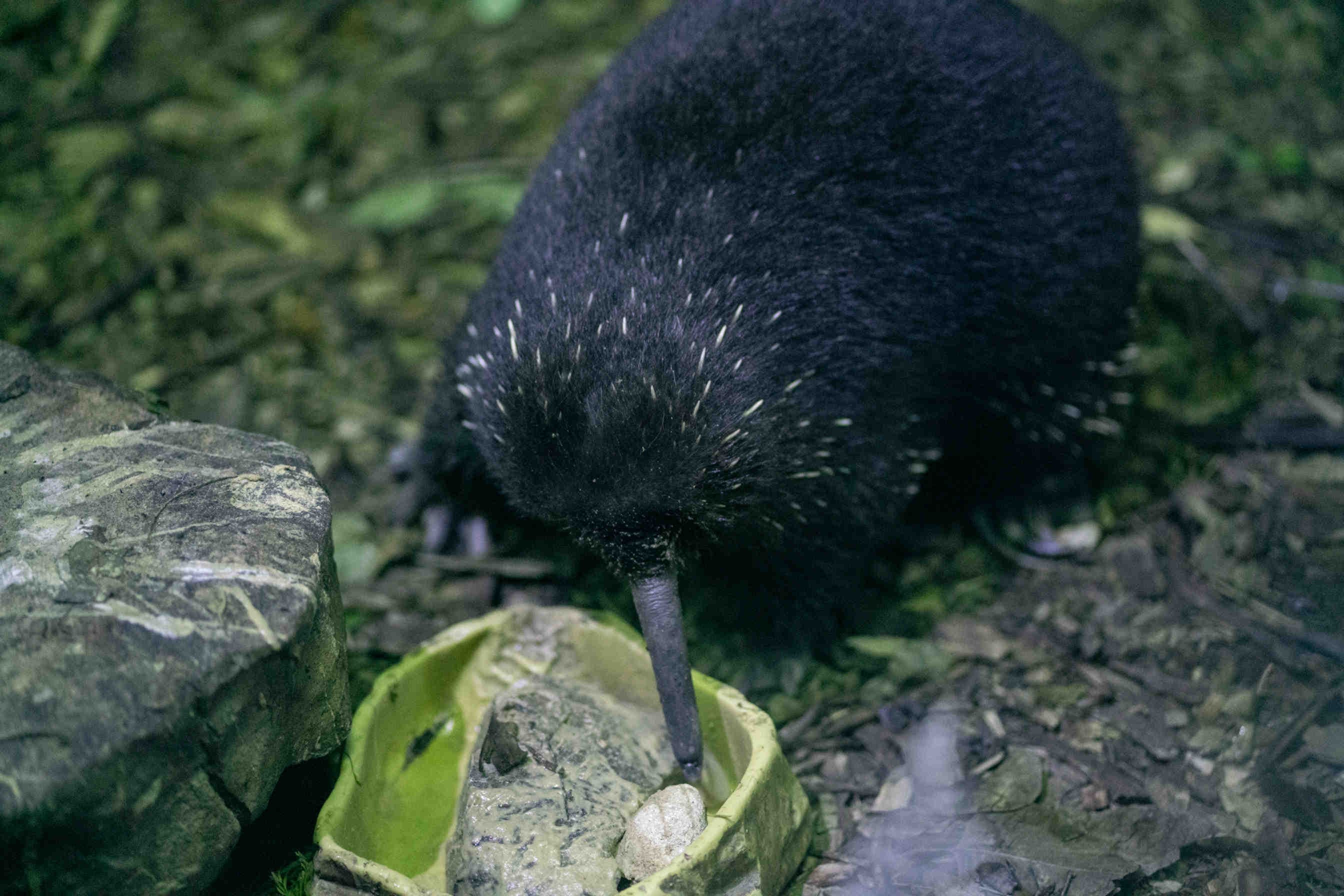
    The Attenborough's long-beaked echidna is one of the planet's most elusive creatures. It belongs to the order Monotremata, egg-laying mammals whose evolutionary line diverged from other mammals around 187 million years ago. Formally described in 1998 by scientists Flannery and Groves, from a specimen collected in 1961, it was named in honour of Sir David Attenborough, making it a "living fossil". It is the smallest species of the genus Zaglossus. Its exclusive habitat is confined to the tropical montane forests of the Cyclops Mountains, Papua, Indonesia, making it an extremely vulnerable island endemic. It is distinguished by its short, fine fur and by having five claws on each foot.
    3bee-blog-un-fossile-vivente-riemerso-dalle-montagne-ciclopi

    The Expedition and the Extraordinary Rediscovery in 2023

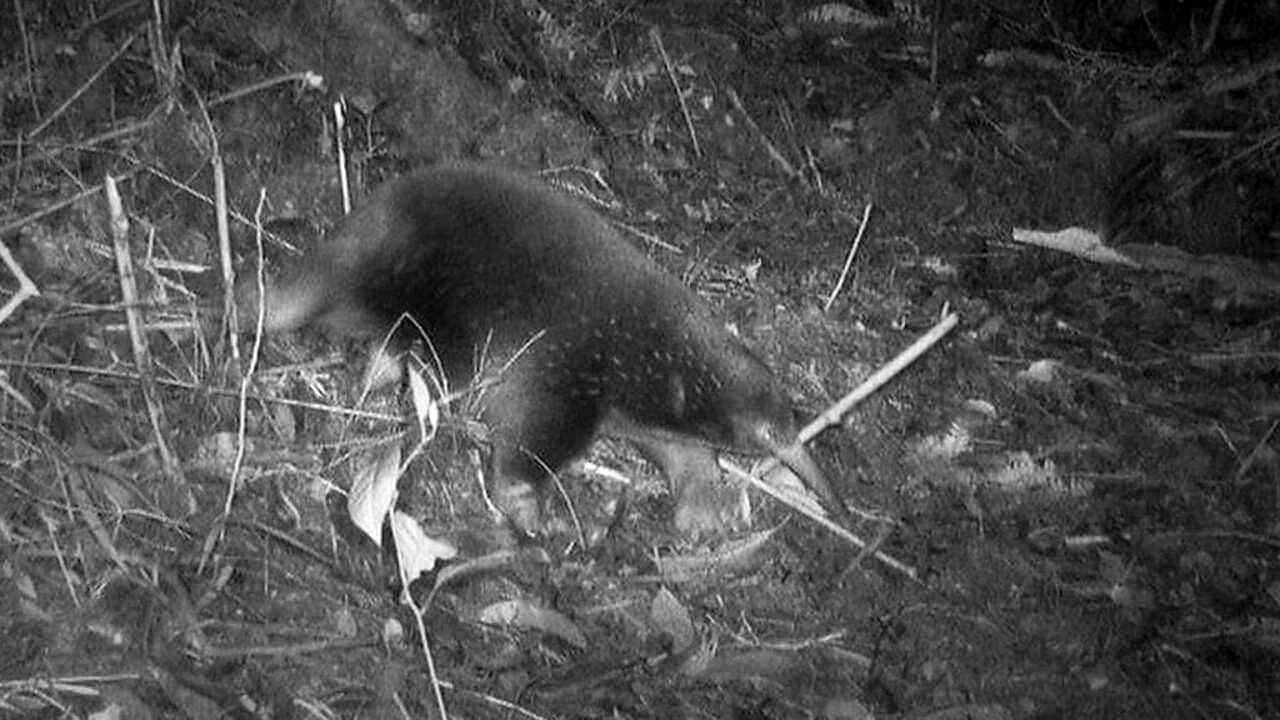
    For over 60 years, the existence of Zaglossus attenboroughi in the wild had not been documented, leading to fears of its extinction. An international expedition, led by the University of Oxford and in collaboration with the Natural Resources Conservation Centre of Papua (BBKSDA), embarked on a search in 2023 in the Cyclops Mountains. The team relied on the knowledge of the local Yongsu Sapari community, who provided valuable guidance to access remote areas. Confirmation came through camera traps: after four weeks of waiting and the use of 80 traps, the team managed to capture the first-ever video footage of a live specimen of Attenborough's Echidna. This rediscovery not only proved its survival but also highlighted the crucial value of collaboration with local populations in the conservation of extremely rare wildlife. Image source: BBC.

    3bee-blog-la-spedizione-e-la-straordinaria-riscoperta-nel-2023
    XNatura

    Diet, habitat and peculiarities of the Monotremata

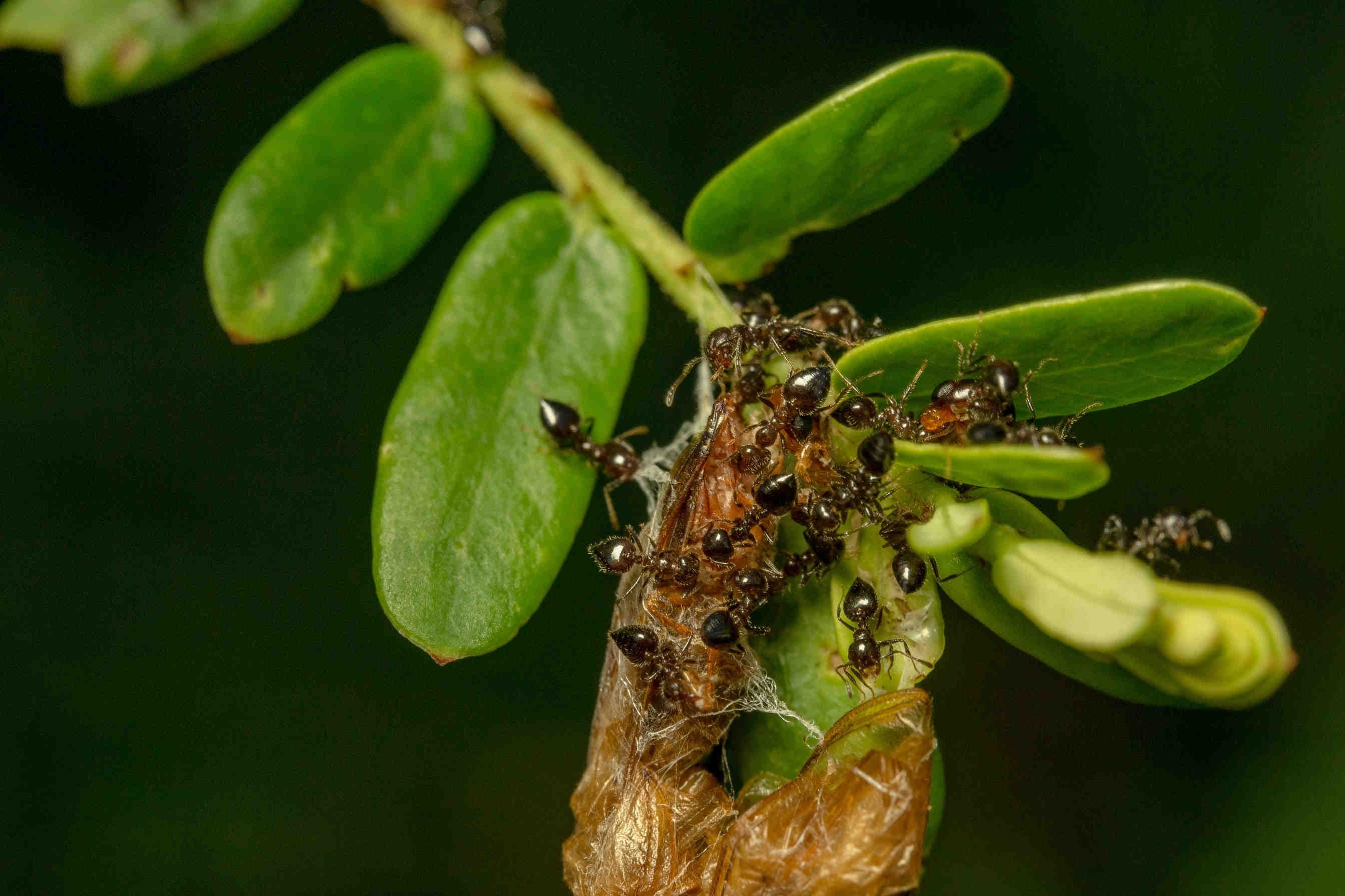
    Like all Long-beaked Echidnas, Zaglossus attenboroughi is a nocturnal, solitary animal and a powerful digger, adapted to life in montane rainforest environments. Its diet is predominantly carnivorous (vermivorous), consisting mainly of earthworms, insect larvae, and ants. The echidna uses its long snout to probe the ground in search of food, leaving small cavities known as nose pokes. This foraging technique is supported by electroreception, a unique sensory ability among mammals (shared with the platypus) that allows it to detect the weak electric fields of prey through receptors on the tip of its snout. When it feels threatened, the echidna curls up into a spiny ball to protect itself.

    3bee-blog-dieta-habitat-e-particolarita-del-monotremata

    Conservation status and threats to the species

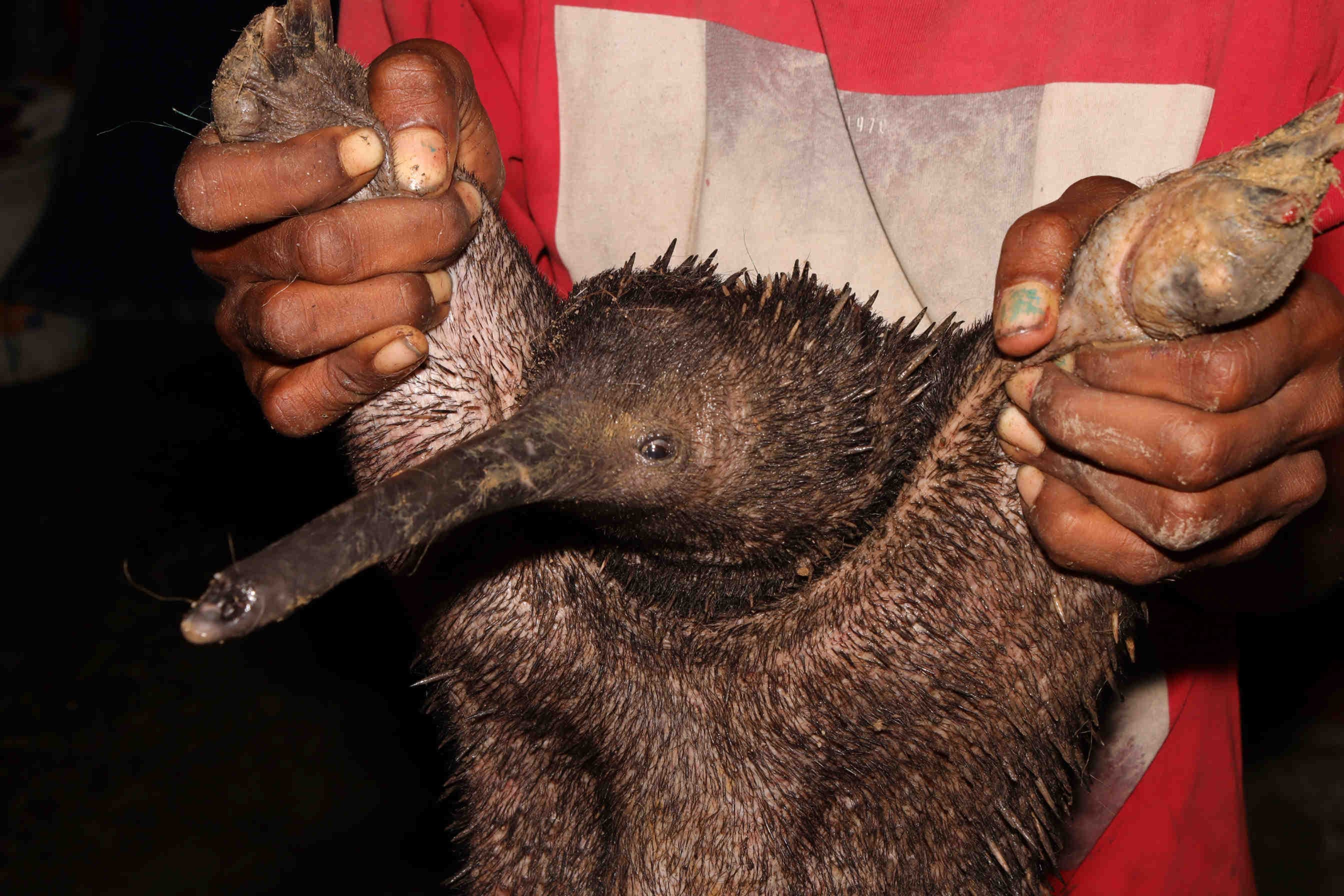
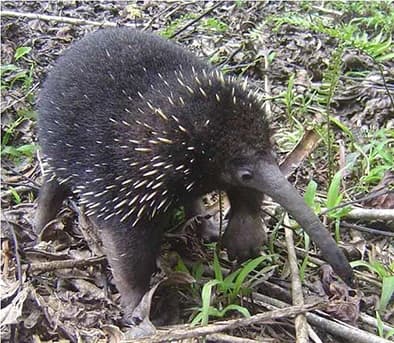
    Attenborough's Echidna is classified as Critically Endangered on the IUCN Red List. Despite its rediscovery, the species is at severe risk of extinction. Its limited habitat in the Cyclops Mountains is threatened by habitat loss and degradation due to agriculture and mining. Additionally, a significant threat comes from subsistence hunting, as the echidna is considered a delicacy and is hunted using trained dogs. Hunting increases the risk of predation on a population that is already naturally low in density. The survival of Zaglossus attenboroughi is linked to the effectiveness of local conservation measures, such as the Cyclops Mountains Strict Nature Reserve, and the promotion of greater awareness of the risks faced by this unique endemic species. Image source: Secret Nature.
    3bee-blog-stato-di-conservazione-e-minacce-per-la-specie
    XNatura

    The Crucial Role of Technology in Conservation

    The rediscovery of the Attenborough's Echidna highlights the vital role of technology in biodiversity conservation. Camera traps, which have provided the only visual documentation of the living species, represent an essential non-invasive monitoring tool for tracking rare, nocturnal, or elusive species in remote habitats, providing crucial data on distribution and population density. The analysis of this data supports strategic conservation decisions. Even in local ecosystems, tools such as camera traps and acoustic monitoring are fundamental for measuring environmental health. XNatura is actively committed to ecosystem monitoring through satellite analysis and field technologies.

    3Bee
    12/12/2025Of 3Bee, 3Bee
    238 Views
    Newsletter
    newsletter
    Subscribe to the Blog about bees and biodiversity

    Frequently Asked Questions

    Do you have any doubts or other curiosities about this article? Here you will find some insights