Dandelion Honey: Characteristics And Properties
    3Bee approachTarassacoFeaturesProperties

    Dandelion Honey: Characteristics And Properties

    At 3Bee, honey is a symbol of the hard work of pollination done by bees and the realisation of their contribution to the ecosystem. Our projects support biodiversity and through our growers ensure a healthy environment for pollinators.

    Read the article
    29/03/2018Of 3Bee, Elena Fraccaro
    3757 Views
    29/03/2018Of 3Bee, Elena Fraccaro
    3757 Views

    3Bee's approach to biodiversity protection
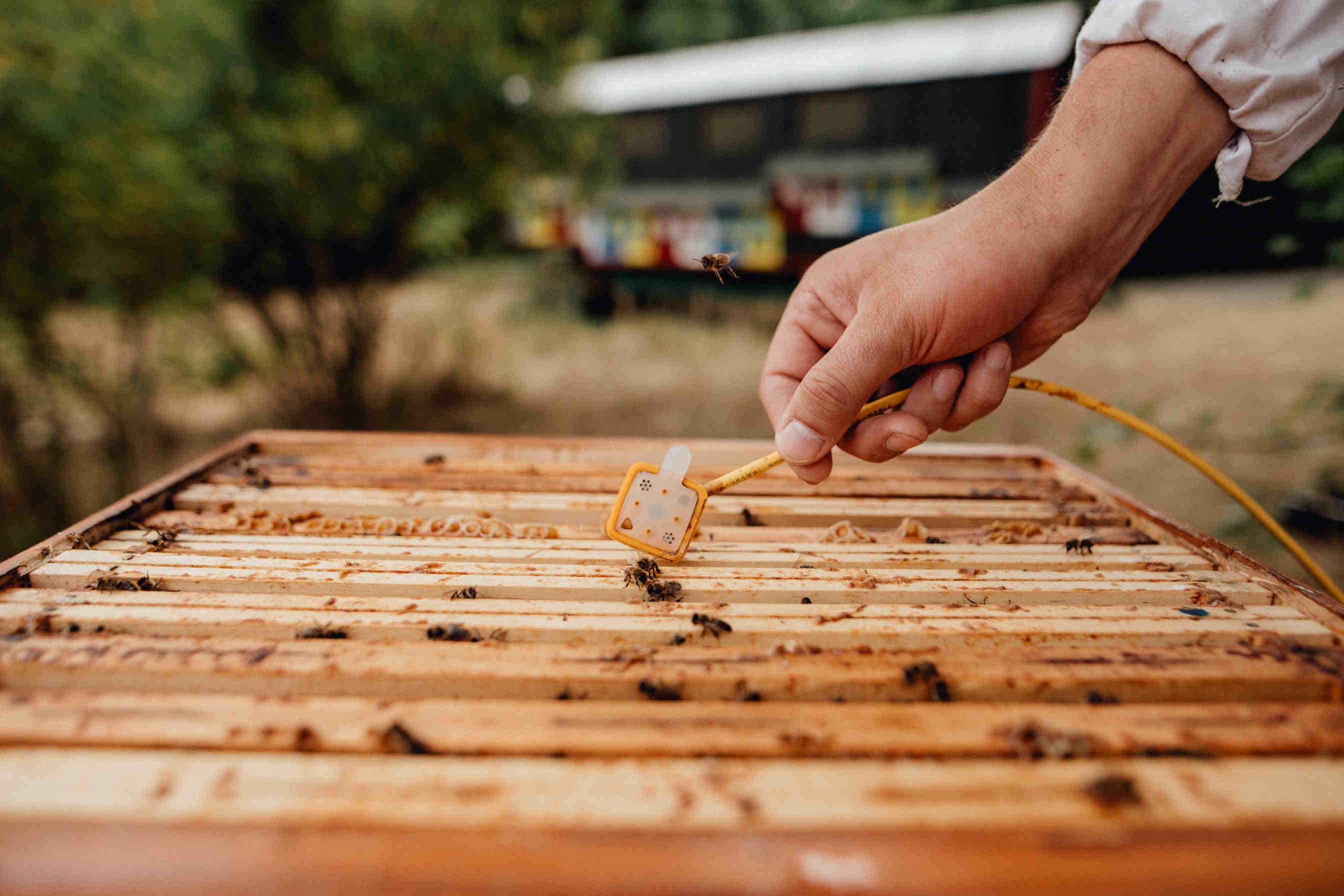
    3Bee is the Nature Tech company that develops technologies for the protection of biodiversity. 3Bee Hive-Tech is 3Bee's first system for analysing the health and 'starvation' status of honeybees, environmental protectors par excellence. Over time, we have developed other technologies to study and monitor all the pollinating insects and created more than 200 Oases of Biodiversity with thousands of nectariferous plants to provide them with nourishment. In this way, we want to create a virtuous circle: our beekeepers are transformed by necessity into Oasis growers and promoters of environmental biodiversity. We do not encourage massive production and intensive breeding, which have a negative impact on biodiversity and pollinators. We do, however, recognise the value of honey as a valuable symbol of the biodiversity of an environment and a tool for disseminating the commitment and protection of an area, to be consumed sparingly and with respect for the life cycle of these insects.

    3Bee Hive-Tech

    The dandelion

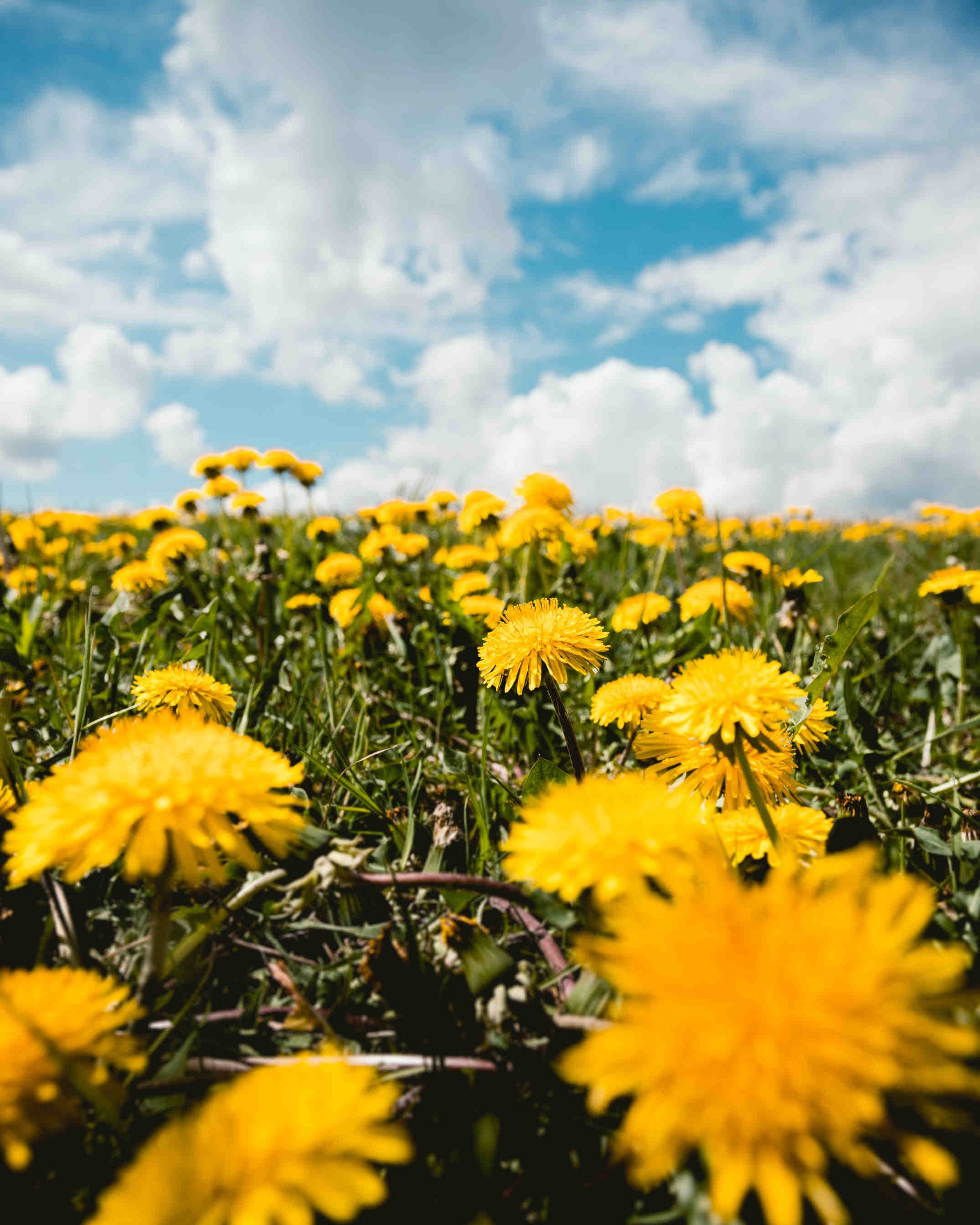
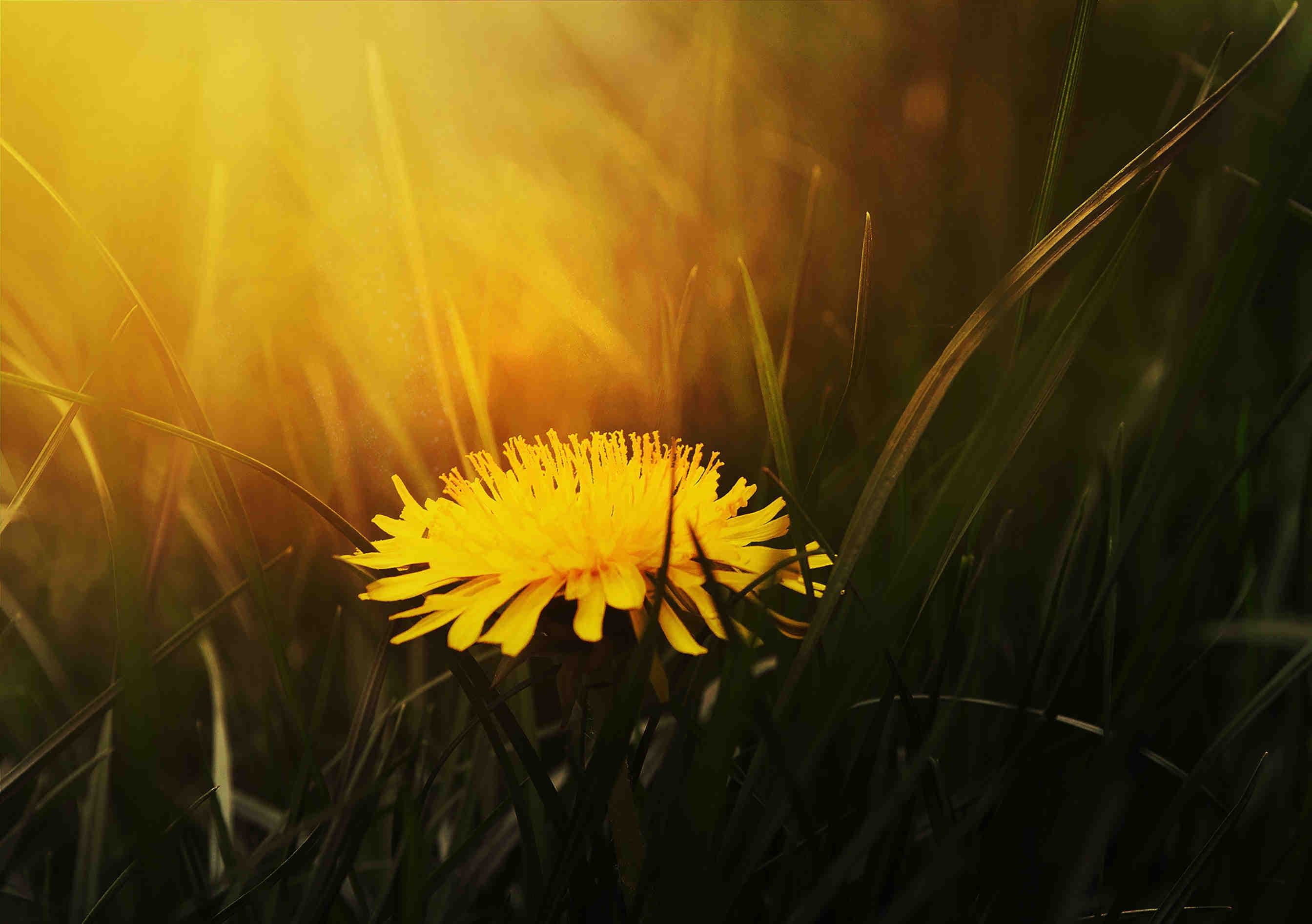
    The dandelion is a perennial herbaceous plant that grows wild in flat and mountainous areas, up to 2000 metres high. The leaves have depurative properties and stimulate liver activity, while the root is used as a diuretic and, roasted, as a coffee substitute. The flower blooms at the very beginning of the spring period. This makes the production of a monofloral dandelion honey particularly difficult. In order to obtain it, the beekeeper must have bees that have overwintered well, strong and therefore ready to harvest as soon as the first flowers appear. If this were not the case, the nectar collected from this first bloom would inevitably be mixed in with subsequent harvests.
    The dandelion
    XNatura

    Characteristics of dandelion honey

    Dandelion honey has the typical bright yellow colour. Only when mixed with willow honey, for example, does it take on a more beige colour. It has a particularly fast crystallisation and very often occurs with rather fine crystals. This does not make it very advisable for it to remain in the ripener for a long time, from which potting may then be complicated. Moreover, it has a rather high water content of around 18-20%. If not corrected by the beekeeper, this can considerably reduce the honey's shelf life due to probable fermentation. A particular feature that makes this honey immediately recognisable is its very strong, pungent, penetrating odour, very often described as ammoniacal. Corresponding to this, however, is a flavour reminiscent of chamomile infusion or even the taste of essential oil-based candies.

    The properties and taste of Dandelion honey

    The peculiar properties of this honey are certainly the diuretic, depurative and draining ones. This is why it is very often included in purifying diets or used in cures aimed at eliminating toxins from our organism. A good purifier for our whole body, it is particularly indicated for kidney cleansing. It is important, as with all types of honey, to consume it rice, not subjected to processing that deprives it of its precious qualities. It is therefore preferable to choose a locally produced honey, perhaps from the beekeeper close to home, so as to be sure of its genuineness and origin. The taste of dandelion honey may vary depending on the geographical region where it is produced and the dandelion species present in the area.

    XNatura

    The importance of honey

    The information contained in this blog is about the importance of honey as the fruit of the tireless work of bees that transforms the collected nectar (including extra-floral nectar and honeydew) into a precious food product that encompasses the biodiversity with all the countless facets present in the hive's surroundings. On an environmental level, honey is the symbol of the pollination activity of the bee, which flies from flower to flower to collect the nectar and, in so doing, transports the pollen, becoming the vector for the pollination and reproduction of tens of thousands of plant species. Honey is still a little-known product, often devalued in its quality or sold as a panacea for all ills. Like all foods, however, it must be consumed with moderation and care as it contains a high content of simple sugars. But it is not in its basic values that its most important quality lies.
    The importance of honey
    3Bee

    Importance for the environment

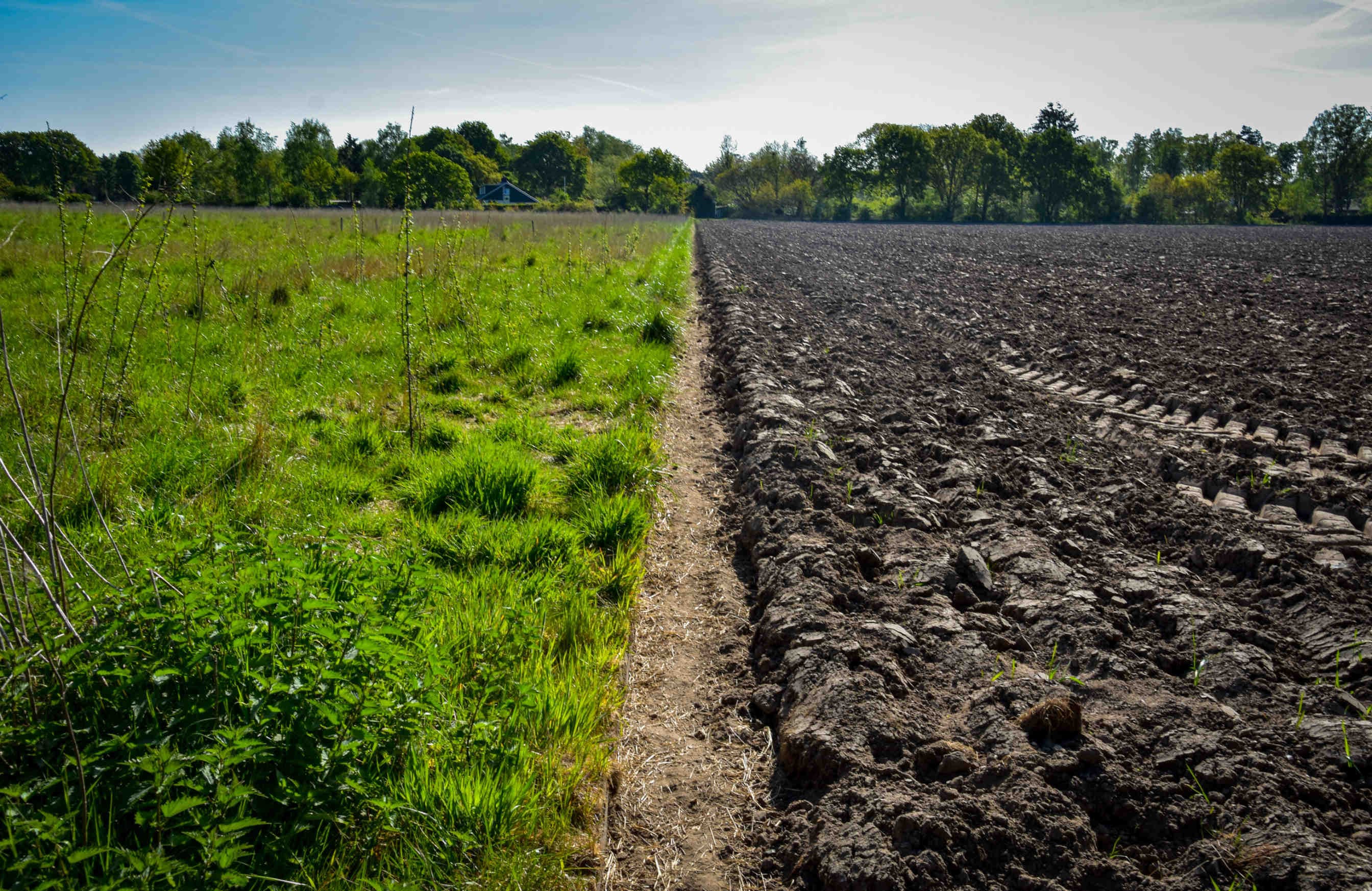
    The objective of this blog is to promote and disseminate a deeper understanding of the crucial role of honeybees in the preservation of our ecosystem and for the continuation of scientific research directed towards the identification of more sustainable agricultural practices aiming at the regeneration of entire areas. The choice of honey goes far beyond what is written on the label. The true value of honey is linked to its method of production, whether respectful of bees and the ecosystems in which they are placed. Favouring non-intensive beekeeping practices and promoting the best actions in support of hive health are the cornerstones of our activity. The beekeeper for us is not a breeder, but a true 'Grower': he cultivates, cares for and nurtures true oases of biodiversity, paying attention not only to bees, but also to ecosystems and their balance.
    Importance for the environment
    29/03/2018Of 3Bee, Elena Fraccaro
    3757 Views
    Newsletter
    newsletter
    Subscribe to the Blog about bees and biodiversity

    Frequently Asked Questions

    Do you have any doubts or other curiosities about this article? Here you will find some insights

