Citrus honey: properties and benefits
    3Bee approachCitrusFeaturesProperties

    Citrus honey: properties and benefits

    At 3Bee, honey is a symbol of the hard work of pollination done by bees and the realisation of their contribution to the ecosystem. Our projects support biodiversity and through our growers ensure a healthy environment for pollinators.

    Read the article
    08/03/2019Of 3Bee, Elena Fraccaro
    3765 Views
    08/03/2019Of 3Bee, Elena Fraccaro
    3765 Views

    3Bee's approach to biodiversity protection
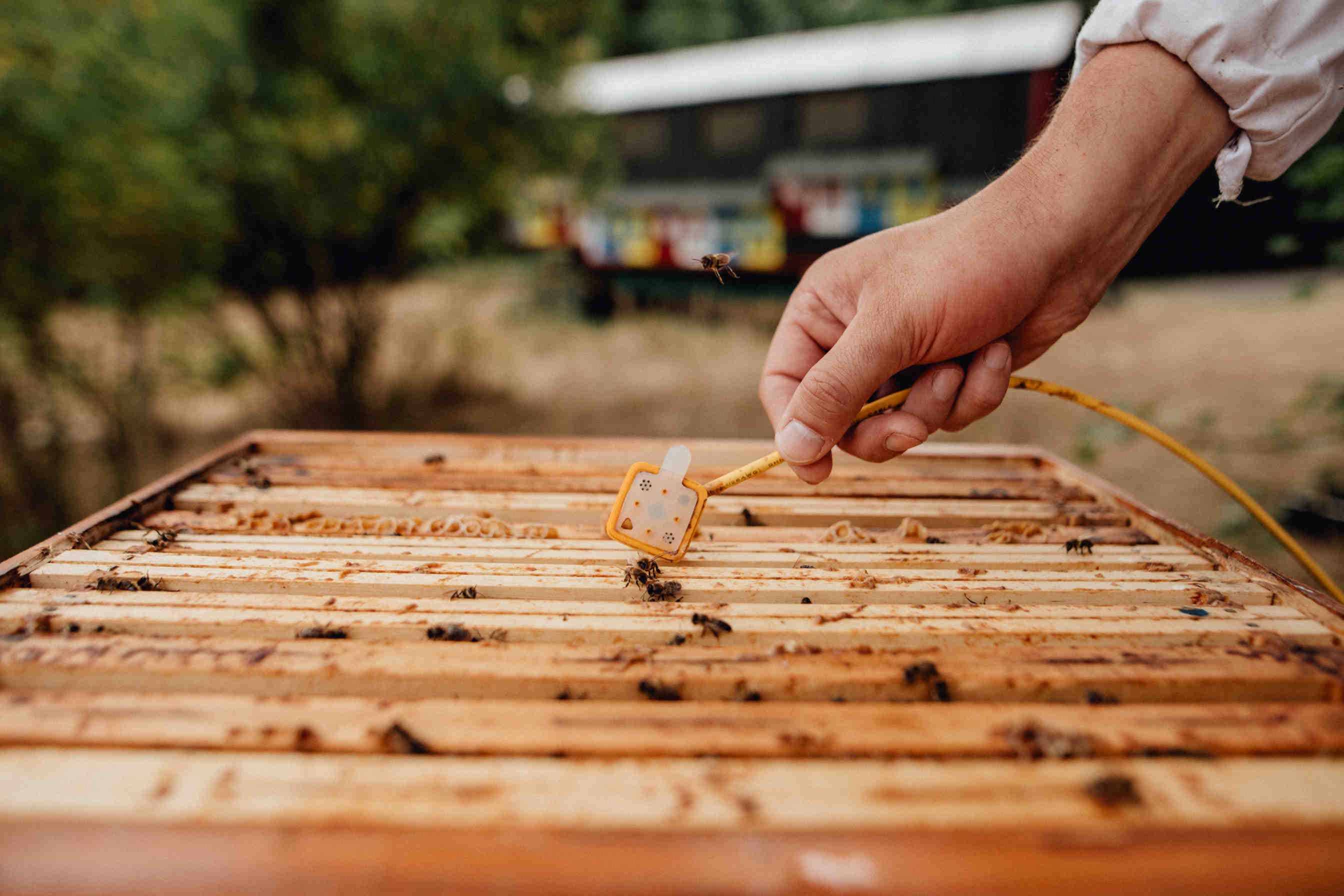
    3Bee is the Nature Tech company that develops technologies for the protection of biodiversity. 3Bee Hive-Tech is 3Bee's first system for analysing the health and 'starvation' status of honeybees, environmental pests par excellence. Over time, we have developed other technologies to study and monitor all the pollinating insects and created more than 200 Oases of Biodiversity with thousands of nectariferous plants to provide them with nourishment. In this way, we want to create a virtuous circle: our beekeepers are transformed by necessity into Oasis growers and promoters of environmental biodiversity. We do not encourage massive production and intensive breeding, which have a negative impact on biodiversity and pollinators. We do, however, recognise the value of honey as a valuable symbol of the biodiversity of an environment and a tool for disseminating the commitment and protection of an area, to be consumed sparingly and with respect for the life cycle of these insects.

    approccio 3Bee

    Citrus honey: what is it and where does it come from?

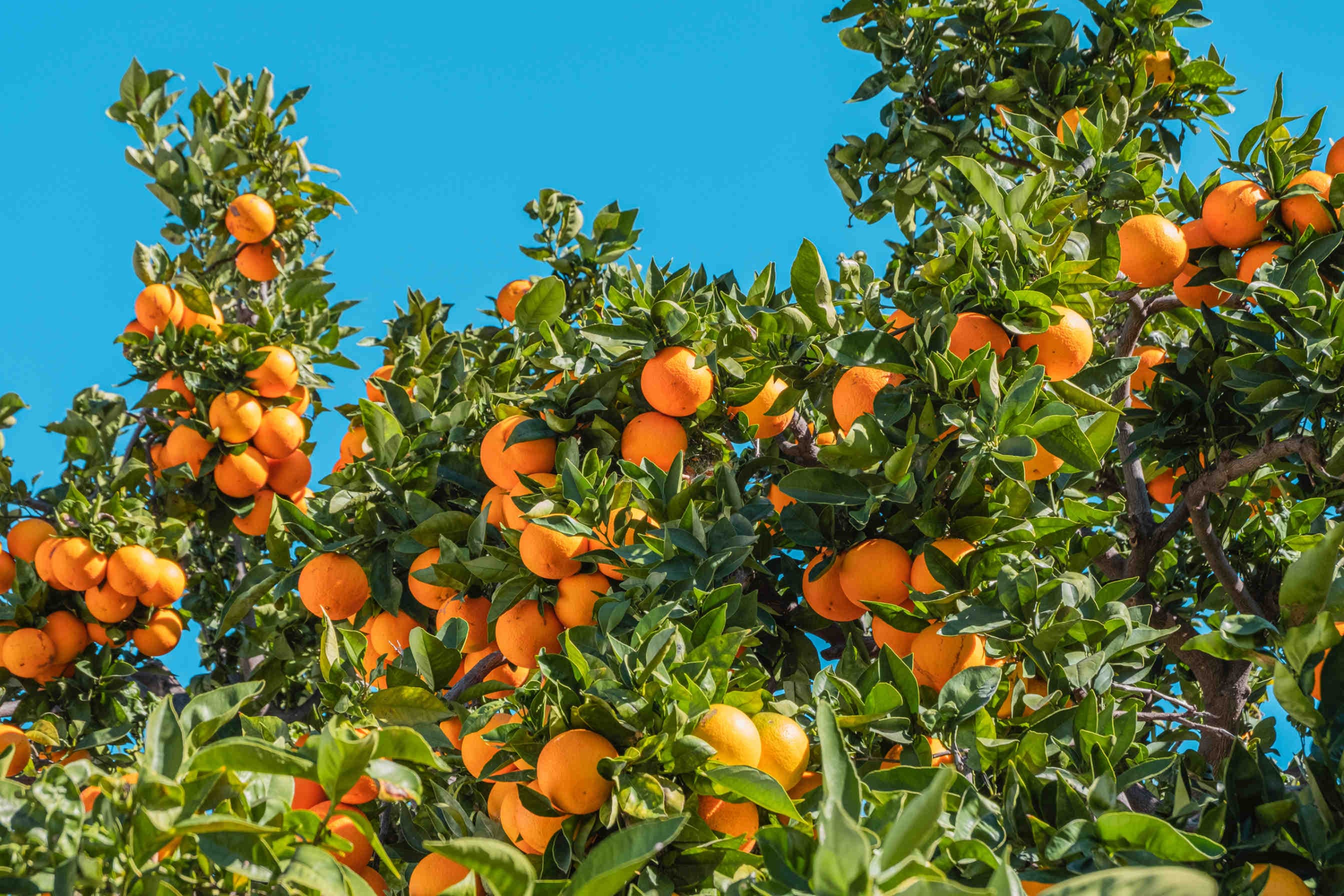
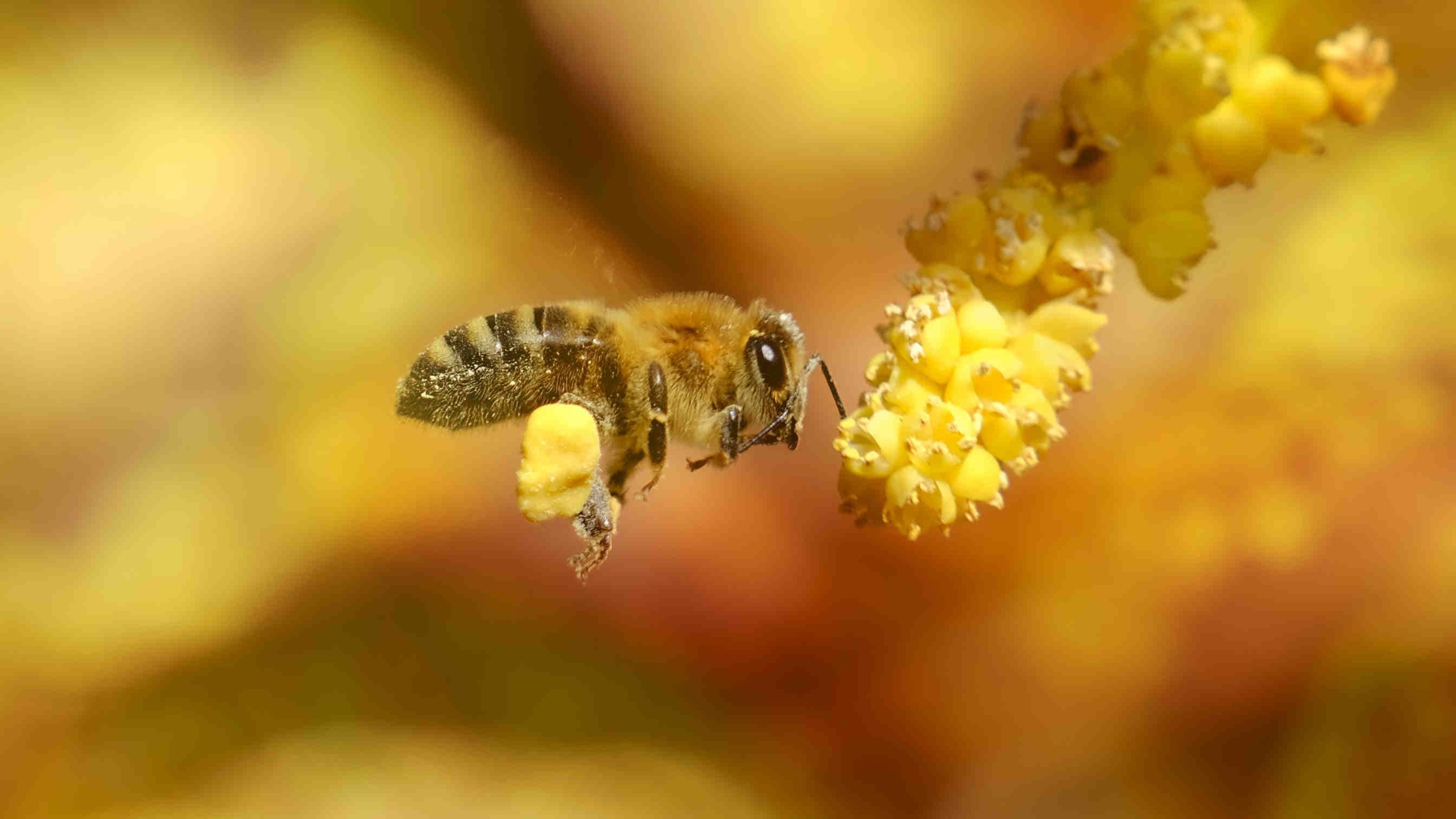
    Citrus honey is made from the nectar collected from the flowers of plants belonging to the genus Citrus. To it belong the orange, lime, mandarin, bergamot, cedar and grapefruit, although in Italy only the first four are cultivated. Members of the Rutaceae family, they are native to south-east Asia and are cultivated between 0 and 600 metres above sea level. They appear as shrubs and evergreen plants, generally between 2 and 6 metres tall. Their flowers, often remembered for their extremely pleasant scent, bloom in spring. As early as April, therefore, it is possible to see them blossom, attracting the many bees that collect their nectar.

    Citrus honey: what is it and where does it come from?
    XNatura

    Citrus fruit honey: characteristics and taste

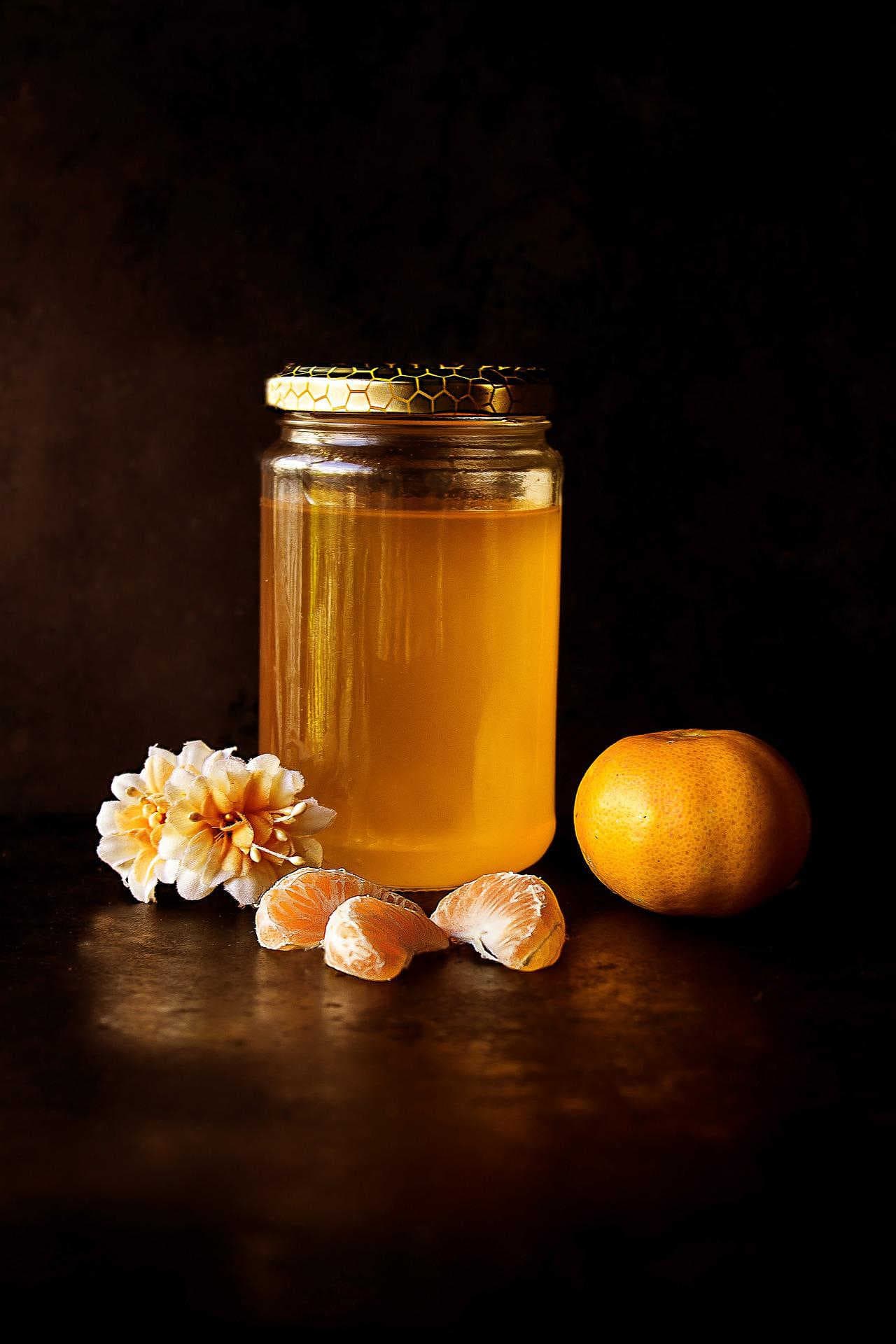
    As soon as it is produced, when still in its liquid state, citrus honey has a very light colour, taking on hues ranging from transparent to straw yellow. After crystallisation, however, it tends to white or light beige. This process, which is completely natural and spontaneous, allows crystals of various sizes to form, depending on storage conditions. On an olfactory level, it has the characteristic floral scent reminiscent of the flowers from which it is produced, but which fades as time passes, turning towards more fruity notes. The taste, very sweet, with a pleasant acidic hint, echoes the characteristics of its typical aroma.

    Citrus Honey: Properties and Benefits

    Even citrus honey shares the numerous beneficial properties that characterise the 'superfood' honey: antioxidant and anti-inflammatory, it is a valuable source of energy (not only for athletes) and can be used as a cough suppressant and to combat colds and flu symptoms. Citrus honey, however, also has its own peculiarities. It has a relaxing and calming effect and is often recommended for alleviating states of anxiety and combating headaches and insomnia. It is also believed to stimulate the appetite, as well as aid digestion after an excessively large meal. Finally, it is attributed with purifying properties, especially if consumed before meals.

    Citrus Honey: Properties and Benefits
    XNatura

    Citrus honey: Uses in cooking

    Its sweet flavour makes it very palatable, which is why it is often used in the preparation of savoury dishes, such as roasts, and desserts, especially fried. It is highly recommended for consumption in combination with cheeses such as mozzarella, scamorza and caciocavallo. It is also often used as a sweetener in teas and herbal teas. As we know, however, it is better not to overheat honey, otherwise all its many beneficial properties will be lost.

    3Bee

    Citrus honey: where to find it?

    Citrus honey is very popular and appreciated in Italy, but it is very important to buy a product whose origin you know. It is not always easy, however. By choosing to adopt a beehive 3Bee you can monitor the one of your choice directly from your mobile phone, check its honey production and follow the beekeeper step by step in his apiary operations. At the end of the season you will receive the honey produced by 'your' bees directly to your home. Want to find out which hives are still available?

    Citrus honey: where to find it?

    The importance of honey

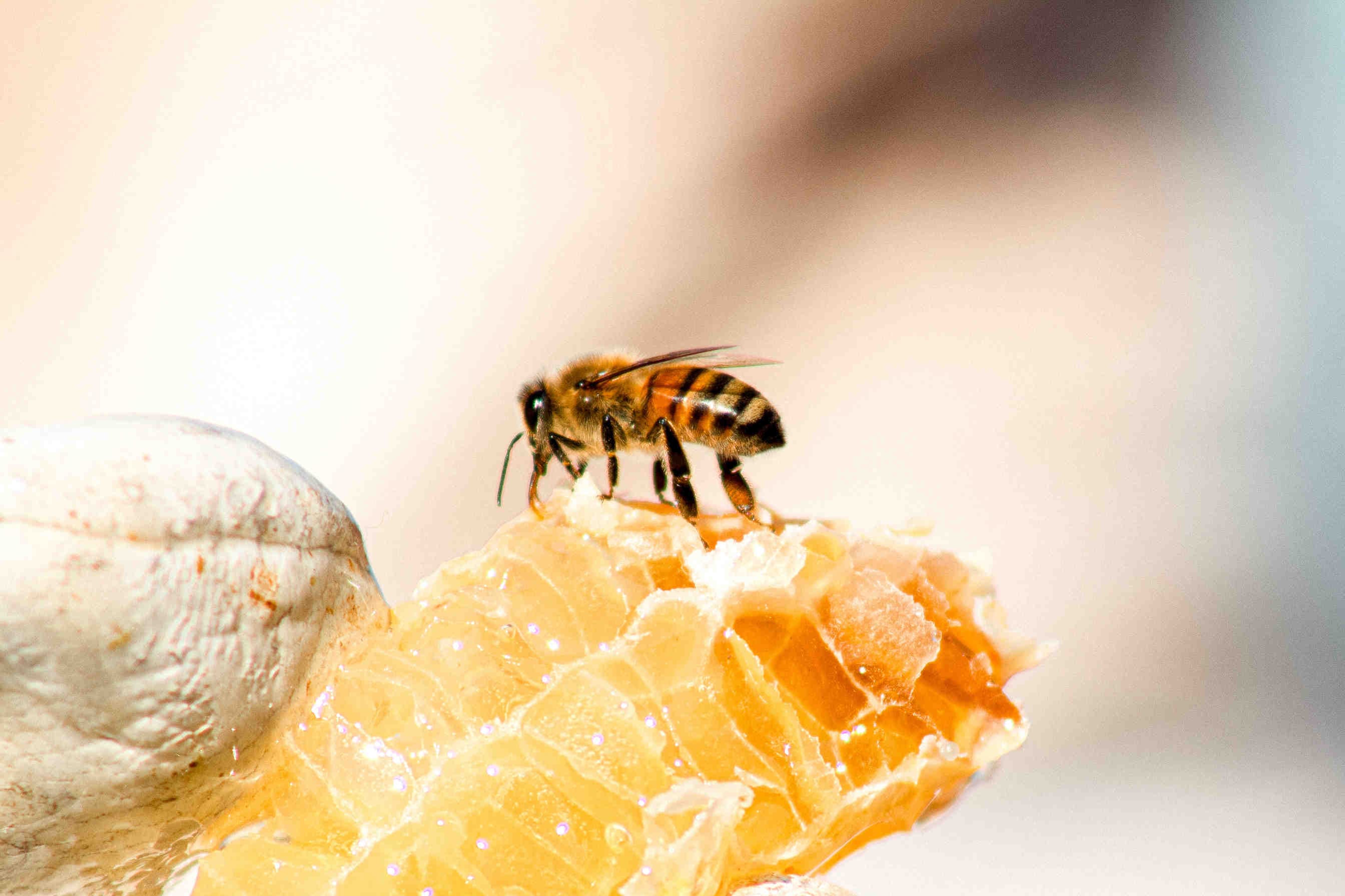
    The information contained in this blog is about the importance of honey as the fruit of the tireless work of bees that transforms the collected nectar (including extra-floral nectar and honeydew) into a precious food product that encompasses the biodiversity with all the countless facets present in the hive's surroundings. On an environmental level, honey is the symbol of the pollination activity of the bee, which flies from flower to flower to collect the nectar and, in so doing, transports the pollen, becoming the vector for the pollination and reproduction of tens of thousands of plant species. Honey is still a little-known product, often devalued in its quality or sold as a panacea for all ills. Like all foods, however, it must be consumed with moderation and care as it contains a high content of simple sugars. But it is not in its basic values that its most important quality lies.
    The importance of honey

    Importance for the environment

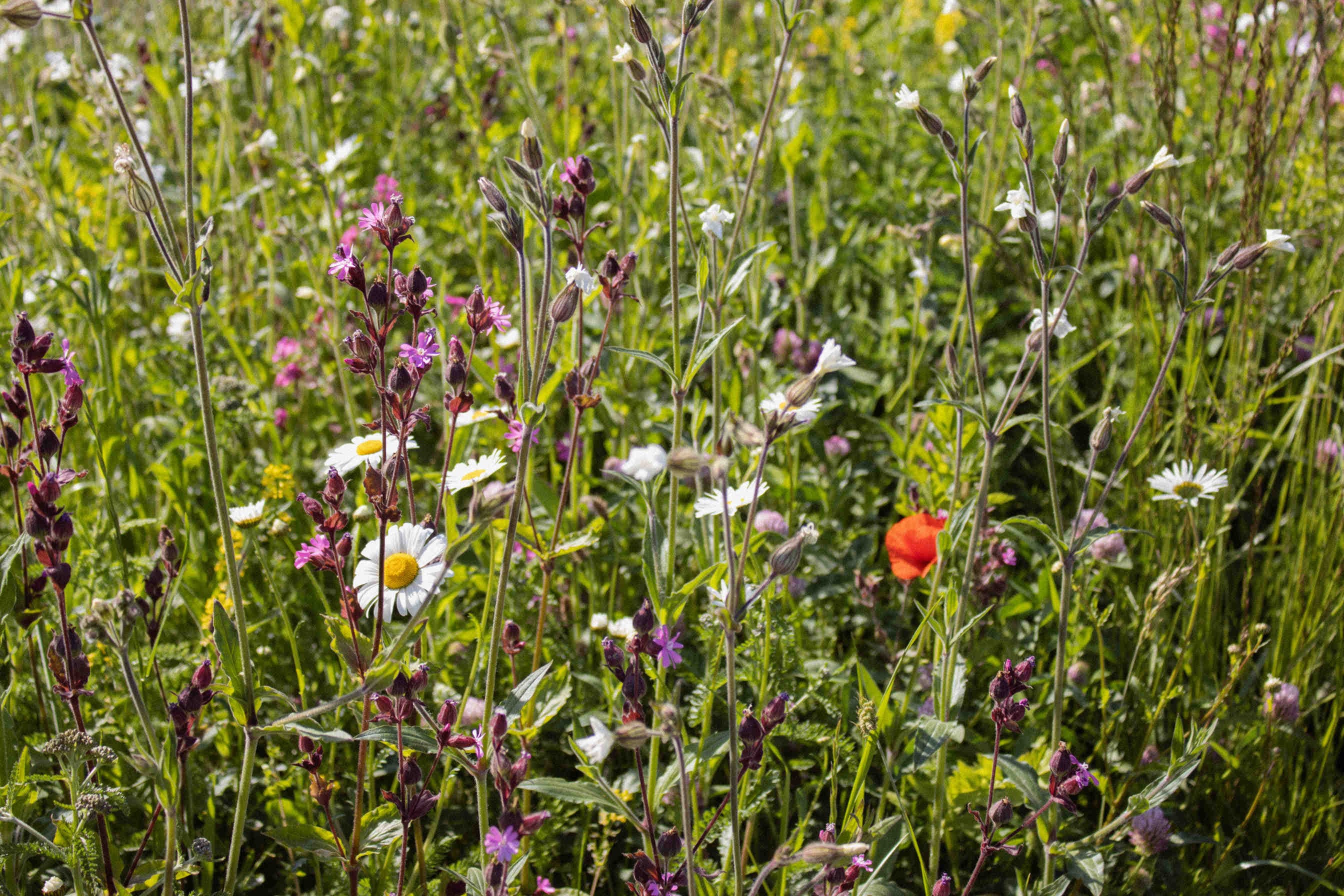
    The objective of this blog is to promote and disseminate a deeper understanding of the crucial role of bees in the preservation of our ecosystem and the continuation of scientific research directed towards the identification of more sustainable agricultural practices aiming at the regeneration of entire areas. The choice of honey goes far beyond what is written on the label. The true value of honey is linked to its method of production, whether it is respectful of bees and the ecosystems they inhabit. Favouring non-intensive beekeeping practices and promoting the best actions to support the health of the hive are the cornerstones of our activity. The beekeeper for us is not a breeder, but a true "Grower": he cultivates, cares for and nurtures true oases of biodiversity, paying attention not only to bees, but also to ecosystems and their balance.
    Importance for the environment
    08/03/2019Of 3Bee, Elena Fraccaro
    3765 Views
    Newsletter
    newsletter
    Subscribe to the Blog about bees and biodiversity

    Frequently Asked Questions

    Do you have any doubts or other curiosities about this article? Here you will find some insights