Butterflies: 5 extraordinary curiosities
    FarfalleArgynnis paphiaVelenoseVampiro

    Butterflies: 5 extraordinary curiosities

    Butterflies belong to the Lepidoptera order, the second largest and most widespread in the world. Did you know that not all butterflies are harmless? And that some pretend to be ants in order to survive? Discover in this article the 5 most incredible facts about butterflies.

    Read the article
    26/07/2024Of 3Bee, Lisa Santillo
    1836 Views
    26/07/2024Of 3Bee, Lisa Santillo
    1836 Views

    Some butterflies pretend to be ants

    Yes, some butterflies pretend to be ants in order to survive. This phenomenon, known as myrmecophilia, occurs in the Maculinea genus, whose caterpillars infiltrate ant colonies by imitating ant larvae. This occurs because Maculinea has the extraordinary ability to 'camouflage' themselves as ants, firstly by performing chemical mimicry, i.e. by emitting chemicals similar to those of ant larvae, thus gaining access and protection within the ant-hill. In addition, larva and pupa are able to emit sounds similar to those of queen ants as opposed to worker ants, thus implementing an acoustic mimicry that allows them to receive more attention and nutritional resources, especially in the event of danger. Myrmecophily is an astonishing example of how species can adapt and sometimes exploit other species to ensure their own survival.
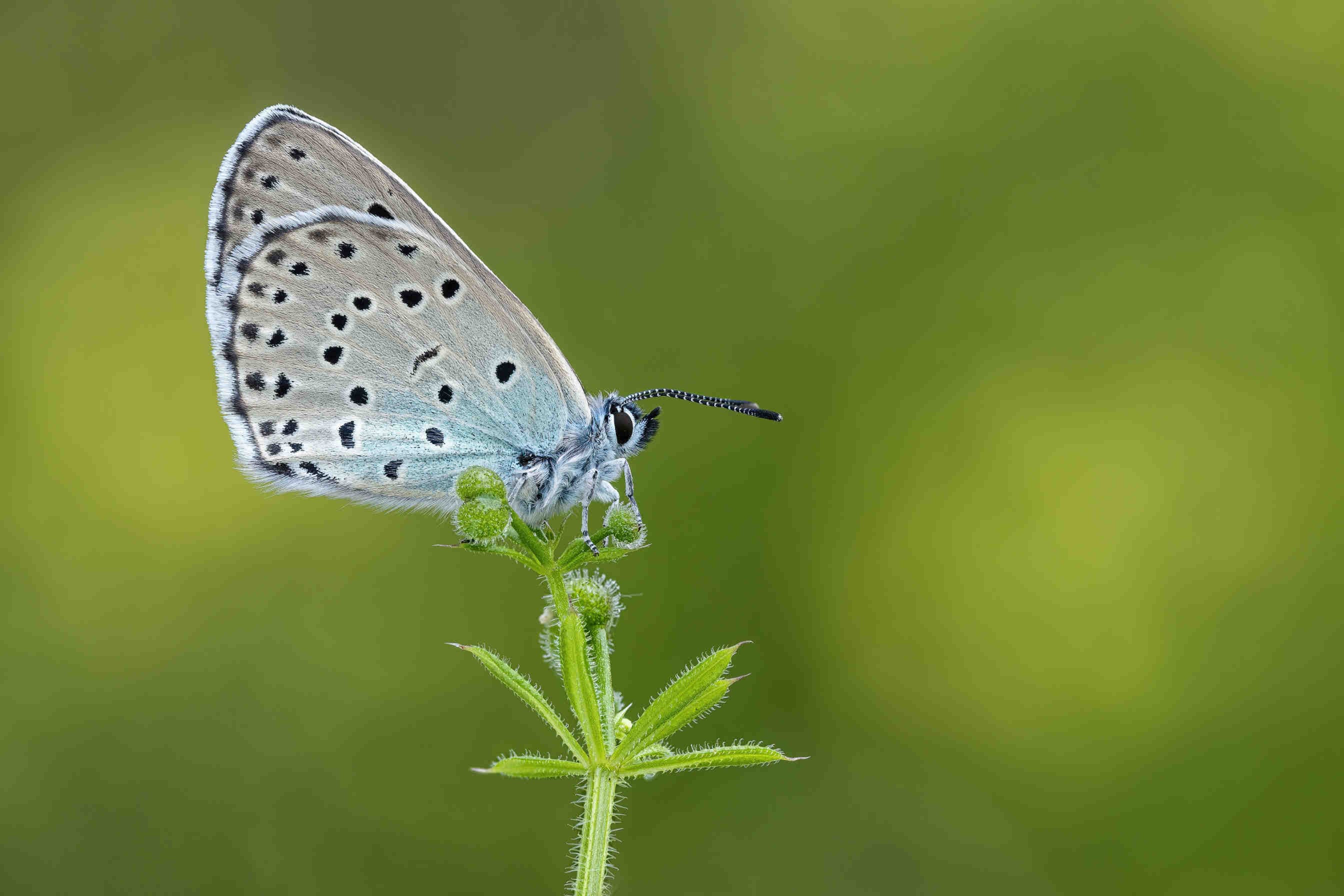
    Maculinea

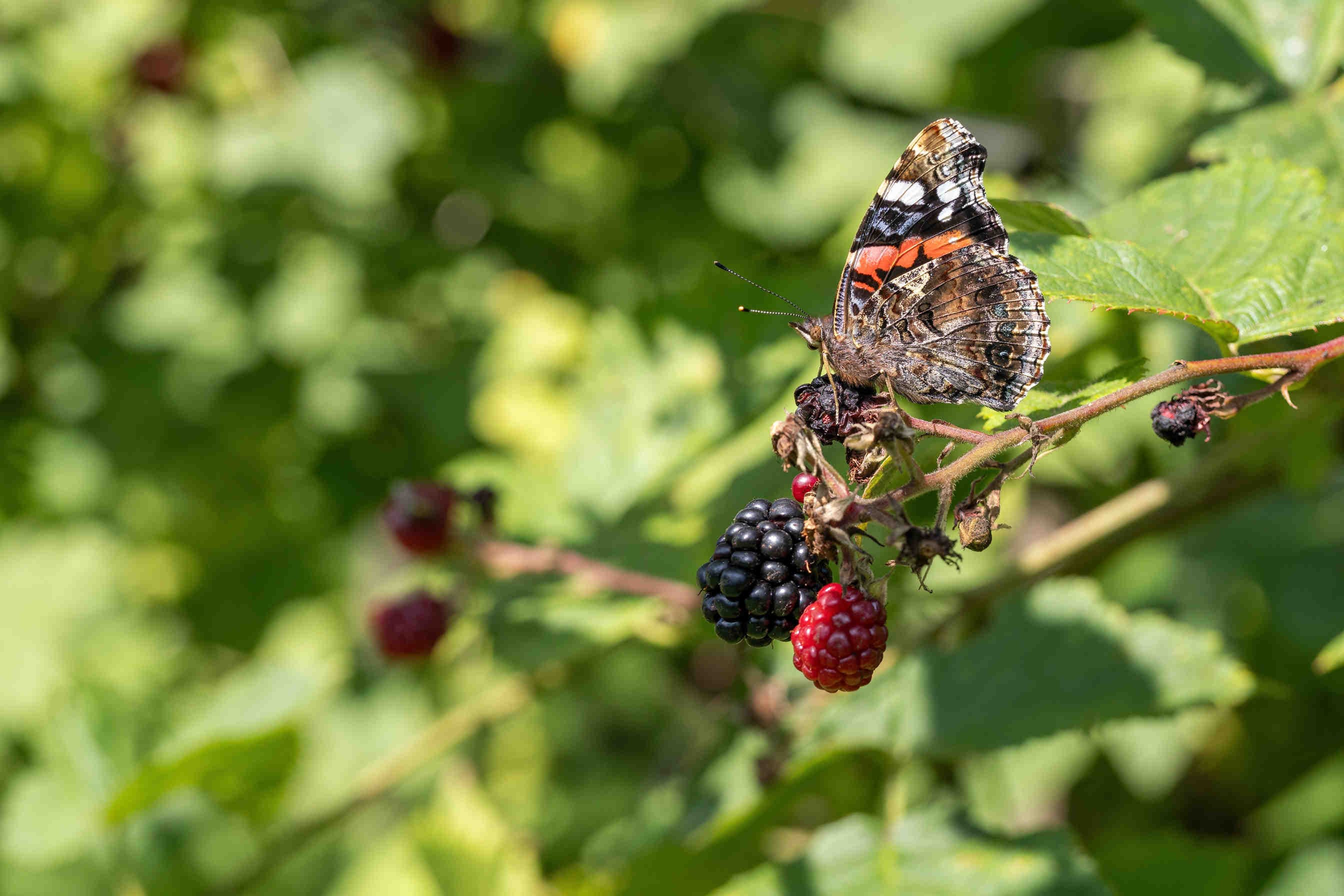
    Argynnis paphia: the male is attracted by the orange colour

    The Argynnis paphia is a large butterfly, with bright orange wings, with a striped pattern and black dots. The curious thing about this species, particularly the male, is that it hunts any orange object, with the aim of mating. We are also talking about objects much larger than a butterfly, to which the male is attracted and from which he only moves away after careful inspection, once he realises that it is not a female of his species. When a male Argynnis paphia manages to spot a true female, he starts an acrobatic chase. The female flies following a linear trajectory, while the male flies around her, releasing pheromones to seduce and attract her.
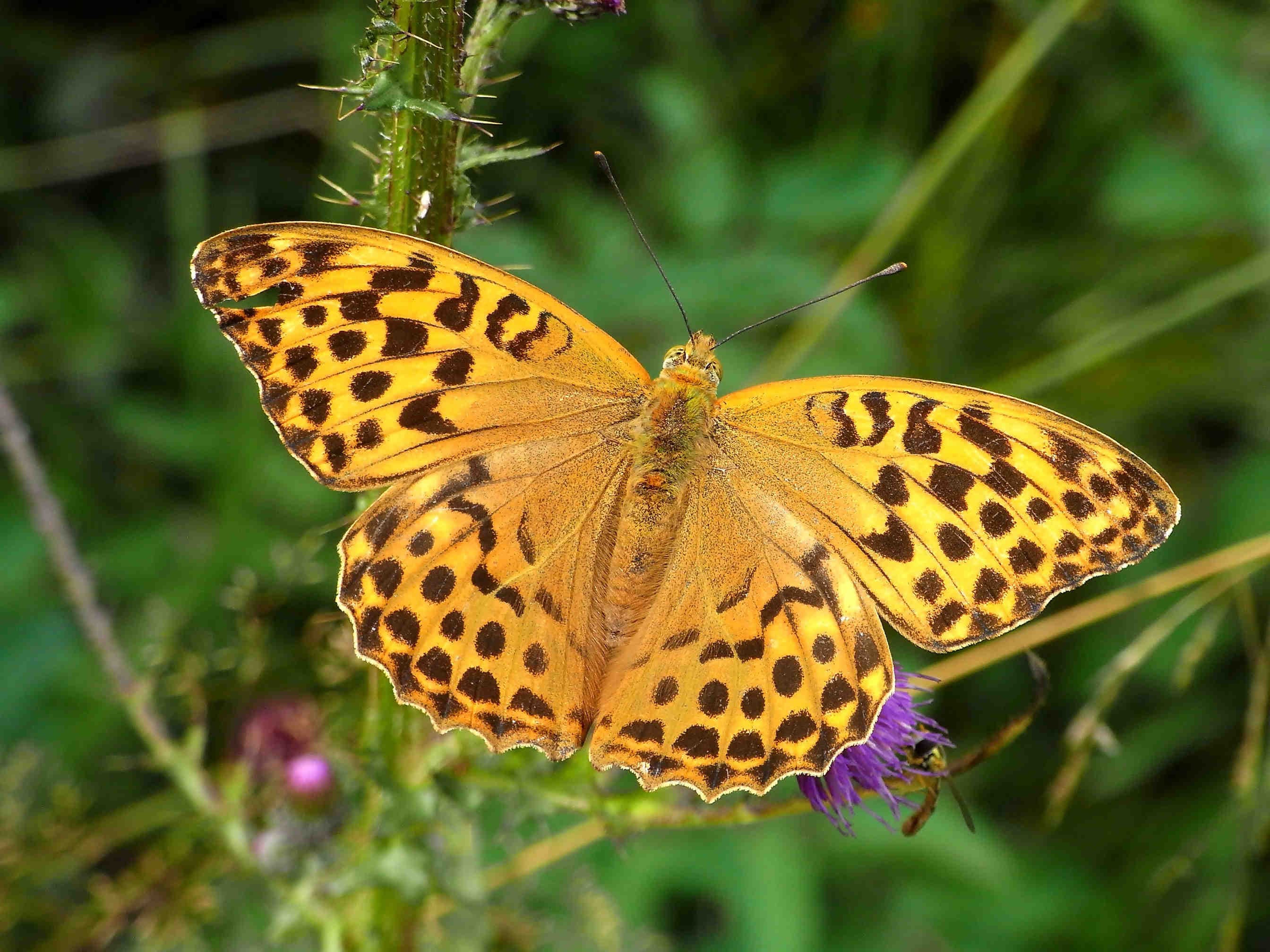
    Argynnis paphia
    XNatura

    Not all butterflies are harmless

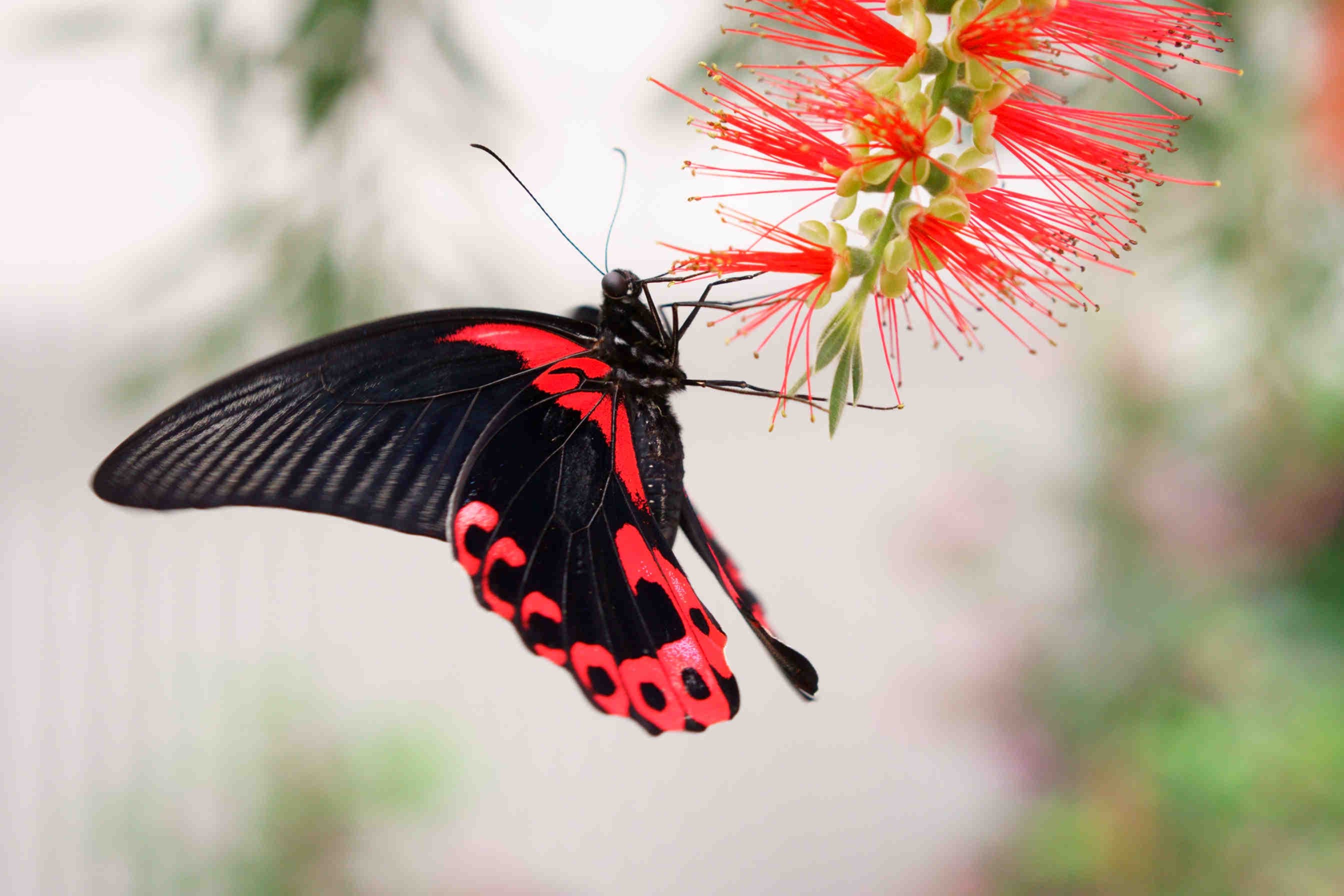
    Did you know that there are poisonous butterflies? One example is Atrophaneura kotzebuea, widespread in South East Asia. If ingested, this butterfly is poisonous as it contains toxic substances that the caterpillar assimilates from the Aristolochia plants on which it feeds. A peculiarity of this and other venomous species is their slow, show-off flight, which is a warning to potential predators, who should notice their aposematic colouration more easily. Another example is that of Cethosia sp., poisonous butterflies that contain toxic substances: if ingested, they give rise to cyanide and are a deterrent to predators.

    farfalla velenosa

    Vampire' butterflies feed on blood

    They are not widespread, but they do exist. These are the so-called "vampire" butterflies, i.e. moths of the genus Calyptra. These feed on certain fruits that contain sugar solutions: to feed on them, these butterflies have to pierce the skin of the fruit with their spiritromba, equipped with tiny erectile hooks. It has been shown that some species even manage to perforate the skin of mammals and suck their blood with this spirit trumpet. A behaviour observed exclusively in males and which is thought to be carried out in order to take up amino acids and mineral salts - contained in the blood - that improve the quality of the spermatophore that is transferred to the female during mating.
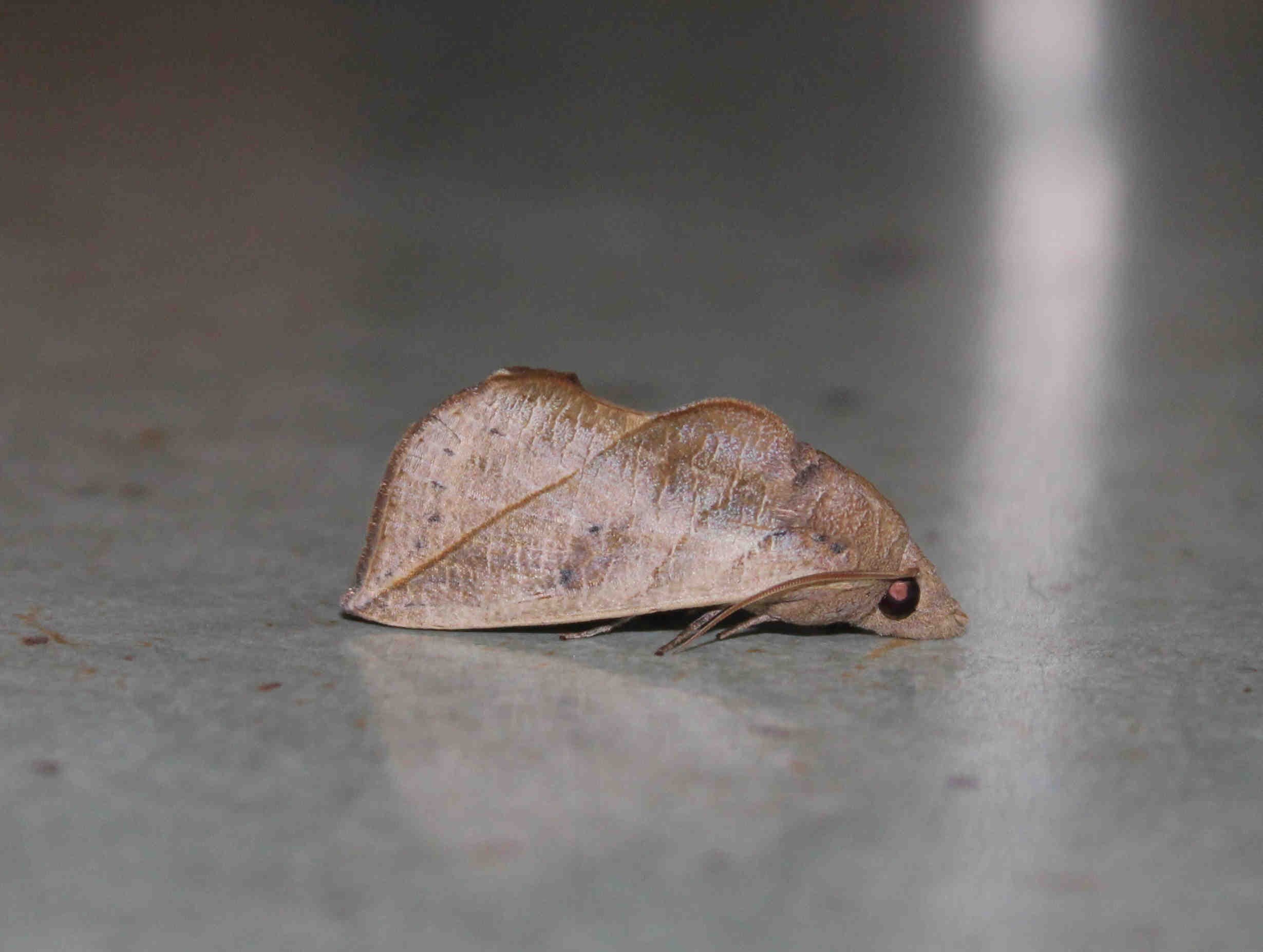
    farfalla vampiro
    XNatura

    If butterflies are cold they cannot fly

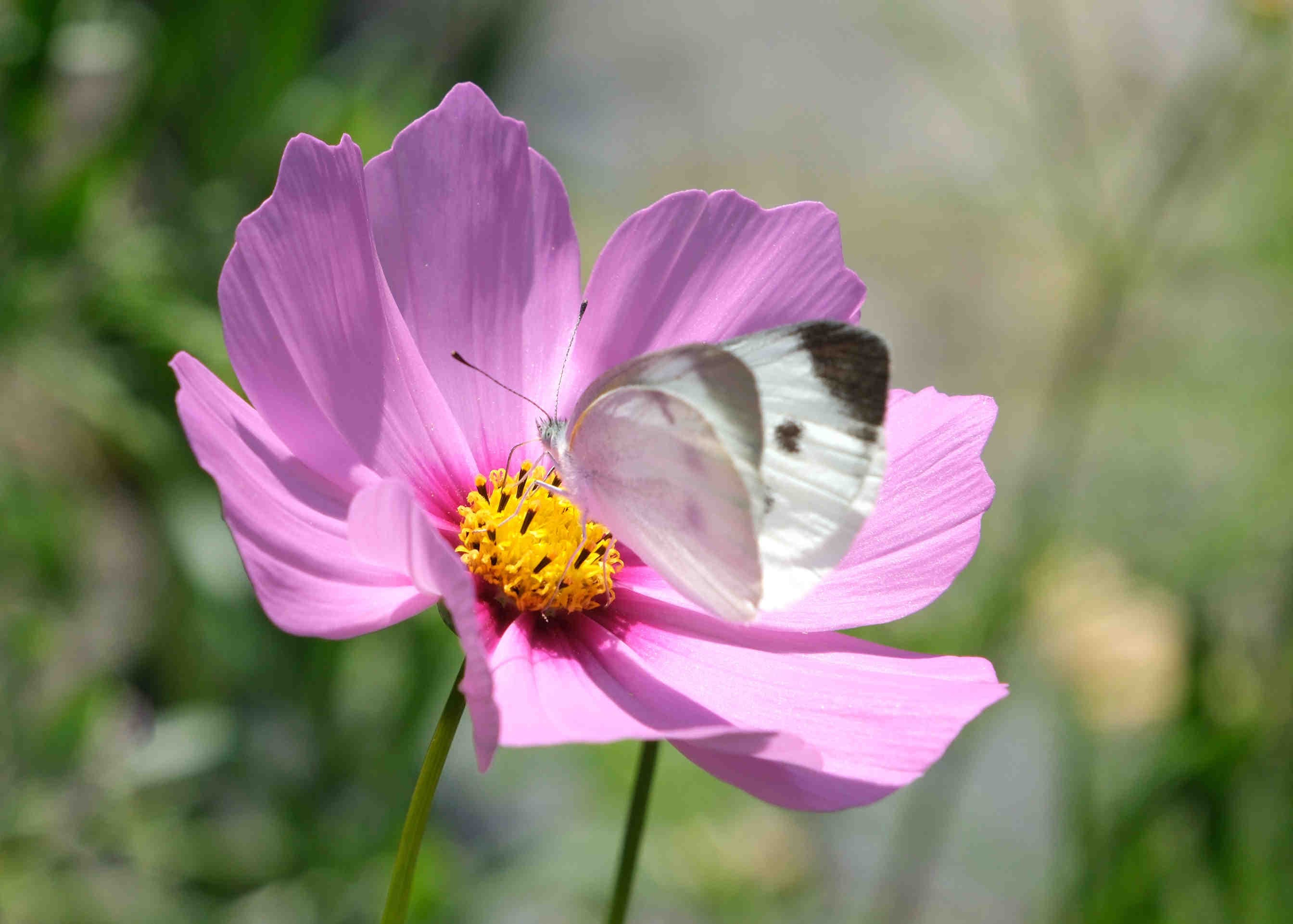
    The butterflies are ectothermic organisms, also called 'cold-blooded': their life cycle and survival are strongly influenced by temperature. Indeed, they cannot actively regulate their internal temperature and are completely dependent on environmental conditions. On the coldest days, when the temperature drops below 12 degrees, the butterflies remain motionless and cannot fly. For them, optimal conditions are when temperatures are between 28 and 35 degrees, and when they go beyond that they immediately seek shelter. This dependence on the outside temperature greatly influences their daily behaviour and survival strategies.

    farfalla fiore
    3Bee
    26/07/2024Of 3Bee, Lisa Santillo
    1836 Views
    Newsletter
    newsletter
    Subscribe to the Blog about bees and biodiversity

    Frequently Asked Questions

    Do you have any doubts or other curiosities about this article? Here you will find some insights