Do bumblebees learn by observing their fellows?
    NetworkPuzzleHopeLearning

    Do bumblebees learn by observing their fellows?

    Groundbreaking research reveals that bumblebees may be able to learn strategies and solutions to complex problems by observing their more experienced conspecifics. Explore the wonderful diversity of animal behaviour in this article.

    Read the article
    02/04/2024Of 3Bee, Chiara Pertile
    239 Views
    02/04/2024Of 3Bee, Chiara Pertile
    239 Views

    Network tra bombi

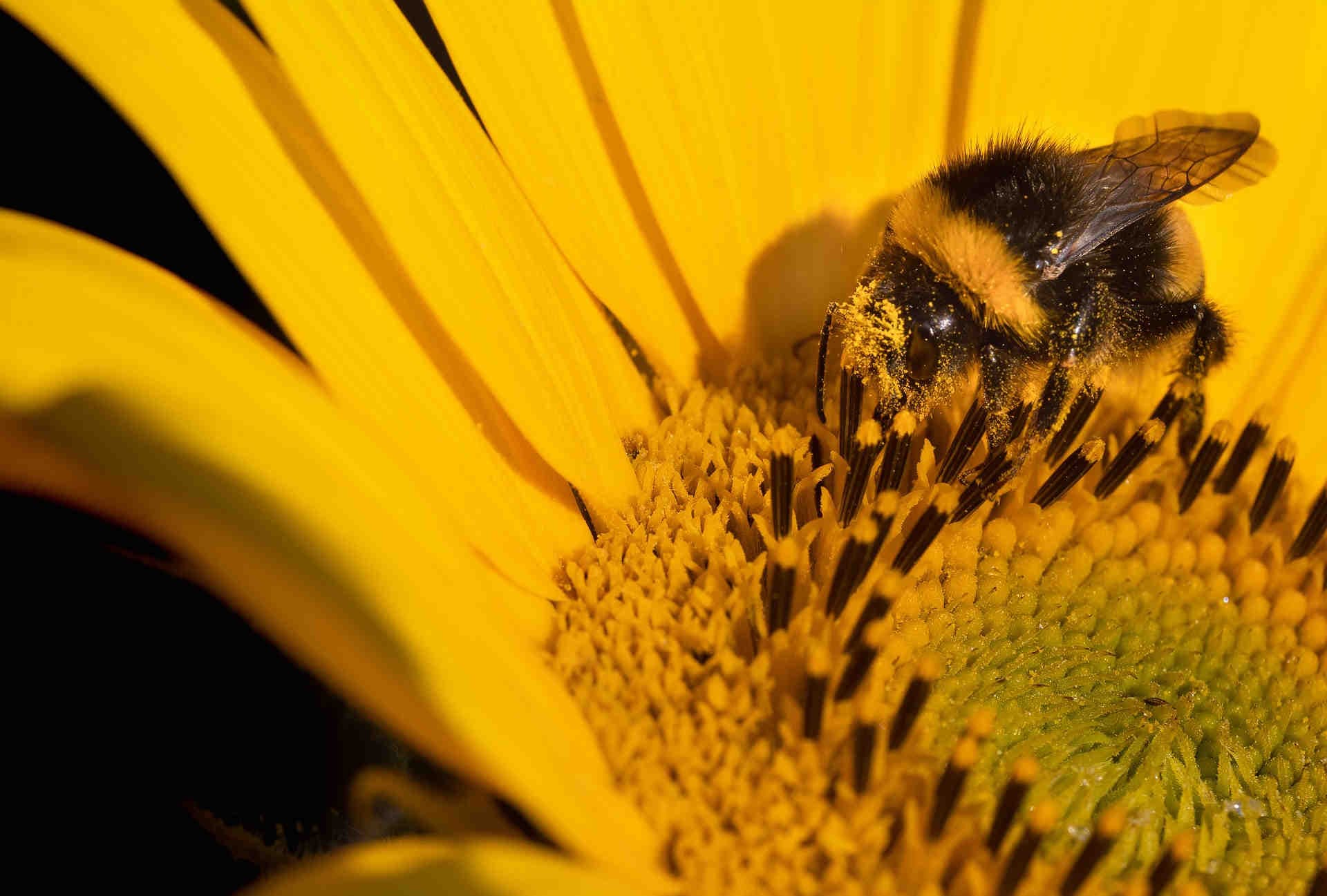
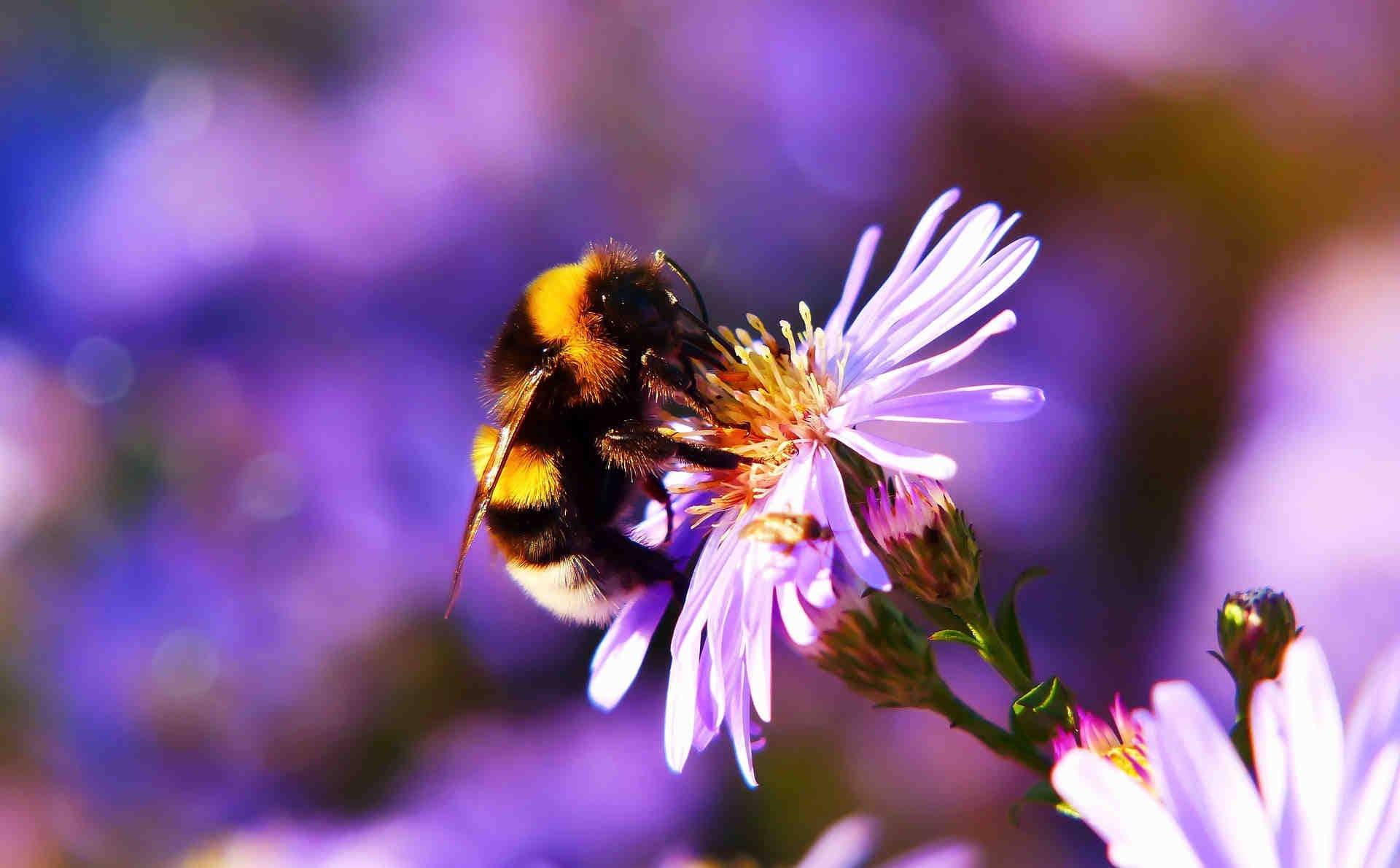
    The ability to learn from others has long been considered a hallmark of human beings. However, recent discoveries by a team of British researchers have shown that bombs (Bombus terrestris), social insects crucial to biodiversity of our planet as pollinators, are able to learn through the observation of trained specimens complex tasks that cannot be tackled by the cognitive abilities of a single individual alone. This is the first time such behaviour has been demonstrated in the invertebrate world, even hinting at the possibility of a cumulative culture in insects.
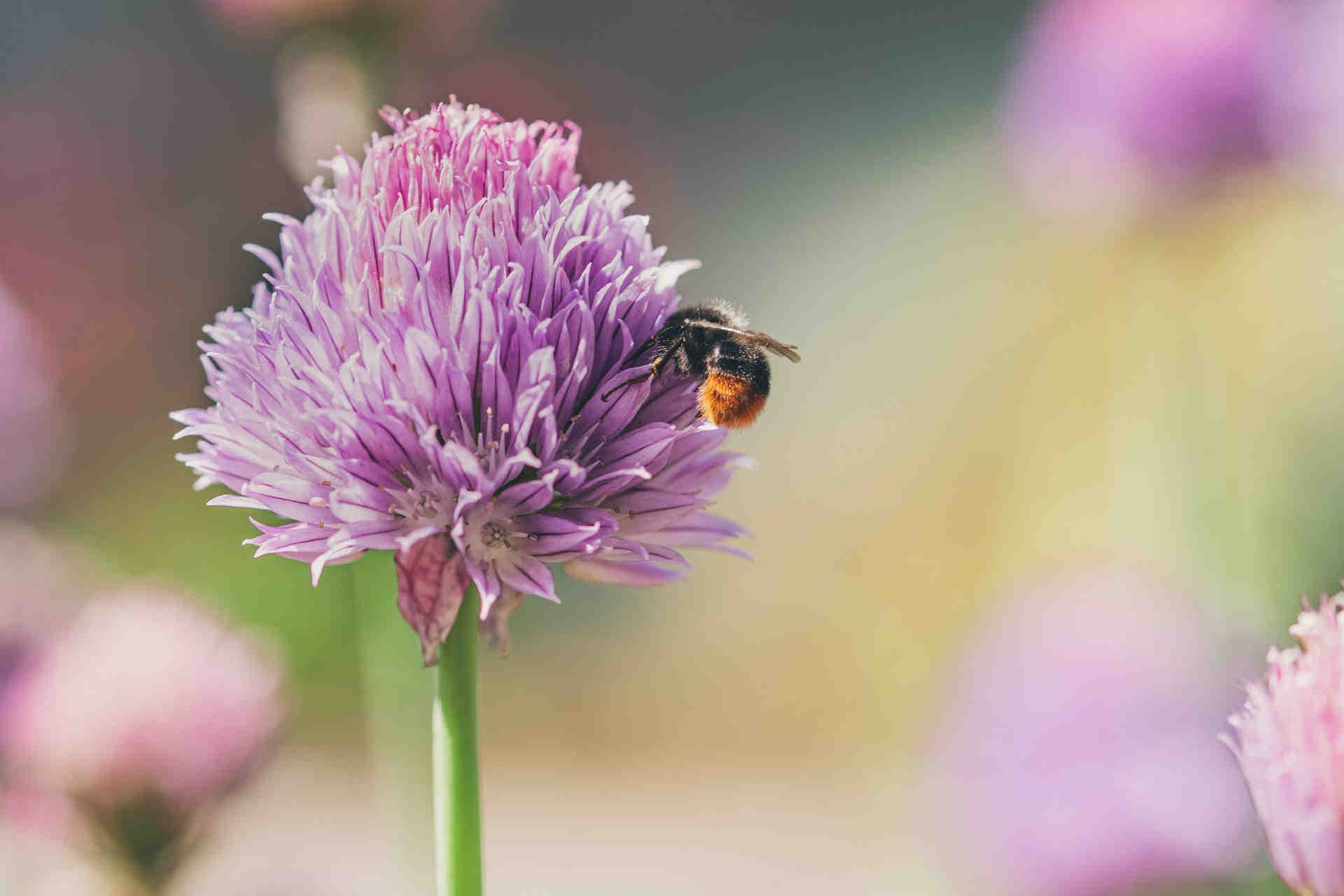
    bombus terrestris

    Puzzle complessi

    The study, published in Nature, shows that these pollinators are able to create a network of knowledge that can be passed on from one specimen to another. In order to test this, rresearchers at Queen Mary University devised a box with multi-level openings in which two levers must be moved: first a blue lever to unlock the pathway and then a red one to slide the base of the box and release access to a watery, sugary reward, which the bumblebees are fond of. No bumblebee alone was able to solve the puzzle, easily losing interest in it. The researchers therefore decided to issue a reward for both the first and second step, so as to train a few specimens that were subsequently able to solve the box puzzle with only the final reward.

    Puzzle complessi
    XNatura

    Bombi observers

    In contrast to a previous study by the same team where there was the possibility that individual specimens were able to solve the task through their own behavioural innovations, this second experiment is so complex that it cannot be solved by an individual on its own. In fact, the researchers observed that only the untrained specimens that witnessed their experienced conspecifics solving the puzzle were able to replicate it, even though the reward was only released at the end.

    Bombi observers

    Spatio-temporal difficulties

    The scientists initially believed that the degree of temporal and spatial separation between the execution of the first step and the reward would make it extremely difficult for a bumblebee to form a lasting association between the initial action required to unlock the mechanism and the final reward. In contrast, untrained, observer bumblebees were able to learn the entire complex behaviour even without each individual step being rewarded, demonstrating a unique learning-by-observation ability. Although there is still no evidence that these behavioural tendencies occur in wild specimens, this study is extremely important because it represents the first verified case of social learning in the invertebrate world.

    Spatio-temporal difficulties
    XNatura

    Animal culture

    For a long time, social learning has been regarded as a distinctive trait of our species. In addition to being considered the essential basis for the development of a cumulative culture, the ability to acquire and transmit complex behaviours, not reducible to trial and error or individual creative properties, has been the great discriminator that has always separated us from non-human animals. However, more and more evidence suggests that animals too can manifest a cumulative culture based on sequential innovations: creative and advantageous behaviours can be transmitted over time, from one generation to the next, and even be improved upon.

    Animal culture
    3Bee

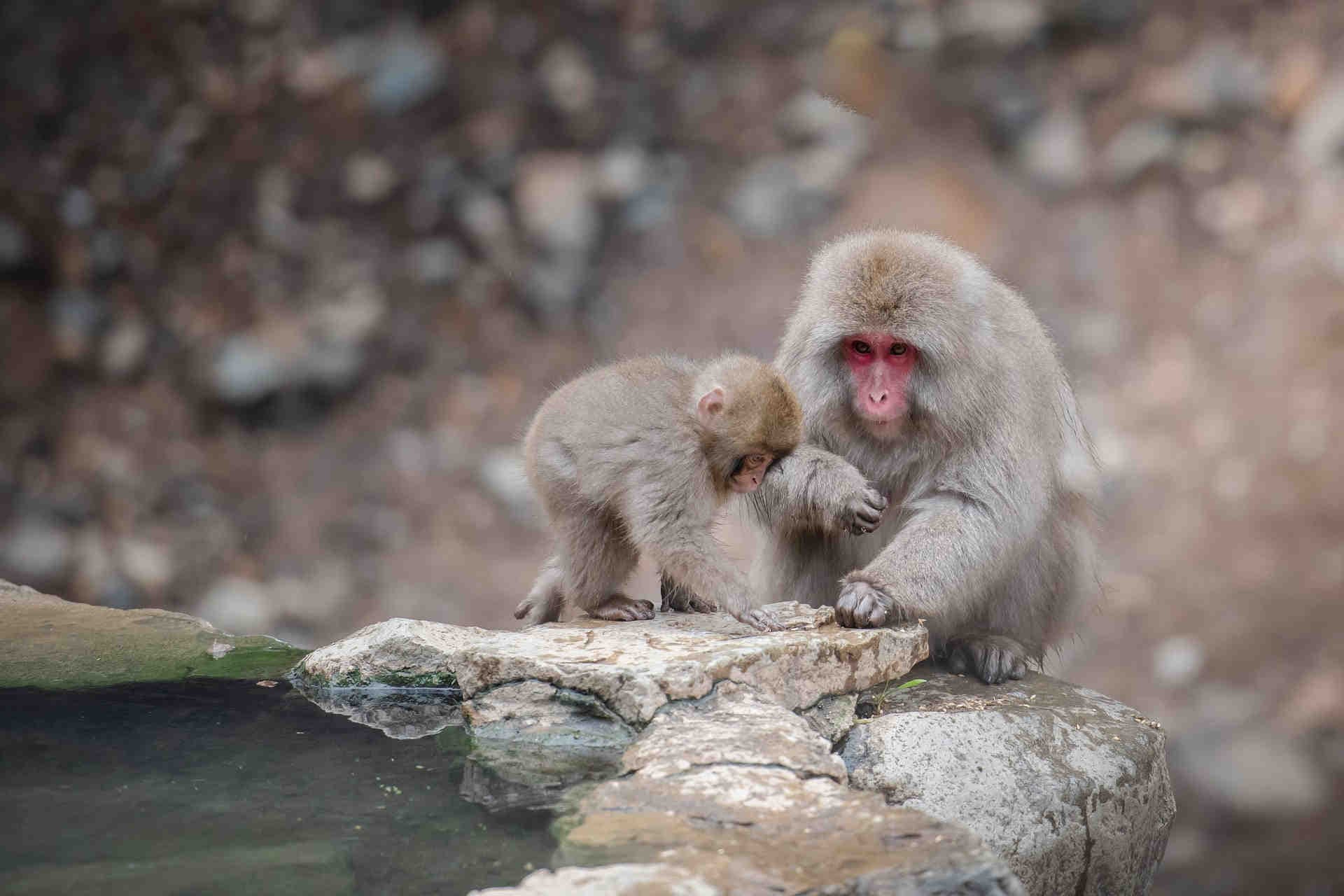
    The washing of food in Japanese macaques

    An example of animal cultural evolution concerns the food washing in Japanese macaques (Macaca fuscata). From the 1950s, the macaques on the island of Kōjima got into the habit of accepting food offered by humans and, soon, a young female called 'Ino' began washing tubers and sweet potatoes given to her in a stream of fresh water to clean them of sand. Not only that, the same female soon led to anotherbehavioural innovation: she began rinsing the potatoes in salt water to make them tastier. Both of these behaviours quickly spread through the colony and were passed down so much that they changed over time: cases of food theft during washing began to occur and even some monkeys dug their own pools of water in sheltered areas to avoid being robbed during the practice.

    The washing of food in Japanese macaques

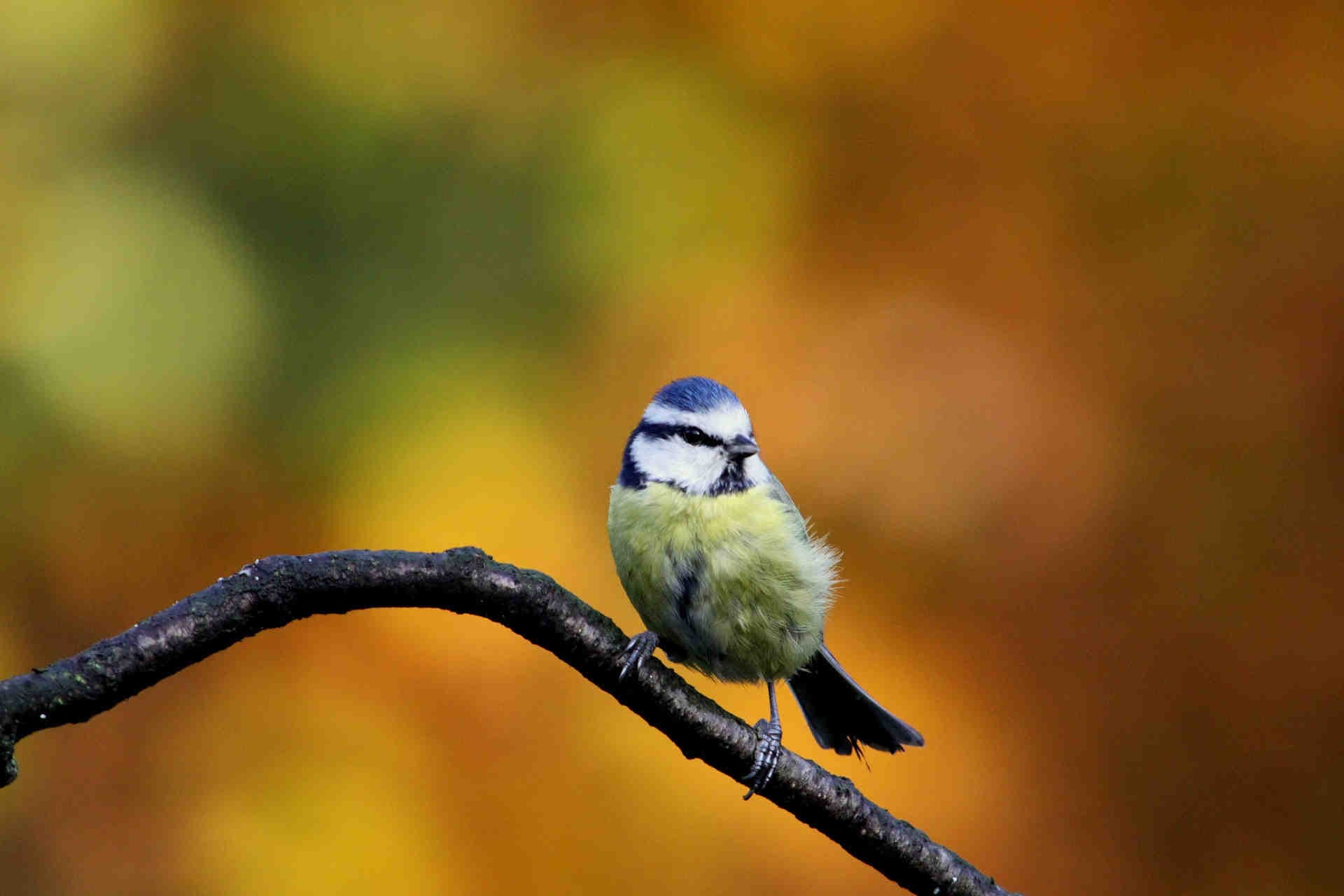
    The wit of the titmice

    Another classic example ofbehavioural transmission involves birds. Very famous is in fact the case of the titmice (Cyanistes caeruleus) from the English town of Swaythling who, from 1921 onwards, learnt that by piercing the cap of milk bottles left outside their doors they could feed on their contents. This behaviour, probably transmitted by observation, was so beneficial that it soon spread throughout England, later spreading to Europe and even to other bird species, animals with great imitative abilities. The social learning ability of tits is extensively studied and fits into a broader framework of avian intelligence. For example, corvids, such as crows and magpies, are known to be highly intelligent and capable of learning complex behaviours, including the use of tools.

    The wit of the titmice

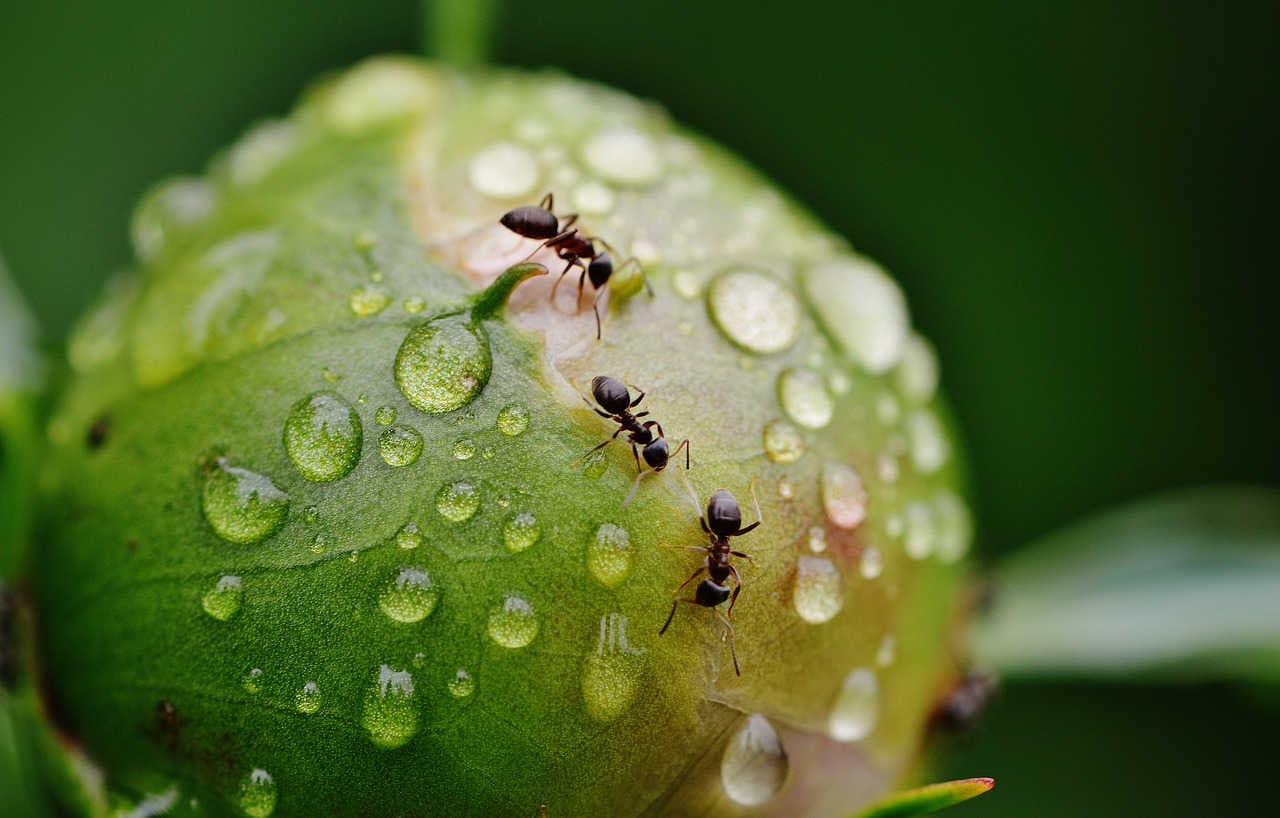
    The behaviour of eusocial insects

    Although modified and transmitted behaviour may indicate possible cultural evolution, there is currently much debate about the limits and potential of this phenomenon in the animal world. Certainly, the findings of Queen University researchers open the way for a new interpretation of the evolution of the incredible behaviour of eusocial insects. Indeed, species such as bees, ants and some bumblebees exhibit a complex, hierarchical social organisation with individuals specialising in tasks such as reproduction, defence, food collection and larval care. The organisms of these species act in such a structured and cooperative manner that each colony can be interpreted as a superorganism in its own right. In this context, considering the role of social learning in the evolution of eusocial insects could be the turning point in unravelling the mystery that has shrouded them since Charles Darwin's observations.

    The behaviour of eusocial insects

    The game in bumblebees

    Bumblebees not only display a very high social organisation and a learning ability never before observed in the invertebrate world. Further studies, also by the research group of Queen's University of London, have shown that the bumblebees play for pure fun and without receiving any reward. This was observed in a group of 45 bumblebees that seemed to get pleasure from rolling around with balls. Further research shows that they, along with bees, are potentially able to create mental images. The extraordinary social and cognitive complexity of bumblebees prompts us to re-evaluate our knowledge of the insect behavioural universe.

    The game in bumblebees

    The importance of safeguarding bumblebees

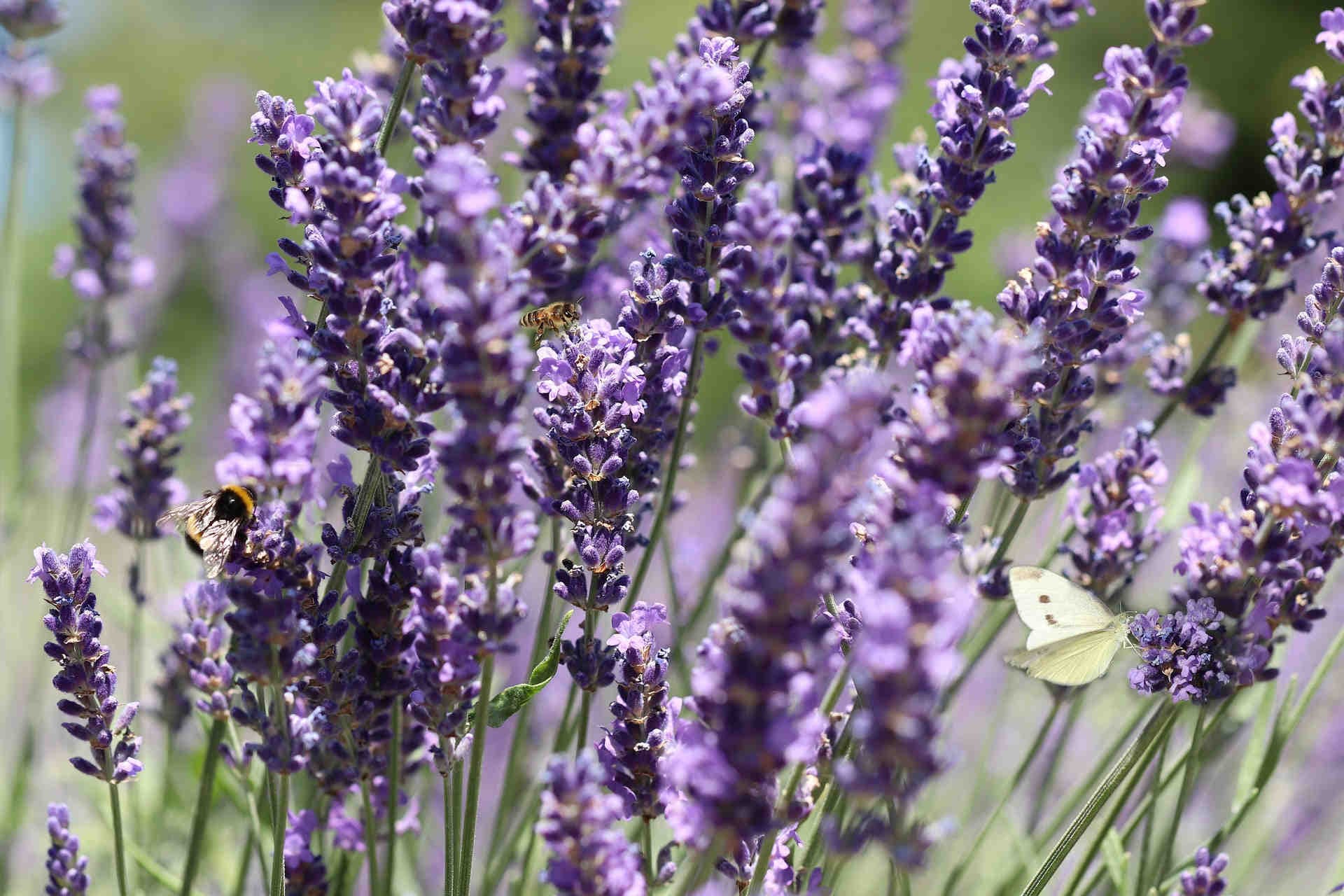
    As already mentioned, bumblebees play a key role in maintaining global biodiversity. However, their role as pollinators is constantly hampered by habitat degradation and rising temperatures. It is indeed crucial that we monitor the activities of these animals and become active in mitigating the effects of climate change through concrete conservation projects, such as the 3Bee Biodiversity Oases. These places, where nature and technology meet, are urban and agroforestry habitats designed to encourage the creation of pastures for pollinating insects, such as the vital bumblebees. We humans, as the only species that has made culture its way of life and being, have a responsibility to actively act in the safeguarding of these species and the entire planet.

    The importance of safeguarding bumblebees
    02/04/2024Of 3Bee, Chiara Pertile
    239 Views
    Newsletter
    newsletter
    Subscribe to the Blog about bees and biodiversity

    Frequently Asked Questions

    Do you have any doubts or other curiosities about this article? Here you will find some insights