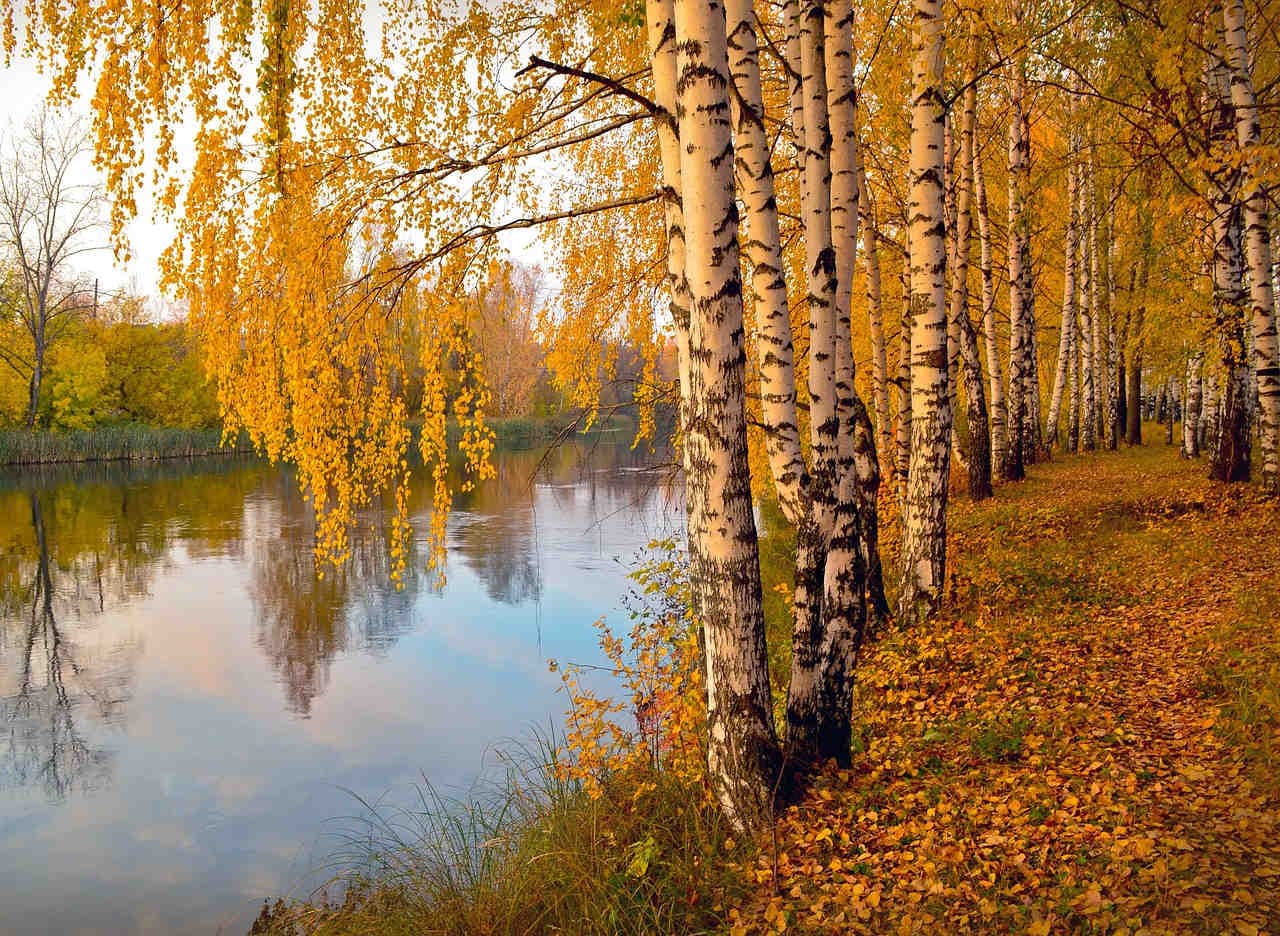
The Birch: A Pioneer Plant and Its Role in Ecosystems
    GeographyMorphologyEcological roleSymbiosis

    The Birch: A Pioneer Plant and Its Role in Ecosystems

    The birch is a pioneer plant known for its resilience and for enriching degraded habitats. Explore the ecological importance of the resilient birch tree, from its unique adaptation mechanisms to its role in stabilizing ecosystems and supporting biodiversity.

    Read the article
    25/10/2024Of 3Bee, Chiara Pertile
    1723 Views
    25/10/2024Of 3Bee, Chiara Pertile
    1723 Views

    Geographical Distribution of Birch Trees: Where They Grow

    Disclaimer: this is an automated translation from Italian. Go to the original article.

    Birches, a genus of plants in the Betulaceae family, are mainly found in the temperate and cold regions of the northern hemisphere and their adaptability makes them capable of colonising diverse environments, from boreal climates to mountainous areas. Species such as Betula pendula, also known as white birch, thrive in northern and central Europe, while other species such as Betula nana are typical of the Arctic tundra. This variety of species shows extraordinary resistance to cold climates, thanks to adaptation mechanisms that allow it to survive harsh winters. In North America, Betula papyrifera is among the most common species, extending as far as the Canadian regions. Finally, the Betula pubescens, known as bog birch and characterised by its hairy leaves, prefers marshy soils and is mainly found in Northern Europe.
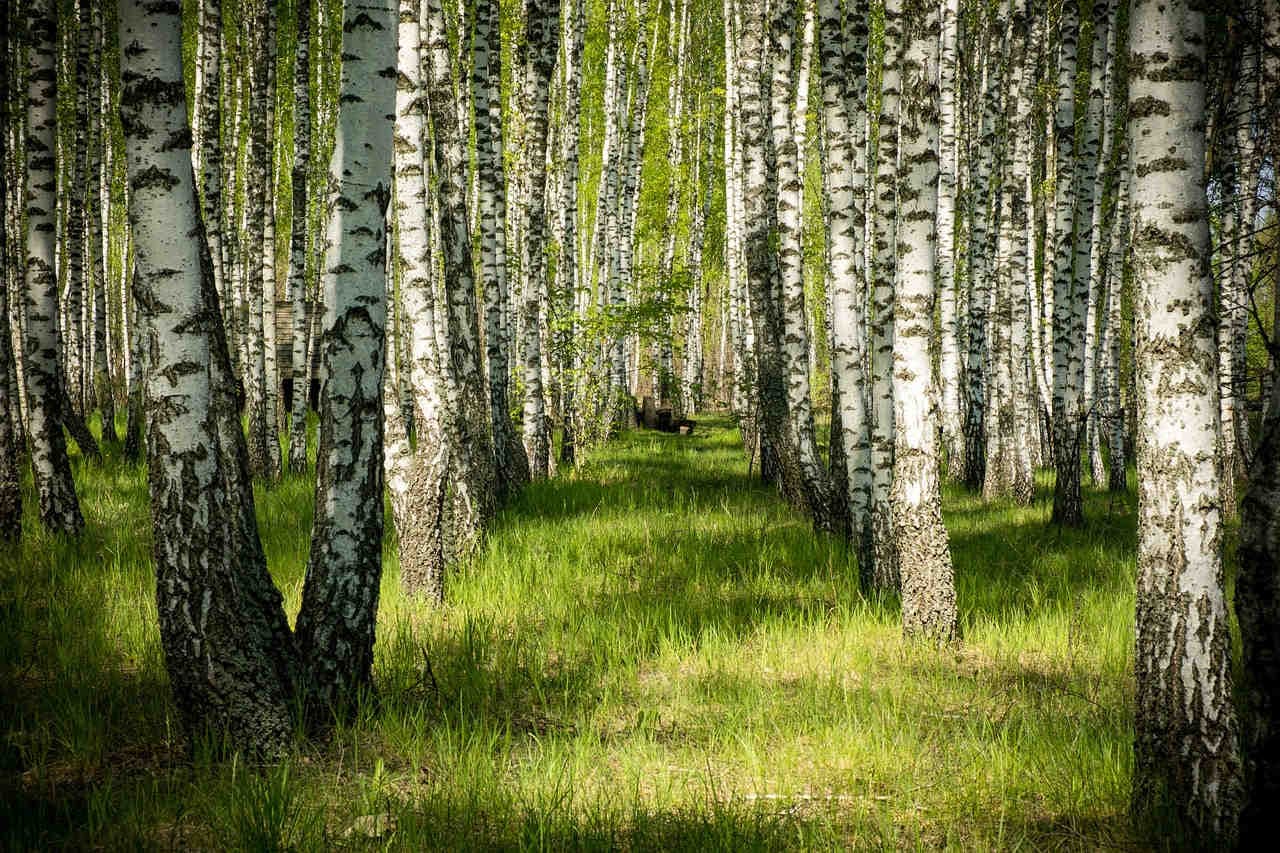
    foresta betulle

    Morphological Characteristics of Birch: How to Recognize It

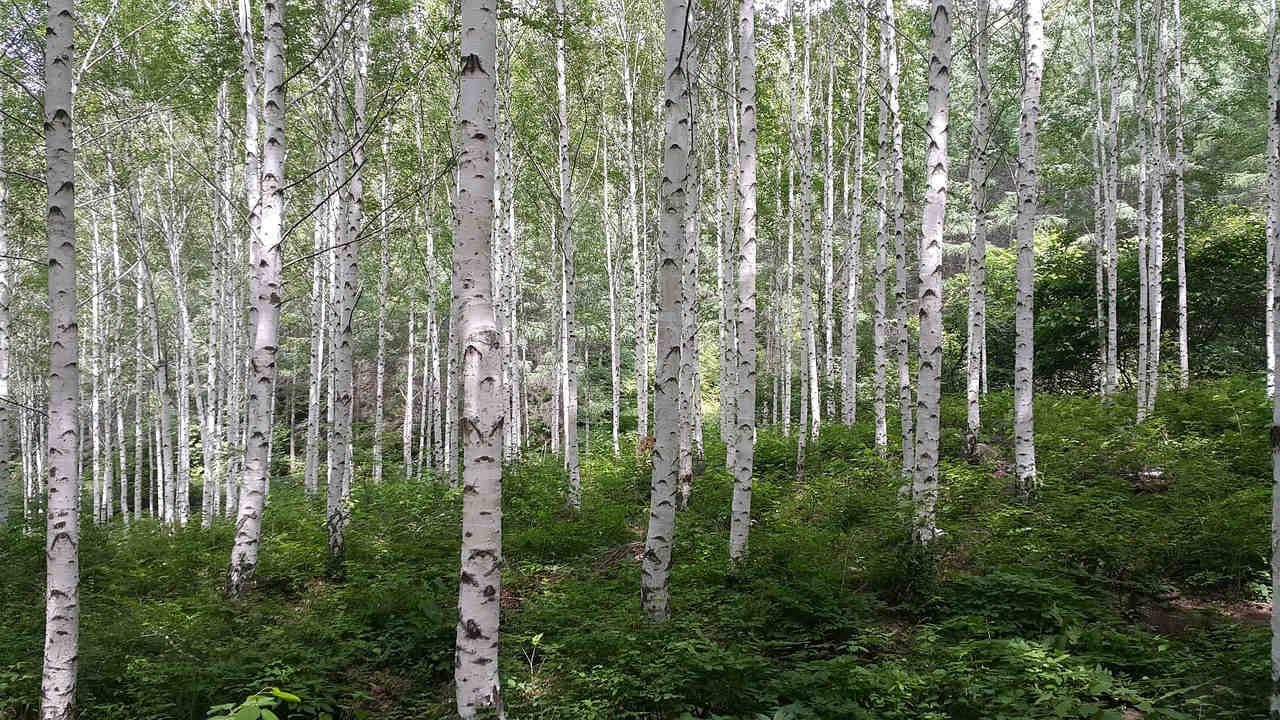
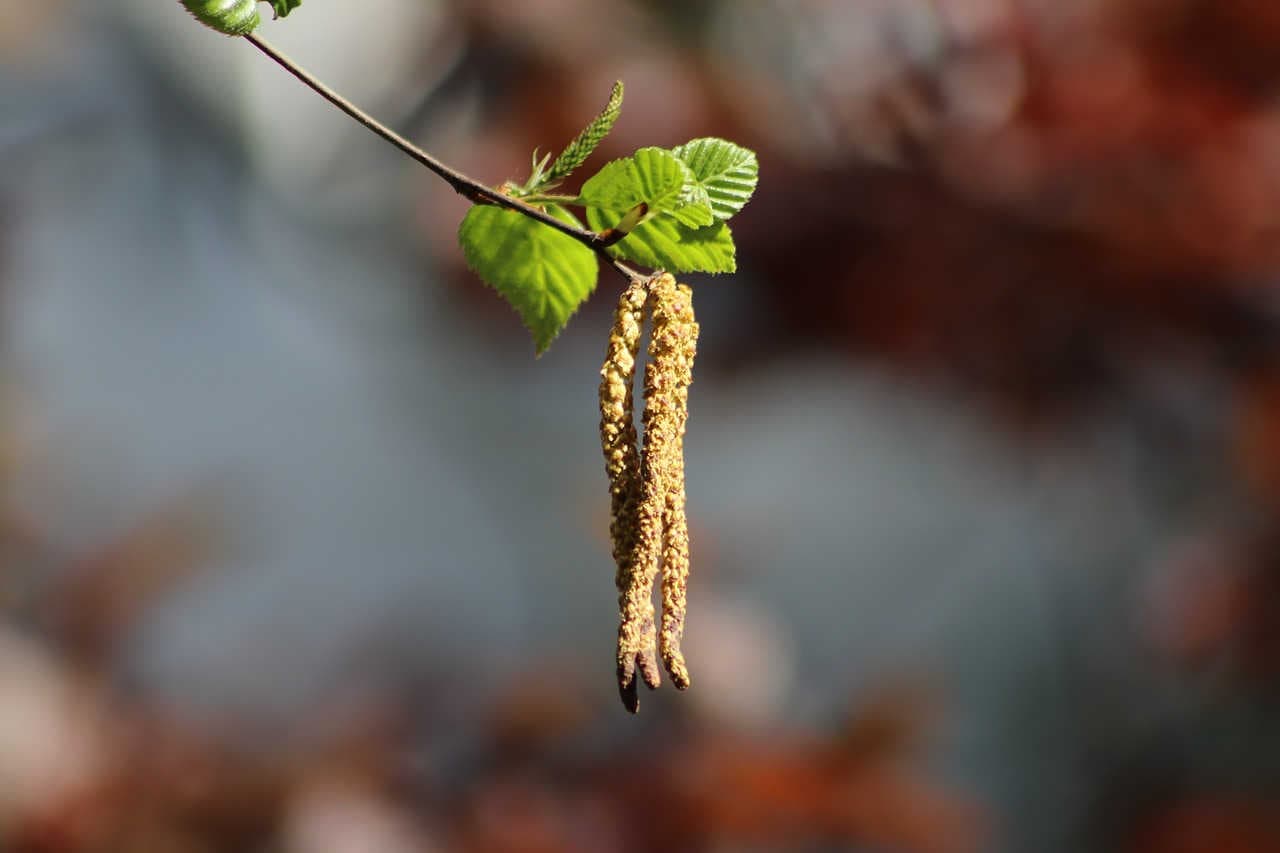
    The birch is a particularly fascinating and easily recognisable tree, best known for its white bark that flakes into thin layers. The trunk, which reaches a height of between 15 and 30 metres depending on the species, is often surrounded by branches that bend elegantly downwards. The leaves of the birch are small, oval with serrated margins and turn a bright yellow colour during autumn. In spring, the plant produces flowers in the form of amenti, which may be male or female. These catkins are pollinated thanks to the action of the wind, which encourages the seeds to spread over large areas and thus helps the birch to colonise new territories efficiently.
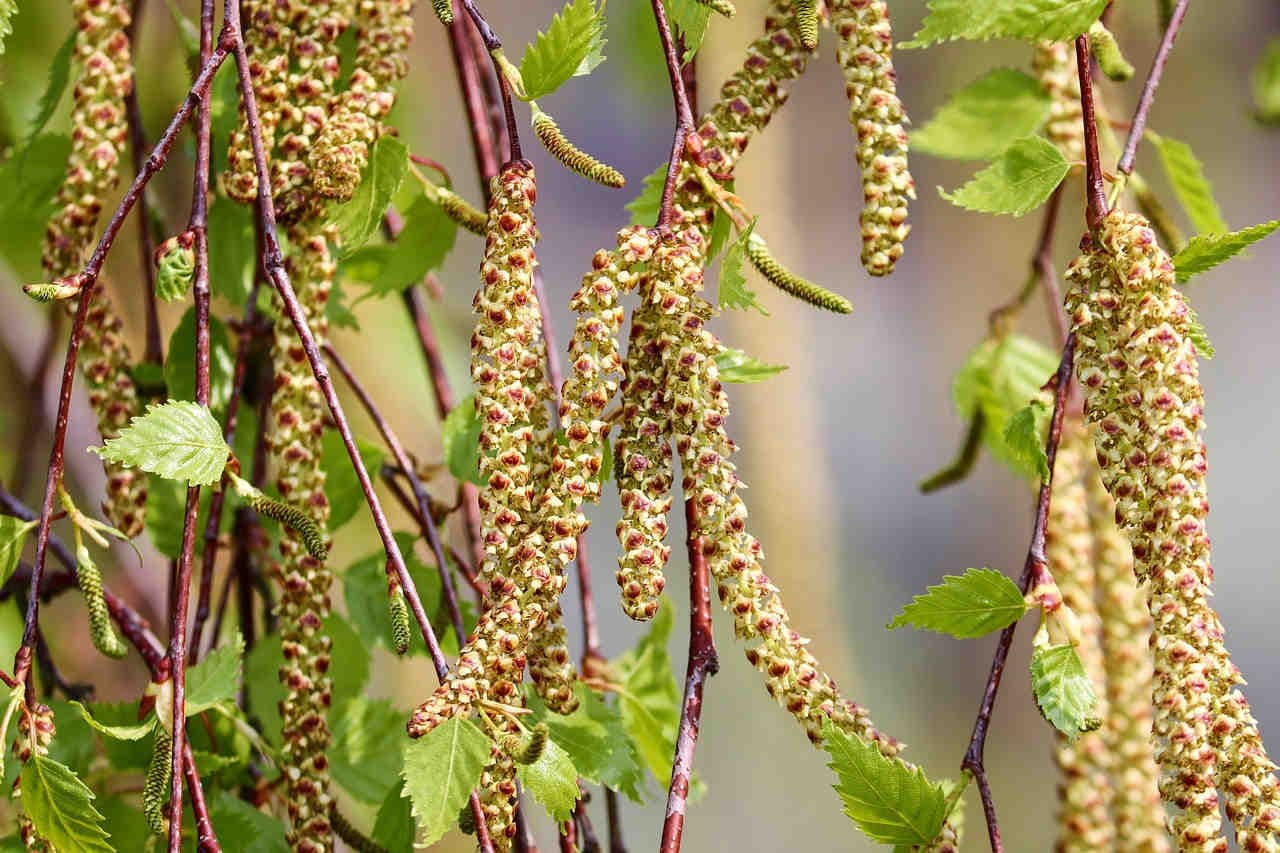
    amenti betulla
    XNatura

    The Ecological Role of Birch in Diverse Ecosystems

    Due to their great adaptability, the birches play a key role in the ecosystems in which they grow, acting as plants pioneers in deforested or degraded areas. Their shallow roots are crucial in preventing soil erosion, particularly in areas affected by natural disasters. In addition, birch trees provide shelter and food for a variety of wild animals. Bees and other pollinating insects find nourishment in its flowers, while small mammals feed on its seeds. Birch bark is also a valuable resource for many animals, which use it to build shelters or nests. In addition, the presence of birch trees helps to improve air quality and reduce CO2, making it a key plant for mitigating climate change.
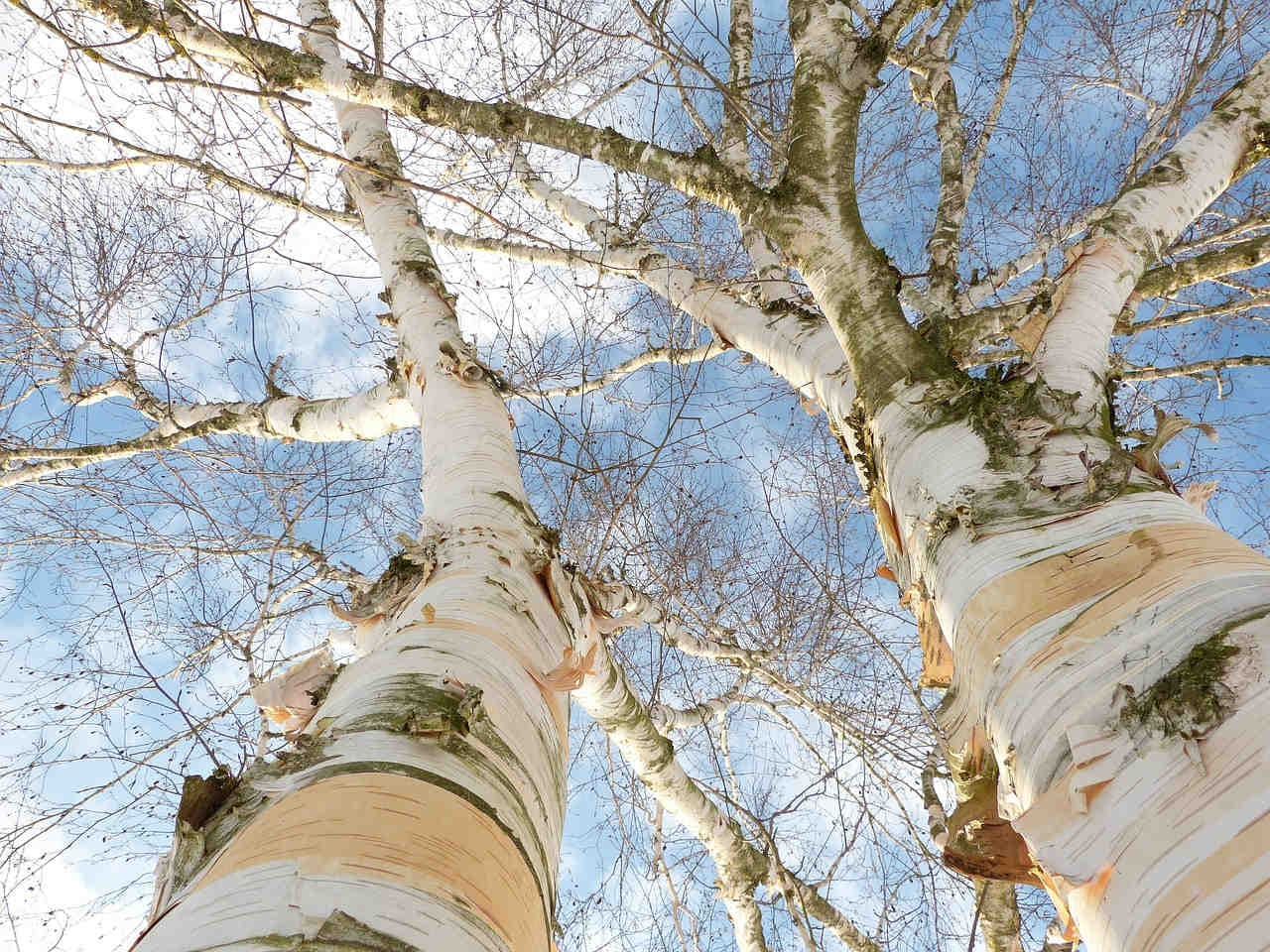
    Corteccia betulla

    Birch Symbiosis: An Evolutionary Advantage

    The great ability of birches to thrive even in hostile, nutrient-poor environments owes much to an interesting symbiotic phenomenon. Indeed, these species are involved in a root symbiotic relationship with certain actinomycetes, bacteria of the Frankia genus. These bacteria, endowed with nitrogen-fixing activity, establish a mutualistic symbiosis with the plant, forming nodules in the roots where they fix nitrogen and convert it into substances that can be utilised by the birch. This process provides the plant with a constant supply of nitrogen, essential for protein synthesis and growth, even in nutrient-poor soils. As a result, birches gain a significant competitive advantage by colonising marginal soils and contributing to soil stabilisation and ecosystem biodiversity.
    foresta betulle
    XNatura

    Myths and Legends of the Birch

    Since ancient times, the birch has played a central role in numerous cultures and mythologies. It was in fact considered a sacred tree by all Slavic peoples. In Scandinavia, the birch was associated with the deities of fertility and spring, celebrated during ritual festivals marking the end of winter. Russian mythology, on the other hand, identifies it as a symbol of femininity and beauty; the birch is often evoked in poems and folk songs as a metaphor for a gentle and delicate young woman. In addition to its spiritual significance, birch bark has had numerous practical uses: indigenous North American peoples used it to build canoes, containers and even, from its bark, they made a kind of flour, used as nourishment in times of resource scarcity.
    amento di betulla
    3Bee

    Discover and Identify New Species with the Biodiversa App

    to explore and identify new birch species (and more) with Biodiversa, the free game app for biodiversity monitoring and ecosystem protection that allows you to easily 'collect' and identify plants and flowers you come across during an outdoor walk. This ambitious citizen science project promoted by 3Bee aims to create a co-operative archive dedicated to flora (and in a second phase fauna) in Europe, involving player users with challenges to catalogue species, some of which are rare or endangered. Available for iOS and Android, Biodiversa has a dynamic similar to that of some well-known free-to-play video games that encourage moving and travelling in the real world to 'collect' characters. The app offers a gaming experience in which plants are all to be 'collected' and identified in order to collect experience points, level up and climb the leaderboard.

    persona in foresta di betulle
    25/10/2024Of 3Bee, Chiara Pertile
    1723 Views
    Newsletter
    newsletter
    Subscribe to the Blog about bees and biodiversity

    Frequently Asked Questions

    Do you have any doubts or other curiosities about this article? Here you will find some insights