The link between bees and art
    Ancient artMiddle AgesRomaNapoleon

    The link between bees and art

    Impossible not to think, while observing a beehive composed of its perfect hexagonal cells, that it is a true work of art. But in the history of art, have bees ever been represented by artists? Discover the link between bees and art!

    Read the article
    13/10/2022Of 3Bee, Elena Fraccaro
    1568 Views
    13/10/2022Of 3Bee, Elena Fraccaro
    1568 Views

    Bees and ancient art

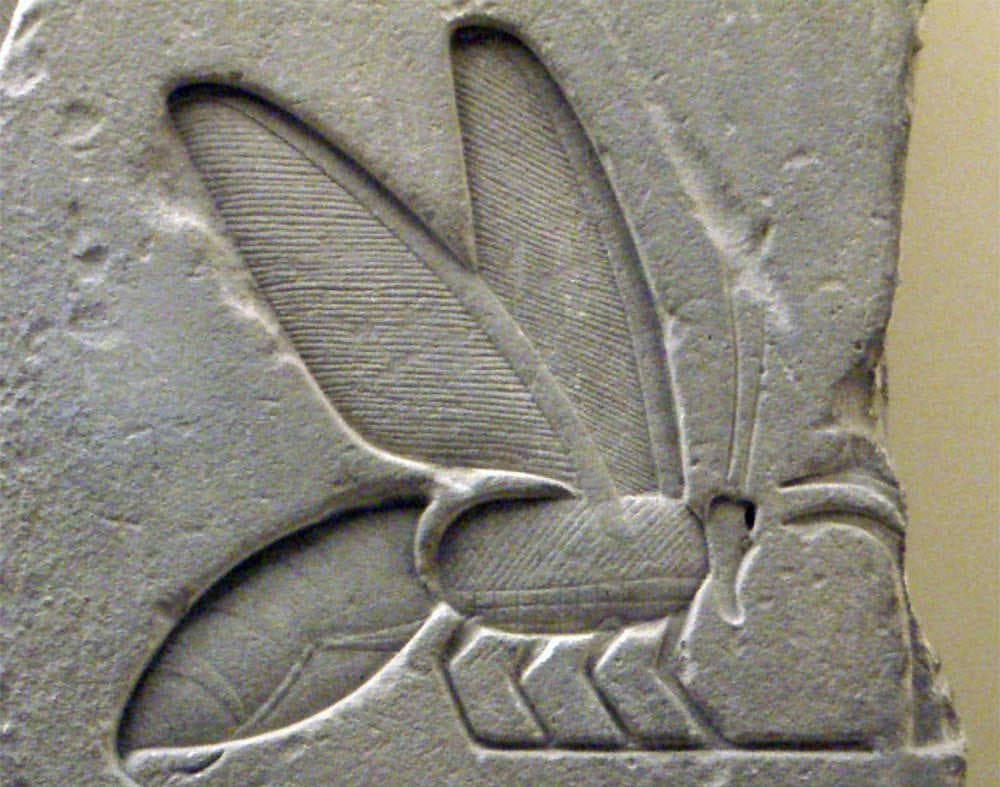
    Bees, with theirvery long history, have always attracted the attention of scholars and artists. The earliest depictions go back as far as the cave paintings discovered in Asia, Africa and Europe. The oldest one is dated 2400. BC! These are not only drawings of bees and beehives, but a true testimony of the first beekeepers and their practices, such as chasing away bees by means of smoke in order to approach the hive and collect honey. Evidence also continues in Egyptian art up to the Greek antics. In Egypt the image of the bee was a sign of hieroglyphics, while in Greece bees were particularly cherished as a symbol of the goddess Artemis and for this reason very often depicted, for example, on coins of the city of Ephesus or on shields.
    Bees and ancient art

    Bee as allegory of the Middle Ages

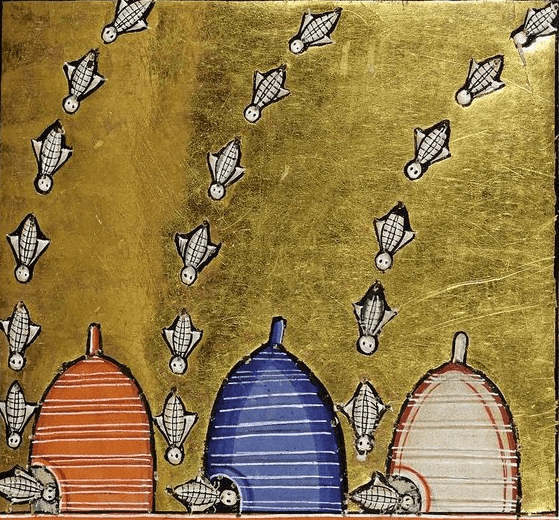
    It is during the 'dark ages' that bees are actually represented in a new light. Their image in fact begins to multiply, both as a scientific representation in the bestiaries and in an allegorical key. The bee becomes a symbol of industriousness, of which it is clearly the ultimate exponent: it sleeps a maximum of 30 minutes a day and performs various jobs during its life. Bees and beekeepers at work at that time were depicted or drawn either in scientific treatises, particularly in manuals in which the medical properties of foods were collected, or in Exulteté. The latter were parchments with a musical text of doctrinal content inside.
    Bee as allegory of the Middle Ages
    XNatura

    Bees conquer Rome

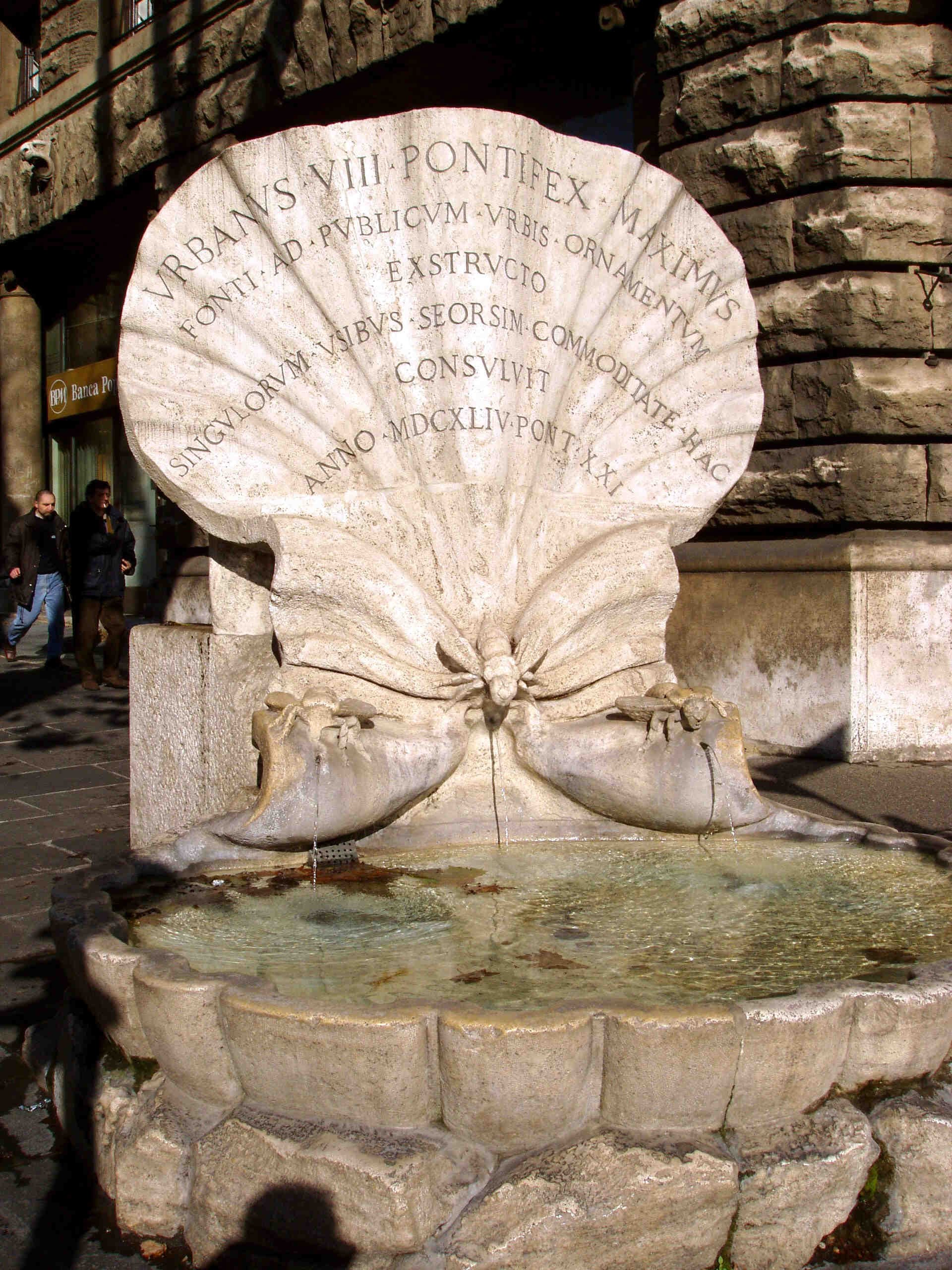
    Focusing on Italy for a moment, it is worth mentioning the presence of bees in art also thanks to the commendable sculptor Gian Lorenzo Bernini, who created several works, including the marble bases of the baldachin of St. Peter's with the coat of arms of Pope Urban VIII, belonging to the Barberini family. The coat-of-arms was described with this phrase Coat-of-Arms: azure with 3 bees mounted in gold placed. Also in Rome, one must be very careful when looking at fountains! Yes, bees are also depicted on the Fontana Barcaccia in Piazza di Spagna, on the Fontana del Tritone in Piazza Barberini and of course on the Fontana delle Api in Via Vittorio Veneto. Internationally, on the other hand, we can mention the Flemish painter Albrecht Dürer with his work 'Cupid, Thief of Honey', an example of German Renaissance art and a perfect union of mythology and beekeeping.
    Bees conquer Rome

    The bee as a symbol of Napoleon

    During the 17th and 18th centuries, the depiction of our beloved bees became more and more flourishing, especially thanks to the richly decorated Baroque art and the advances in naturalistic studies that demanded more illustrations as a consequence. The use of bees in decorative form also intensified with the Rococo style, which was more refined than its predecessor. What is perhaps not so surprising at this point is that even such an important political figure as Napoleon was a great admirer of bees. In fact, he used them very often as a heraldic symbol. For Napoleon they signified immortality and resurrection. During his exile on the Isle of Elba he decided to use a bee as a decoration for the flag of his new small territorial possession.

    The bee as a symbol of Napoleon
    XNatura

    The 20th century gaze

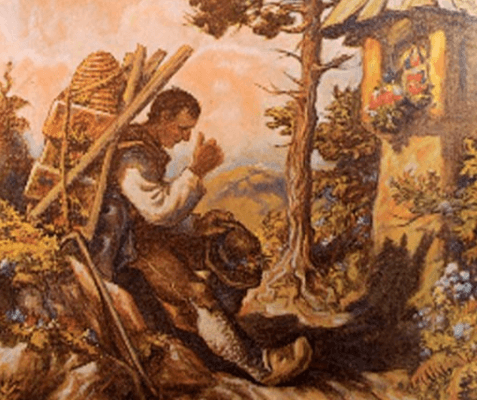
    During the 1900s, we can reconstruct a large selection of realistic paintings with depictions of beekeepers and their families. These works of art convey the idea of both the complex world that is beekeeping and how it allowed for outdoor living. Some of the most iconic paintings include 'The Hive' by Russian painter Isaac Levitan and 'Look into the Beehive' by surrealist Alfred Georges Regner. Also worth mentioning is the series of paintings by the Slovenian painter Maskin Gaspari dedicated to beekeeping.
    The 20th century gaze
    3Bee

    The beehive becomes the protagonist

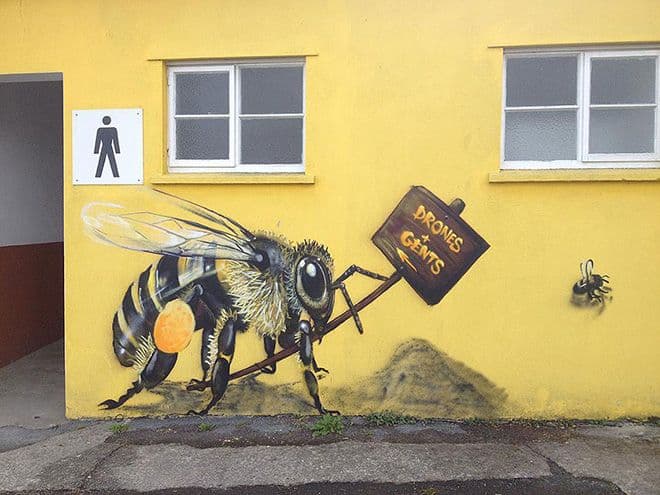
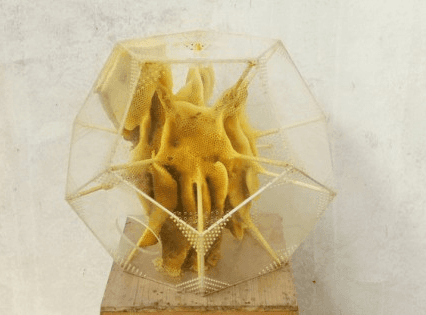
    Nowadays, art, as is only natural, has had to reinvent itself once again. From frescos locked up in palaces, artists have moved into the streets, creating murals with the aim of drawing attention to the importance of bees. Bees are crucial to our survival. Around 70 per cent of food crops depend on their daily pollination. An example are the Murales of the project "Save the bees" by Louis Masai Michel. However, one of the most imaginative innovations is the fact that bees and beehives stop being represented through paintings or sculptures and become the structure of the work themselves. The list of artists is numerous. Very interesting is Ren Ri a Chinese beekeeper-artist, who uses beehives to visually bring to life the experience of being in contact with nature, transforming honeycombs made of wax into art.
    The beehive becomes the protagonist
    13/10/2022Of 3Bee, Elena Fraccaro
    1568 Views
    Newsletter
    newsletter
    Subscribe to the Blog about bees and biodiversity