XNatura Score: The Biodiversity Monitoring Protocol
    XNatura Indextechnologiesbenefitsenergy

    XNatura Score: The Biodiversity Monitoring Protocol

    After two years of testing, 3Bee has released XNatura Score, the technology-based monitoring protocol that strengthens companies' commitment to biodiversity conservation and provides reporting that complies with European regulations. Learn how XNatura Score can become a strategic asset for energy companies.

    Read the article
    06/10/2023Of 3Bee, Elena Fraccaro
    487 Views
    06/10/2023Of 3Bee, Elena Fraccaro
    487 Views

    What is XNatura Score?

    XNatura is the biodiversity monitoring protocol developed by 3Bee and finally released after two years of field testing and research. An innovative approach based on new technologies and partnerships with organizations and research institutes such as ESA, UniTo, UniNa and Crea. It is a technology-based biodiversity monitoring protocol, validated by a third party certification body, that uses a science-based approach to guide concrete actions in the field. Born from the synergy of technologies developed by 3Bee - Hive-Tech, Flora and Spectrum - XNatura combines data collection and analysis into a single advanced framework. But how do the technologies that provide the data collected in the XNatura biodiversity monitoring protocol work?

    world from the top

    The technologies behind XNatura Score

    - Hive-Tech, 3Bee's first system for analyzing the health and "starvation" status of honeybees, valuable sentinels for monitoring the state of the environment around them.
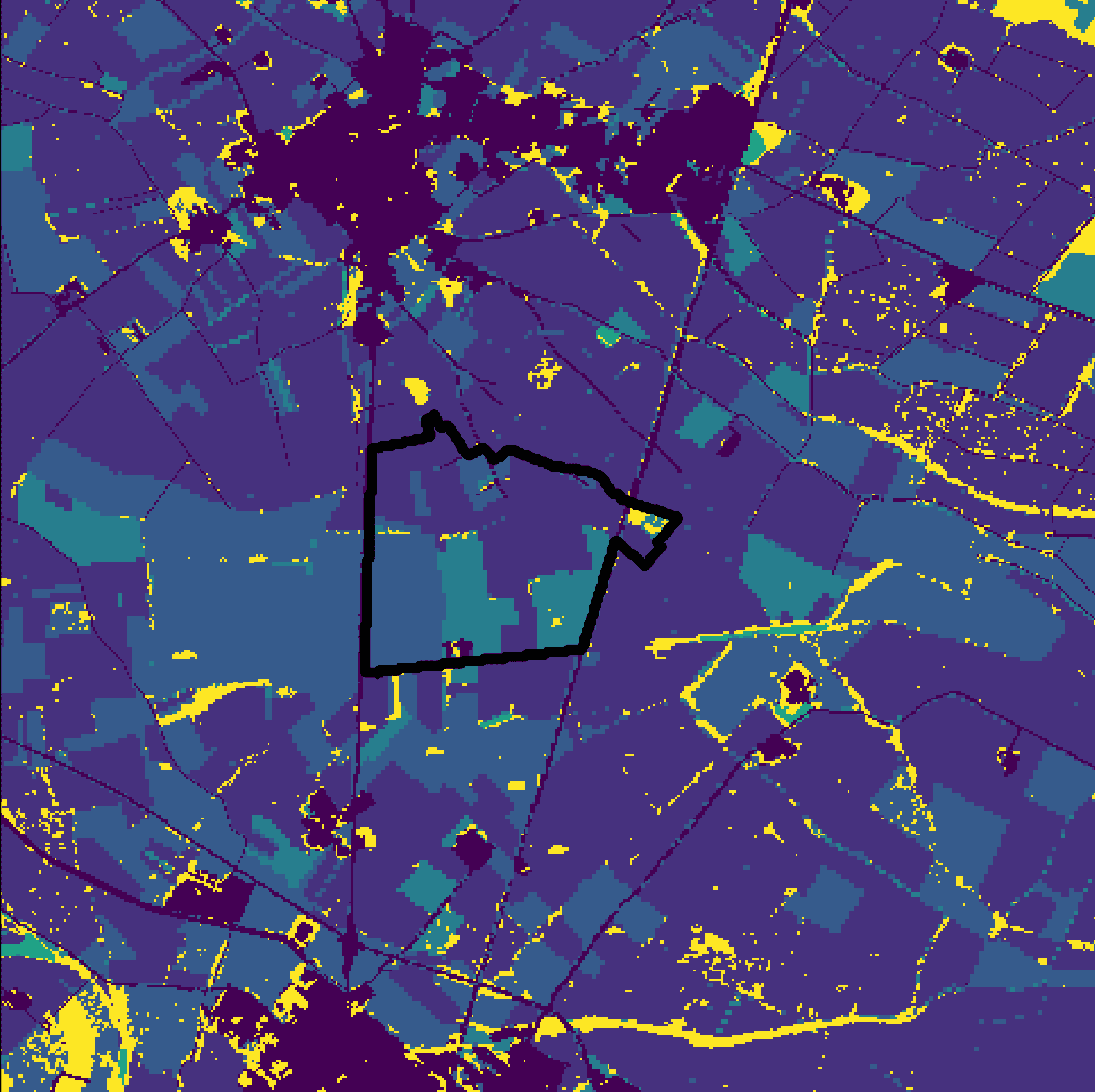
    - Flora, 3Bee's technology developed in collaboration with the European Space Agency (ESA), software that uses artificial intelligence and satellite imagery to map the study area and estimate the potential biodiversity of the habitat and its suitability for pollinators.
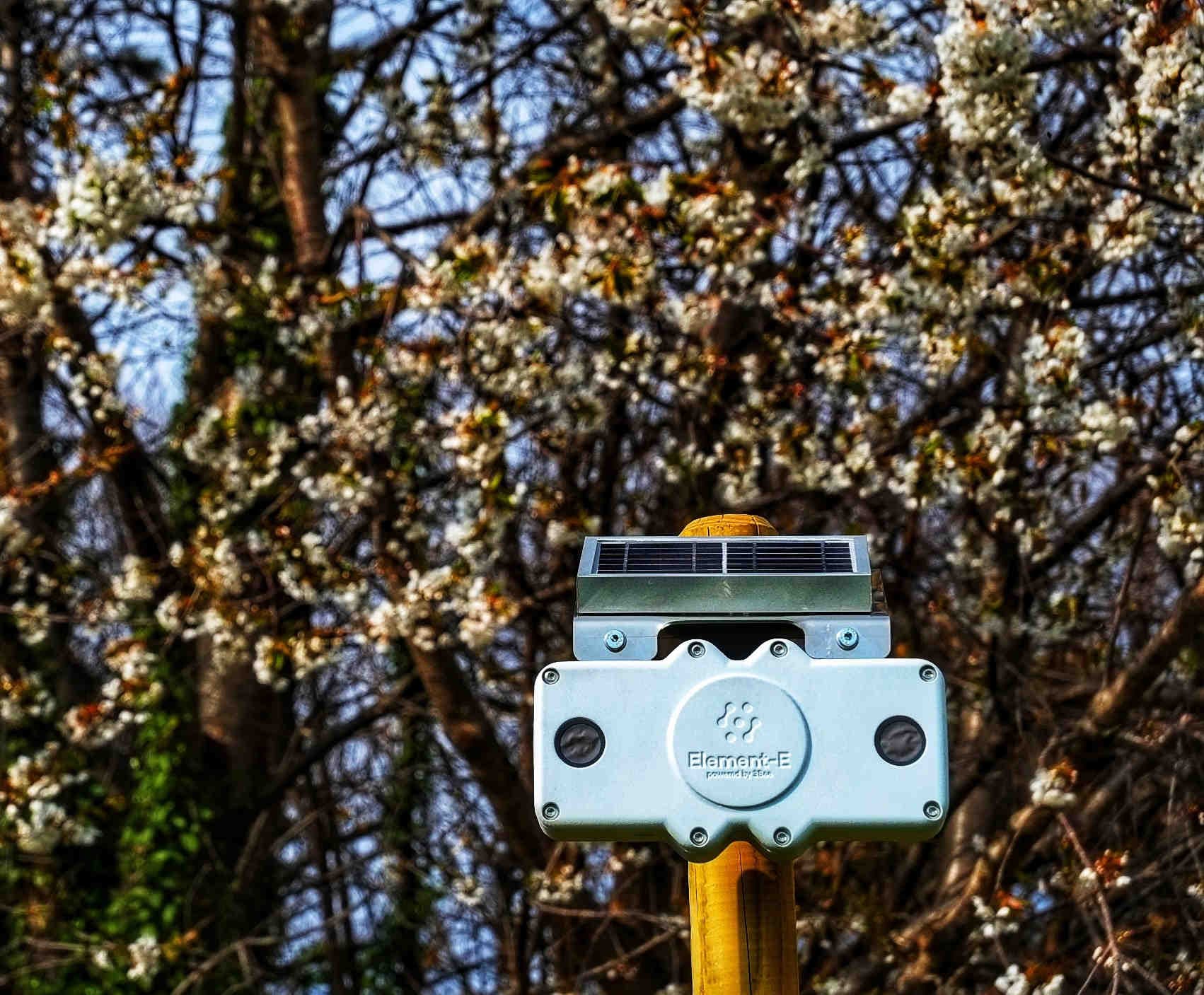
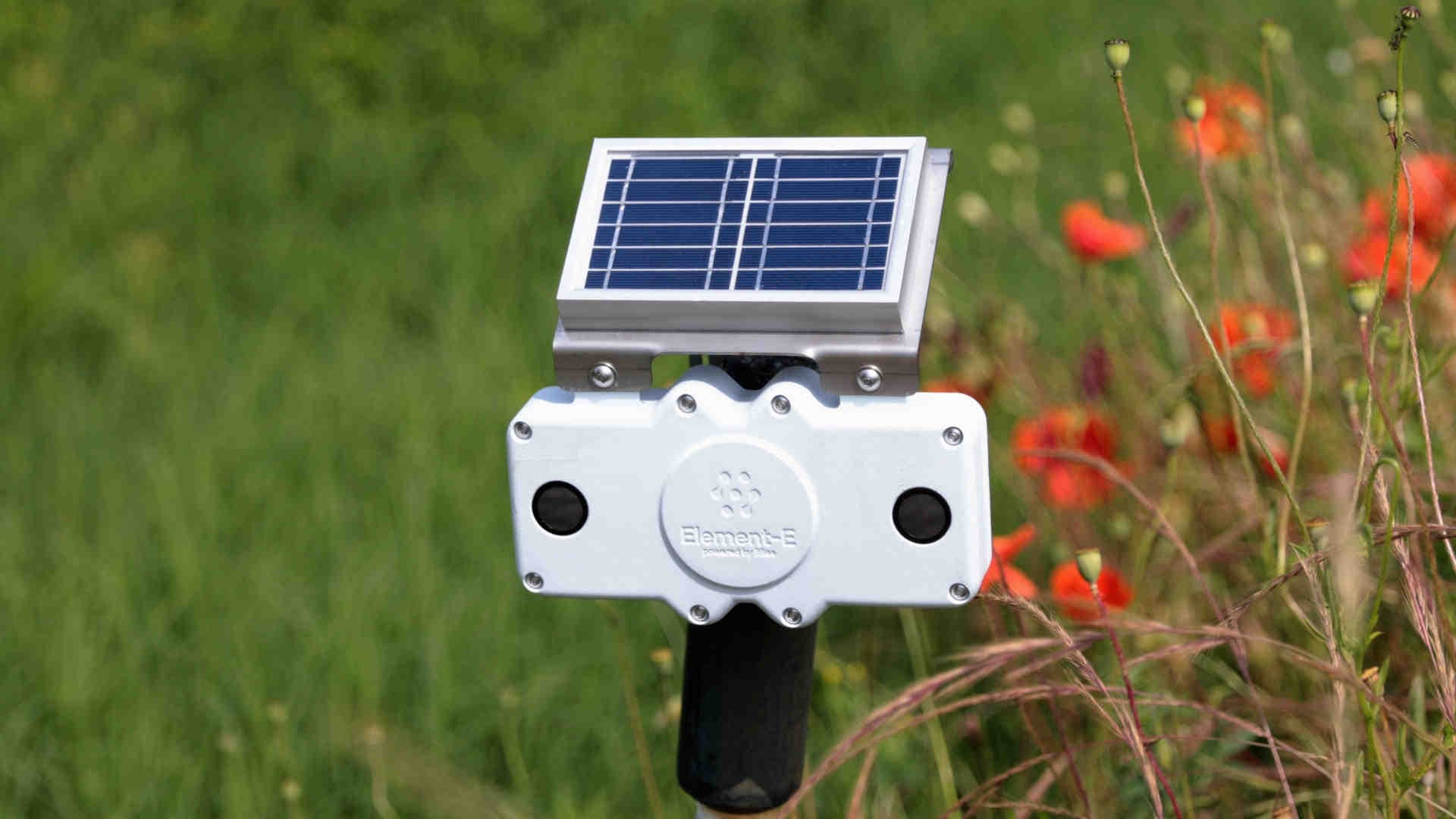
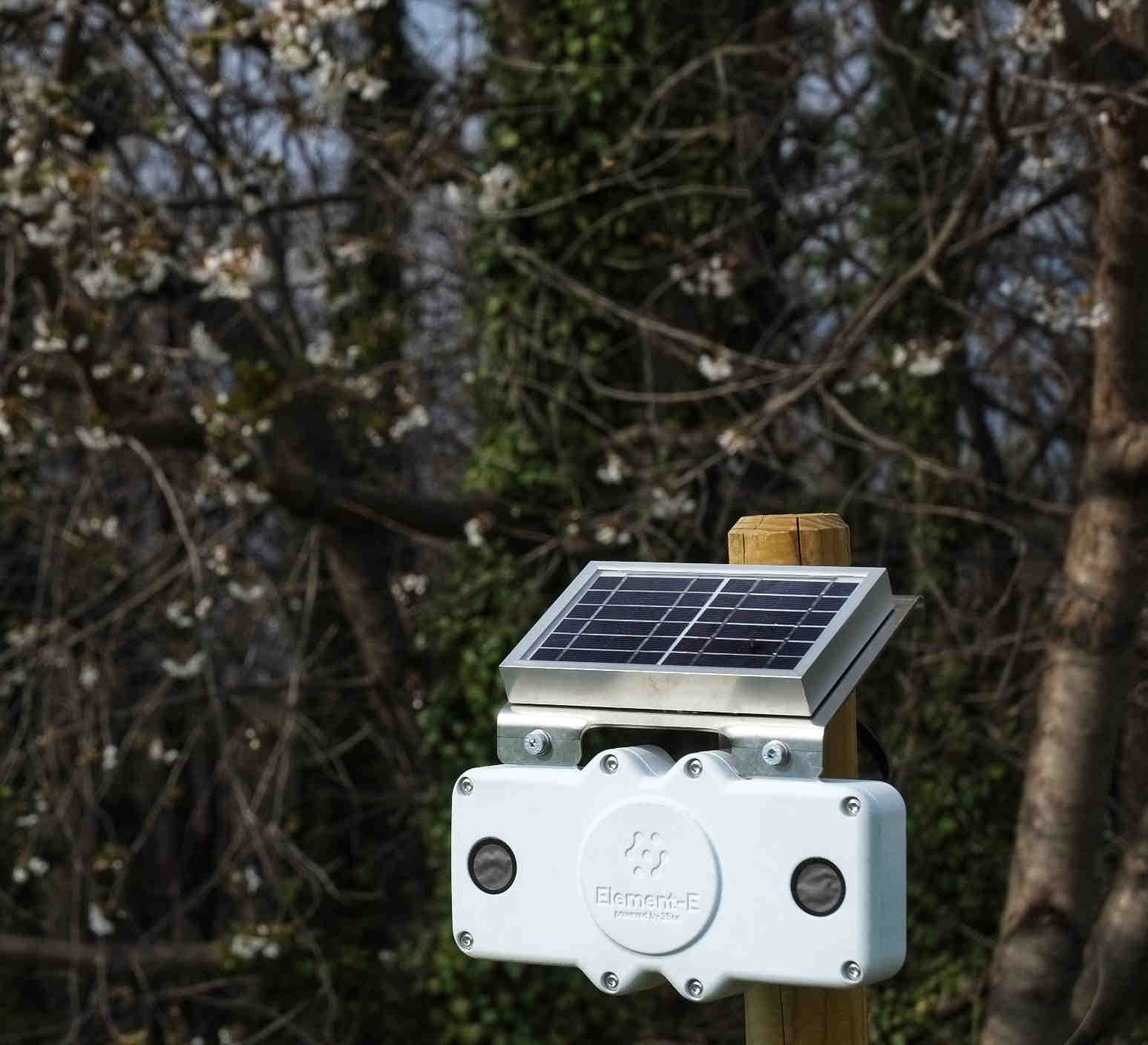
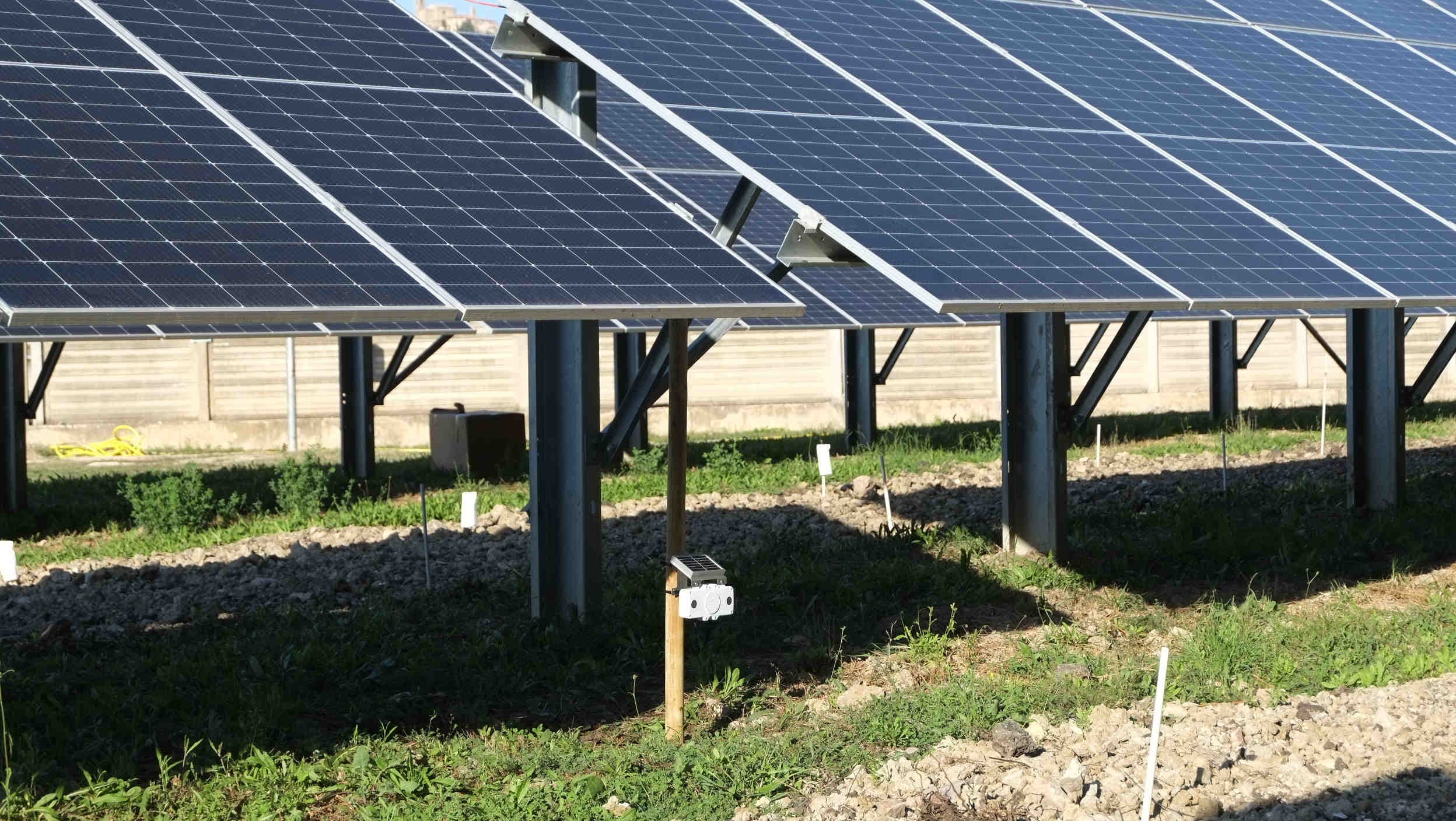
    - Spectrum, an IoT sensor that acts as an "electronic ear" and is placed in the study area to detect the number and types of pollinators present. By flapping its wings, each pollinator emits a characteristic sound wave that is picked up by this technology, allowing 3Bee to assess its abundance.

    Data from these technologies are collected in the XNatura biodiversity monitoring protocol, developed by 3Bee and validated by a third party certification body.

    Spectrum 3Bee
    XNatura

    The benefits of XNatura Score for companies

    The benefits are many and tangible. XNatura makes it possible to accurately monitor the suitability of an area and the presence of pollinating insects, providing data that complies with international reporting standards such as EFRAG and GRI, which are now mandatory under the CSRD Directive. So what does all this mean for companies that choose XNatura to monitor biodiversity on their sites?
    1. Receive a detailed report on the biodiversity of the site, an assessment of the biological health of the area and a long-term plan for its restoration.
    2. Ensure transparency through a dedicated landing page - a useful project page to communicate externally about their achievements.
    3. Obtain the XNatura label, the globally recognized and valid label that certifies the use of the XNatura Biodiversity Monitoring Protocol.

    Flora 3Bee

    Biodiversity monitoring in the energy sector

    The energy sector has a significant impact on biodiversity. From renewables to biomass, from energy storage to traditional power plants and energy networks, each segment has specific environmental impacts. In particular, in terms of land use, renewable energy, while sustainable, requires a large amount of land. According to the NREL (National Renewable Energy Laboratory), approximately 1.7 to 3.4 hectares are needed to produce 1 GWh of solar energy per year. In addition, a 2013 report suggests that wind turbines in the United States could cause the death of approximately 234,000 birds per year, highlighting the industry's significant impact on wildlife and the consequent importance of careful planning and design. This data underscores the importance of monitoring biodiversity in the energy sector.

    energy
    XNatura

    XNatura Score for Energy Companies

    The energy sector is becoming increasingly regulated. The CSRD Directive, which comes into force in 2024, and the Nature Restoration Law, which was passed last July, make active biodiversity management not only an ethical imperative, but also a legal one. XNatura therefore offers an advanced technological framework, validated by a third party certification body, to address these challenges. Compliance with EFRAG and GRI standards enables companies to avoid regulatory risk and position themselves as leaders in environmental sustainability. XNatura provides concrete data that demonstrates a company's real commitment to biodiversity protection. The XNatura biodiversity monitoring protocol is therefore a real strategic asset for energy companies.

    energy companies
    3Bee

    Example of a concrete application within the energy sector

    But what is a concrete example of XNatura being used in the energy sector? One of the world's largest renewable energy companies chose XNatura to monitor biodiversity on a 2 MW photovoltaic site. The 5 hectare site with conventional PV panels was analyzed with two Spectrum units over an area of 2 hectares, 30 percent of the total. The objectives were clear: to plan and implement biodiversity mitigation measures. After the intervention, pollinator abundance increased by 30%. In addition, the project was recognized as an "environmental best practice" by Solar Power Europe and strengthened the link with the local community by obtaining two additional Environmental Impact Assessments (EIAs). This example demonstrates the potential of XNatura as a strategic asset for companies in the industry with an eye to environmental sustainability.
    Element-E example energy

    Why choose XNatura Score?

    As we have seen, assessing impacts on biodiversity is critical to understanding the consequences of business strategies and planning concrete actions. With XNatura, energy companies - which have a significant impact on the soil - gain important insights from the technology, enabling them to identify and design targeted interventions to mitigate any negative environmental impacts. They are also actively engaged in protecting biodiversity while contributing to long-term environmental sustainability. Regulatory obligations are part of this context: the CSRD Directive and recent ESG reporting standards such as GRI and ESRS require companies to assess their impact at the level of individual production sites, whether owned or in the supply chain. With XNatura, it is possible to achieve reports that meet the requirements of the standards and ensure the best ESG performance. Are you an energy company?

    Element-E
    06/10/2023Of 3Bee, Elena Fraccaro
    487 Views
    Newsletter
    newsletter
    Subscribe to the Blog about bees and biodiversity