World Habitat Day 2025
    OriginTheme 2025SolutionsInnovation

    World Habitat Day 2025

    On 6th October 2025, World Habitat Day focuses on urban crises, including climate change, conflicts, and social inequalities. Cities are epicentres of global challenges, and the event calls for the development of innovative responses to tackle these issues.

    Read the article
    19/09/2025Of 3Bee, 3Bee
    180 Views
    19/09/2025Of 3Bee, 3Bee
    180 Views

    The Origin of World Habitat Day

    Disclaimer: this is an automated translation from Italian. Go to the original article.

    The World Habitat Day, proclaimed by the United Nations in 1985, was established with the aim of raising awareness about the importance of addressing the challenges of global urbanisation. Every year, on the first Monday of October, it is celebrated worldwide, emphasising everyone's right to adequate housing. In particular, the 2025 event will focus on the crises threatening urban areas, such as climate change and social conflicts. The United Nations estimates that by 2050, 2.5 billion new urban residents will arrive in cities, significantly increasing the pressure on resources and infrastructure. Today, over one billion people live in precarious conditions, including slums and inadequate housing. It is essential to review urban policies to address these challenges, with concrete solutions to improve the q

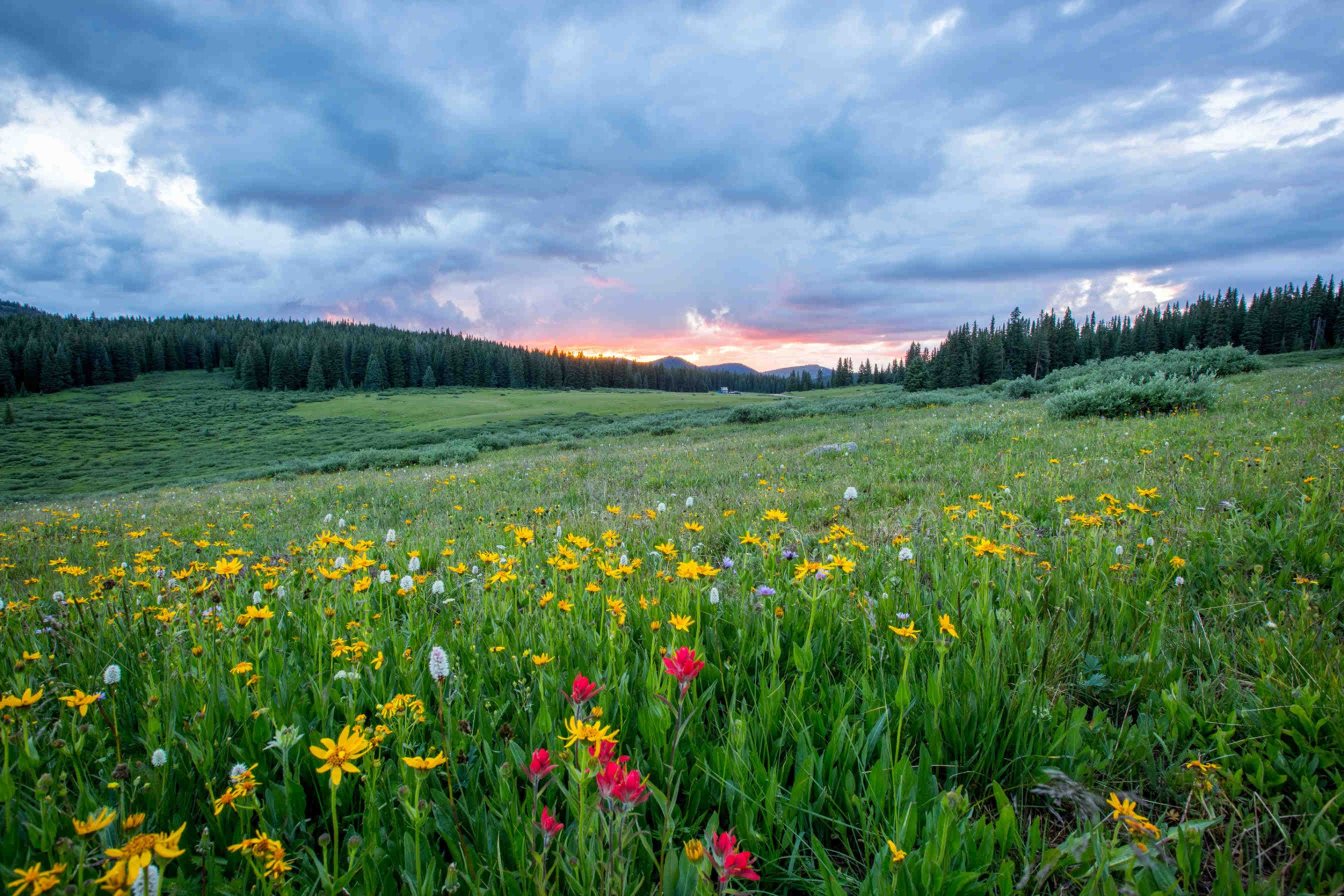
    3bee-blog-origine-giornata-mondiale-habitat

    The theme of World Habitat Day 2025

    On 6 October 2025, the Global Observance of World Habitat Day is dedicated to "Urban Crisis Response", which focuses on addressing urban crises. This theme highlights the multiple crises affecting urban areas, with particular attention to climate change and conflicts that exacerbate social inequalities. Cities, in particular, have become epicentres of environmental and social challenges, as they are home to more than half of the world's population. The event calls for the development of innovative responses and integrated approaches to effectively tackle urban crises. Cities are experiencing an increasing frequency of extreme weather events, such as heatwaves and floods, which threaten public health and safety. Urban heat islands, where temperatures are significantly higher than in the surrounding rural areas, are an example of the threats linked to climate change.
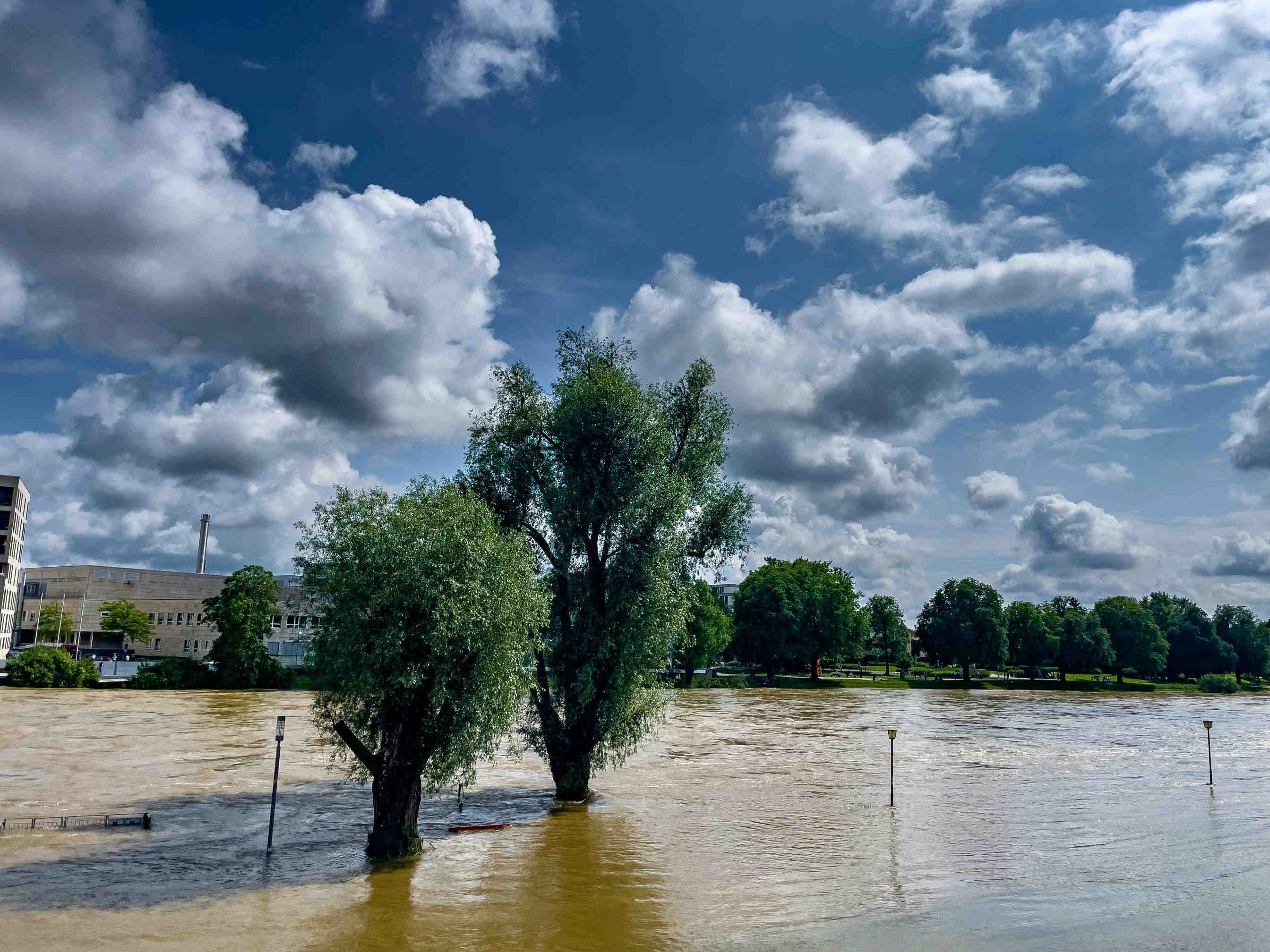
    3bee-blog-tema-giornata-mondiale-habitat-2025
    XNatura

    Natural solutions for resilient cities

    The urban climate crisis represents the set of interconnected challenges that cities face due to climate change and environmental degradation. It includes the increased frequency and intensity of extreme weather events such as heatwaves and heavy rainfall. It encompasses issues of water resource management, with alternation between droughts and urban flooding caused by soil impermeability. The crisis also manifests through social inequalities: poorer neighbourhoods generally have less access to green spaces and are more affected by heat islands. Urban air pollution poses a serious threat to public health. The response requires integrated approaches that combine green infrastructure, technological innovation, and social justice.

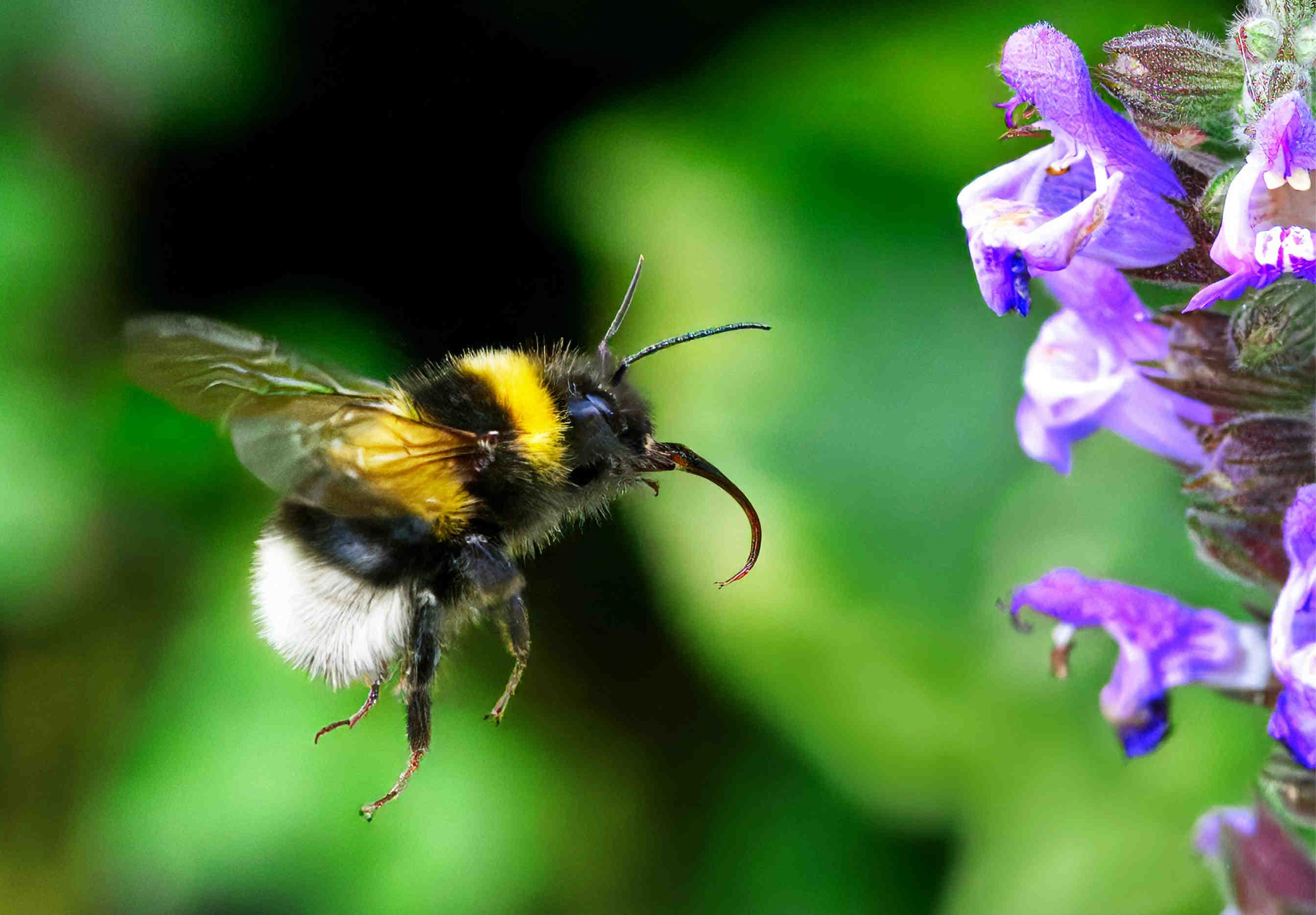
    3bee-blog-le-soluzioni-naturali-per-citta-resilienti

    Technological Innovation for More Sustainable Cities

    Technology and innovation are crucial tools for building sustainable and resilient cities. The collection and analysis of environmental data through IoT sensors and artificial intelligence are fundamental for monitoring air quality, biodiversity, and other critical variables in real time. These systems allow for the rapid identification of vulnerable areas and targeted interventions to improve urban quality of life. Digital platforms like XNatura integrate data from IoT sensors, satellite maps, and camera traps to provide a holistic view of the urban environment. These digital tools also facilitate citizen engagement, promoting participatory monitoring of biodiversity and creating greater environmental awareness. Using these technologies enables cities to address climate and social crises more efficiently and consciously, fostering public policies based on concrete data.

    3bee-blog-innovazione-tecnologica-per-citta-piu-sostenibili
    XNatura

    3Bee and XNatura: an example of innovation for the urban environment

    3Bee, through its division XNatura, is committed to creating innovative solutions for managing urban biodiversity and regenerating urban areas. The Biodiversity Oases of 3Bee are projects that combine technology with nature, using IoT sensors and satellite technologies to monitor and manage environmental risks. These green spaces are true knowledge hubs, where environmental data is transformed into useful information for strategic decisions. XNatura supports companies, municipalities, and institutions in managing environmental risks through a platform that collects and analyses data on climate, nature, and biodiversity. In this way, 3Bee contributes to building more resilient cities, capable of responding to the challenges of climate change and biodiversity loss. The Oases are not just regenerated green spaces, but also represent a model of sustainability and innovation for the future.


    3Bee
    19/09/2025Of 3Bee, 3Bee
    180 Views
    Newsletter
    newsletter
    Subscribe to the Blog about bees and biodiversity

    Frequently Asked Questions

    Do you have any doubts or other curiosities about this article? Here you will find some insights