World Environment Day 2025: between plastic and biodiversity
    EnvironmentPlasticaEffectsInsects

    World Environment Day 2025: between plastic and biodiversity

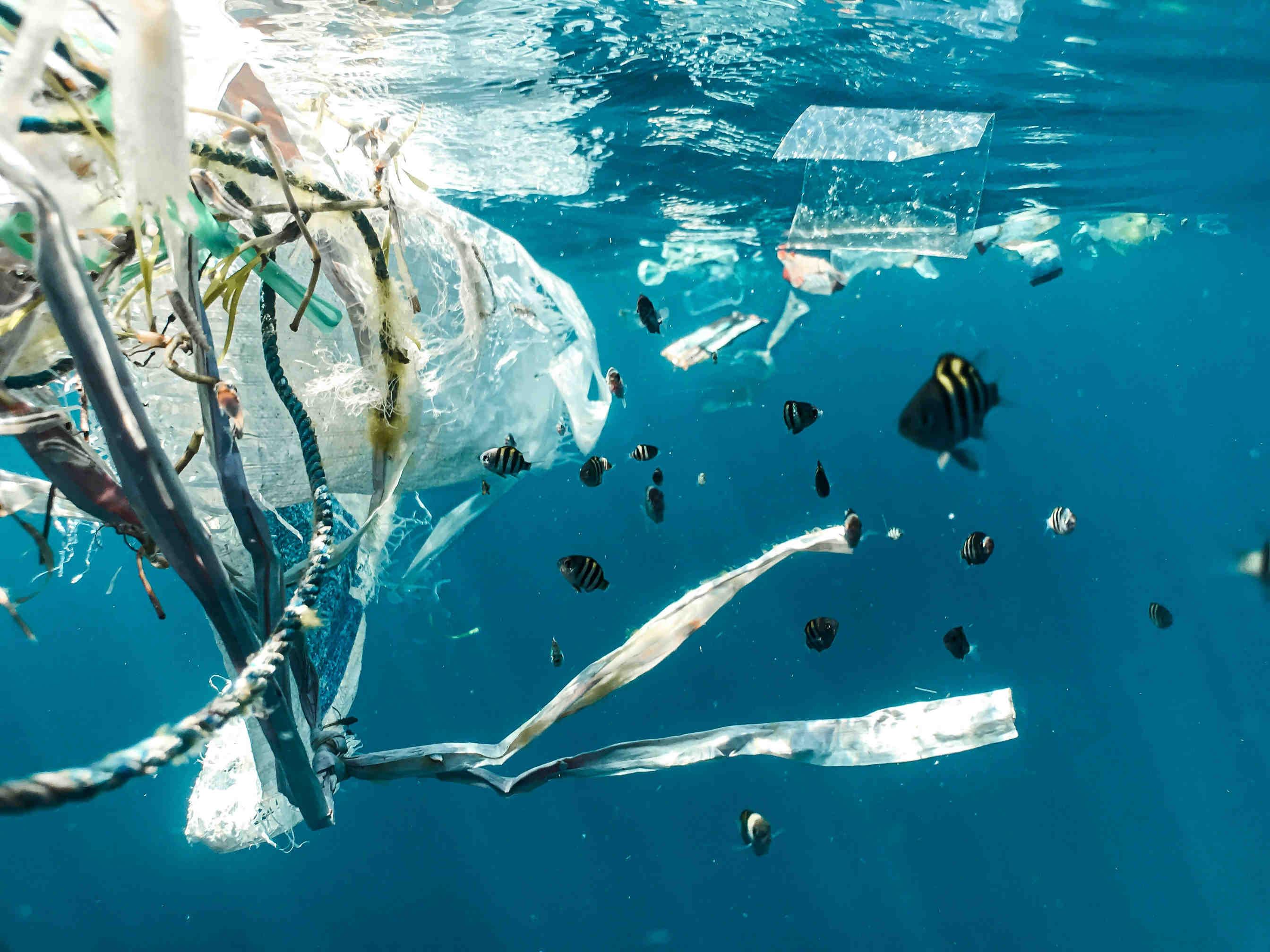
    Every year, 11 million tonnes of plastic end up in the oceans. But the problem goes far beyond the seas. Microplastics contaminate agricultural soils, human breast milk, the air we breathe and even pollinating insects. Find out more in this article.

    Read the article
    28/05/2025Of 3Bee, Marta Toppan
    1181 Views
    28/05/2025Of 3Bee, Marta Toppan
    1181 Views

    When is World Environment Day celebrated?
    World Environment Day is celebrated every year on 5 June and is promoted by the United Nations Environment Programme (UNEP). Since 1973, this important anniversary has served as a global megaphone to raise awareness of the most pressing environmental challenges of our time. Each year, a host country leads the celebrations and coordinates high-impact initiatives. In 2025, it will be the Republic of Korea that will play this role, a country that stands out for having developed one of the most advanced and effective strategies in the fight against plastic waste, demonstrating a strong commitment to environmental protection and sustainability.

    Istituzione giornata mondiale ambiente

    The 2025 Theme: #BeatPlasticPollution

    The theme of World Environment Day 2025 is clear: eliminate plastic pollution. It's not just about visible waste in the sea, but mostly about what we don't see: microplastics in soils, water, food and living organisms. According to UNEP, microplastics contribute to three interconnected planetary crises:Tackling the plastic problem is therefore crucial for the health of our planet.
    Inquinamento plastica
    XNatura

    Biodiversity and plastic: an invisible (but deadly) link

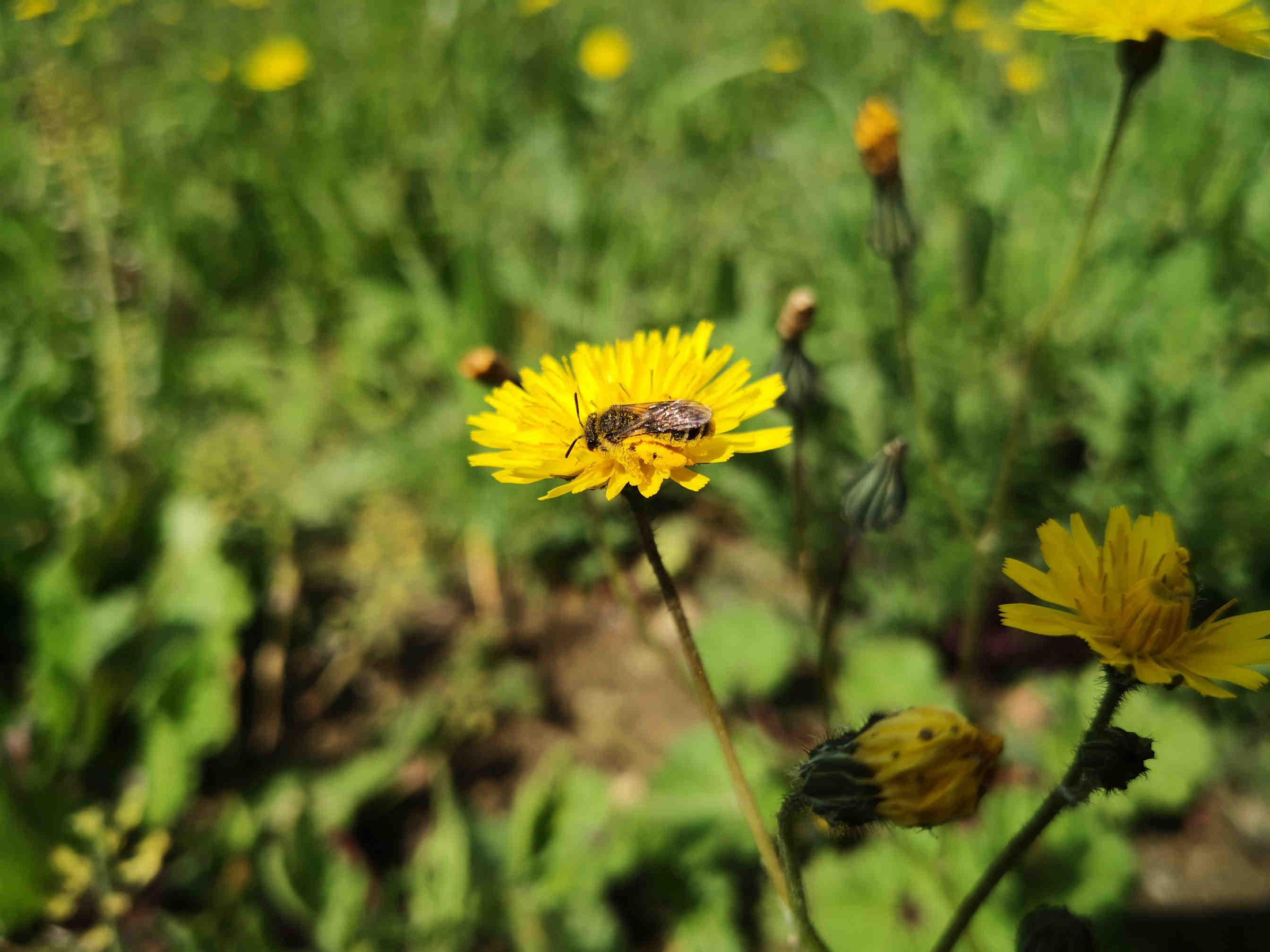
    When we think of plastics, we imagine bottles in rivers or turtles choking in the seas. But plastic also affects insects, bees, soils, plants and microorganisms. Agricultural plastics used for mulching and irrigation release microplastics into the soil, altering its fertility and contaminating the entire food chain. In contaminated soils, there is a reduction of decomposing insects, which are crucial for the matter cycle and soil health. The decrease in insects and pollinators has a domino effect:
    impollinatori

    The fundamental role of decomposing insects

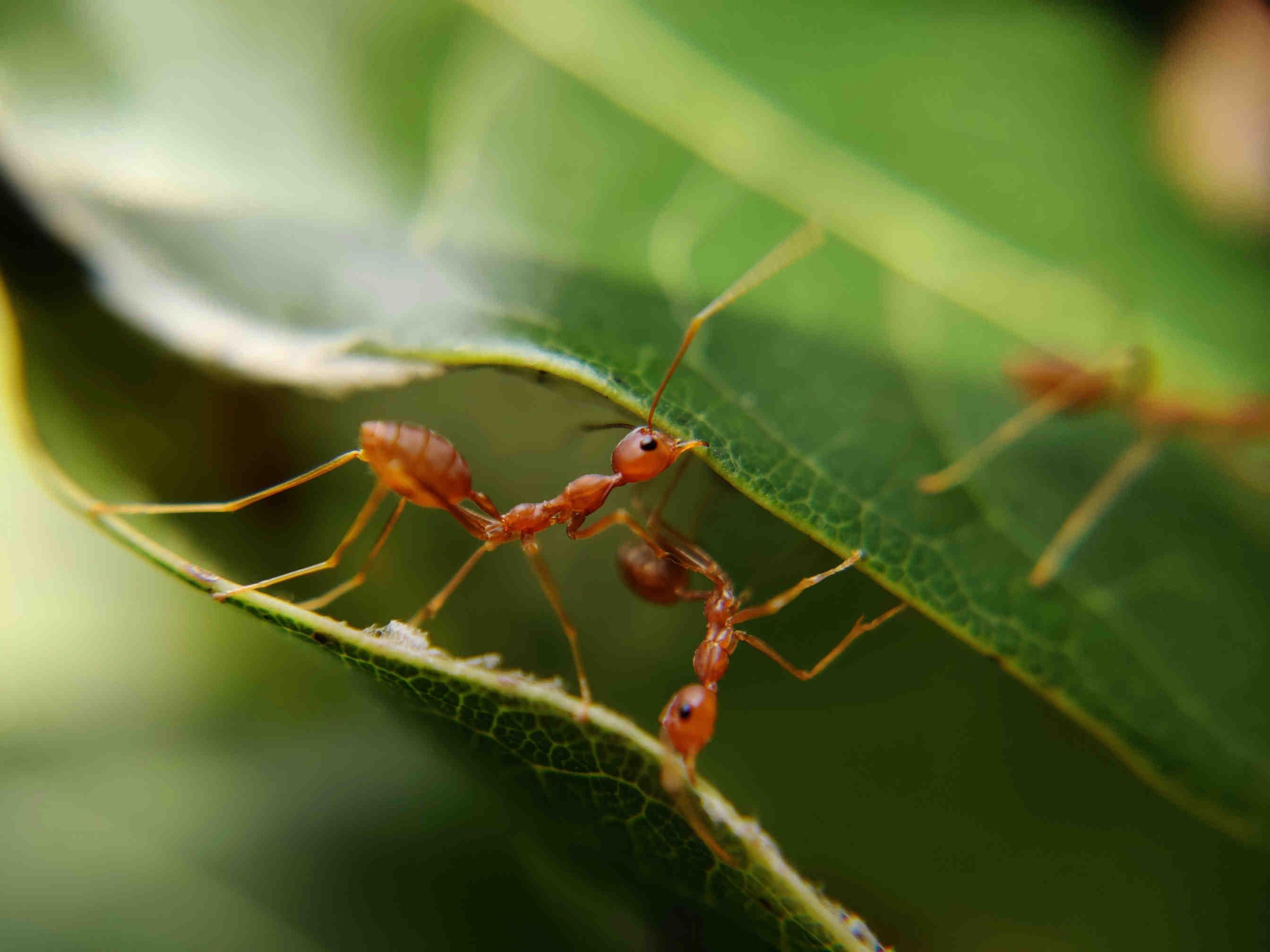
    Decomposing insects, such as beetles, ants, earthworms and some fly species, play a crucial role in ecosystems. They transform dead organic matter into essential nutrients, ensuring the fertility and structure of the soil. These insects contribute to:
    • Decomposing leaves, branches, animal remains and other organic matter
    • .
    • Foster the formation of humus, which improves water and nutrient retention capacity
    • Supporting plant growth and overall biodiversity
    • .
    However, microplastic pollution in soils threatens the survival of these insects. Plastic particles interfere with their feeding, reproduction and mobility, slowing down the decomposition process and degrading soil quality.
    Insetti decompositori
    XNatura

    Decomposing insects and ecosystem health

    The reduction of decomposing insects causes a series of cascading effects that profoundly affect the ecosystem. These include: Recognising and protecting the essential role of decomposing insects is therefore crucial to effectively counter both plastic pollution and the global biodiversity crisis, protecting the health of ecosystems.
    decomposizione suolo
    3Bee

    Why we need data to regenerate

    Talking about sustainability without measurement tools is no longer enough. That is why there are platforms such as XNatura, developed by 3Bee, that help public authorities and companies measure impacts and dependencies on natural resources. With XNatura it is possible:
    • Map soils and habitats at risk
    • .
    • Quantify the impact of plastics and other environmental factors
    • .
    • Establish intervention priorities and regeneration plans
    Plastics are not just waste. It is a vector of ecological imbalance, a systemic pollutant, and a threat to biodiversity. In 2025, World Environment Day reminds us that we can no longer afford to ignore what we do not see. Data, community and environmental intelligence are our strongest allies.
    XNatura
    28/05/2025Of 3Bee, Marta Toppan
    1181 Views
    Newsletter
    newsletter
    Subscribe to the Blog about bees and biodiversity

    Frequently Asked Questions

    Do you have any doubts or other curiosities about this article? Here you will find some insights