Australia's Fires And The Survival Of Bees
    FiresCauseTemperatureAnimali

    Australia's Fires And The Survival Of Bees

    2019 will probably be remembered as the year of fires. Not only the Amazon Rainforest, Siberia and Africa, to the count of the fires that are destroying our planet are added those that have been raging in Australia since September, with very serious repercussions.

    Read the article
    03/06/2022Of 3Bee, Elena Fraccaro
    382 Views
    03/06/2022Of 3Bee, Elena Fraccaro
    382 Views

    Australia's fire damage count

    The latest estimates speak of more than 10 million hectares consumed by fire, more than 6,000 buildings destroyed, about 100,000 displaced and 28 dead. The fire has devastated south-eastern Australia, with New South Wales and Victoria the worst affected states. According to MIT in Boston, these fires released more than 400 million tonnes of carbon dioxide into the atmosphere, an amount equal to the amount emitted in one year by the 116 nations considered the least polluting in the world. Smoke also made the air unbreathable. Citizens in Melbourne were even advised to stay indoors to avoid excessive smoke exposure and possible health damage. In Canberra, on the other hand, 100,000 masks with air filters were distributed to the population.
    What are the causes of this disaster?

    The causes that led to this situation are many. Undoubtedly natural events such as lightning had their responsibility, functioning as actual triggers. The collapse of numerous high-voltage pylons due to winds blowing at over 100km/h also had the same effect. We certainly cannot ignore the role that man has played here too. Between carelessness, mistakes, non-compliance with bans and deliberately set fires, the 'contribution' has been considerable. Even Prime Minister Scott Morrison acknowledged that better emergency management could have been implemented.

    XNatura

    Drought and rising temperatures

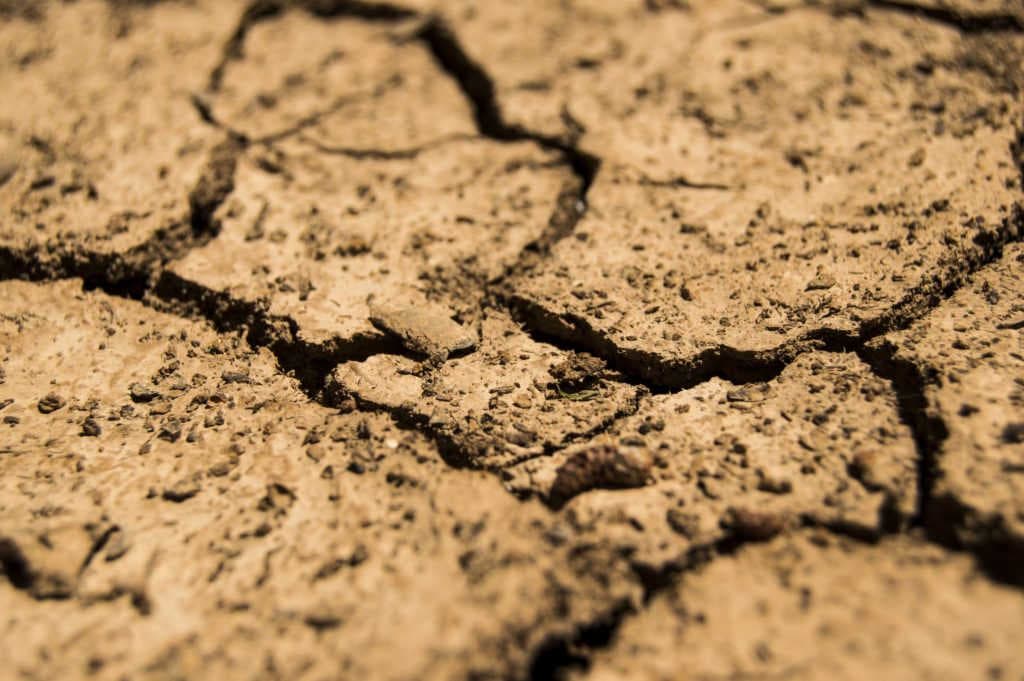
    Among the anomalies that must be recognised as concomitant causes, we cannot forget the long months of drought that have affected the same areas so severely affected by the fires since January 2017. Added to this are also anomalous temperatures, which have reached as high as 49°C. These data are even more alarming when read in perspective with the multi-decade variations recorded to date. Over the past 70 years, Australia's average temperature has increased by about 1.5°C, and 2019 turned out to be the hottest and driest year on record for over 100 years! This obviously contributes to an environment conducive to the uncontrolled development and spread of flames, fuelled by plants, trees and soil made drier by the lack of water and abnormal temperatures.

    Almost a billion animals killed by flames

    The damage caused to the land and population is therefore innumerable, but the damage to the local fauna is no less. According to Chris Dickman, an ecologist at the University of Sydney, some 800 million animals have died since the beginning of September. What is shocking, however, is that his calculations only take into account land mammals, birds and reptiles. By contrast, the WWF estimates that the carnage exceeds one billion animals, directly or indirectly affected by the fires. Among those most affected are kangaroos, wallabies, birds such as cockatoos and koalas, 8000 of which are said to have died, almost a third of the Australian population.

    XNatura

    The plight of bees

    insects were also affected by the fires and among them we cannot fail to mention bees and other pollinators. Australia has hundreds of species of pollinators, many of which have their nests in the eucalyptus forests that were devastated by the fires. Even if fires of this magnitude had not broken out, it would still not have been an easy situation for the bees. The high temperatures that reached almost 50°C were detrimental to their survival. With such high outside temperatures, the wax combs, rich in honey and brood, collapse in on themselves, destroying the hive. In addition, the bees stop collecting nectar and the few that are in flight go in search of water to bring into the hive to cool it down. These temperature peaks and the drought that have characterised the last few years would have already put a strain on these hard-working little insects.

    3Bee

    Damaged production for decades

    Many beekeepers have lost all their hives because they are located in the areas affected by the fires and unable to come to their aid. The bees are literally burnt inside the hives, which are not abandoned even in cases of fire. Stephen Targett, a member of the NSW Apiarists Association, said that thousands of hives had been destroyed and that the fires could have significantly affected honey production for the next 10 years. There are also discussions on the political tables about making it easier for new apiaries to be set up in national parks.

    Kangaroo Island bees and fires

    And speaking of bees and nature reserves, we cannot fail to mention Kangaroo Island, the island of kangaroos. This island sanctuary, where numerous protected species have found refuge, is located off the coast of South Australia, south-west of the city of Adelaide. Due to its rich biodiversity, it is often compared to the Galapagos Islands. Unfortunately, the flames have not spared this island either, where 155,000 hectares have already burned. Among the many animals that had made the island their home was the world's only colony of 'pure' Ligurian Bees (Australians call them Ligurian Bees or Italian Bees). This island was a true paradise for bees: there were always a few blooming flowers from which to obtain nourishment, and the bees were not affected by diseases or parasites common in other parts of the world.

    Serious damage to the ecosystem and biodiversity

    The damage caused by the fires, therefore, is even greater because these insects that are invaluable to the environment, the ecosystem and biodiversity have been affected. Their presence and invaluable work will be crucial to recovering from this disastrous situation. However, the general mobilisation to deal with the dire situation in Australia seems insufficient to stem the problem. The authorities are predicting 50 millimetres of rain next week, which may provide some relief.

    03/06/2022Of 3Bee, Elena Fraccaro
    382 Views
    Newsletter
    newsletter
    Subscribe to the Blog about bees and biodiversity
