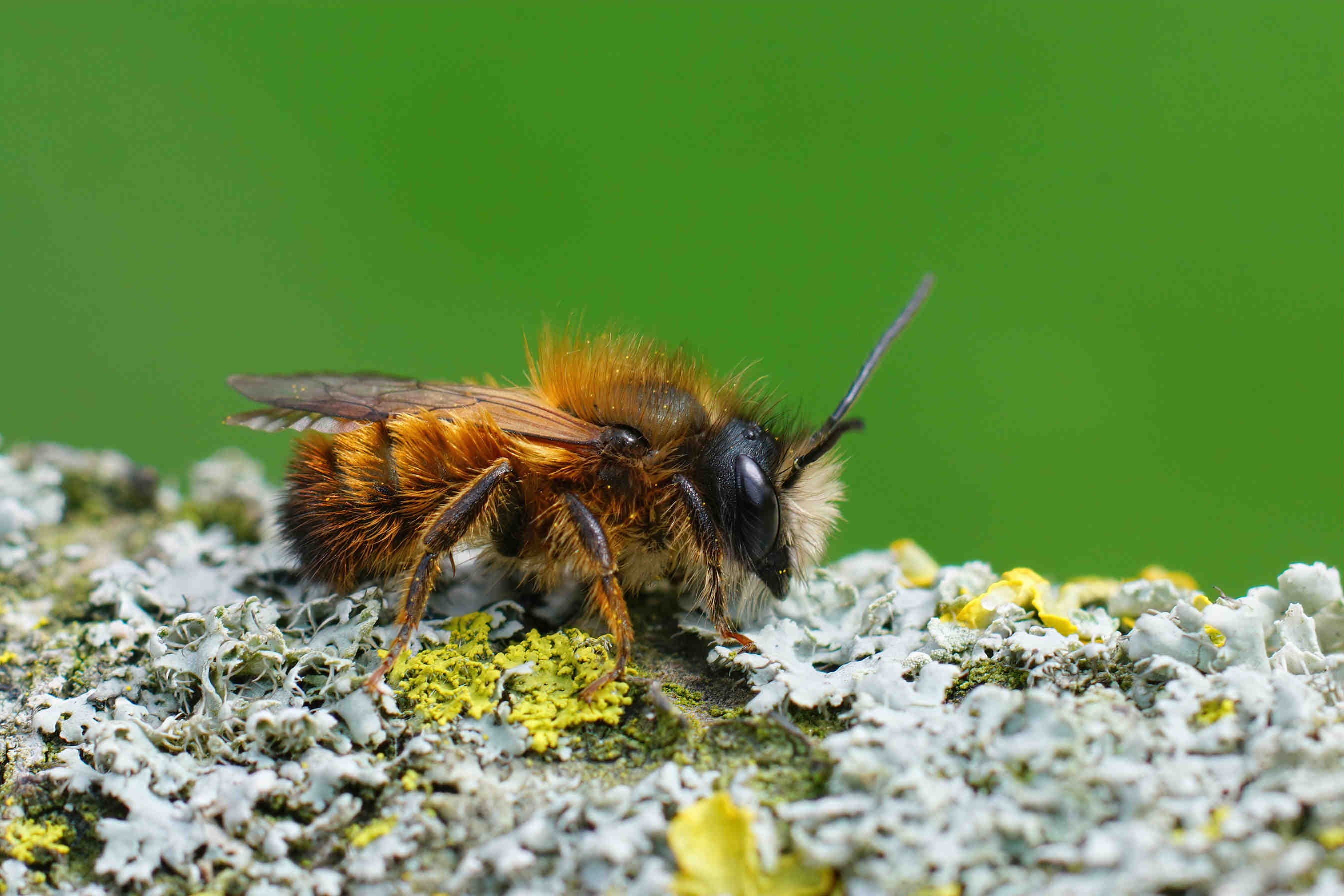
Wild Bees: Exploring the World of Pollinators
    IntroductionBiodiversityOsmieImportance

    Wild Bees: Exploring the World of Pollinators

    Discover the diversity, importance and interesting facts about the fascinating wild bees. Bees that are often underestimated but have enormous ecosystem value, it is thanks to them that 80% of cultures are naturally pollinated.

    Read the article
    24/04/2023Of 3Bee, Elena Fraccaro
    2467 Views
    24/04/2023Of 3Bee, Elena Fraccaro
    2467 Views

    Introduction to the world of wild bees

    Welcome to the fascinating world of wild bees, a universe of biodiversity and ecological importance that is often misunderstood. In this blog, we will take you on a discovery of the different species of wild bees, exploring their unique characteristics, the crucial role they play in pollination and the efforts to protect and conserve them. Immerse yourself in this extraordinary journey and allow yourself to be surprised by the beauty and complexity of these small, but crucial, players in our ecosystem.
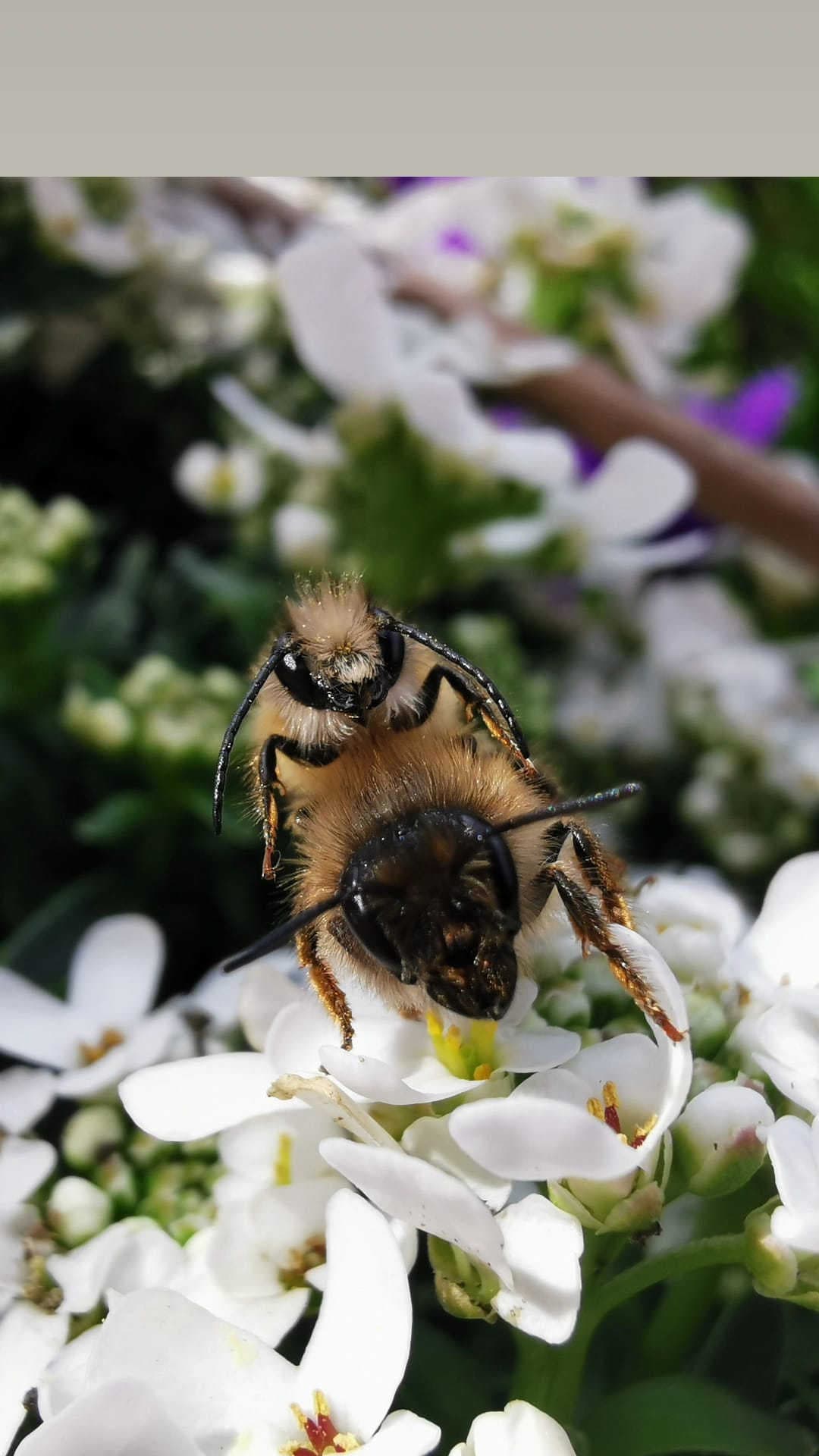
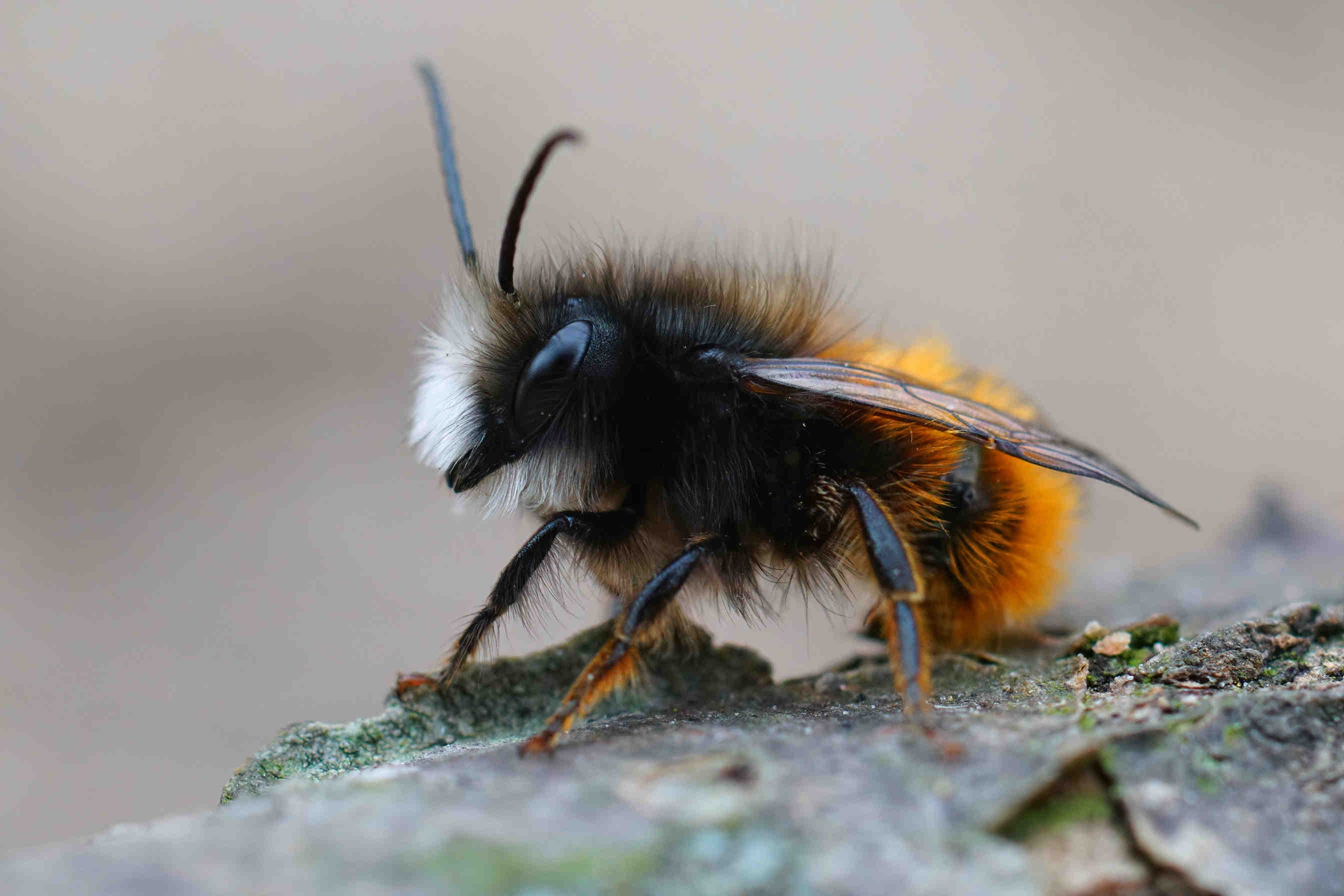
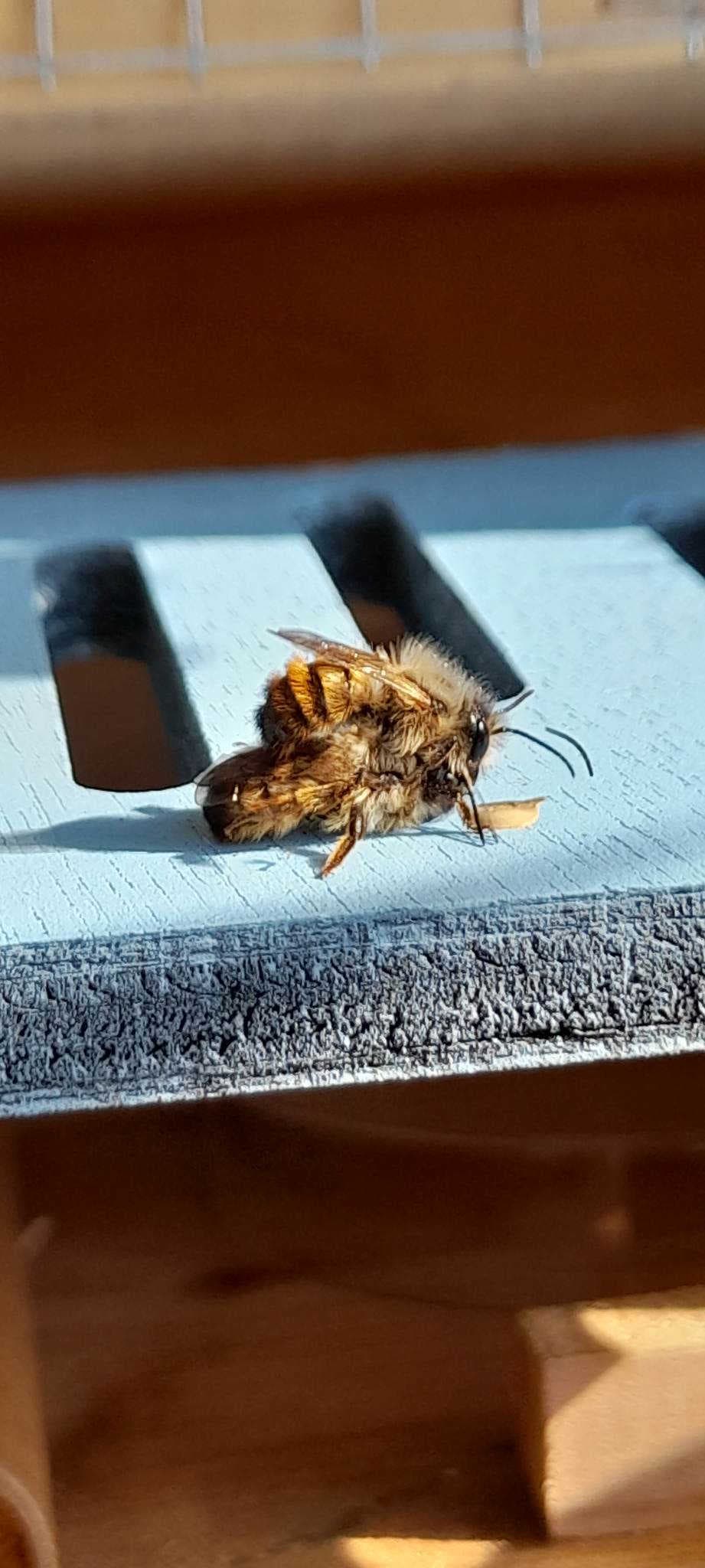
    api selvatiche

    The amazing diversity of wild bees

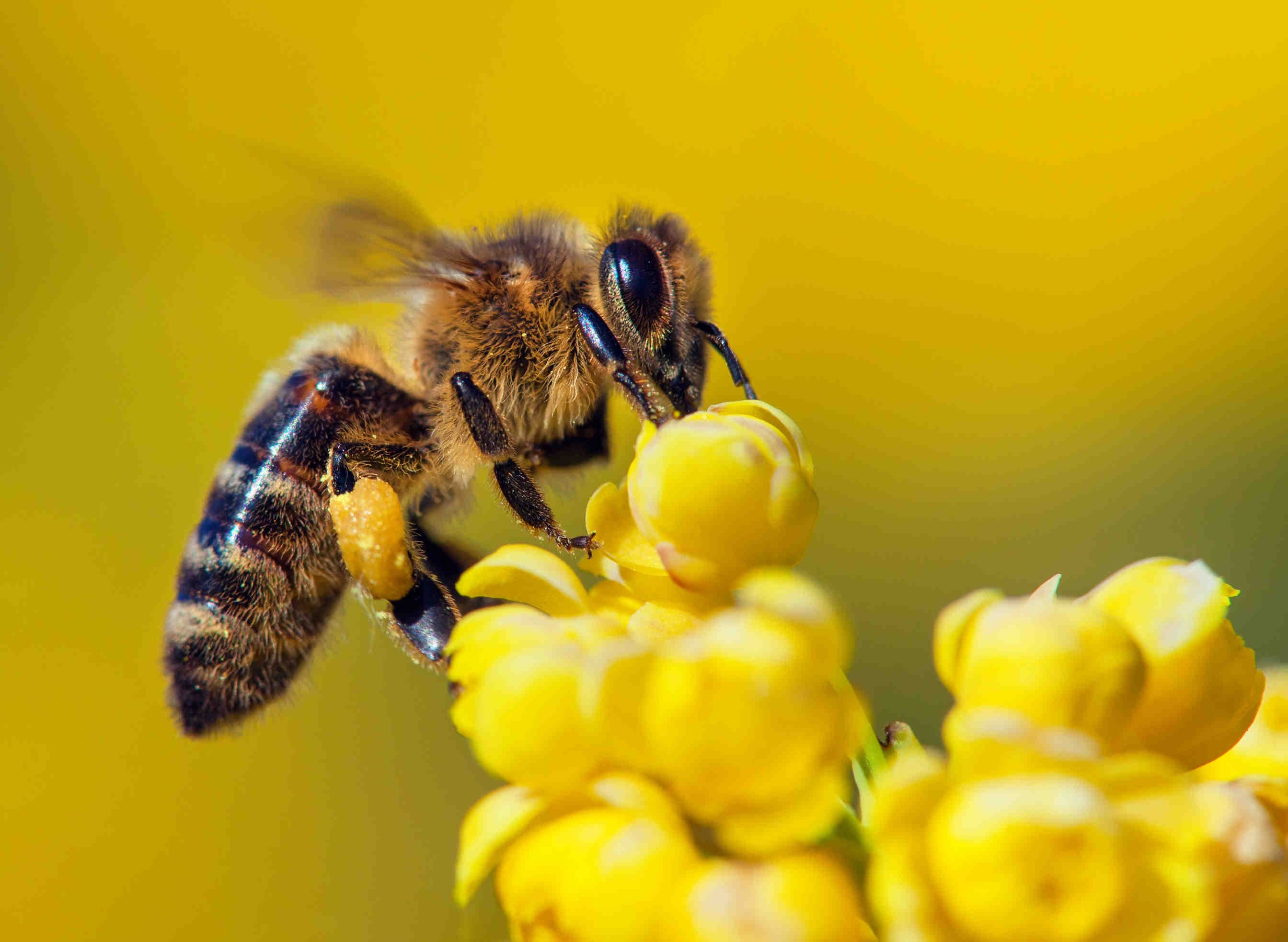
    In the world of wild bees, diversity is astonishing: thousands of species inhabit our planet, each with unique characteristics that set them apart. Among them, the genus Osmia, also known as mason bees, is characterised by its peculiar nesting behaviour. In addition to the Osmia, there are numerous other species of wild bees that play a fundamental role in the balance of natural ecosystems. We will delve into the fascinating peculiarities of these pollinating insects, discovering the secrets behind their ecology and lifestyle.

    The most important families include the Megachilidae, the Halictidae, the Colletidae and the Andrenidae, each with their own characteristics and peculiarities.

    tipologie di api selvatiche e solitarie
    XNatura

    Le Osmie

    Among these, the genus Osmia, belonging to the family Megachilidae, is known as the mason bee and is characterised by its particular nesting behaviour. Osmia are solitary or gregarious bees that build their nests in pre-existing cavities, lining them with mud or plant material mixed with saliva.

    The life cycle of Osmia varies between species and may include different developmental stages, such as egg, larva, prepupa, pupa and adult. Some species overwinter as diapause adults inside the cocoon, while others complete metamorphosis before winter.

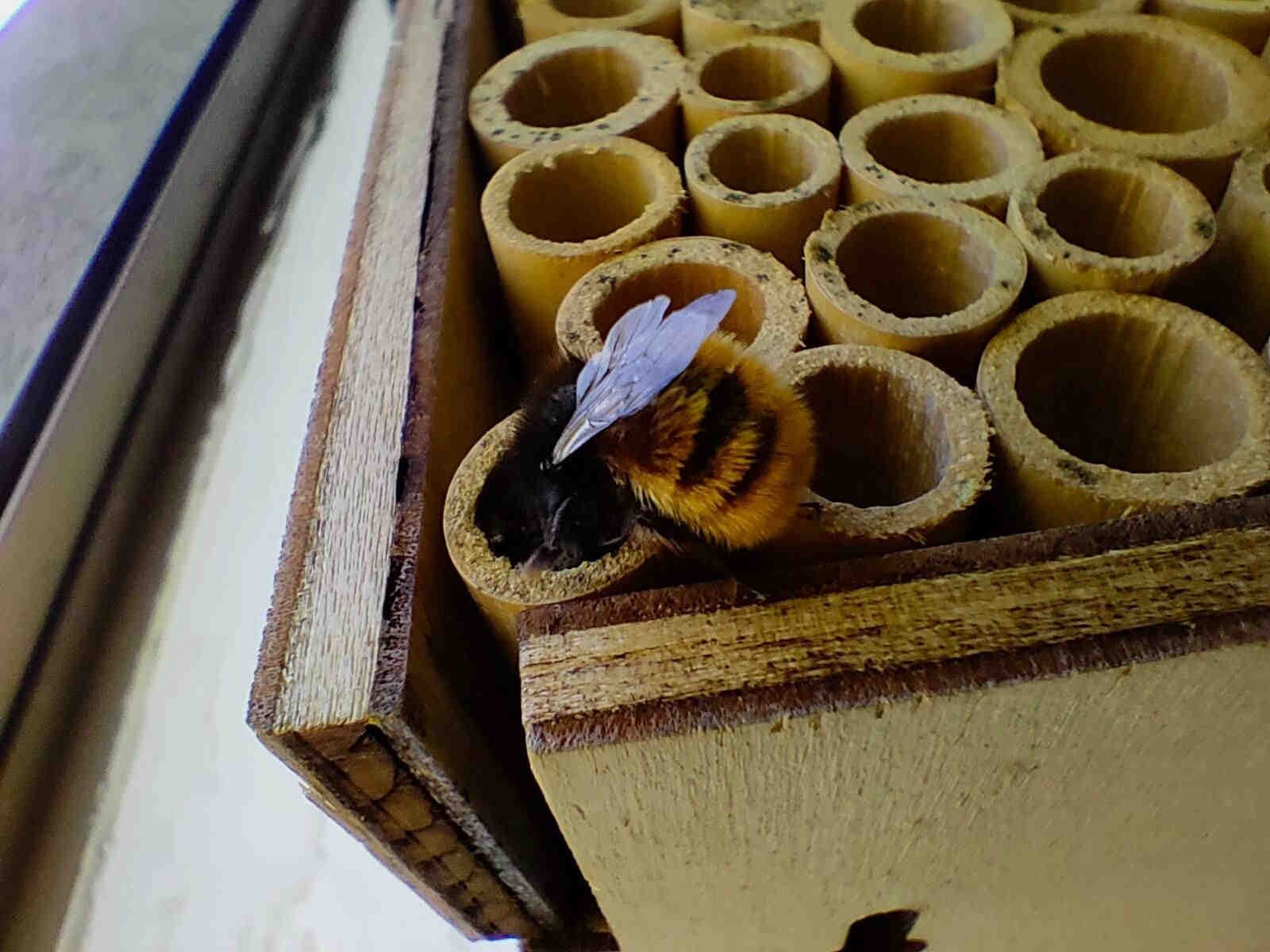
    Osmia are known for their unique nesting behaviour, using tubular cavities divided into several cells by walls built by the bee itself. Each cell is supplied with a cluster of pollen and nectar as a food supply for the future larva, on top of which an egg is laid.

    api solitarie osmie

    The importance of wild bees

    The importance of wild bees cannot be underestimated: these pollinating insects play a crucial role in the balance of natural ecosystems and agricultural production. Thanks to their pollination work, they contribute to the formation of fruits and seeds, ensuring the survival of many plant species and, consequently, the biodiversity of our planet.

    Wild bees, like the Osmia, have a wide variety of food preferences, ranging from narrow oligolectism (they forage on only one genus of plants) to polyletism (they forage on four or more plant families with no particular preference). This diversity of diet allows them to pollinate a wide range of plants, facilitating their propagation and adaptability to different environmental conditions.

    Protecting and encouraging the presence of wild bees is crucial to ensure ecosystem continuity and sustainability.

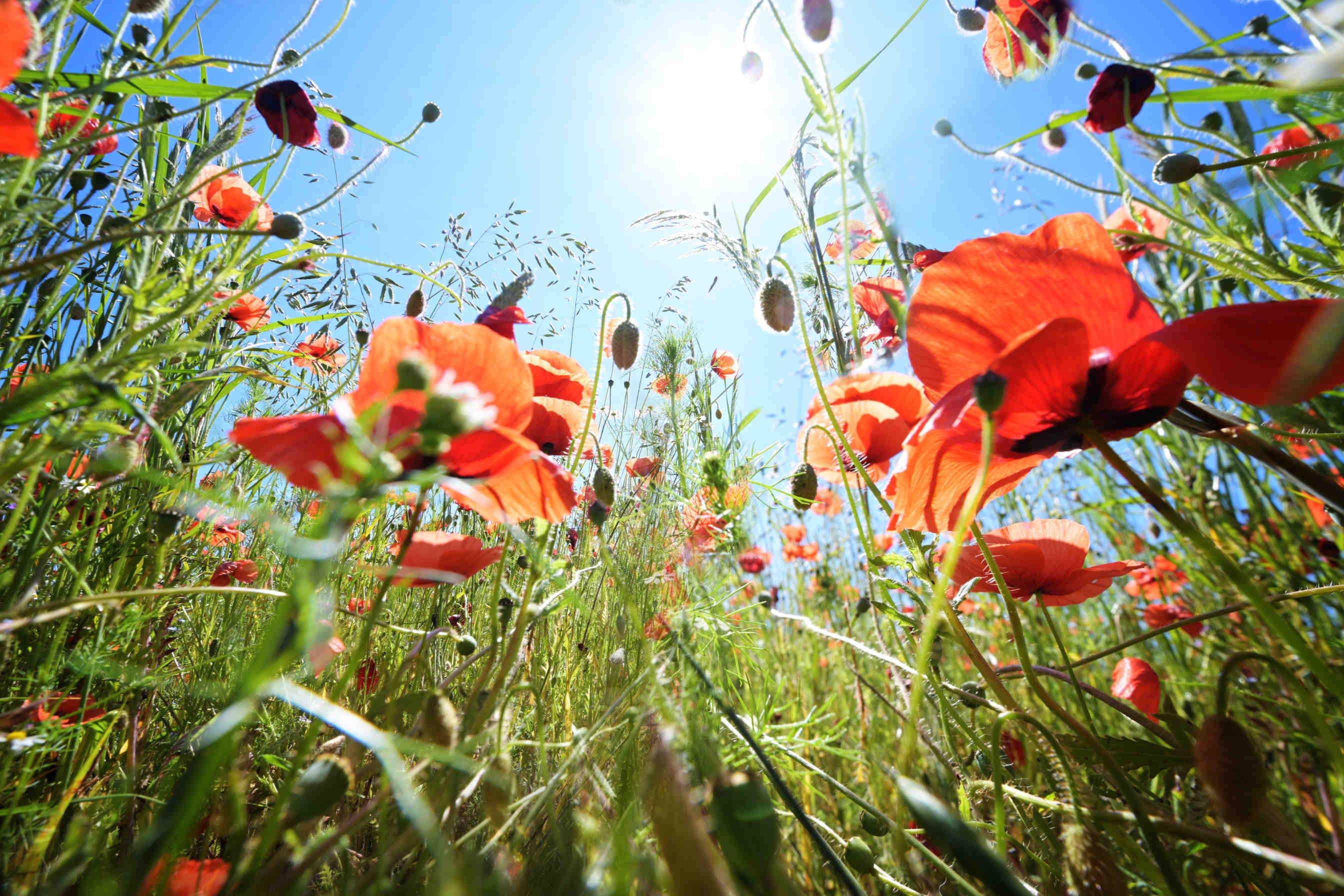
    api solitarie e biodiversità
    XNatura

    Contributing to the conservation of wild bees

    Creating a favourable environment for wild bees is a task that involves farmers and garden enthusiasts alike. With a few simple actions, we can improve the quality of the habitat for these precious pollinators, contributing to their well-being and survival.

    Providing food resources is essential: choosing plants that provide nectar and pollen throughout the year will help ensure that wild bees have constant food sources. It is important to select native plants, which are particularly well suited to the local climate and the needs of the bee species present in the area.

    Providing refuges and nesting sites is another crucial aspect. Wild bees, such as Osmia, nest in tube cavities. We can encourage them by creating 'insect hotels' in our garden or by providing hollow logs, reeds and perforated wooden blocks with holes of different sizes.

    casa per api solitarie
    3Bee

    Wild bees and beekeeping: coexistence and benefits

    Although domestic bees (Apis mellifera) are the undisputed protagonists of beekeeping, it is necessary to consider the role of wild bees within this context. The coexistence of wild bees and beekeeping can lead to mutual benefits and improve the health of agricultural and natural ecosystems.

    1. Diversity of pollinators: The presence of different species of wild bees in the environment surrounding hives can increase the diversity of pollinators and encourage cross-fertilisation of plants. This, in turn, can lead to increased agricultural production and ecosystem resilience.

    2. Reducing pressure on domestic bees: Wild bees can help reduce pressure on domestic bee colonies by distributing pollination work among different species.

    differenza tra api solitarie e api mellifere

    Competition with honey bees

    Beekeeping often creates damage to the environment that we underestimate. Honey bees are essential for pollination, but the inordinate desire of beekeepers to produce honey can lead to over-pollination. This phenomenon must be banned in order to maintain the benefits to ecosystems from bees. 1. Promotion of sustainable beekeeping practices: Planting of polliniferous nectar essences for the benefit of all pollinators. Reduction of the number of hives reared to a few per location.

    2. Development of knowledge and skills: The coexistence of wild bees and beekeeping offers the opportunity to develop knowledge and skills on both groups of insects, enhancing the understanding of their ecological interactions and promoting the conservation of wild bees and the sustainability of beekeeping.

    competizione fra api

    Curiosities about wild bees: Cleptoparasites

    Curious facts about wild bees: little surprises from the world of pollinating insects

    Wild bees never cease to amaze with their unique characteristics and fascinating behaviour. Here are some curiosities that highlight the surprising diversity and adaptability of these pollinating insects:

    1. 'Kleptoparasitic' bees: Some species of wild bees, such as those of the genus Nomada, are known as kleptoparasites. These bees do not build their own nests, but deposit their eggs in the nests of other bees, particularly in cells containing food and eggs of the host bees. The larvae of the kleptoparasitic bees then feed on the food supply and larvae of the host bees, thus securing a source of nutrition without having to collect pollen and nectar.

    Curiosities about wild bees: Cleptoparasites

    Curiosities about wild bees: Green and blue bees

    Green and Blue Bees: Flying Jewels of Nature

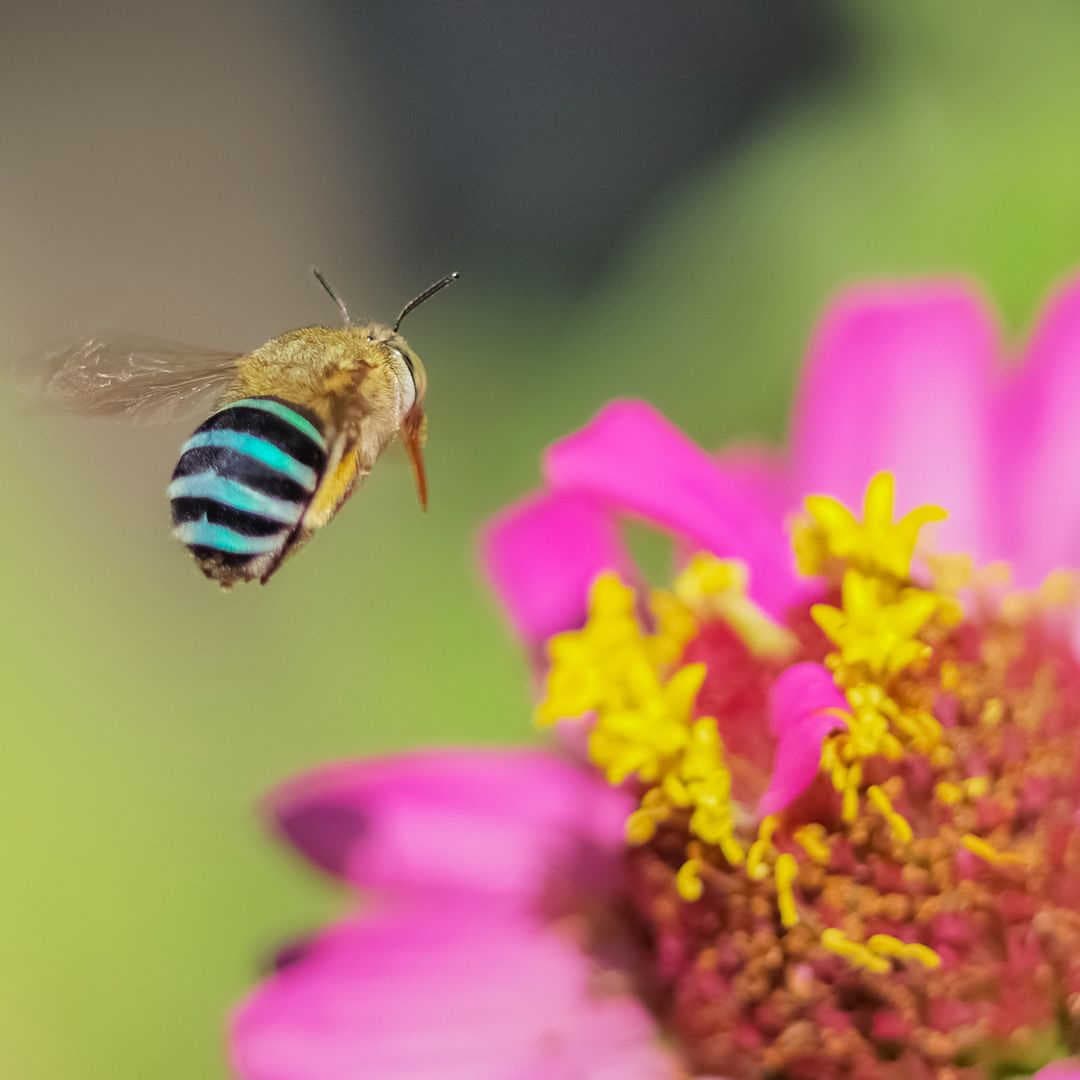
    Green and blue bees are fascinating pollinating insects distinguished by their bright, metallic colouring. Belonging to the family Halictidae, these bees are often called 'shroud bees' or 'green bees'. Their colouration ranges from emerald green to cobalt blue, with shades that can change depending on the viewing angle and light.

    Morphology and Distribution
    Green and blue bees are usually small to medium-sized and have a slightly elongated body and shorter hairs than other bees. Their metallic colouration is due to the microscopic structure of their cuticles, which reflect light in a special way, creating iridescent effects. These bees are found in different regions of the world, from the Americas to Eurasia and Africa, and are particularly common in temperate and tropical zones.

    Curiosities about wild bees: Green and blue bees

    Curiosities about wild bees: Terricolous bees

    Earthy bees

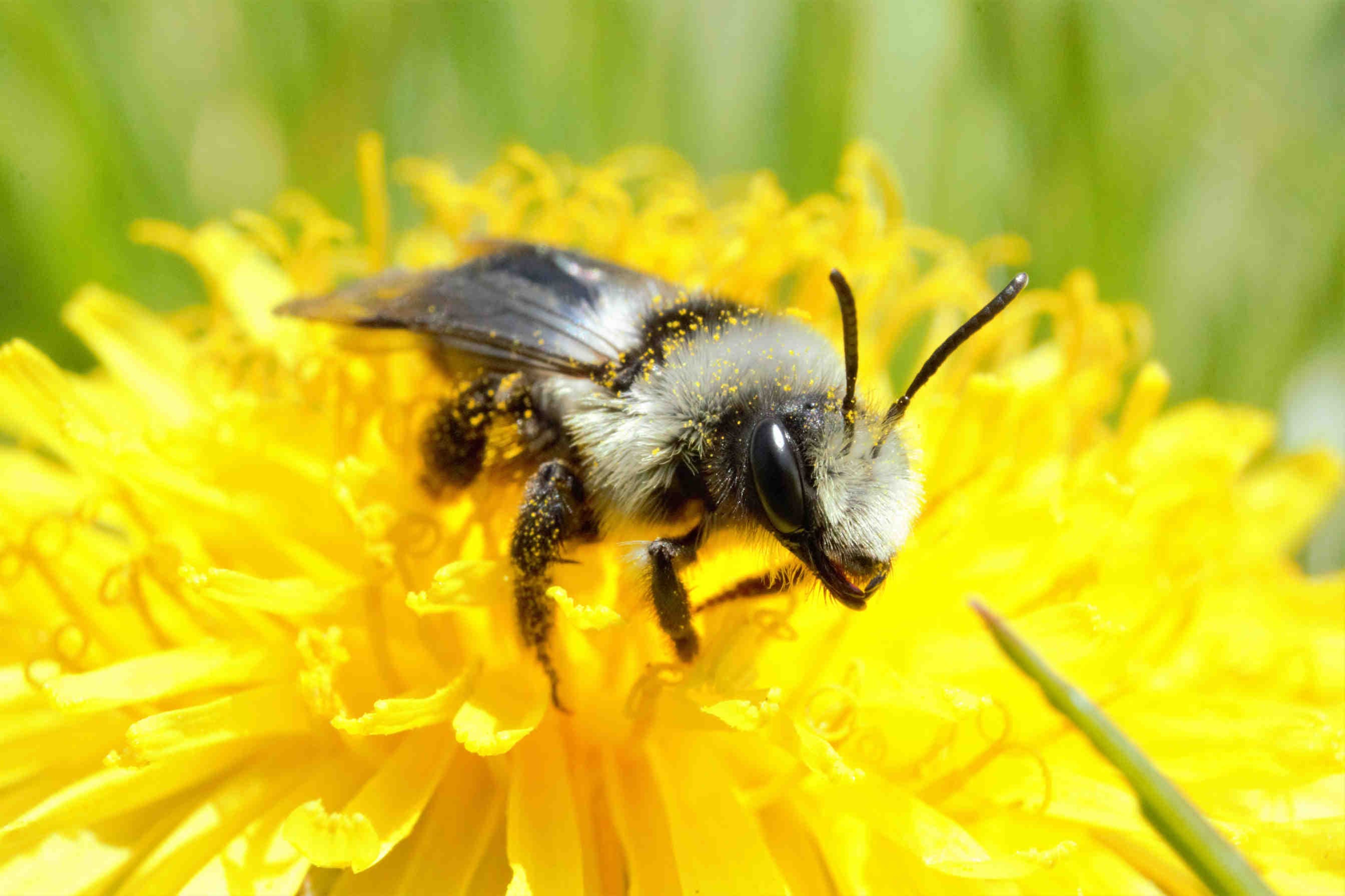
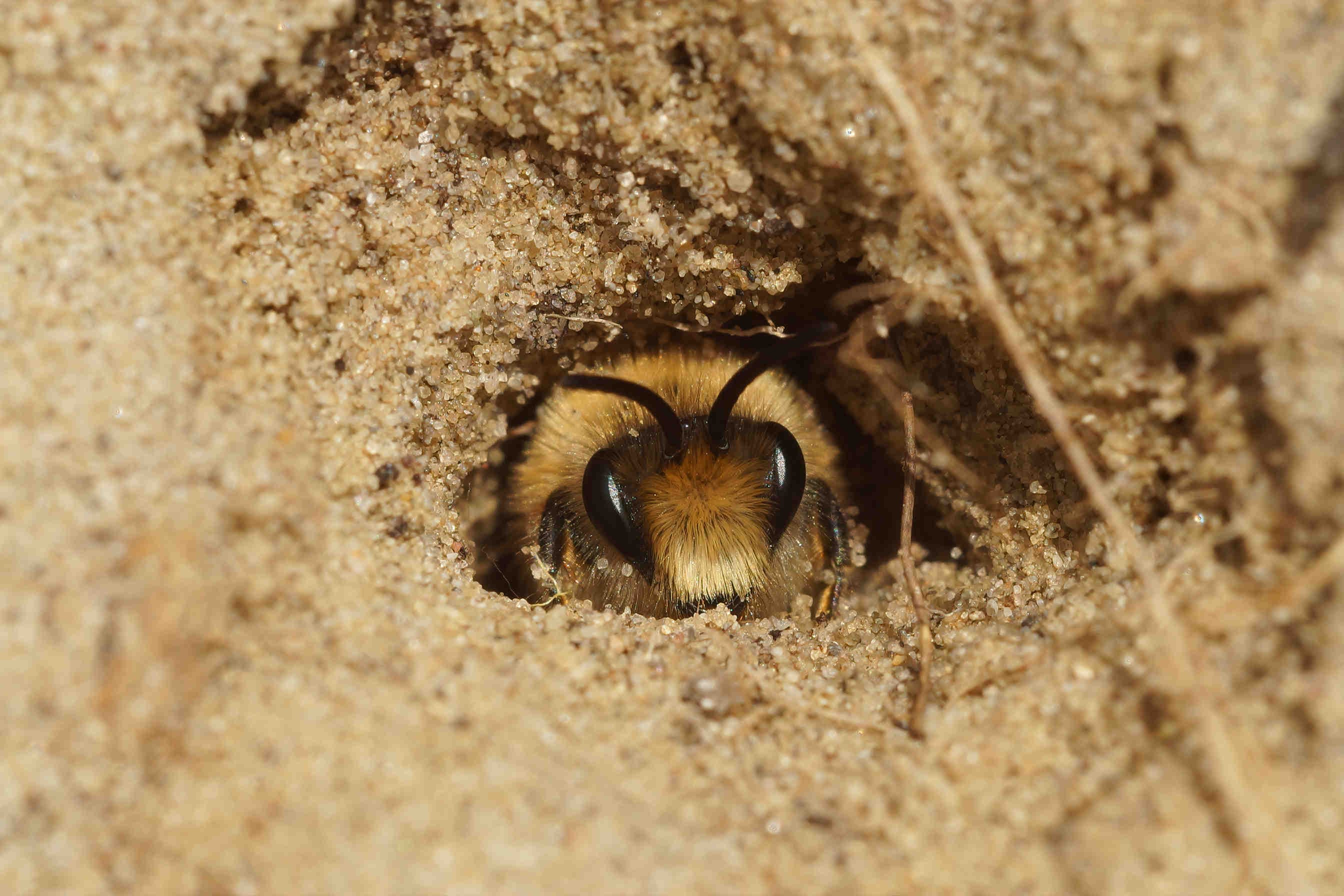
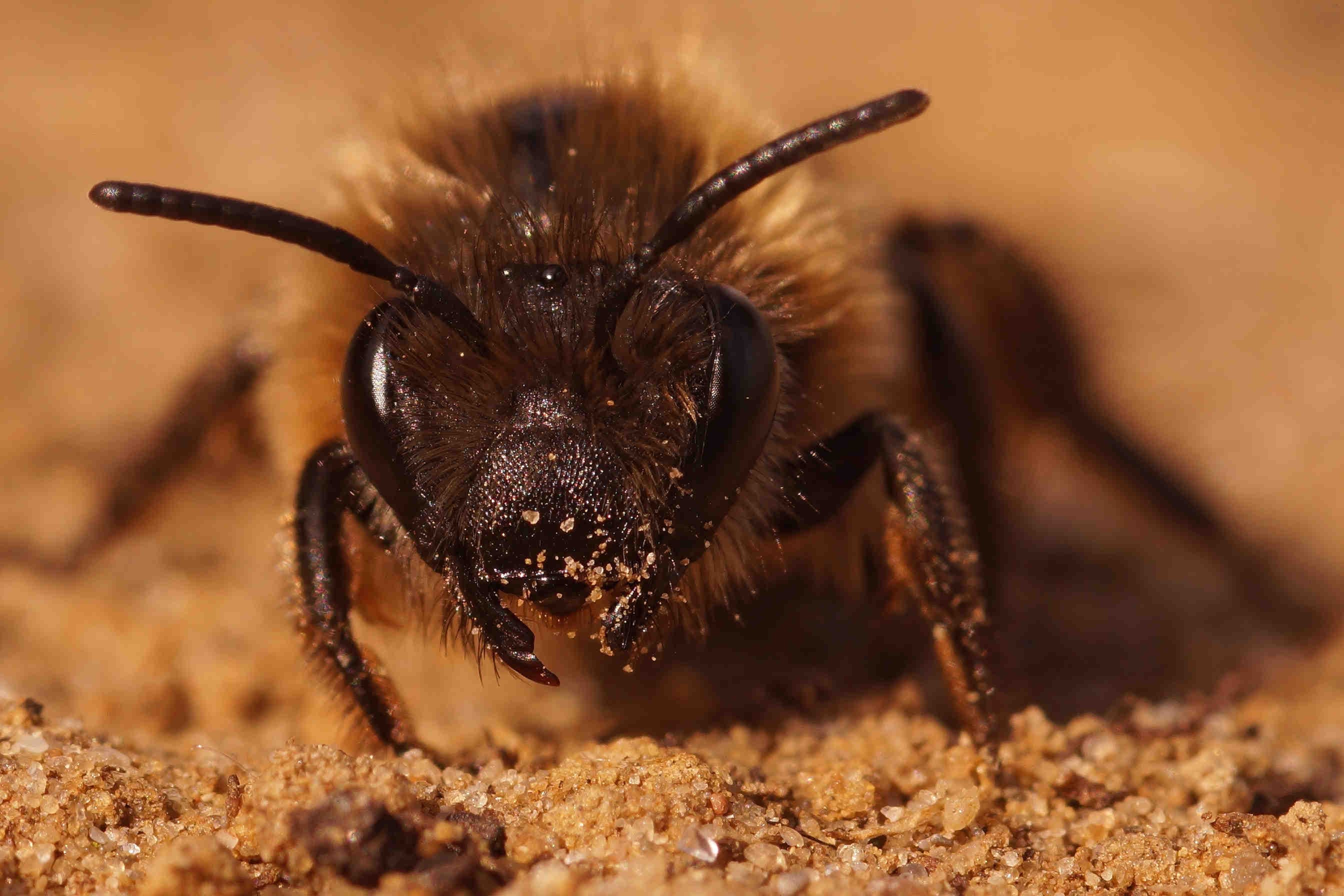
    Terricolous bees are a group of wild bees that, as their name suggests, build their nests in the ground. Belonging to several families, including Andrenidae, Halictidae, Colletidae and some Megachilidae, these bees play an important role in terrestrial ecosystems as pollinators and biocontrol agents.

    Morphology and Distribution
    Terrestrial bees are generally small to medium-sized and may vary in colour from black to brown, grey or yellow, sometimes with bands of hair on their abdomen. Their morphology varies depending on the family and species to which they belong. These bees are distributed all over the world, with a particularly large presence in temperate and tropical regions, where there are many suitable habitats for nesting in the ground.

    Curiosities about wild bees: Terricolous bees
    24/04/2023Of 3Bee, Elena Fraccaro
    2467 Views
    Newsletter
    newsletter
    Subscribe to the Blog about bees and biodiversity