Why trees and plants need bird droppings
    PropagationSeeds & FruitSemen & animal faecesFewer birds

    Why trees and plants need bird droppings

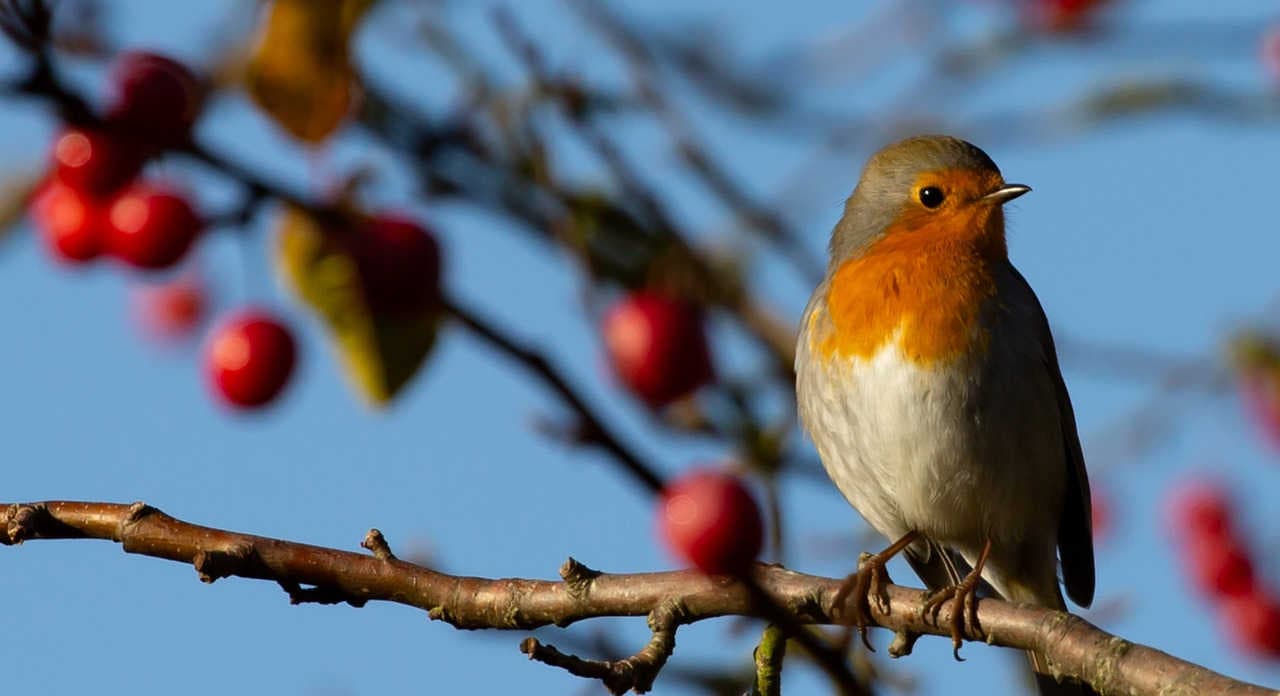
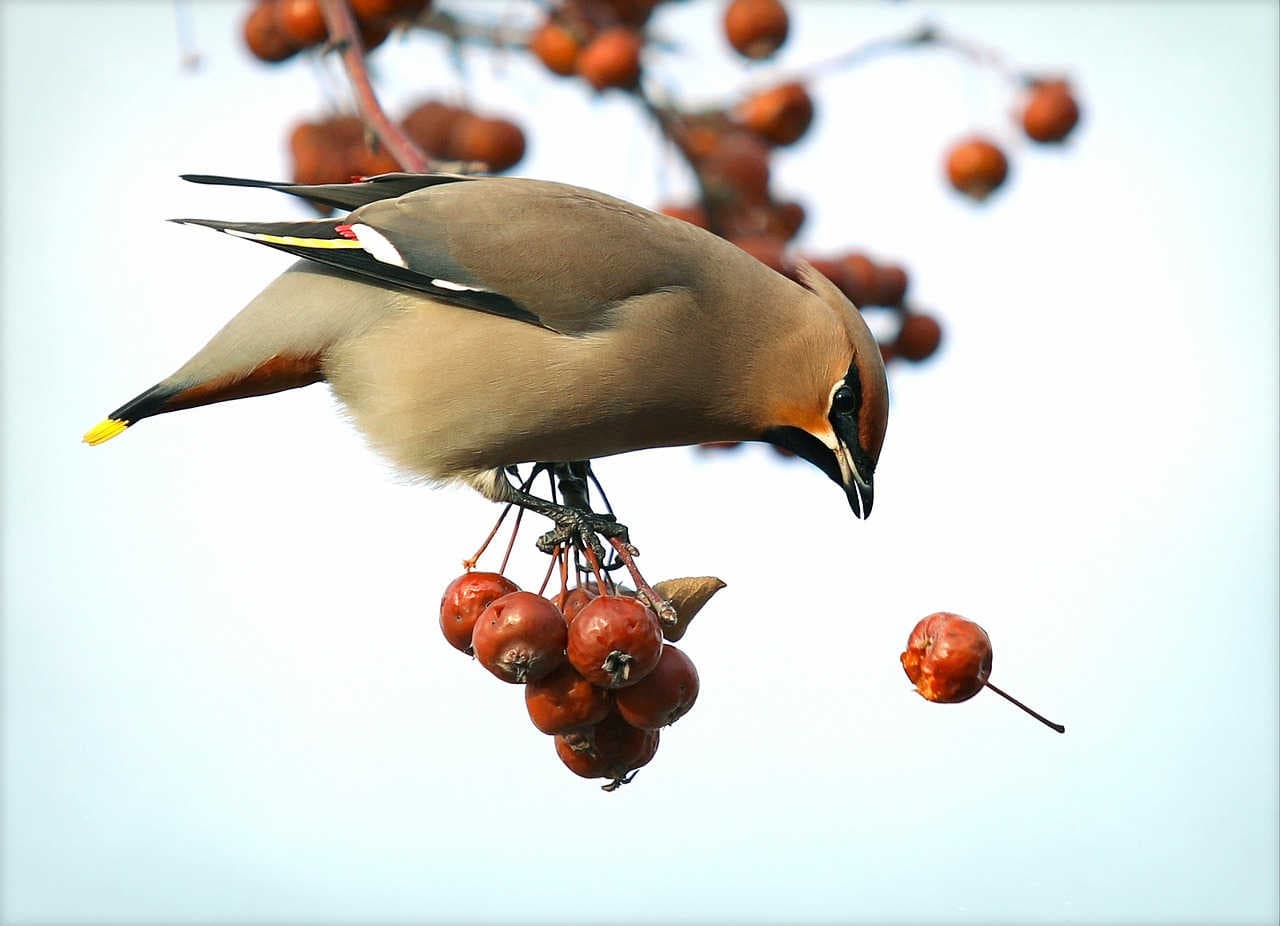
    Research clearly shows that birds that feed on fruit keep forests healthy and spread trees in the forest and beyond. Unfortunately, however, some of these species are endangered or at least becoming fewer and fewer.

    Read the article
    01/08/2024Of 3Bee, Elise Maria Keller Boehm
    1104 Views
    01/08/2024Of 3Bee, Elise Maria Keller Boehm
    1104 Views

    How do plants reproduce?

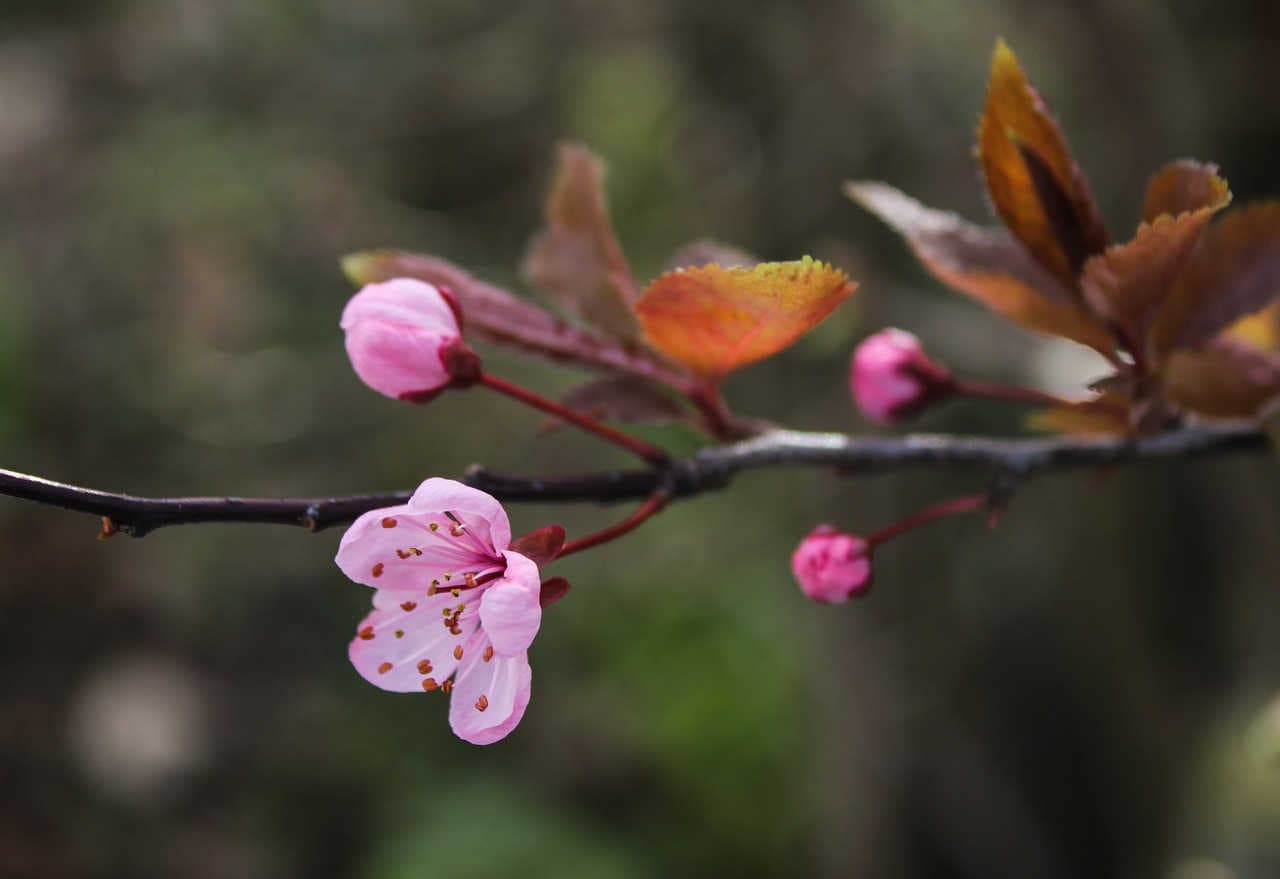
    At the beginning of the development of a seed of a plant is the union of the male and female germ cells. Fertilisation can only take place when both germ cells are mature. When the pollen lands on the stigma of the flower, the process of fertilisation begins. Only after fertilisation of the egg does the flower develop into seed and fruit. The seed can then germinate within a certain time (which varies greatly from species to species) under very specific conditions. To do this, the seed needs a very specific amount of water and oxygen, which it absorbs through the seed coat. The germ cells then grow inside the seed and form the beginning of the root, which bursts outwards. The new plant then develops with stem and leaves. This process also requires the soil to be at the right temperature, which in nature is created by the sun shining on the soil.
    Blüte

    How do plants spread their seeds?

    As trees and bushes cannot grow too close to each other, many species depend on their seeds being transported further away either by the wind or in the stomachs of the animals that eat their fruits and seeds. The eaten fruits are digested and the indigestible seeds are excreted. The seeds can then germinate and form roots and plant parts. Scientists estimate that about 80% of all tropical tree species depend on animals to transport their seeds. Animals that can open their mouths particularly wide are the most effective, as they eat the whole fruit and excrete the seeds intact. These animals include, for example, some tucans with their seven-inch beaks. All fruit-eating birds are the only chance many trees and shrubs have for their seeds to form a complete new plant elsewhere.
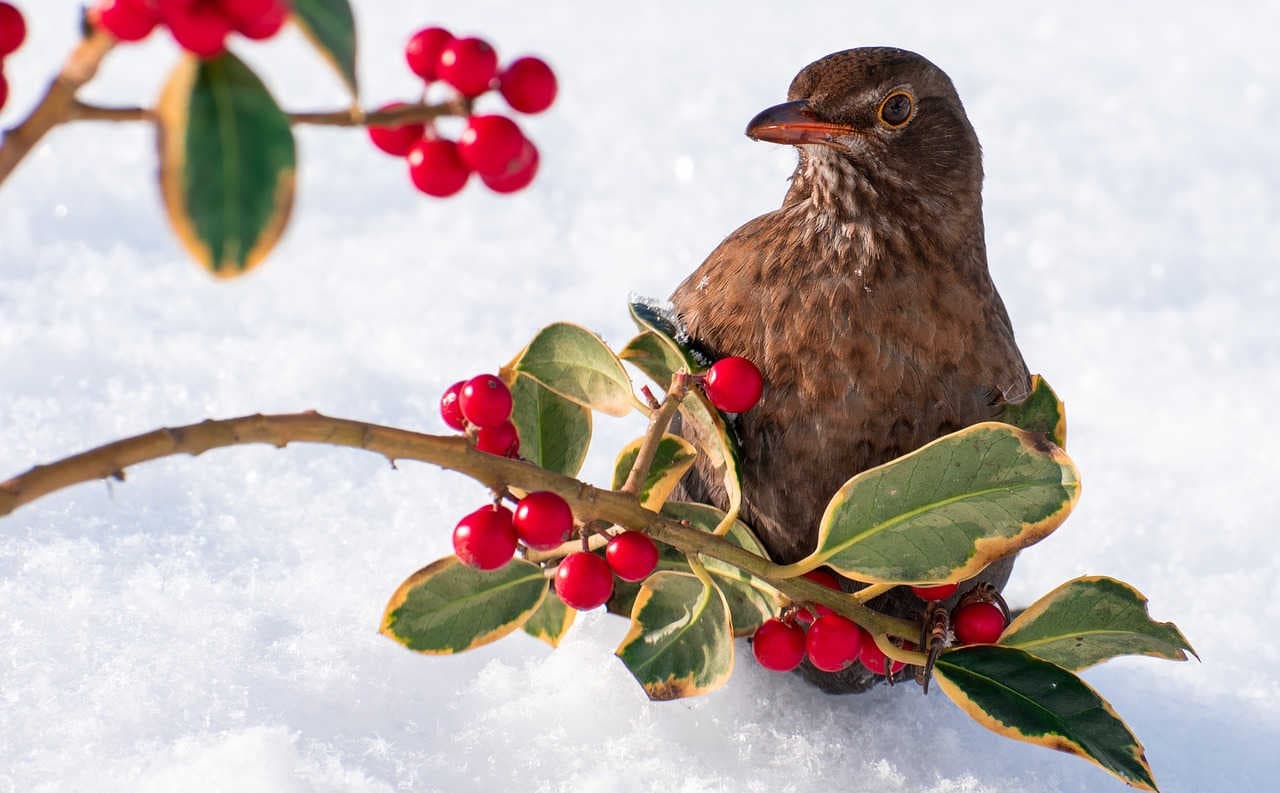
    How do plants spread their seeds?
    XNatura

    The importance of seed dispersal through animal faeces

    The vital relationship between plants and animals has evolved over millions of years. A bird transports a seed perhaps a few metres, while larger animals can transport it several kilometres. Some fruits also have substances in their pulp to ensure that the seeds are not excreted until later. About half of all plants worldwide spread their seeds in this way. It's a good "trade" for both - the animal gets the fruit as food, while the seed is transported to a place where it can germinate. In times of climate change, this may become even more important, as plants may no longer be able to germinate equally well everywhere in more difficult conditions and are even more dependent on the transport of seeds to neighbouring areas. In some cases, plants can even colonise new habitats through transport in animal faeces. An advantage that can be vital in changing conditions.

    The importance of seed dispersal through animal faeces

    Does bird mortality affect seed dispersal?

    Around half a million animal and plant species are threatened with extinction. The extinction of many different animal species already seems to have an impact on the opportunities that seeds have to spread. Unfortunately, there is still a lack of understanding that the link between animals and plants is too close that even in this weave, the loss of one can lead to the extinction of the other. In some cases, the rate of dispersal has fallen so much, or seeds have to be transported so much further due to climate change and find a suitable place to germinate, that thought is being given to helping dispersal through planting.

    Does bird mortality affect seed dispersal?
    XNatura

    How can fruit-eating birds be helped?

    Birds can be massively helped by various measures. First and foremost is the preservation and expansion of habitats for birds. This includes not only nesting opportunities, but also adequate food supplies. This can be achieved through consistent protection of insects and plants that serve as a food source for birds, the improvement of habitats in urban areas, but above all the establishment, enlargement and preservation of natural and protected habitats, in which the permitting of birds is also strictly prohibited. This does not deprive plants of the opportunity to spread their seeds through birds and adapt more quickly to a changing climate. The establishment and maintenance of protected areas is made possible at least in the EU by the Birds Directive and the Habitats Directive.
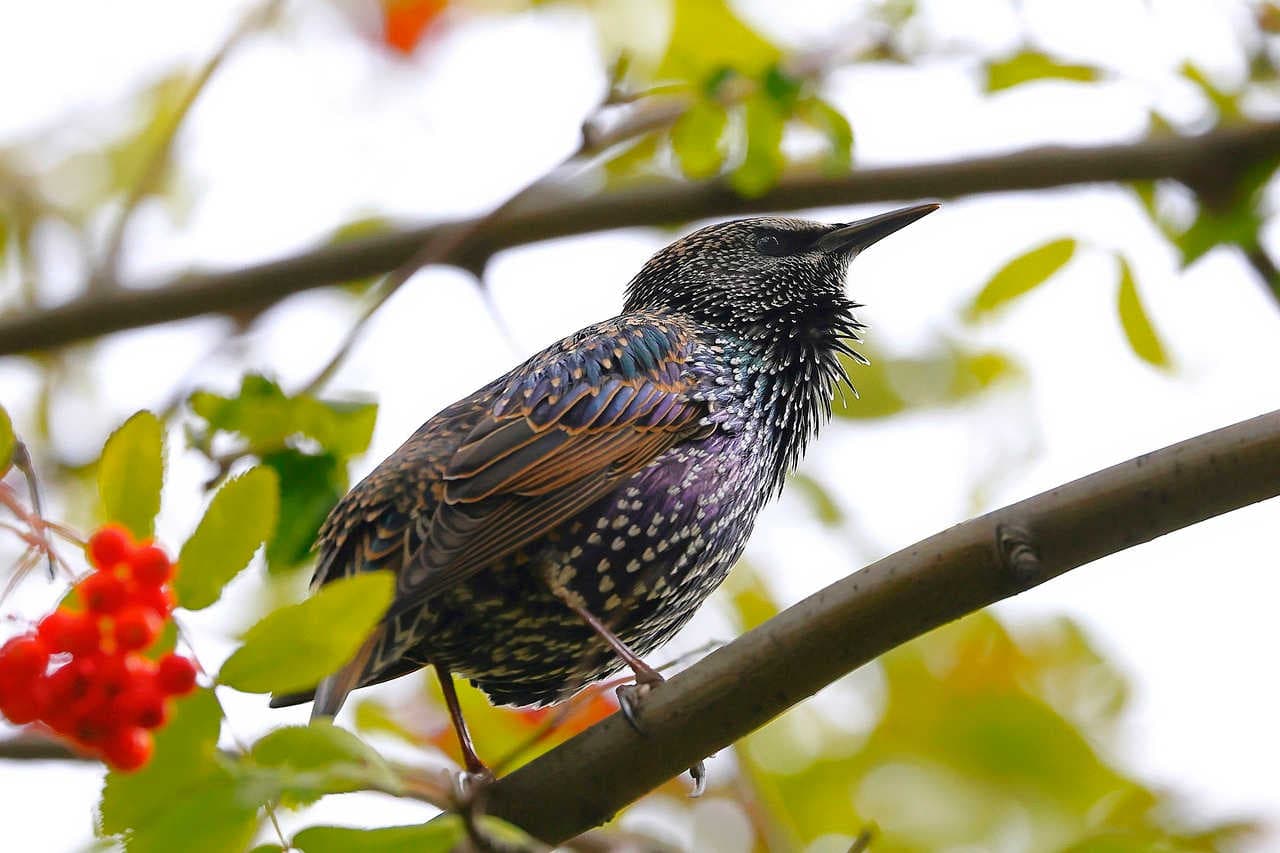
    How can fruit-eating birds be helped?
    3Bee

    Does the problem also exist in tropical rainforests?

    In addition to the massive loss of habitat, tropical birds are particularly struggling with poaching. According to the IUCN Red List, 14 of the 16 toucan species worldwide are threatened or suffering from declining populations. Scientists at Sao Paulo University in Brazil have calculated what it would mean for tropical plants if all large fruit-eating animals were to disappear (this does not only include birds). The result is astonishing: even if small animals that also live on fruit (such as bats) were to replace the large ones, they would spread such a different (smaller) type of seed that the composition of the rainforest would change fundamentally, towards smaller trees, away from large overstoreys. This would also lead to a reduction in stored carbon in the trees - possibly even having implications for climate change mitigation.
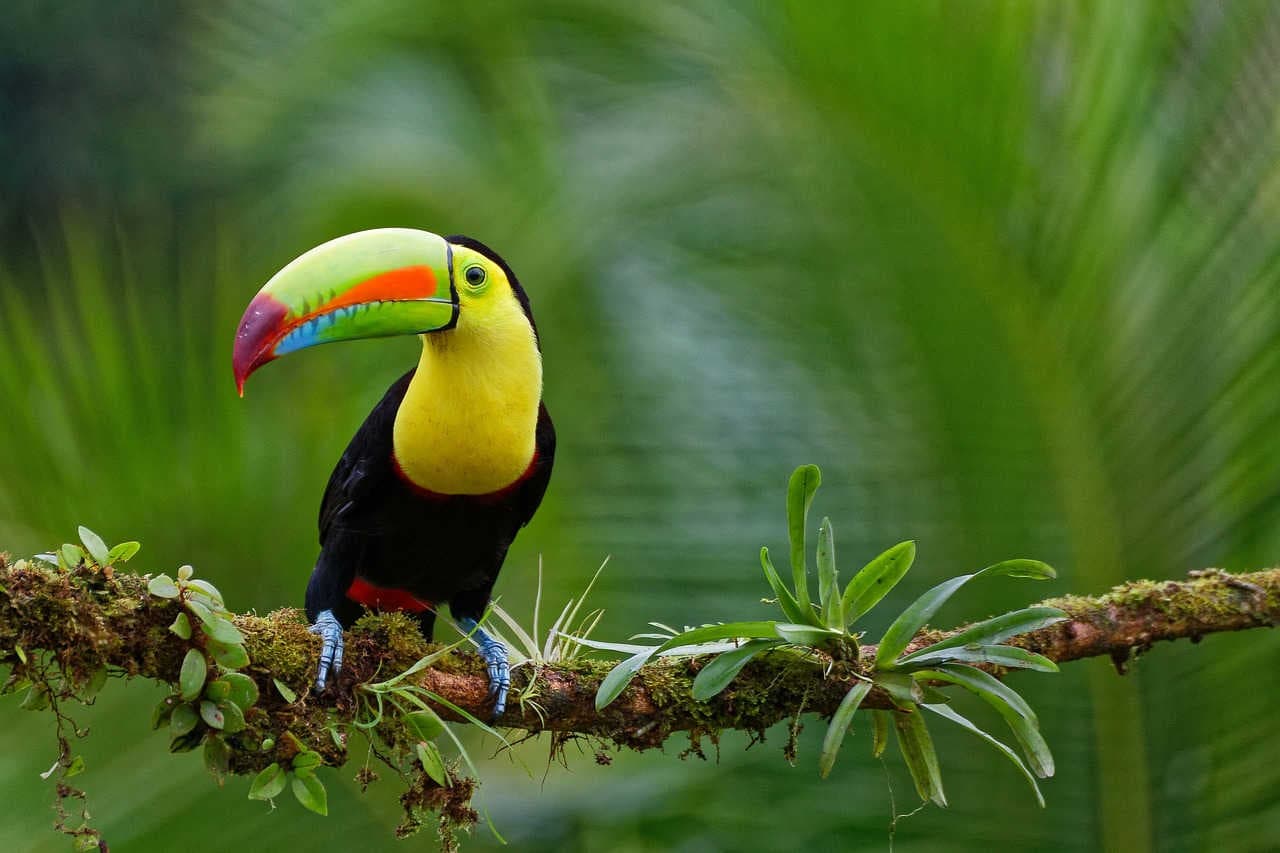
    Does the problem also exist in tropical rainforests?

    Can I help these birds in my neighbourhood?

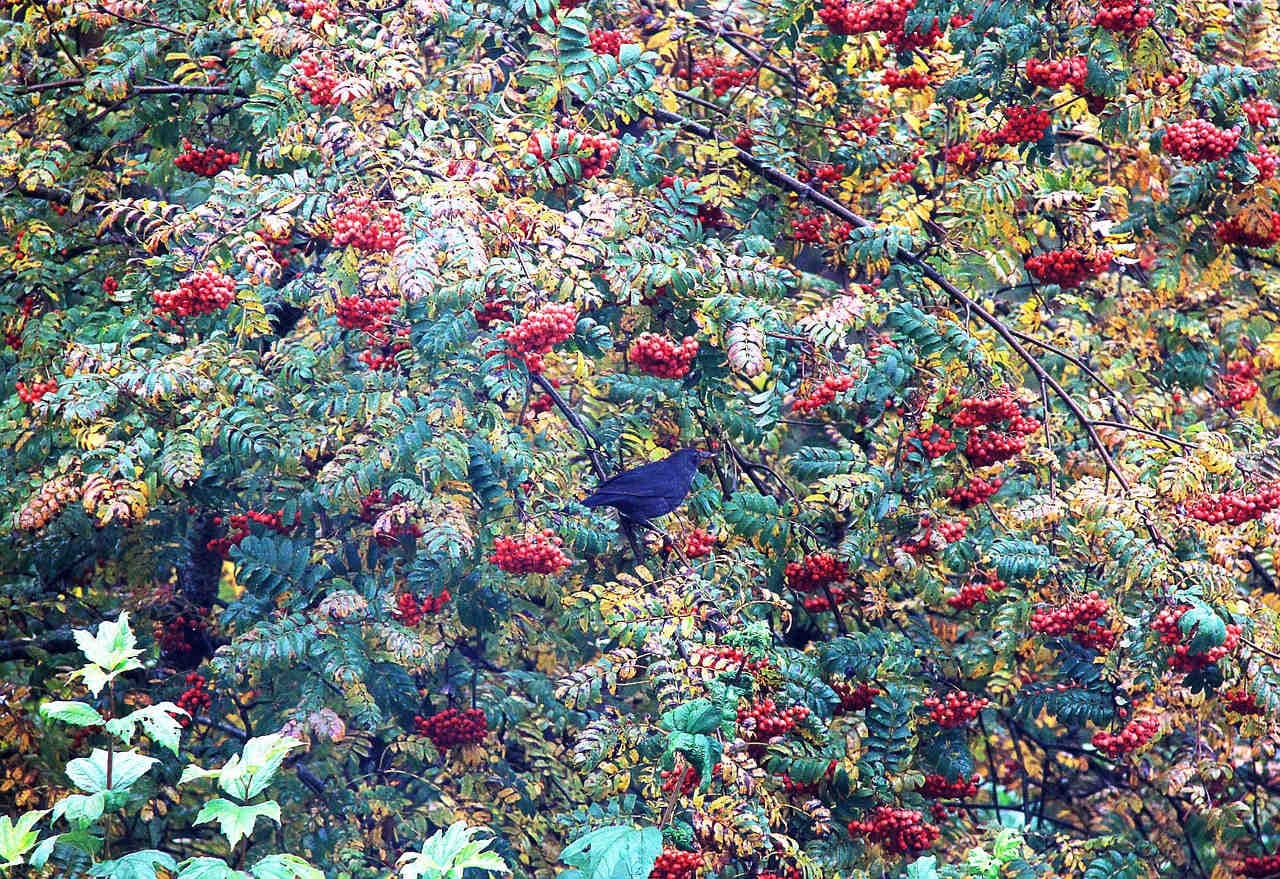
    Of course, it is also possible to help birds in your own immediate neighbourhood. The most important option is to plant native plants that produce fruit, such as rowan trees or rose hips. In addition, many birds need additional nesting opportunities, which can be created for them and the opportunities to find insect larvae for their brood. A garden that is as close to nature as possible can certainly achieve this. In urban areas outside the garden, you can work to reforest fallow areas. Those who live close to such areas automatically help by planting trees such as rowan, as their seeds are then automatically spread around the property by birds. In this way, birds can automatically contribute to reforestation.
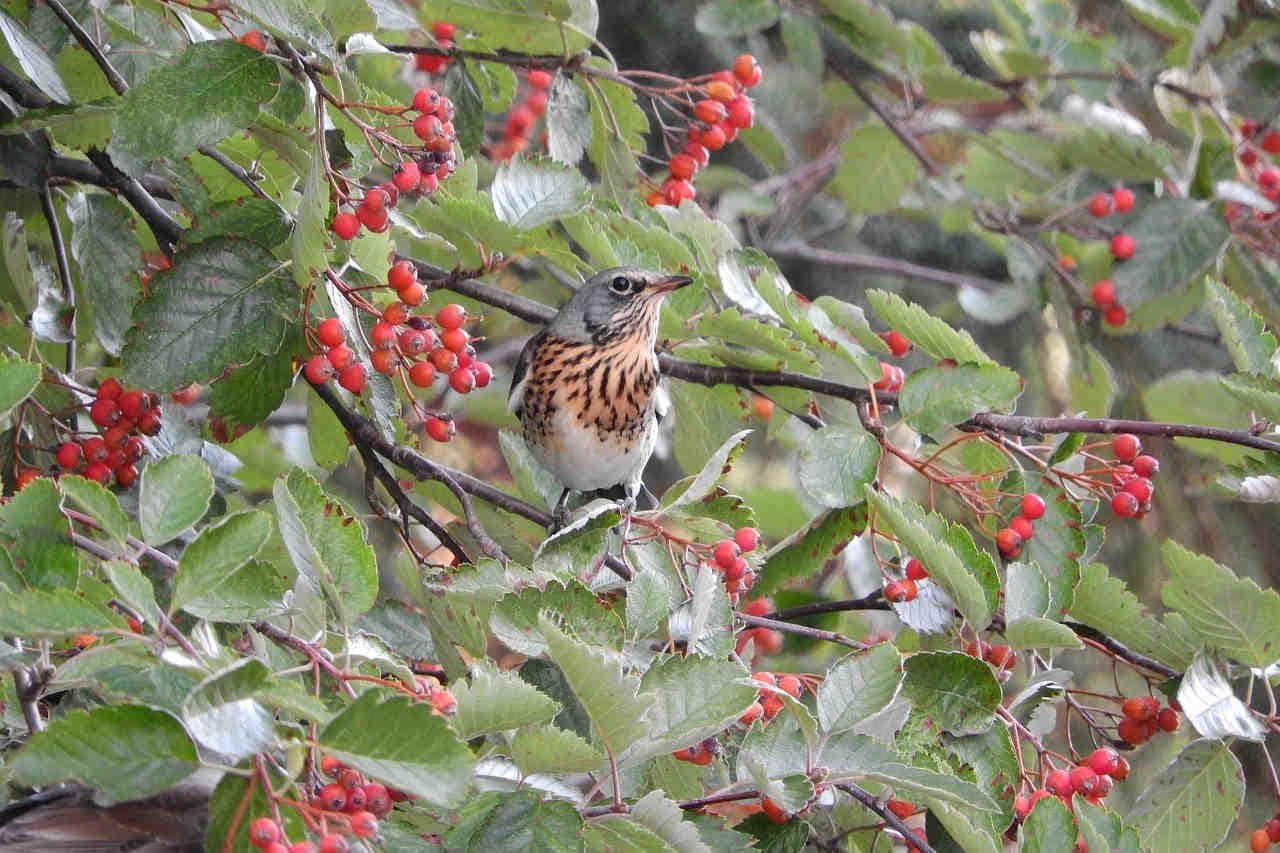
    Can I help these birds in my neighbourhood?
    01/08/2024Of 3Bee, Elise Maria Keller Boehm
    1104 Views
    Newsletter
    newsletter
    Subscribe to the Blog about bees and biodiversity

    Frequently Asked Questions

    Do you have any doubts or other curiosities about this article? Here you will find some insights