When to Remove the Honeycombs? Help With 3Bee Scales
    RunningProductionType of honeyFlowering

    When to Remove the Honeycombs? Help With 3Bee Scales

    We have seen when and how to choose to put in the honeycombs. Now we need to see when is the right time to remove them. When to remove the honeycombs? Helped With 3Bee Scales and Monitoring Systems?

    Read the article
    01/06/2022Of 3Bee, Elena Fraccaro
    439 Views
    01/06/2022Of 3Bee, Elena Fraccaro
    439 Views

    Why it is important to remove the honeycombs in time

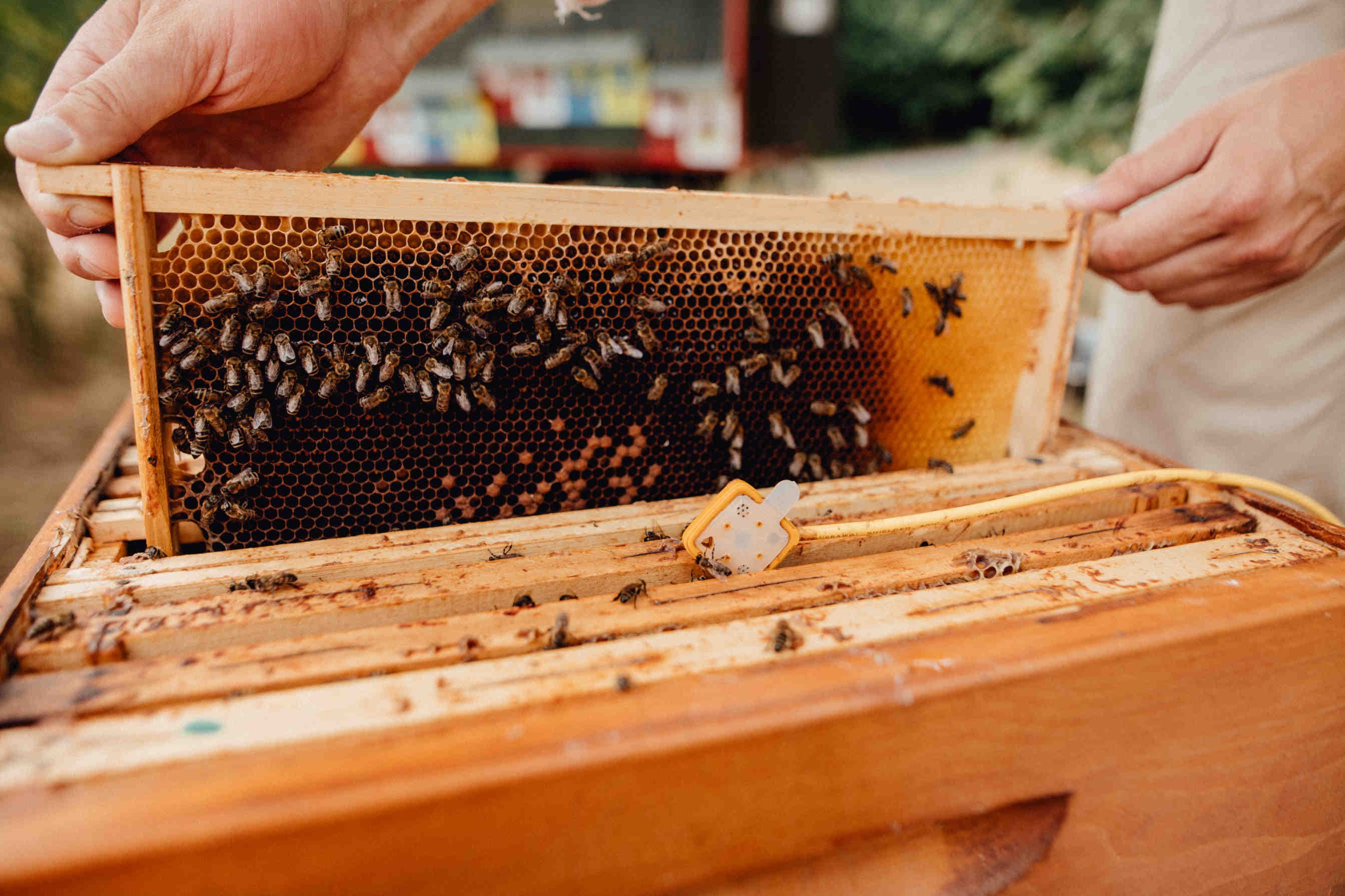
    Choosing the right time to remove the honeycombs is indeed very important in order not to lose honey and also to obtain a better quality in the case of monofloral honeys. Removing the honeycombs too early obviously leads to a loss of production, because we will not get the full benefit of the bees' work by not bringing home some of the honey that could still be produced. But removing them too late can also entail risks: both because of the possibility of contamination of the monofloras with other nectars and because the bees can start to take it back, and very quickly too.
    Why it is important to remove the honeycombs in time

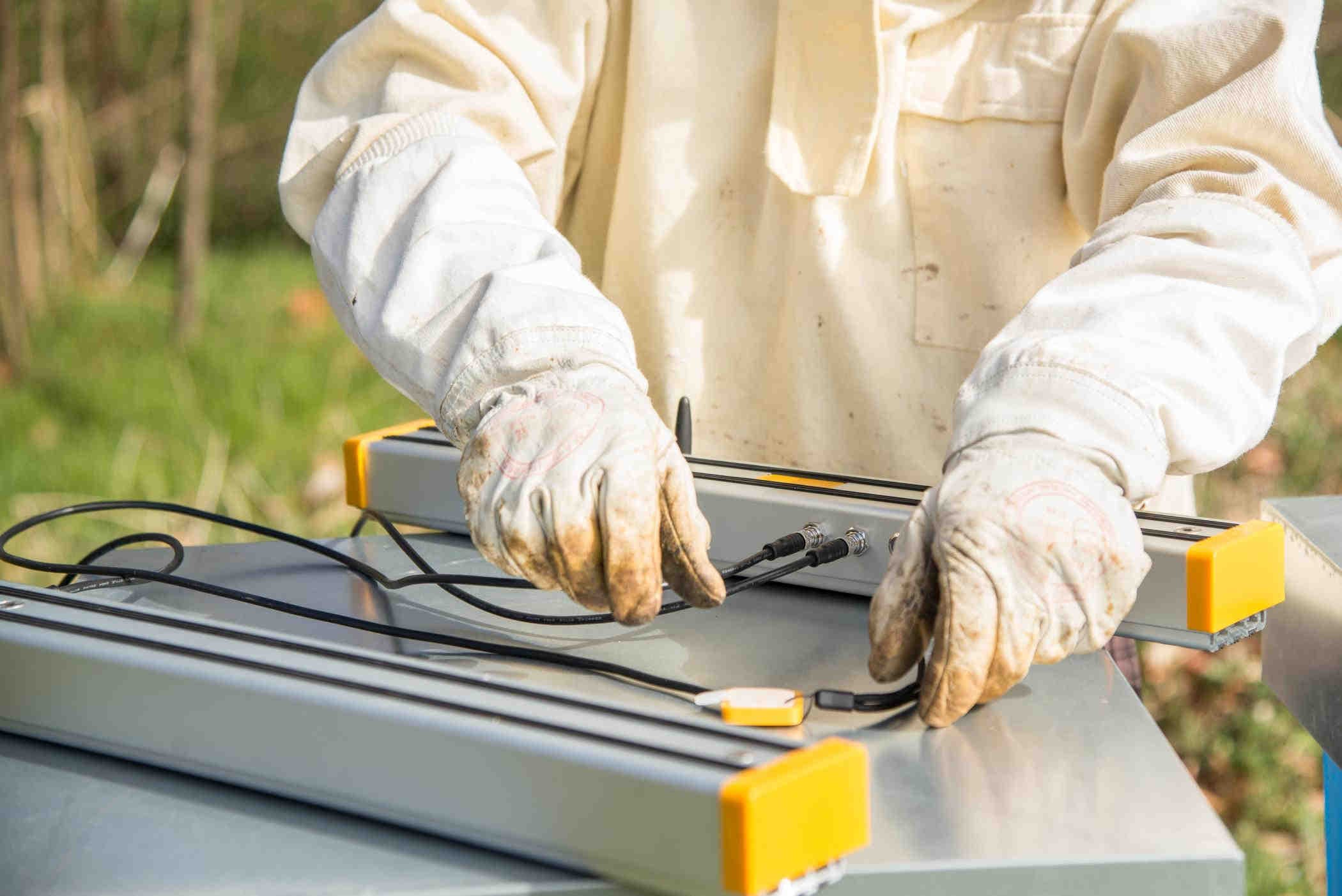
    Controlling production with 3Bee scales

    And for choosing the right time to cull the honeycombs, 3Bee technology comes to our aid very efficiently. The balance in fact signals us when the importation drops and starts to stop, and that is the time to go and collect the honeycombs. Leaving the honeycombs on top of the hives when the importation is over means running the risk that the bees will be left with up to several kilograms of honey per day, especially in spring when the cold or bad weather returns or in summer when there is a drought.

    Controlling production with 3Bee scales
    XNatura

    Remove the honeycombs according to the type of honey to be produced

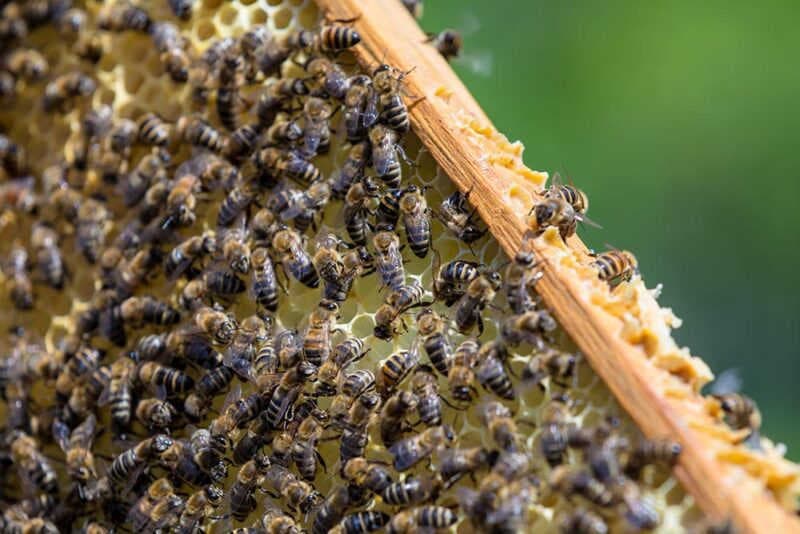
    Obviously, the best time to choose when to remove the honeycombs also depends on the type of honey we want to make, whether monofloral or millefiori. For millefiori, the indication given to us by the scale is sufficient. When the import stops, it is good to go and harvest immediately. In the case of monofloral honeys, on the other hand, it is also important to assess the flowering trend. To obtain a good product with a high degree of purity, it is essential to remove the honeycombs when flowering is over. This prevents other nectars from 'polluting' the product.
    Remove the honeycombs according to the type of honey to be produced

    Monitoring of flowering progress

    Therefore, keeping track of the flowering progress is necessary. It is also important to bear in mind that in hill and mountain areas, with different microclimates, the flowering of a plant can be different from slope to slope, from area to area depending on altitude and exposure. Seeing, for example, a withered chestnut tree on a slope does not mean that the flowering of the chestnut tree is over in the range of our bees. But what if, when the flowering we were interested in is coming to an end, the scales tell us that the importation is continuing and perhaps in an interesting way? In this case it is good to go and remove the honeycombs to ensure the purity of the monofloral honey. You can then immediately give empty honeycombs so that that flow of nectar is not lost. It will be seen at honey extraction whether it can still be considered monoflora or labelled as an excellent millefiori.
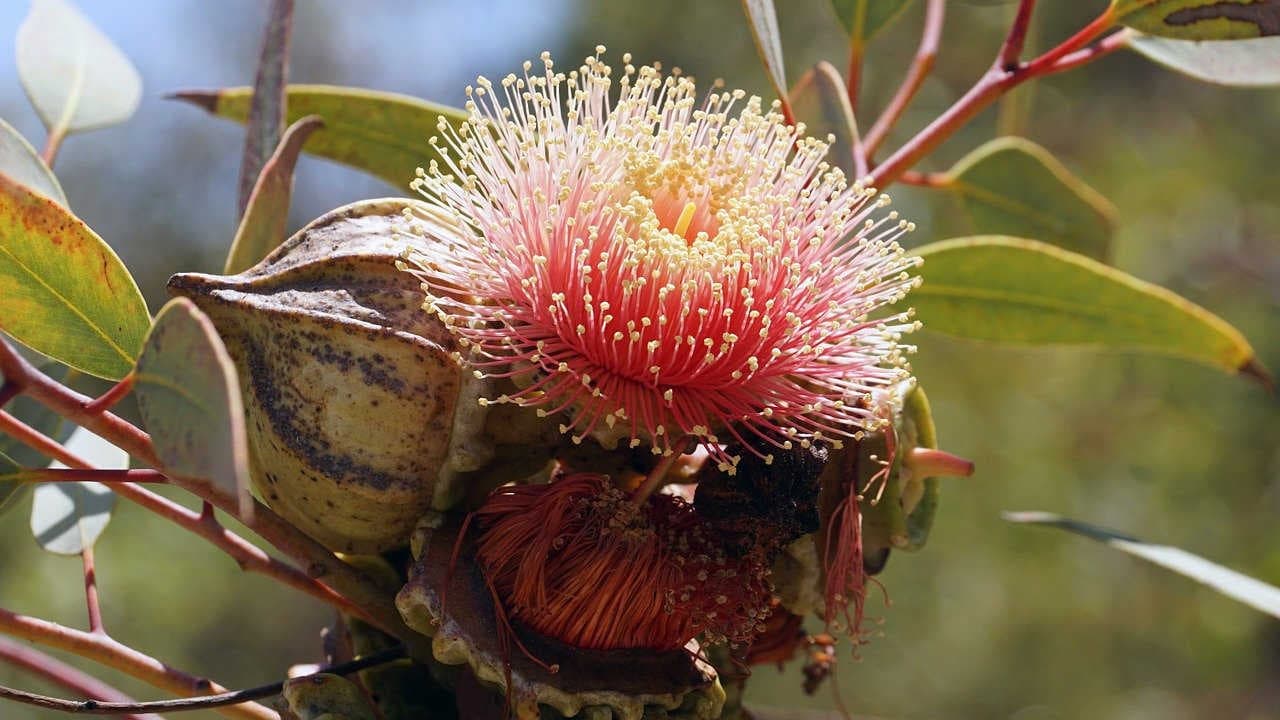
    Monitoring of flowering progress
    XNatura
    01/06/2022Of 3Bee, Elena Fraccaro
    439 Views
    Newsletter
    newsletter
    Subscribe to the Blog about bees and biodiversity