What is ecological connectivity and why is it important?
    ConnectivityMeaningHistoryPollinators

    What is ecological connectivity and why is it important?

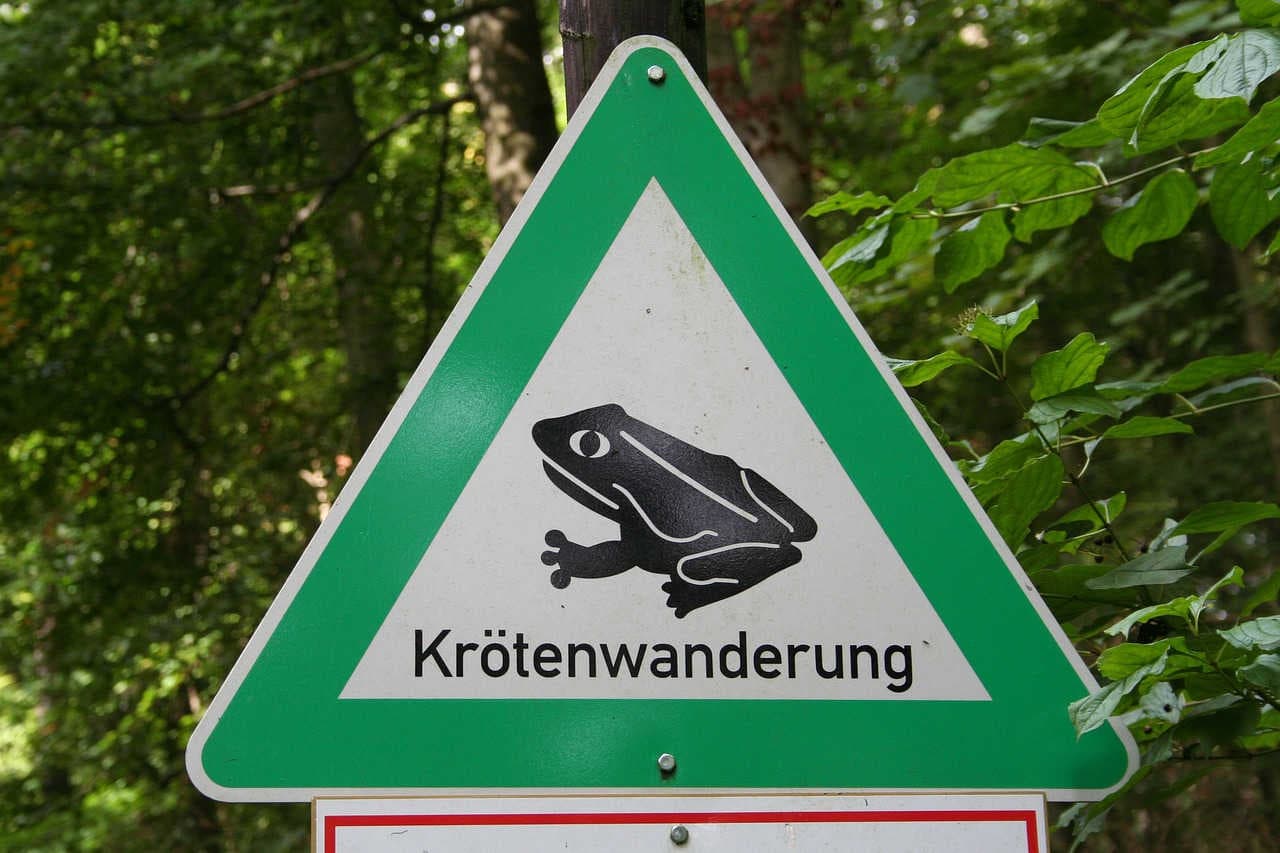
    Everyone may have seen frog tunnels on roads outside cities, but why are they necessary? Are there other tunnels or roads for wildlife? And is there an overarching concept for connecting areas of land for the benefit of flora and fauna?

    Read the article
    29/05/2024Of 3Bee, Elise Maria Keller Boehm
    1352 Views
    29/05/2024Of 3Bee, Elise Maria Keller Boehm
    1352 Views

    What is ecological connectivity?

    The term ecological connectivity originates from landscape ecology and describes the extent to which movement between different resources is possible or not possible in a landscape. At the same time, the term is used to describe the extent of a landscape independent of paths and resource-rich and resource-poor zones. Connectivity is used to summarise both structural properties (e.g. boundaries or spatial connections) and functional properties (movement of animals/plants across structural boundaries) of a landscape. While the concept from ecology refers to structural or functional of an ecological space, other scientists, such as Jacques Baudry, have explained the term from a geographical perspective - i.e. connectivity from a topographical perspective, less dependent on ecological processes.
    Strasse

    The importance of connectivity for nature conservation

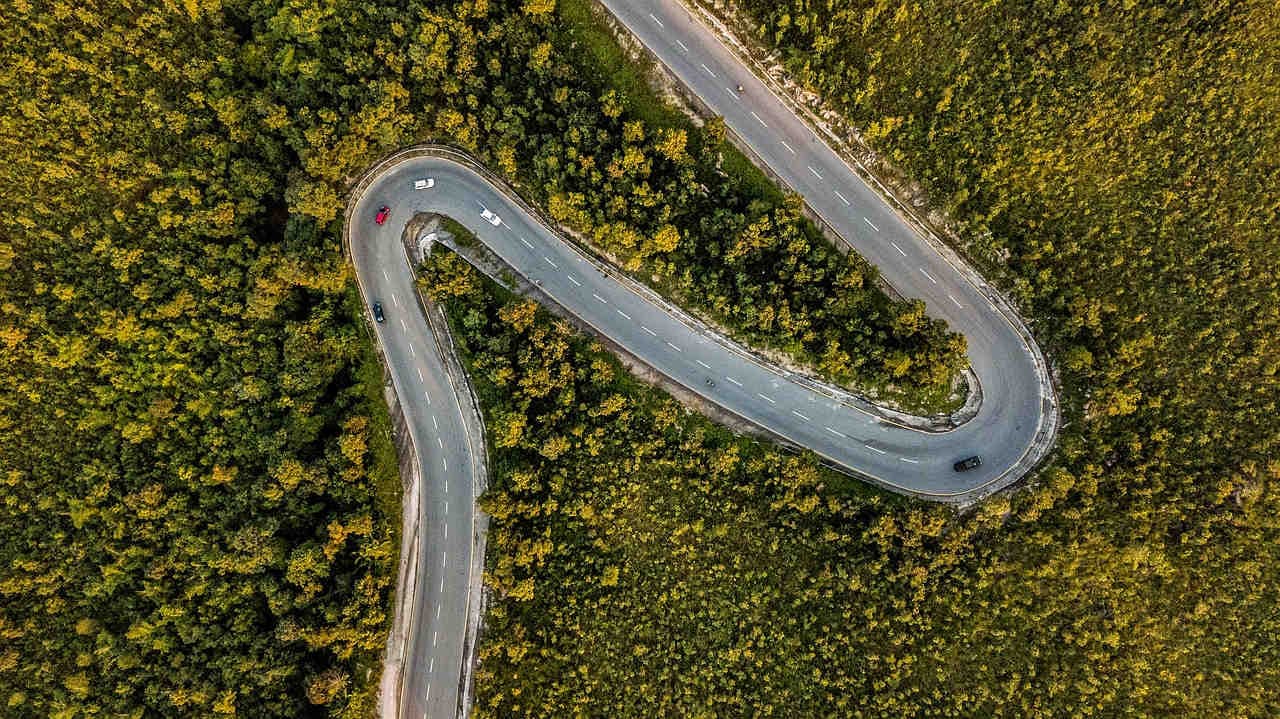
    The preservation or restoration of ecological connectivity has become an integral part of nature and landscape conservation. Its importance for biodiversity and species conservation is becoming increasingly clear. Declared goals are now to protect life-sustaining ecosystems in order to preserve populations of animals, in particular by protecting and enabling their large-scale movements and by enabling movements in response to climate change. Connectivity is strongly influenced by other characteristics of the populations concerned, such as the gene pool and its vitality, adaptation to local conditions and changing parameters, and the risk of endangerment or extinction. The more habitats are lost or lose quality, the more large-scale, previously connected habitats become fragmented.
    The importance of connectivity for nature conservation
    XNatura

    Origin of the concept of ecological connectivity

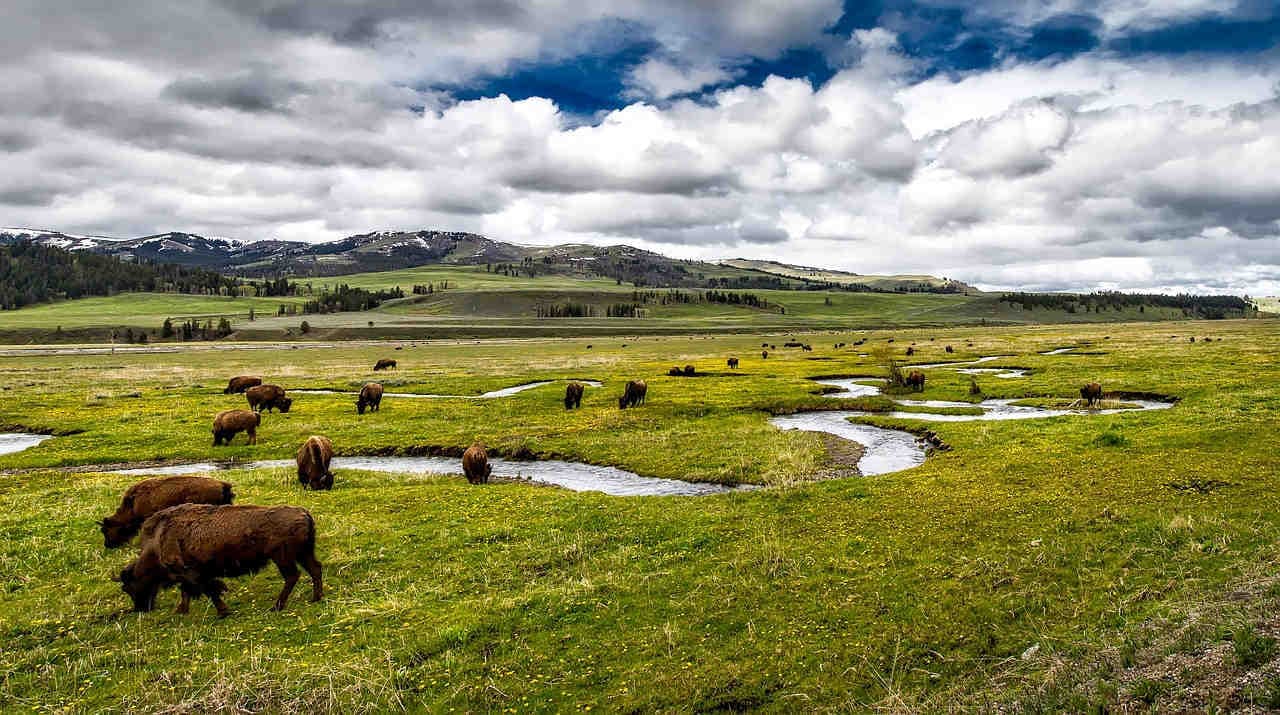
    The concept was created back in the 1980s by Gray Merriam. He established that the movement of an organism describes the landscape through which it moves. He defined in 1984 that ecological connectivity describes the ability of organisms to avoid isolation and the extent to which the landscape allows the organism to move between suitable habitats.In the meantime, the term has been defined several times more precisely, but the original definition is still the most common. What unites all definitions is the clarification that ecological connectivity is determined by the structure of the landscape and the movement possibilities or restrictions for the organisms living in it. The physical components here are landscape form, vegetation forms and land use types.
    Origin of the concept of ecological connectivity

    Is connectivity also important for pollinators?

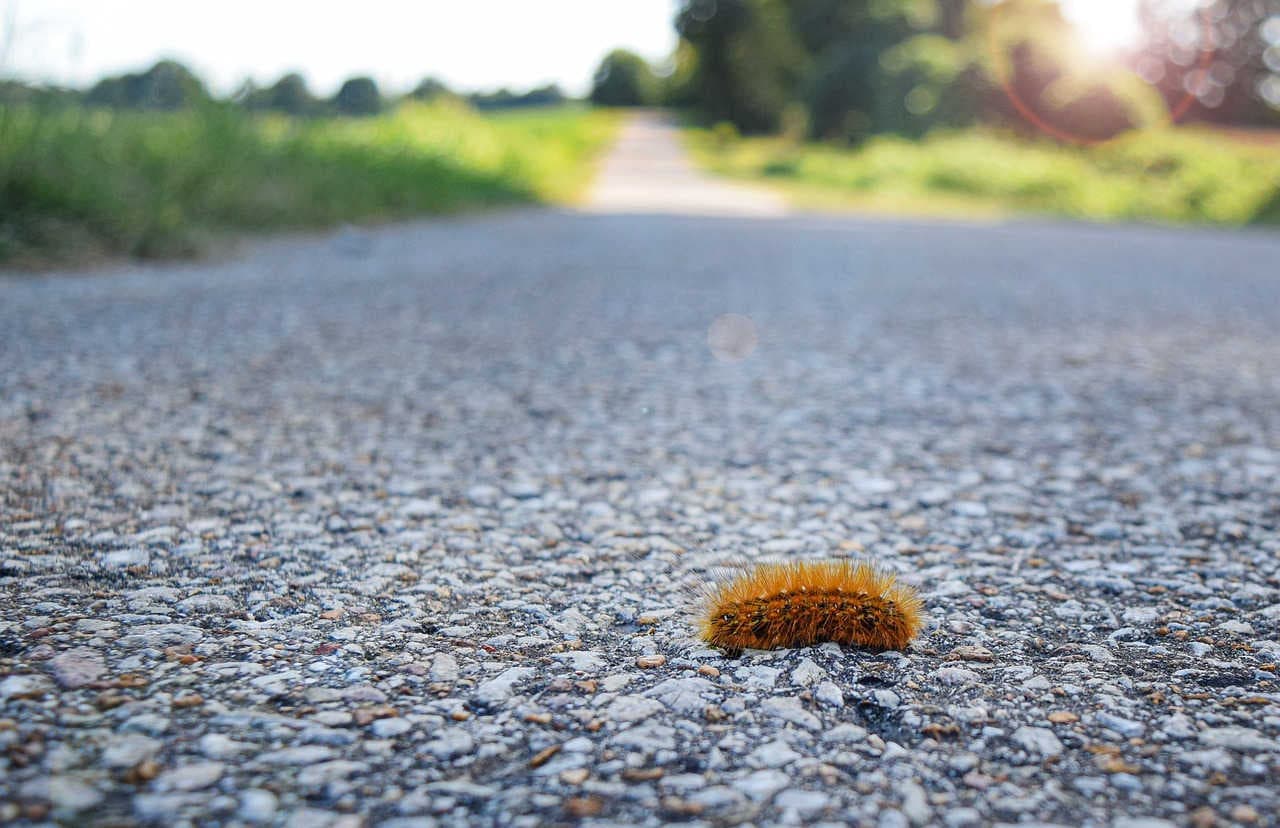
    As the lives of plants and pollinators are in many cases inevitably interdependent, it seems only logical that the fragmentation and changing composition of plant communities also influences the distribution and diversity of insects. The ability to reach different plants at different times of the year is vital for many pollinators. In a study on bumblebees and one of their food sources (Salvia pratensis), it has now been shown that the connection of semi-natural habitats in urban and agricultural areas through hedges and flower strips influence the direction of movement of bumblebees and thus enable them to bridge through separate, fragmented habitats. This study is an important step towards considering ecological connectivity for pollinators and insects in general, as their importance has probably been underestimated so far.
    Is connectivity also important for pollinators?
    XNatura

    Are there methods to increase connectivity?

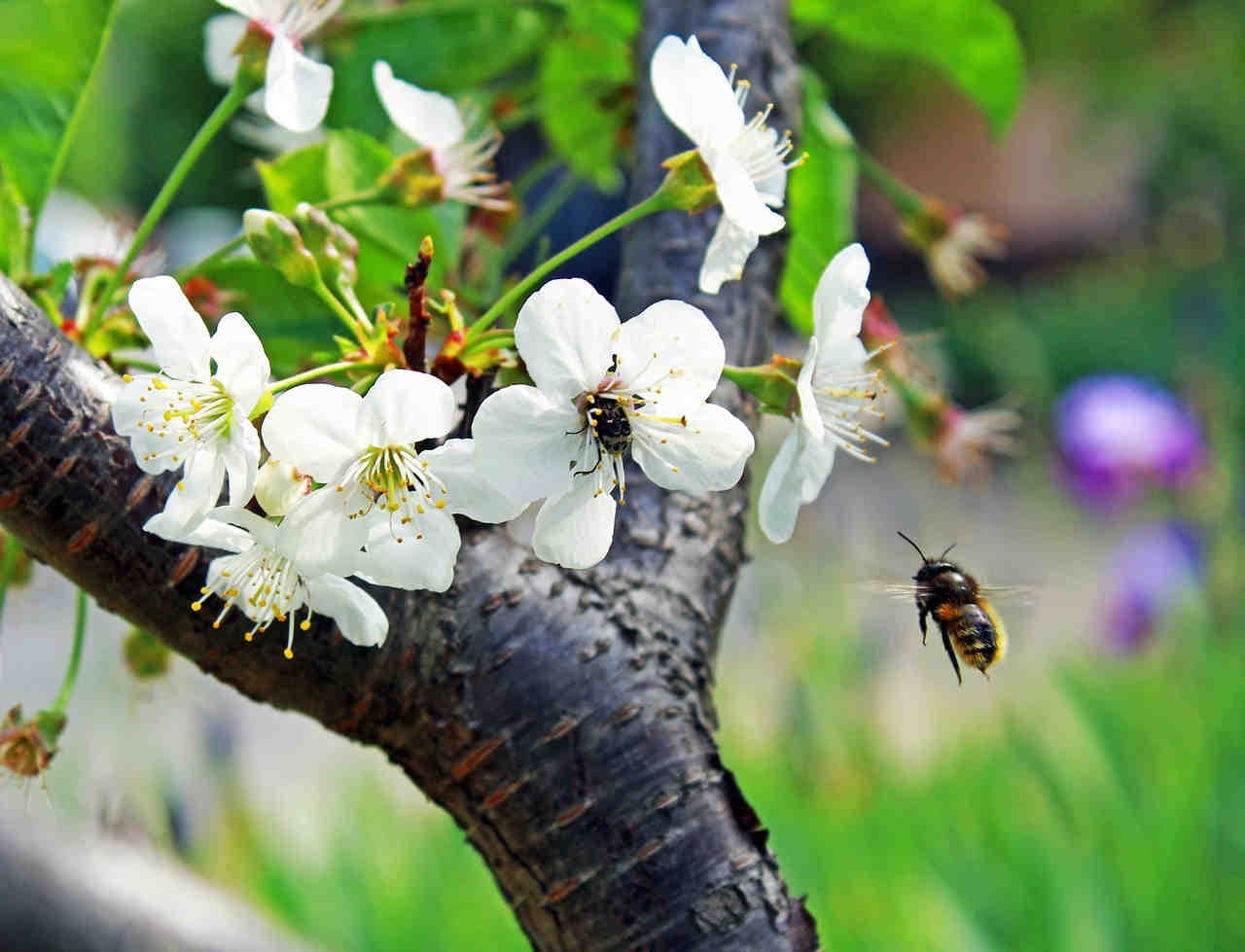
    Broadly speaking, there are two important methods to improve ecological connectivity. These are primarily the creation of corridors and refugia. Corridors, such as hedge rows, flower strips or wildlife bridges and tunnels, have the function of connecting suitable, fragmented habitat islands. They must be adapted to the requirements of the species to be promoted. The restoration of natural corridors that have been destroyed by human settlements or roads is also an opportunity to create a new connection. Refugia, as opposed to movement-enabling corridors, are zones where species can survive in smaller habitat islands. These can occur naturally, be favoured by humans or be completely created. They do not have to emerge from an existing habitat. The only important thing is a great similarity to the original natural habitat.
    Are there methods to increase connectivity?
    3Bee

    Are only large-area connections important?

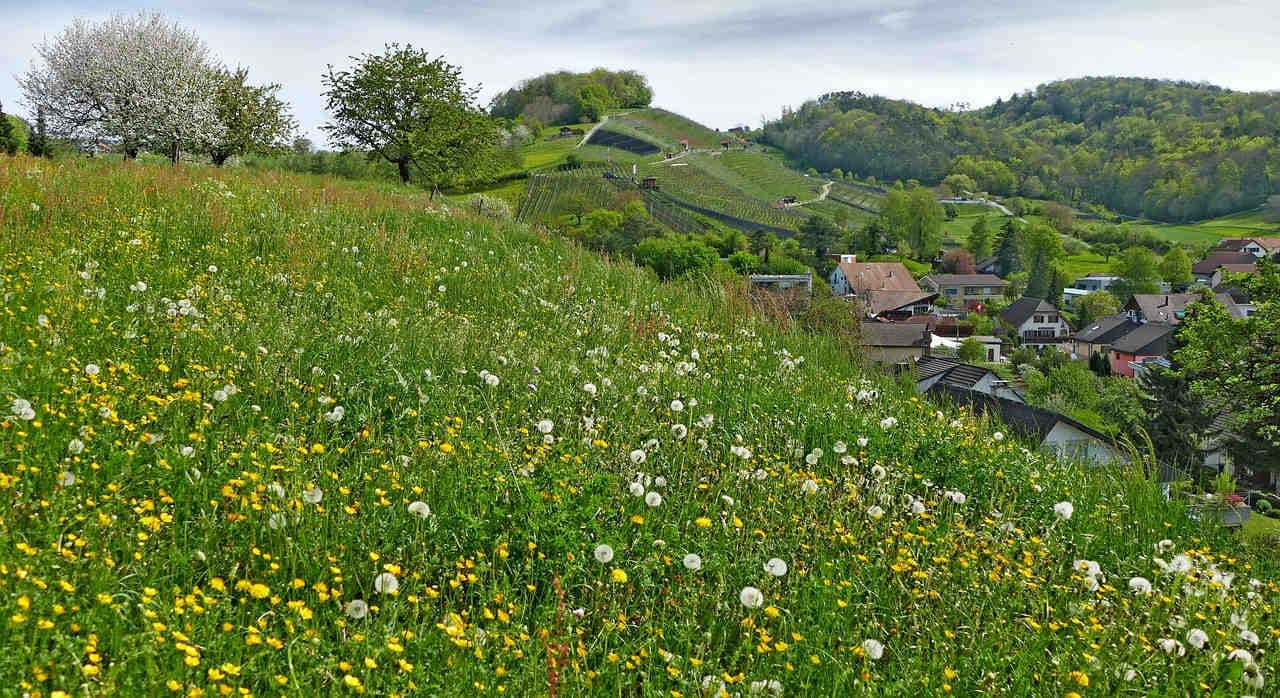
    As the space for protected areas is limited, it also makes sense to promote ecological connectivity outside designated protected areas. For example, it has been discovered that corridors and refugia established in protected areas have a spillover effect on non-protected areas. Over time, neighbouring areas also show a greater abundance of different species. These findings can also be applied to the development of suitable refugia and corridors in urban landscapes. In cities, parks and urban forests are important habitats, often separated by roads and houses. However, by creating suitable refugia and corridors, the movement of species can be enabled and greater biodiversity can be achieved. For example, it has been shown that better ecological connectivity in urban areas for pollinators correlates positively with the connectivity of green spaces.
    Are only large-area connections important?

    What can companies and local organisations do?

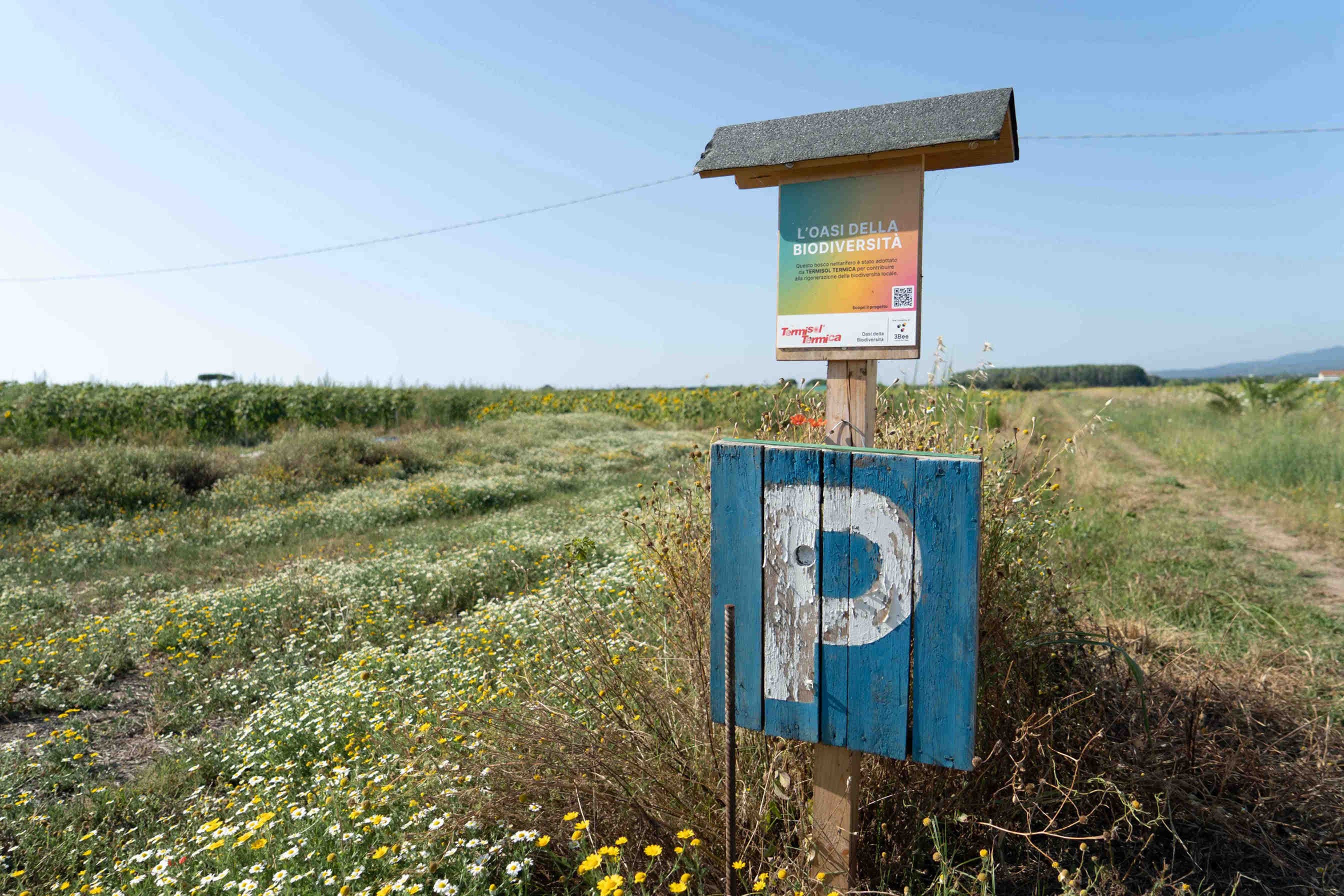
    Companies and local organisations can help transform zones with low biodiversity and insect-hostile environments into zones with diverse vegetation, where more and more habitat is available for insects and other wildlife. One example is the creation of biodiversity oases with 3BEE technology. By planting nectar-rich trees, installing insect screens and technologically monitoring their condition, these areas can play an important role in revitalising lost or poorly maintained urban landscapes. The XNatura biodiversity monitoring protocol, developed by 3Bee, measures and visualises the improvement of these areas into centres of biodiversity. The monitoring technology also makes it possible to respond to the requirements of each zone individually and to observe the positive changes.
    What can companies and local organisations do?
    29/05/2024Of 3Bee, Elise Maria Keller Boehm
    1352 Views
    Newsletter
    newsletter
    Subscribe to the Blog about bees and biodiversity

    Frequently Asked Questions

    Do you have any doubts or other curiosities about this article? Here you will find some insights