What are the longest-living animals and why are they important for biodiversity
    Long-livingThreatRoleSocial vector

    What are the longest-living animals and why are they important for biodiversity

    The longest-living animals play a crucial role in the conservation of biodiversity. Their contributions to the stability of ecosystems and populations are irreplaceable, and their constant loss represents a serious ecological threat.

    Read the article
    11/12/2024Of 3Bee, Chiara Pertile
    557 Views
    11/12/2024Of 3Bee, Chiara Pertile
    557 Views

    The longest-living animals on our planet

    Disclaimer: this is an automated translation from Italian. Go to the original article.

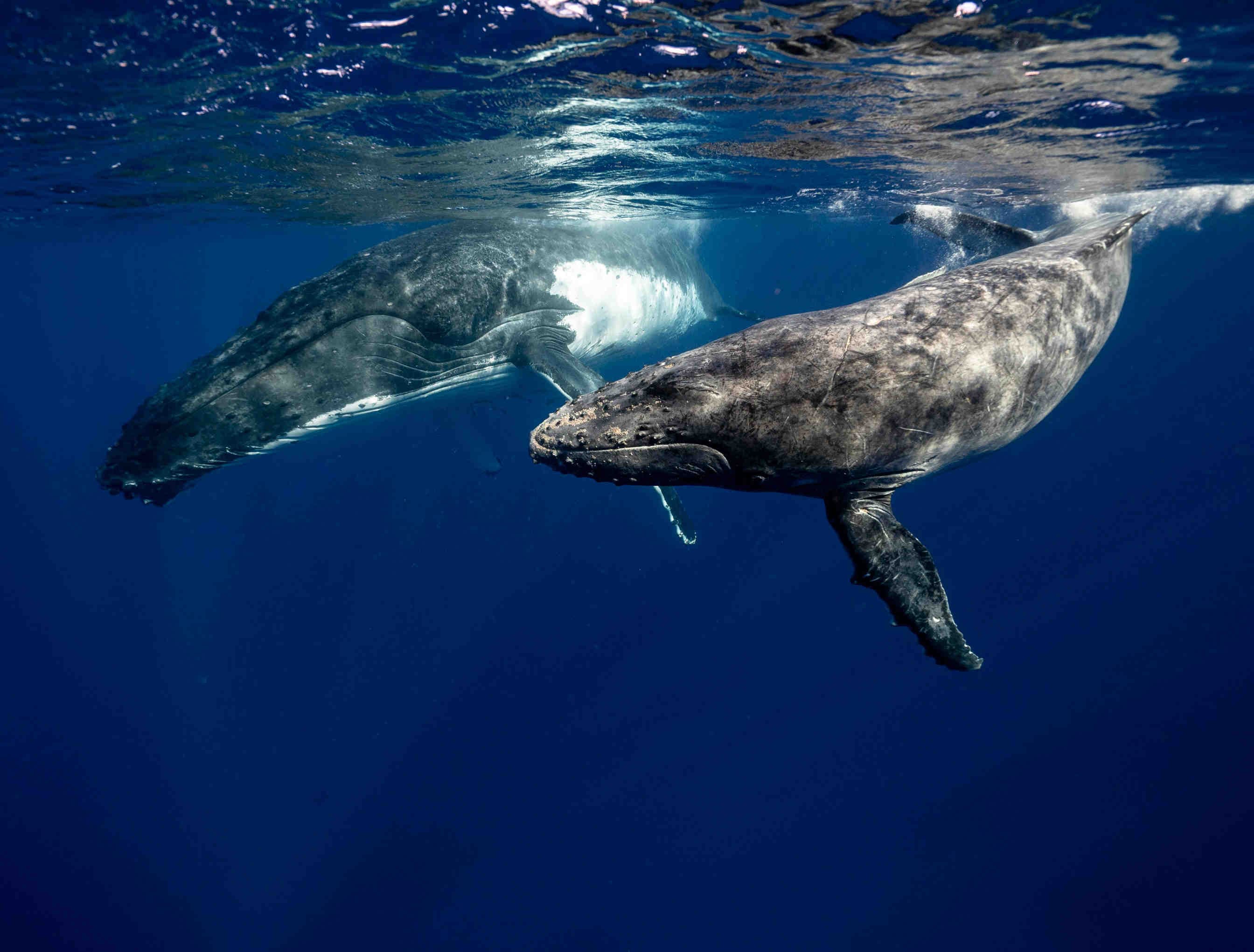
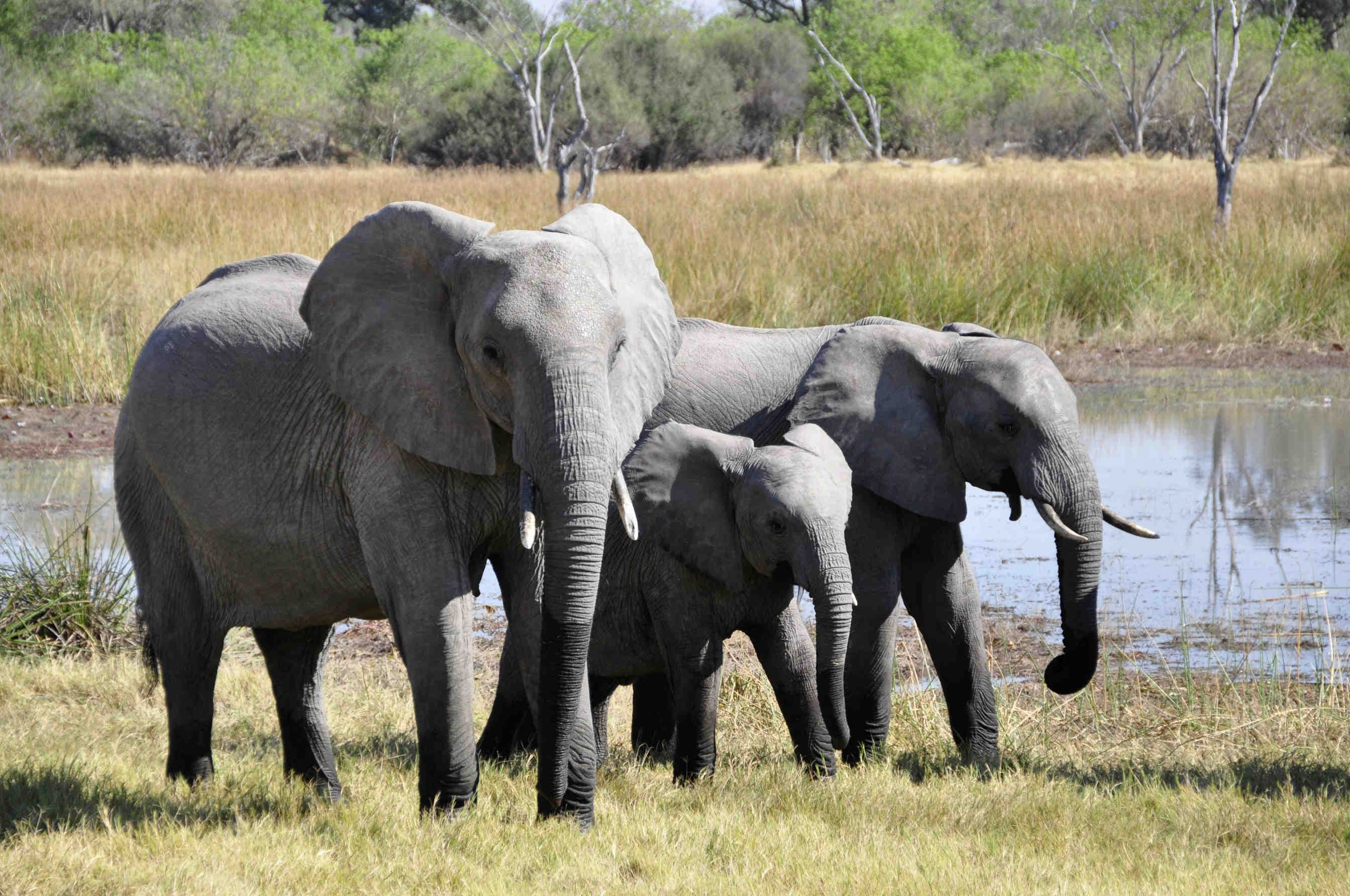
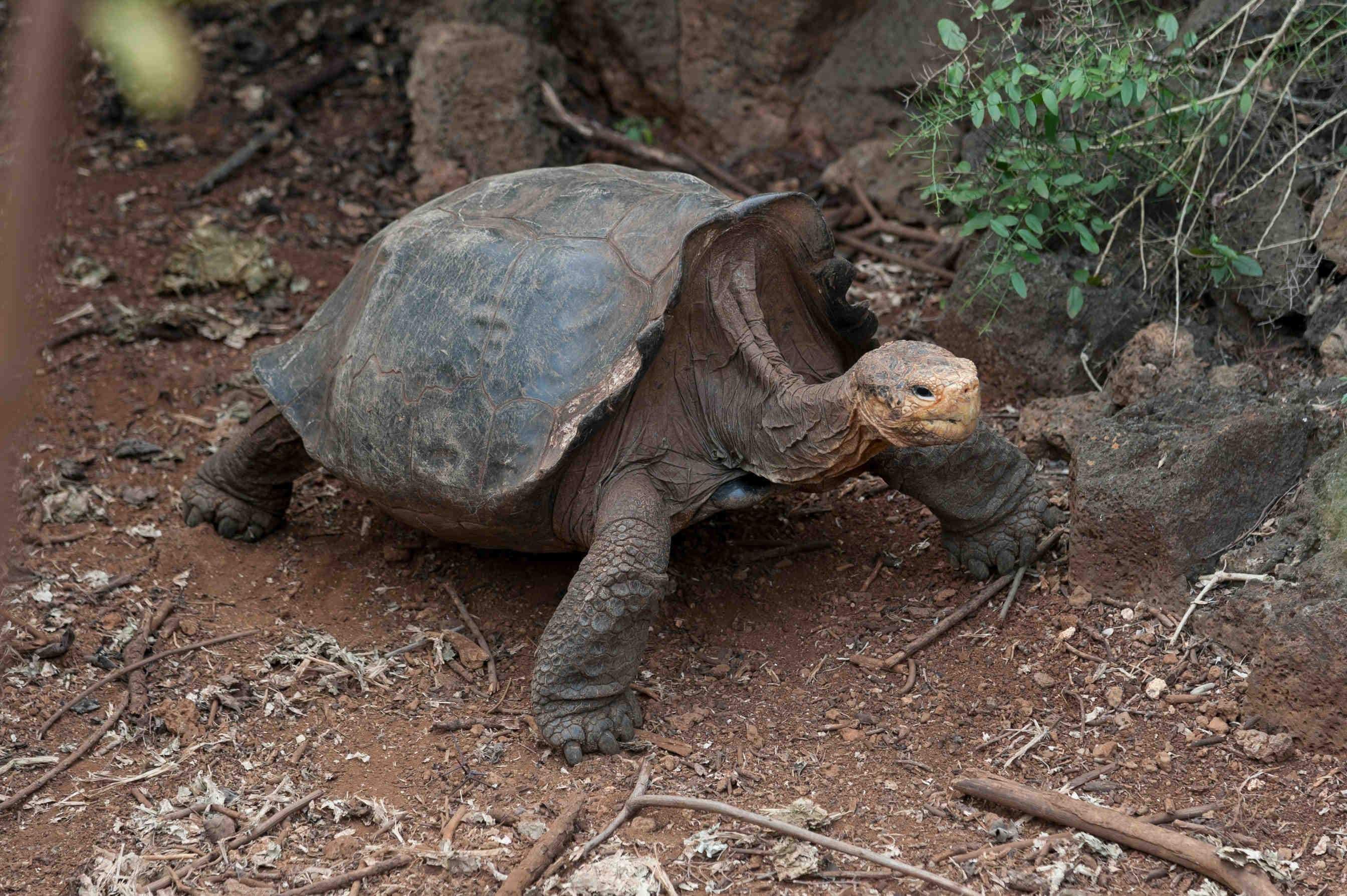
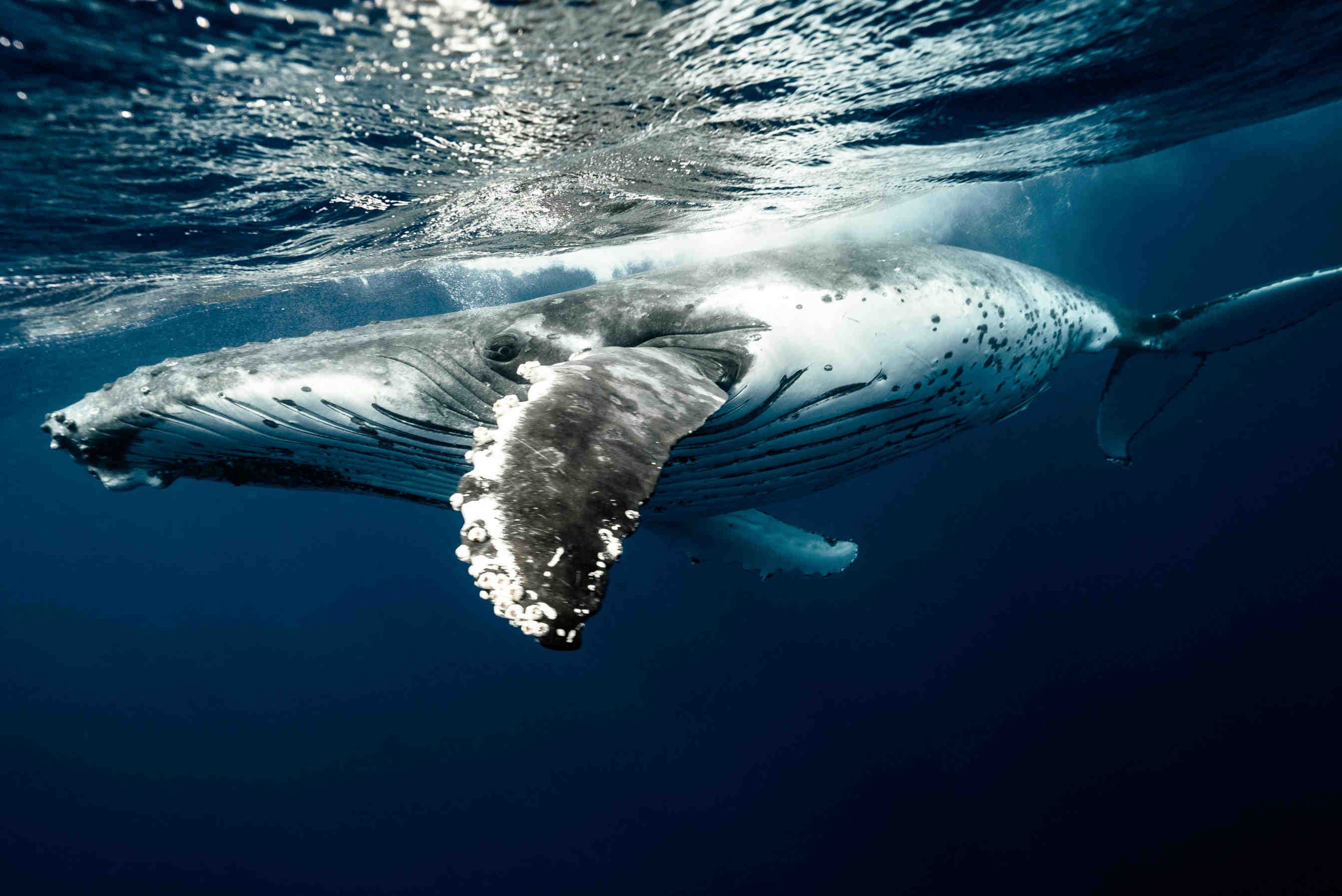
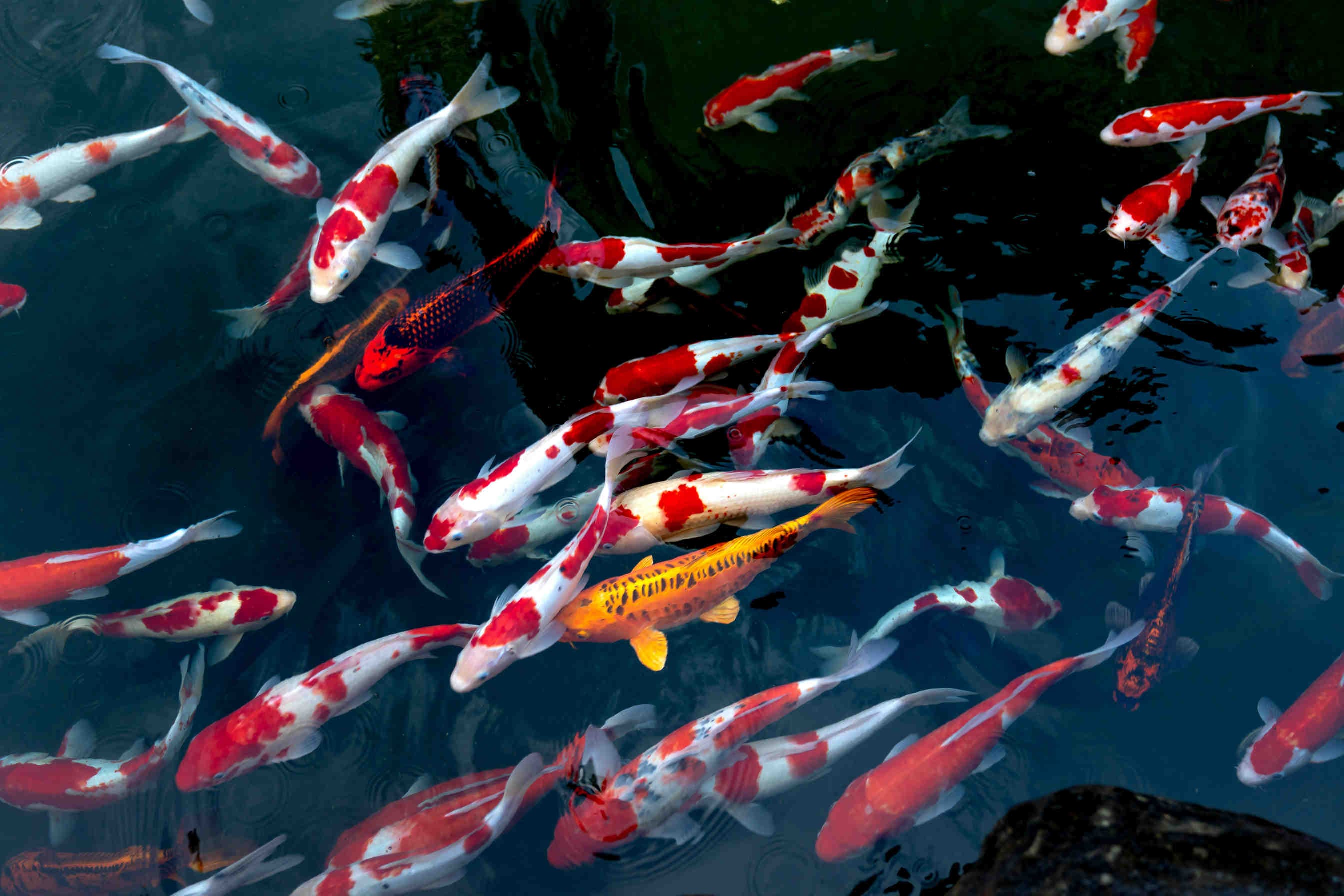
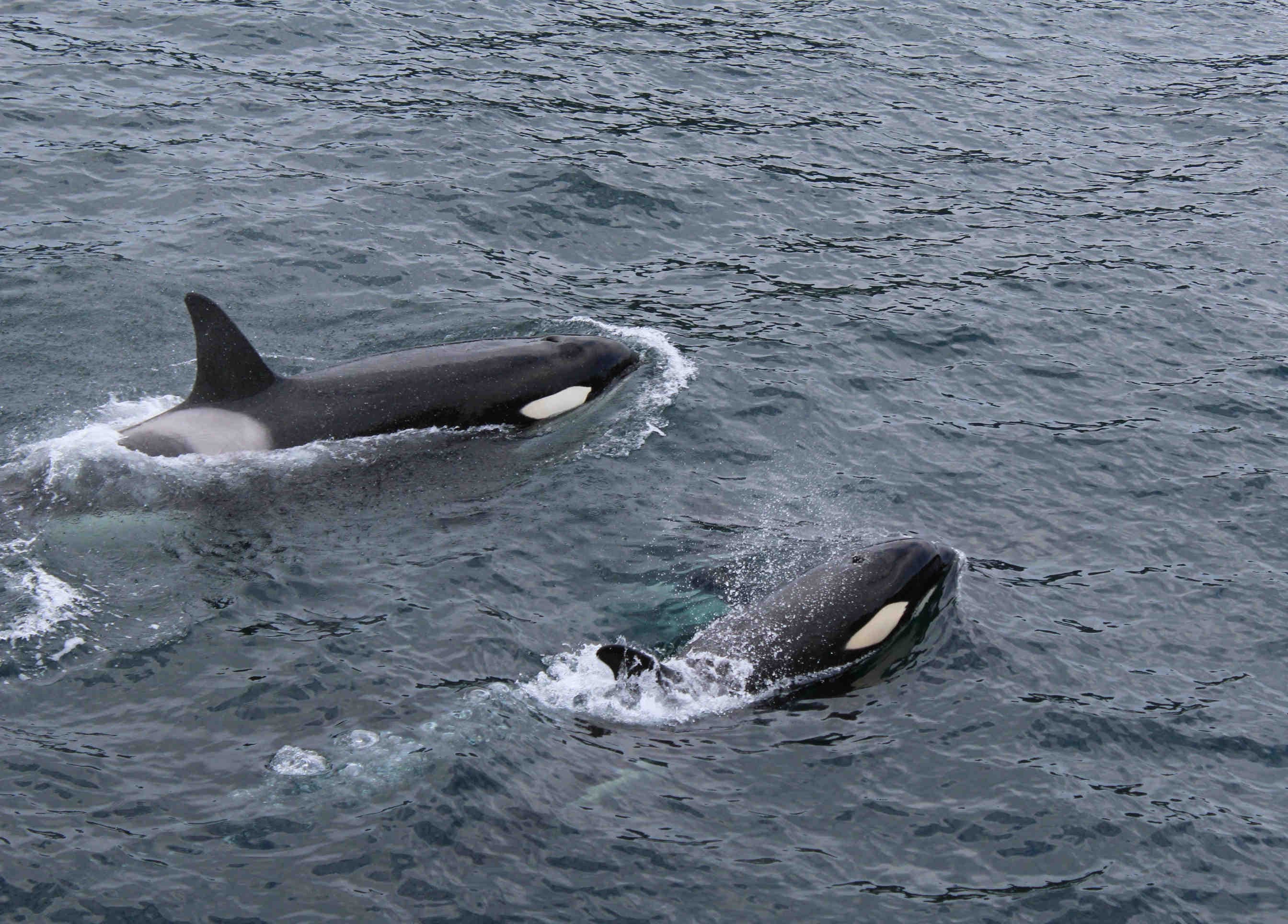
    Nature, with its extraordinary evolutionary complexity, has given rise to species capable of defying the limits of biological time. But what vertebrates hold longevity records and embody the allure of incredibly long lives? At the top of this list we find the Greenland shark (Somniosus microcephalus), which can live on average 400 years, and the majestic bowhead whale (Balaena mysticetus), a cetacean capable of reaching 200 years. They are followed by the famous Galápagos tortoise, the Swedish eel, the sturgeon, and the carp, with an average lifespan of 140-180 years. Around 80 years of age we find killer whales, the cockatoo, the African grey parrot, the Australian crocodile, and our species, Homo sapiens. Elephants, finally, live between 60 and 70 years.
    carpe

    The loss of older individuals: a global threat

    Contrary to what traditional views might suggest, old age is not necessarily synonymous with biological decline. A recent article published in Science, titled "Loss of Earth’s old, wise, and large animals," has brought to the forefront a topic often overlooked but crucial for biodiversity: the impact of the loss of older individuals, often the largest and most experienced, on population balance and the biodiversity of our planet. These individuals play fundamental roles, contributing to reproduction, knowledge transmission, cultural heritage conservation, maintaining trophic dynamics, and ecosystem resilience in the face of natural and anthropogenic stressors. Their gradual disappearance poses a severe threat, especially for the longest-living species, which often provide fundamental ecosystem services.

    orche
    XNatura

    The role of older individuals within a group

    One of the most studied mechanisms regarding the evolutionary and ecological role of older individuals in populations concerns the survival of offspring, grandchildren, and young individuals not directly related to them. Older individuals of many species exhibit greater reproductive capacity and better allocation of nutritional resources in support of the offspring, sometimes with cumulative intergenerational benefits. In fish and migratory birds, for instance, older individuals have been shown to reproduce or migrate at different times, more frequently or for longer periods, connecting breeding areas and sometimes guiding migrations. Moreover, in mammals – especially humans but also orcas and whales – the “grandmother hypothesis” is frequently mentioned: older mammalian females increase the survival of younger individuals to maturity through their care and teachings.

    balene

    Older animals as social and cultural vectors

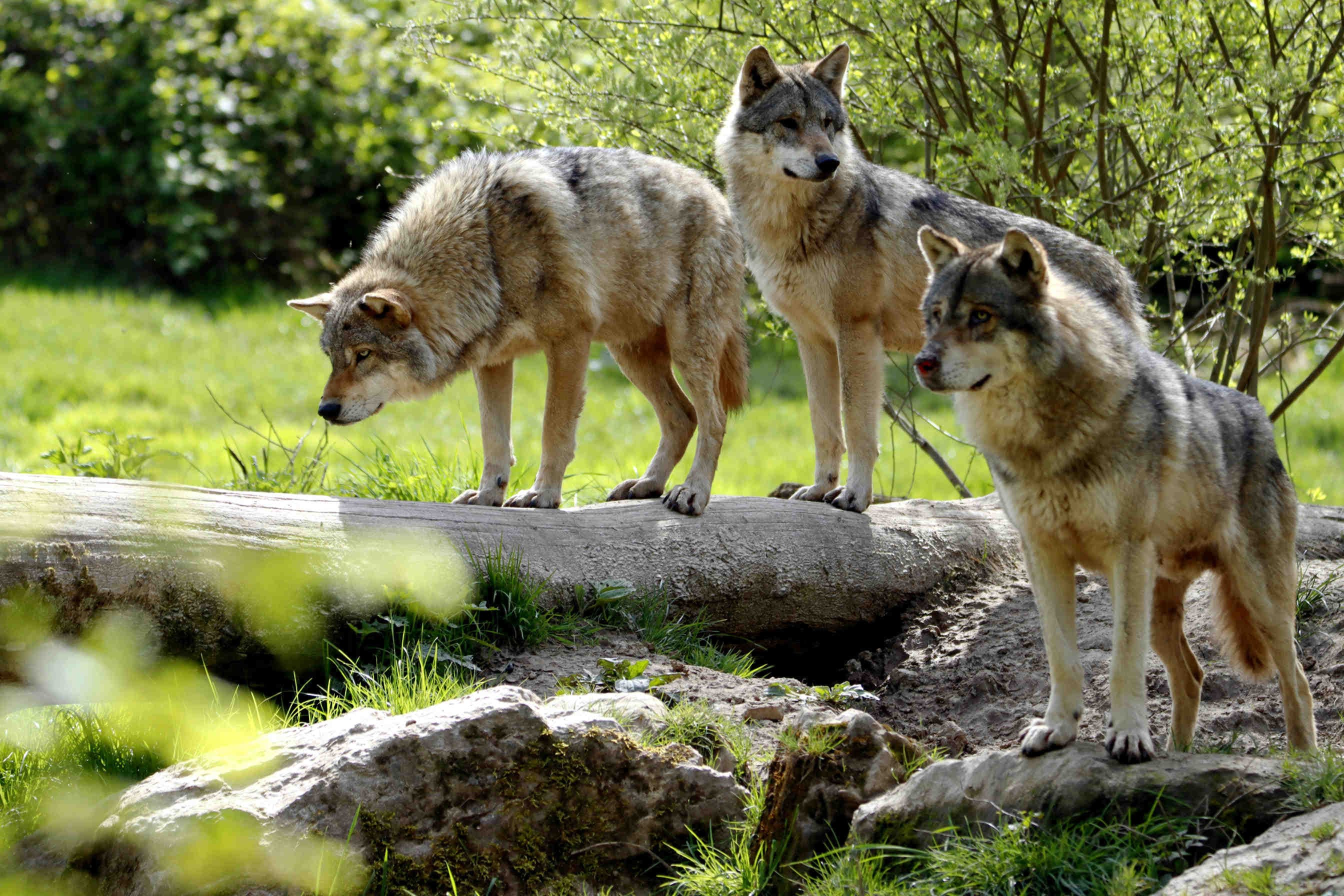
    Older animals play a crucial role in cultural and social transmission within populations, acting as repositories of vital knowledge for the group's survival. Species like elephants, orcas, and wolves depend on older individuals for information on resources, hunting techniques, predators, or migration routes. This acquired wisdom proves essential in critical conditions, such as environmental instability or resource scarcity. Additionally, seniors, due to their lower aggression, foster social cohesion and stabilize group dynamics. However, human activities like hunting, which often target the largest and oldest individuals, can severely damage social structures. For example, the killing of pack leaders in wolves leads to group instability, or the killing of old elephants reduces matriarchal knowledge and male leadership, increasing the animals' aggression.

    elefanti
    XNatura

    The ecological value of old age

    The loss of the longest-living individuals not only changes the social structure of a group but profoundly influences ecosystems, altering their structure and functions. These animals often play key roles in food webs, nutrient cycling, and ecosystem engineering processes. For instance, the decline of large, older predators, more experienced in hunting, favors excessive proliferation of herbivore populations, altering the balance and stability of many ecosystems. Thus, protecting older individuals is crucial for conserving ecological functions and biodiversity.

    lupi
    3Bee

    Conserving longevity

    Humans have caused a decline in older age classes in animal populations, removing the oldest, largest, and most experienced individuals from ecosystems. To ensure the long-term sustainability of populations and ecosystems, longevity conservation should be included in wildlife management and used as an indicator of their stability. This is often overlooked, leading to a misguided view of population health based solely on abundance and biomass targets. In a world where the average size of wildlife populations has plummeted by 73%, actions such as the establishment of protected areas, fishing regulations, and sustainable hunting policies, especially aimed at safeguarding older animals, could help. Longevity conservation of species should become a global priority.

    tartaruga
    11/12/2024Of 3Bee, Chiara Pertile
    557 Views
    Newsletter
    newsletter
    Subscribe to the Blog about bees and biodiversity

    Frequently Asked Questions

    Do you have any doubts or other curiosities about this article? Here you will find some insights