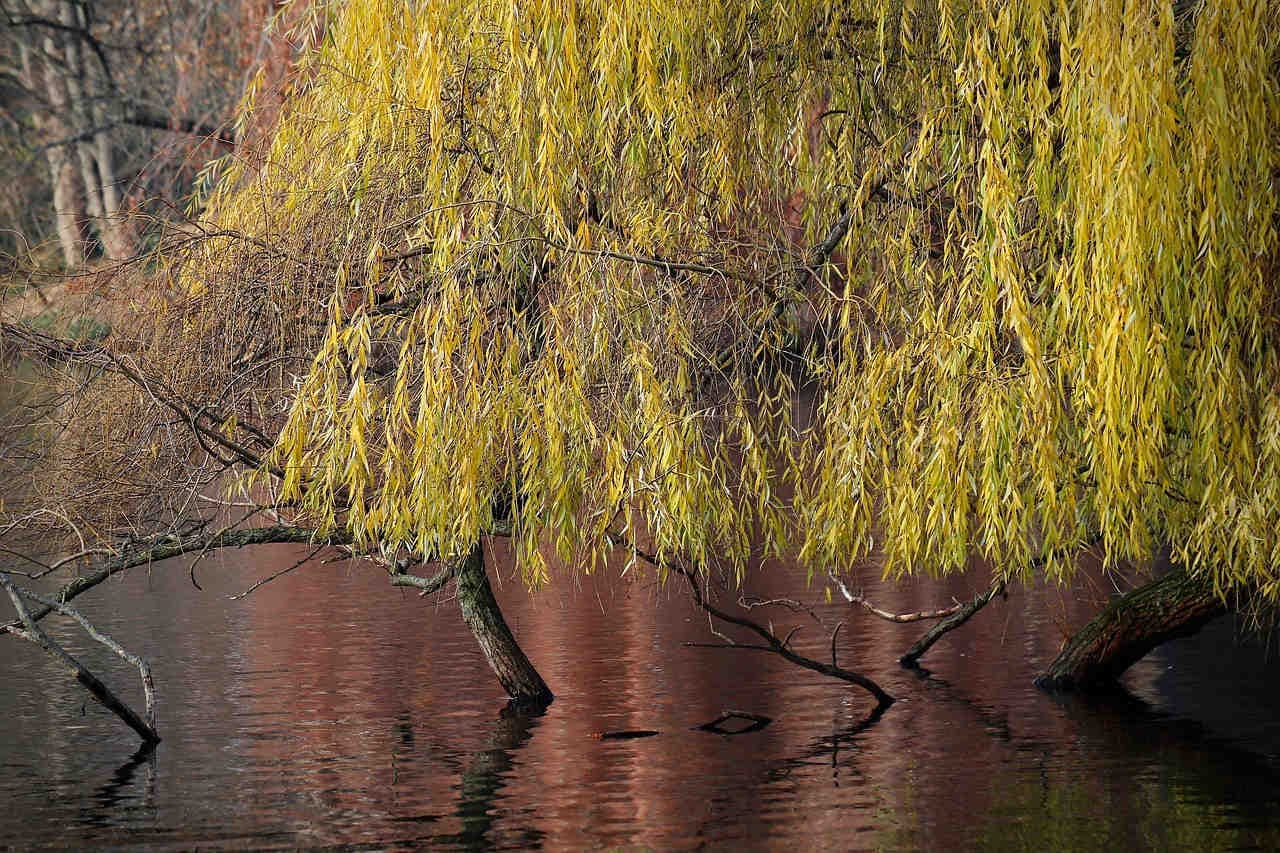
The weeping willow: the tree 'by the water'
    SaliceName originSentinelsReproduction

    The weeping willow: the tree 'by the water'

    The weeping willow is a tree that has captured the imagination of many people thanks to its elegant bearing, its presence near water and its dense, pendulous foliage. Let us discover together its characteristics, its history, and some of its curiosities and legends.

    Read the article
    24/08/2024Of 3Bee, Chiara Pertile
    3177 Views
    24/08/2024Of 3Bee, Chiara Pertile
    3177 Views

    The characteristics and spread of the weeping willow

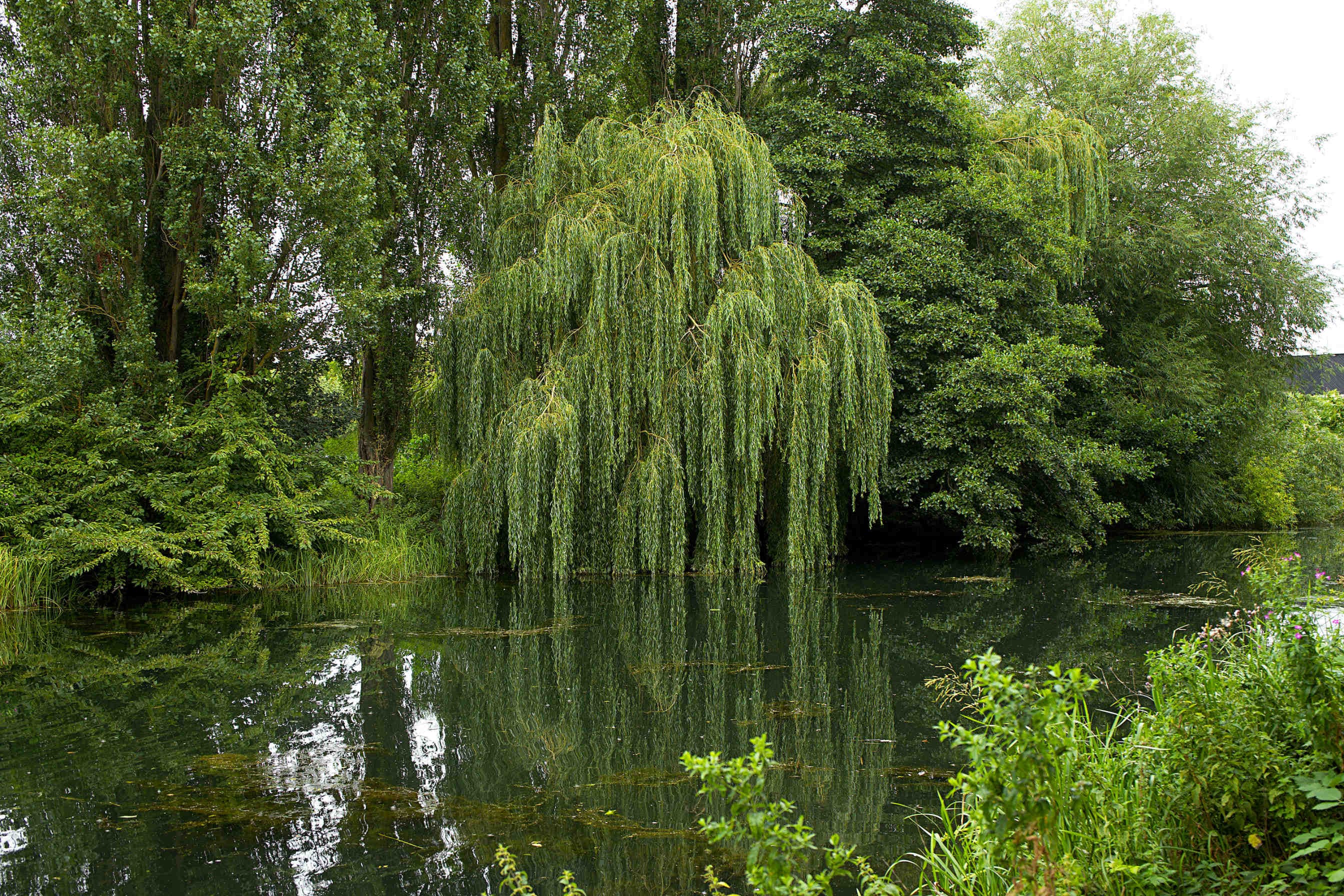
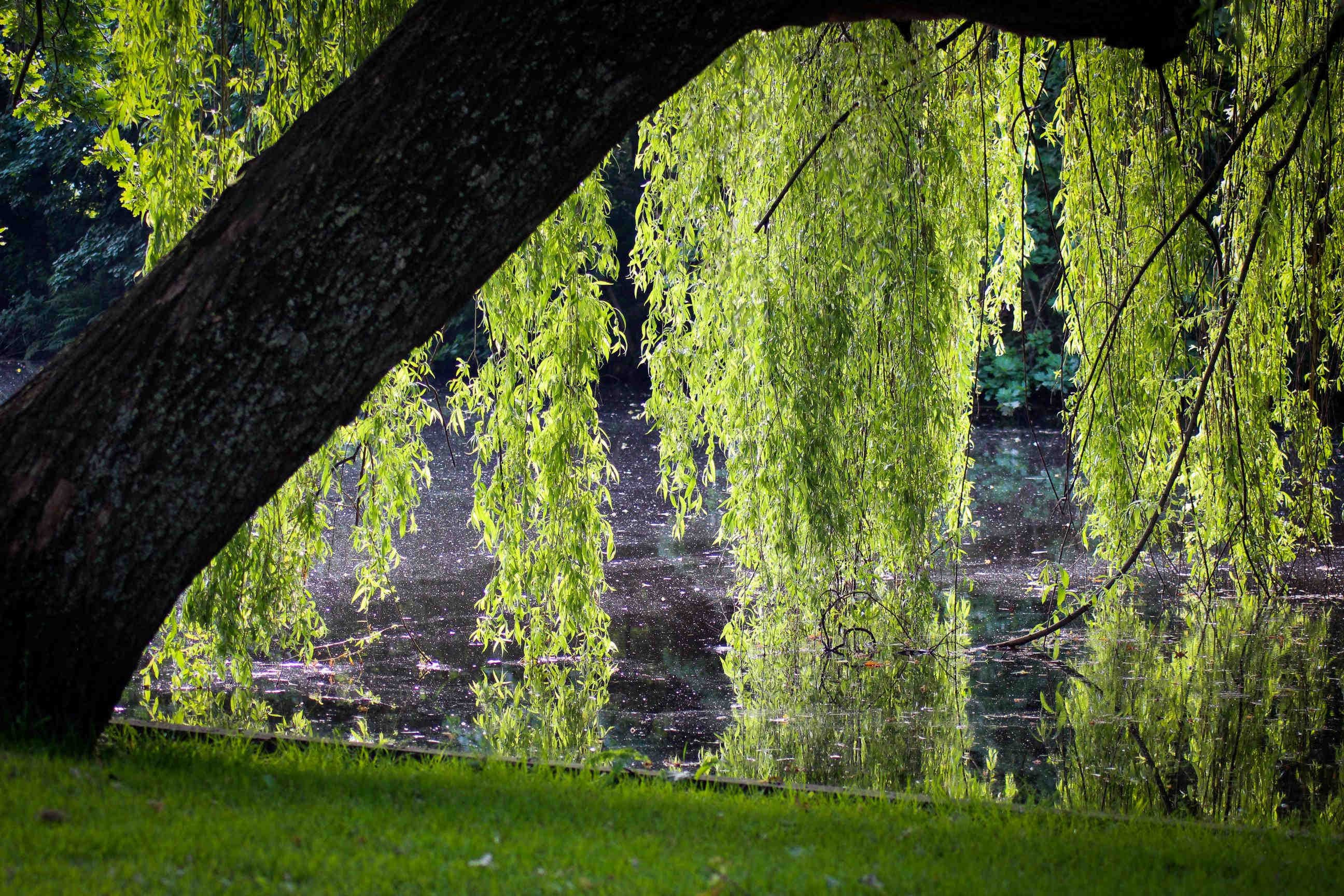
    Native to China and Korea, the Weeping Willow (Salix Babylonica) is a deciduous tree of the Salicaceae family. Normally reaching a height of 10-15 metres, it can live up to thirty years and is characterised by long, slender, flexible, pendulous branches that spill downwards and create a visual effect that symbolically recalls a 'silent weeping'. Its leaves are long, narrow and bright green, turning a golden yellow during autumn. The flowers, grouped in thin filaments, are followed by capsule-shaped fruits containing small seeds. Due to its very special appearance and its great adaptability, this tree has been used extensively in Europe as an ornamental plant. In Italy, mainly a hybrid of this tree between the species Salix babylonica and Salix alba, also known as white willow, is widespread.

    The characteristics and spread of the weeping willow

    The origin of the name

    The weeping willow probably came to Europe from Central Asia via the Silk Road, the historic trade route connecting the Chinese Empire to the Roman Empire. Its name has complex origins, intertwined with some historical and linguistic misunderstandings. The term 'Salix' comes from the Celtic tradition and means 'near water', referring to the predilection of these trees for damp environments. The term 'babylonica', on the other hand, is the result of a misinterpretation of an Old Testament psalm, which actually referred to the Babylonian poplar and not the willow.
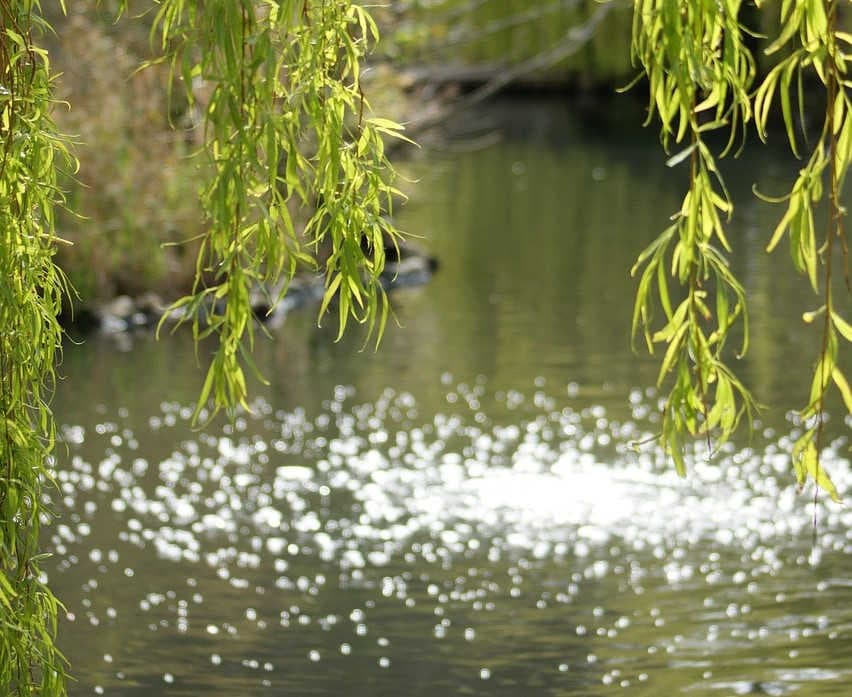
    foglie salice
    XNatura

    Water sentinel' trees

    The weeping willow is known for its particular adaptability to wet soils, a characteristic that distinguishes it from many other tree species. Unlike other plants that require good soil drainage, willows thrive in water-saturated environments, near streams, rivers, lakes, wetlands, ponds, areas with periodic flooding or even above underground water tables. They, along with other Salicaceae plants, are in fact referred to as 'water sentinels', and need the presence of wetlands to survive. The roots of willows, called phreatophytes, are able to absorb large amounts of water and resist anoxia (lack of oxygen in the soil), living for long periods in water without rotting. In addition to their roots, willows have also developed a number of adaptations to this type of ecological condition: their flexible and elastic branches are able to resist water drag and wind gusts.

    salice acqua

    The willow breeding technique

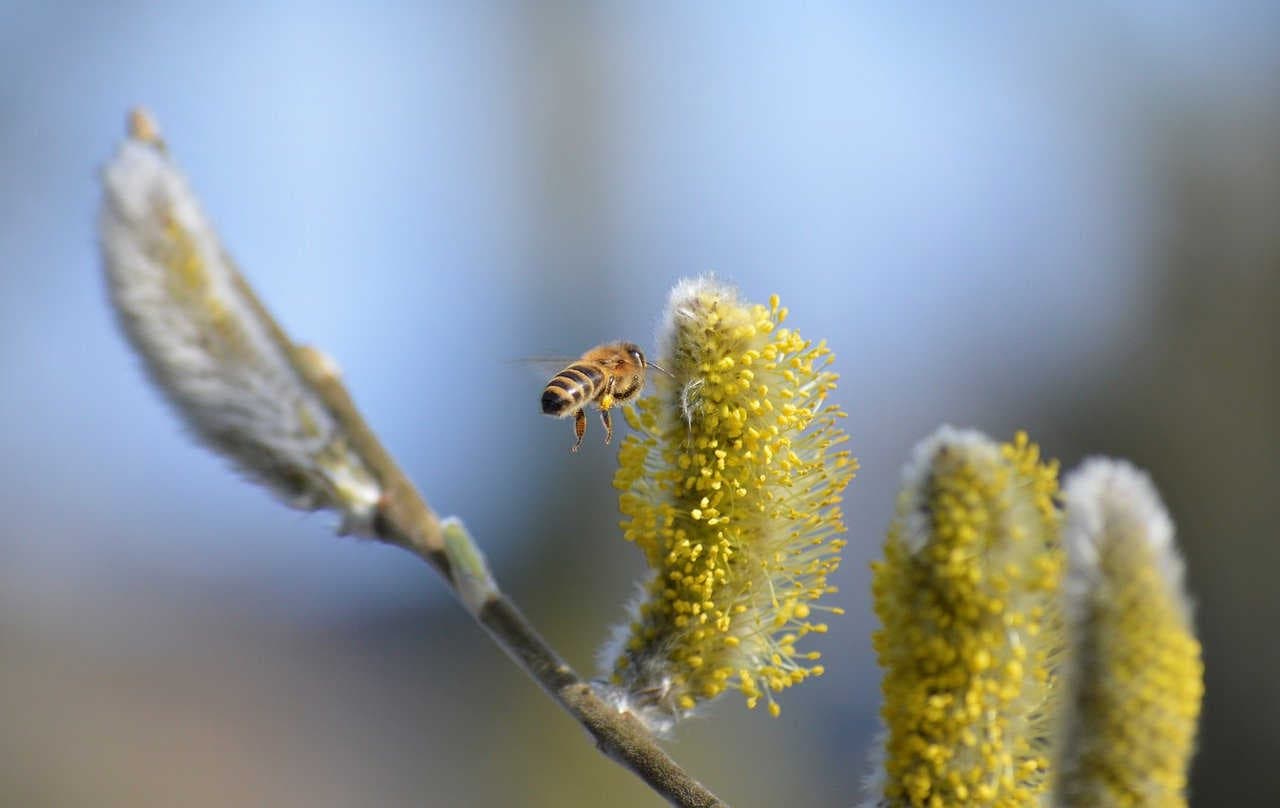
    A further adaptation developed by willows probably in accordance with a marshy environment concerns their ability to reproduce: fallen branches, transported by water or wind, can in fact easily take root in new damp soil far away from the mother plant, favouring its spread along the banks of rivers or lakes. In addition to agamic reproduction, however, willows also have sexual reproduction: they are in fact dioecious plants and female and male specimens exist. The flowers, which are called "catkins", are yellow and longer in the case of male plants, while the female ones are smaller and light green.
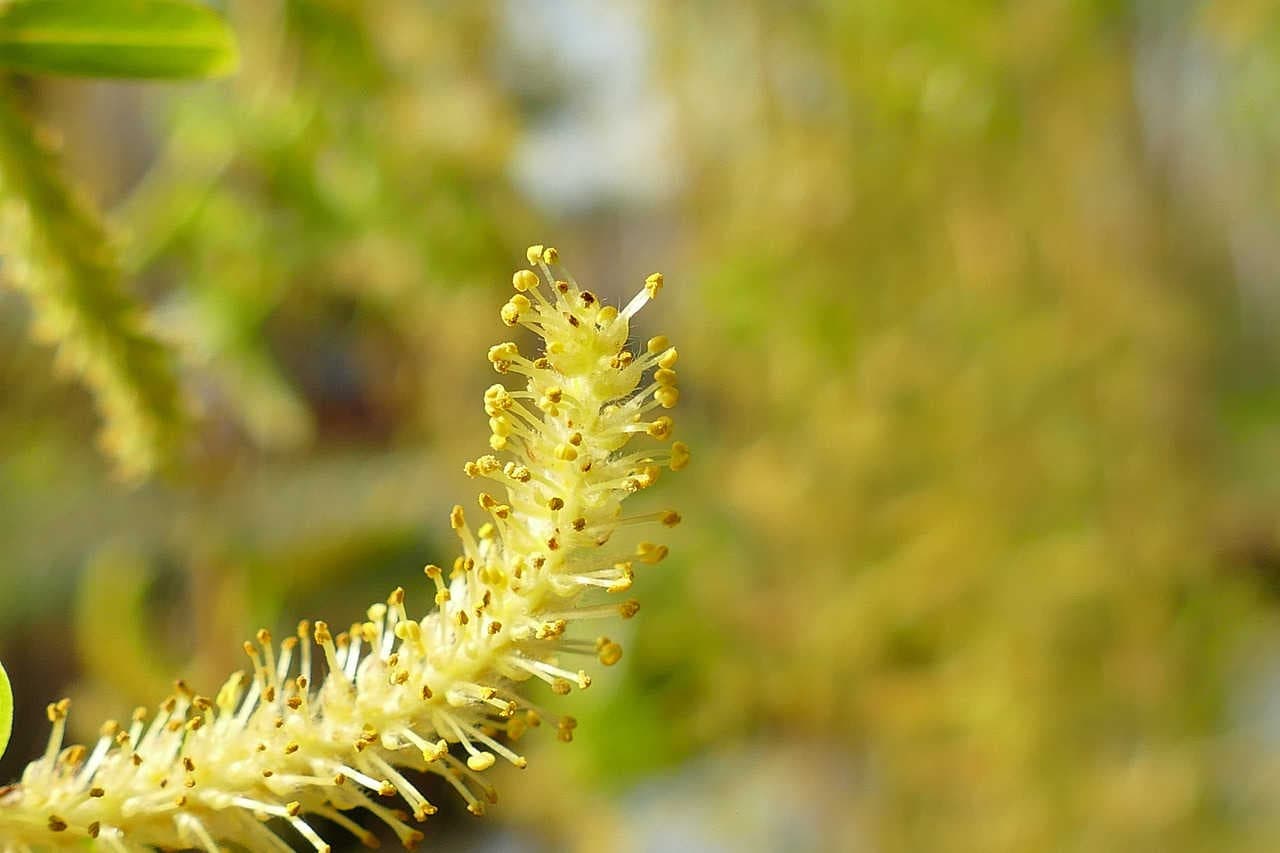
    amento
    XNatura

    How to recognise a weeping willow

    Weeping willows are easily recognised by the distinctive shape of their leaves. These leaves are lance-shaped, i.e. elongated and tapered, with serrated edges. In spring and summer, the leaves are bright green, while the underside tends to be a lighter green, tending to grey. The leaves are arranged alternately along the branches and generally measure between 8 and 15 centimetres long and 1-2 centimetres wide. The crown of the weeping willow tree is very dense, broad and oval-shaped. The bark of the tree is dark grey in colour and has evident cracks.
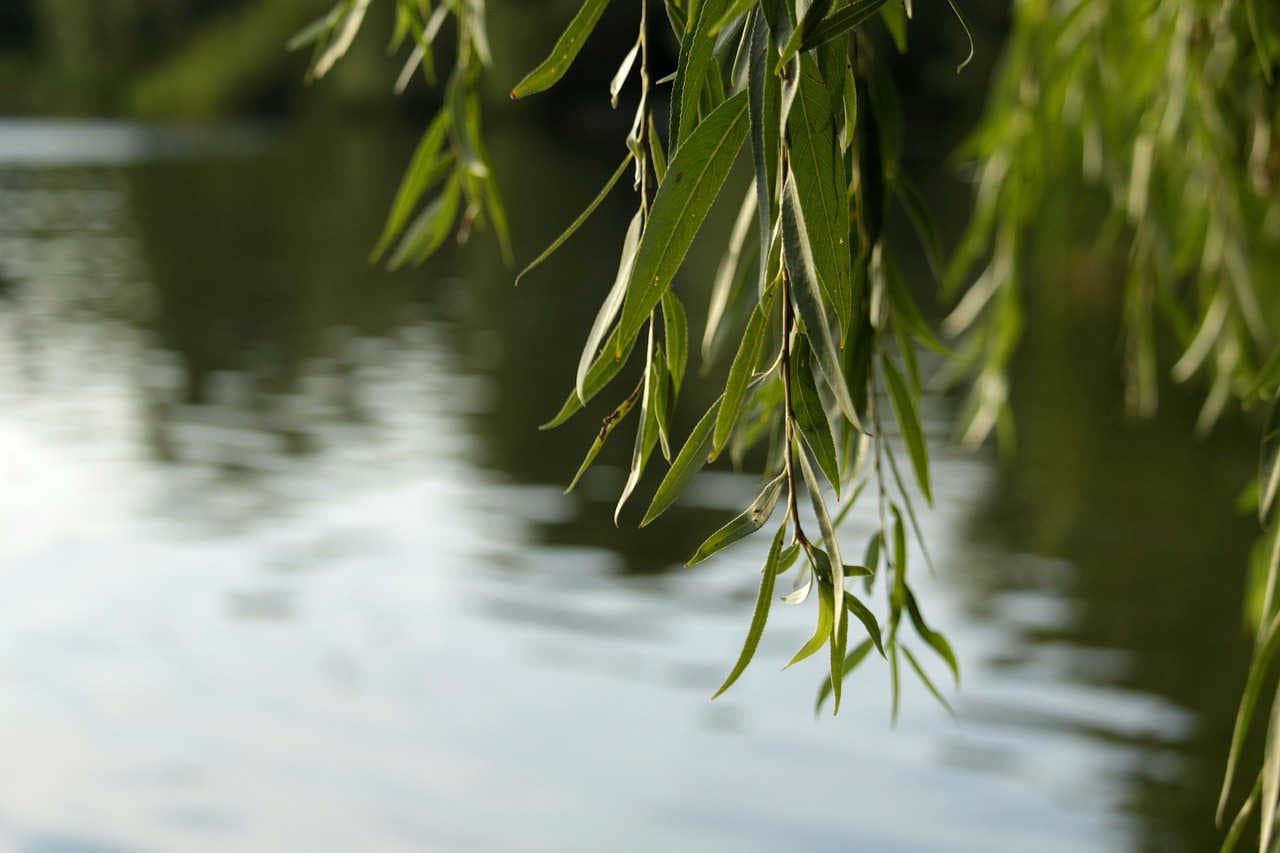
    foglie salice
    3Bee

    The ecological importance of willows

    In addition to their remarkable adaptability, willows play fundamental roles in maintaining an ecosystem. For example, they play a crucial ecological role as phytodepurators: they are able to absorb and remove harmful substances from water. In addition, willows help prevent soil erosion and improve the quality of surface water in their vicinity, also acting as a filter for heavy metals in the soil. They also curb the hydrogeological risk and river flooding due to their presence. Finally, some willows are deciduous, and their leaves, when they fall into the water, are colonised by fungi that provide nourishment for aquatic invertebrates; in addition, the shade produced by their foliage helps prevent the eutrophication of bodies of water, as it limits the excessive photosynthesis of algae.
    salix

    Legends about the weeping willow

    OIther than its great ecological importance, willows have always stimulated human imagination and creativity: in Celtic culture, for example, the willow was considered a female deity deeply connected to water and fertility whose cult remained of great importance for centuries. In ancient Greece, on the other hand, the willow was considered par excellence the tree in connection with the afterlife: its branches in fact, even if broken, regenerate and grow with ease. Again, according to a Christian story, as Jesus walked the path to Golgotha and fell under the weight of the cross, he clung to the branches of a willow tree to get up. From that moment on, the willow tree took on its characteristic shape with lowered branches, as a symbol of pain and compassion.
    salici

    Biodiversa: the 3Be game app to monitor biodiversity

    Biodiversa is the free game app for the monitoring of biodiversity and the protection of ecosystems that allows you to "collect" and easily identify the plants and flowers you come across during an outdoor walk. An ambitious project by citizen science that aims to create a cooperative archive dedicated to flora (and in a second phase fauna) in Europe, involving player users with challenges to catalogue species, some of which are rare or endangered. Available for iOS and Android, Biodiversa has a dynamic similar to that of some well-known free-to-play video games that encourage moving and travelling in the real world to 'collect' characters. In fact, the app made by 3Bee offers a gaming experience in which plants are all to be 'collected' and identified in order to collect experience points, level up and climb the leaderboard.
    ape amento
    24/08/2024Of 3Bee, Chiara Pertile
    3177 Views
    Newsletter
    newsletter
    Subscribe to the Blog about bees and biodiversity

    Frequently Asked Questions

    Do you have any doubts or other curiosities about this article? Here you will find some insights