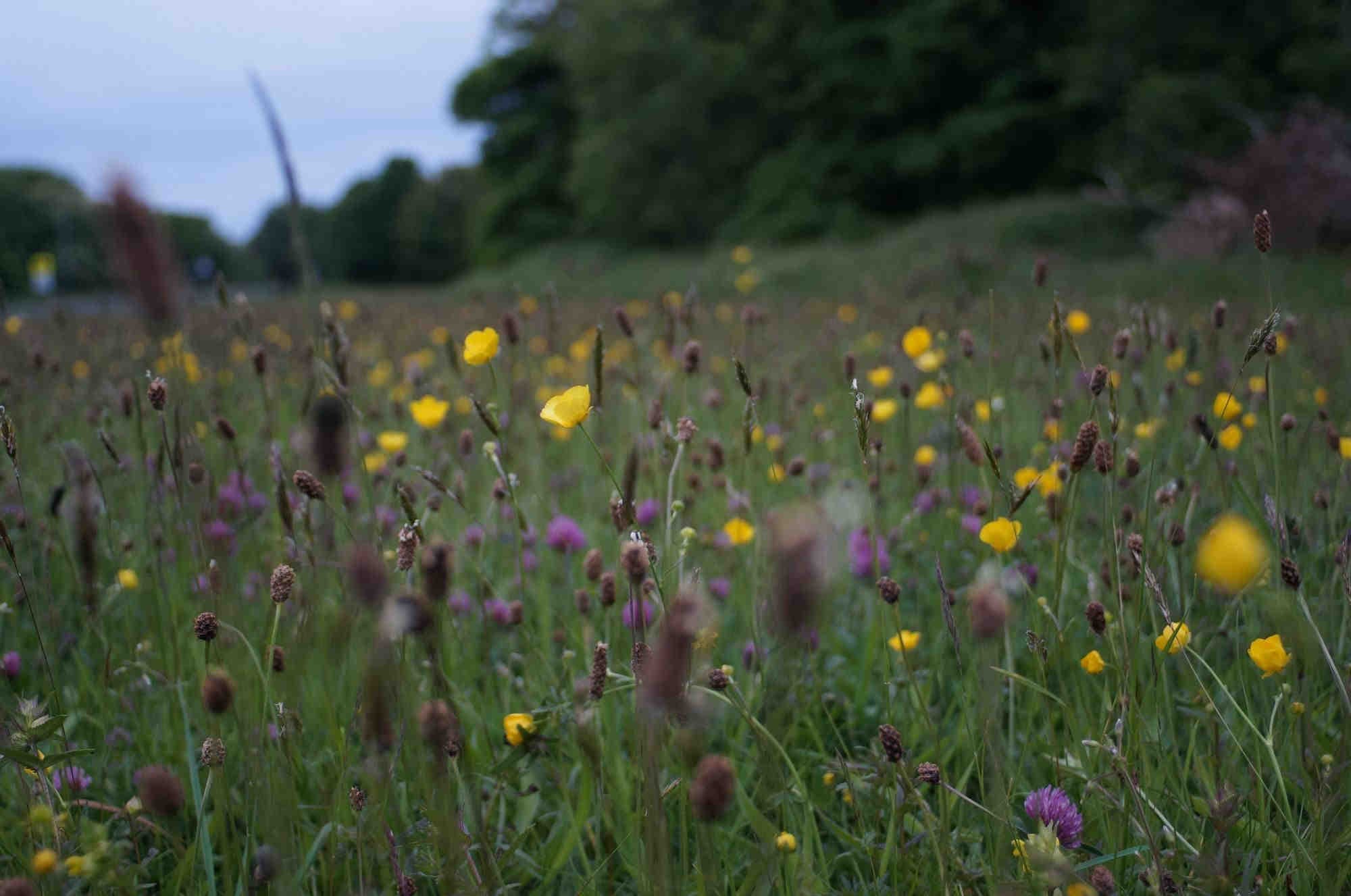
Urban Biodiversity von 3Bee
    ESSENTIALITY3BEEDAS SERVICEPERSONALISIEREN

    Urban Biodiversity von 3Bee

    3Bee promotes urban biodiversity and environmental sustainability through education and engagement. Facilities include insect hotels, pollinator beds and innovative IoT technologies. Find out more in this article.

    Read the article
    21/07/2023Of 3Bee, Elena Fraccaro
    296 Views
    21/07/2023Of 3Bee, Elena Fraccaro
    296 Views

    The urgent need to save pollinators

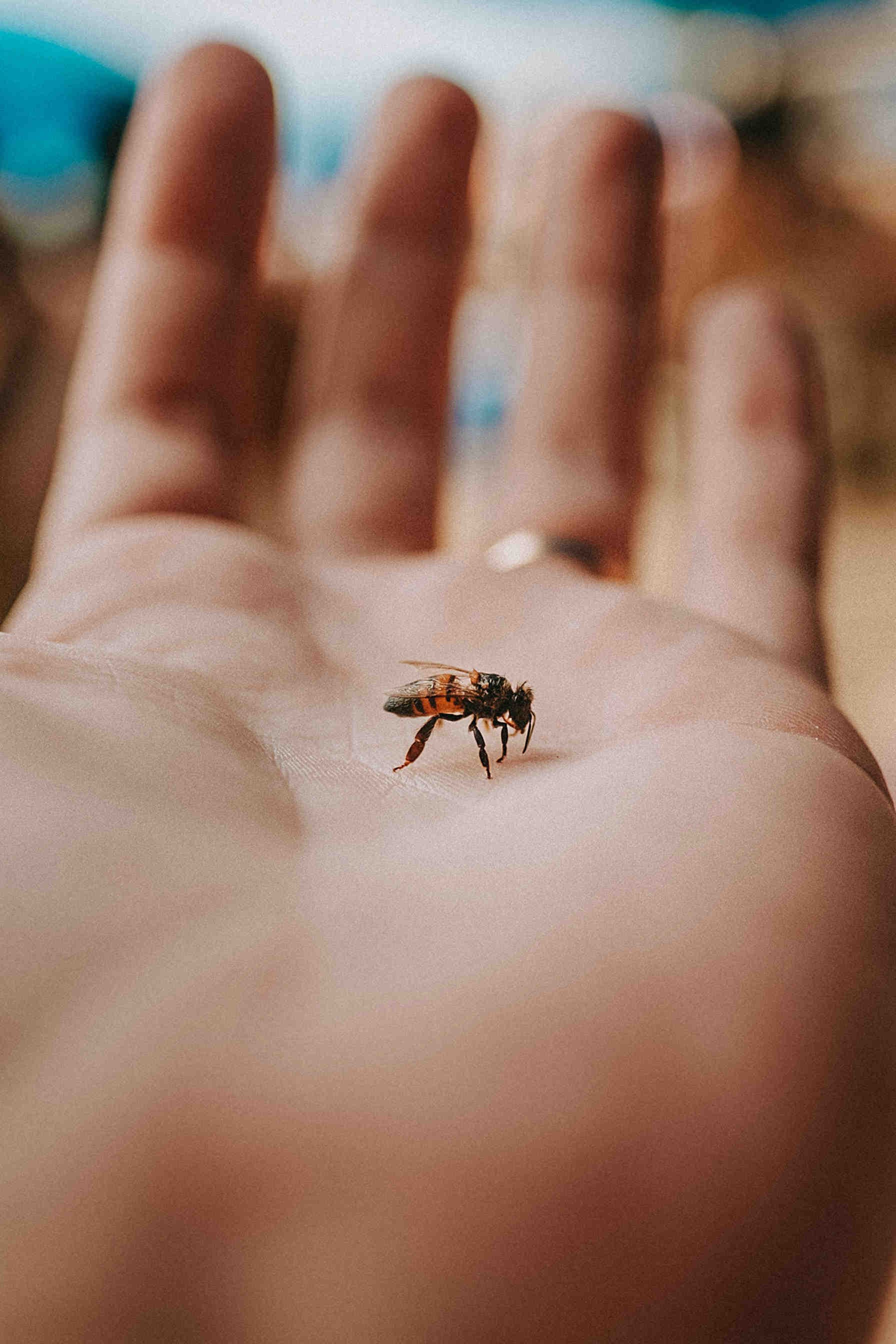
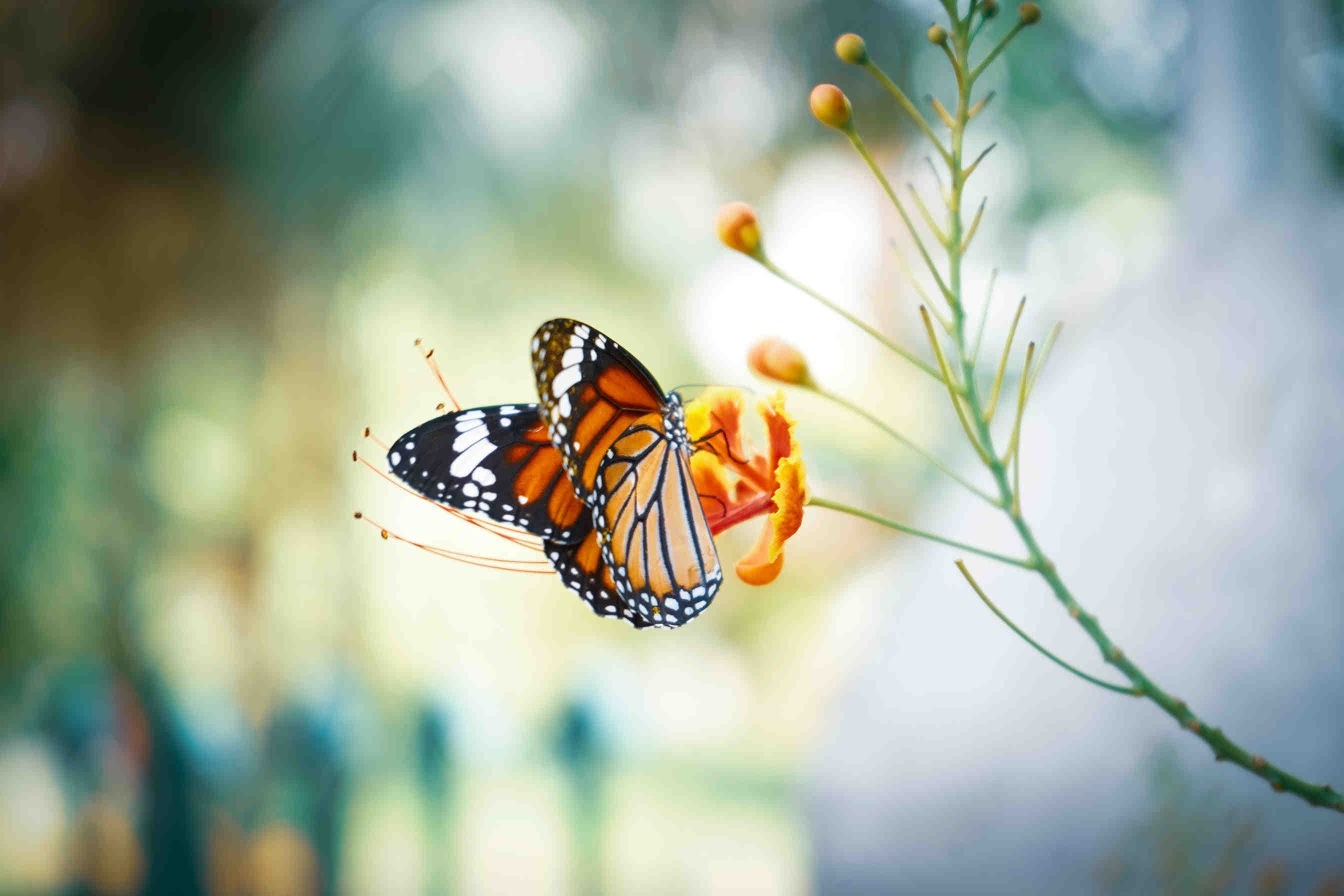
    We are facing an urgent problem: the decline of pollinators, organisms that are fundamental to our survival. Data from scientific environmental studies show a worrying decline in these species, especially bees. The main causes of this crisis include anthropogenic factors such as excessive use of pesticides, destruction of natural habitats in favour of intensive monocultures, pollution and climate change. These insects play a vital role in terrestrial ecosystems as they contribute significantly to plant diversity through pollination. Without them, many plant species would not be able to reproduce, with dramatic effects on the entire food chain and consequently on our own survival. The importance of pollinators for agriculture and human nutrition is so great that their decline could lead to a global food crisis. That's why we need to act now.
    The urgent need to save pollinators

    3Bee: a green path for companies

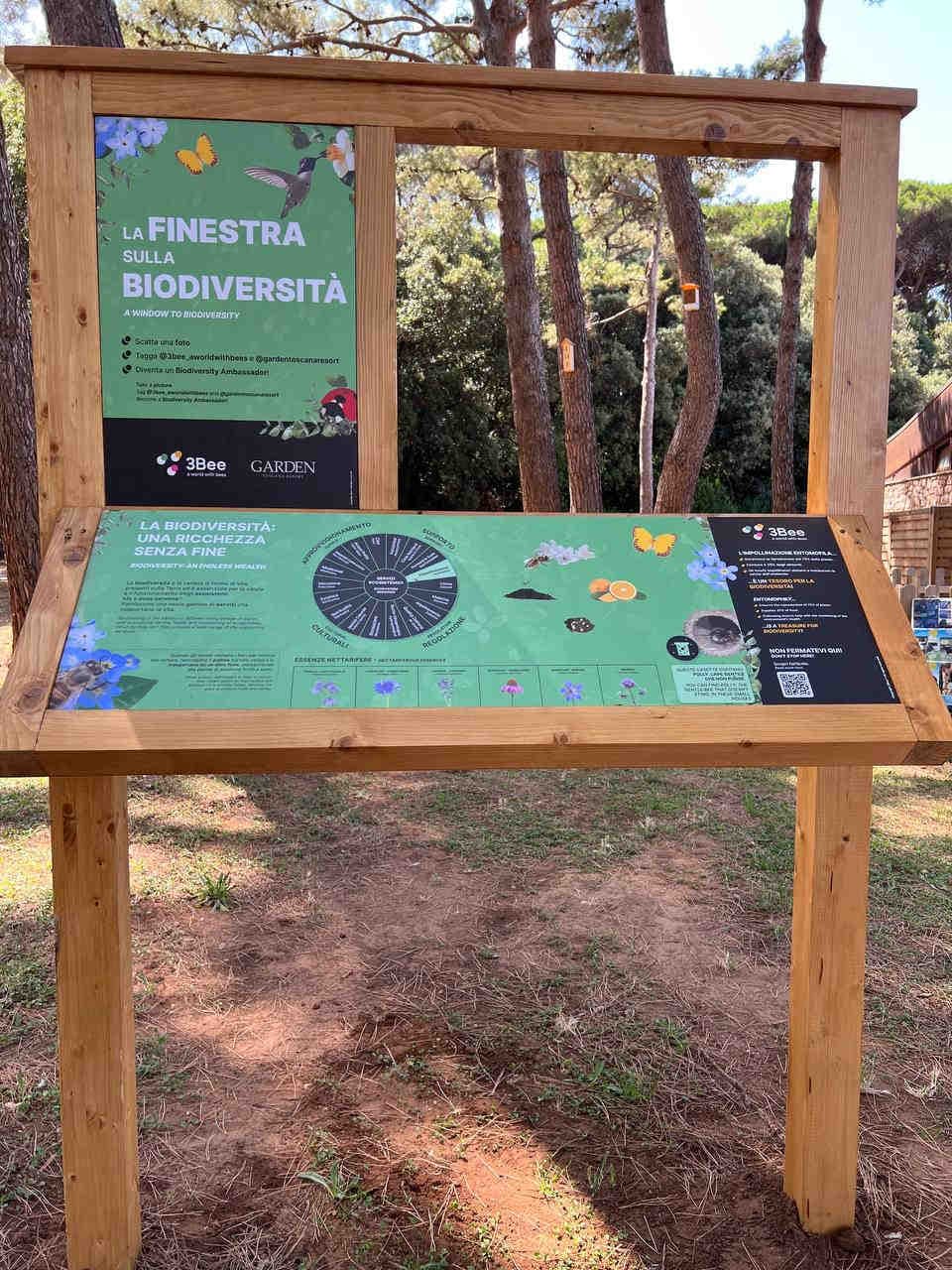
    In the age of corporate sustainability, 3Bee offers an innovative solution for companies that want to contribute to the regeneration of urban biodiversity. Through a step-by-step educational path developed by experienced agronomists and environmental engineers, companies can transform terraces, gardens or balconies of their facilities into real natural spaces, becoming bee- and biodiversity-friendly structures. These green spaces are not only havens for pollinators, but also effective teaching tools. Along the way, visitors can discover the importance of pollinators for our ecosystem through insect hotels, special structures that harbour different species of insects. Each insect hotel has information material aimed at both adults and children, turning the walk into an educational adventure about sustainability and biodiversity.

    3Bee: a green path for companies
    XNatura

    Urban Biodiversity von 3Bee

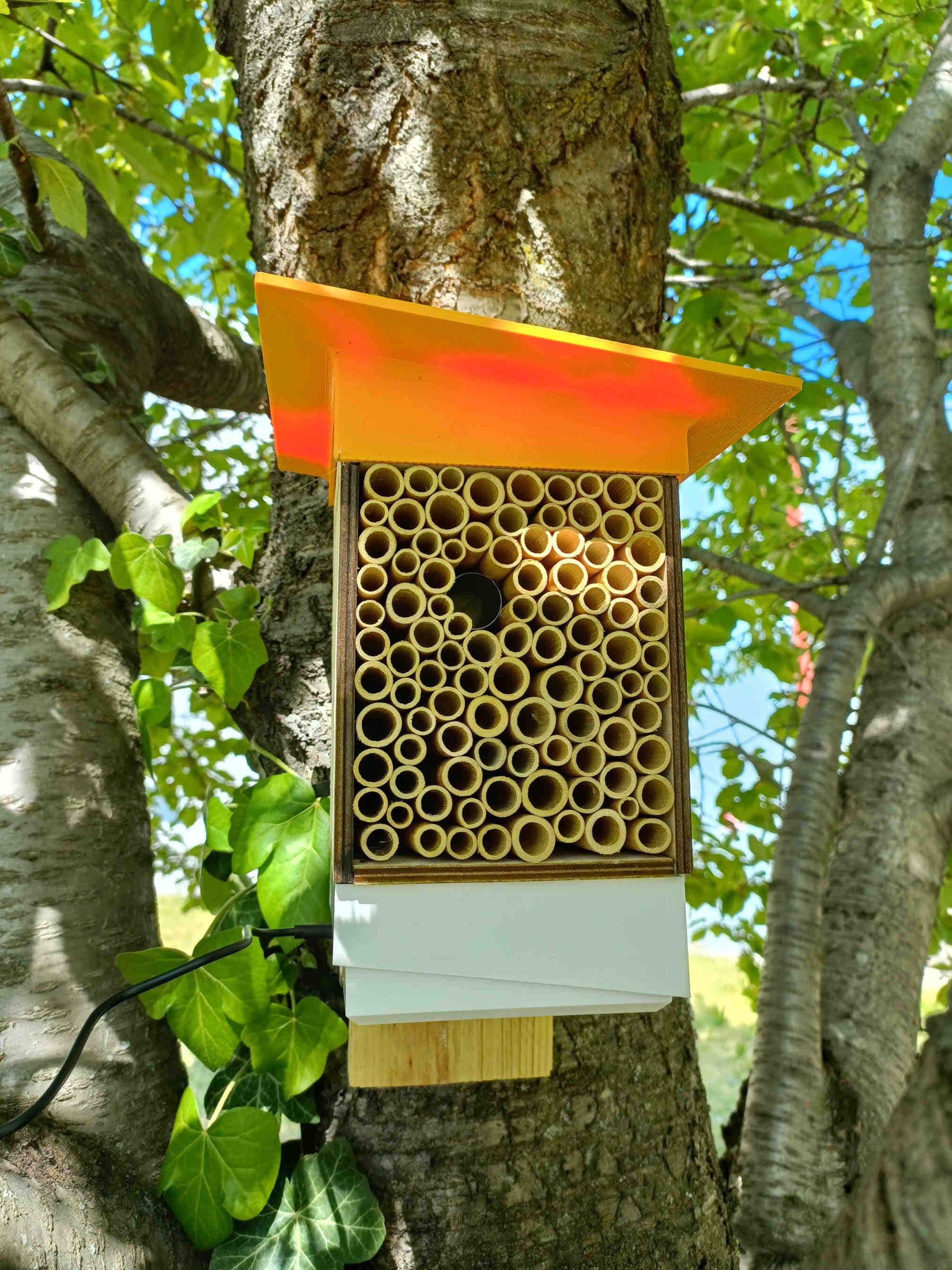
    In the Urban Biodiversity experience proposed by 3Bee, various elements are combined to create a microcosm of urban biodiversity. These include the Polly Houses, PFSC-certified wooden houses, safe dwellings for Osmie Bicornis, a solitary, harmless bee species. These small, eco-designed houses are the result of the work of a team of children with mild disabilities working with 3Bee. The butterfly and ladybird houses also promote the conservation of these pollinators, which are vital for plant reproduction and biodiversity. 3Bee also presented the Polly X, a technical Polly equipped with an air quality monitoring system. This tool helps companies to monitor the environment and emphasises the importance of pollinators as bioindicators for the ecosystem, as real signals of the health of the environment.

    Urban Biodiversity von 3Bee

    Personalise your urban biodiversity experience

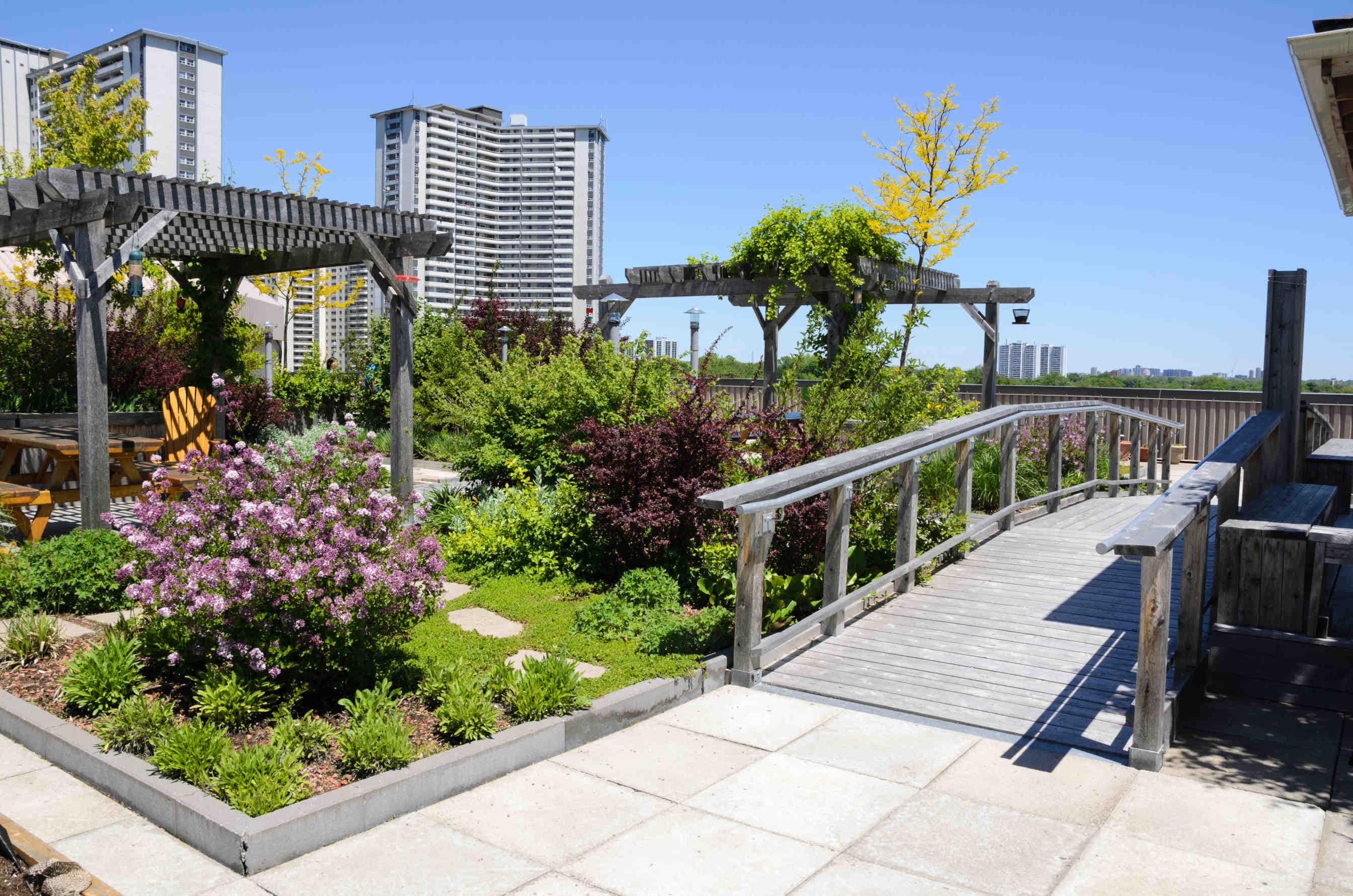
    3Bee offers several options for the realisation of the Urban Biodiversity Experience, each with its own specific configuration: "Urban Biodiversity Trail 1" includes three solitary bee houses, a butterfly house, a ladybird house, five information signs and three pollinator corners with flower cells. The "Urban Biodiversity Trail 2" includes the same equipment as Trail 1, but with one additional element: a 50 metre long wall with barbecue nets and climbing plants. Urban Biodiversity Path 3 proposes a more radical transformation: a terrace covered with grass and tall trees that transforms unused areas on the roofs of buildings into veritable rooftop oases. These oases of biodiversity represent a synergy between natural spaces and the city. The benefits are manifold: promoting ecological balance, increasing urban biodiversity, thermal insulation, reducing air pollution and more.

    Personalise your urban biodiversity experience
    XNatura

    Additional experiences to promote biological diversity

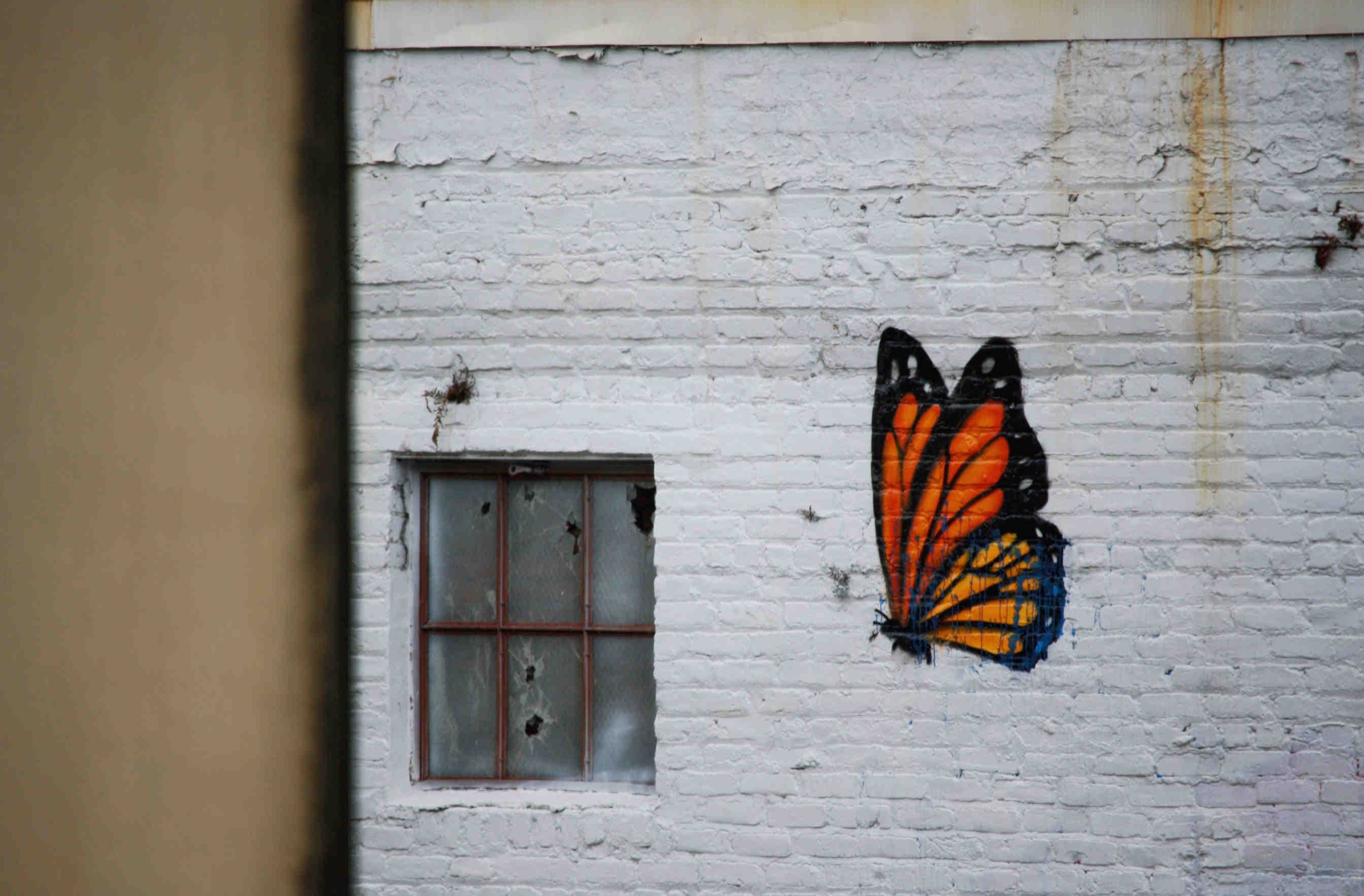
    The 3Bee urban biodiversity experience can be further enhanced through activities that raise awareness of the need to preserve biodiversity. One of these is the creation of a nectar oasis for wild pollinators, an opportunity to highlight the importance of biodiversity and the regeneration of nectar meadows. As part of this initiative, each employee receives a bag of bee-friendly seeds that he or she can plant at home or take to the company's green spaces to create the company's biodiversity oasis together. The aim is to get involved in nature conservation, promote ecological sustainability and strengthen the sense of community among employees. Another way to promote biodiversity is through art. The walls around the company oasis can be decorated with murals depicting Pollinator Towns.

    Additional experiences to promote biological diversity
    3Bee

    The advantages for companies

    3Bee's "Urban Biodiversity" project brings a number of concrete benefits for companies. The integration of IoT technology makes it possible to digitise bees and monitor them in real time. This virtual oasis becomes an information hub that can be accessed by employees, users, customers and stakeholders. It can be used to adopt beehives across Italy, download educational e-books about the world of insects and offer sustainability academies for employees. The implementation of an urban biodiversity project underlines a company's sustainable commitment, which can be recognised by international certifications such as LEED and BREEAM, as well as reporting standards such as GRI and ERSF. The creation of a sustainable community, the involvement of tenants and the sharing of best practices in the field of sustainability make for a more stimulating and attractive working environment.

    The advantages for companies
    21/07/2023Of 3Bee, Elena Fraccaro
    296 Views
    Newsletter
    newsletter
    Subscribe to the Blog about bees and biodiversity