Amazon rainforest: regenerate to avoid Tipping Point
    IntroStudiesTipping PointDifficulties

    Amazon rainforest: regenerate to avoid Tipping Point

    In this article, we will analyse new studies on the state of the Amazon rainforest and CO2 absorption, take a look at the behaviour of the major powers, and provide 3Bee examples of how to monitor and regenerate the biodiversity of a heavily declining territory.

    Read the article
    24/01/2023Of 3Bee, Elena Fraccaro
    566 Views
    24/01/2023Of 3Bee, Elena Fraccaro
    566 Views

    Overview of Amazonia and its decline

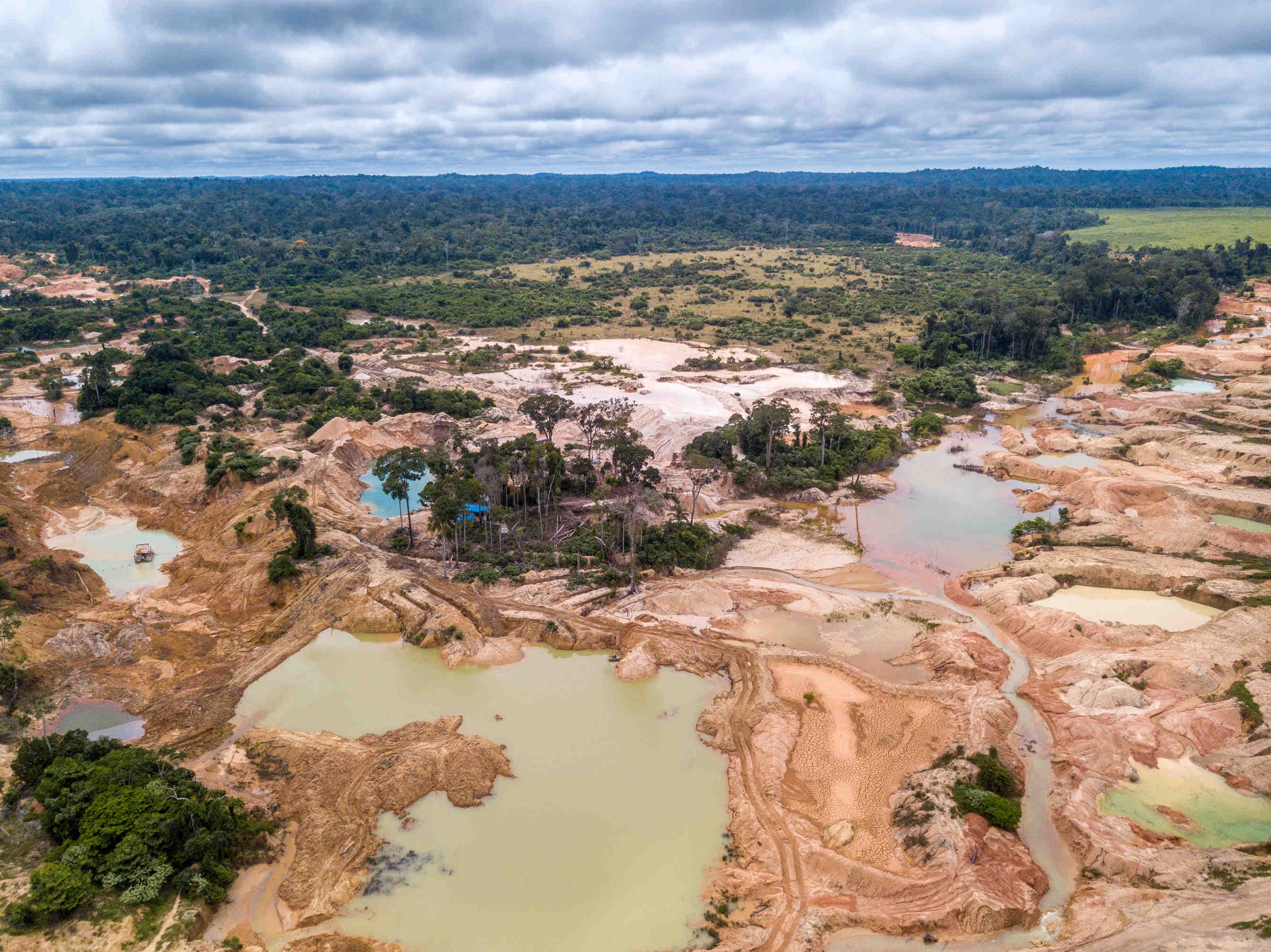
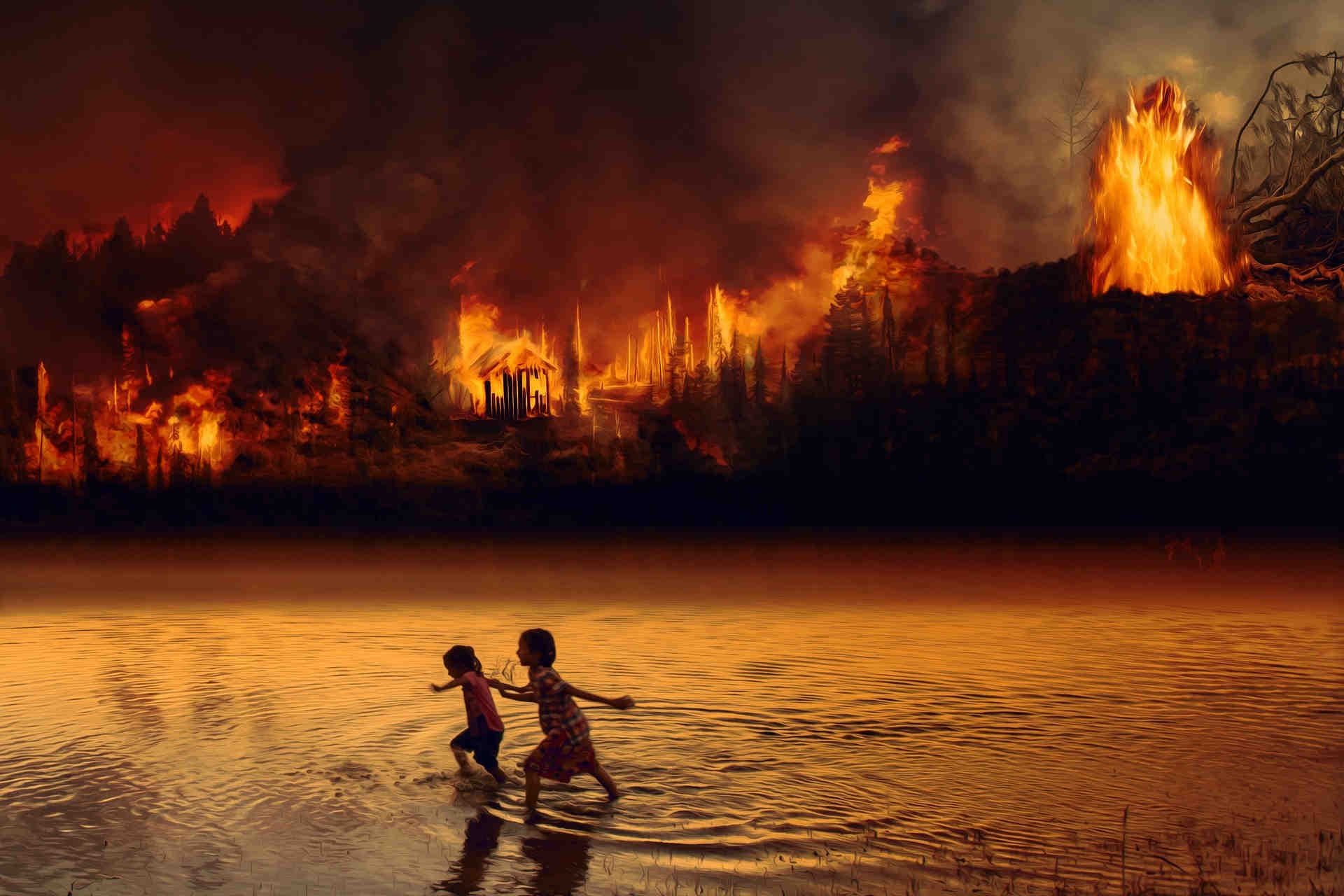
    For years now we have been hearing about how the Amazon is the great 'green lung' of our planet, fundamental for our survival. However, along with these assertions is always emphasised its being in danger. This is absolutely true. The effects of this decline are evident. It is estimated that 17% of the Amazon has been lost since 1970. There are many reasons for this: deforestation, unsustainable agriculture, intensive livestock farming, climate change and man-made fires (about 40,000 in 2019). It is important to remember that the world's largest rainforest is not only a reservoir of carbon dioxide (capable of storing up to 140 billion tonnes of carbon dioxide, equivalent to about 10 years of global emissions), but also the home of p indigenous peoples and more than 10 million species of plants and animals, including some of the most threatened on the planet.
    foresta amazzonica

    The studies of Luciana Vanni Gatti

    The studies of Brazilian Dr. Luciana Vanni Gatti have further alarmed scientists, the media and politicians around the world. Her research was based on a different point of view. Until then, in fact, the Amazon and the amount of carbon dioxide had been analysed either by means of satellites, or through the ground, thus with the lowest layers of that ecosystem. Instead, the researcher conducted her studies on the tree crowns, thus the uppermost layer. In doing so, she was able to measure a net emission of about 300 million tonnes of carbon per year, considering only the carbon released by the decomposition of plant matter. It then emerged how the Amazonian forest is growing not fast enough compared to the amount of carbon dioxide emitted into the atmosphere.

    The studies of Luciana Vanni Gatti
    XNatura

    Tipping Point

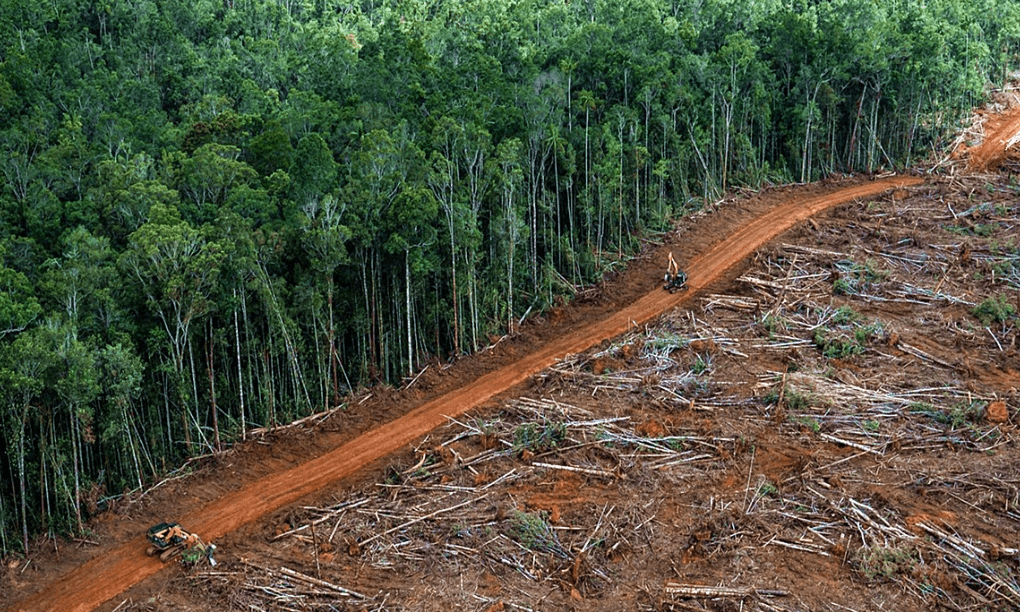
    Tipping point is a term used in various fields, including climatology and ecology to indicate a point of no return beyond whicha system undergoes irreversible changes and stabilises in a new state. In the last 50 years, 17% of Amazonia has been converted to crops or pastures, an area twice the size of Italy. According to scientists, if this percentage were to reach 20-25%, the Amazon would turn into a shrub savannah within a few decades. Deforestation is also disrupting the forest's moisture cycle, causing increasingly frequent and long periods of drought. Moreover, if the forest stopped recycling its moisture, weather anomalies would risk causing effects much further afield and trigger other tipping points in a chain, causing climate scenarios that have not been observed for millions of years. We are therefore facing a"climatic" and "ecological" tipping point.

    deforestazione

    Regenerating is not easy

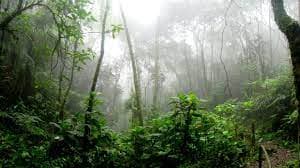
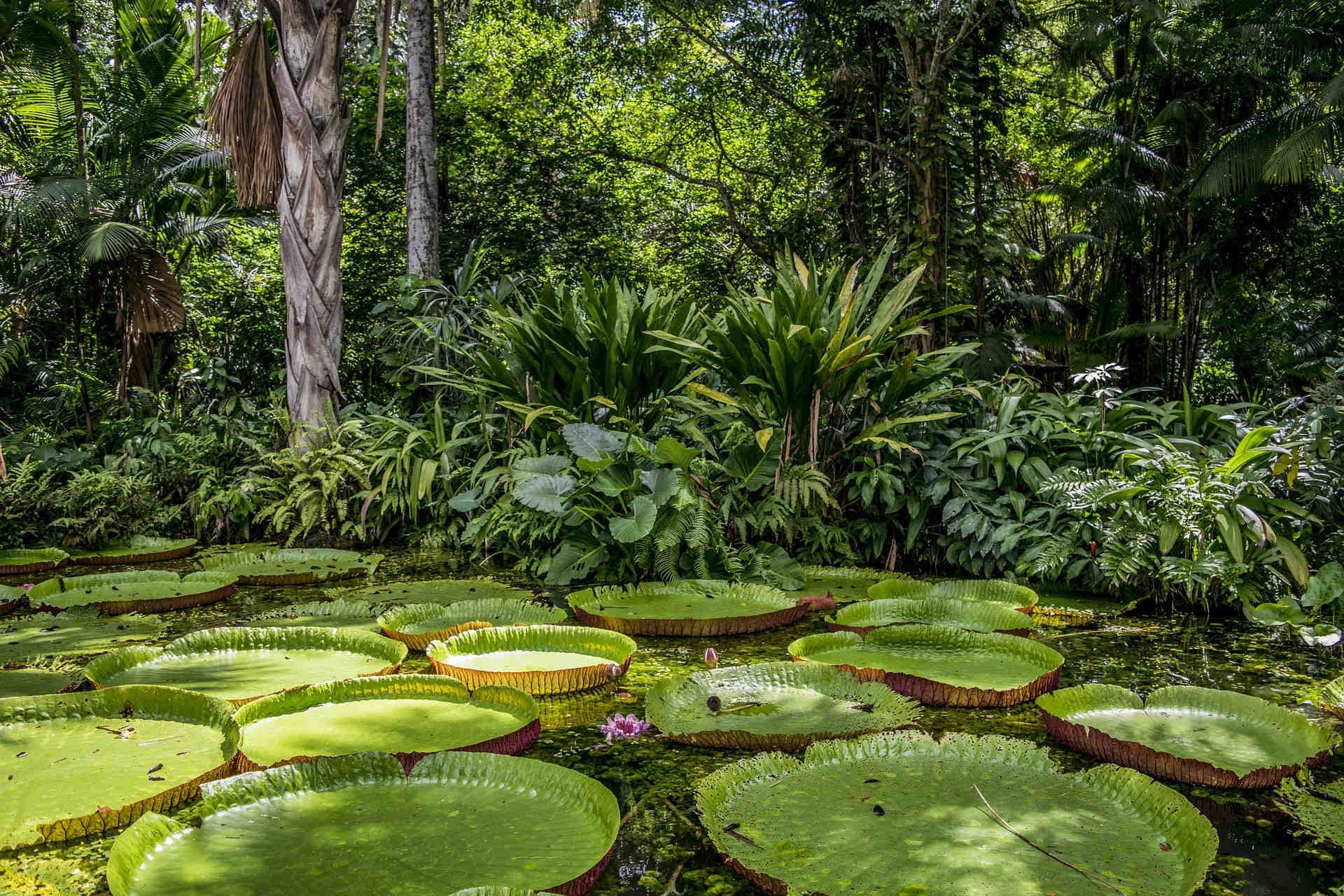
    To think that areas that have not been completely destroyed can recover effectively simply by leaving them free to grow without human and scientific input is somewhat incorrect. The difference between an intact forest and one after the passage of man is now clear. In the first case, the environment is healthy, fresh and with a sparse undergrowth, obscured by thick foliage. In the second, on the other hand, especially after a fire, the forest base turns into an impenetrable maze of bamboo and lianas, where thebalance between species is unbalanced in favour of the opportunistic pioneer species that endure drier conditions. All at thedisadvantage of the Amazonian giants characterised by slower growth and capable of storing more carbon. To make matters worse, there is the growth of alien herbaceous species.
    amazzonia
    XNatura

    The role of enterprises

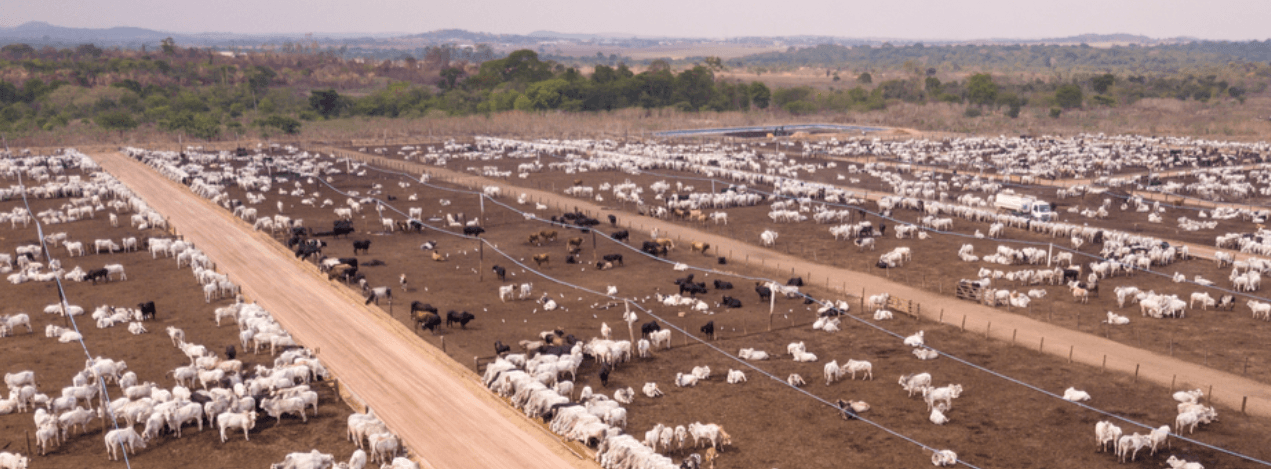
    Businesses also have an important role to play in reversing its decline, e.g. by using renewable energy, avoiding deforestation, reducing their own emissions and investing in quantifiable, traceable and scientifically sound reforestation projects. In particular, the north-eastern areas of the Amazon are still heavily used for cattle grazing or soybean cultivation. It is estimated that 77% of soya crops are used as feed for animals raised for food. This continuous destruction occurs thanks to falsification of documents and bribe payments to local authorities. Intense production of cocoa, coffee and bananas also leads to unsustainable monocultures for local biodiversity and C02 absorption, not to mention the use of phytosanitary substances that affect water, plants and animals.

    allevamenti amazzonia
    3Bee

    Regenerating with 3Bee

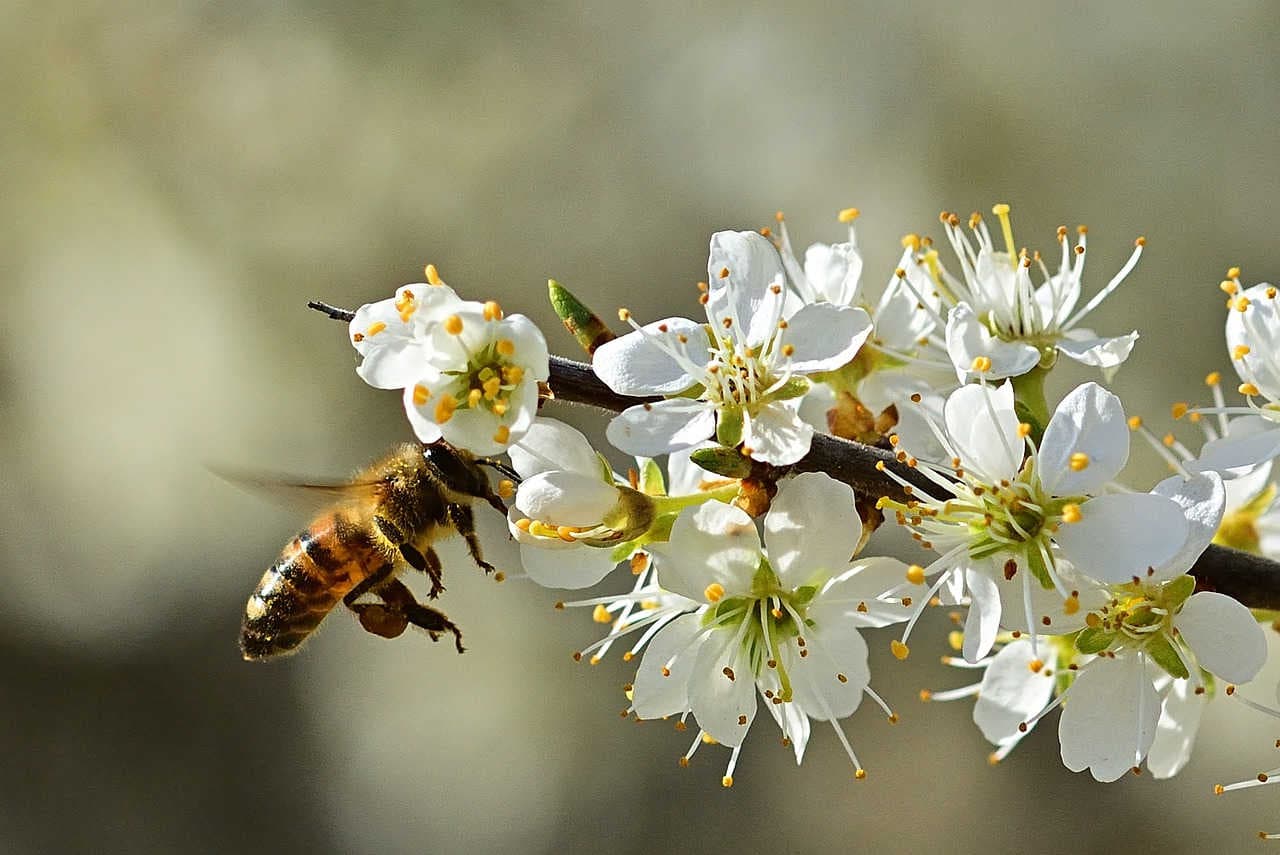
    In 3Bee our mission is to regenerate biodiversity. We started with the protection of pollinators to broaden our spectrum. Science and data analysis has always come first. This is why we consider Dr Gatti's discovery to be of great value. For a year now, we have started several projects, including the planting of nectariferous trees on Italian territory, which is also heavily damaged by intensive agriculture, fires, floods and deforestation. We have also developed monitoring systems to safeguard our ecosystem. Biospectrum: an automatic fauna counting system that uses artificial intelligence to recognise the type of animal. Terra: a Neural Networks system for analysing plant biodiversity across 3 European states, in collaboration with ESA. Finally, with the Net Zero pathway, we aim to certify the regenerative footprint and strongly incentivise Agri-Voltaic.

    marruca
    24/01/2023Of 3Bee, Elena Fraccaro
    566 Views
    Newsletter
    newsletter
    Subscribe to the Blog about bees and biodiversity