The Severn Estuary Tidal Power Project: Challenges and Risks
    LagoonTidesAdvantagesRisks nature

    The Severn Estuary Tidal Power Project: Challenges and Risks

    The Severn Estuary tidal power project is at the centre of a debate on the future of renewable energy in the UK. Some see it as an innovative solution, while others raise concerns about costs and environmental impacts. We find out the details of this proposal.

    Read the article
    20/03/2025Of 3Bee, Angelina Tortora
    393 Views
    20/03/2025Of 3Bee, Angelina Tortora
    393 Views

    A lagoon to harness tidal energy in the UK

    Disclaimer: this is an automated translation from Italian. Go to the original article.

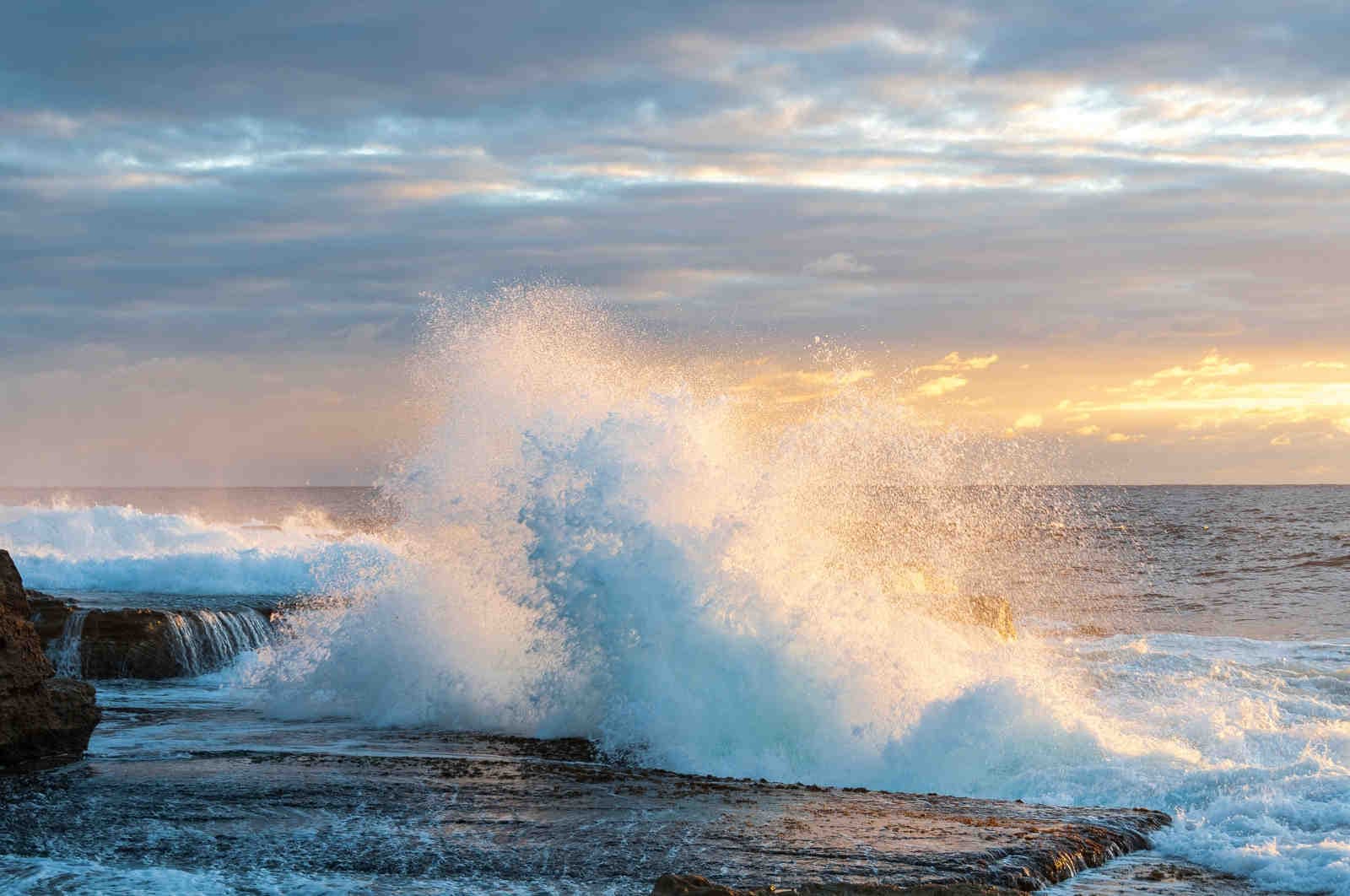
    According to a recent report by the Severn Estuary Commission, the UK and Wales should support the creation of a tidal lagoon to generate electricity. This proposal aims to exploit the potential of tides in the Severn Estuary, one of the areas with the highest tidal range in the world. Compared to building a large dam, this solution appears less invasive and potentially cheaper, with the possibility of being implemented as a commercial demonstration project. The Commission points out that such a project could stimulate the local economy and improve understanding of tidal-based renewable energy. However, the challenges are not few, as predictions for future electricity demand in the UK are increasing, making it essential to find sustainable alternative energy solutions.
    Piano di energia dalle maree e preoccupazioni ambientali

    What is tidal energy?

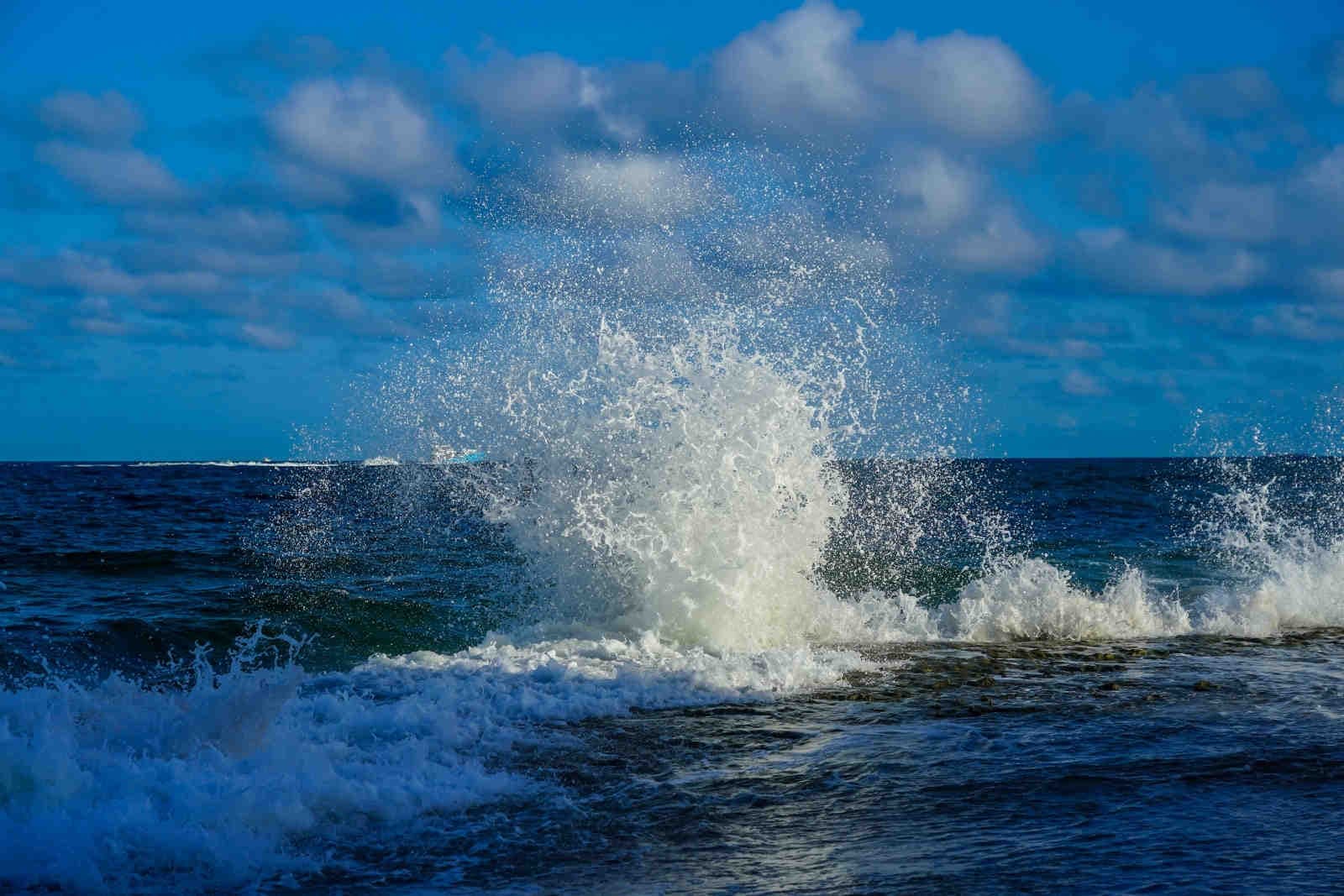
    Tidal energy is a clean and inexhaustible source of renewable energy that harnesses the movement of the tides to generate electricity. This energy offers a sustainable alternative to fossil fuels, with a great deal of as yet untapped potential. Marine energy comes in different forms, including sea current energy, chimoelectric energy (of waves), thalassothermal energy and osmotic energy. Since antiquity, tidal energy has been used in tidal mills, exploiting changes in sea level caused by the gravitational effect of the Moon and Sun. The movement of water can move billions of tonnes of water, generating reusable, low-cost energy with enormous potential for a sustainable energy future.

    Che cos’è l’energia mareomotrice?
    XNatura

    The advantages of tidal lagoons over dams

    The tidal lagoons, unlike traditional dams, consist of a wall built around a bay or along the coast to capture water when the tide rises. At low tide, the water is released, spinning turbines to generate energy. This system allows tidal energy to be harnessed more flexibly and with less environmental impact. However, the Swansea Bay lagoon plan, which was supposed to be the first of its kind in the world, was rejected in 2018 by the UK government, which deemed it too expensive. Nonetheless, the Severn Estuary Commission suggests that collaboration between the Welsh and UK governments and the private sector could lead to the creation of a smaller lagoon that can demonstrate the feasibility of tidal power without compromising the ecosystem.

    Energia dalle maree: potenziale economico e sostenibilità

    Environmental Concerns and Risks to Nature

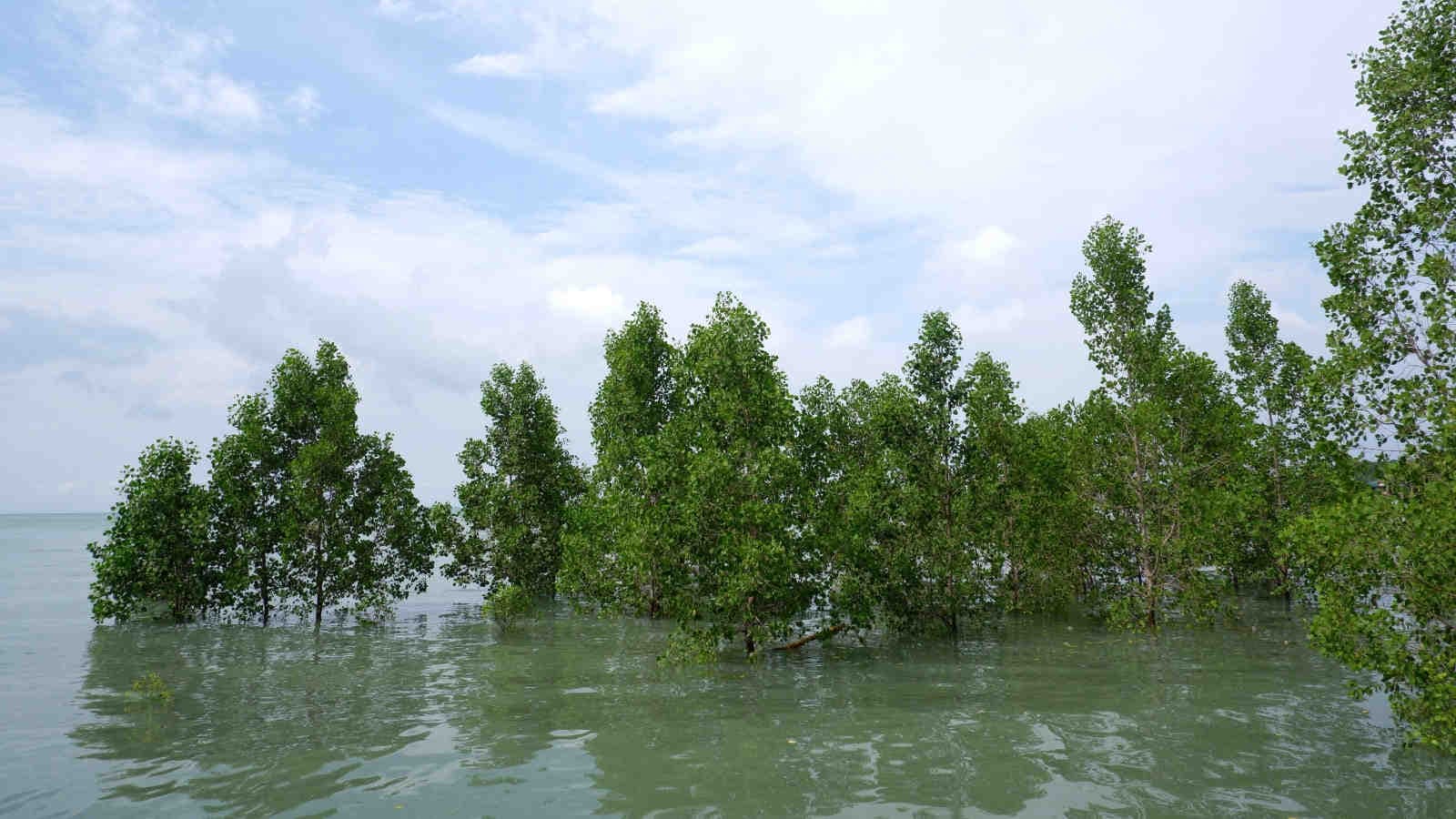
    Despite the potential of tidal technology, environmental organisations, including the RSPB, raise serious concerns about the risks to the natural habitats and wildlife of the Severn Estuary. The lagoons could have significant effects on local ecosystems, compromising the breeding and migratory areas of many protected species. The RSPB highlighted how these environmental changes could interfere with the delicate ecological balance of the area, which is already internationally protected. The Commission's report calls for compensation measures for habitat loss to be considered, carefully monitoring ecological impacts during all phases of the project.
    Energia dalle maree: raccomandazioni e prospettive future
    XNatura

    The political debate and conflicting opinions

    The tidal lagoon project in the Severn Estuary has sparked a wide-ranging political debate. Peter Hain, former Secretary of Wales, criticised the proposal, calling it an 'expensive and inefficient choice'. According to him, lagoons are too expensive and underperforming compared to a dam, which could make more efficient use of the estuary's energy potential. In contrast, the leader of the Welsh Liberal Democrats, Jane Dodds, urged the UK government to re-evaluate the Swansea project, emphasising the economic and employment benefits that tidal technology could bring, particularly to Wales. The approval of such a project could create thousands of well-paid jobs, contributing to the transition towards a low-carbon economy. However, the divergence of opinions among politicians highlights the challenges of implementing ambitious projects in ecologically sensitive areas.

    Energia sostenibile
    3Bee

    3Bee's expansion into international markets

    This article has been realised within the project "Biodiversity services EU expansion" (CUP: E43D22000480009) in the framework of the Lombardy Region's call for tenders "PR FESR 2021-2027 - LINEA INTERNAZIONALIZZAZIONE 21-27", aimed at supporting the internationalisation of Italian companies. 3Bee is the naturetech company that develops innovative technologies for monitoring, protecting and regenerating biodiversity, supporting companies in defining customised climate strategies based on the analysis of their impacts and dependencies on nature. With an established portfolio in Italy, Germany and France and prominent partnerships, 3Bee continues its expansion into international markets to create real impact through technology.

    20/03/2025Of 3Bee, Angelina Tortora
    393 Views
    Newsletter
    newsletter
    Subscribe to the Blog about bees and biodiversity

    Frequently Asked Questions

    Do you have any doubts or other curiosities about this article? Here you will find some insights