The social life of some wild bees
    BienenHabitatSemi-socialSocial/Solitary

    The social life of some wild bees

    Unlike honey bees, many bee species do not live in large colonies. Nevertheless, many of them have a very interesting social life, from nest aggregations to small living and working communities.

    Read the article
    20/05/2024Of 3Bee, Elise Maria Keller Boehm
    590 Views
    20/05/2024Of 3Bee, Elise Maria Keller Boehm
    590 Views

    Honey bees and wild bees

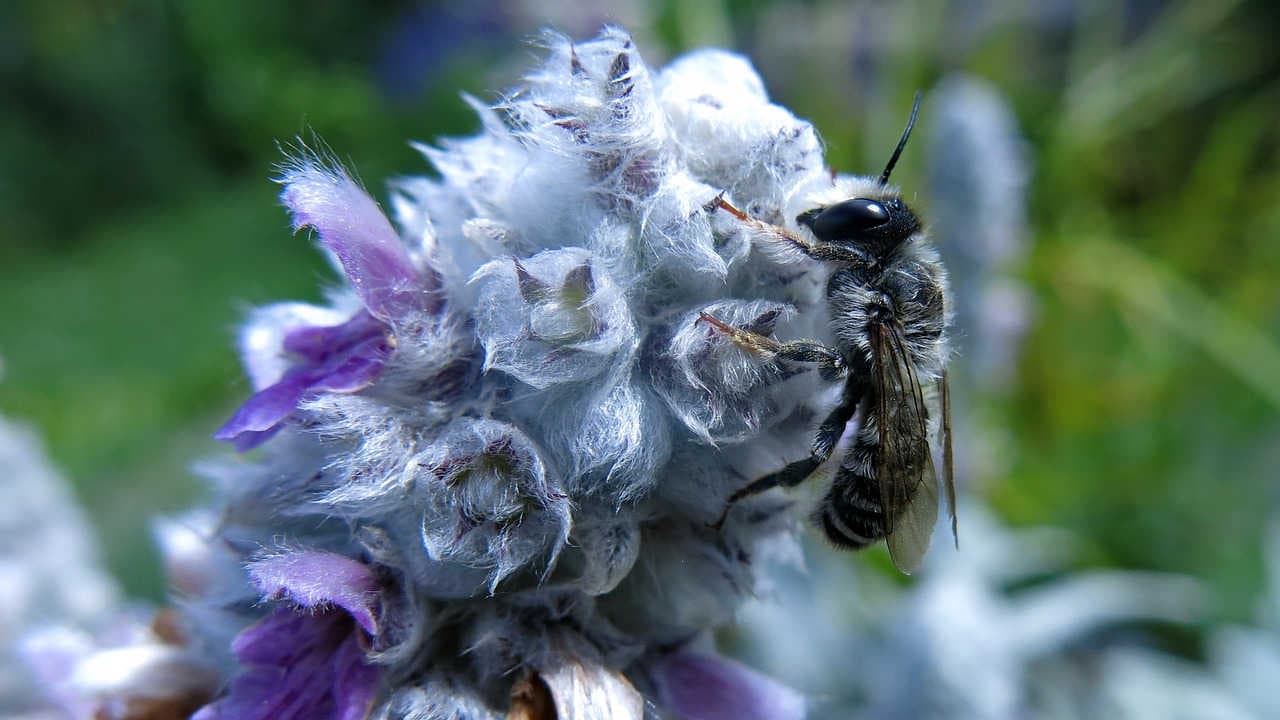
    If you ask children which bees they know, they usually describe a honey bee. Bees, however, are a clade of seven biological families within the superfamily Apoidea (bees and wasps). In addition to the various species of honeybee, it also includes bumblebees and many other bee species, most of which are not as well known as their busy relatives. Nevertheless, "wild bees" are no less useful, as they also pollinate plants, some of which are less utilised by honey bees, and thus contribute to biodiversity. In addition, some wild bees are even more effective at pollination and are therefore also an important factor for agriculture.
    Honey bees and wild bees

    Where and how do wild bees live?

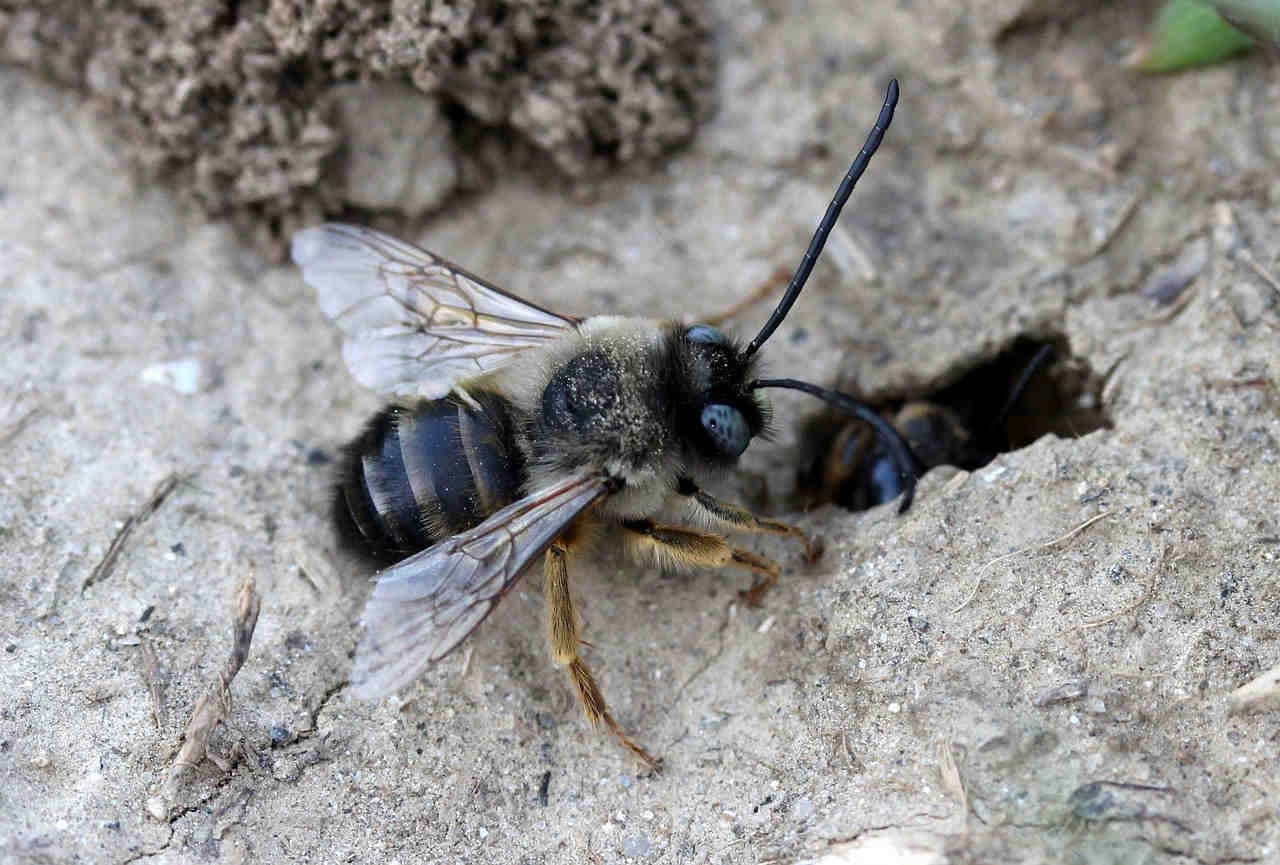
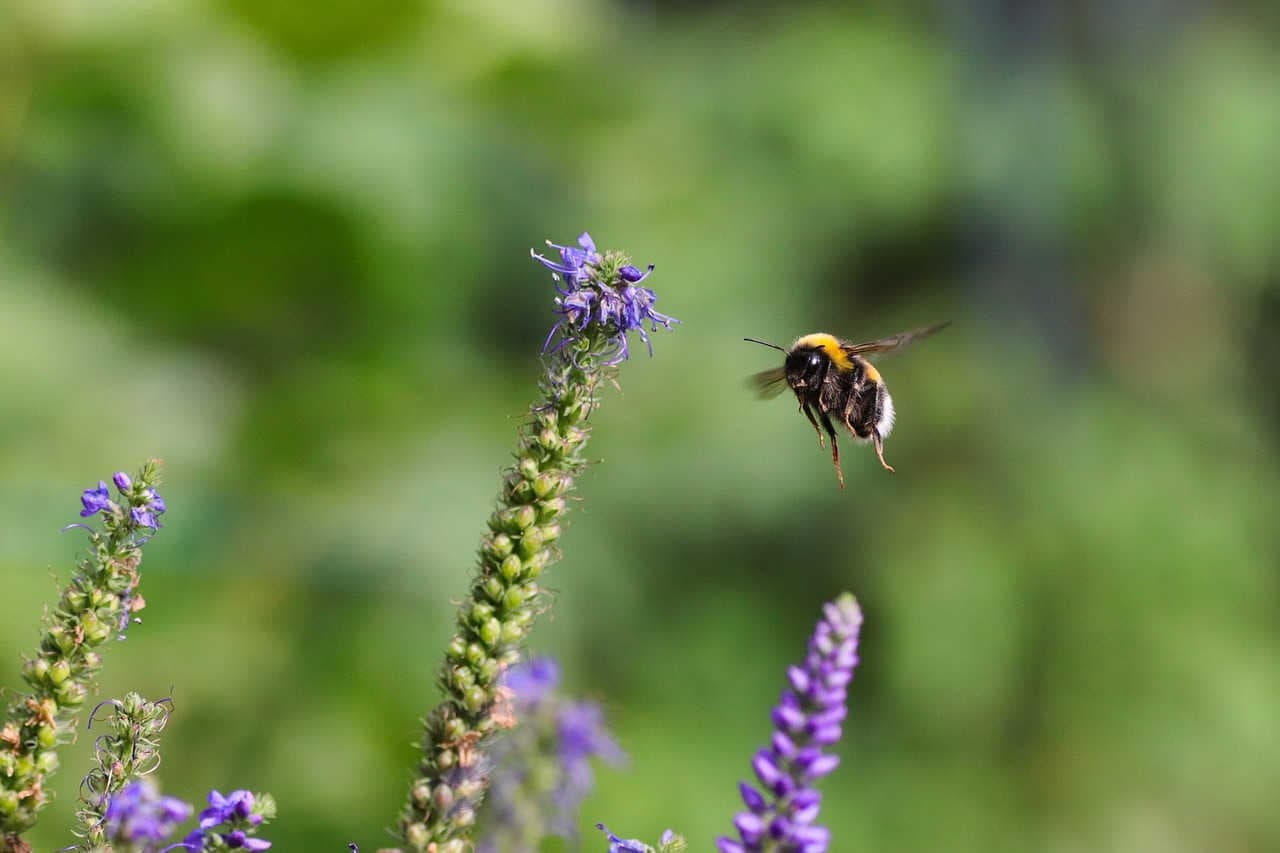
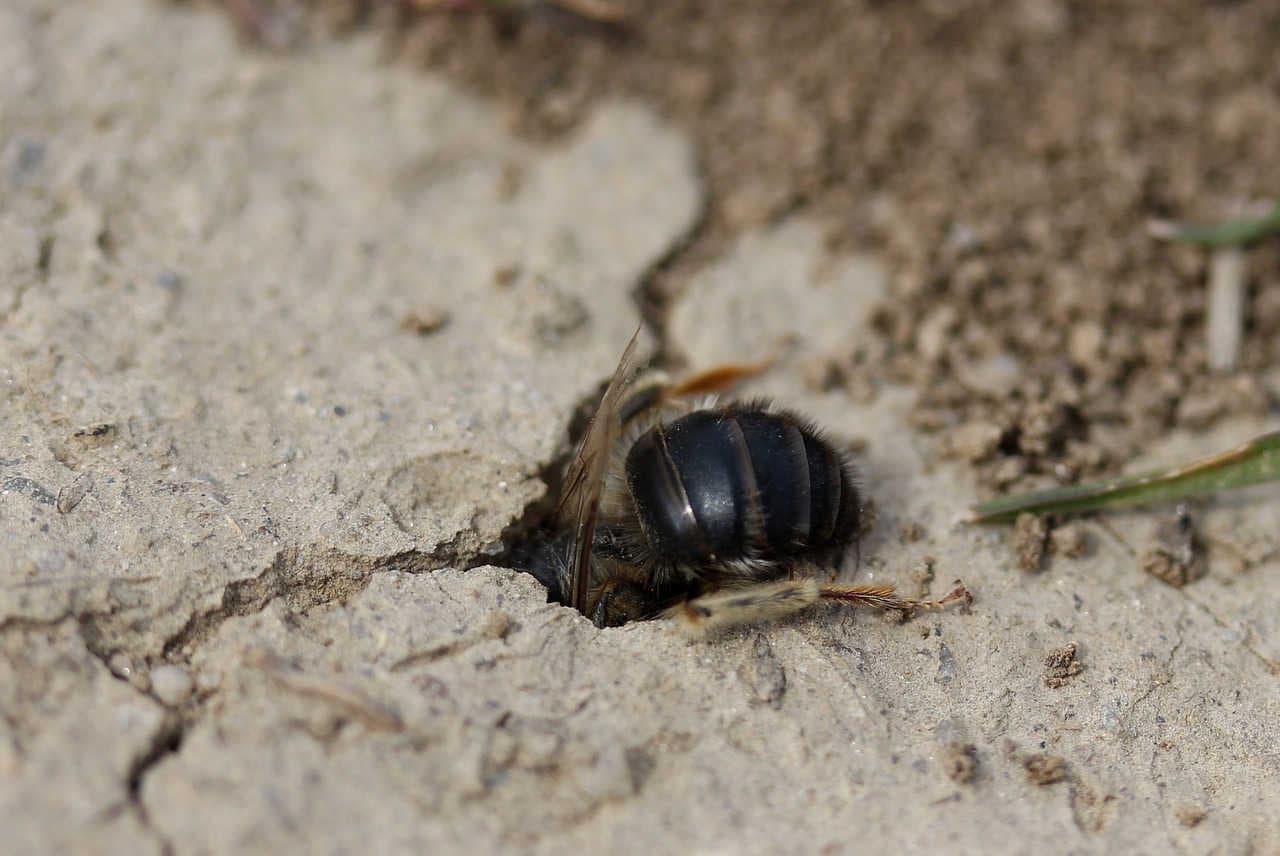
    Wild bees live in many very different places. While you might first think of the swarm of bees resting in a tree, the homes of "wild bees" are not limited to trees and wood, even though the wood bees that specialise in nesting in wood do just that. However, many other bees live in and on the ground. These include the sand bees (Andrenadae) and mortar bees (Megachilidae). The nests of mortar bees, for example, are elaborate structures made of clay, which they glue to stones. They can often even reuse these structures the following year. Probably the best-known species of "wild bees", the bumblebees are colony-forming and build their nests in different places, depending on the species. They also hibernate in various places. This can be in the soil (earth bumblebees) or in abandoned bird nests (Bombus ardens).

    Hummel
    XNatura

    Do solitary bees also have a social life?

    Even if solitary bees do not live in a community of queen and workers, they nevertheless have social structures among themselves. For example, there are often aggregations of several nests, such as in some species of sand bees. They often even use the same entrance and then dig separate tunnels - a kind of "tenement" of bees. The nests are therefore "solitary", but the bees nevertheless benefit from nesting together.Some species, such as the common furrow bee(Lasioglossum calceatum) even have strongly developed semi-social structures. These bees each produce a few somewhat smaller, infertile "workers", sisters of the fertile other bees of their generation, which only take on the task of bringing provisions for the nest cells.

    Do solitary bees also have a social life?

    Social bees and solitary bees

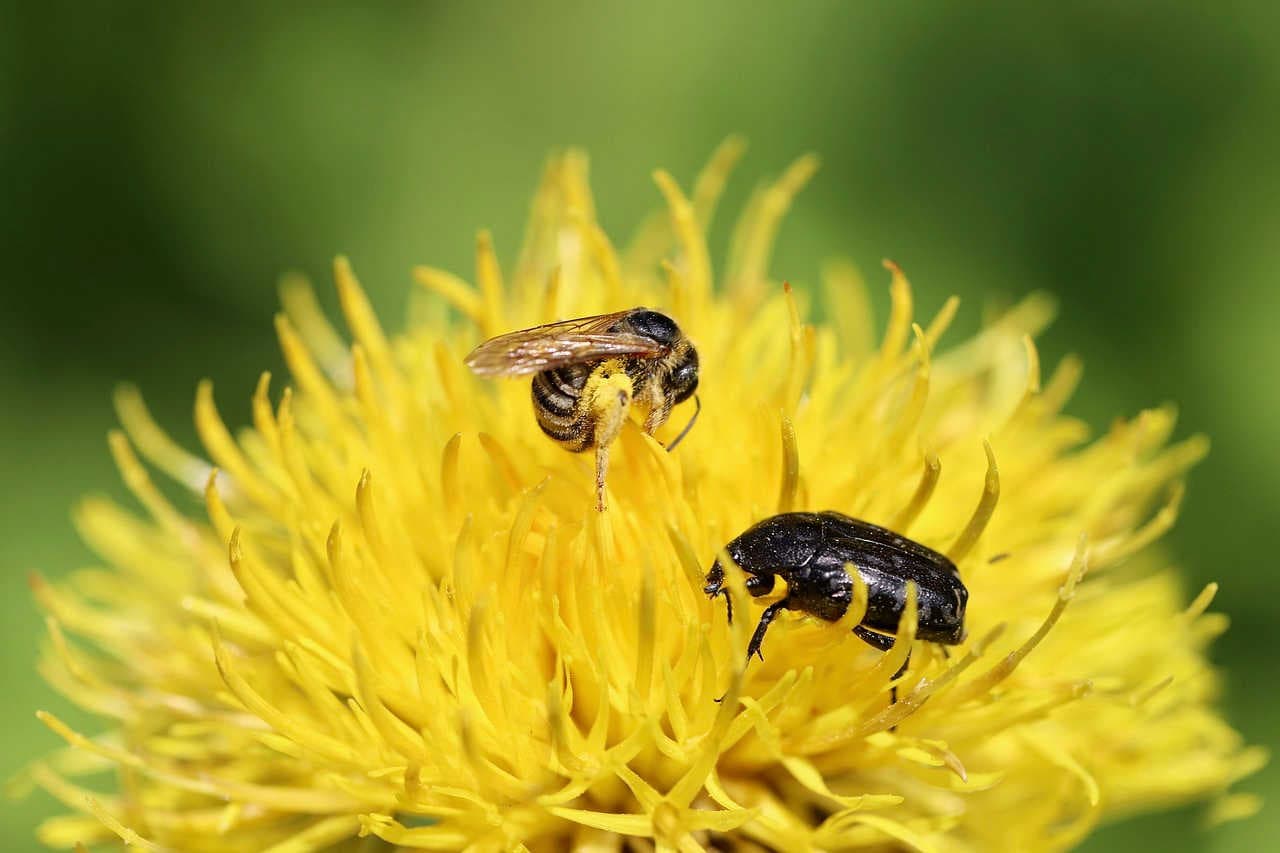
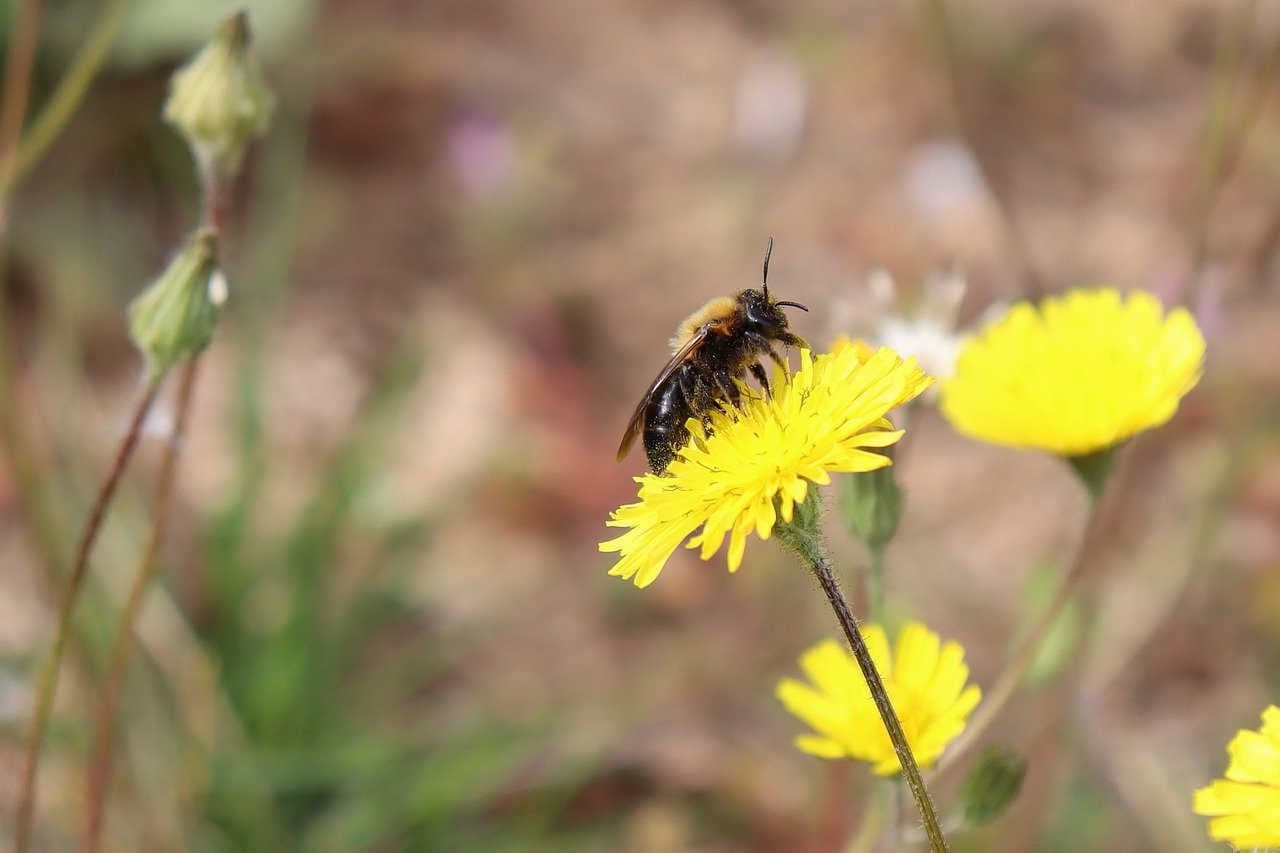
    Broadly speaking, a distinction is made between eusocial (colony-forming) bees, such as honey bees, bees with simple or semi-social structures, such as those that create nest congregations, and solitary bees. Everyone knows that honey bees form large colonies, but fewer people know that some wild bees, such as bumble bees or narrow bees (Lasioglossum) also exhibit distinct social behaviour. In bees that do not form colonies/groups, there are no workers (which in honey bees represent a second group of female bees alongside the queen), but only females and males. In these bees, only the females are responsible for nest building and brood care - they lay the eggs in individual chambers of their hive and provide them with pollen, which is regarded as "provisions". The nectar they collect is used to feed the solitary bees themselves.
    Social bees and solitary bees
    XNatura

    Parasitic bees

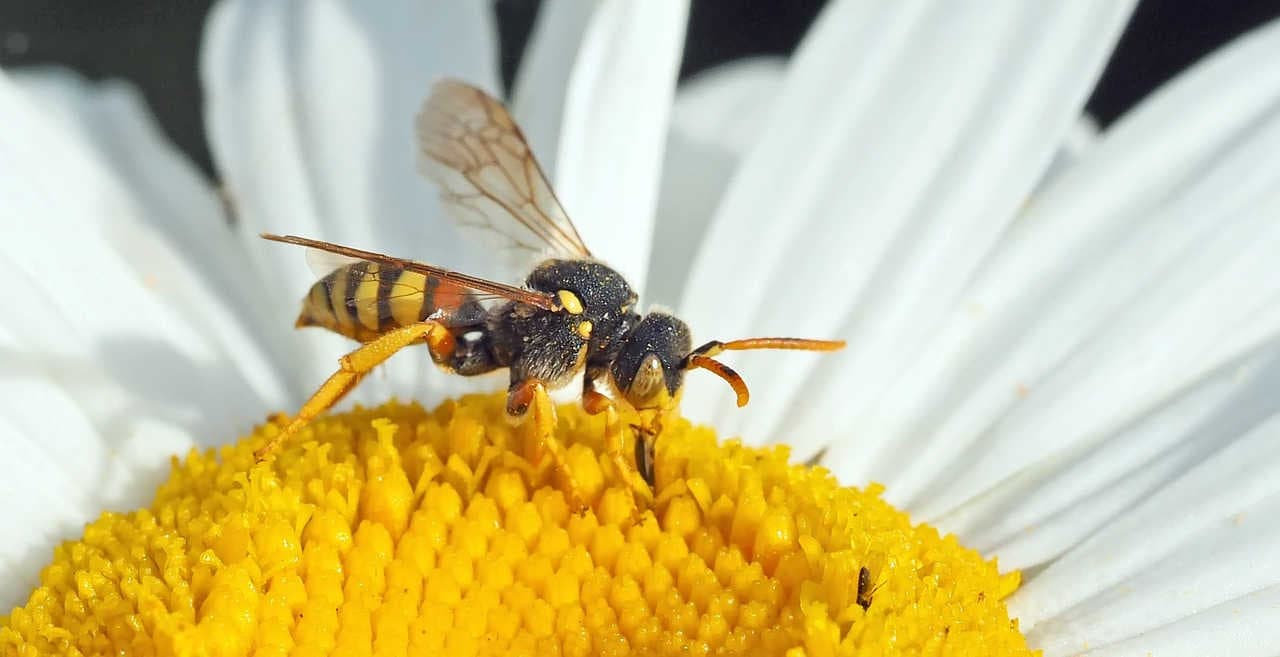
    In addition to bees with semi-social structures, there is another group of bees that interact with other bees. These species of parasitic bees, also known as cuckoo bees, take advantage of the brood care of other similarly sized bees by laying their eggs in their cells. The wasp bee Nomada goodeniana, for example, has specialised on earth bees (Andrenidae). Others, however, live mainly in a parasitic relationship with sand bees. However, their behaviour is usually similar. The females of the "cuckoo bees" wait in front of the nest of the bees whose nests they want to use. When the adult host bee leaves the nest, the "cuckoo bees" enter it and lay their eggs in the host's brood stores. As the larvae of the cuckoo bees mature more quickly, they hatch before the larvae of the host bee and consume the brood completely. The larvae of the host bee then no longer have any resources available.

    Parasitic bees
    3Bee

    What habitats do semi-social bees need?

    If you want to help provide habitats for these social and semi-social bees in your garden, you can purposefully leave unused areas in which these wild bees can set up their nests and winter quarters. These include unused, often open, sandy or loamy horizontal soil areas, such as unused raised beds, some turf-free dry unfertilised soil, or shaded areas on dry soil. Mounds of earth or unvegetated hills are also a favourite nesting place for many bees. Many bees also prefer vertical patches of ground or dry walls with lots of gaps. If you leave such a small part of the garden to the bees, you can soon observe aggregations and nests of sand bees, mortar bees or mason bees.

    What habitats do semi-social bees need?
    20/05/2024Of 3Bee, Elise Maria Keller Boehm
    590 Views
    Newsletter
    newsletter
    Subscribe to the Blog about bees and biodiversity

    Frequently Asked Questions

    Do you have any doubts or other curiosities about this article? Here you will find some insights