The incredible case of adaptation of the ice fish
    FishIce fishMaladjustmentAntifreezers

    The incredible case of adaptation of the ice fish

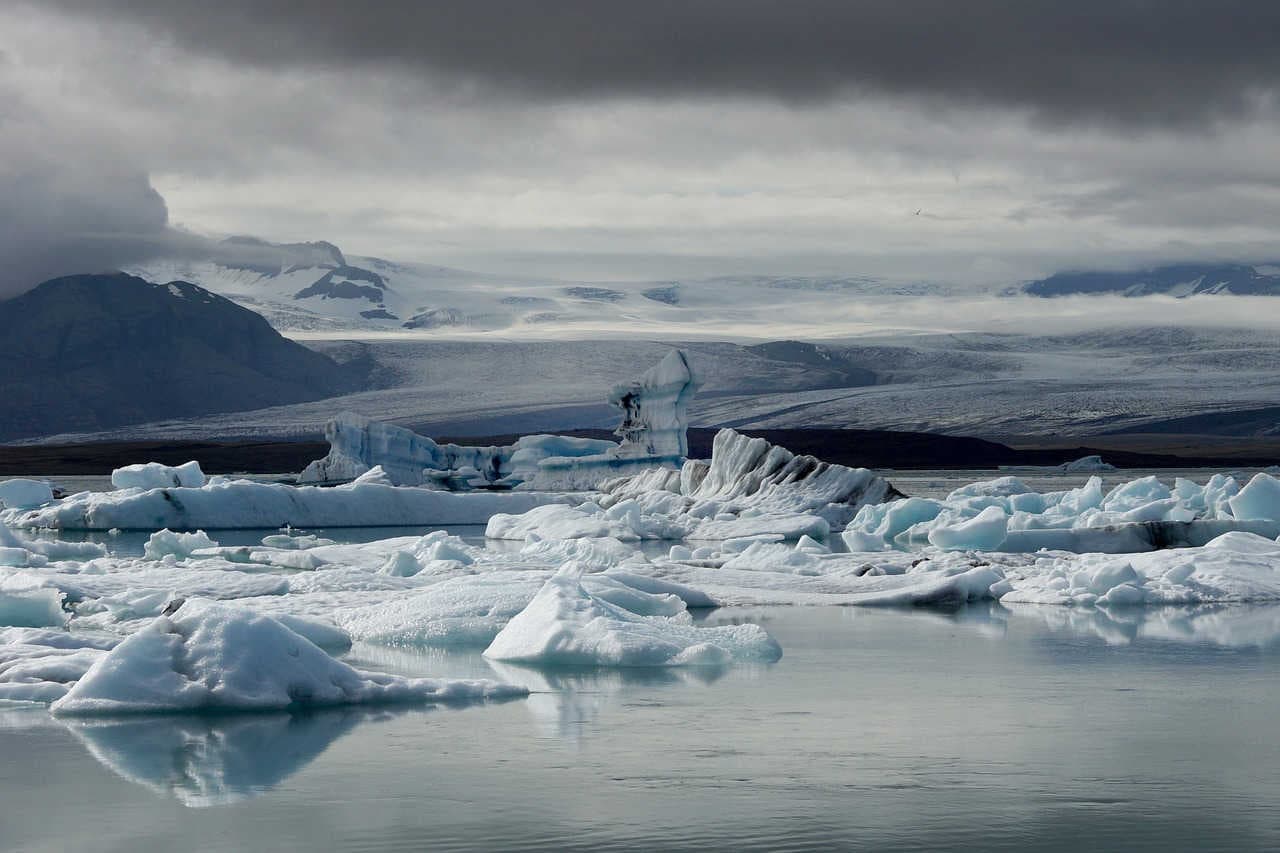
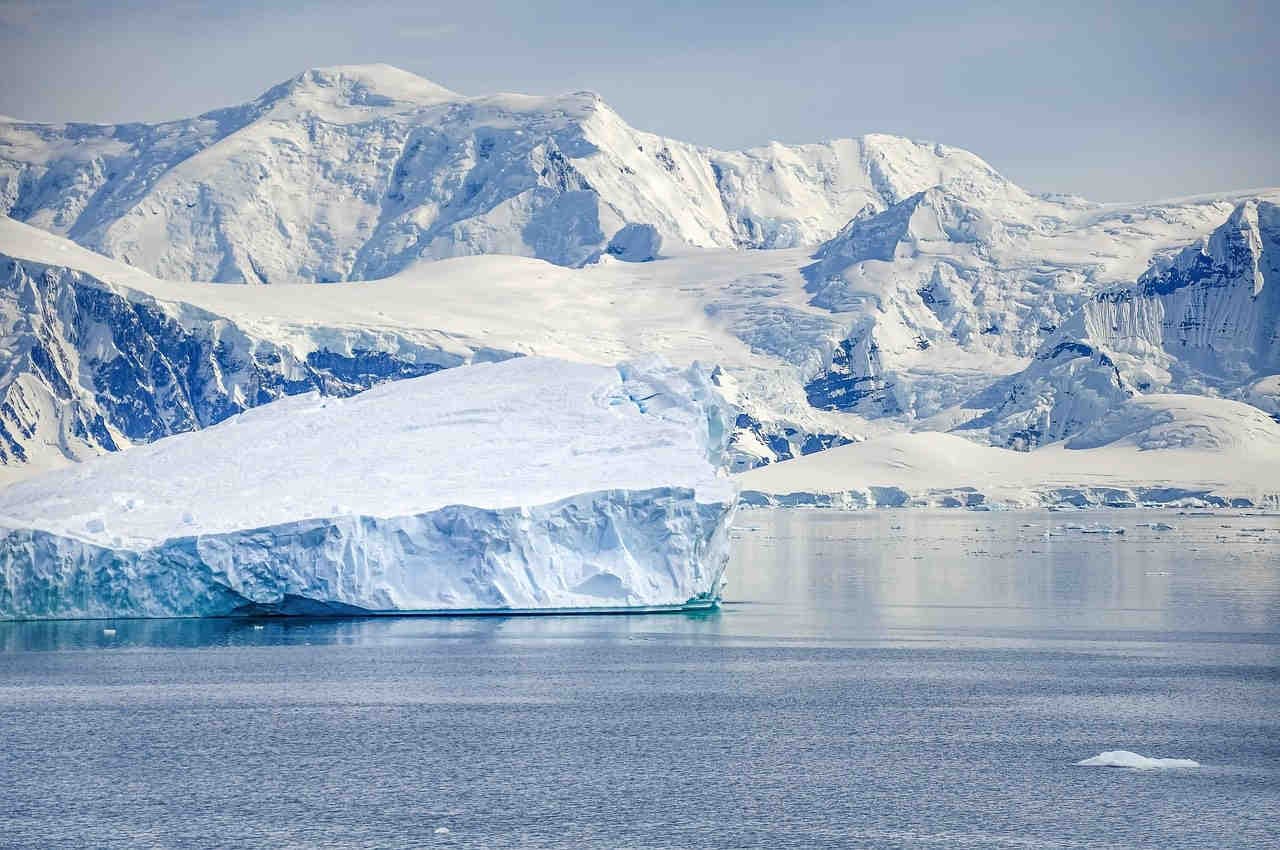
    Even the most impervious and desolate environments are rich in biodiversity. This is the case in the icy waters of Antarctica, the coldest place on Earth; this is where ice fish live, incredible creatures with incredible adaptations.

    Read the article
    01/10/2024Of 3Bee, Lara Vivarelli
    1339 Views
    01/10/2024Of 3Bee, Lara Vivarelli
    1339 Views

    The extraordinary variety of fish

    Disclaimer: this is an automated translation from Italian. Go to the original article.

    Fish are the most diverse and numerous vertebrates on the planet, with over 20,000 species. Thanks to their ability to occupy different ecological niches, characterised by multiple environmental conditions, they have acquired a numerous variety of biochemical, morphological, functional, behavioural and ecological characteristics. Fish can be found living from temporary puddles to the ocean depths. An environment such as the icy waters of the Antarctic Ocean represents a significant adaptation challenge that ice fish have had to overcome in order to survive and thrive.
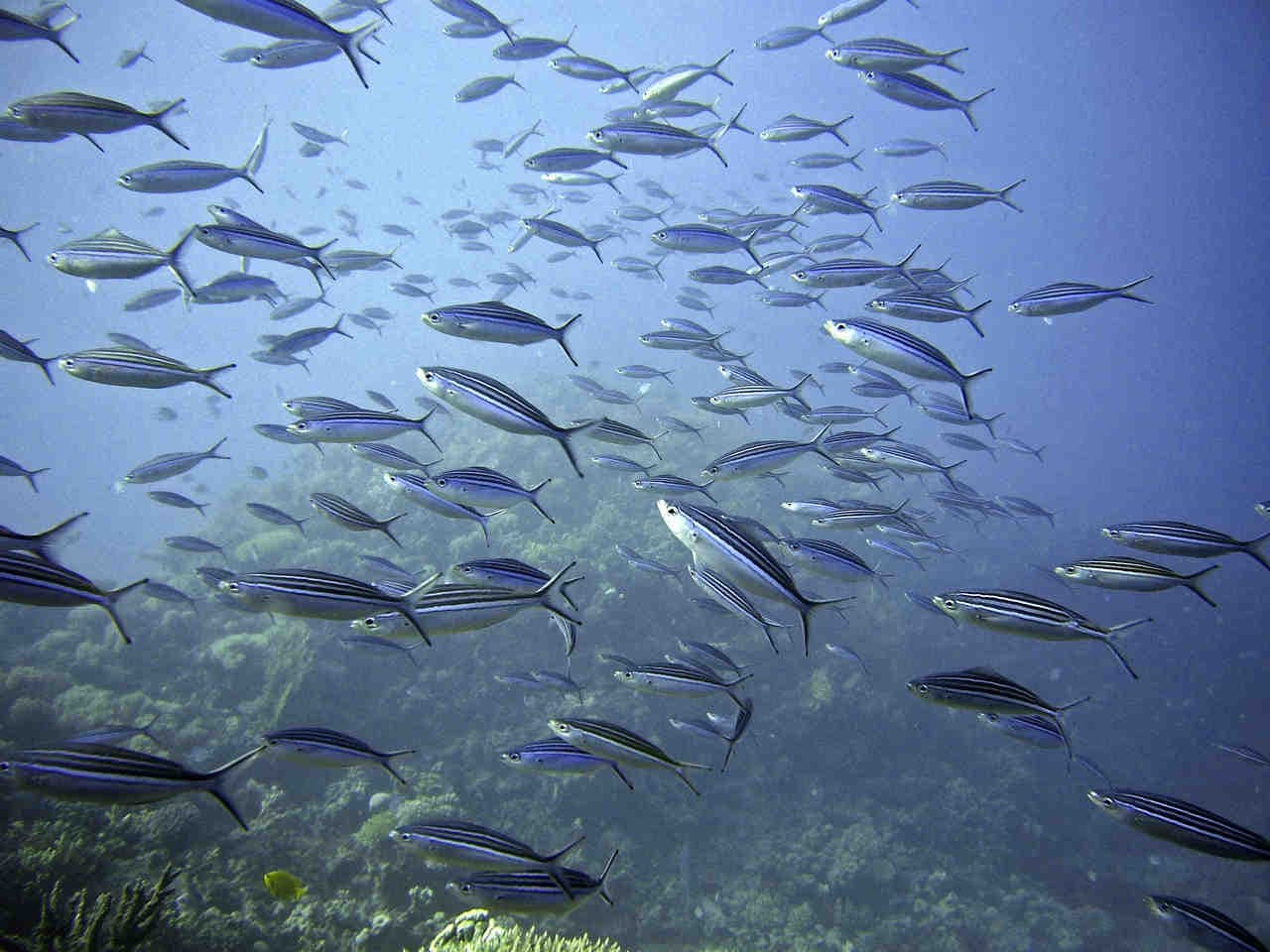
    diverse specie di pesci

    The incredible ice fish

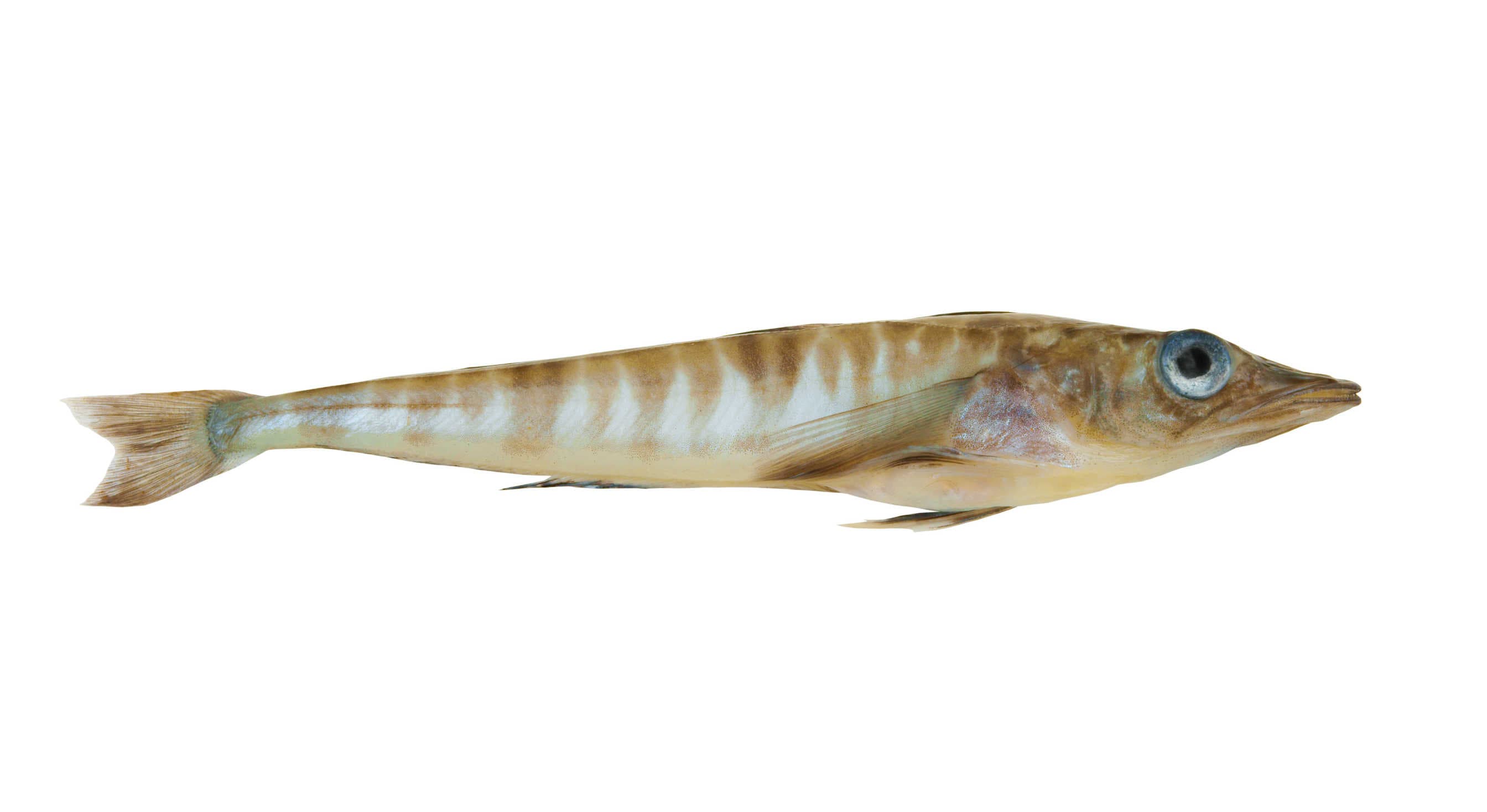
    Particular marine fish, commonly known as ice fish or crocodile ice fish, have developed anincredible adaptation to live in an environment of extreme conditions. These fish are part of the Channichthyidae family, which are among the few fish living in the cold waters of the Antarctic Ocean where the temperature approaches the freezing point of the water. To avoid freezing, and thus prevent the liquids inside their cells from forming ice crystals, they have adopted different strategies, which together, make them one of the animal world's most amazing examples of extreme adaptations.

    The incredible ice fish
    XNatura

    The incredible (dis)adaptation of ice fish

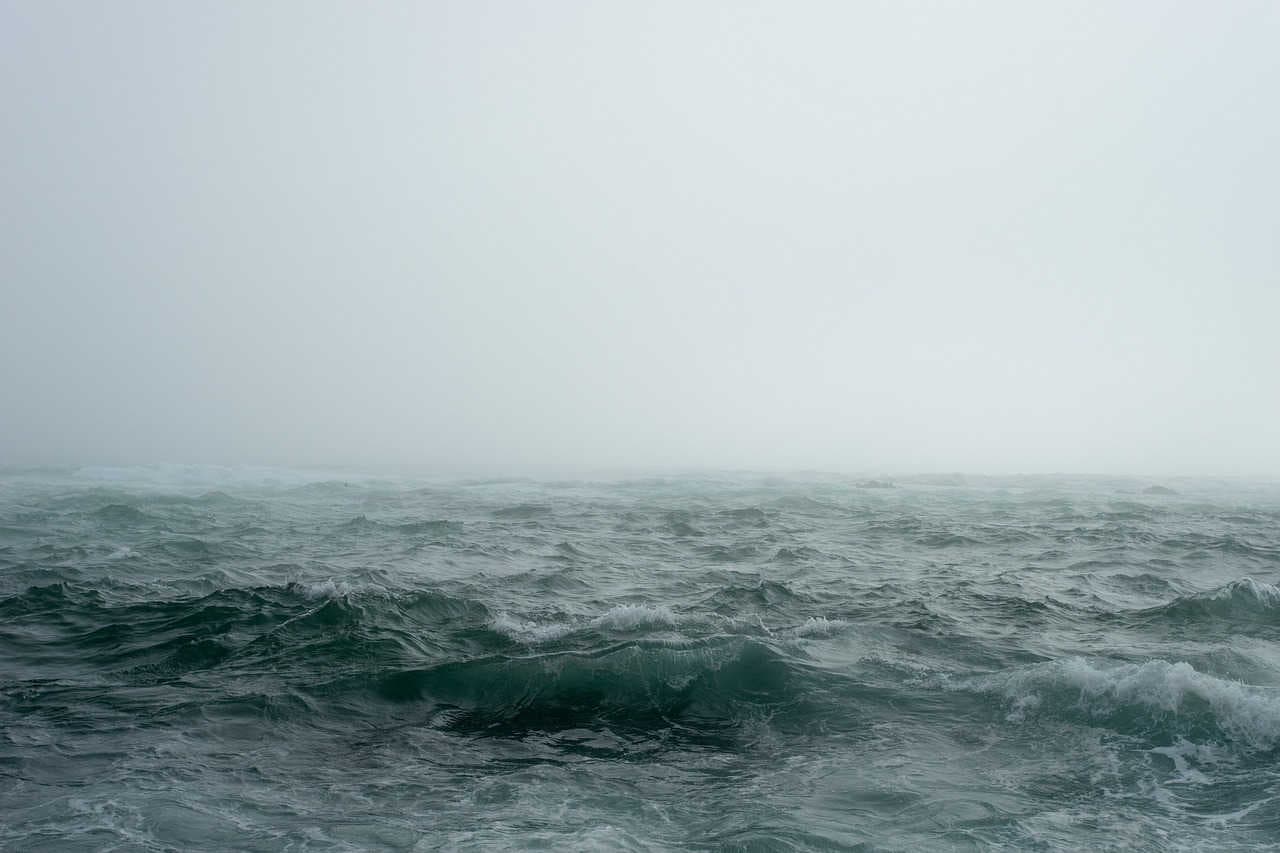
    Ice fish, rather than adapting, have undergone a process of maladaptation to live in the cold waters of the South Pole. We speak of maladaptation because they havelost many functional traits that almost all fish, on the other hand, possess. In particular, they have lost the ability to produce the respiratory pigments, haemoglobin and myoglobin, which were thought to be essential. Indeed, these fish were named icefish by early British whalers precisely because of their spectral white appearance given by their almost transparent blood. Icefishes were first described physiologically by Ruud in 1954 in his article in Nature, and over time their exceptional physiology has been deepened. In the following paragraphs, the main adaptive traits of ice fish will be presented.
    aspetto spettrale pesce ghiaccio disadattamento

    Ice fish produce antifreeze proteins

    The ice fish living in the coldest place on Earth had to develop strategies not to freeze. At those temperatures, ice crystals would form inside the cells, which would be inexorably damaged, leading to the organism's death. Ice fish, then, thanks to the selective pressure exerted by the Antarctic environment, developed the ability to produce anti-freezing proteins. These molecules are antifreeze glycoproteins, capable of blocking the growth of ice crystals within the animal's tissues because they act by lowering the freezing point, behaving like real antifreeze. There are genes in the DNA of ice fish that encode these important macromolecules.

    ghiaccio
    XNatura

    White-blooded' fish

    There are usually so many erythrocytes in the blood that the haematocrit value is between 16 and 18%. The waters of Antarctica, however, being very cold, make the blood highly viscous, generating a strong stress on the heart, which should pump with great energy to allow the circulatory system to function. This is why ice fish have brought the hematocrit value to close to zero, dramatically decreasing the number of erythrocytes. Furthermore, some species have lost the ability to produce haemoglobin, that protein essential for transporting oxygen throughout the body and which gives blood its typical red colour. Evolution, however, has not replaced this compound with an alternative oxygen transporter. So how do ice fish oxygenate their tissues?

    sangue eritrociti ed emoglobina
    3Bee

    Alternative breathing

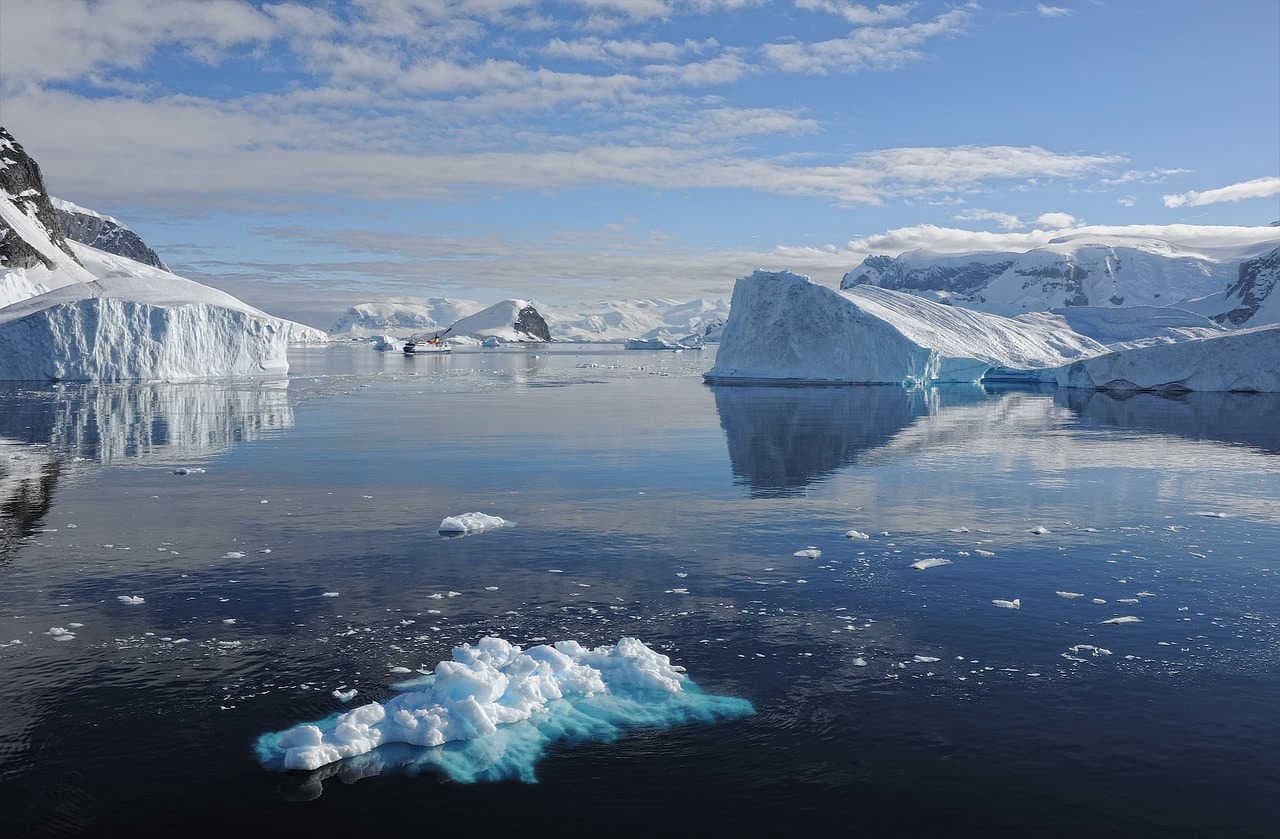
    Due to the low temperatures at which these fish live, metabolic processes are slowed down, requiring less oxygen. Furthermore, it is good to remember that the reduction in temperature leads to an increase in the solubility of gases, thus making the Antarctic waters very rich in oxygen. The gills, well vascularised, can absorb oxygen more easily and the scaleless skin with a dense network of capillaries, implements a real dermal respiration by exchanging gases with the environment. The elimination of haemoglobin was therefore in no way reflected in an obstacle to the respiration of these fish.
    Antartide

    A much bigger heart

    Another typical adaptive trait of the icefish to compensate for its 'shortcomings' was the development of a huge heart. Such large hearts can afford a large cardiac output or flow rate, that is, the volume of blood that the two ventricles can expel into the arteries in one minute. In this way the entire vascular system that permeates the body is enhanced. Such a heart is thus able to move large systolic volumes at a low velocity and low pressure, allowing ample ventricular filling.

    cuore

    Loss of the swim bladder

    In order to take advantage of the food-rich water column, these animals have renounced a function that seemed crucial to increase their buoyancy. Ice fish, in fact, have lost their swim bladder, an organ that allows them to rise to the surface or descend to the depths by regulating the amount of oxygen. These Antarctic fish have compensated for this lack by adapting their bones, which have become partly cartilaginous, eliminating scales and accumulating fat. This makes their weight in water almost nil, greatly reducing energy expenditure during travel.
    strategie per regolare l'assetto vescica natatoria

    Changes also in the circadian cycle

    The circadian rhythm, which regulates the 24-hour sleep-wake cycle, is controlled by a set of specific genes. In ice fish, these genes have undergonemutations. In the Antarctic environment, with long, dark winters, selective pressure was exerted on these genes, leading to their loss during the evolution of these fish. The alternation between deep winter darkness and bright summer light is thought to have made some circadian rhythm regulators less useful for ice fish, thus reducing the need to conserve them.

    ciclo circadiano antartide

    An example of adaptation to extreme conditions

    The ice fish of Antarctica are an exceptional example of evolutionary adaptation to extreme environmental conditions. These fish have developed particular biochemical and morphological traits, including the production of antifreeze proteins and the absence of haemoglobin, which allow them to thrive in the coldest waters on the planet. By studying them, we can gain valuableinformation on evolution and biodiversity, making them a fascinating subject for those interested in life in extreme climates.

    An example of adaptation to extreme conditions
    01/10/2024Of 3Bee, Lara Vivarelli
    1339 Views
    Newsletter
    newsletter
    Subscribe to the Blog about bees and biodiversity

    Frequently Asked Questions

    Do you have any doubts or other curiosities about this article? Here you will find some insights