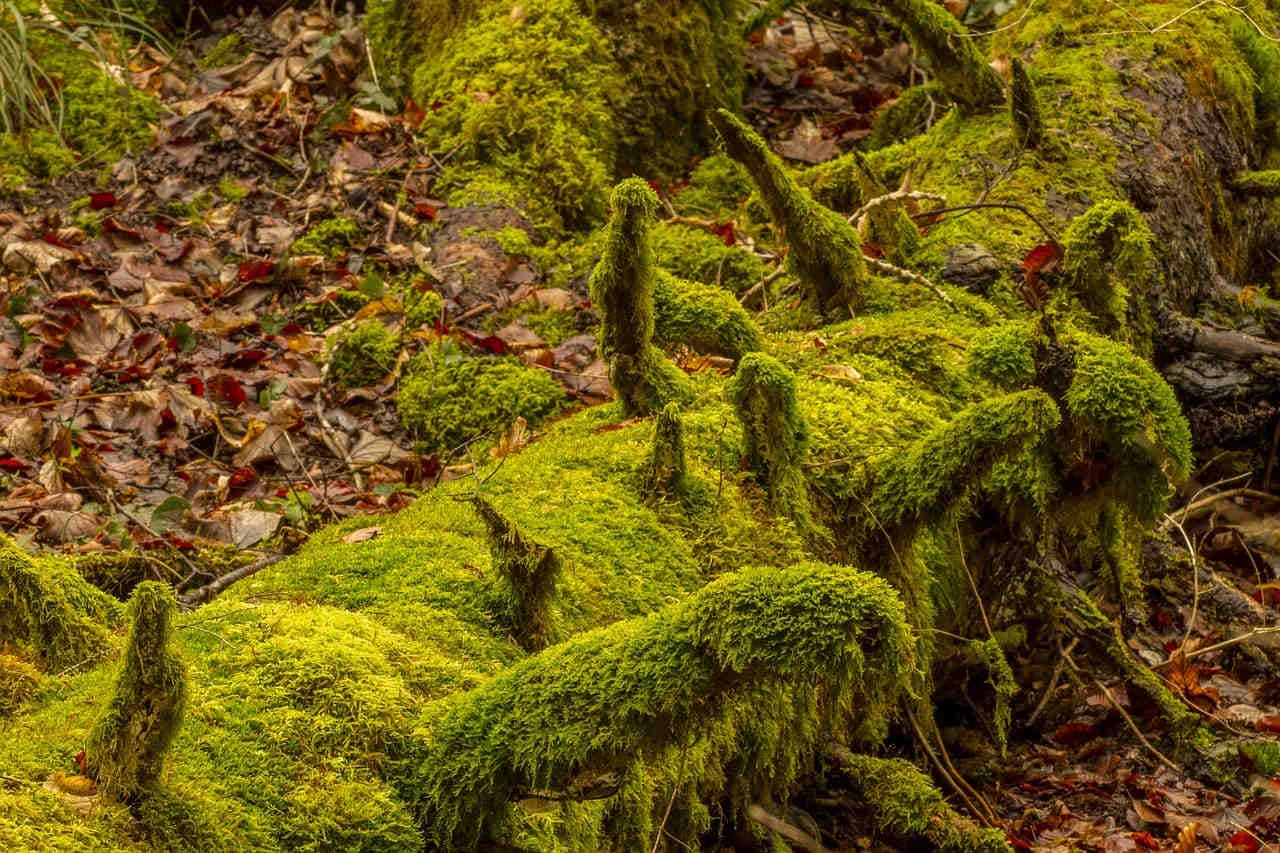
The importance of deadwood for biodiversity
    The forestInsectsForestryWaldmanagement

    The importance of deadwood for biodiversity

    Why are different stages of decaying wood so important for forests, parks and gardens and indispensable for the biodiversity of flora and fauna? Can people enhance forests, parks and gardens for plants and animals by leaving old wood?

    Read the article
    09/05/2024Of 3Bee, Elise Maria Keller Boehm
    1291 Views
    09/05/2024Of 3Bee, Elise Maria Keller Boehm
    1291 Views

    Building a healthy forest

    When you imagine a forest, the first thing that comes to mind is probably a collection of trees. However, a healthy forest ecosystem consists of much more than "just" living trees. A healthy forest consists of a large amount of wood in various stages of decay. Just fallen trees, tree stumps, broken branches that are slowly decaying and dead wood that is permeated by fungi, lichens, plants and many animals. In addition to worms and snails, many insects also favour old and dead wood. As a refuge during the winter, as a livelihood, as a place to lay their eggs or simply as a hiding place or shelter. However, the presence of rotting wood is also immensely important for the trees themselves, as the diversity of fungi it favours strengthens the properties of the soil as a source of nitrogen for plants and trees.
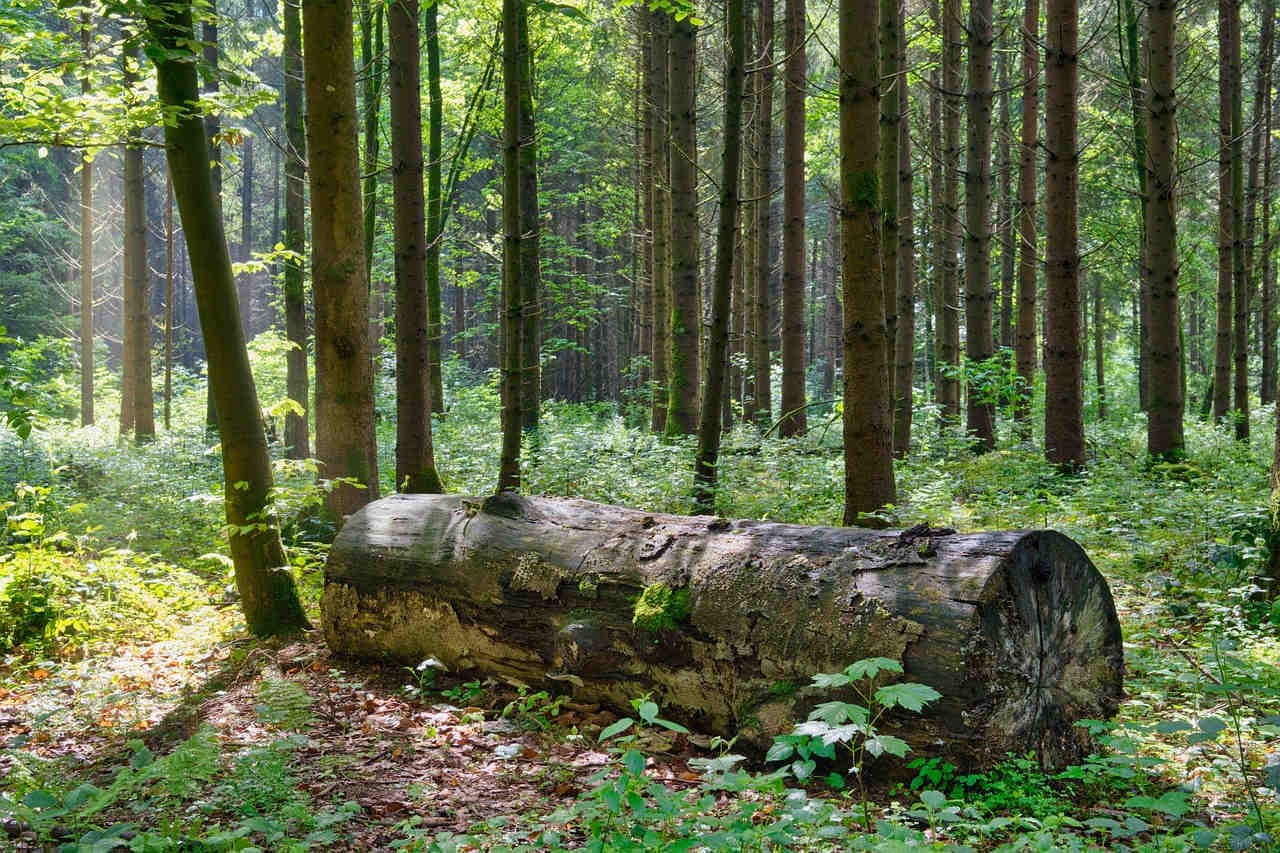
    Baumstamm

    Habitats of various insects

    Especially insects such as the stag beetle or the blue-black honeybee need old and dead wood and can hardly exist without it. In Central Europe alone, there are over 1700 beetle species that depend on dead wood during one of their life phases (i.e. not just as adults). Perhaps one of the best-known beetles, the stag beetle (Lucanus cervus), depends on dead wood to lay its eggs - it prefers old tree stumps in which it can lay its eggs. The larvae then develop optimally in the stumps, as these are heavily decomposed by fungi. Another example is the impressive blue wood bee (Xylocopa violacea). In contrast to the stag beetle, it prefers very dry dead wood, as it can gnaw its nesting tubes into it.
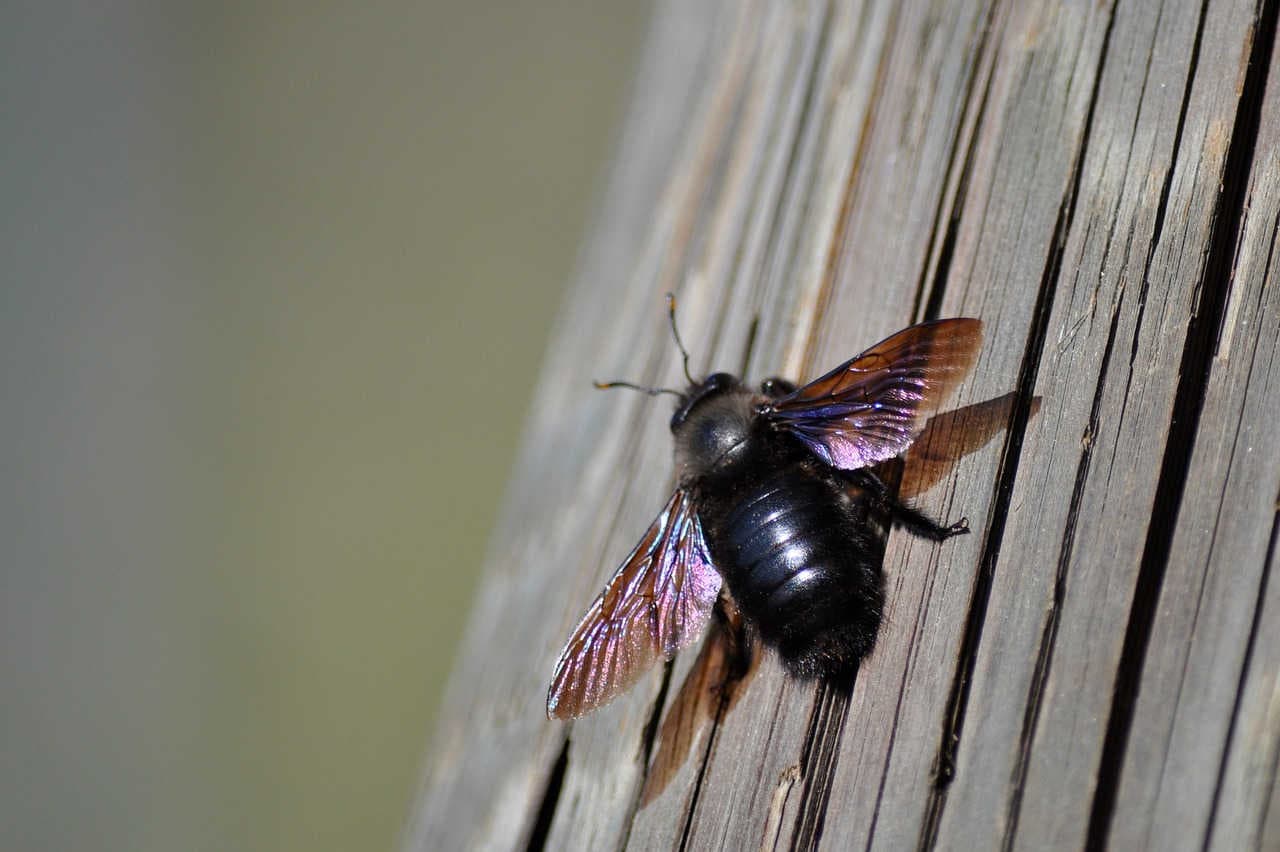

    Holzbiene
    XNatura

    Unsustainable forestry and the consequences for ecosystems

    Even if deadwood appears to "only" provide a refuge for fungi, lichens, plants and smaller animals, its function for the entire ecosystem must be considered. If wood is removed from the forest too early, the forest development cycle is shortened and this has immense consequences for its function as an ecosystem. Not all animals that depend on old and dead wood are able to adapt quickly - many highly specialised species simply lack the basis for life without old and dead wood. All plants and animals that depend on these species will also suffer as a result. Since old trees form the main habitat for such a large number of plants, fungi and animals and a succession of species, we speak of the necessity of "habitat trees". The network of such old trees, dying and dead wood forms the basis for a healthy forest ecosystem.
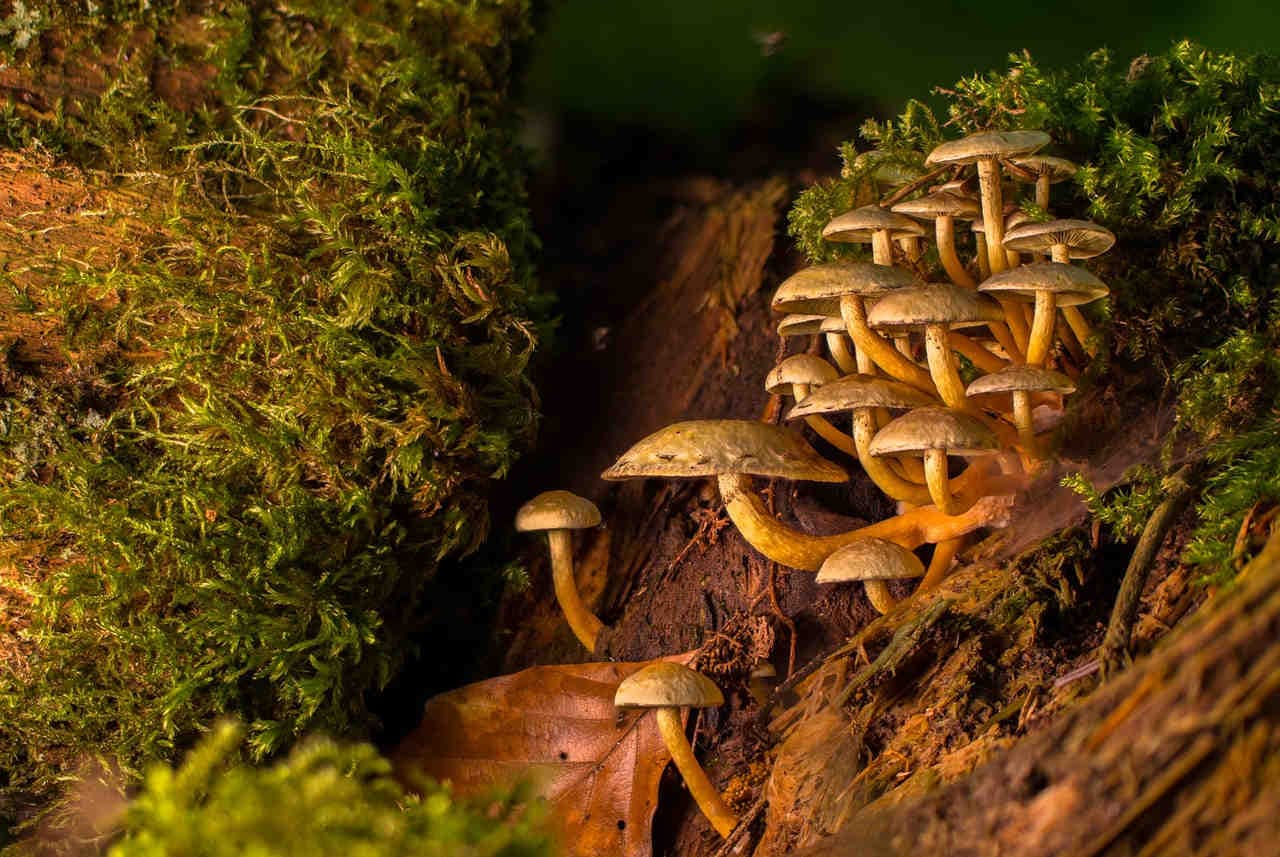
    Unsustainable forestry and the consequences for ecosystems

    What can modern land and forest management improve?

    As previously described, the aim of modern forest management is to preserve habitat trees and the connectivity of young and old trees and deadwood sufficiently well. The focus on habitat trees has led to the study not only of these trees and their microhabitat, but also of their relationship to the forest ecosystem. In Europe, there are also many of these old trees in old plantations, in parks, but also in areas used for agriculture and forestry. The preservation of old trees and dead wood is therefore now also an opportunity for garden owners to contribute to biodiversity and the preservation of dead wood-dependent species, with the task of farmers and foresters, park managers and in cities and gardens.
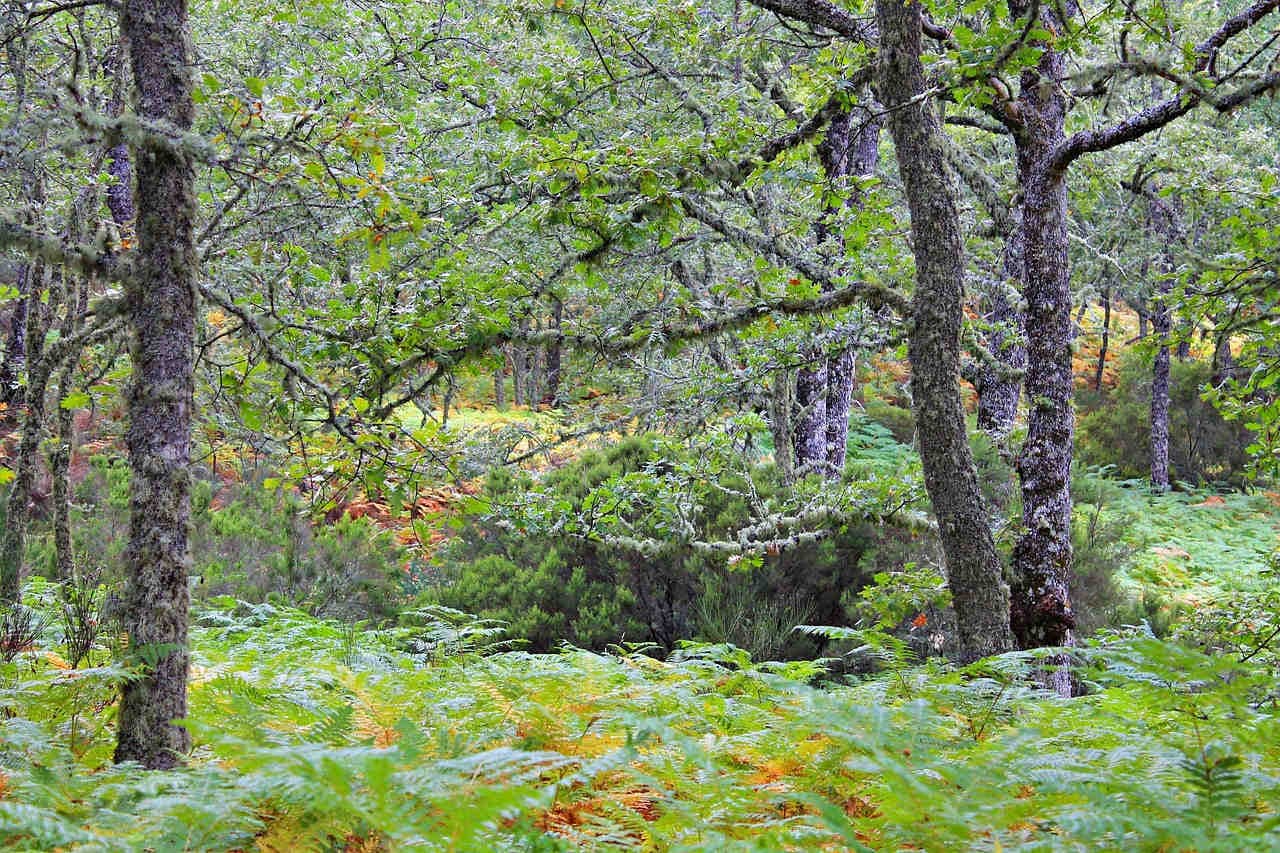
    What can modern land and forest management improve?
    XNatura

    Helping nature in the garden with old or dead wood

    In addition to preserving old trees and leaving dead wood, there is much more that can be done in the garden. For example, tree stumps are an excellent place for fungi, mosses and lichens to colonise. If you want to keep dead wood in your garden but want to organise it, you can partially bury old branches in the ground to replace stumps; fallen branches can be stacked in piles to provide a habitat for many insect species, such as wood bees. If you place these piles near flowering plants that provide nectar, you create an even better place for bees and bumblebees, as well as some beetle species. Wooden fences are also a sensible way to "tidy up" old branches without losing them as a habitat for flora and fauna.
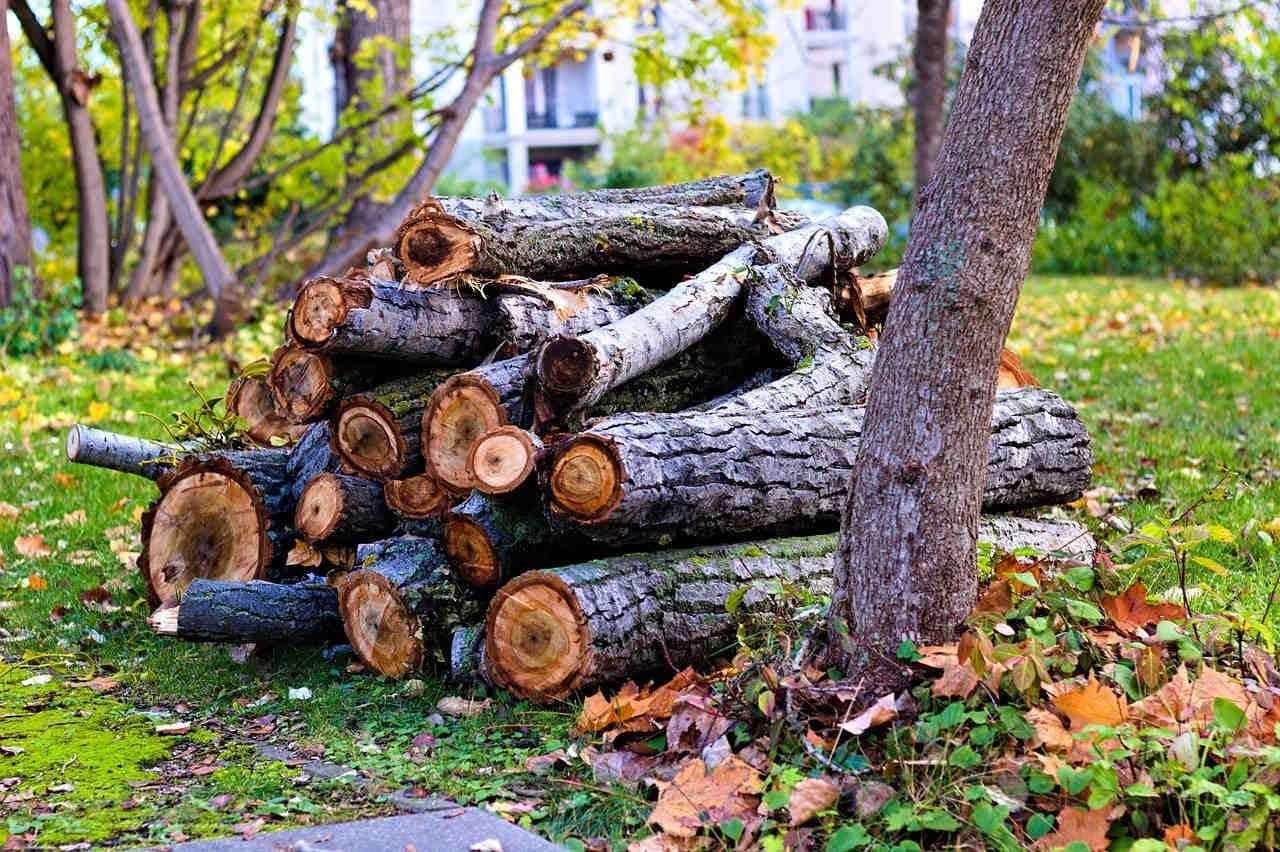
    Helping nature in the garden with old or dead wood
    3Bee

    Municipalities and cities can also become active

    Forests or forest-like areas in cities, such as parks and urban forests, are areas that are usually less intensively managed. Parks therefore have the potential not only to contribute to biodiversity in the city, but also to be an advantage in terms of habitat connectivity. According to a study published in the journal "Landscape and urban planning", urban forests have a rich structure of living trees at different stages of the life cycle. Urban forests also have a greater amount of deadwood than managed forests, but less than formerly utilised forests that have been placed under nature conservation. The bottom line of the study is that by paying attention to the natural life cycle of trees and continuing to leave fallen and dead wood, the management of urban forests can maintain or even improve its value for biodiversity.
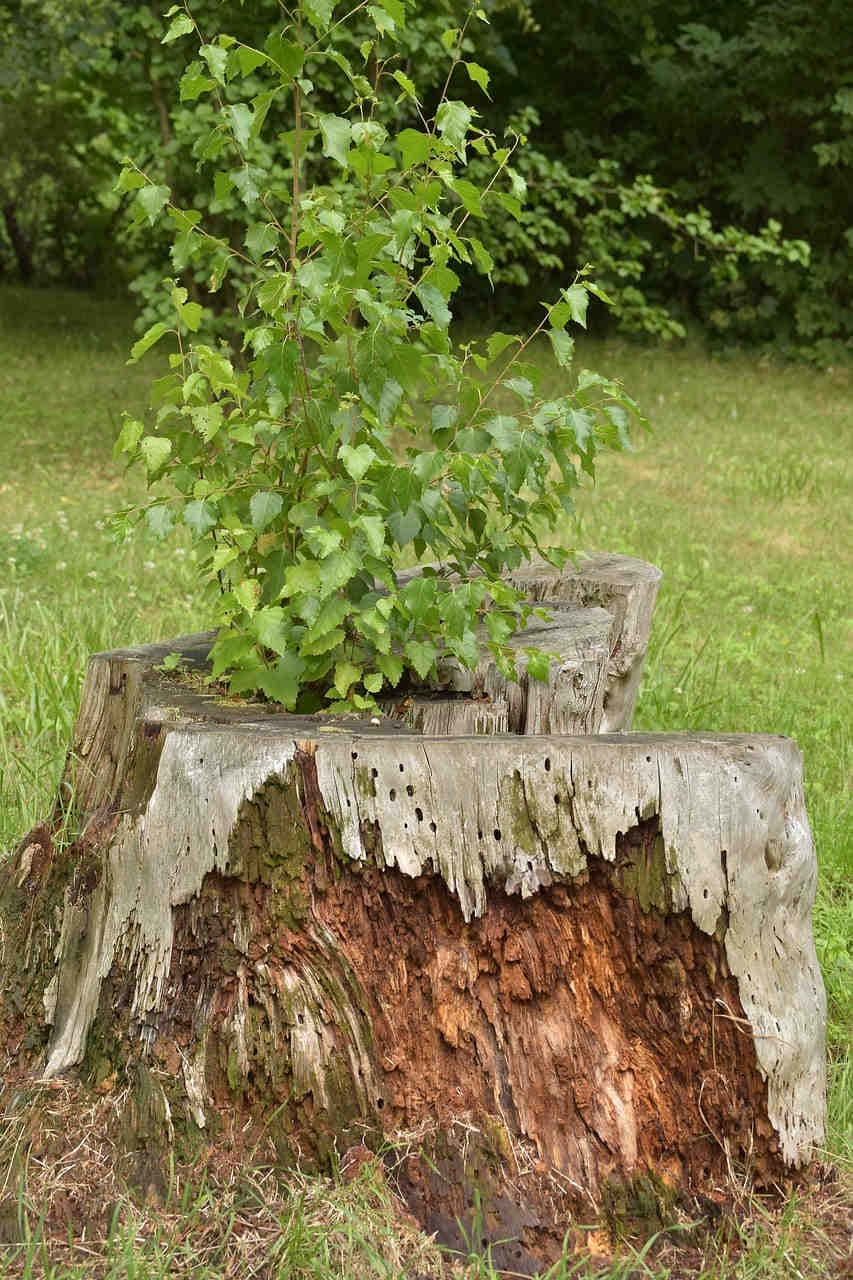
    Municipalities and cities can also become active
    09/05/2024Of 3Bee, Elise Maria Keller Boehm
    1291 Views
    Newsletter
    newsletter
    Subscribe to the Blog about bees and biodiversity

    Frequently Asked Questions

    Do you have any doubts or other curiosities about this article? Here you will find some insights