The Great Meltdown 3: the first episode is online, The Rotten Mountain
    Season 3The Rotten MountainThe 5 exitsSeasons 1 and 2

    The Great Meltdown 3: the first episode is online, The Rotten Mountain

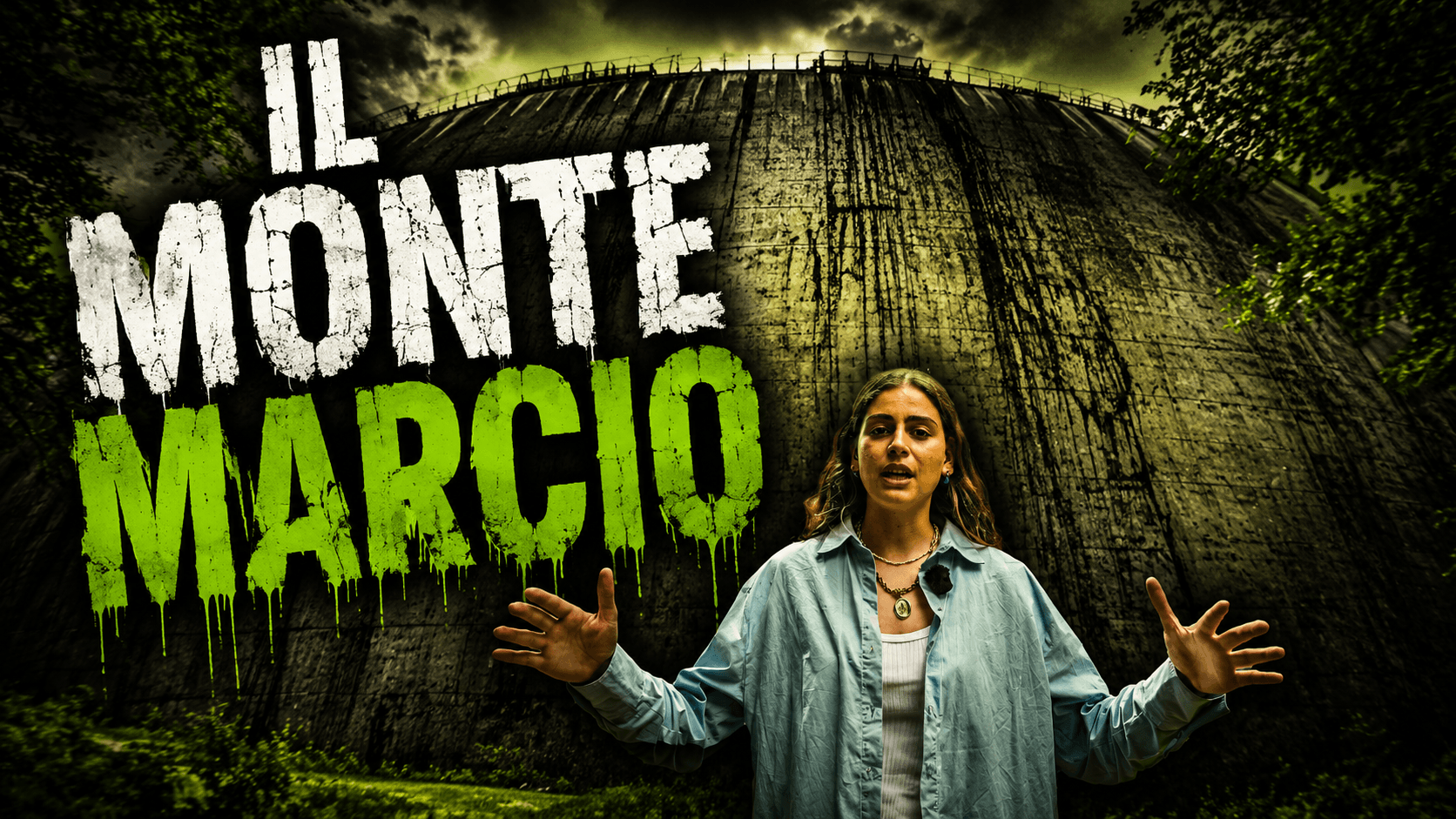
    The 3Bee docuseries returns with its third season: five Italian stories in which someone tried to stop the destruction, while no one listened to nature. The first episode, Il Monte Marcio, is online from today, Tuesday 1 September: the story of the Vajont Dam. Catch up on the first two seasons.

    Read the article
    01/08/2026Of 3Bee, 3Bee, 3Bee
    45 Views
    01/08/2026Of 3Bee, 3Bee, 3Bee
    45 Views

    The Great Meltdown returns for its third season

    There are catastrophes that strike without warning. And then there are those that someone had seen coming, had measured, had set down in black and white, and that happened anyway.

    The Great Meltdown is the docuseries in which 3Bee explores the real effects of climate change in Italy. It started in 2022 from a simple idea: instead of explaining the climate crisis with graphs, going to see the places where it is already happening. Two seasons and twelve episodes later, we have travelled from the Apuan quarries to the Mont Blanc glacier, from Storm Vaia to Emilia underwater.

    Now comes the third season: five episodes across northern and central Italy, connected by a common thread. In each of these stories, nature had already given warning signs: a mountain crumbling, a river demanding space, a water table being poisoned—and there were people who had read them and put them in writing. We did not listen.

    The first episode is online from today, 1 September. The other four will follow through to the end of October.

    The Great Meltdown returns for its third season

    Episode 1: The Rotten Mountain

    The first episode is titled The Rotten Mountain, and the title is not a metaphor we made up. The mountain overlooking the Vajont valley, between Veneto and Friuli, is called Monte Toc: in the local dialect, toc means rotten, sodden, crumbling. Those who lived there had known it for generations, and had put it in the name.

    At the foot of that mountain, in the 1950s, one of the most ambitious dams ever designed was built: a concrete double arch that exploited the narrowness of the gorge to contain an enormous reservoir with very little material. A masterpiece of engineering, celebrated as such.

    In July 1959, a young geologist named Edoardo Semenza climbed the flank of Monte Toc to study its structure. What he identified was not a stable slope: it was the body of a palaeolandslide, an ancient landslide that had already slipped once, which filling the reservoir could set in motion once again.

    Semenza put what he had seen in writing.

    XNatura

    The five releases of the third season

    The third season consists of five episodes, filmed across Veneto, Friuli, Liguria, Tuscany and Lazio. Here is the full release schedule:

    • 1 September: The Rotten Mountain. The Vajont Dam, between Veneto and Friuli, and the geologist who had identified the landslide four years earlier.

    • 15 September: 200,000 Drowned Animals. The All Saints' Day flood in the Venetian plain, and an unfinished canal that could have diverted water from the floodwaters.

    • 29 September: The Poisoned Beach. The former Stoppani plant in Cogoleto, Liguria: hexavalent chromium, two neighbouring beaches, one open and one closed.

    • 13 October: Mussels Will Save Us. The Orbetello lagoon, in Tuscany, and the mussels used as sentinels to measure heavy metals in the sediment.

    • 27 October: The Poisoned Valley. The Sacco Valley in Colleferro, Lazio, and the day a pesticide outlawed for decades appeared in the milk from a dairy farm.

    Twelve episodes already online: series 1 and 2

    If you are new to The Great Meltdown, you have twelve episodes already online to catch up on: each episode is a standalone story, so you can start with whichever one intrigues you most.

    The first season, from 2022, consists of seven episodes and crosses Italy from the sea to the mountains: from the marble quarries of the Apuan Alps, excavated to the point of altering the profile of the peaks, to the Mont Blanc glacier. It is the season that gave its name to the entire project: the great meltdown is not a science-fiction film, it is what is happening before our eyes every day.

    The second season, from 2023, consists of five episodes and focuses on extreme weather events: Storm Vaia, which felled millions of trees in Triveneto in 2018, the blue crab and alien species that are rewriting coastal ecosystems, Emilia underwater, urban heat islands, and the hailstorms that are becoming the new normal.

    You can find them all on the same page, along with the new ones.
    Twelve episodes already online: series 1 and 2
    XNatura

    Why 3Bee tells these stories

    One might wonder why a nature tech company focused on biodiversity is producing a docuseries on dams, landfills and contaminated groundwater. The answer lies in what is missing from all five stories this season.

    In each of them, the data existed. It had been collected, recorded, submitted. What was missing was someone to read it as a warning rather than an obstacle. Knowing the state of nature at time zero, before building, before digging, before authorising, is the first step towards understanding what is at risk.

    This is the work 3Bee does through monitoring: measuring the state of an area today, to be able to tell tomorrow whether it is improving or deteriorating. We cannot alter infrastructure or rewrite past choices. But we can act on nature, and nature is part of the answer.

    Not the solution to the problem: a fundamental part of the answer. The difference between the two is the reason we tell these stories.

    3Bee
    01/08/2026Of 3Bee, 3Bee, 3Bee
    45 Views
    Newsletter
    newsletter
    Subscribe to the Blog about bees and biodiversity


