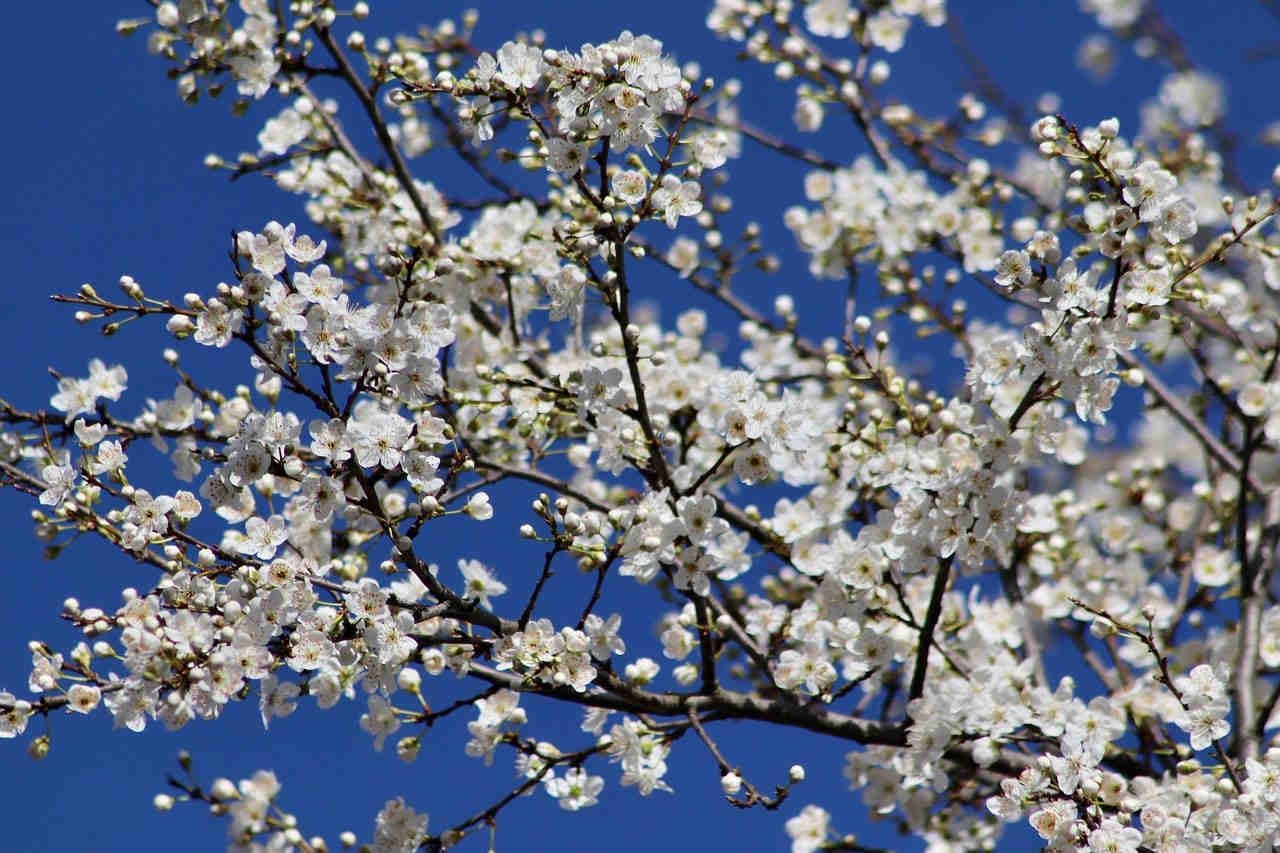
The genus Prunus, a delicate spectacle
    SpecieFioritureDifesaBlackthorn

    The genus Prunus, a delicate spectacle

    A genus well known for its fresh, juicy fruits and the enchanting blossoms that herald spring. Trees of the genus Prunus spread among the Greeks and Romans, and arrived in practically all parts of the world.

    Read the article
    06/07/2024Of 3Bee, Lara Vivarelli
    1546 Views
    06/07/2024Of 3Bee, Lara Vivarelli
    1546 Views

    Prunus: more than 400 species in Italy

    The Prunus genus includes many species of trees and shrubs, from the cherry to the almond, from the plum to the apricot; we are talking about over 400 species specifically. Of these, there are many cultivated varieties that have been selected for their products. Most of them grow with great vigour in central and southern Italy, where conditions are ideal, but they are also cultivated in the rest of the country. Plants of the genus Prunus are very popular not only for the fruits they give us, but also for their enchanting and delicate flowering. Indeed, they are often found in avenues and gardens, but are also found in the wild.
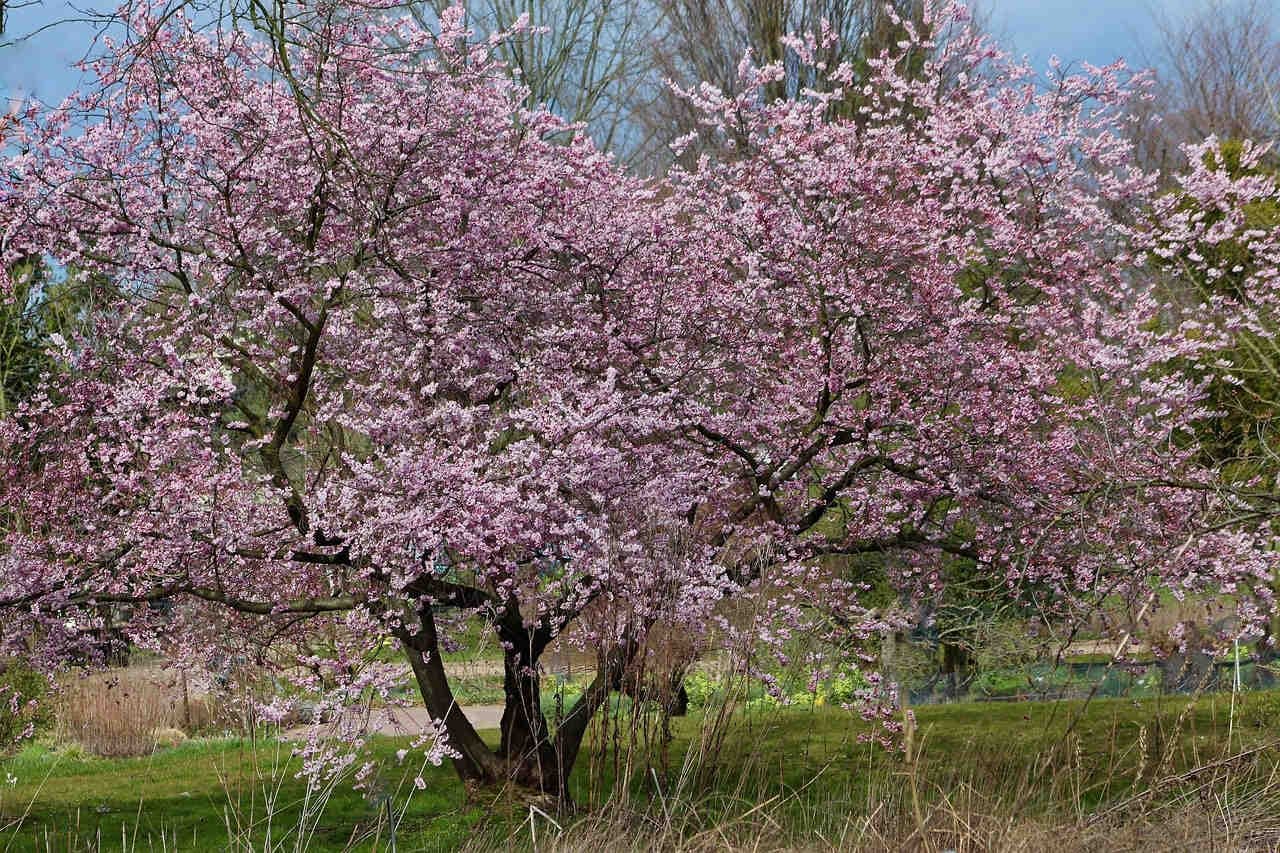
    prunus

    Delicate blooms

    Plants of the genus Prunus generally blossom before the leaves are released. The flowers range in colour from white to pink, through various shades. Unfortunately, the pretty flowers that we are used to appreciate have short duration, but are very attractive to bees that collect both nectar and pollen. Active pollination is essential for some varieties, as the flowers are self-sterile, albeit hermaphroditic. This means that although they have both reproductive systems, they are not capable of self-fertilisation. Plants of the genus Prunus have a certain bee-keeping interest, especially with regard to the cherry and the almond tree, spring pollen harvests of these plants can reach 60-70% and monofloral honey can be made from it.
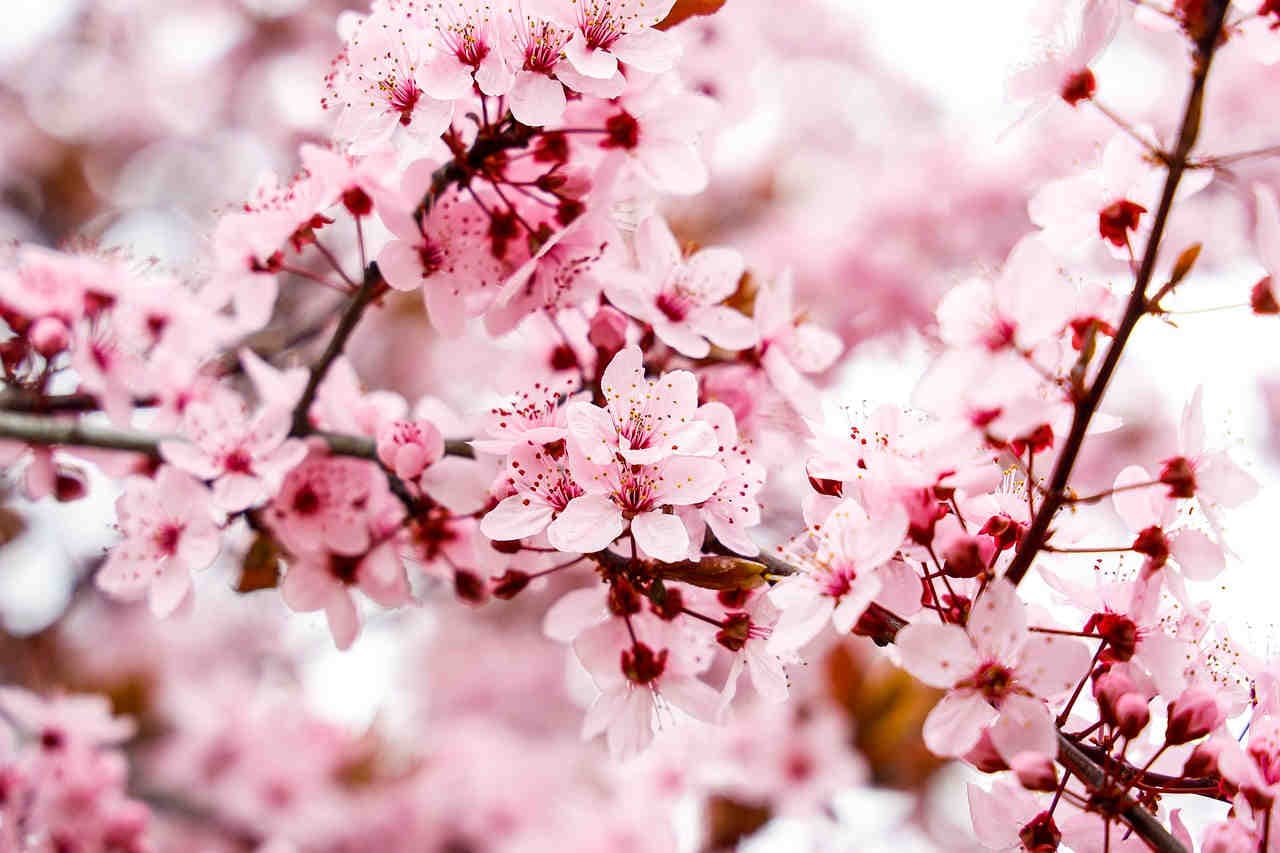
    Fioriture prunus
    XNatura

    Cyanogenic glycosides: a hypothetical defence strategy

    Trees of the genus Prunus, besides being fascinating for their delicate blossoms, have developed an amazing defence strategy: leaves, fruits and seeds contain cyanogenic glycosides, sugary plant molecules related to the dreaded cyanide. The plant concentrates the content of these substances mainly in the unripe fruit, so that they are protected from herbivores and other animals. In fact, if ingested, these sugar molecules can be dissolved, releasing the poison, thus free to act in the body. An example of these glycosides is amygdalin, contained particularly in the stone of certain fruits, including peaches, apricots, cherries, plums and bitter almonds.
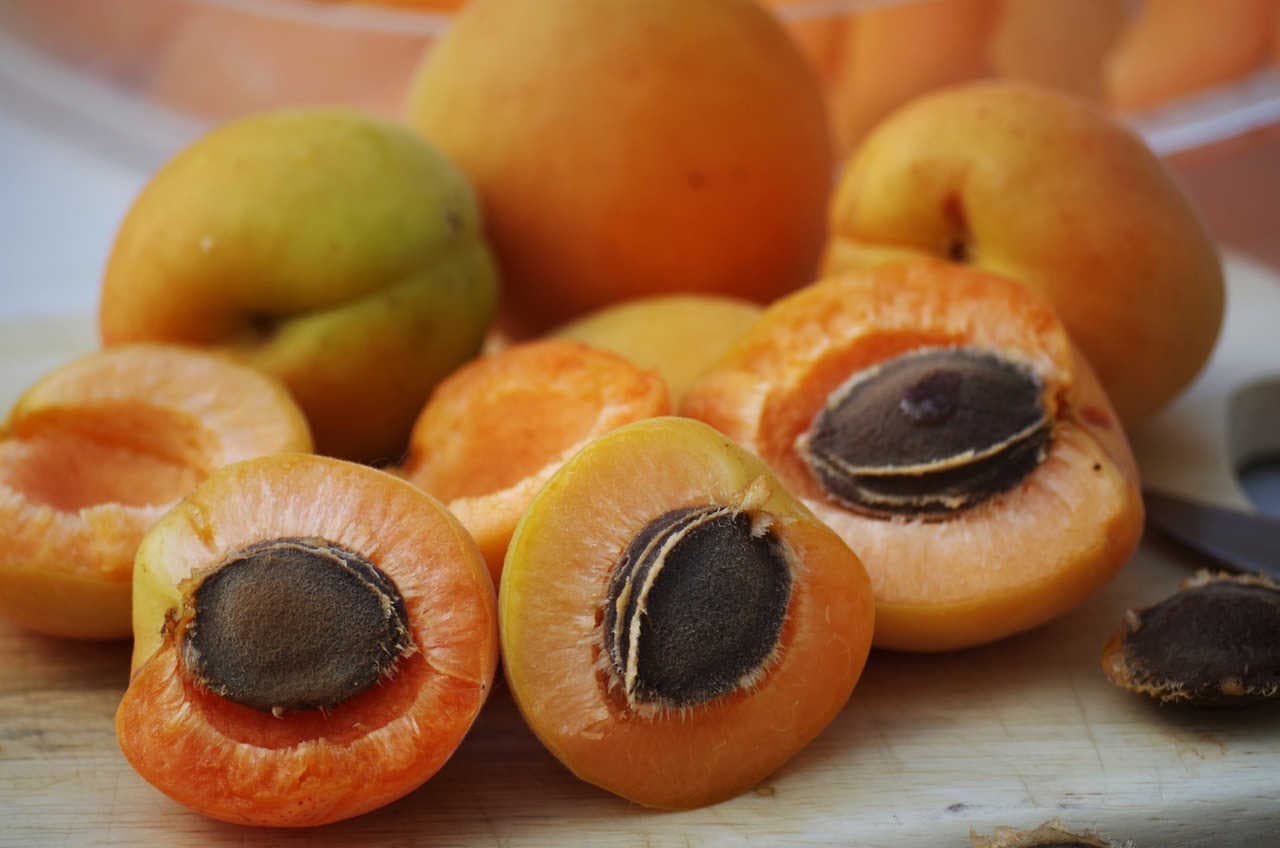
    Albicocche

    The Wild Blackthorn: ouch, what thorns!

    The species Prunus spinosa takes its name from its numerous prickly thorns that contrast with its hexile white flowers that herald spring. The Prunus or Wild Blackthorn is a quite versatile species as it adapts to different environments, from the plains to altitudes of around 1700-1800 m, surviving in both freezing and scorching heat. It was formerly used by farmers to create borders along their land as it generally creates dense, prickly hedges that are difficult for animals to penetrate. Its double nature, thorny and delicate, has led to beliefs that it cases both good and evil, a mixture of joy and sorrow, going so far as to be considered a sacred plant. For some animals, it represents a refuge and food resource, thanks to its blue-purple fruits, or a larder of food supplies for the sparrow shrike, which exploits the blackthorn's thorns to stalk and store prey.
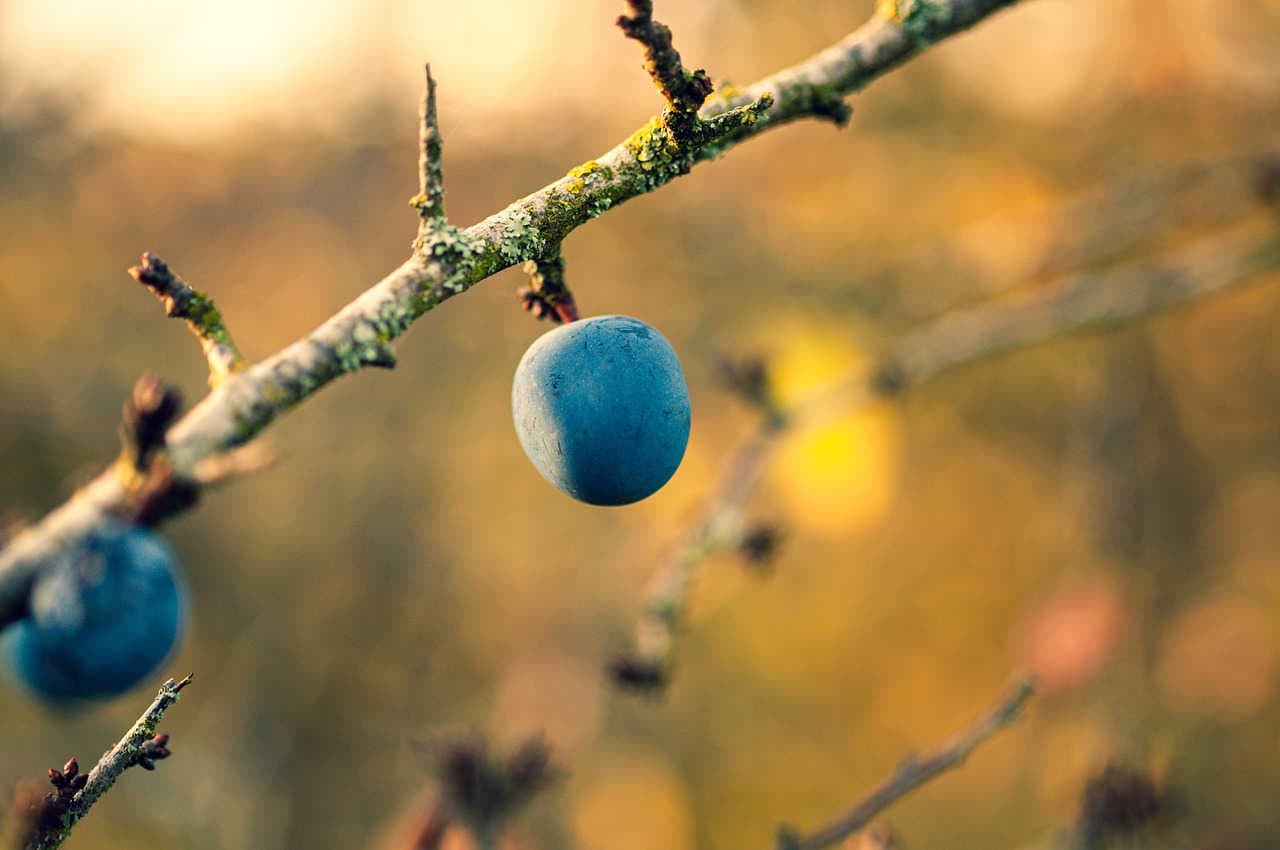
    Prugnolo
    XNatura

    The peach tree: symbol of immortality

    The peach tree is a tree with the scientific name Prunus persica, which literally means 'Persian plum'. One may mistakenly think it comes from Persia, but genetic analysis indicates that its correct origin is from China. In fact, in China, peaches have been cultivated for thousands of years, since the Neolithic period even, and there is evidence that the domestication of this plant occurred before 6000 BC in the province of Zhejiang. Through the Silk Road it arrived as far as Persia, where it acquired its botanical name, only to be introduced into Europe thanks to Alexander the Great, who conquered Persia. In China, they are a symbol of unity and immortality. Indeed, according to Chinese mythology, whoever eats its fruit, which is considered a rare delicacy, acquires longevity. The peach often appears in Chinese art, from literature to legends, as well as in traditions: Chinese brides' bouquets often carry peach blossoms.
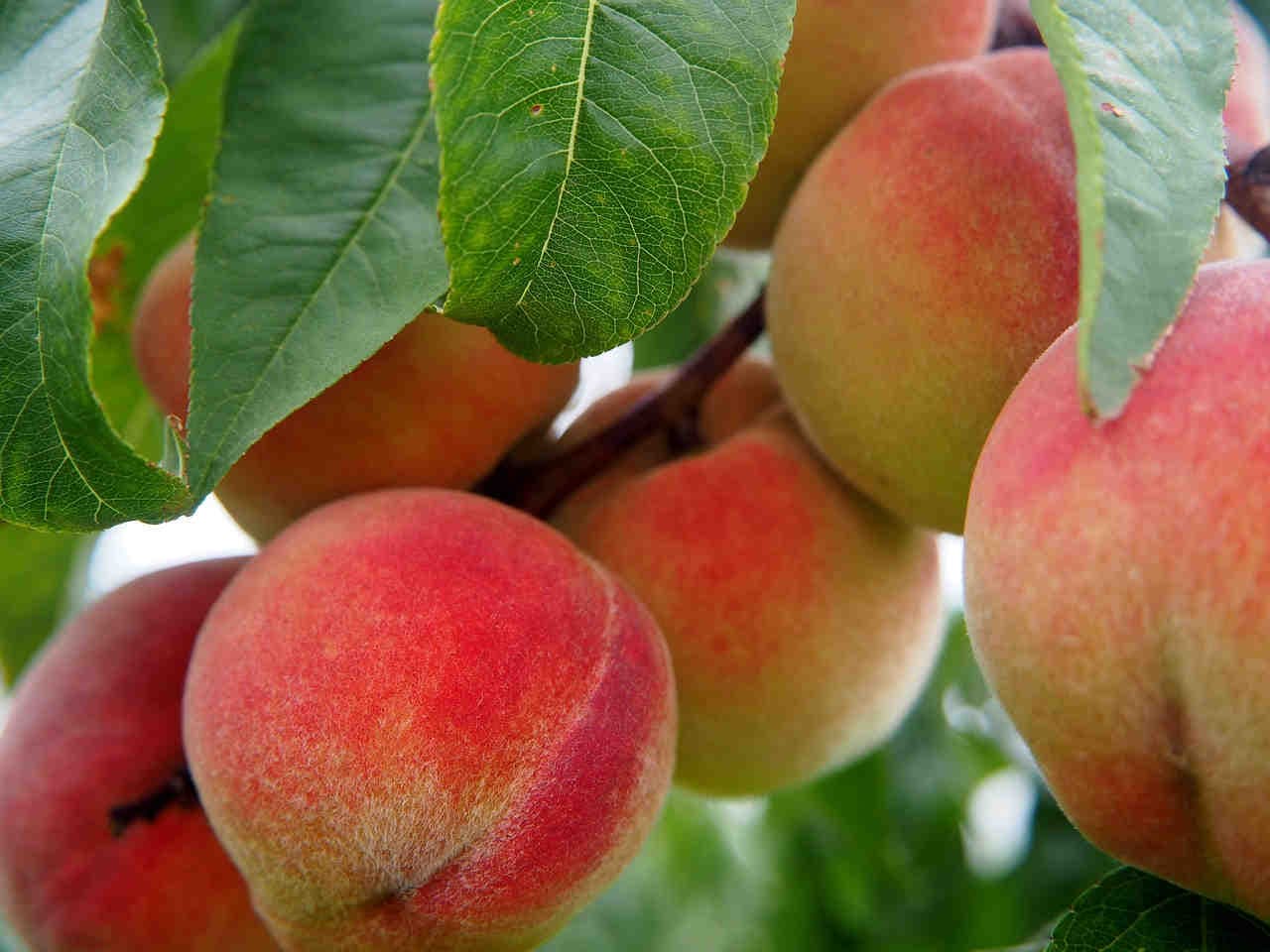
    pesca
    3Bee

    The peach tree: also a symbol of purity and fertility

    The peach tree is an inherent tree in Chinese culture, but we can also find it in Japanese. The Japanese consider peaches symbols of purity and with the ability to ward off evil. This has also been reported in a famous folk tale, the 'Peach Boy', or Momotaro. It is a legend that tells the story of one of the best-known characters in the Land of the Rising Sun, so much so that the 5th of May each year is celebrated in his honour. A boy, born from a peach that came into the hands of an old woman who had been unable to have children, grew up and fought many demons, thus becoming a hero; but it is not only his courage that is his virtue for which he is appreciated, but mostly for his gentility.
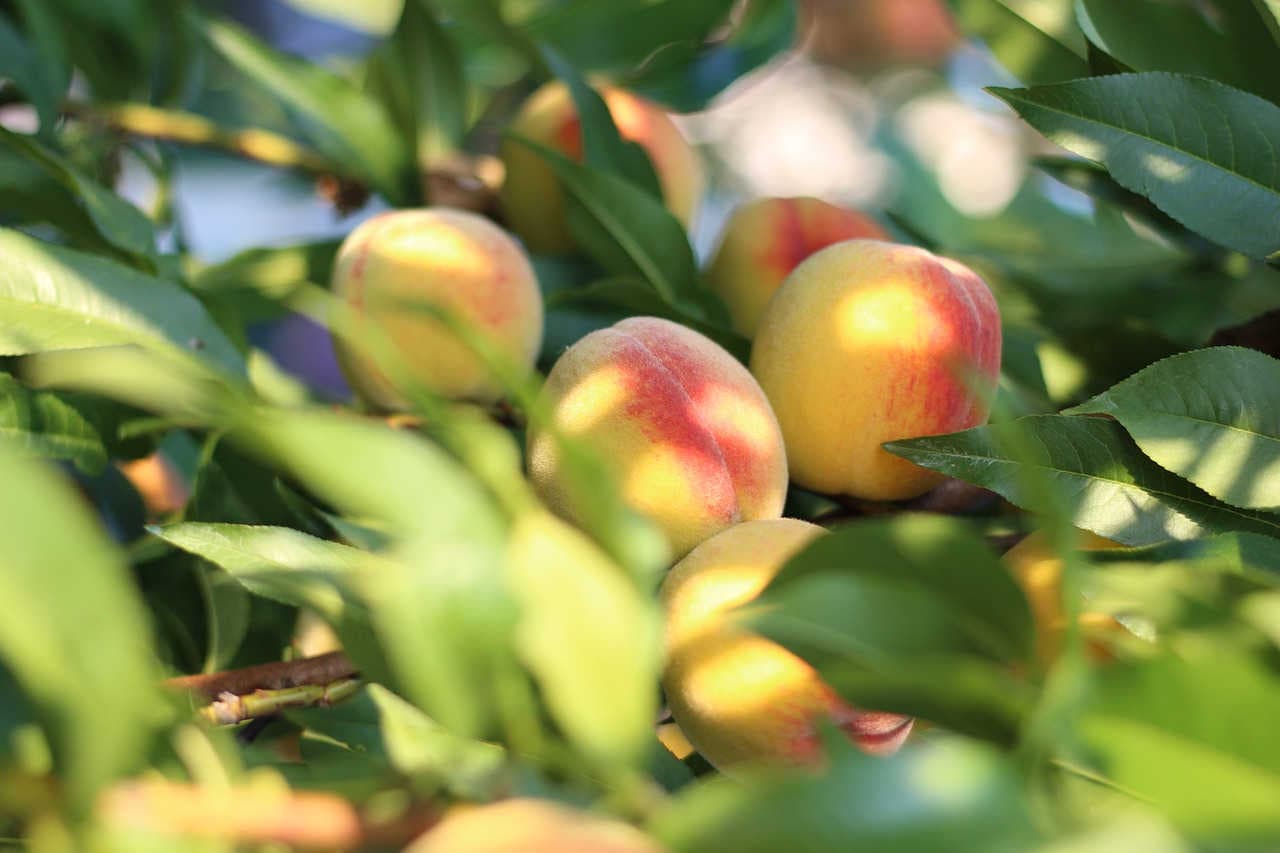
    pesco

    The Almond Tree and its 'Greek nut

    The Prunus dulcis, vulgarly known as the almond tree, is a potentially very long-lived plant originating in Asia. Asian regions were the first to have cultivated almond crops, and later, thanks to the Greeks and Phoenicians, the almond tree was introduced to Europe, all the way to the Americas. The Romans, at the time, called the almond, the fruit, 'Greek nut'. However, almond seeds have been found as far back as Egyptian times, inside Tutankhamun's tomb, dating back to around 1325 BC. Compared to other plants belonging to the same family, the almond tree's flowering is the earliest, occurring between February and March. This can endanger the plant itself, especially in the north, as it is exposed to possible late frosts. In fact, the flowers die at temperatures of a few degrees below zero. However, the almond tree is produced throughout Italy and is particularly well adapted to the Mediterranean climate.
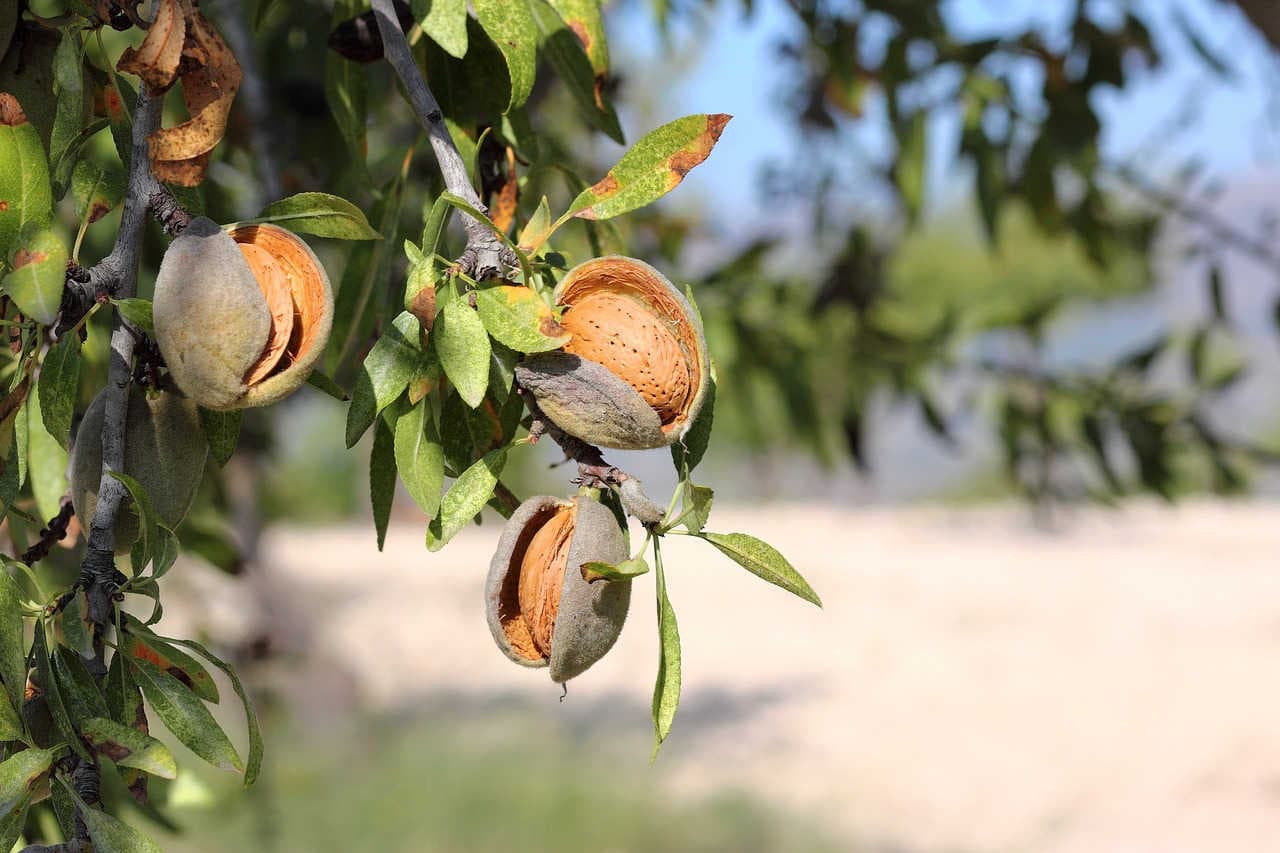
    mandorlo

    L'Amareno, the antico

    The sour cherry, also called amarasco, is a tree similar to the cherry, originating in Europe and temperate Asia. seeds have been found between prehistoric and ancient times in Central Europe. The etymology of its name is uncertain; it is known that the genus 'prunon' derives from the Greek word for 'plum', while the specific name, given by the Romans, comes from Cerasunte, a locality near the Black Sea. It is said that Lucinius Licinius Lucullus, a Roman soldier and politician, picked the plant in this village and brought it to Rome. It is a tree that can be spontaneous in deciduous woods in the sub-mountainous belt, as well as being cultivated. The fruits are much appreciated in the culinary world for the production of syrups, jams, candied fruit and liqueurs.
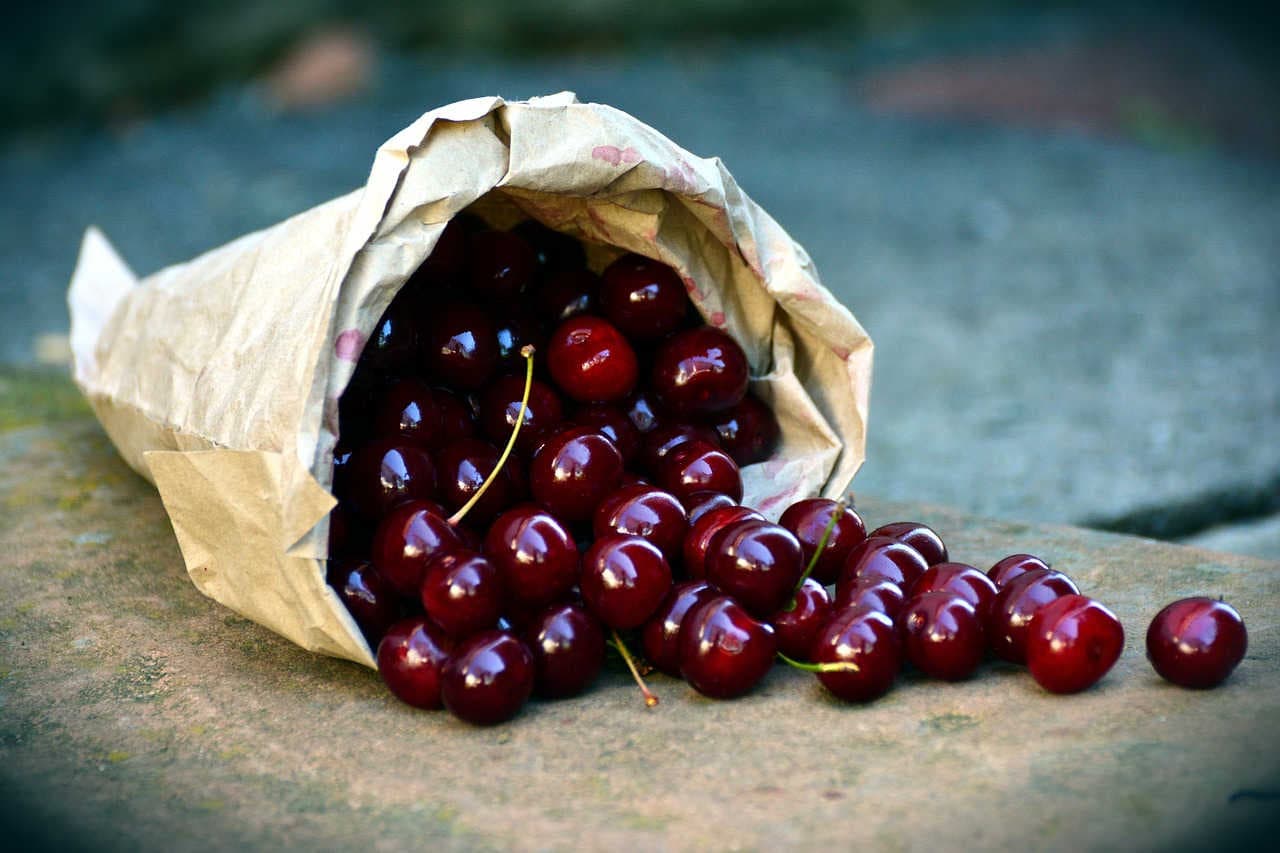
    amarene

    The Apricot: from China to Europe

    Prunus armeniaca is the scientific name of the apricot, a tree that may be mistakenly thought to come from Armenia, but is actually native to China. It is a plant widespread throughout Asia, and the Romans and Greeks received this arboreal species from Armenia, where it was cultivated and from where it got its specific name. The apricot tree arrived in the West thanks to Alexander the Great, and thanks to the Arabs it spread throughout Europe, where its fruit was considered exotic and very rare. Thanks to its juiciness and sweetness, the apricot tree has become very popular and appreciated, as well as enchanting with its precocious flowering characterised by relatively large, solitary flowers.
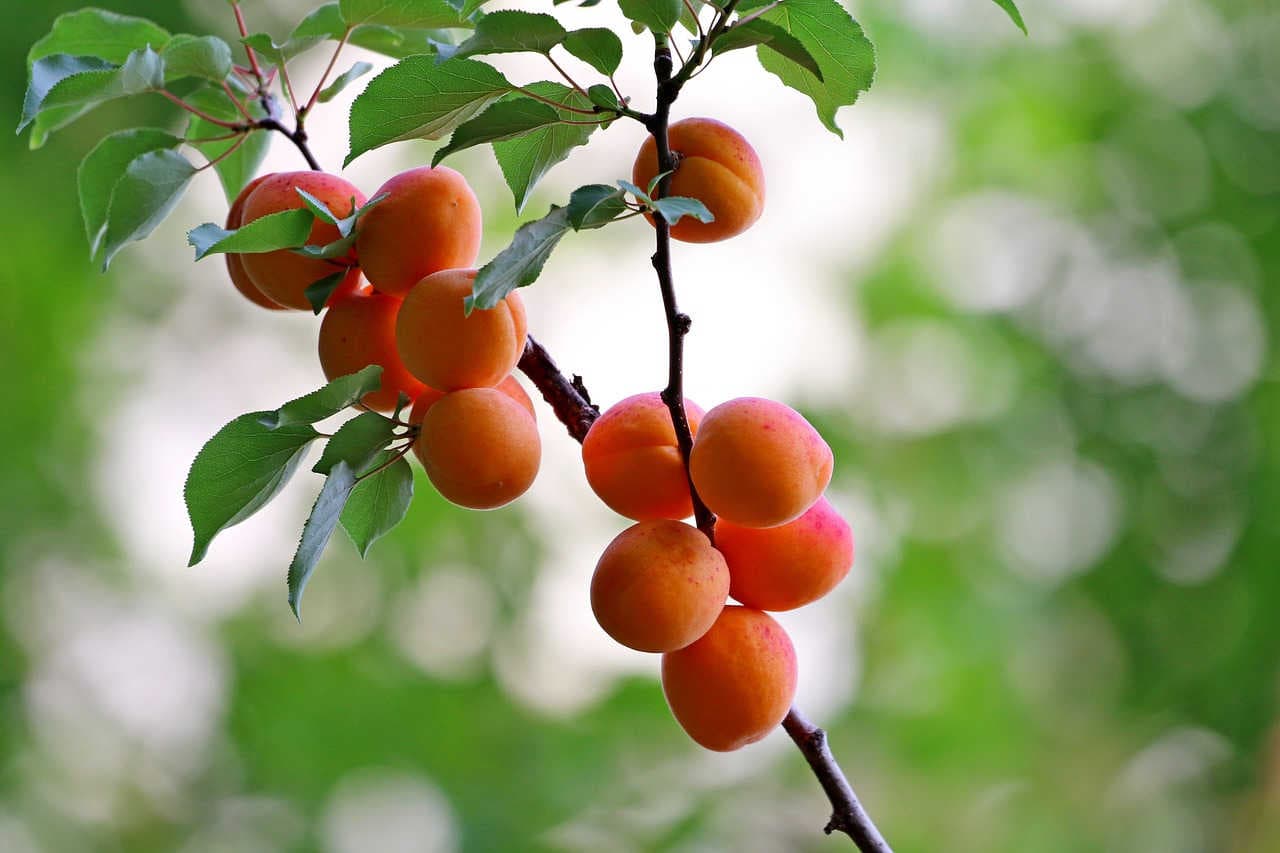
    Albicocco

    Biodiversa: the 3Bee game app to monitor biodiversity

    Biodiversa is the free game app for biodiversity monitoring and ecosystem protection that allows users to easily 'collect' and identify plants and flowers encountered during an outdoor walk. An ambitious citizen science project that aims to create a cooperative archive dedicated to flora (and in a second phase fauna) in Europe, involving player users with challenges to catalogue species, some of which are rare or endangered. Available for iOS and Android, Biodiversa has a dynamic similar to that of some well-known free-to-play video games that encourage moving and travelling in the real world to 'collect' characters. In fact, the app made by 3Bee offers a gaming experience in which plants are all to be 'collected' and identified in order to collect experience points, level up and climb the leaderboard.

    Biodiversa
    06/07/2024Of 3Bee, Lara Vivarelli
    1546 Views
    Newsletter
    newsletter
    Subscribe to the Blog about bees and biodiversity

    Frequently Asked Questions

    Do you have any doubts or other curiosities about this article? Here you will find some insights