Contexte
In a national context marked by a
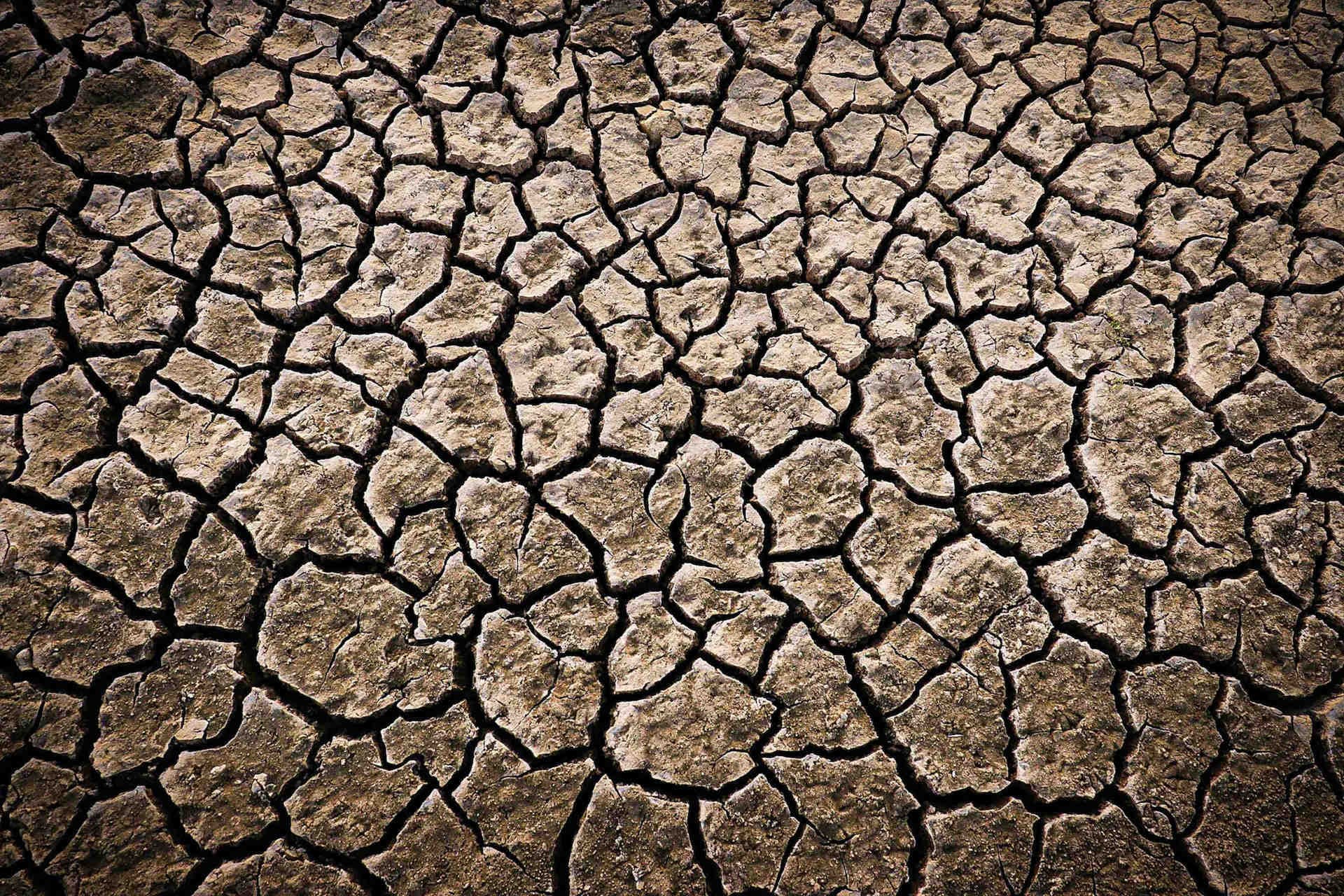
The droughts affecting France are becoming increasingly common, putting biodiversity and crops at risk. Drought reduces vegetation, which means fewer nectar resources for pollinators.
Read the articleIn a national context marked by a
The situation is also worrying, according to the latest data from the French Geological and Mining Research Bureau (BRGM). In March and April 2023, despite excess rainfall over much of the country, groundwater levels remain a cause for concern. According to BRGM, the rainfall led to episodes of groundwater recharge, but trends remain uneven: 37% of observation points are up, 25% are stable, but 38% remain down in April.

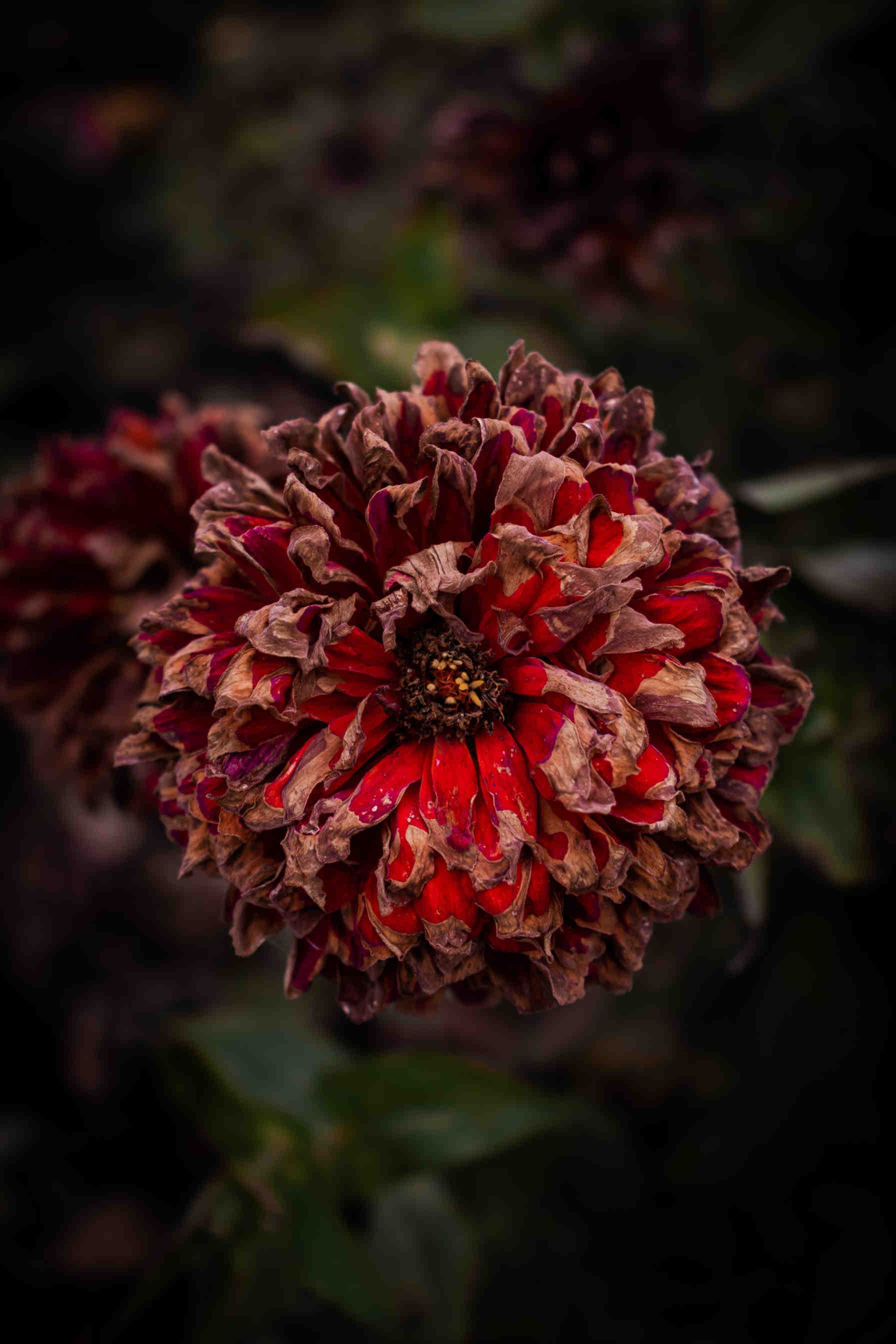
During periods of drought, the effects on biodiversity are
As part of this, the
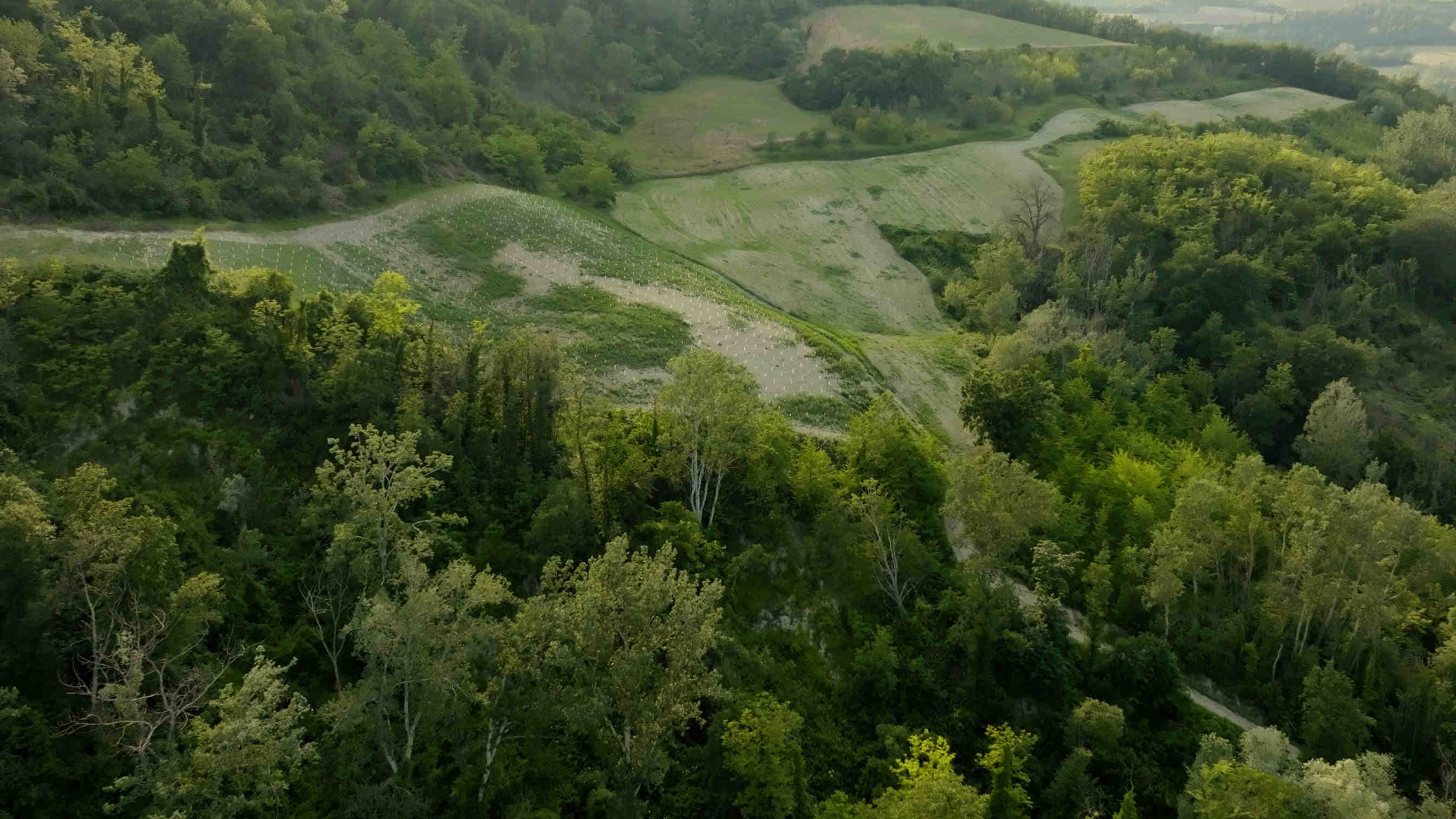

In the run-up to World Drought and Desertification Day on 17 June, we need to take urgent action to preserve our environment and the balance between communities and nature. 3Bee's Biodiversity Oases, while not being able to intervene at the source of the drought problem, represent a concrete and innovative solution for limiting the effects of this phenomenon by reconstituting ecosystems for the survival of pollinating insects in a very short space of time and with a high degree of scalability. "Ecosystem resilience is the real innovation. We need to take concrete steps to regenerate the ecosystems we have destroyed. By combining 3Bee's technology with the involvement of the largest community of growers for biodiversity, we are going to create the largest ecological corridor in France," says Niccolò Calandri, CEO of 3Bee.