The Common Larch: A Deciduous Conifer
    The larchDifferencesFeaturesDistribution

    The Common Larch: A Deciduous Conifer

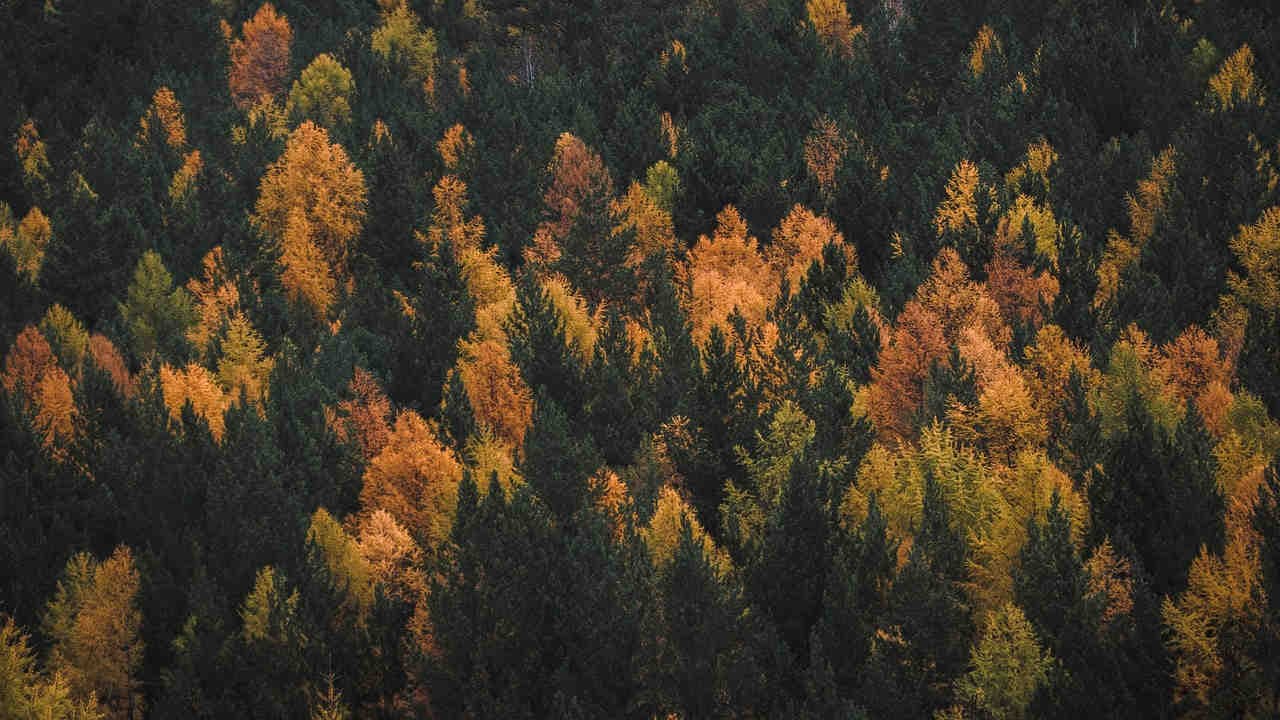
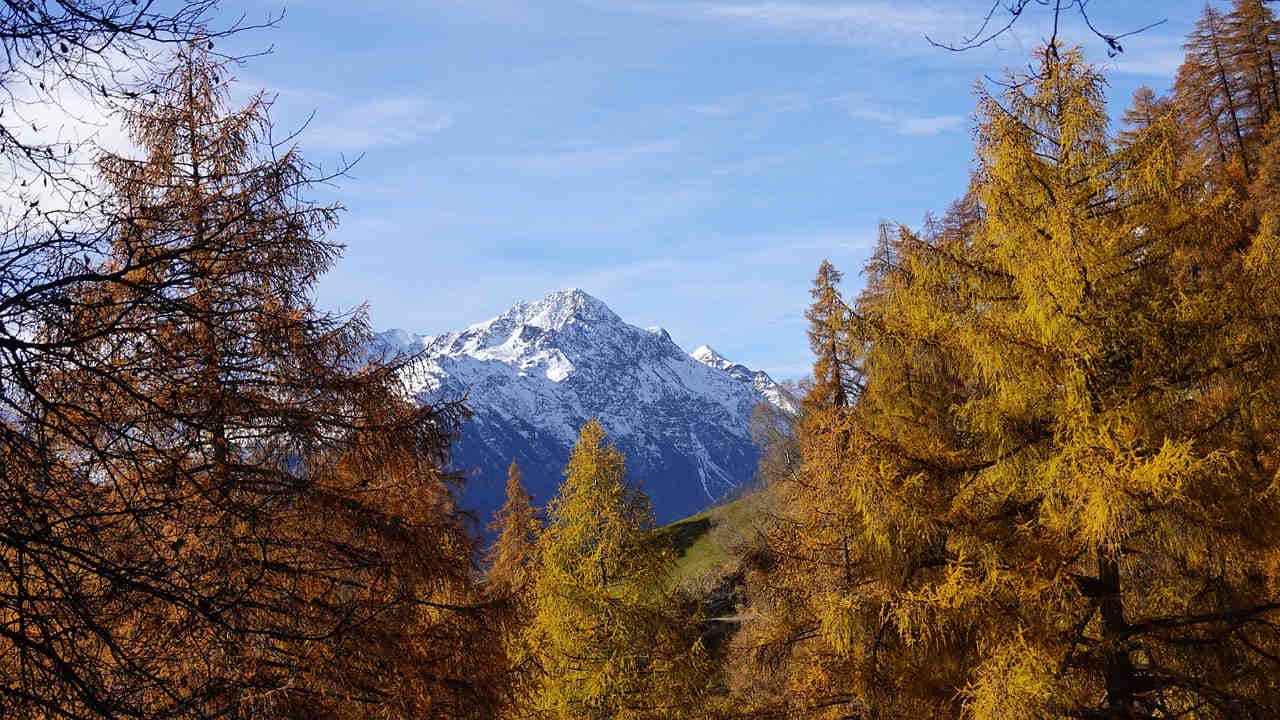
    The common larch stands out from other conifers due to its ability to lose its needle-like leaves during the winter. This tree, typical of the Alps, is known for its spectacular color change in autumn, when the mountains are adorned with a warm golden hue.

    Read the article
    16/01/2025Of 3Bee, Lara Vivarelli
    277 Views
    16/01/2025Of 3Bee, Lara Vivarelli
    277 Views

    What is the larch and how to recognize it?

    Disclaimer: this is an automated translation from Italian. Go to the original article.

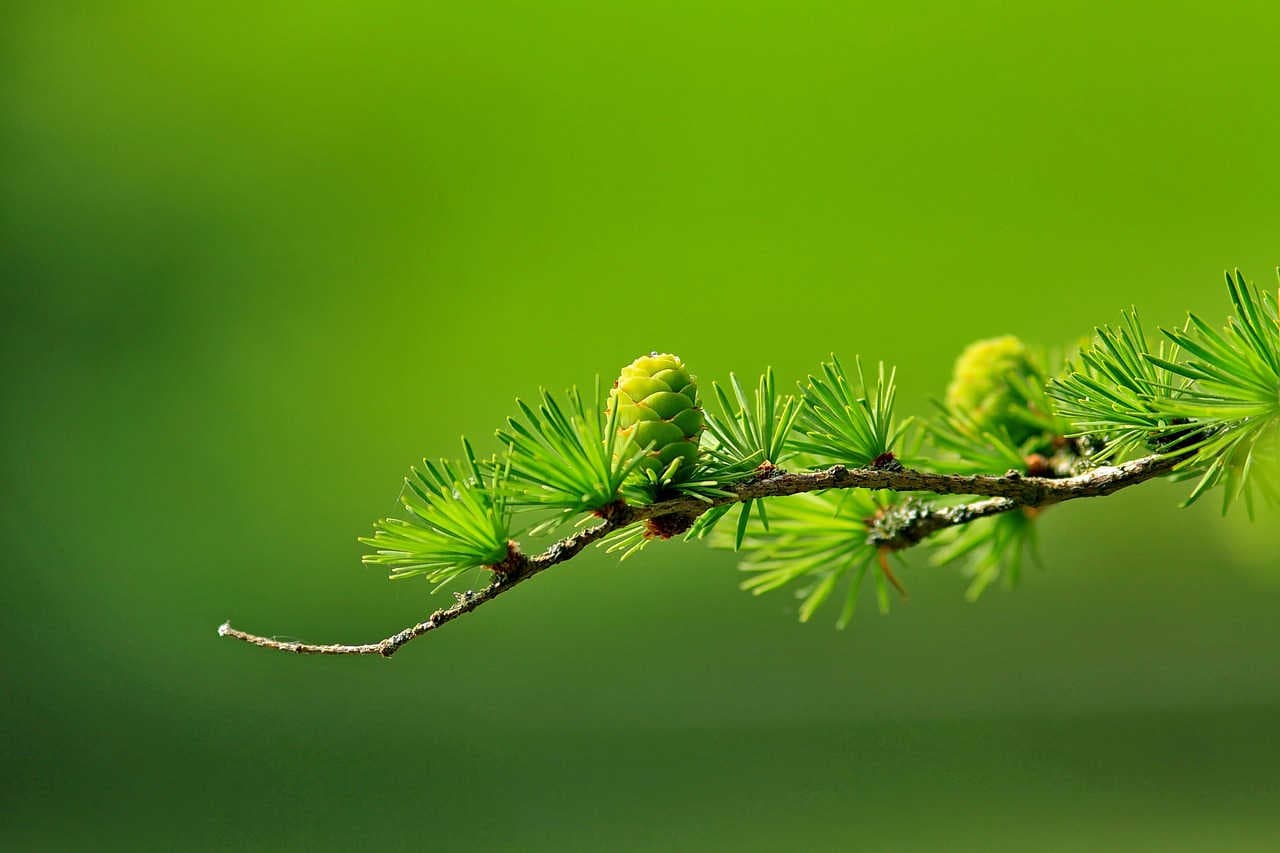
    The term "larch" generally refers to conifers belonging to the genus Larix, which is part of the Pinaceae family. This genus includes ten species distributed in the northern hemisphere, particularly in Central and Eastern Europe. In the Alps, the species Larix decidua, also known as the common larch, grows. The trees of this species have thin, needle-like leaves, with the peculiarity of being deciduous, meaning they fall in autumn. They are fast-growing plants that can reach up to 40 meters in height, and they are very long-lived, with a lifespan that can reach 600-800 years. The common larch is a nationally protected species.
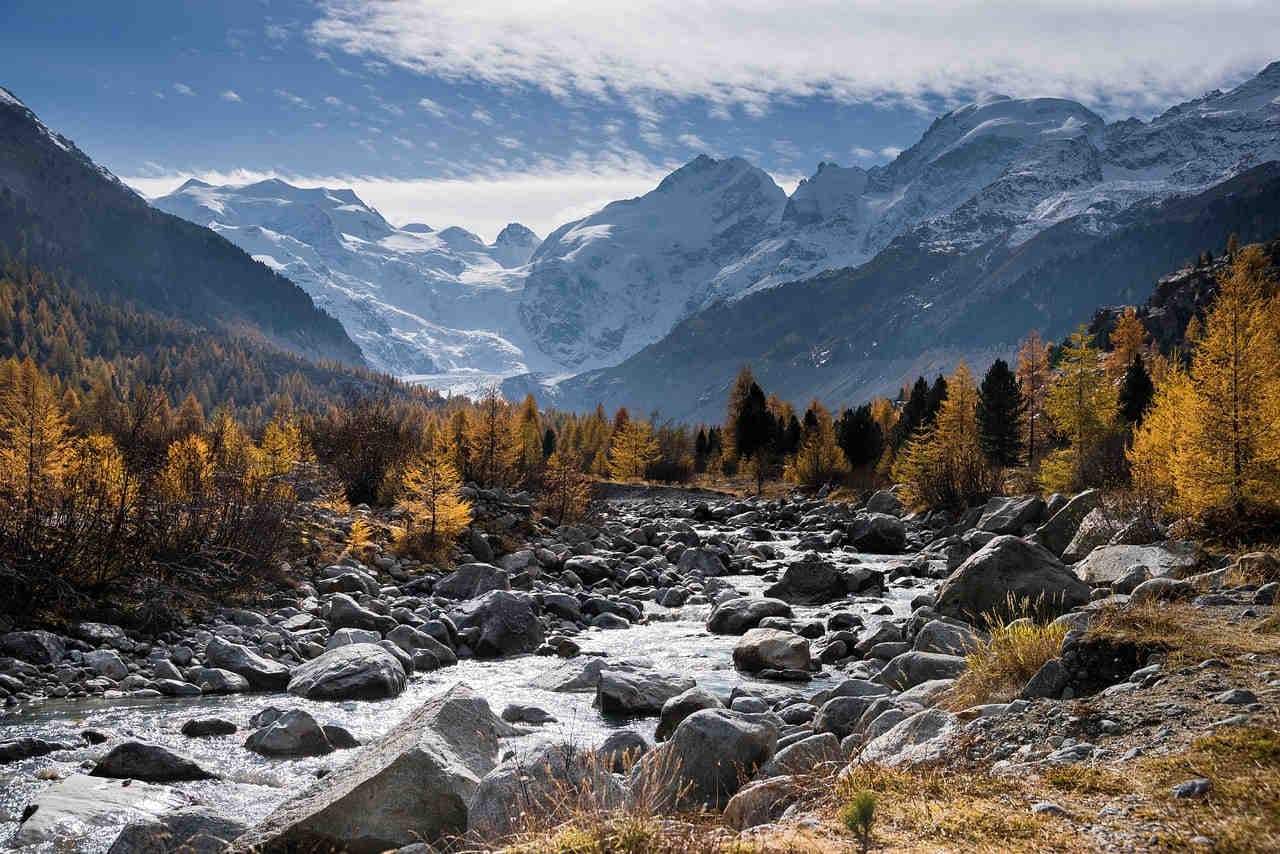
    larix decidua larice comune

    What is the difference between larch and other conifers?

    The European larch stands out clearly from other European conifers due to a unique feature: while other conifers are generally evergreen, the larch completely loses its leaves during winter. This shedding of the needle-like leaves is an adaptation strategy to the cold, allowing the plant to better withstand low temperatures. Furthermore, thanks to this peculiarity, the European larch is able to endure extreme climatic events, such as prolonged droughts, early winters, and water stress. The plant regenerates its foliage in the spring, when it produces new, green, and robust needles. The term "deciduus", which is part of the scientific name Larix decidua, derives from the Latin decido, meaning "to fall", referring to the leaves that fall in winter, confirming the Latin origin of the term related to the deciduous nature of the leaves.
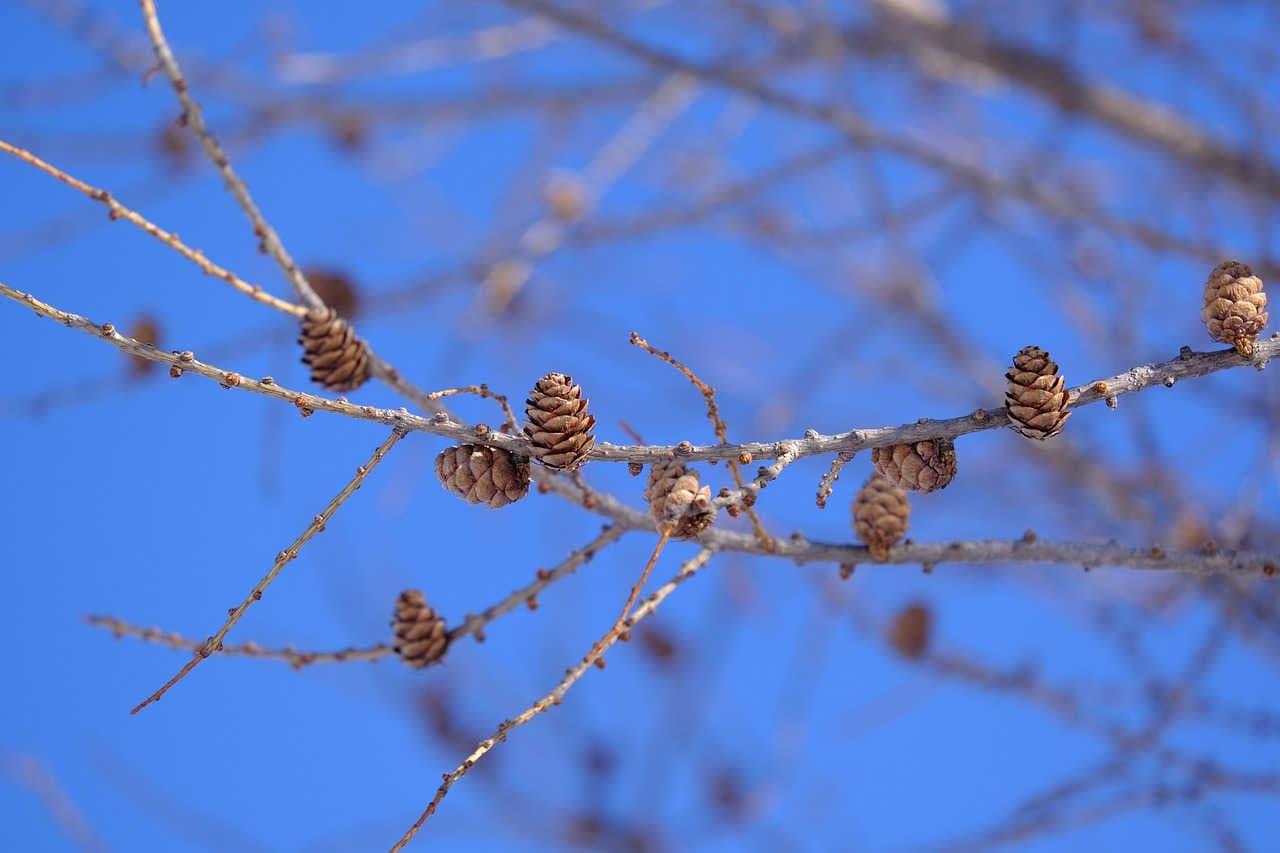

    foglie caduche del larice comune
    XNatura

    What is the main feature of the larch?

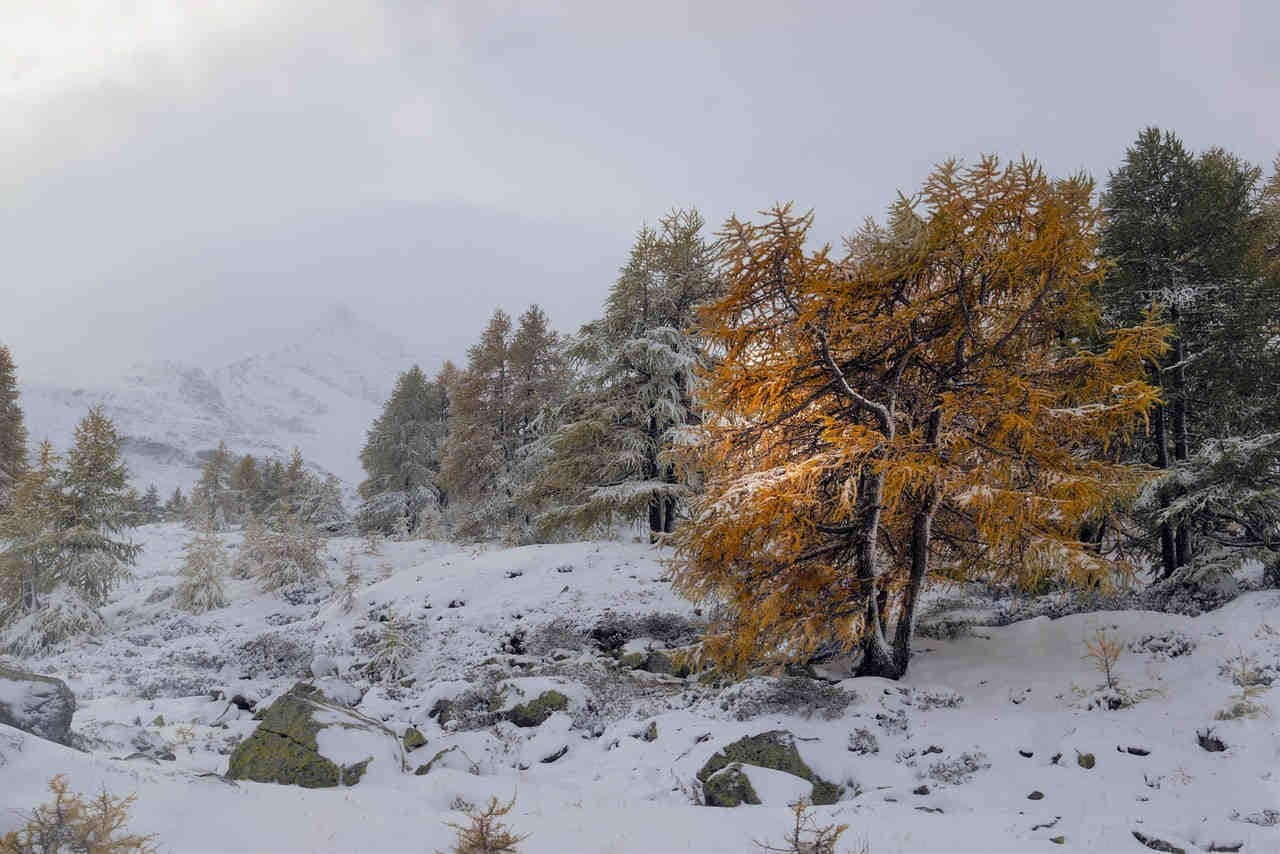
    The common larch is a conifer with an upright growth habit, but its shape can vary depending on altitude, being a polymorphic species. At lower alpine altitudes, the crown tends to be more expansive, while at higher altitudes it becomes narrower, reducing damage from the accumulation of snow, which can be more abundant. The base of the trunk may curve due to snow pressure. One of the most fascinating features of the common larch is its seasonal color variability. In early spring, its branches are covered with small tufts of bright emerald green, which become a darker green in summer. In autumn, the crown turns a yellow-ochre color before becoming a "bare skeleton" in winter when the leaves fall.

    caratteristiche morfologiche del larice comune

    Where is the common larch widespread?

    The common larch originates from a pseudo-Larix stock from the northern European regions and Siberia, which spread to central and southern Europe during the last glaciation. With the retreat of the glaciers, these populations isolated themselves in the Alps and, to a lesser extent, in the Carpathians, evolving independently into a distinct species. In Italy, the common larch is widely distributed in the Alps, where it can grow even at altitudes over 2,500 meters, where the forest gives way to alpine meadows. The Apennines, on the other hand, do not have it. The larch thrives in fresh, well-drained soils, with a dry climate and well-lit positions. In South Tyrol, it constitutes 19% of the plant species, and is also abundant in Austrian forests, where it forms pure larch forests or mixed forests with spruce, white fir, Scots pine, and stone pine.

    diffusione larice comune
    XNatura

    What are the ecological services of the European larch?

    The European larch has a significant biological value, especially in high-altitude forests where it hosts various populations of lichens, such as Cetraria islandica and Cladonia arbuscula. The undergrowth is dominated by heathers and mosses, while in drier soils the shrub small cotoneaster grows. This plant thrives on soils with a litter of conifer needles, which creates a slightly decomposed and mineral-poor humus layer. The larch and Swiss pine forest hosts various bird species, such as the nutcracker, which feeds on the seeds of the Swiss pine and helps in seed dispersal, and others like the crossbill, owl, and three-toed woodpecker. During the winter, many animal species seek refuge in these forests. Moreover, rare plants like Linnaea borealis and Clematis alpina find an ideal habitat in this environment.
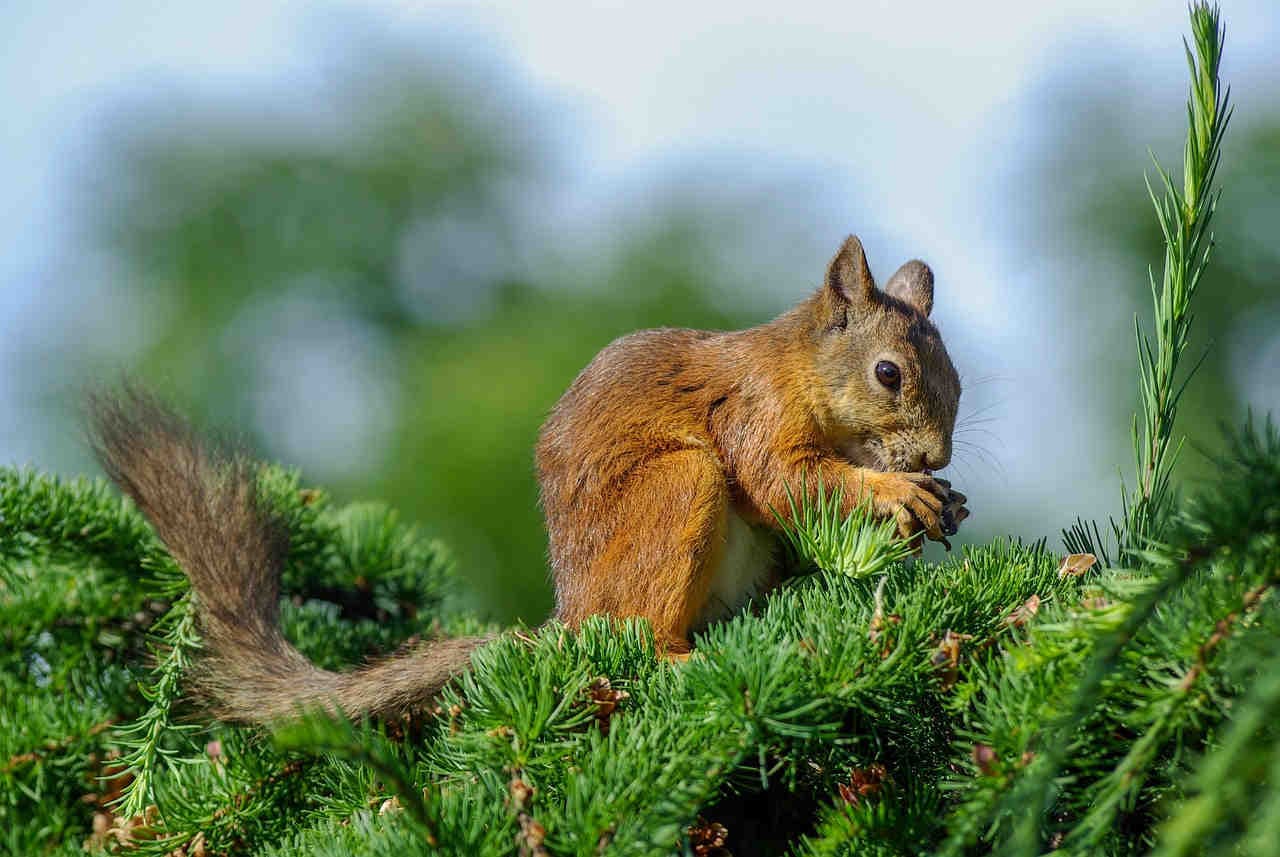
    valori biologici foreste di larice
    3Bee

    Why is the larch very resilient?

    In addition to having deciduous leaves, which allow it to withstand environmental disturbances such as cold and drought, the common larch has dormant buds under the bark. These buds allow the plant to develop new branches from the trunk, but not suckers, a typical ability of plants growing in difficult environments. The larch also has a robust root system, with roots that penetrate deeply, even in rocky or gravelly soils. If the trunk or branches suffer damage, the plant quickly seals them with resin, limiting the damage. The particularly thick bark of the larch also makes it resistant to damage caused by snow and fire, favoring its spread in mountain forests, especially in the Alps.

    resistenza del larice comune

    When and how does the common larch bloom?

    The common larch begins to fruit after 30-40 years, once past the juvenile phase. However, in harsh environments, it can take up to 70 years before producing its first fertile fruits. The fruits, called strobili, consist of scales hosting the seeds and derive from the pollination of larch flowers. Flowering occurs every 5-10 years, with the formation of cones that appear in spring, between April and May. The cones, both male and female, grow on the same tree. The female cones, when immature, are distinguished by their vivid purple color. A particular characteristic of these cones is their arrangement: the female cones are upright, while the male ones hang downward, to prevent pollination from occurring via pollen from the same tree.
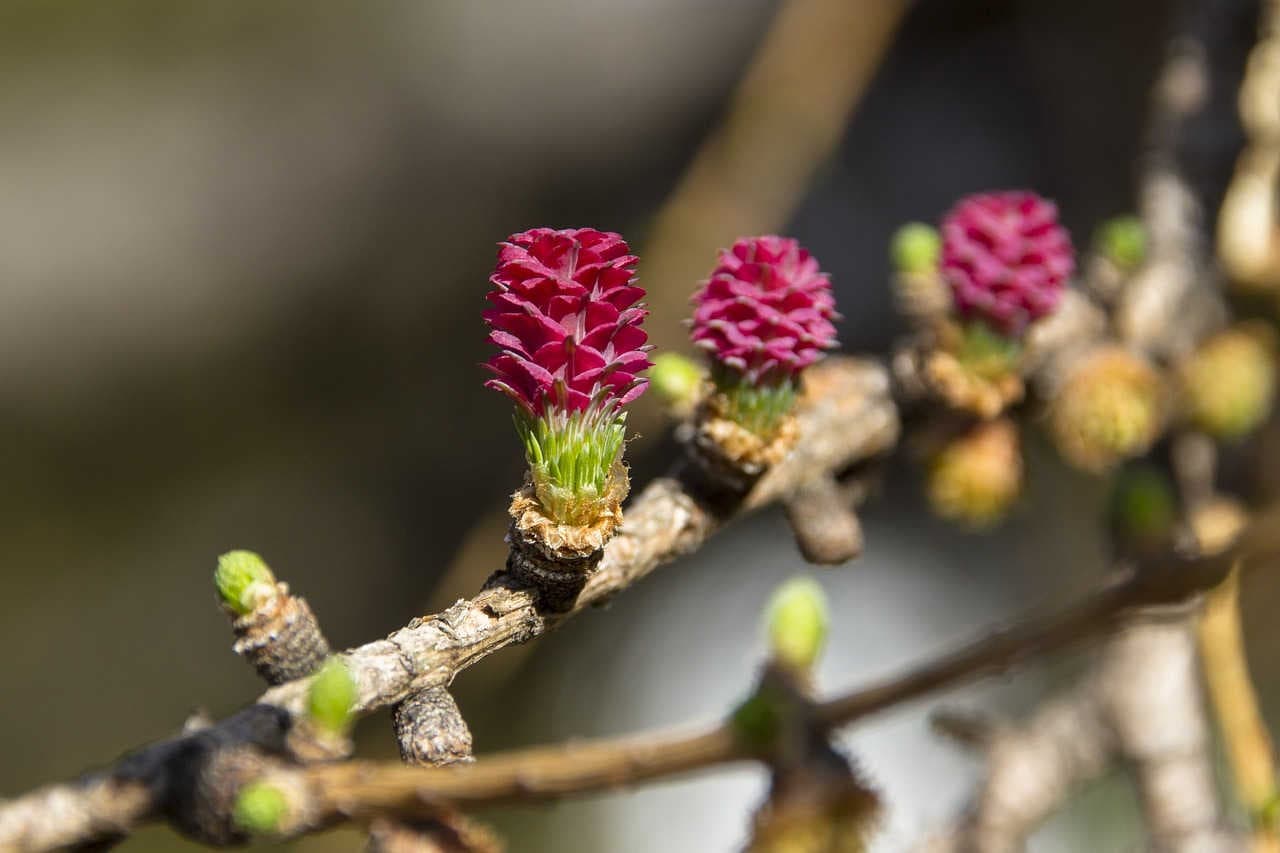
    fioritura del larice comune

    The larch is a pioneer species: what does it mean?

    The common larch is a pioneer species, capable of colonizing poor soils and lacking rich biodiversity, thus contributing to improving the environment and promoting the growth of other species. This conifer thrives in cold climates and, like all pioneer species, tends to expand into new territories when conditions are favorable. In the mountains, where pastoralism has caused the degradation of much of the vegetation, the common larch is slowly reappearing, paving the way for other conifers, such as the spruce. This is how the bright forests of the high Alpine pastures, characterized by sparse, large, and ancient trees, appeared.
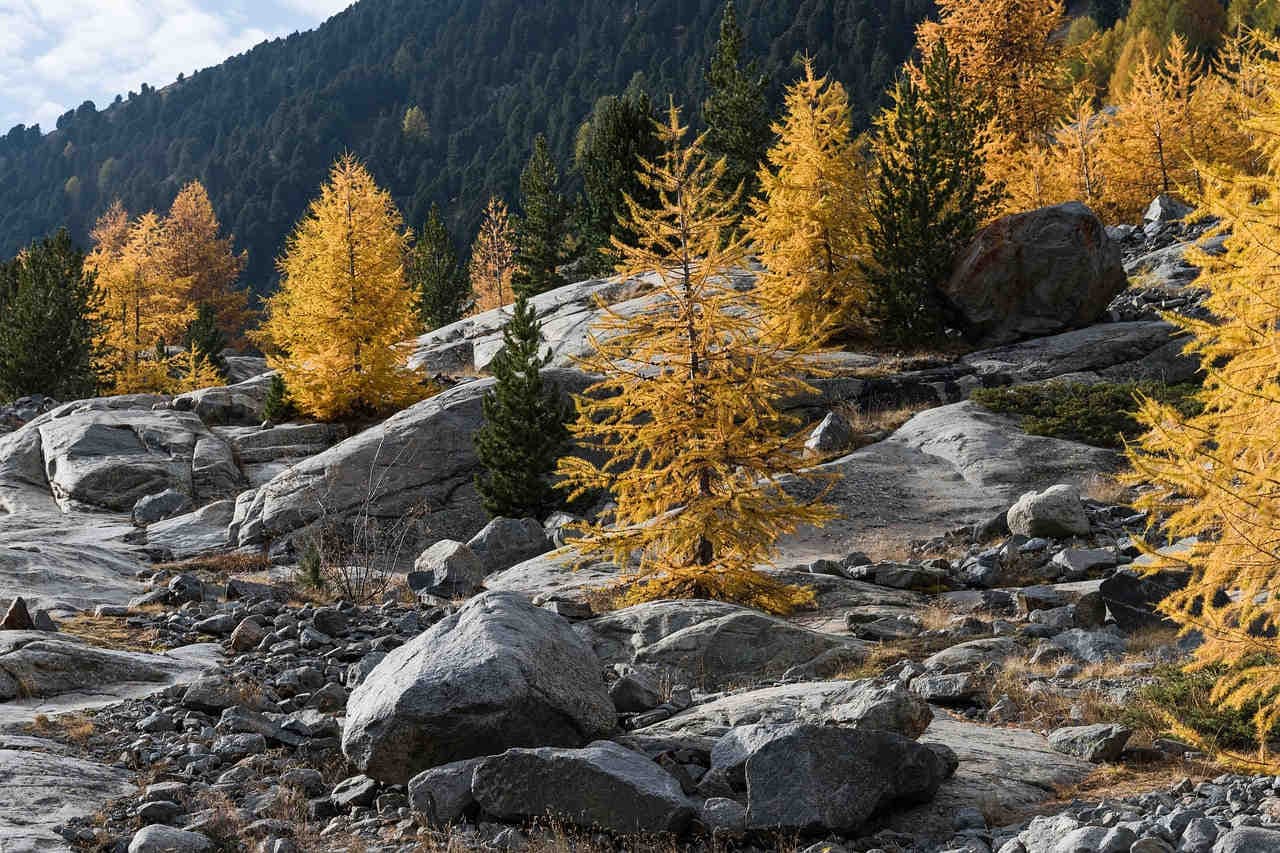
    larice specie pioniera
    16/01/2025Of 3Bee, Lara Vivarelli
    277 Views
    Newsletter
    newsletter
    Subscribe to the Blog about bees and biodiversity

    Frequently Asked Questions

    Do you have any doubts or other curiosities about this article? Here you will find some insights