Wasps, unexpected allies for sustainable agriculture
    Who they areThe most commonFalse mitesAre they useful?

    Wasps, unexpected allies for sustainable agriculture

    Wasps are often considered a mere nuisance because of the fear they often inspire. However, they perform some fundamental ecosystem services, ranging from pollination to predation. Find out how their contribution can help us make agriculture more sustainable.

    Read the article
    15/11/2024Of 3Bee, Niccolò Patelli
    862 Views
    15/11/2024Of 3Bee, Niccolò Patelli
    862 Views

    Who are the wasps?

    Disclaimer: this is an automated translation from Italian. Go to the original article.
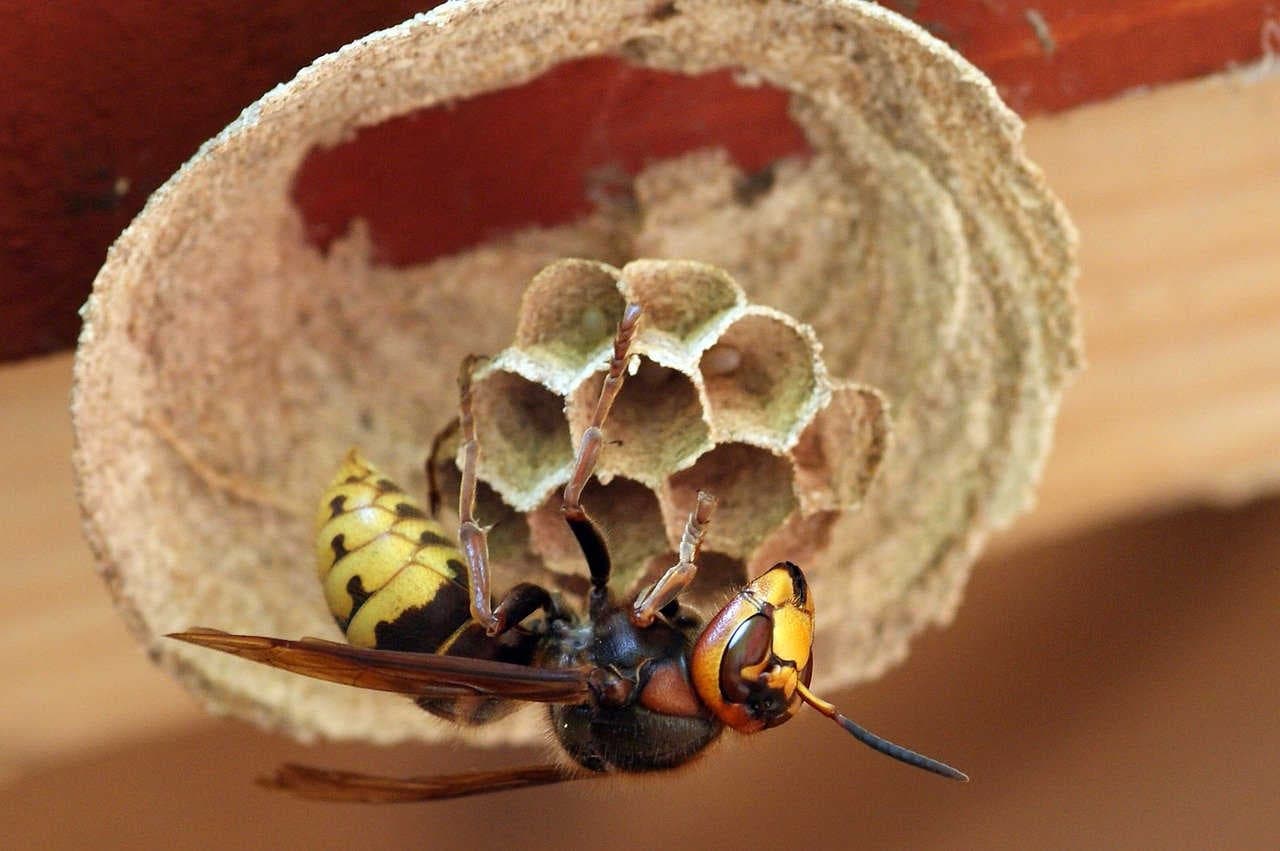
    The term 'wasp' is extremely generic and sometimes can cause some confusion. Wasps are insects belonging to the order Hymenoptera that are often confused with other similar insects such as bees, bumblebees and solitary bees. Hymenoptera include eusocial wasps, which form organised colonies, and solitary wasps, including vasaie wasps, parasitoids and many others. Eusocial means that they have the highest level of social organisation and therefore live in hierarchical structures with a queen, workers and males, just like bees, which are also eusocial. Parasitoids, which are sometimes called 'wasps', are solitary and females lay their eggs in the bodies of other insects, playing a crucial role in biological control. This article will focus on social wasps and their ecological relevance.

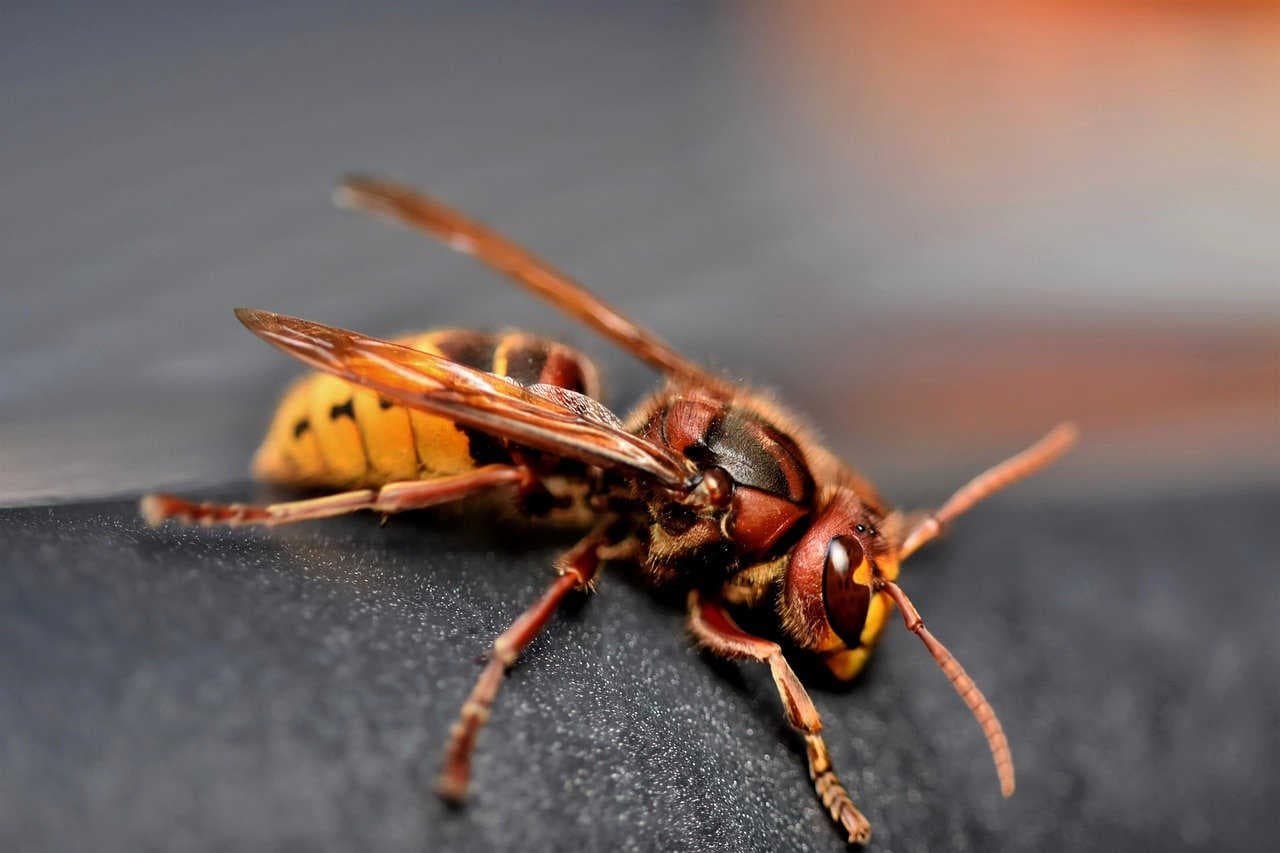
    Vespa crabro

    The most common social wasp species in Europe

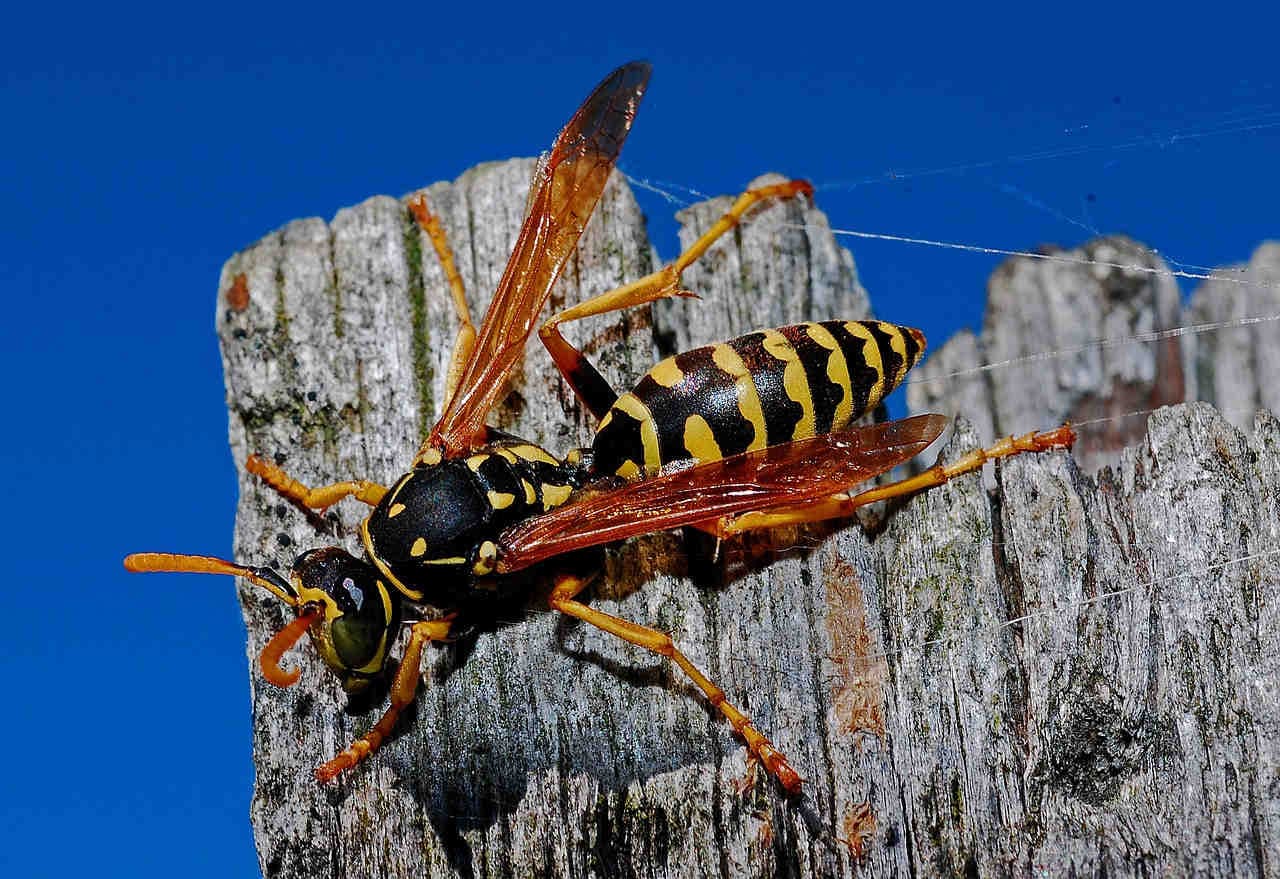
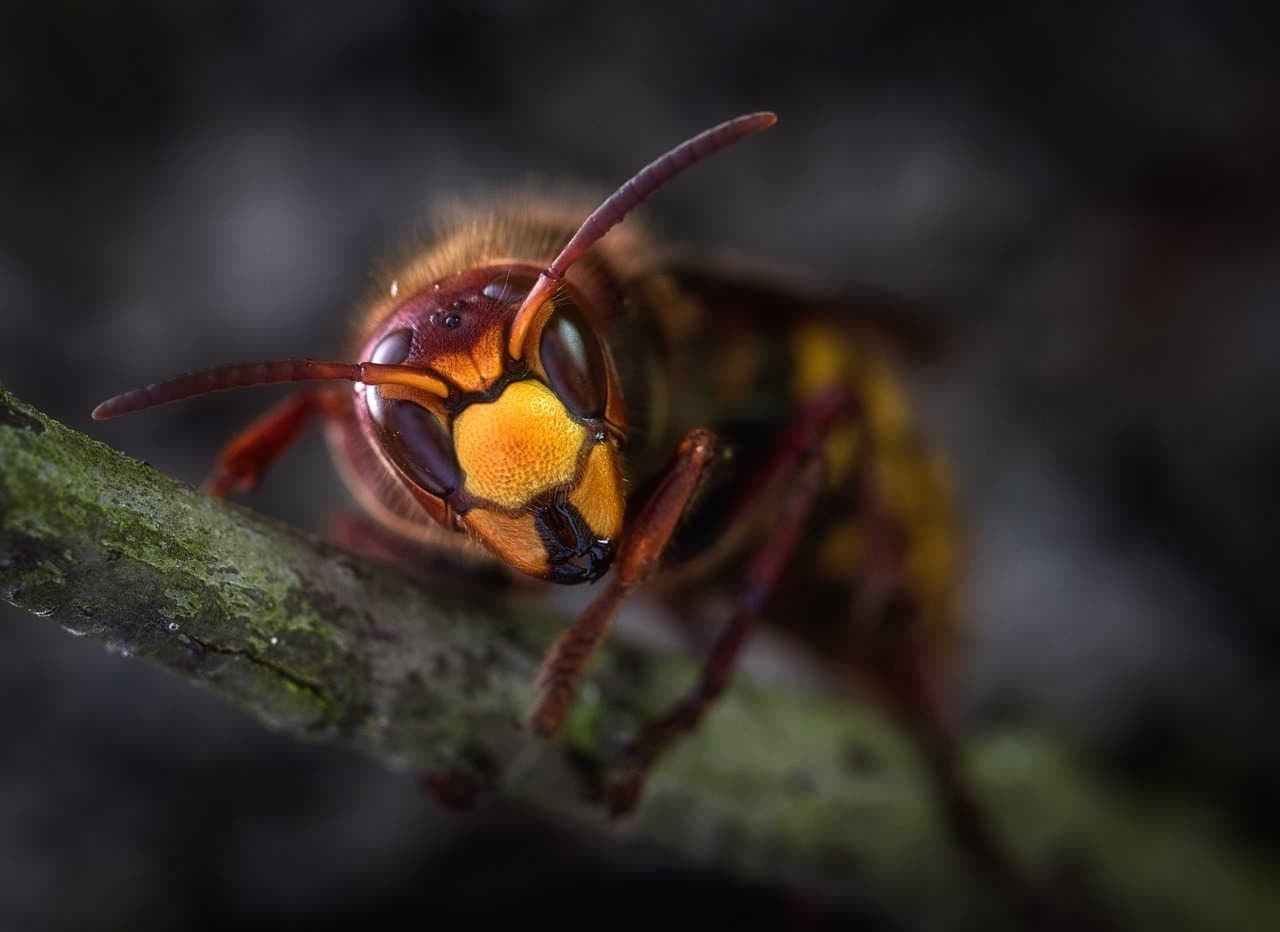
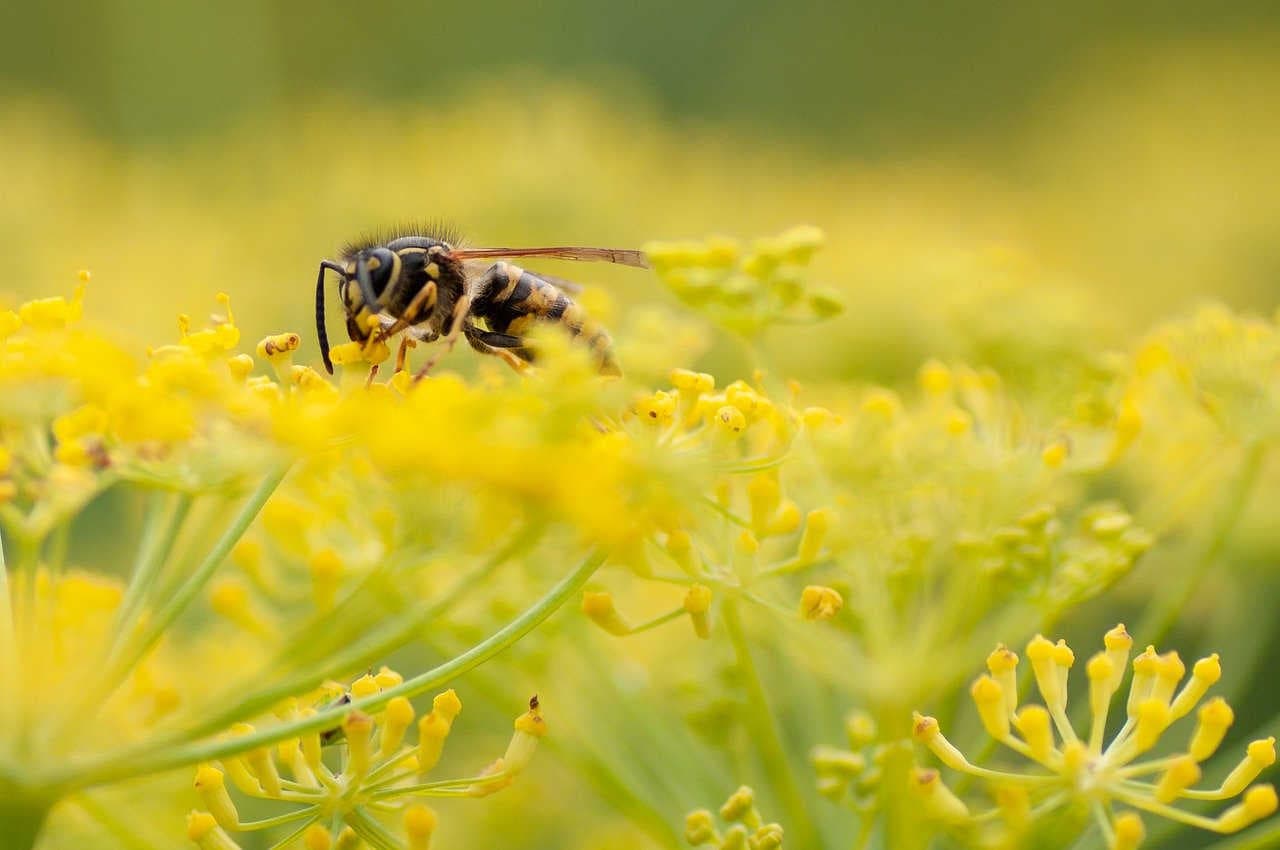
    In Europe, among the most common eusocial wasps are the genus Vespula, such as Vespula vulgaris and Vespula germanica, which are widespread in our gardens as well as in agricultural and natural areas. Another relevant genus is Polistes, including Polistes dominula, sometimes called 'cartoon wasps'. These insects are often visible during the warm season and establish themselves in both underground and elevated nests. Wasps of the genus Vespula are known for their aggressiveness when approaching the nest, while Polistes are generally less aggressive and prefer to feed on insect larvae, helping to naturally control pest populations. Another very common genus is the Vespa genus, such as Vespa crabro, commonly called hornets or Vespa orientalis, rather large animals but tend to be more tame than commonly thought.

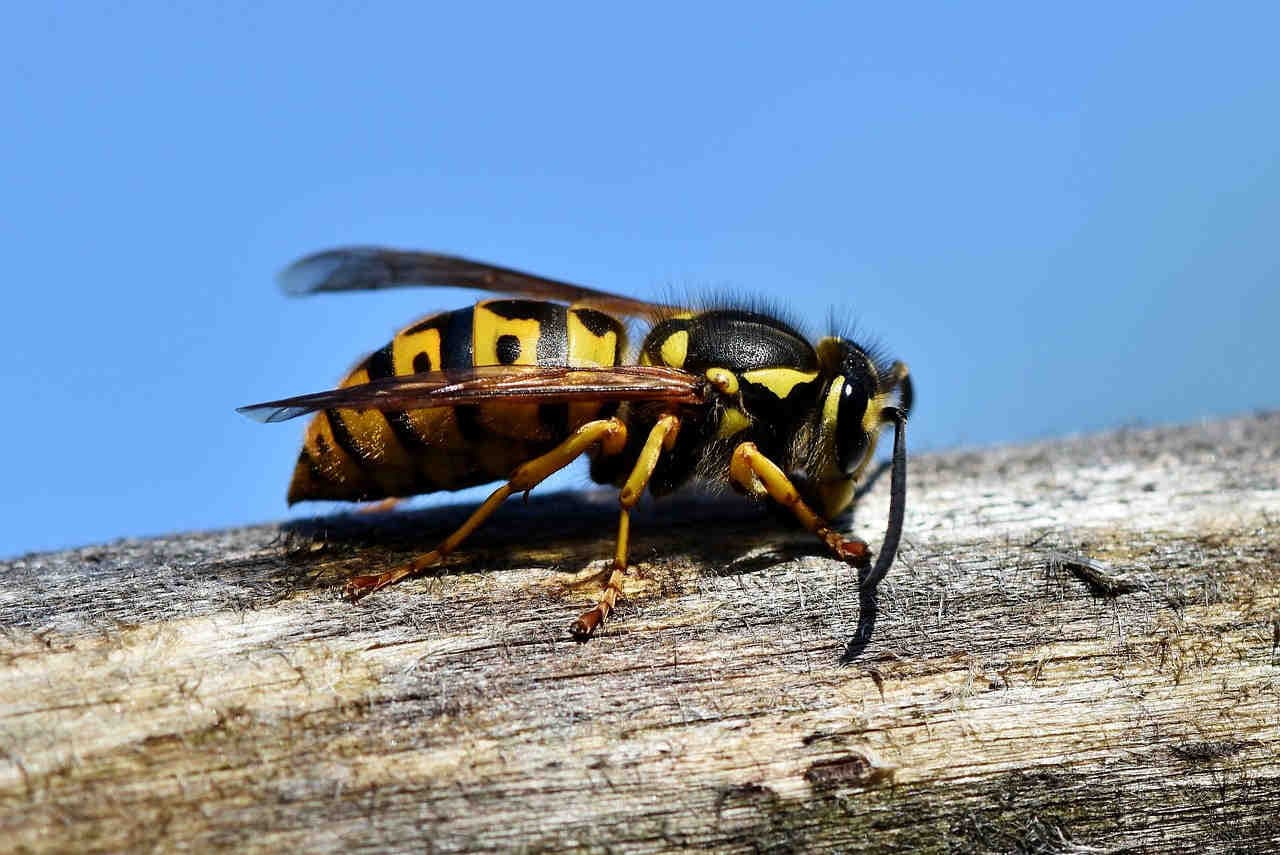
    Vespula
    XNatura

    Myths and misunderstandings about wasps

    Eusocial wasps are very misunderstood animals and frequent victims of rumours: they are believed to be useless and aggressive, unlike bees. In reality, their aggressiveness only emerges if they feel threatened or if someone gets too close to the nest. Unlike bees, wasps can sting several times without dying, but they do so in defence. However, it is often the bees that are most aggressive and strenuously defend their nest even at the cost of their lives. One sometimes hears that wasps are simply 'annoying predators', while ignoring their ecological role. Even the idea that they are 'useless' is unfounded, since, as we will discover, social wasps are predators of many insect pests and contribute to biological control in crops. It is important to remember that, in nature, there is no concept of useful, useless or harmful, but it is we humans who give them a role. The idea that they are 'useless' is unfounded.

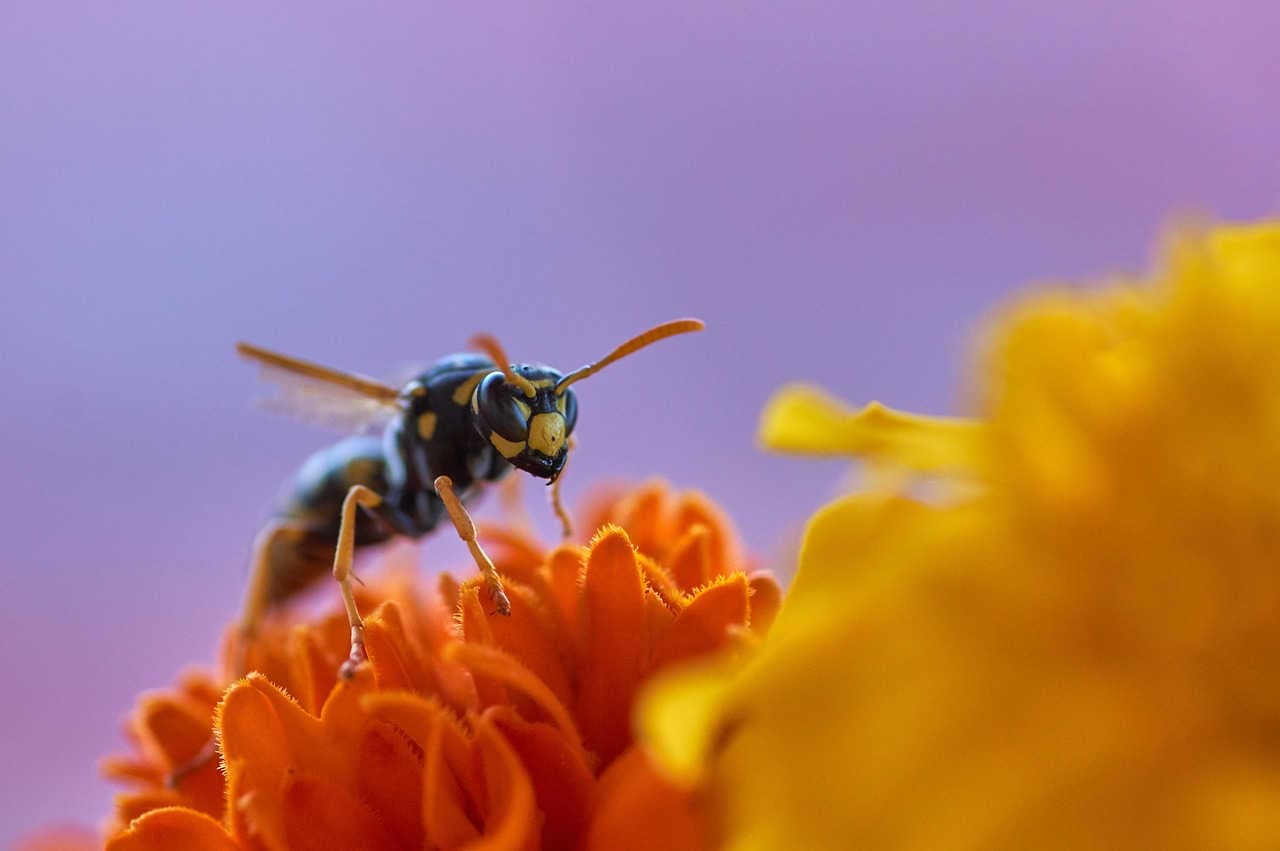
    Polistes

    Are wasps useful?

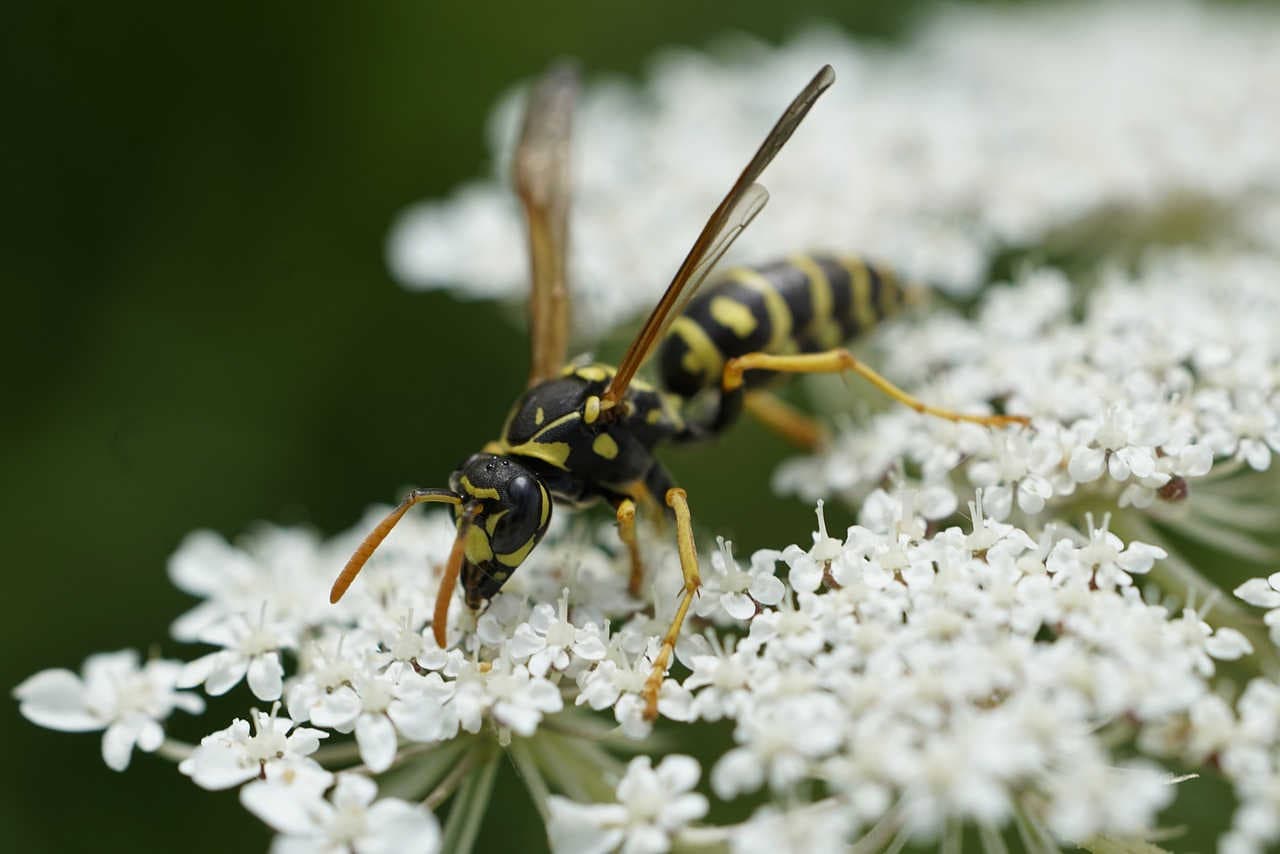
    Absolutely, for humans, wasps are extremely useful. They help control populations of harmful insects such as aphids and caterpillars, limiting the spread of pests that affect cultivated and ornamental plants. In fact, their diet includes many insects that are harmful to crops and without wasps, many pest species would grow uncontrolled. In addition, although they are not primary pollinators, some species visit flowers to collect nectar, making an important contribution to the reproduction of certain plants, such as wild carrots.

    Polistes
    XNatura

    The contribution of wasps to ecosystem services

    Wasps provide important ecosystem services, especially in terms of natural biological control. Wasp colonies capture large quantities of insects such as caterpillars and aphids, which could otherwise cause significant damage in agriculture, but especially in our gardens. By reducing the need for chemical interventions, wasps contribute to a healthier and more stable environment, helping to maintain the balance of insect populations and promoting biodiversity. Their role is also crucial in gardens, where they offer natural help in managing harmful insects.

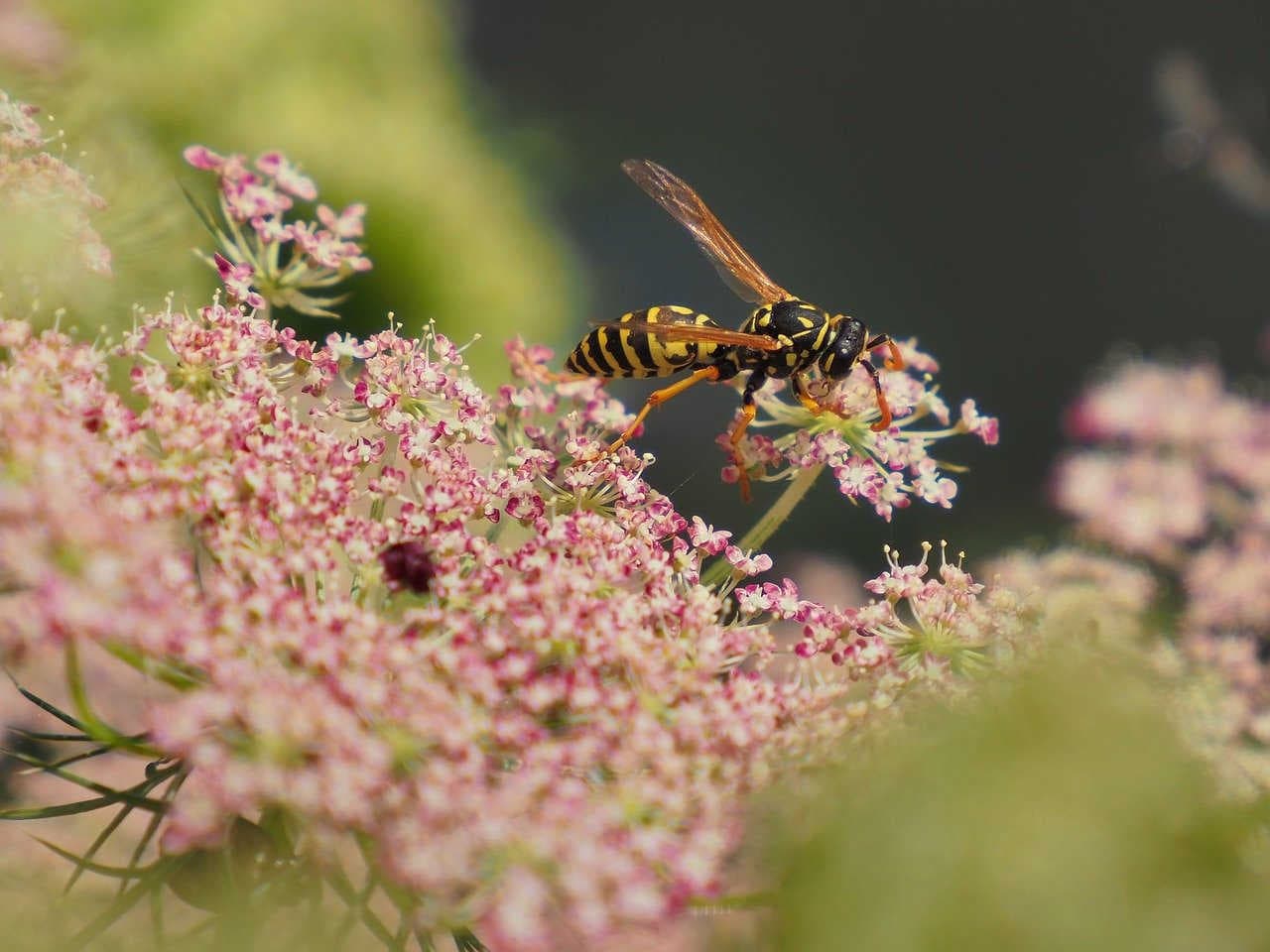
    Polistes maschio
    3Bee

    The contribution of wasps to reducing chemistry

    At a time when sustainability is at the heart of human development, especially in an area such as agriculture the contribution of wasps is particularly valuable and should not be underestimated. Their presence in the fields can in fact reduce the need for chemical pesticides, the indiscriminate use of which damages the soil and exacerbates the loss of biodiversity. Wasps constantly catch insect pests to feed their larvae, thus reducing infestations. This means that by encouraging the presence of wasps in certain areas, especially far enough away from human settlements where they could create nuisance, farmers could reduce the use of chemicals, decreasing environmental impact and promoting more sustainable agriculture.
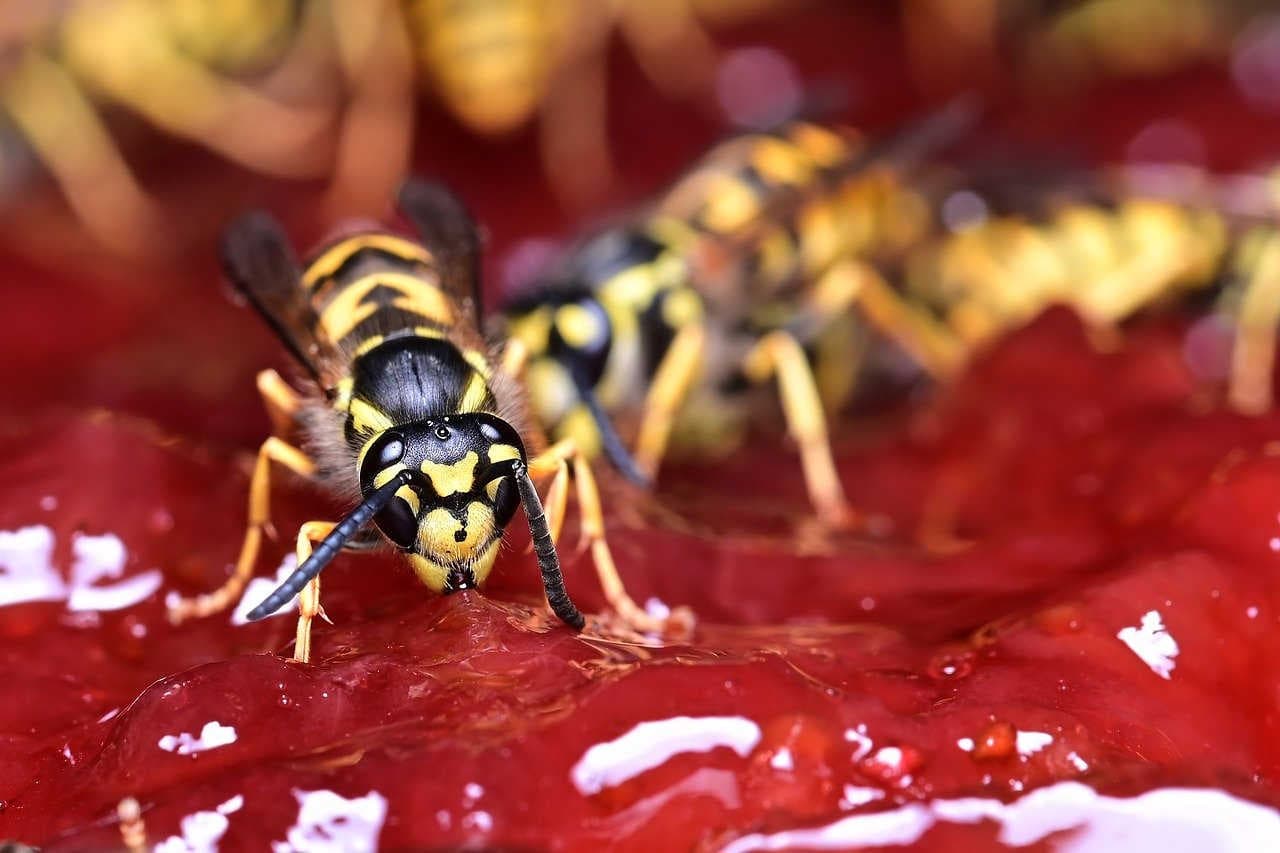
    Vespula

    Can wasps replace pesticides?

    Wasps cannot completely replace pesticides, but their contribution is nonetheless significant. They exert significant natural control over many harmful insects and consequently can greatly reduce the need for insecticides in crops, allowing farmers to use less of them. The use of wasps as biological control agents can also help maintain ecological balance, reducing the risk of soil and water contamination caused by pesticides. While not a complete solution, eusocial wasps are a valuable supporting element in integrated pest management, as are other generalist pests, whose contribution is often underestimated.
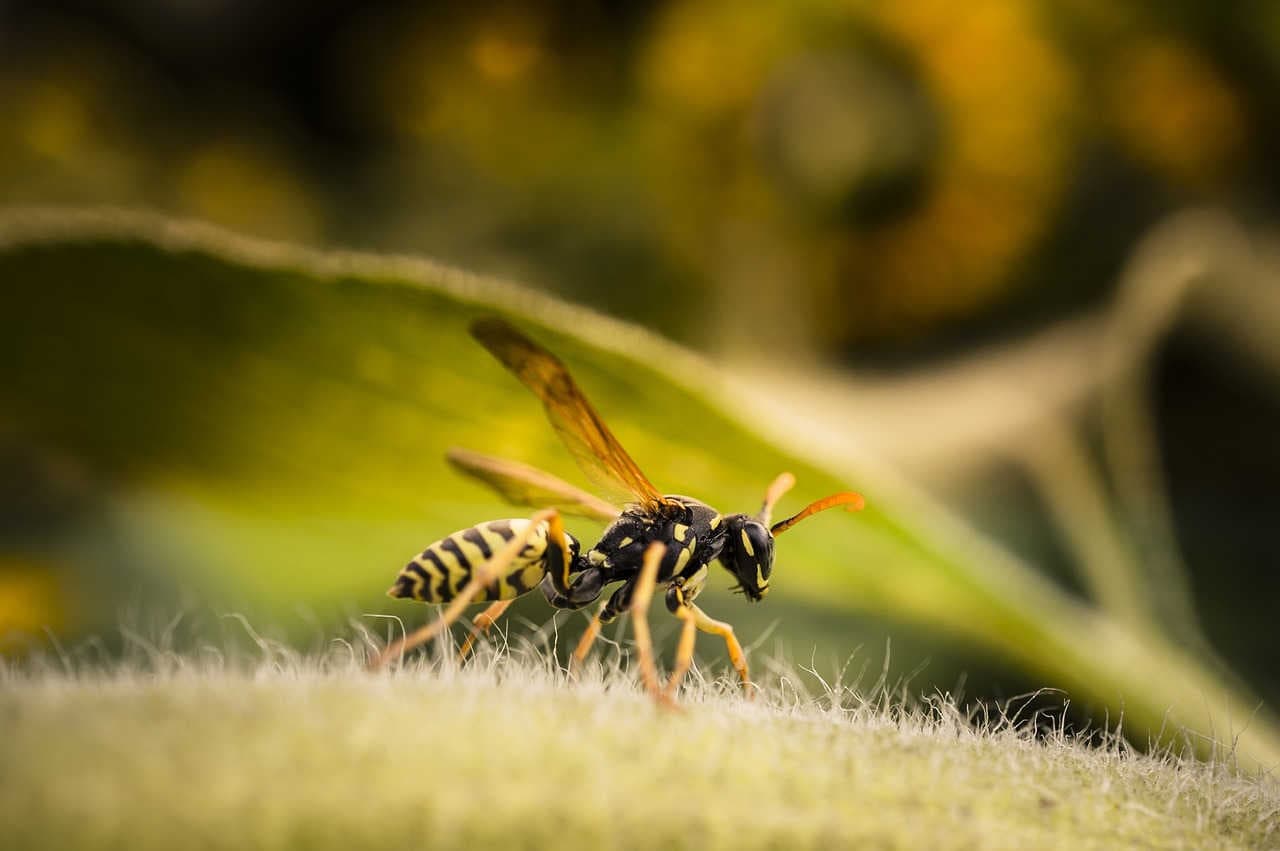
    Polistes

    The role of wasps in our gardens

    In our gardens, wasps offer valuable support in insect control, helping to maintain a balanced ecosystem without the use of chemicals. Since they feed on aphids, caterpillars and other pests of ornamental and horticultural plants, they can also improve the health of greenery. Moreover, unlike many other insects, including some beetles, wasps do not damage plants and do not interfere with pollination; rather, they integrate the ecosystem both as pollinators and as efficient predators. If left undisturbed, wasps are therefore an asset in the garden, limiting the spread of pests and protecting plant well-being.

    Vespa

    Is it possible to live with wasps?

    Coexistence with wasps is possible and often beneficial, although it is a topic that can be thorny, due to many prejudices. By avoiding disturbing them and not getting too close to their nests, they usually do not pose a danger. However, it is clear that in the case of nests in heavily frequented areas such as terraces or entrances, or especially in the presence of allergic persons, it is understandable to want to remove them for safety reasons. In such cases, it is advisable to call in experts for relocation and to avoid painful stings. When the nests do not pose an immediate risk, however, it is better to leave them intact: the wasps will naturally leave the nests at the end of the season and can then be safely removed, so we can avoid the use of insecticides also with a view to better sustainability.

    Vespa

    The importance of social wasps

    In conclusion, wasps are natural allies in agriculture and in our gardens, although often misunderstood and feared. Their ability to control pests reduces the need for chemical pesticides, bringing benefits to the environment, even to little known aspects and to our health. Eliminating wasps indiscriminately can disrupt ecological balances and weaken biodiversity, with negative consequences for agriculture and urban ecosystems. Learning to coexist with these insects, understanding their important contribution, is a step towards more harmonious coexistence and a healthier environment for all.

    Vespula
    15/11/2024Of 3Bee, Niccolò Patelli
    862 Views
    Newsletter
    newsletter
    Subscribe to the Blog about bees and biodiversity