ImportanceBiotechnologyOssalic acidFormic acid

    The Main Anti Varroa Swab Treatments for Summer

    One of the pests that plagues beekeeping the most is certainly known under the name of Varroa Destructor. This parasitic mite feeds on the haemolymph of bees, infesting them while they are still developing. Let's take a look at the main treatments!

    Read the article
    22/06/2018Of 3Bee, Elena Fraccaro
    741 Views
    22/06/2018Of 3Bee, Elena Fraccaro
    741 Views

    The importance of Varroa control

    Although initially a pest limited to Asia and Apis cerana, it has now spread everywhere, sparing only Australia and a few other territories, also attacking Apis mellifera. For this reason, carrying out the appropriate treatments to reduce Varroa infestation is essential not only to ensure the survival of one's own colony, but also to avoid re-infestation of neighbouring beekeeping families. Every beekeeper, therefore, must be well aware of how and when to intervene on his hives to contain the damage. Varroa treatments are carried out at different times of the year and their typology differs according to the season. In summer, so-called buffer treatments are carried out, which eliminate part of the Varroa population. In winter, on the other hand, cleaning treatments are performed, which aim to eliminate, with varying effectiveness, almost the entire Varroa population.

    Biotechnology

    To avoid treating the hive with substances that can damage bees and honey, a number of techniques have been developed that operate directly on the brood. The most famous method is the one that involves the use of the so-called Campero frame. The latter is divided into three parts and is intended for the construction of cells for the male brood. Varroa, in fact, concentrates most in the male drones' cells. The tripartition of the frame allows the cyclic removal of infected brood. Other techniques, such as the total removal of the brood, resulting in the creation of a new nucleus, and the blocking of the queen's oviposition, are all procedures that prepare the hive for subsequent treatment. The method of artificial brood blocking is one of the most widespread. It is carried out by caging the queen for a certain period of time (between 20 and 24 days), thus preventing her from laying.

    XNatura

    Oxalic acid

    Oxalic acid is an organic acid, which is also permitted for organic practitioners, and is only effective on Varroa in its foretic phase. It does not, therefore, affect the mites present in the operculated cells. Therefore, in order to make it as effective as possible, it must be applied when the brood is naturally blocked or after inducing it with special techniques, such as caging the queen or completely removing the brood with the creation of a new nucleus. There are different ways to administer it: dropped, sublimated and nebulised.

    Formic acid

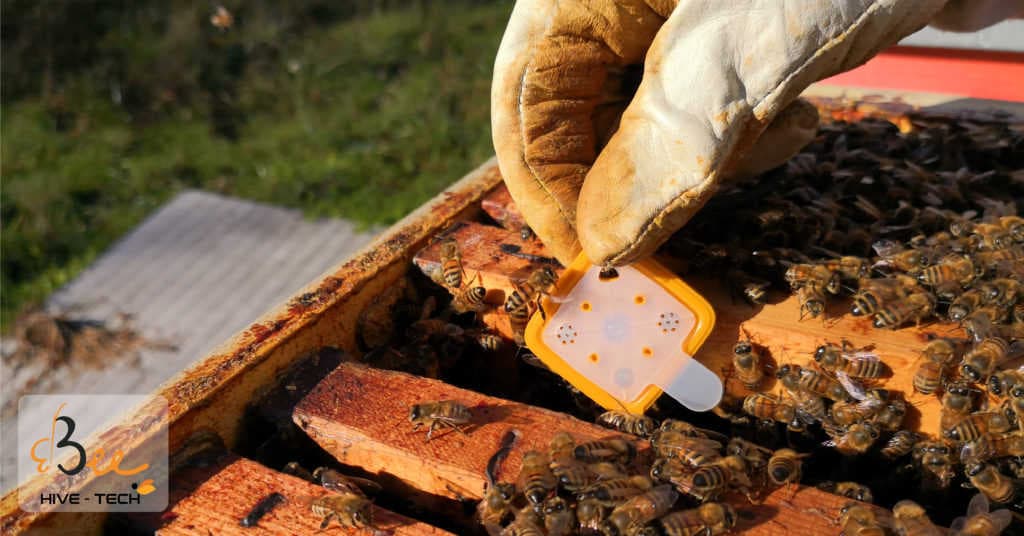
    Formic acid is also an organic acid used in treatments, including summer treatments, against Varroa, but with due precautions. Formic's strong point is the fact that its vapours are able to pass through the opercula, attacking Varroa where it spends most of its life cycle. Its effectiveness, however, is erratic, as it is influenced by climate and temperature. For an effective treatment, these must be between 10° and 29.5° and not in all regions of Italy is it always possible to operate in this range. It is administered by means of specific strips that allow the formic acid to evaporate, spreading throughout the hive. Too rapid evaporation, however, can have negative effects on the family, affecting the health of the larvae and decreasing the life expectancy of bees and drones, as well as threatening the survival of the queen.

    XNatura

    Use of synthetic acaricides

    The use of synthetic acaricide substances, based on Amitraz and Tau-Fluvalinate, has certain advantages, namely their slow-release action and their spread by contact. Indeed, they are products consisting of strips to be inserted for a certain period of time between the combs, so that the bees, as they move, transport the substance. However, they also have some negative aspects. They have a high level of toxicity for bees, both larvae and adults. Furthermore, behavioural alterations, shortened life expectancy of queens, reduced fertility of drones and neurotoxic effects have been recorded. In addition, there is a progressive drug resistance on the part of the Varroa, a mechanism that is not yet clear to scientists. Finally, these are the only types of treatment that are not permitted on organic farms.


    3Bee

    Essential oils

    A popular method used in the summer is to use the timulus by evaporating it. It is practised during the warm season because it requires high temperatures to allow evaporation. Some beekeepers proceed by using thymol crystals in an alcohol solution, soaking sponges or distributing them directly on the combs. However, these extremely economical practices also have some negative lsides, mainly related to temperature variations. With very high temperatures, in fact, there is faster evaporation, risking excessively disturbing the bees, which are particularly annoyed by the strong smell. For this reason, specific products have been put on the market, which are, however, very expensive. They generally come in tablets and it is advisable to repeat the operations so as to cover the entire brood cycle.

    Some general advice

    Despite the different methods you can choose from to treat your hives against Varroa, there are some common points that you should bear in mind. Firstly, it is always necessary to check, 4/5 days after treatment, the Varroa background. In this way, you can have direct feedback on the effectiveness of the treatment by seeing how many mites have fallen and settled on the bottom. Some even recommend applying a layer of Vaseline on the saucer. This would prevent the ants from carrying away the fallen Varroa and thus invalidate the visual inspection. Furthermore, it is of paramount importance to proceed with treatments on all the hives that make up an apiary and to coordinate with other local beekeepers. This way, one avoids re-infestation due to untreated families remaining infested. Finally, it is possible to combine the different techniques.

    Always keep an eye on your hives

    Monitoring one's hives at all times is a decisive aspect for every beekeeper, not only to control production levels, but also to have real-time feedback on the state of development and health of the hive. Having strong, healthy bees means having families that are productive and able to not only get through the summer season, but also overwinter well and grow exponentially to get into production as quickly as possible. With 3Bee monitoring systems, you can check from the comfort of your phone or PC how your bees are doing, how production is progressing and whether you need to schedule an inspection or targeted intervention. Discover the full functionality of our systems!

    Always keep an eye on your hives
    22/06/2018Of 3Bee, Elena Fraccaro
    741 Views
    Newsletter
    newsletter
    Subscribe to the Blog about bees and biodiversity