Soil protection: the new law for soil monitoring
    SuoloReadDegradationConsequences

    Soil protection: the new law for soil monitoring

    Soil degradation is advancing at an alarming rate and there is no well-defined protection. In recent years, a European strategy and directive for the protection and restoration of this component so interconnected with our health, such as soil, has emerged.

    Read the article
    14/05/2024Of 3Bee, Lara Vivarelli
    644 Views
    14/05/2024Of 3Bee, Lara Vivarelli
    644 Views

    What is soil and its importance

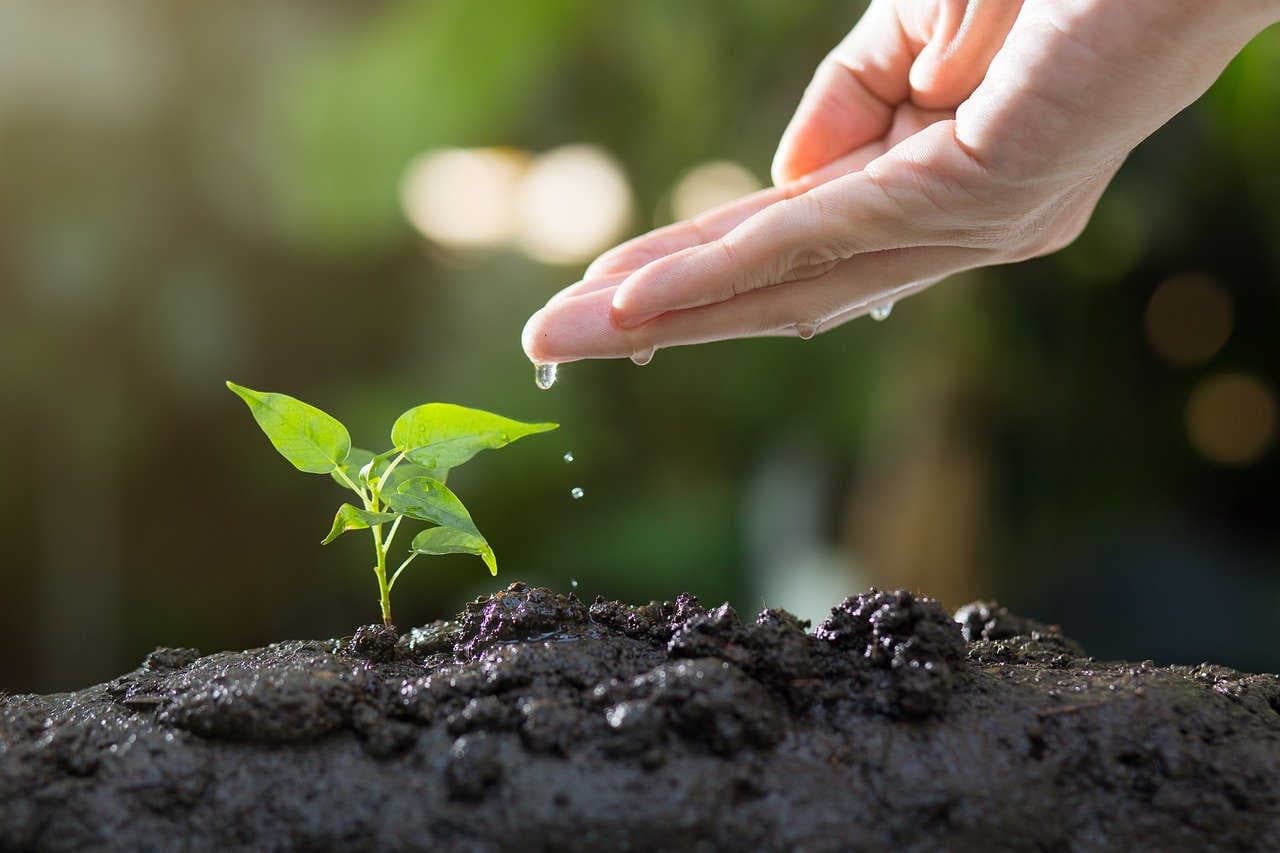
    Soil is defined as the upper layer of the earth's crust, comprising mineral components, humus, water, air and living organisms. Soil, for humans, is a source of many ecosystem services: it enables us to obtain biomass and food production, provides us with raw materials and is home to our main activities. We often forget that it is also a very rich source of biodiversity: bacteria, algae, fungi, small worms are responsible for the continuous regeneration of the soil, ensuring its fertility. The soil is also a regulator of the water cycle and bio-chemical elements.
    suolo

    Lack of laws for its protection

    It is good to remember that soil is a limited resource, non-renewable. Its alteration jeopardises its productive capacity, and thus the agricultural products we eat, and water quality. However, despite the fact that soil has environmental, social, cultural and economic value, and is therefore fundamental for the whole community, there are no monitoring networks and no protection laws. Unlike air and water, soil is private property. This important aspect moves particular and not collective interests.

    mancanza di leggi per la tutela del suolo
    XNatura

    The forms of degradation to which the soil is subjected

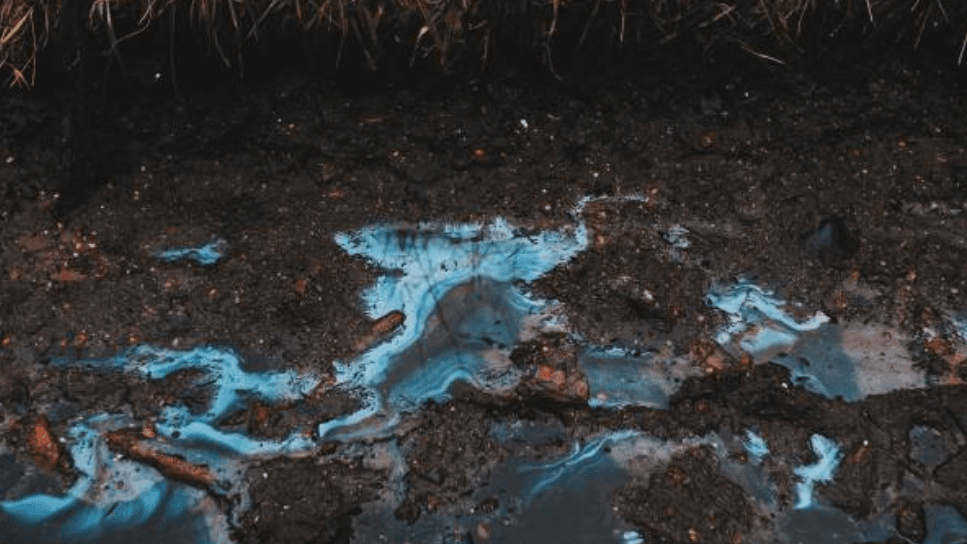
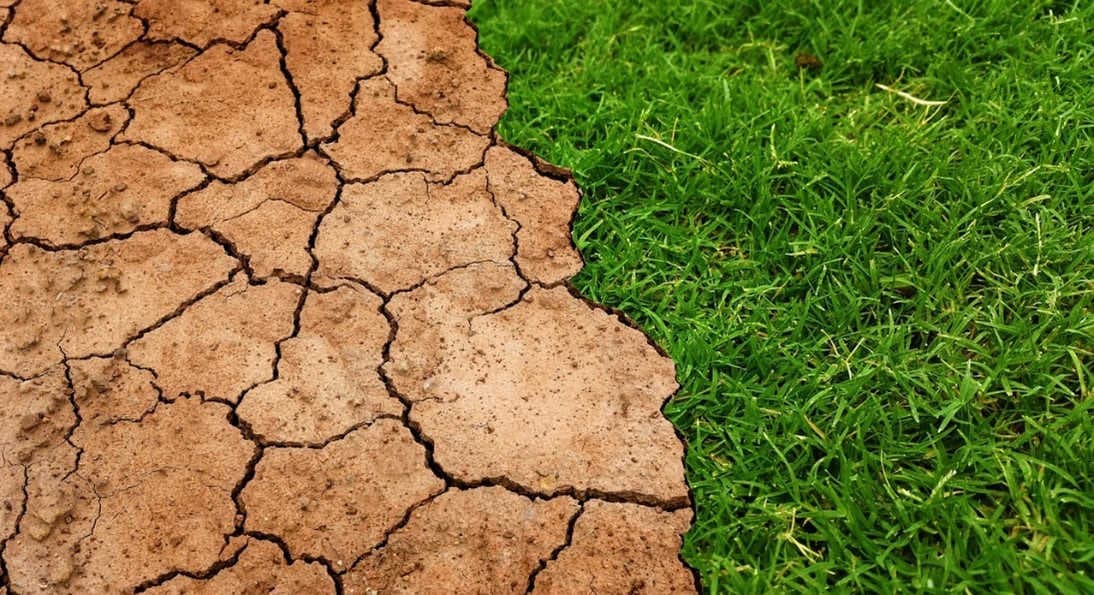
    Soil degradation is currently occurring at an alarming rate. Soil degradation means the deterioration or loss of productive capacity, both in the present and in the future. It is a complex phenomenon in which there is the co-participation of many factors, which are interdependent. In fact, soil can be subjected to different degradation phenomena and different types of pollutants. Contamination may be diffuse or point source, creating actual contaminated sites. In addition, soil can undergo erosion, sealing and compaction.
    The forms of degradation to which the soil is subjected

    The consequences

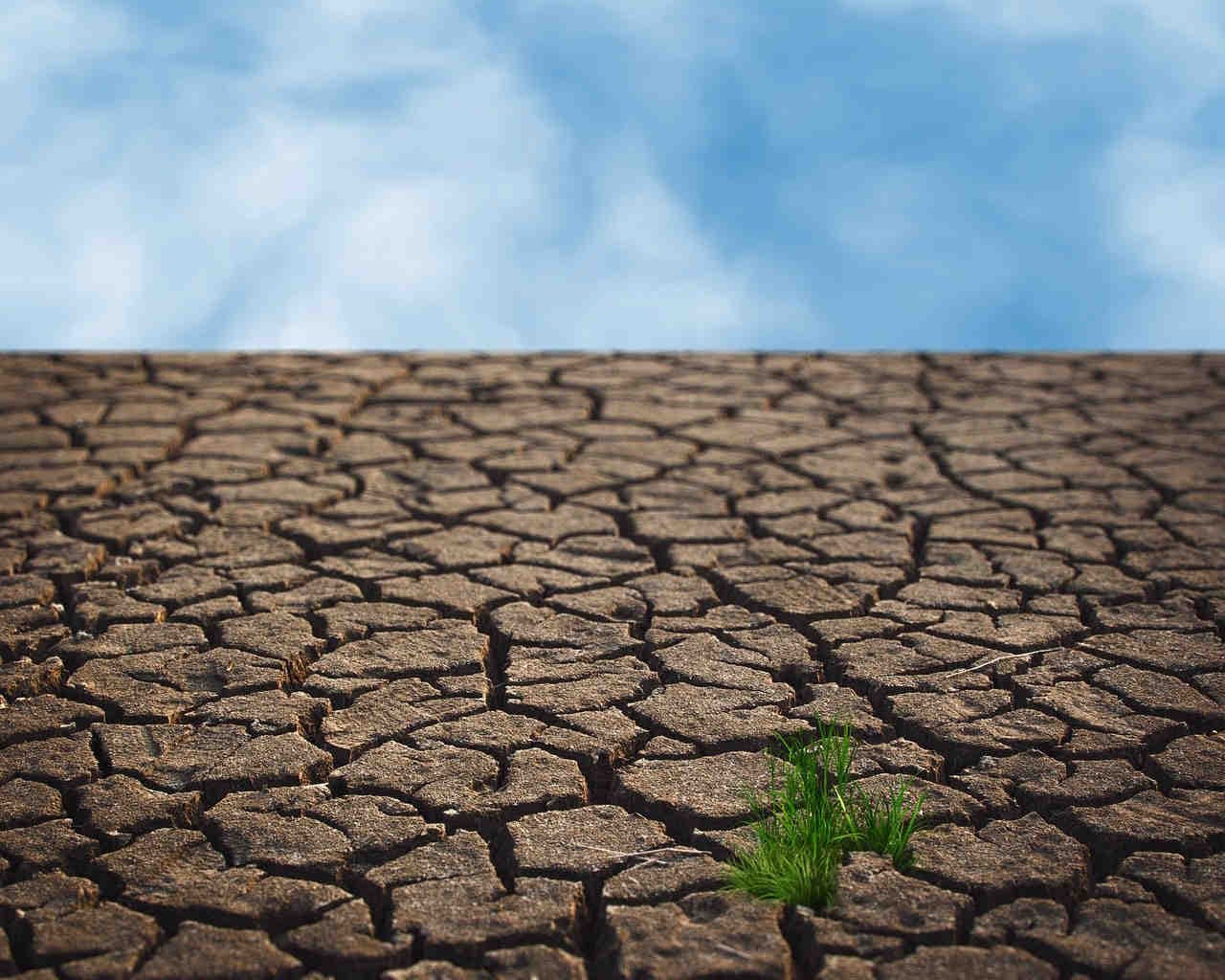
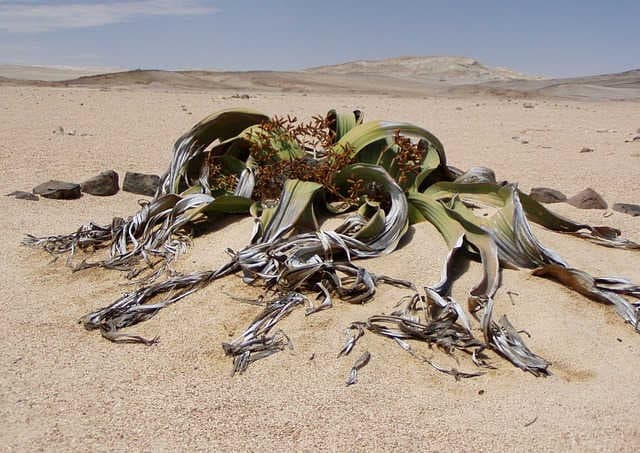
    Today, soil degradation is one of the most urgent problems to be tackled, as it is a global challenge that affects everyone through food insecurity, rising food prices, climate change, environmental hazards and the loss of biodiversity and the ecosystem services that come with it. When soil is degraded, molecules are released into the atmosphere, making soil degradation a major contributor to climate change.
    secchezza
    XNatura

    Indicators of soil degradation

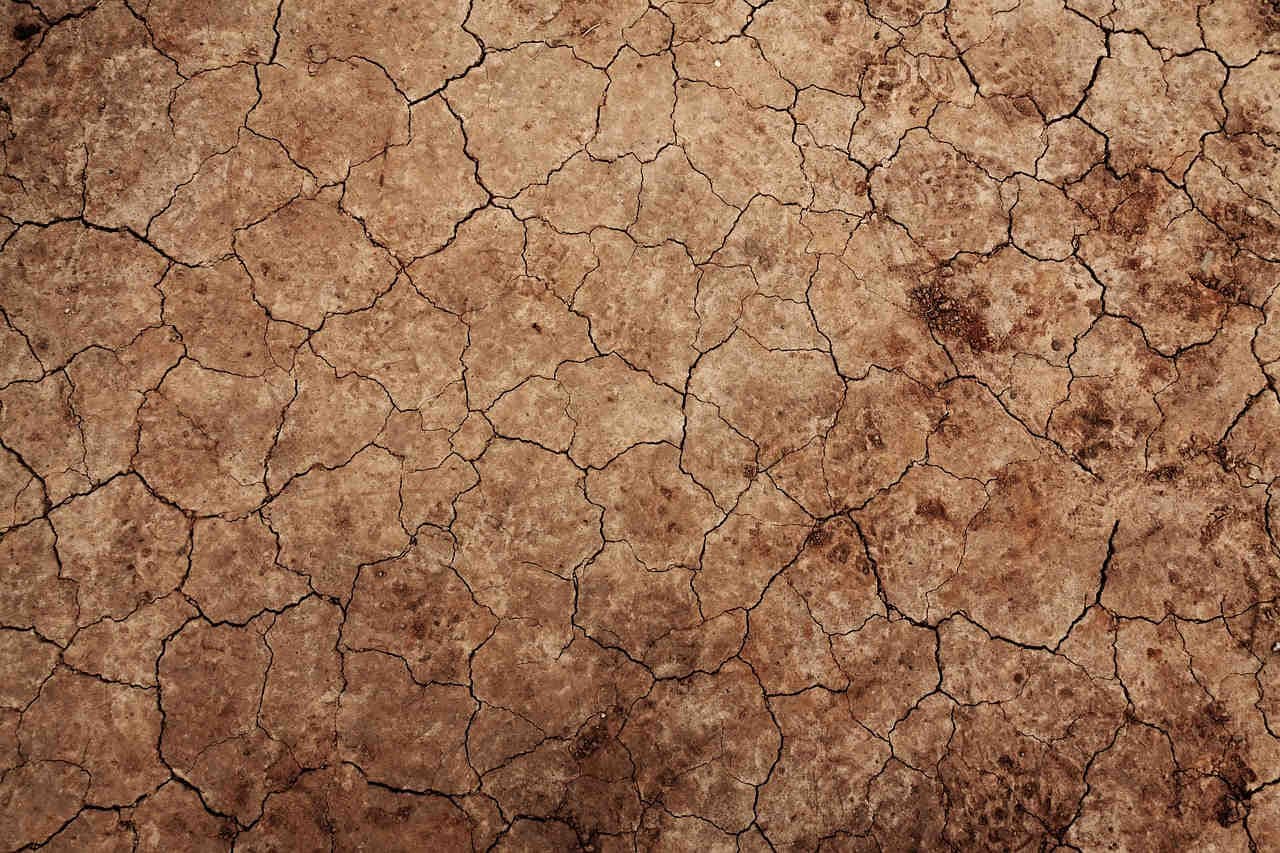
    There are a number of indicators to build a general picture and assess the soil degradation. The indicators relate more to changes in the artificial cover of the soil, its productivity, the amount of organic carbon and thus its possible loss, erosion, the level of salinisation, the compaction it may undergo and other factors related to the presence of fire-prone areas. Degradation is assessed by analysing the variation of these and other indicators, using data available at a national or European level.
    aridità
    3Bee

    Soil monitoring

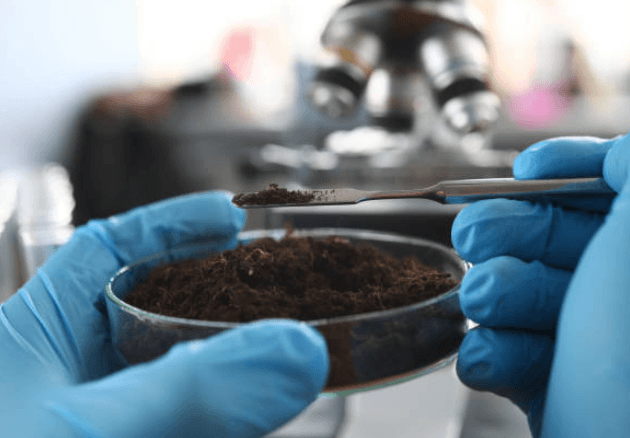
    Monitoring soil quality is important to prevent soil degradation, contamination and loss of fertility. In order to obtain useful information on changes over time, it is necessary to prepare periodic measurements using recognised and common methodologies, so that they are reproducible and comparable. Generally, on an international level, soil monitoring means the systematic determination of certain established variables in order to highlight changes over time.
    monitoraggio

    Current state of soil health

    Scientific studies have observed that 60-70% of European soils are currently unhealthy, due to problems such as urban sprawl,intensification of agriculture and climate change. This is closely intertwined with human and environmental health, which are placed at risk. According to the Commission, there are about 2.8 million potentially contaminated sites in the EU and degraded soils are the main culprits for climate and biodiversity crises. The deteriorated condition is also reflected in an economic problem, as the provision of ecosystem services, which are crucial, is drastically reduced and costs the EU at least 50 billion euro per year. The EU's ecosystem services are also at risk.
    erosione

    Soil Strategy 2030

    The Soil Strategy was adopted on 17 November 2021 by the European Commission, setting out a general framework of measures to be taken to restore and achieve a healthy condition of EU soils by 2050, but with concrete actions to be taken by 2030. The main objectives include the intensification of efforts to tackle the threat of desertification, the introduction of restoration targets, improved monitoring activities, reduction of erosion and impermeability. Soil organic matter could, thus, be increased and ecosystems restored to some extent. In addition, it is taken into account to reduce human expansion and thus the rate of soil occupation. The soil's organic matter could be increased and ecosystems could be, in part, restored.
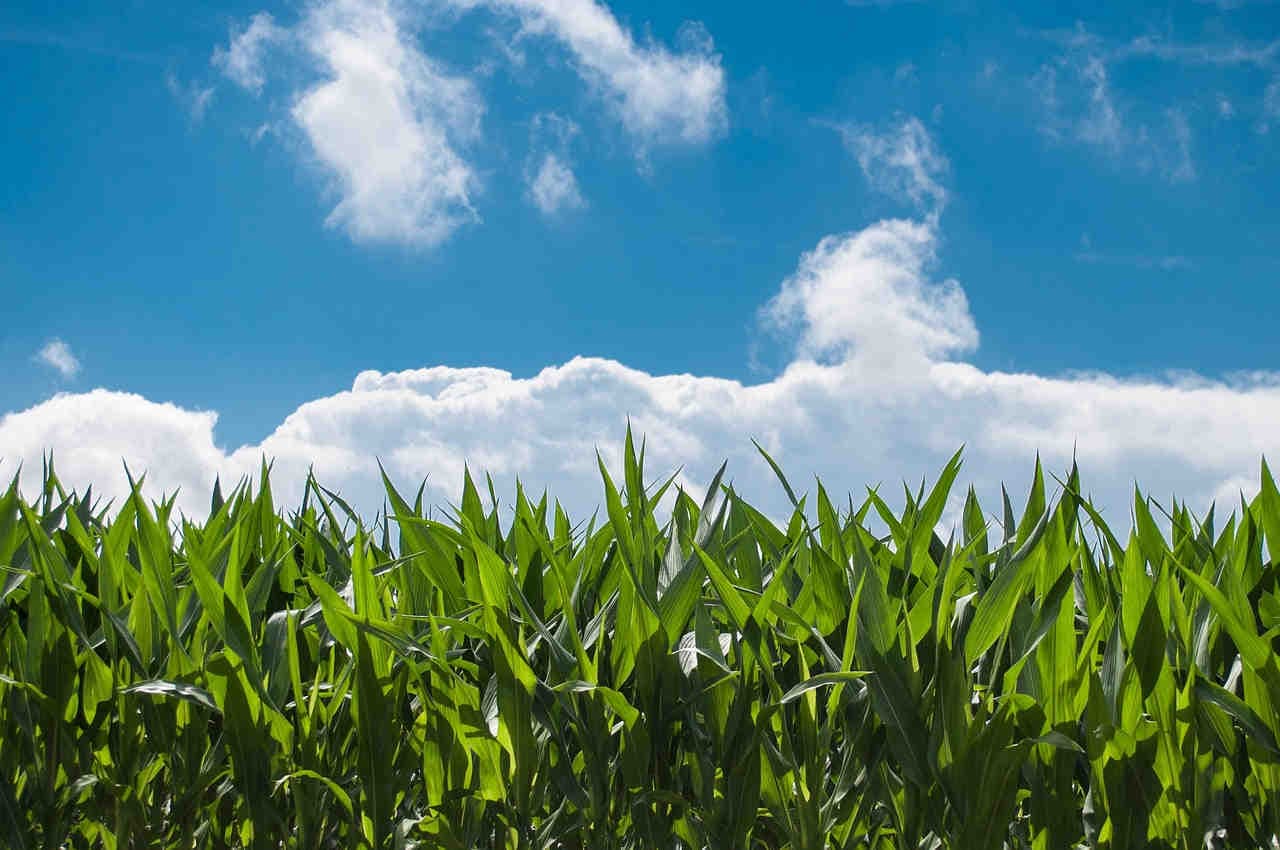
    agricoltura

    Soil Monitoring Law

    On 5 July 2023, the European Commission published the text of the proposed Soil Monitoring and Resilience Directiveo, the Soil Monitoring Law, which would be the first law monitoring soil quality. Recently, on 10 April 2024, the European Parliament adopted its position on the Commission's proposal. The aim is to build a strong monitoring system of all EU soils for the restoration and achievement of healthy soils by 2050. Through this directive, the EU thus seeks not only to stop soil degradation, but also to prevent and mitigate the impacts of climate change and biodiversity loss, to increase resilience against natural disasters, and finally to ensure food security.
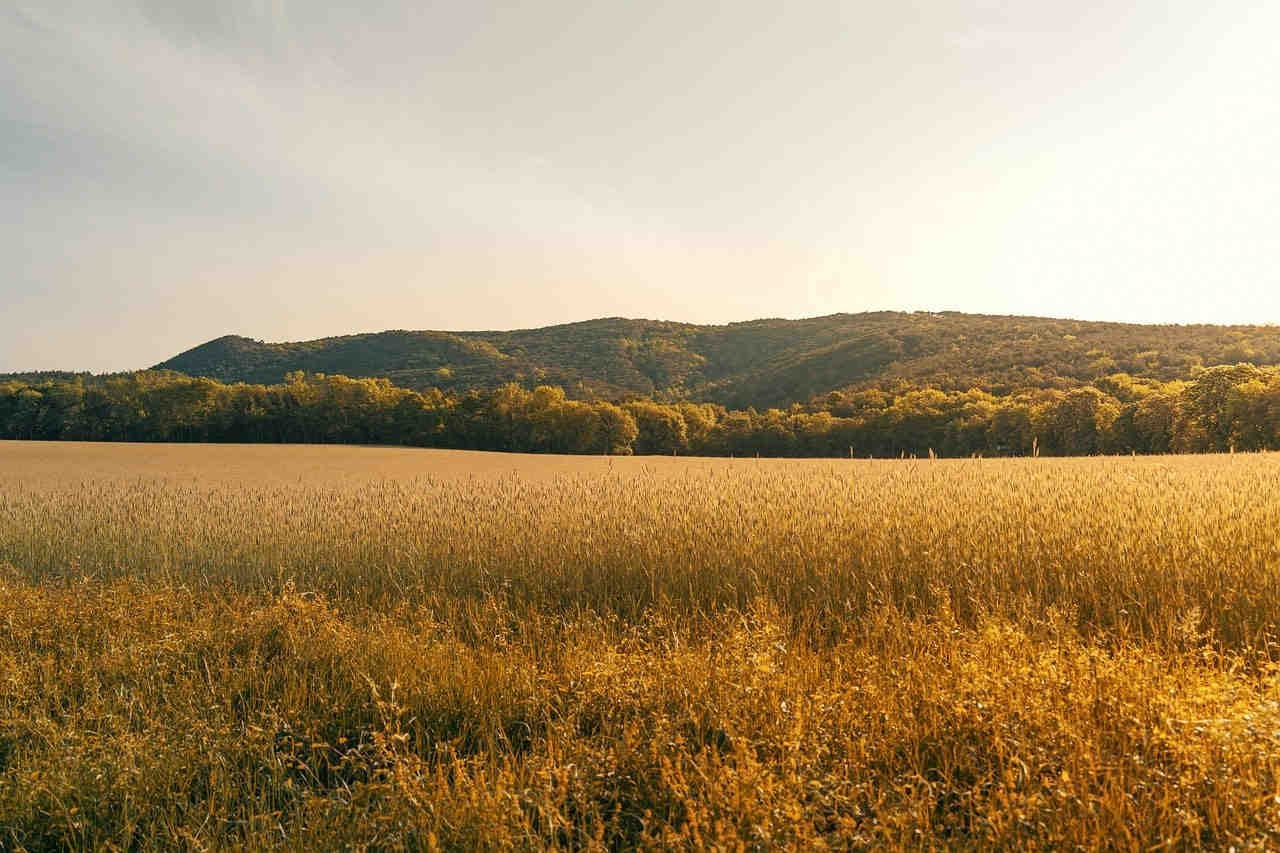
    ripristino suoli
    14/05/2024Of 3Bee, Lara Vivarelli
    644 Views
    Newsletter
    newsletter
    Subscribe to the Blog about bees and biodiversity

    Frequently Asked Questions

    Do you have any doubts or other curiosities about this article? Here you will find some insights