SDG Goal 3: Healthy lives and well-being for all
    IntroCriticalEducationExample

    SDG Goal 3: Healthy lives and well-being for all

    Learn how Goal 3 of the 2030 Agenda aims to ensure healthy lives and well-being for all. Explore the key targets and challenges, how Italy is moving towards achieving these goals and how companies can contribute to this goal.

    Read the article
    08/05/2023Of 3Bee, Elena Fraccaro
    978 Views
    08/05/2023Of 3Bee, Elena Fraccaro
    978 Views

    Presentation of SDG Goal 3

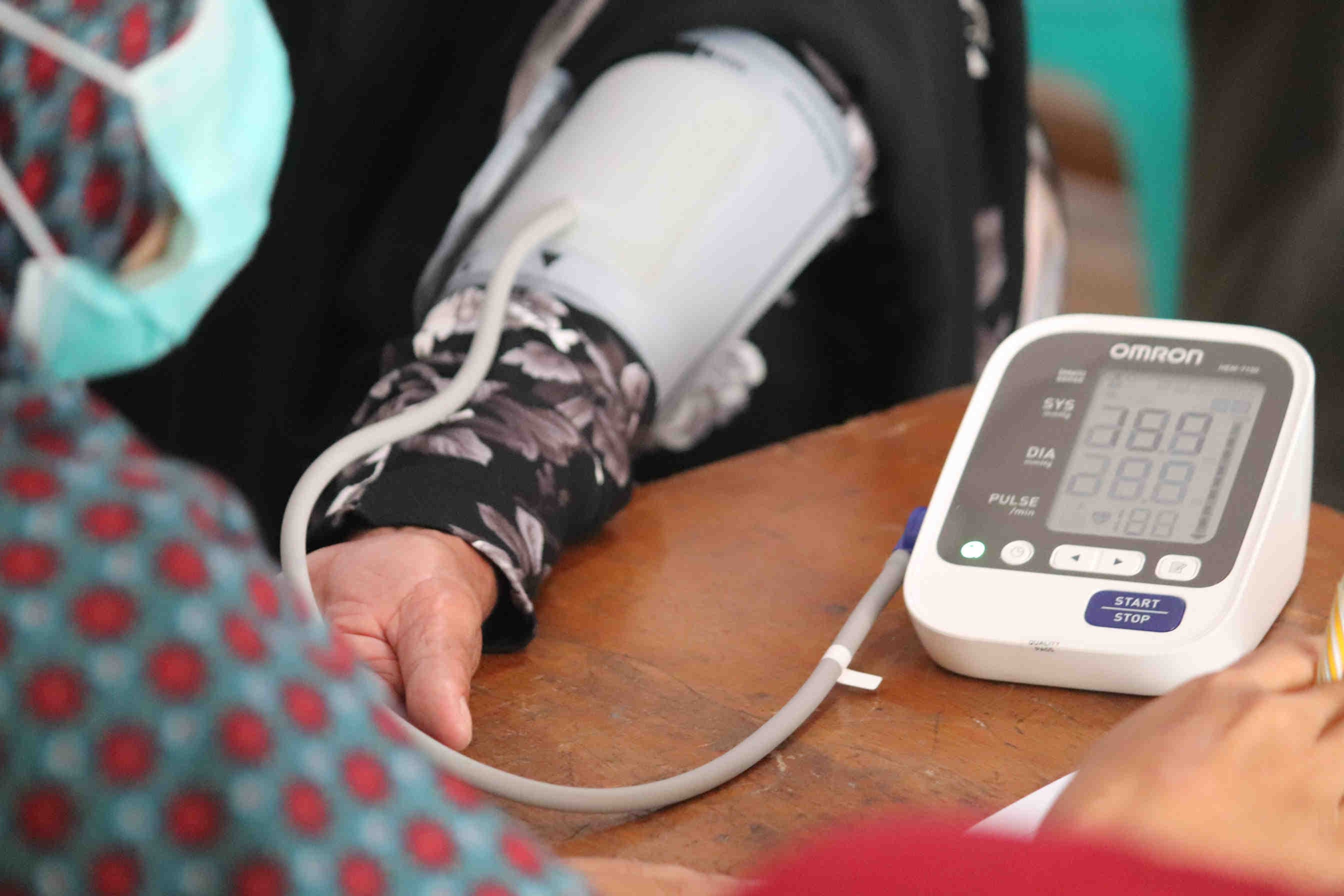
    Goal 3 of the UN Sustainable Development Goals focuses on promoting global health and well-being. The goal aims to reduce child and maternal mortality, combat communicable and non-communicable diseases, ensure access to quality health services and medicines, strengthen the prevention and treatment of substance abuse and achieve universal health coverage. Experience with the Millennium Development Goals has shown that health problems must not be tackled in isolation, but in their context. These goals are a challenge for many countries, especially those with weak and inadequate health systems. However, they are important goals for improving the health and well-being of the population worldwide.
    Presentation of SDG Goal 3

    Progress and critical points in SDG 3

    The third United Nations Sustainable Development Goal (SDG) focuses on promoting health and well-being for all, with a particular emphasis on reducing child and maternal mortality and combating communicable and non-communicable diseases. The Millennium Development Goals (MDGs) have already made significant progress in the fight against certain diseases such as AIDS, tuberculosis and malaria, but not all expectations have been met, particularly in terms of reducing child and maternal mortality. However, there is a growing awareness of the need to address these issues in a holistic and integrated way to ensure that health programmes are effective and that everyone has access to quality health services and medicines.

    Progress and critical points in SDG 3
    XNatura

    Food and health: training and safety

    Health must be seen in a broader context that goes beyond the mere treatment of diseases. For this reason, training and food safety are crucial elements for the effectiveness of health programmes. Adequate training of medical staff and healthcare workers is crucial to ensure the quality of healthcare services provided and to improve disease prevention. In addition, food security is an important factor for the health and well-being of the population. The availability of safe and nutritious food is an essential prerequisite for the prevention of diseases caused by malnutrition and for good general health.

    Food and health: training and safety

    The example of the Italian healthcare system

    In Italy, there is an overall positive trend under Objective 3 due to improvements in most of the basic indicators analysed. However, the public health situation has been challenged by the COVID-19 pandemic. According to Italy's composite Objective 3 index, which measures the performance of the country's key health indicators, there was a significant deterioration in 2020 due to the pandemic, but this was partially reversed in 2021. For example, life expectancy in Italy rose to 82.4 years in 2021. In addition, the number of doctors, nurses and midwives has increased and the number of people who do not engage in physical activity has decreased. Unfortunately, the indicator for people who say they currently use tobacco has increased and is 19.5 per cent in 2021, compared to 18.7 per cent in 2019.

    The example of the Italian healthcare system
    XNatura

    Health in Germany: challenge and progress

    The report highlights inadequate access to contraception and the barriers to voluntary abortion, including the high percentage of medical staff who refuse on grounds of conscience. There is also a lack of a holistic approach to sensitising and training staff and ensuring access to information, as evidenced by the fact that the National Prevention Plan 2020-2025 does not include a chapter on sexual and reproductive health. However, there is also positive data at national level: From 2004 to 2018, the probability of dying from cancer, diabetes, cardiovascular diseases and non-communicable respiratory diseases has decreased. This long-term trend could enable Germany to move closer to the World Health Organisation's target of reducing the likelihood of death from non-communicable diseases by 25 percent by 2025.

    Health in Germany: challenge and progress
    3Bee

    Global governance for equitable healthcare

    Strong and inclusive global governance is a key factor in achieving Goal 3 of the 2030 Agenda. Governments, international organisations and the private sector must work together to ensure equitable access to health services, medical technologies and medicines, while promoting research and development of new therapies. In addition, cross-sectoral governance is crucial to address the root causes of health inequalities such as poverty, limited access to clean water and sanitation, lack of health education and gender discrimination. Only through global and intersectoral governance can we ensure a healthy and sustainable future for all.

    Global governance for equitable healthcare

    The role of companies in the fight for global health

    Companies can make an important contribution to achieving SDG 3 through targeted action, e.g. by introducing sustainable practices in the production and distribution of health products and services, promoting education and training of workers in food safety and hygiene, and supporting research and development of innovative solutions to combat communicable and non-communicable diseases. In addition, companies can work with governments, international organisations and civil society organisations to promote effective local and global health policies. A concrete example of corporate commitment to Goal 3 is that of the pharmaceutical company Pfizer, which has pledged to invest five billion US dollars by 2025 in research and development projects to combat infectious diseases in low-income countries,

    The role of companies in the fight for global health

    Sustainable development through a data-driven approach

    3Bee is committed to helping organisations transition to more sustainable business practices and adopt a data-driven approach to managing their operations. For this reason, we are also committed to raising awareness and sharing knowledge with companies and organisations that share our values. At 3Bee, we do not advocate for all SDGS goals, but we support companies that need a data-driven approach and are committed to raising awareness. Although we do not directly address SDG Goal 3, we are committed to raising awareness of the importance of sustainable development and global health. Get in touch with us to find out how we can support your organisation in shaping sustainability and achieving the Sustainable Development Goals.

    Sustainable development through a data-driven approach
    08/05/2023Of 3Bee, Elena Fraccaro
    978 Views
    Newsletter
    newsletter
    Subscribe to the Blog about bees and biodiversity