Saola: the Asian unicorn, an elusive and critically endangered mammal
    The SaolaHabitatConservationThreats

    Saola: the Asian unicorn, an elusive and critically endangered mammal

    The Saola (Pseudoryx nghetinhensis), nicknamed the Asian Unicorn, is one of the rarest and most mysterious animals in the world. Discovered only in 1992 in Vietnam and Laos, this mammal is critically endangered. Its elusiveness makes it almost impossible to study, but its conservation is crucial.

    Read the article
    18/12/2025Of 3Bee, 3Bee
    1463 Views
    18/12/2025Of 3Bee, 3Bee
    1463 Views

    The Late and Surprising Discovery of the Saola (1992)

    Disclaimer: this is an automated translation from Italian. Go to the original article.

    The Saola represents one of the most significant zoological discoveries of the 20th century. This unique mammal was formally described only in May 1992, when a joint reconnaissance team between Vietnam and WWF found an unusual skull with long straight horns in Vu Quang province, Vietnam. Scientists identified a previously undocumented genus and species: Pseudoryx nghetinhensis. Despite its size (up to 100 kg), it has eluded science due to its remote habitat. Genetic analysis confirmed that it is a member of the Bovidae subfamily, closely related to goats and bovids, but with a divergent evolutionary line that warrants its own genus.
    3bee-blog-la-scoperta-tarda-e-sorprendente-del-saola

    Exclusive habitat and distinctive physical characteristics

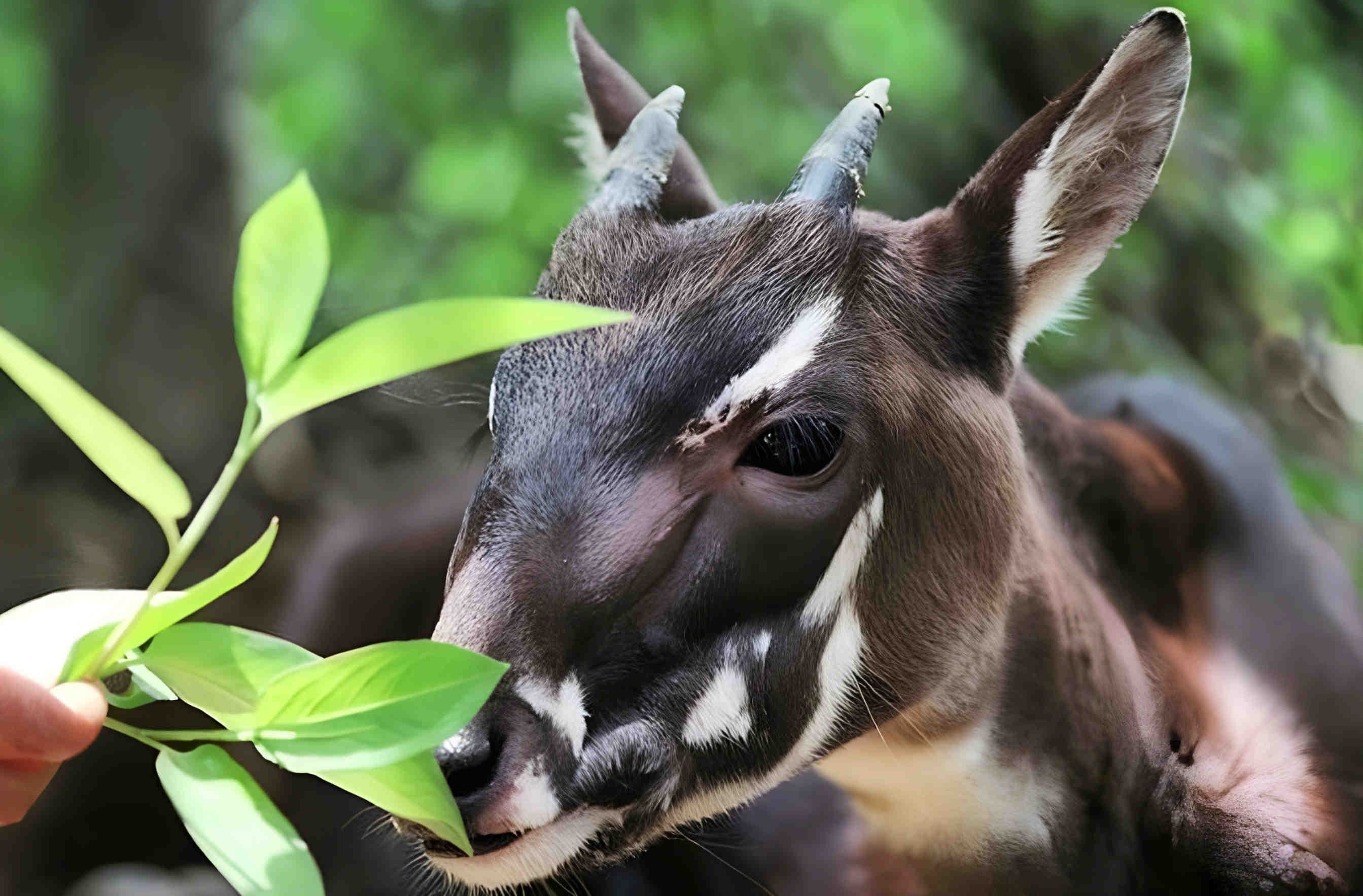
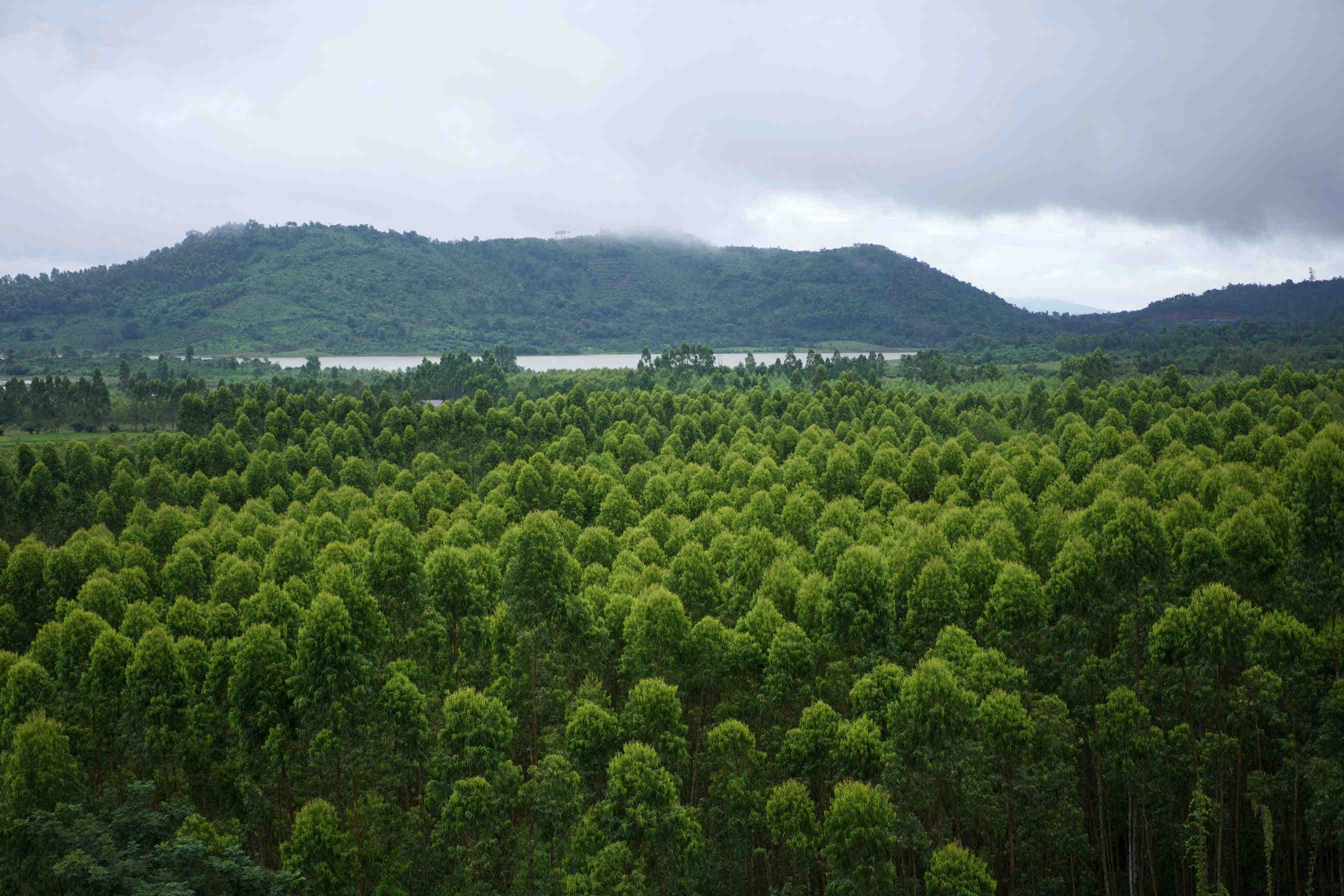
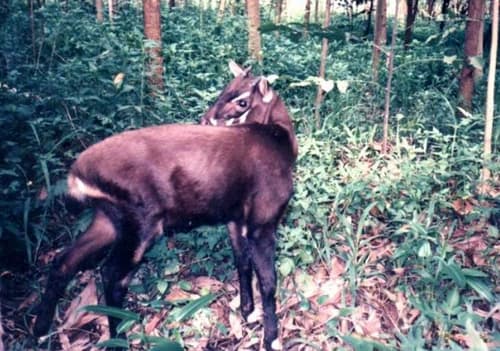
    The Saola lives exclusively in the steep and dense rainforests of the Annamite Range, on the border between Vietnam and Laos. This habitat is characterised by high biodiversity. It has been observed predominantly at altitudes between 400 and 1000 metres, near watercourses. Its coat is dark brown. The most distinctive feature, which has earned it the nickname of the Asian unicorn, is its two long, almost parallel and pointed horns, which reach 50 cm and are present in both sexes. It also has conspicuous white patches on its face that form a mask. This herbivore feeds on small plants along riverbanks.

    3bee-blog-habitat-esclusivo-e-caratteristiche-fisiche-distintive
    XNatura

    Elusiveness and critical conservation status

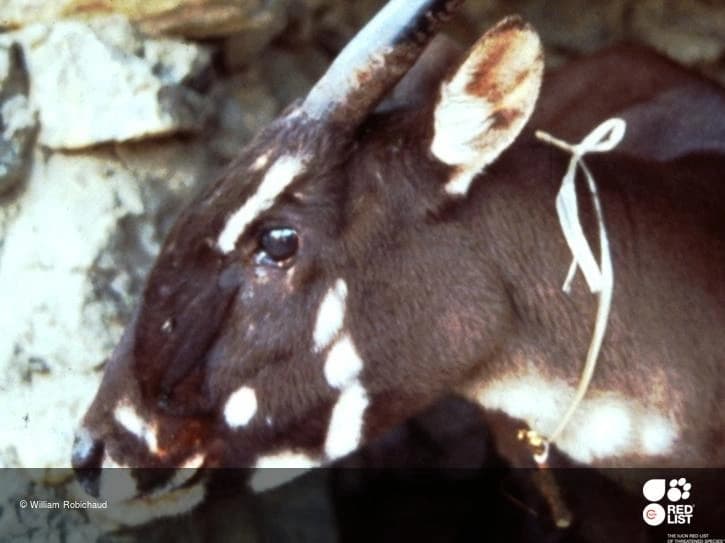
    The Saola is one of the world's most elusive large terrestrial mammals. Since 1992, there have been very few sightings or captures, and the species has never survived long in captivity. The last video documentation dates back to 2013, captured by a camera trap in central Vietnam. Due to its extreme rarity and ongoing decline, the Saola is classified as Critically Endangered (CR) on the IUCN Red List. Current estimates suggest a remaining population of fewer than a few hundred individuals, possibly less than 100, making it extremely close to extinction in the wild. Photo by William Robichaud.

    3bee-blog-elusivita-e-stato-di-conservazione-critico

    Threats: hunting, traps, and habitat fragmentation

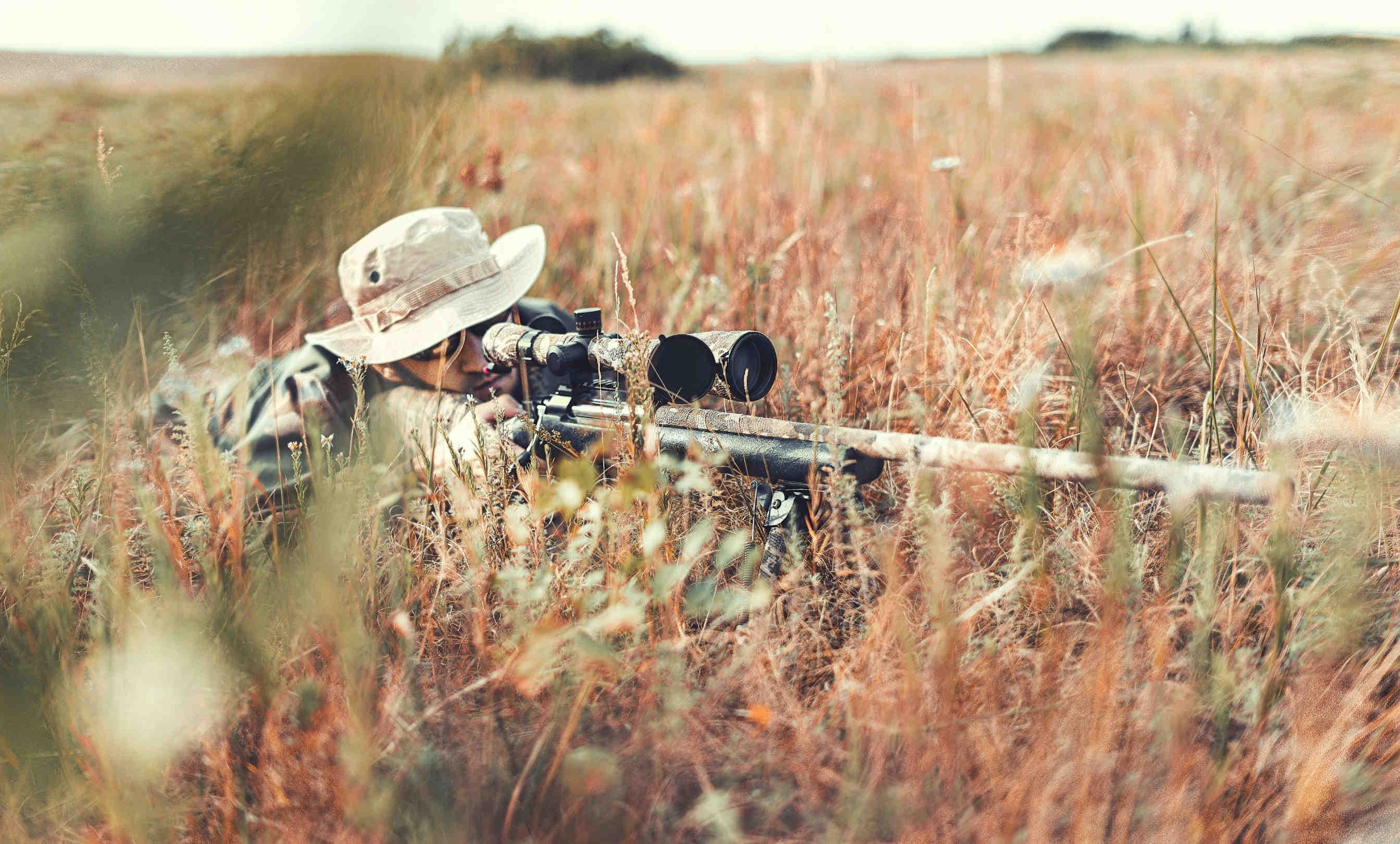
    The main threats to the Saola are linked to human activity. The animal falls victim to indiscriminate hunting conducted with snare traps, widespread in the Annamite forests to capture other animals destined for the wild meat trade. Due to its low density, the Saola cannot withstand the losses caused by these traps. Another crucial threat is habitat fragmentation due to roads, dams, and agricultural/mining development, which isolates populations and reduces access to resources. The continuous increase in snares is the most lethal factor, acting as a veritable "wall of death" for wildlife.

    3bee-blog-le-minacce-caccia-trappole-e-frammentazione-habitat
    XNatura

    Conservation initiatives and the role of technologies

    The protection of the Saola is a complex challenge due to its elusiveness. Conservation strategies focus on removing traps and strengthening anti-poaching patrols in Vietnam and Laos. A key initiative is the IUCN's Saola Working Group (SWG), which considers captive breeding as a last resort. Technology is crucial: the use of camera traps (such as the one that captured the 2013 photo) and the analysis of eDNA (environmental DNA) collected from water are essential for monitoring the species without threatening it. The technological approach used aligns with the mission of 3Bee and XNatura: using innovation (such as sensors and remote monitoring) to study, protect, and regenerate biodiversity in ecosystems.

    3Bee
    18/12/2025Of 3Bee, 3Bee
    1463 Views
    Newsletter
    newsletter
    Subscribe to the Blog about bees and biodiversity

    Frequently Asked Questions

    Do you have any doubts or other curiosities about this article? Here you will find some insights