Protecting biodiversity with national parks
    parksexceptionOFBinnovation

    Protecting biodiversity with national parks

    France has 11 national parks in metropolitan and overseas France. France's national parks are internationally recognised as exceptional areas of great biodiversity.

    Read the article
    28/06/2023Of 3Bee, Elena Fraccaro
    880 Views
    28/06/2023Of 3Bee, Elena Fraccaro
    880 Views

    National parks in France

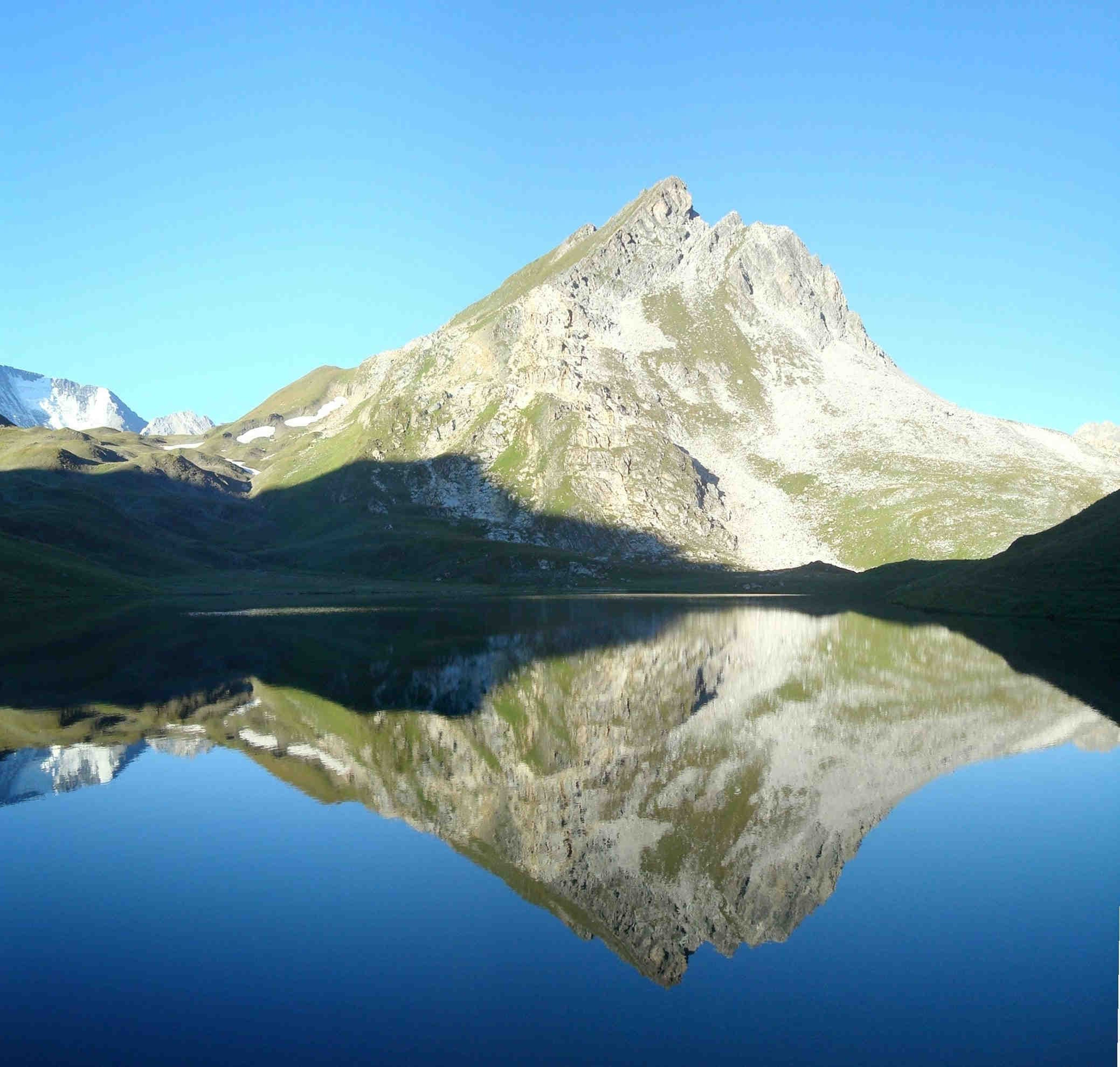
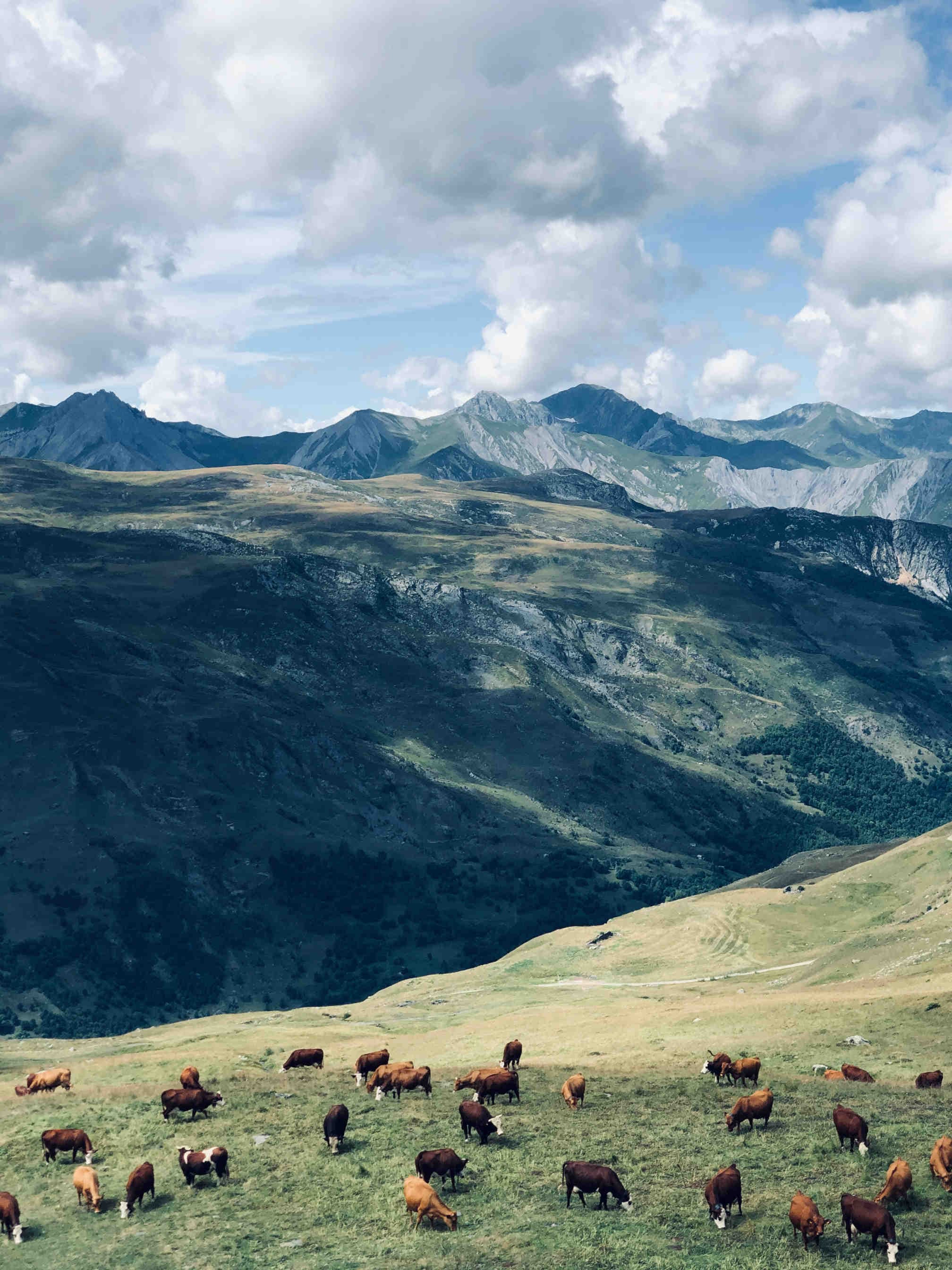
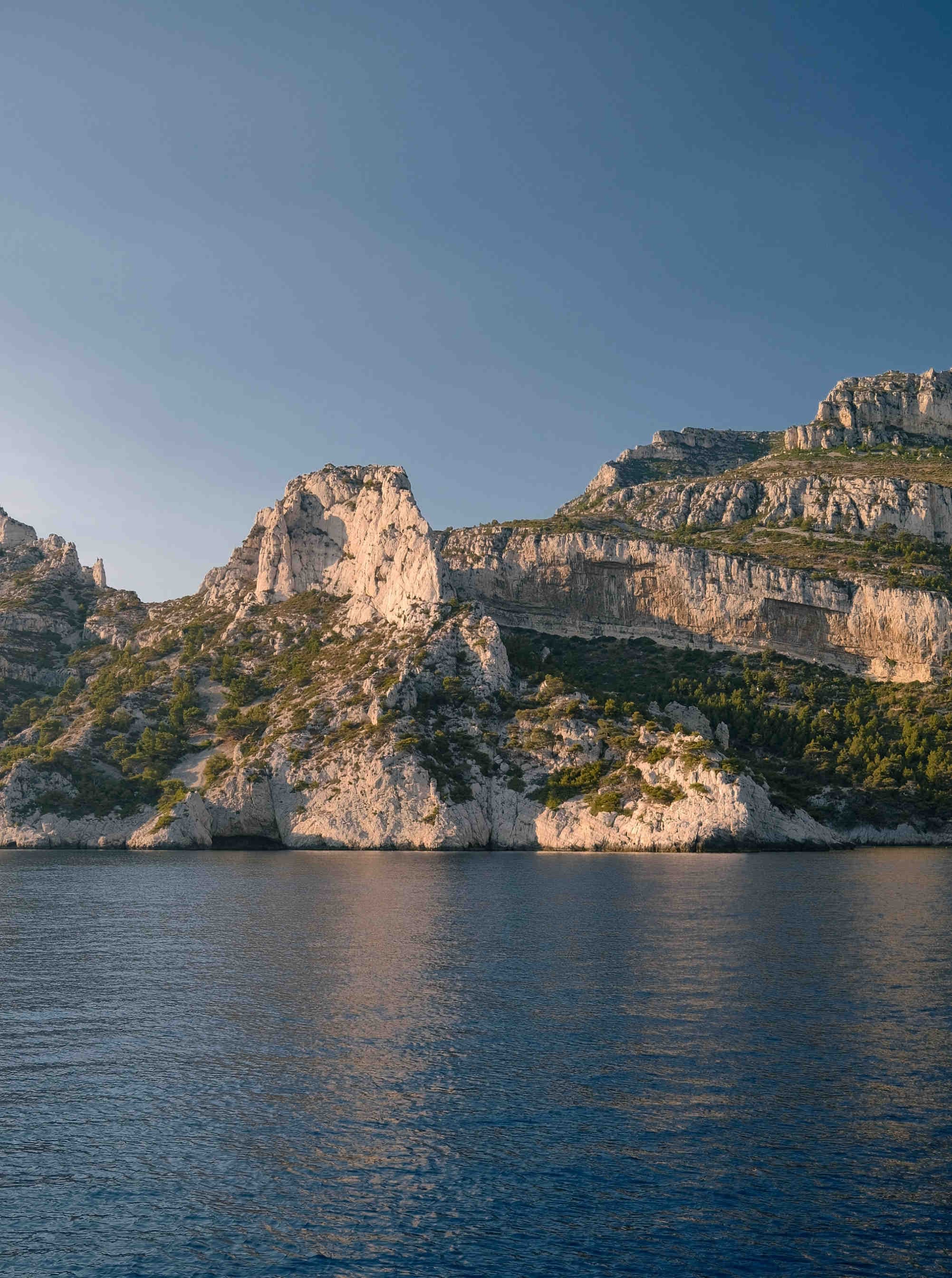
    In France, there are 11 national parks: the Vanoise (1963), Port-Cros (1963), the Pyrenees (1967), the Cévennes (1970), the Ecrins (1973), the Mercantour (1979), Guadeloupe (1989), Réunion (2007), French Guiana (2007), the Calanques (2012) and the Parc national de forêts (2019). These parks are considered to be territories of exception, offering remarkable land and sea areas. They are managed in an exemplary way thanks to a governance and management model aimed at preserving their natural riches. In this article, we explore the importance of France's national parks in protecting biodiversity and how they are helping to conserve our natural heritage for future generations.
    National parks in France

    Exceptional territories

    France's national parks are major players in the conservation of our biodiversity. Covering more than 50,000 km², or almost 8% of the national territory, they are an integral part of protected natural areas. Together with other protected areas, they help to preserve our natural heritage for present and future generations. These national parks are accessible to the general public, offering free opportunities to recharge one's batteries. Every year, they welcome more than 10 million visitors who can enjoy their 10,100 km of trails. These areas are ideal for outdoor activities, but they also offer opportunities to raise awareness of biodiversity conservation. One of the key missions of the national parks is to raise awareness among younger generations. Every year, nearly 30,000 schoolchildren from neighbouring municipalities are made aware of the richness and benefits of the natural world around them.
    Exceptional territories
    XNatura

    The OFB, head of the national parks network

    France's national parks are attached to the French Biodiversity Office (OFB), which acts as the network leader for these protected areas. This was made possible by the Biodiversity Law, which aims to strengthen France's action to preserve biodiversity and mobilise levers to restore it where it has been degraded. Although the national parks retain their own board of directors, being attached to the OFB strengthens links and promotes synergy and the pooling of resources. The OFB supports the national parks by providing support functions such as coordinating scientific strategies, drawing up protocols for monitoring species and natural environments, collecting and pooling data, and making the most of staff expertise.
    The OFB, head of the national parks network

    Innovation territories

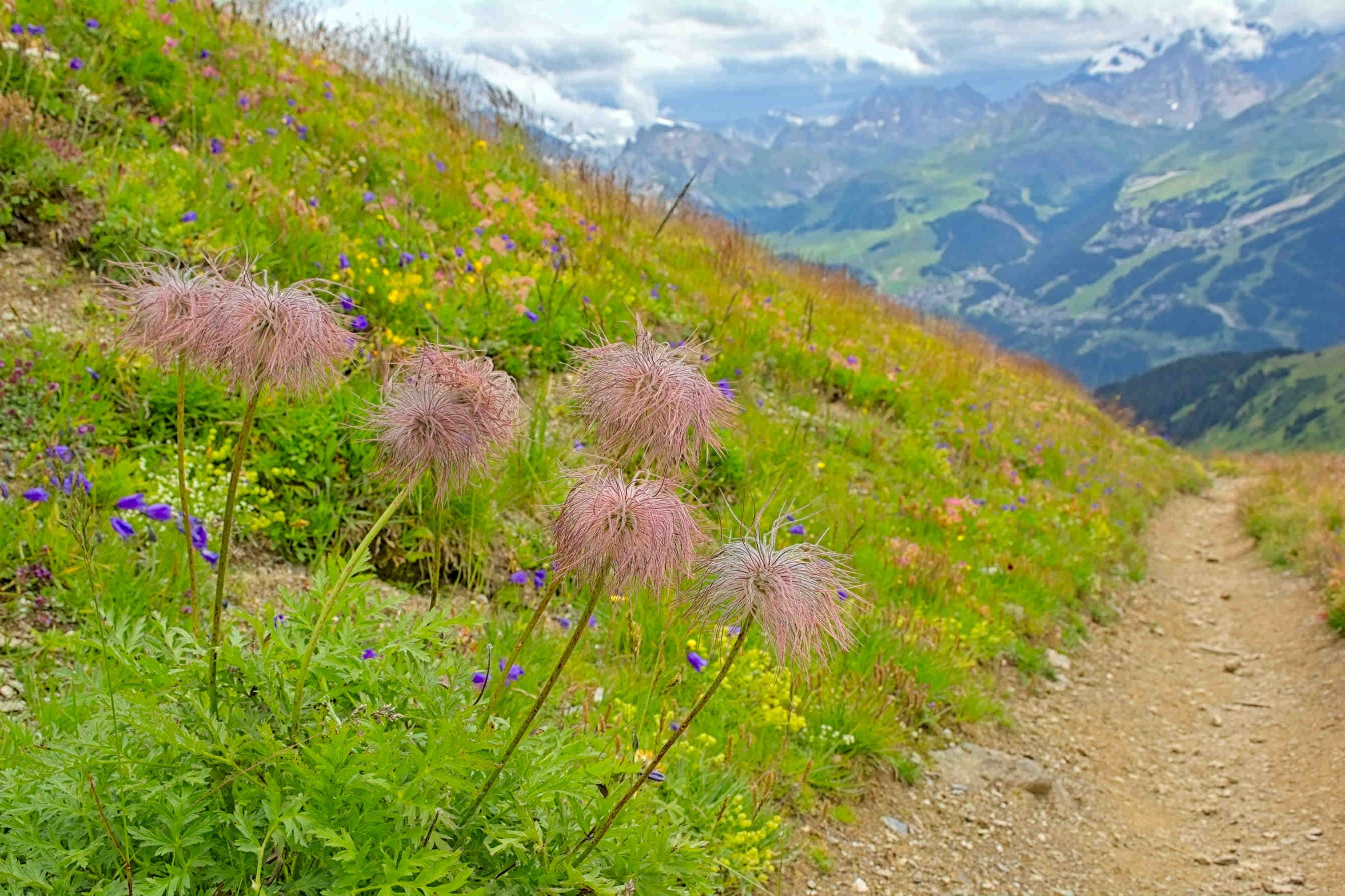
    France's national parks not only preserve biodiversity, they are also drivers of local development. By bringing together residents, local authorities, associations and businesses, they encourage the implementation of innovative actions defined in their charters, in line with sustainable development objectives. These protected natural areas act as real open-air laboratories, tackling national and international issues. They are scientific references, helping to deepen our knowledge of nature. Through conservation and ecosystem restoration programmes, they enable the reintroduction of extinct species and the protection of those threatened with extinction. France's national parks embody an innovative approach to sustainable development. They encourage experimentation with sustainable practices and projects, by bringing together local players.
    Innovation territories
    XNatura

    Maintaining the ecological balance

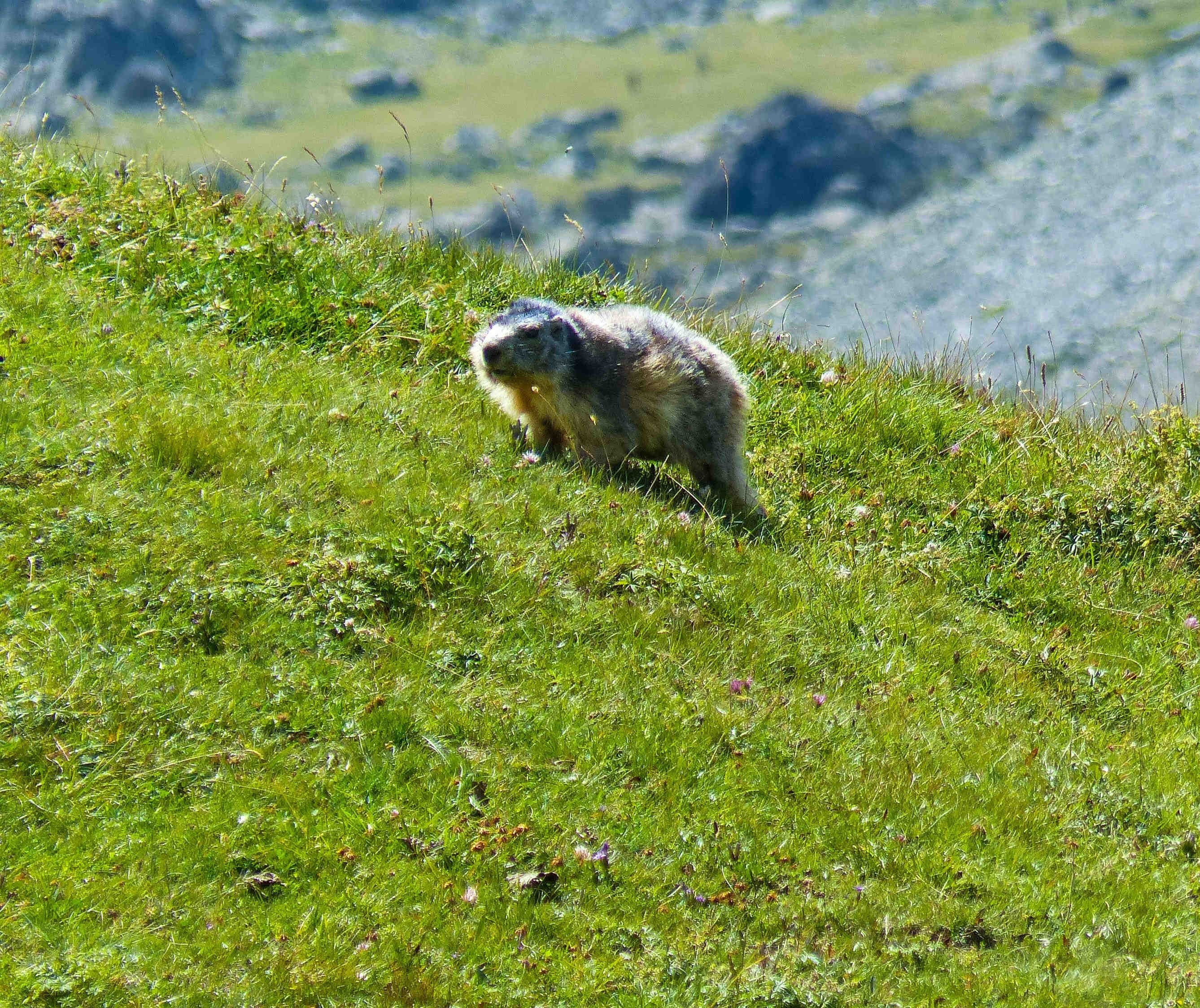
    France's national parks play a crucial role in maintaining ecological balance. They recognise the importance of ecosystems as complex systems, in which each species plays an essential role. By preserving these interactions and protecting natural processes such as pollination, seed dispersal and population regulation, the national parks help to maintain ecological balance. By conserving intact ecosystems, national parks ensure the survival of species and preserve biological diversity. Interactions between different species are essential for maintaining the stability of ecosystems and ensuring their resilience in the face of disturbance. National parks ensure that these interactions are not disrupted, allowing ecosystems to function harmoniously.
    Maintaining the ecological balance
    3Bee

    Protect biodiversity with 3Bee

    3Bee is committed every day to protecting biodiversity through technology. To address biodiversity loss, 3Bee has launched Biodiversity Oases. 3Bee's Biodiversity Oases are urban and agroforestry biodiversity habitats with refuges for pollinators and native flora. Certified places whose impact is traceable thanks to technology. At a time when habitat loss and biodiversity decline are a growing threat to our planet, Biodiversity Oases are a concrete and innovative solution to promote the conservation and protection of biodiversity. 3Bee has chosen to launch the Biodiversity Oases with the aim of raising awareness and getting more citizens and businesses involved in protecting the environment and regenerating ecosystems.

    Protect biodiversity with 3Bee
    28/06/2023Of 3Bee, Elena Fraccaro
    880 Views
    Newsletter
    newsletter
    Subscribe to the Blog about bees and biodiversity