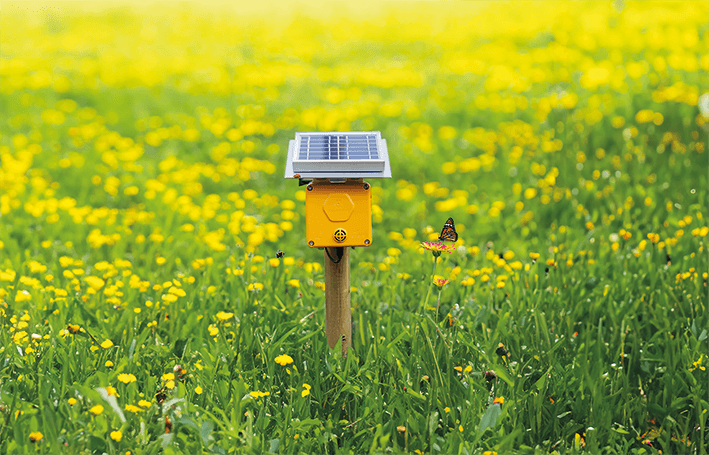
Protecting biodiversity: why is it necessary?
    BiodiversityLossConservationRegeneration

    Protecting biodiversity: why is it necessary?

    Biodiversity is fundamental to the ecological balance of our planet. Find out in this article the importance of the ecosystem services it provides, the cost of its loss and the essential strategies for its conservation.

    Read the article
    11/05/2024Of 3Bee, Lisa Santillo
    657 Views
    11/05/2024Of 3Bee, Lisa Santillo
    657 Views

    Importance of biodiversity and ecosystem services

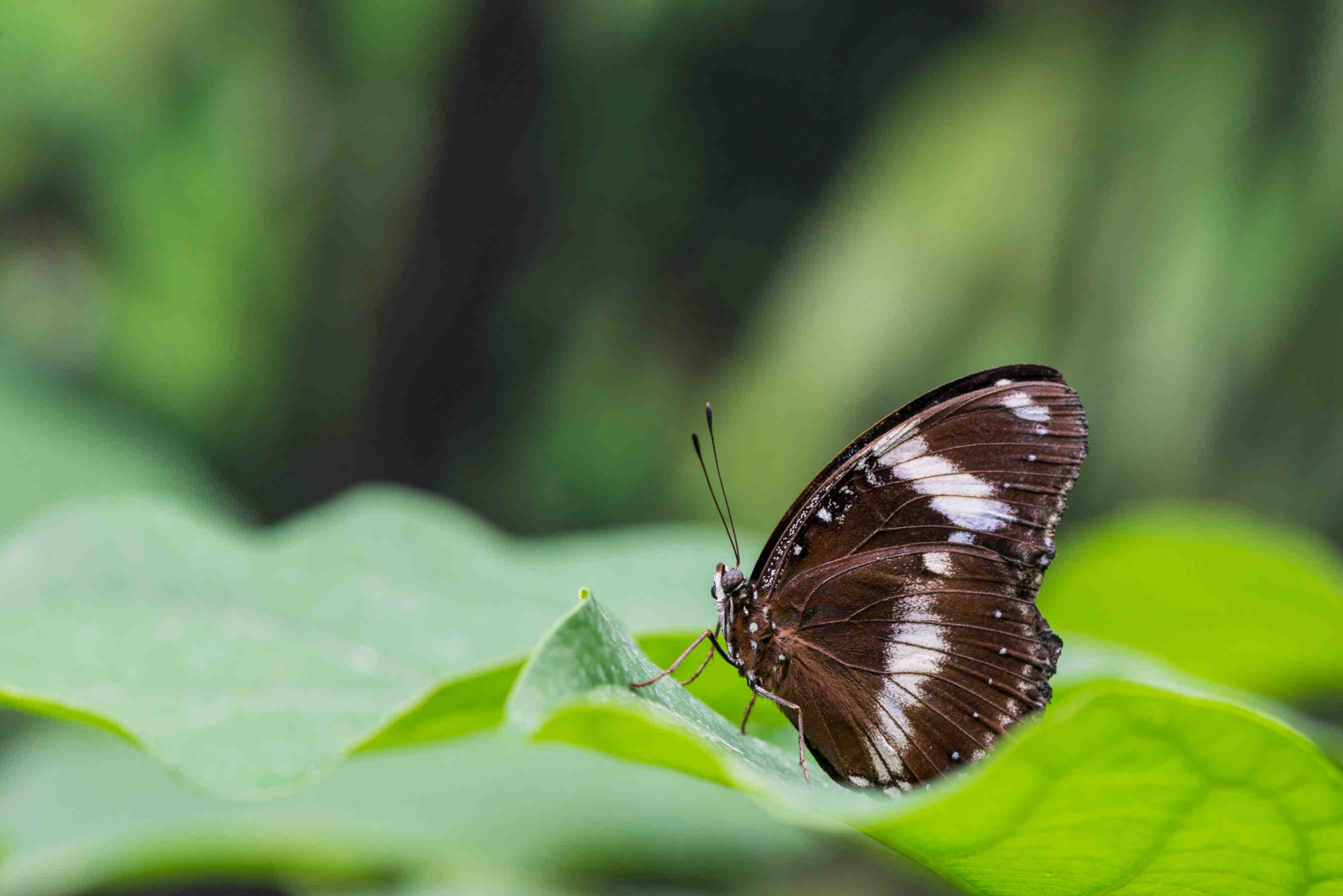
    The biodiversity represents the variety of all life forms on our planet, from the smallest organisms to large ecosystems. This biological diversity is crucial because it provides fundamental ecosystem services that fall into four main categories: provisioning services, which include everything we obtain directly from ecosystems (e.g. food, water, other raw materials); regulating services, which relate to the benefits gained from the ability of the nature to regulate environmental processes (e.g. climate regulation); cultural services, which are the intangible benefits we receive from ecosystems (e.g. aesthetic, spiritual and intellectual pleasure derived from nature); and support services, which are essential for the production of all other ecosystem services, including pollination.
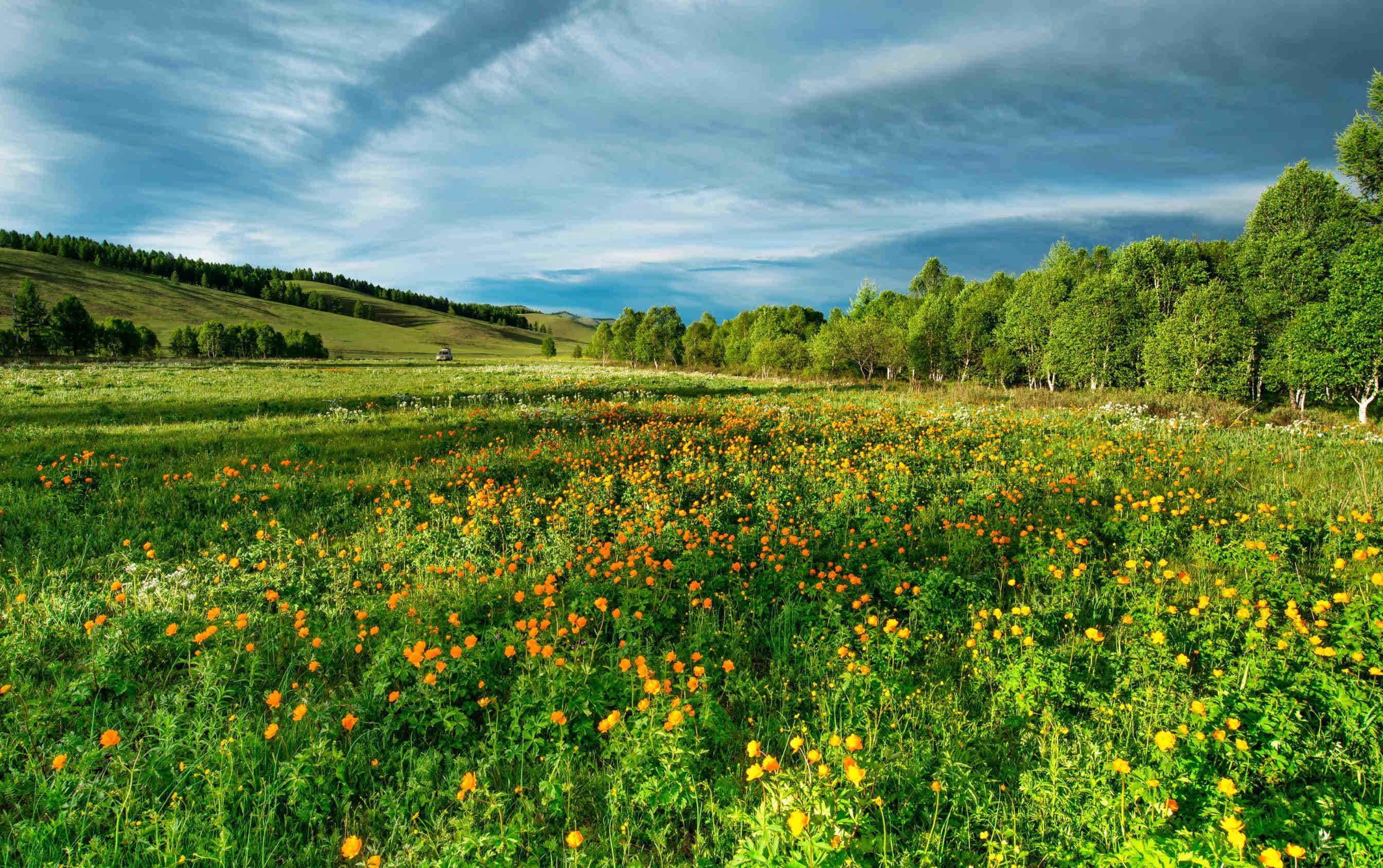
    farfalla

    The cost of biodiversity loss

    As stated by Elizabeth Maruma Mrema, executive secretary of the Convention on Biological Diversity, during the IUCN World Conservation Congress 2021, our economies are highly dependent on nature and its ecosystem services. "More than half of the world's total GDP - equivalent to $44 trillion of economic value production - is moderately or strongly dependent on nature and its services and, as a result, is exposed to risks arising from its status. - continues Elizabeth Maruma Mrema - The diversity loss and ecosystem degradation are already disproportionately affecting marginalised populations. The cost of inaction, estimated to rise to at least $14 trillion - 7 per cent of global GDP - by 2050, is staggering." Conserving biodiversity is therefore also a necessity in economic terms, as preventing biodiversity loss is much cheaper than repairing the damage later.

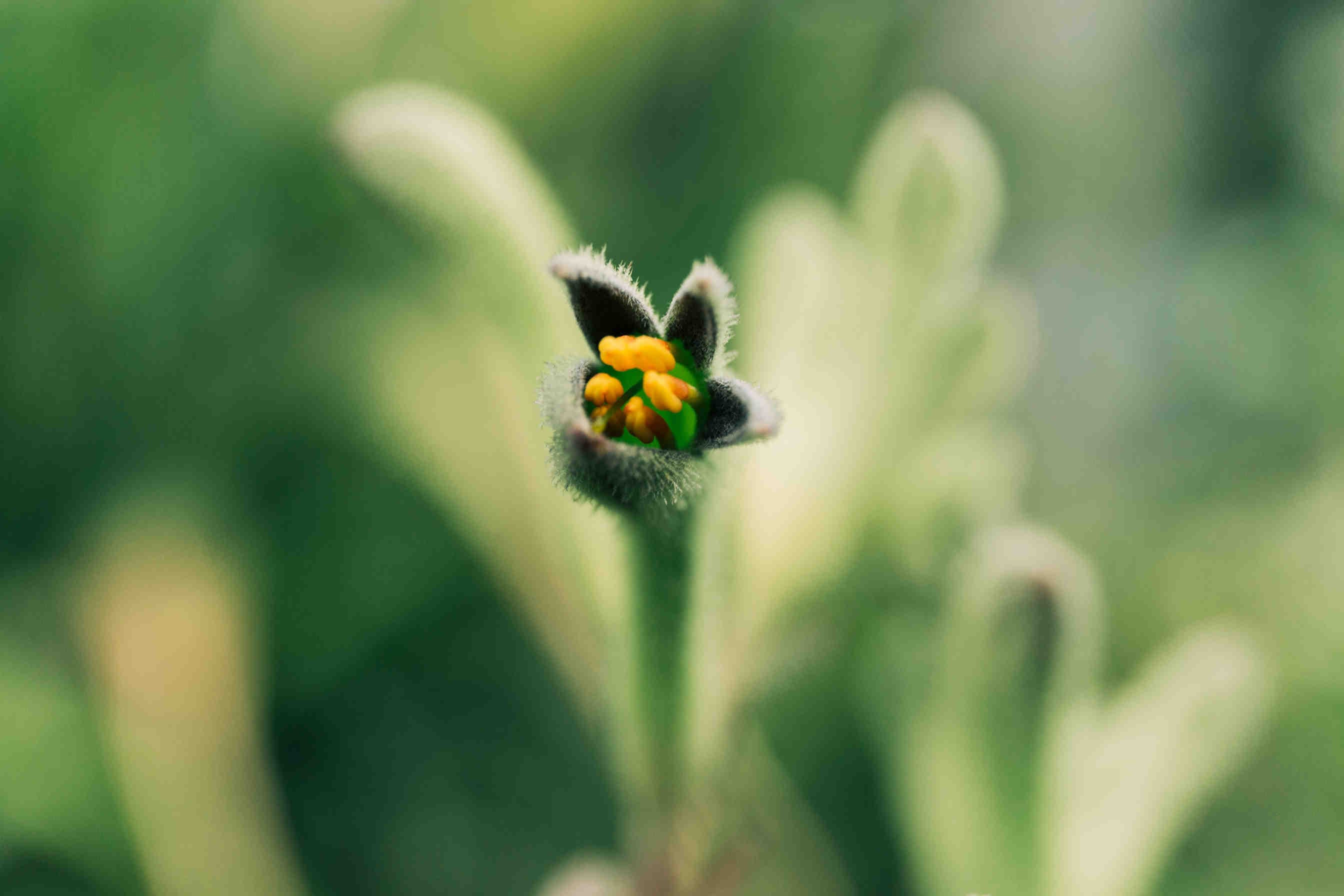
    fiore
    XNatura

    The state of biodiversity conservation

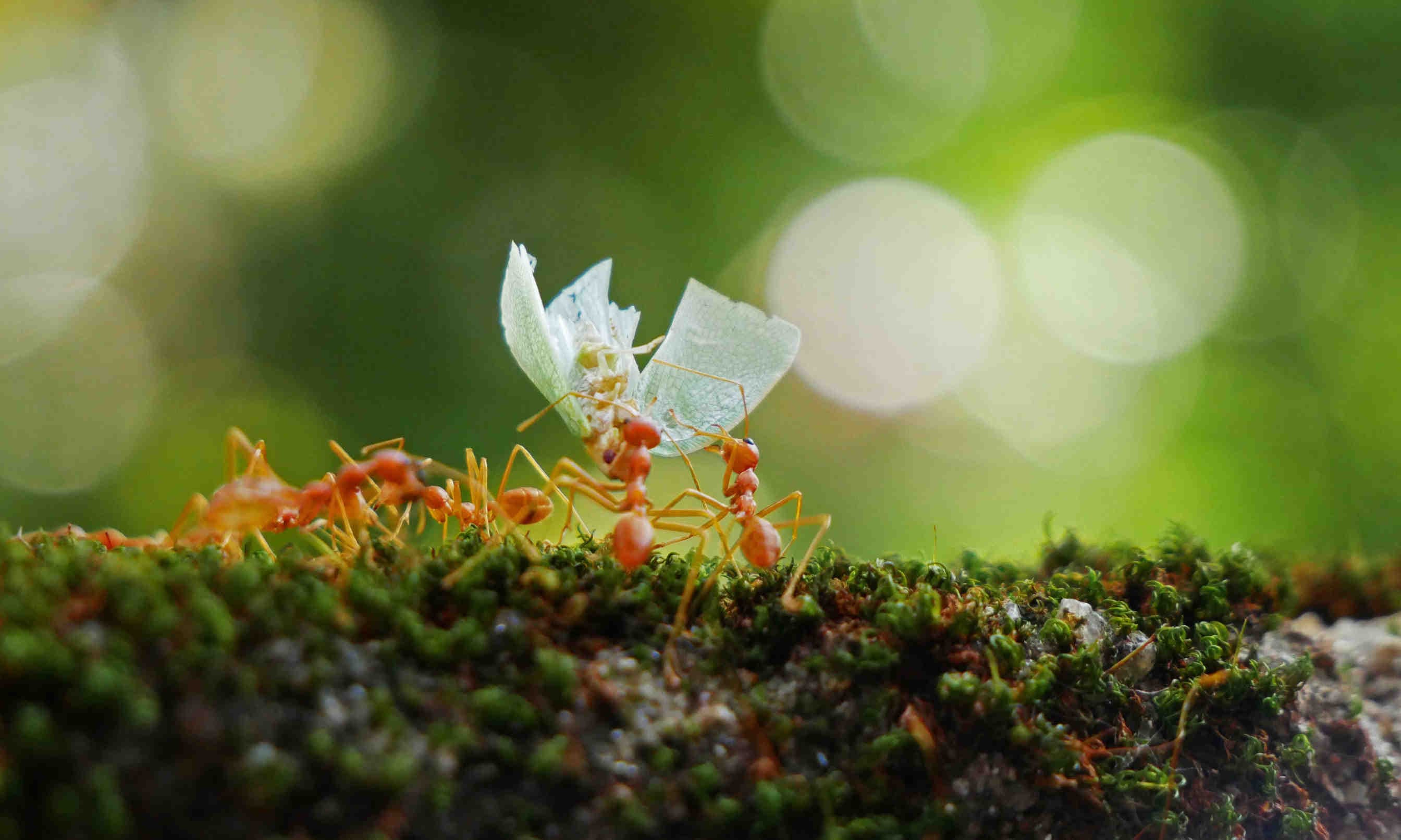
    The state of global biodiversity is worrying. In 2020, the Global Report on Biodiversity and Ecosystem Services issued a chilling warning: it is predicted that, if timely action is not taken, approximately one million animal and plant species could be at risk of extinction in the coming decades. This scenario is mainly caused by human activity, which contributes to the loss of biodiversity exponentially. Among the main causes of biodiversity loss are climate change, the destruction of natural habitats, pollution, the introduction of alien species, and certain human activities. According to the IUCN Red Lists, about 89% of the habitats of community interest in Italy have unfavourable conservation conditions. In particular, 68% of ecosystems in Italy are considered endangered, with the percentage rising to 35% for those in critical condition.
    formiche

    Actions and policies for regeneration

    Policies for conservation and regeneration of biodiversity are increasingly at the centre of the international environmental agenda. The European Union, for example, has proposed the 'Nature Restoration Law', a law aimed at restoring degraded ecosystems and promoting ecological resilience through specific interventions. This law requires member states to develop restoration plans that encompass a wide range of habitats, from forests to marine environments, but unfortunately the final go-ahead has been postponed until a later date. Other key strategies include the preservation of protected areas, reforestation, wetland restoration and the promotion of sustainable agricultural practices. Implementing these policies not only helps protect biodiversity, but also strengthens communities' ability to adapt to climate change and conserve natural resources for future generations.

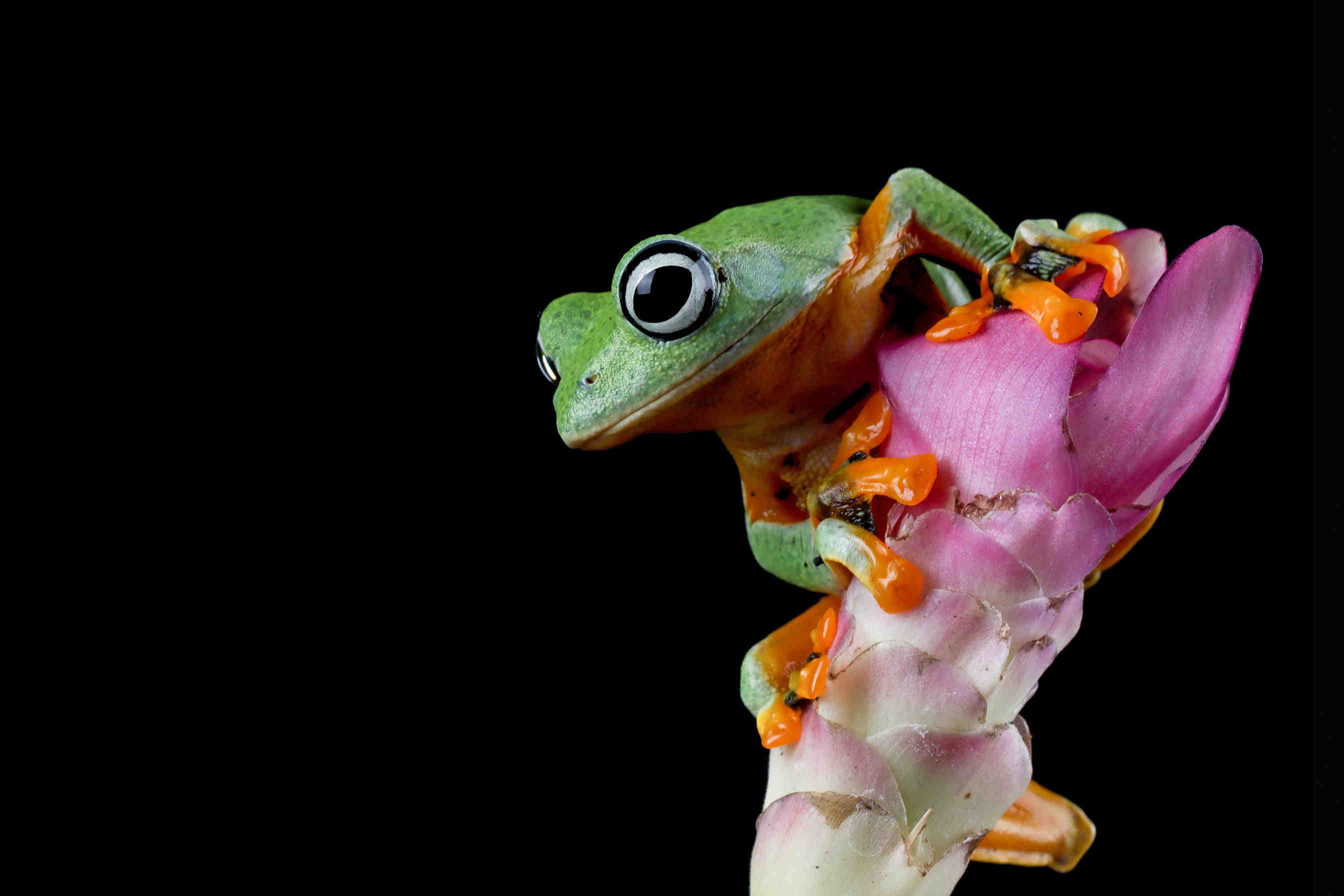
    rana
    XNatura

    3Bee's commitment to biodiversity protection

    3Bee is the naturetech developing technologies for the monitoring, protection and regeneration of biodiversity. Its approach is based on the use of innovative technologies able to monitor the pollinators, fundamental bioindicators of the state of health of the environment: the sensors and algorithms developed make it possible to collect quantifiable data on their state of health and the habitat that hosts them, making them accessible to all. The aim is to identify targeted actions for regeneration or impact mitigation. This is the context for the 3Bee Oases of Biodiversity: spaces dedicated to the protection of local biodiversity and pollinating insects, monitored along the lines of the XNatura Protocol. 3Bee, as scientific partner, supports organisations and companies in the development of a real Biodiversity & Climate Strategy, according to a three-pillar approach: monitoring, regeneration and education.

    Spectrum 3Bee
    3Bee
    11/05/2024Of 3Bee, Lisa Santillo
    657 Views
    Newsletter
    newsletter
    Subscribe to the Blog about bees and biodiversity

    Frequently Asked Questions

    Do you have any doubts or other curiosities about this article? Here you will find some insights