How to Protect Bees?
    JobApocalypseThreatsPesticidi

    How to Protect Bees?

    Are bees in danger of extinction? Is there a way to concretely protect bees? Are bees the only pollinators? These and other questions were addressed by our experts. Bees are indeed the fundamental link in our food chain.

    Read the article
    05/02/2020Of 3Bee, Elena Fraccaro
    664 Views
    05/02/2020Of 3Bee, Elena Fraccaro
    664 Views

    Valuable work

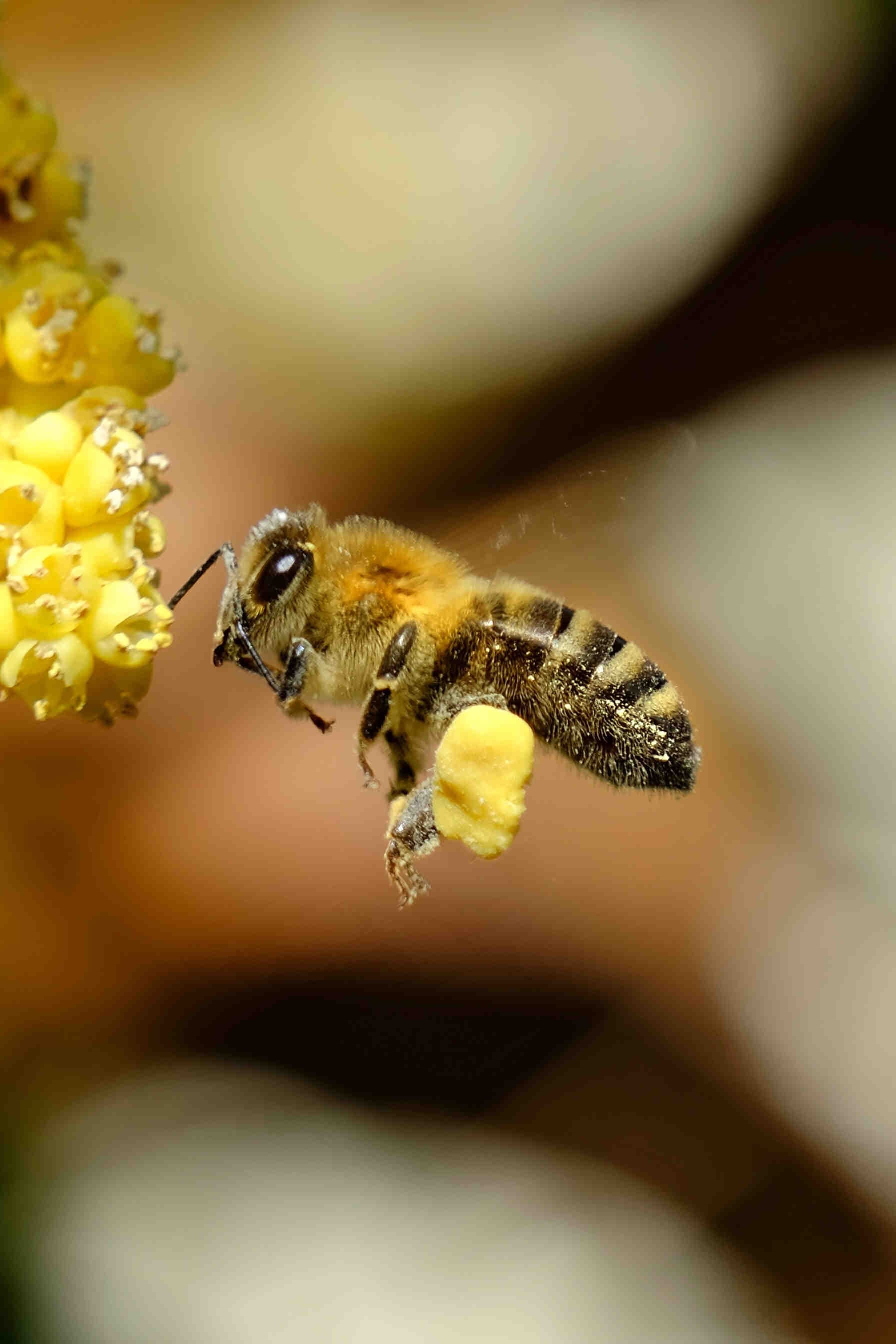
    The role that bees play in our ecosystem is central, especially because of their invaluable pollination work. Flying from flower to flower in search of nectar, bees and other pollinating insects become true agents of biodiversity. Plants that rely on entomophilous (i.e. made possible by insects) pollination are many. Estimates speak of almost 90% of wild plants and 75% of food crops. It is therefore not an exaggeration to say that if there were no more bees, we would no longer be able to eat most of the food we find on our table every day. The production of meat and milk products would also drop significantly. How come? The answer is actually quite simple. A large proportion of fodder plants, i.e. plants used to feed livestock, are pollinated by bees.
    Valuable work

    The insect apocalypse

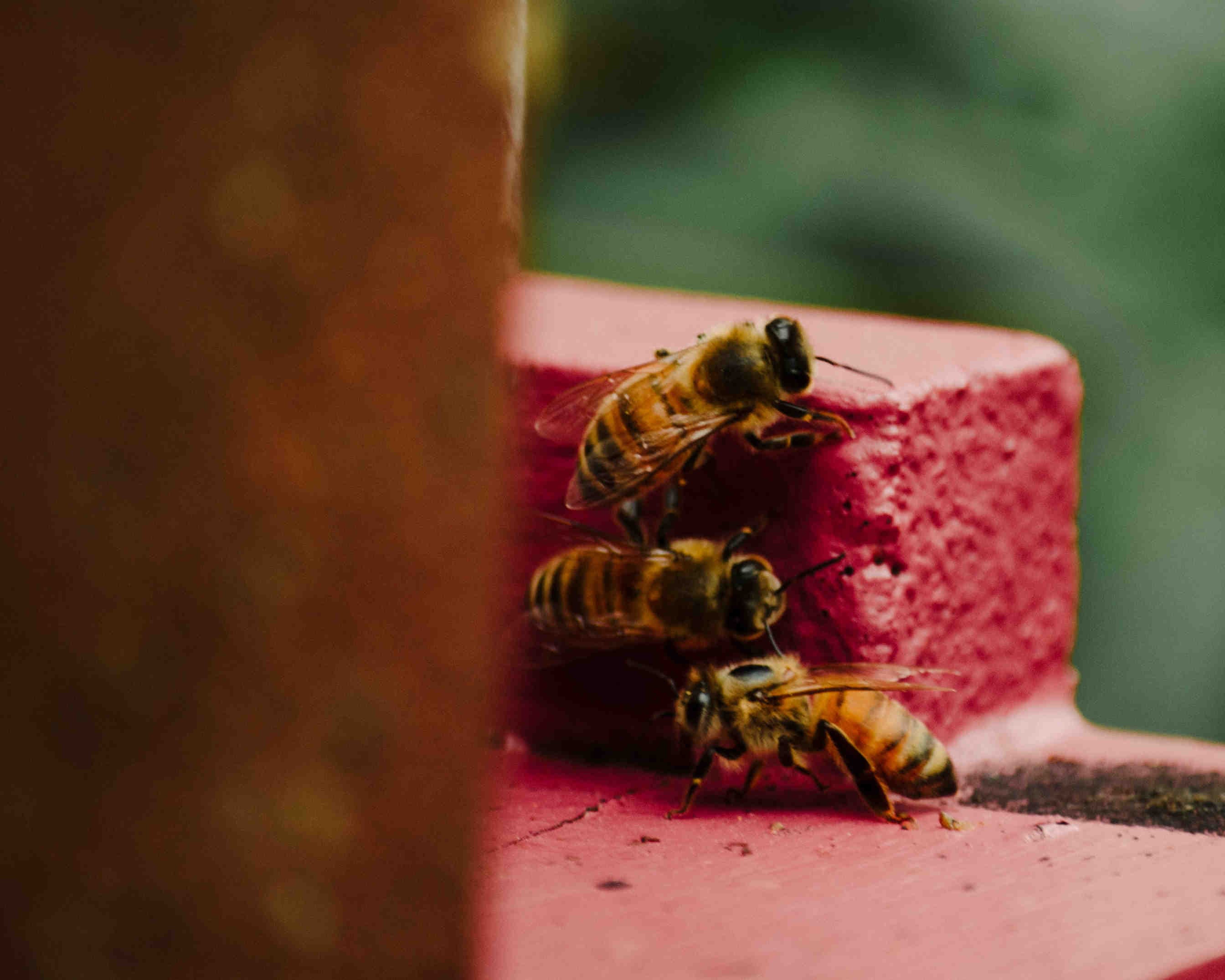
    But is the situation really so alarming? The data emerging from numerous studies tell us just that, even going so far as to speak of a veritable 'insect apocalypse'. The rates at which they are disappearing are impressive. With this trend, within a few decades 40% of insect species could be extinct. Even at EU level, there have been attempts to understand the seriousness of the situation. A report by the IUCN (International Union for Conservation of Nature) states that almost 10% of Europe's wild pollinators are at risk of extinction. For many species, however, there is not enough data, so the situation could be far worse. Bees, of course, do not fare well. According to CIA (Confederazione italiana agricoltori) data, as many as 10 million beehives worldwide have disappeared in the last 10 years, 200,000 of them in Italy alone.
    The insect apocalypse
    XNatura

    The causes that threaten the survival of bees

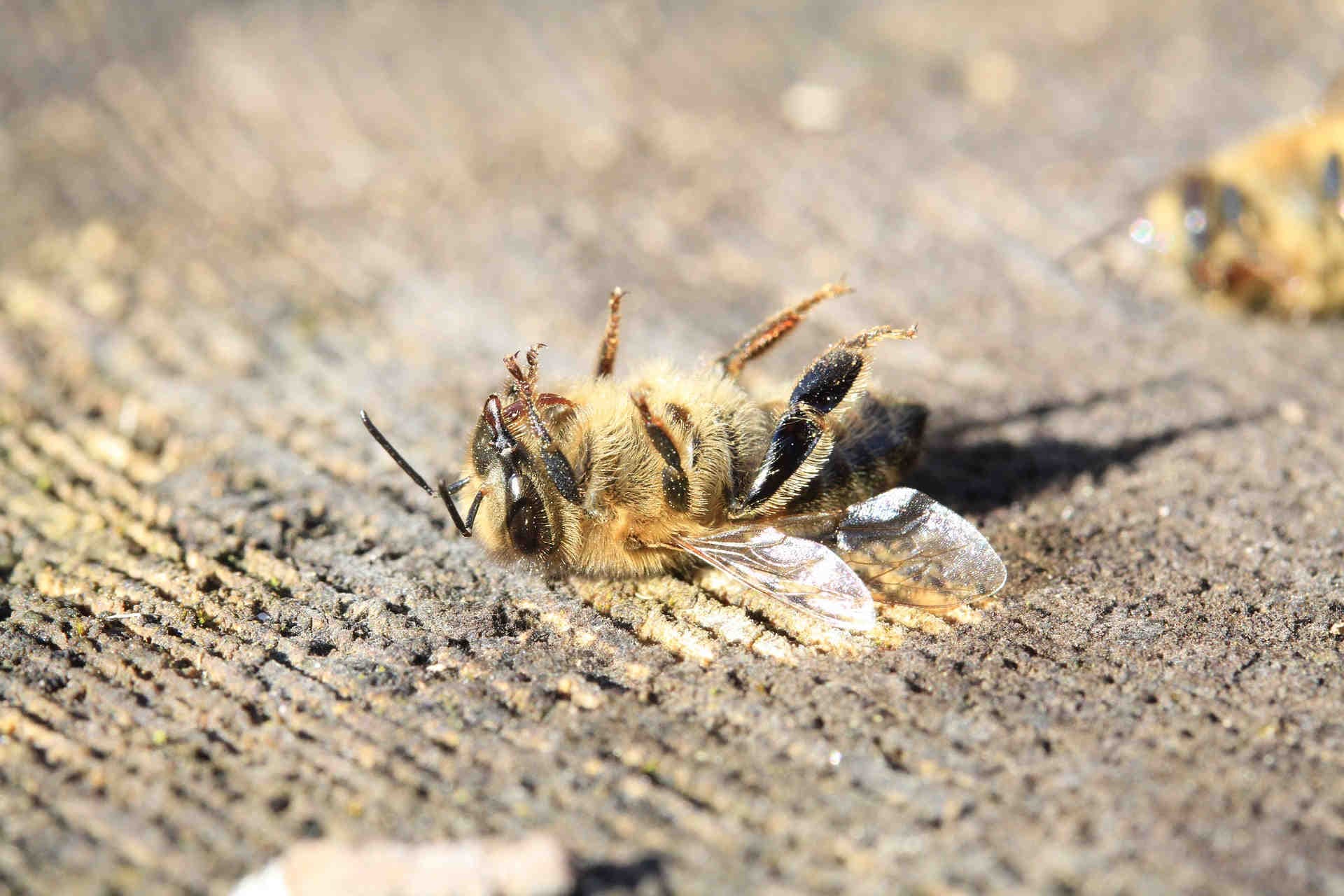
    But what are the causes of this seemingly unstoppable decline? In reality there are many, but we can still identify the main ones. Diseases and parasites, such as the Varroa Destructor, climate change, depletion of natural habitats, intensive farming practices, massive use of pesticides, herbicides and fungicides. Each of these phenomena marks day after day the slow decline of the bee population, which is now in a highly endangered situation.
    The causes that threaten the survival of bees

    The problem of pesticides and insecticides

    Of these many factors, the best known are certainly pesticides. Of these, the category of neonicotinoids is the one that has had the most 'notoriety', especially after the measures taken at EU level to restrict their use. This action was taken after EFSA highlighted the risks to bees and pollinators from the use of these pesticides. While it was initially thought that, as they are often used for seed treatment, they would never come into contact with pollinators, it was later discovered that they are persistent in the environment and that they can be ingested by bees via contaminated pollen, nectar and water. These substances severely impair bees' orientation and learning abilities, and also hinder their reproduction and social behaviour. Insecticides such as sulfoxaflor and flupiradifuron have also been shown to have negative impacts.
    The problem of pesticides and insecticides
    XNatura

    What can be done to preserve bees from the risk of extinction?

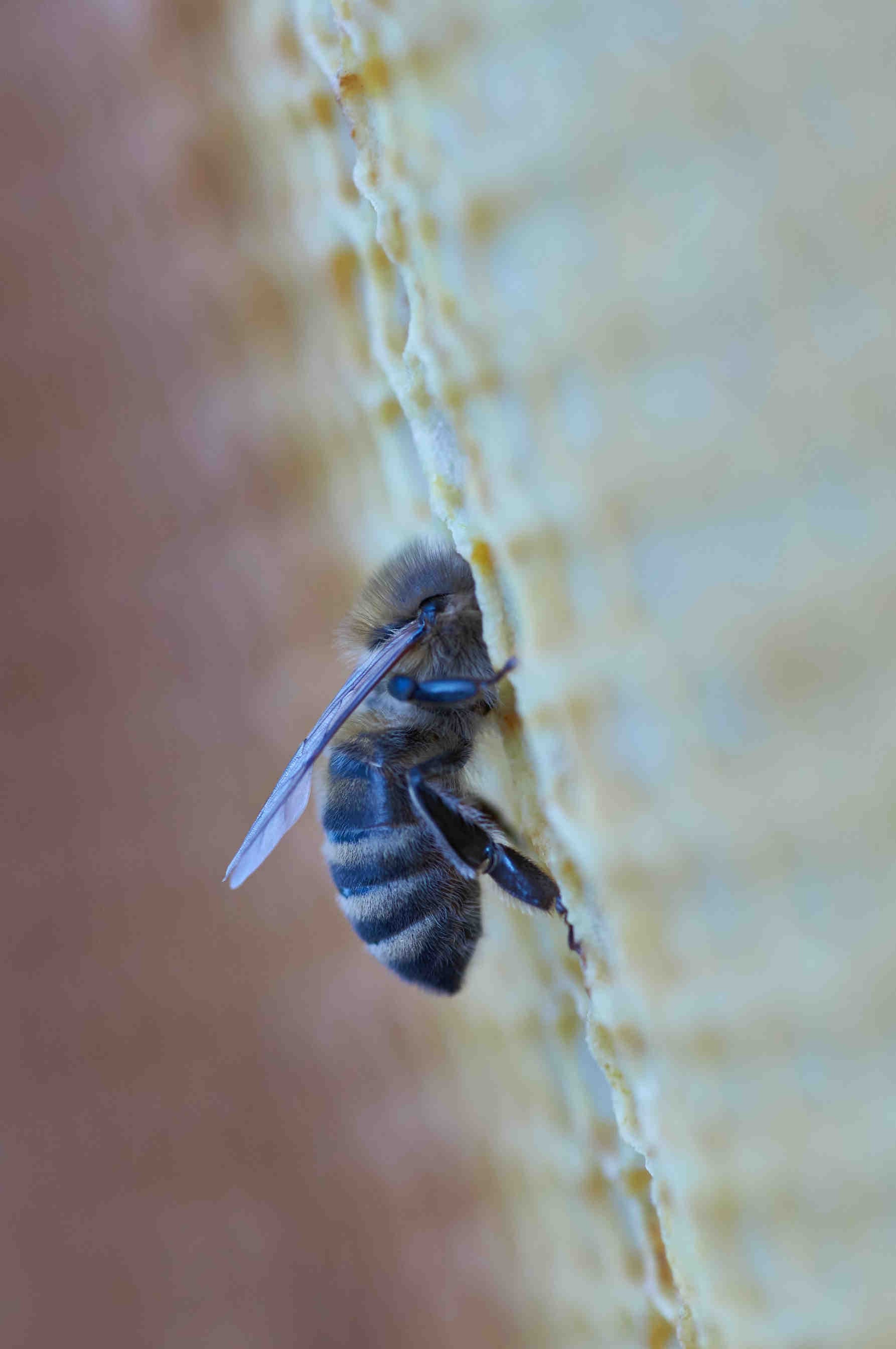
    The situation is therefore not the most rosy, quite the contrary. The problems facing bees and pollinators in general are enormous and the consequences very serious, and not just for us. What can we concretely do to reverse this trend and preserve bees and pollinators from the risk of extinction? Surely we should demand intervention from our governments and institutions, but we can still take small actions to make our own concrete contribution to safeguarding this most precious insect.
    What can be done to preserve bees from the risk of extinction?
    3Bee

    Adopt a hive and protect its bees

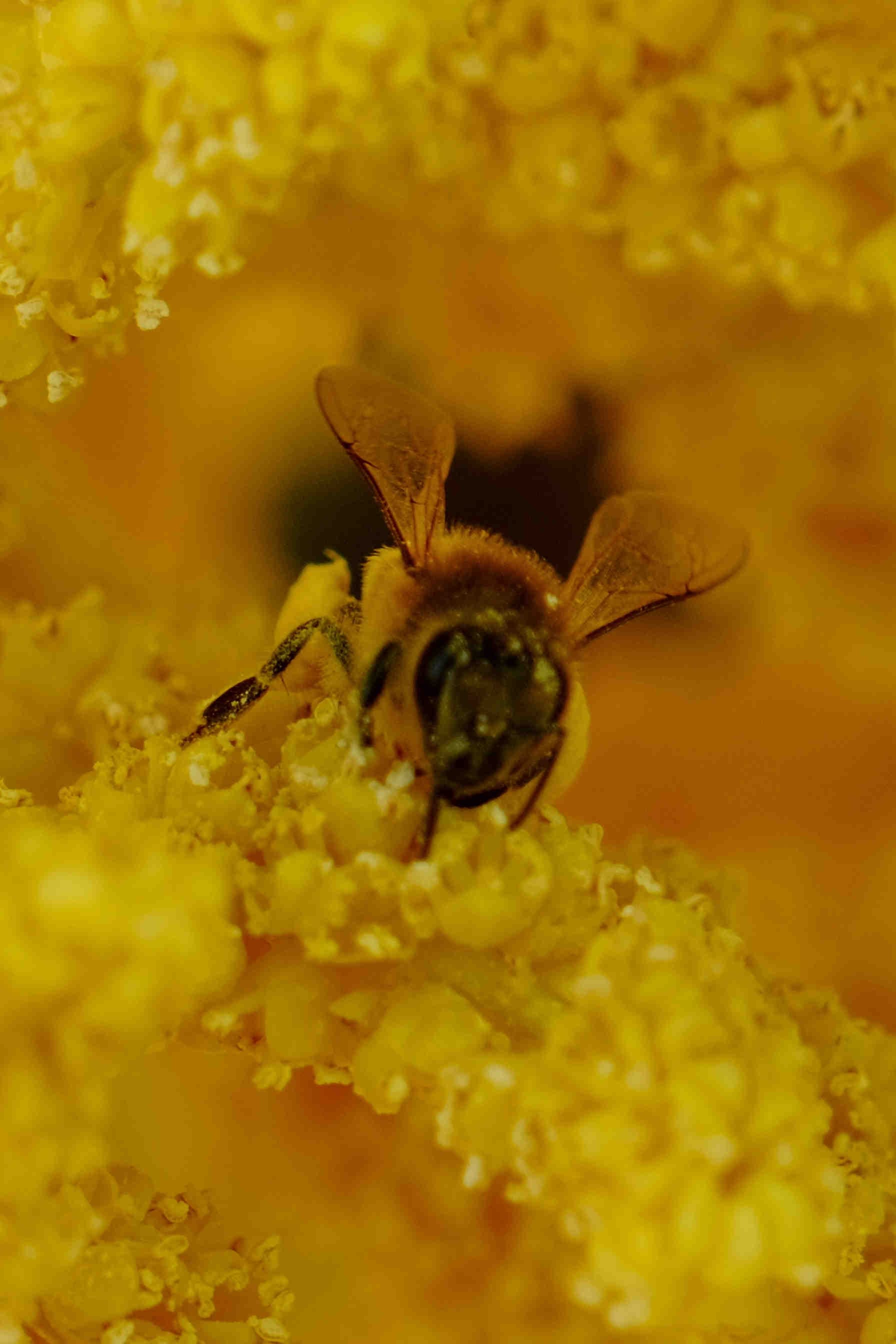
    One of the most affordable initiatives is certainly the adoption of a beehive. But what does it consist of? Thanks to 3Bee technology, you can choose a remotely monitored hive and adopt it for an internal year. This way, you can follow the development and growth of the bees directly from your mobile phone and follow them step by step during the production season, when the family grows to its full potential and the time comes to extract their precious honey. Not only that, you can also see how they prepare for winter and how the beekeeper takes care of them in case they do not have enough nourishment to survive until spring. In order to bring you even closer to the reality of the beehive and beekeeping you have chosen, at the end of the beekeeping season you will receive honey produced by 'your' bees at home. You will be able to choose it according to the types that are produced at each location.
    Adopt a hive and protect its bees

    Other initiatives in favour of bees

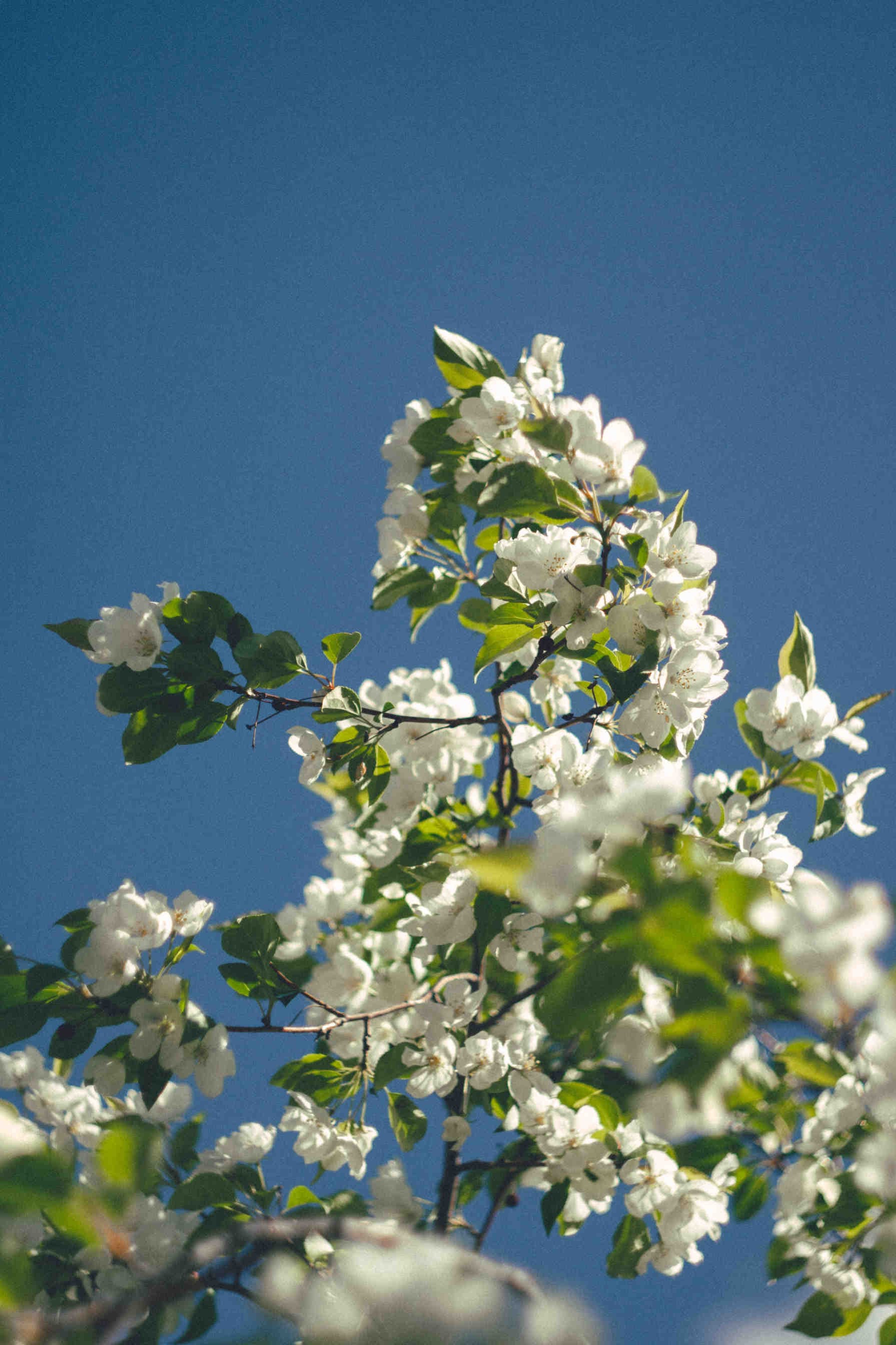
    If adopting a beehive is not enough for you and you are lucky enough to have a beautiful garden or a large balcony, you can decide to make them a real oasis for bees! Bees prefer certain types of flowers, which are richer in nectar or pollen and therefore more important sources of nutrition. You can choose from a variety of plants and ensure that there are always flowers from spring to late autumn. Also remember that it is important to leave the bees a source of water and that the use of insecticides, herbicides and fungicides is absolutely forbidden! Another help you could give the wild pollinators is to build a 'hotel for bees'. These are real little houses where wild bees can find shelter. Generally, pieces of wood in which holes are drilled are preferred, but also structures made of bamboo canes and twigs of various sizes.
    Other initiatives in favour of bees
    05/02/2020Of 3Bee, Elena Fraccaro
    664 Views
    Newsletter
    newsletter
    Subscribe to the Blog about bees and biodiversity