How to Prepare Bees for the Arrival of Spring?
    ApiaryUovaStocksEvaluations

    How to Prepare Bees for the Arrival of Spring?

    In beekeeping, the concept of spring is somewhat relative. What does it mean? It means that for bees and beekeepers it does not begin on 21 March, as per the calendar, but can start much earlier. That is why it is very important to prepare your bees well for the arrival of the fine season.

    Read the article
    29/01/2020Of 3Bee, Elena Fraccaro
    444 Views
    29/01/2020Of 3Bee, Elena Fraccaro
    444 Views

    Work in the apiary

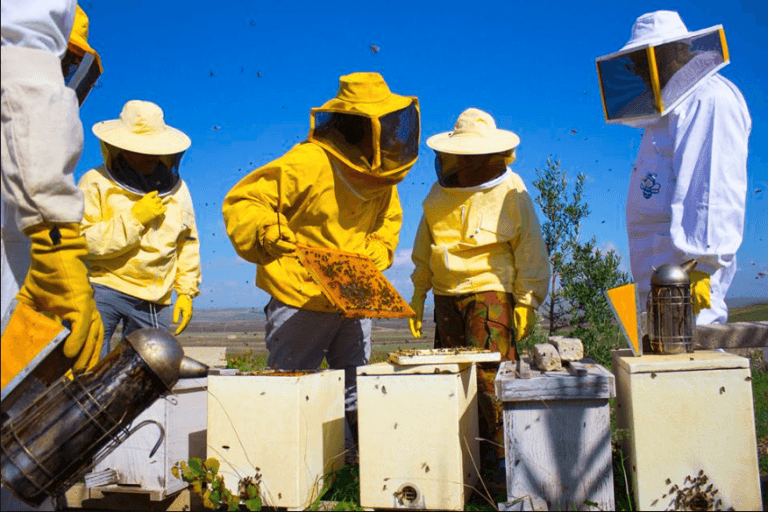
    In the apiary, the most important checks to be carried out during this period concern the survival of the families, the state of stocks and the level of varroa infestation. Depending also on where the hives are located, one can already get on with those jobs that require opening the boxes and a more thorough visual inspection. This will in fact be possible in areas with a milder climate, where the colonies are no longer clustered in glomeres. In the north, this becomes more difficult and the hives can only be opened on the hottest days and at short notice.
    Work in the apiary

    Is the queen present and laying?

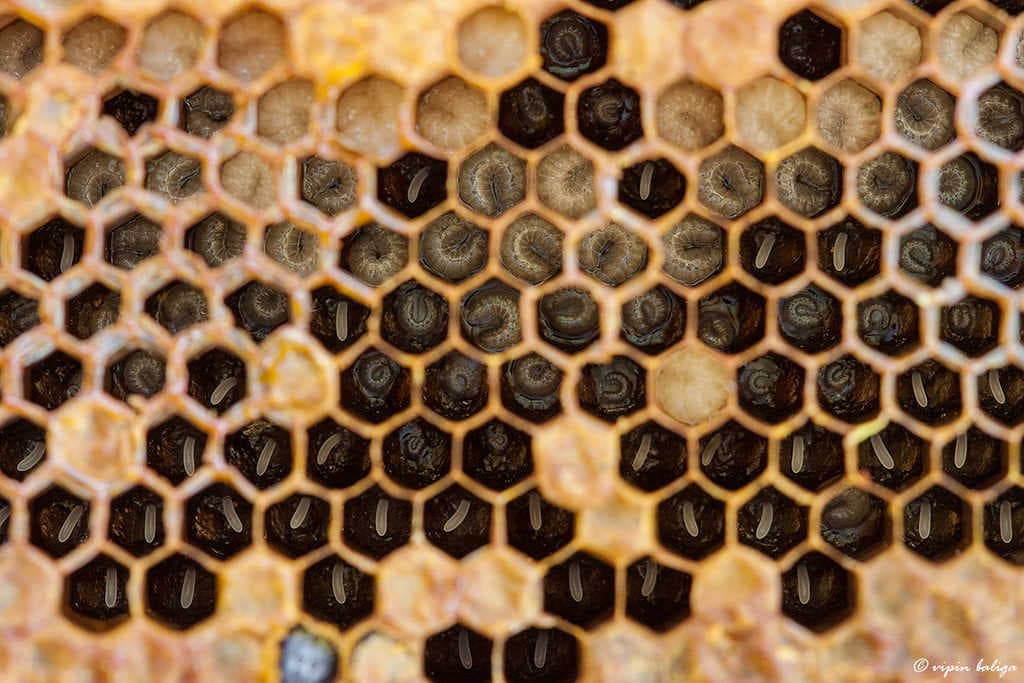
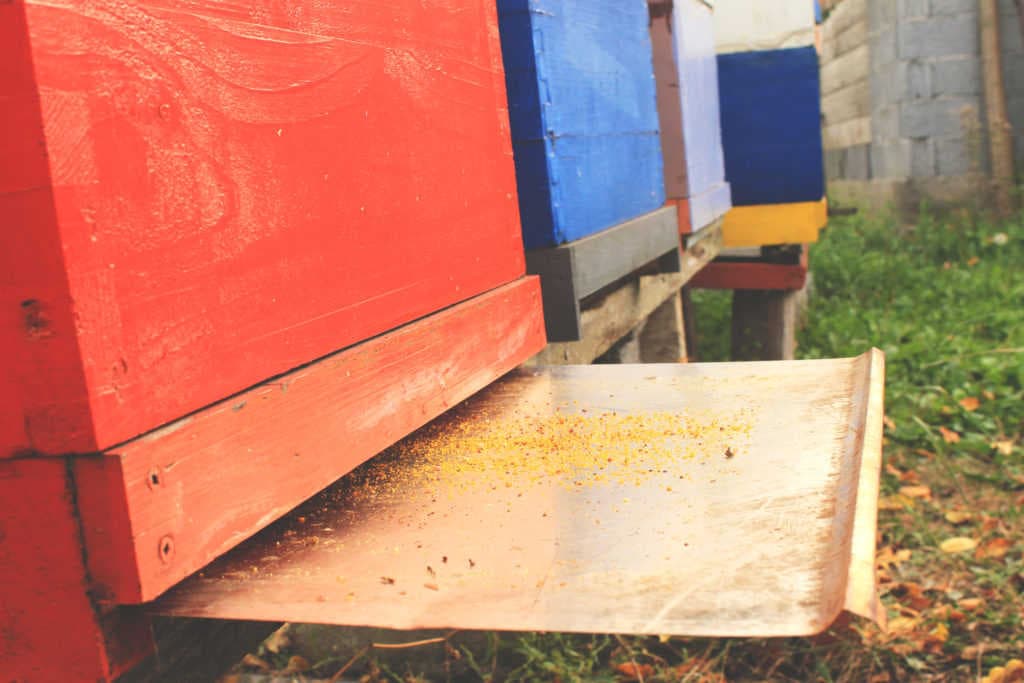
    Where it is possible to open the crates, or as soon as time permits, one must check that the queen is actually present. In order not to expose the family too much, one can look for the presence of brood and, above all, eggs. This is enough to tell if the queen is alive and has started laying. Another sign of a resumption of oviposition is also the importation of pollen. If you see bees returning to the hive with baskets full of pollen, the queen has almost certainly started laying again and the family is growing. If, on the other hand, you see in the same apiary that some boxes are returning with pollen and others are not, you may have orphan families. The orphanity of a family can also be assessed by the noise produced by the family itself. An old method involves tapping the cash register and hearing the response. A louder, more nervous buzz is produced by an orphan family.
    Is the queen present and laying?
    XNatura

    Assessing stock status

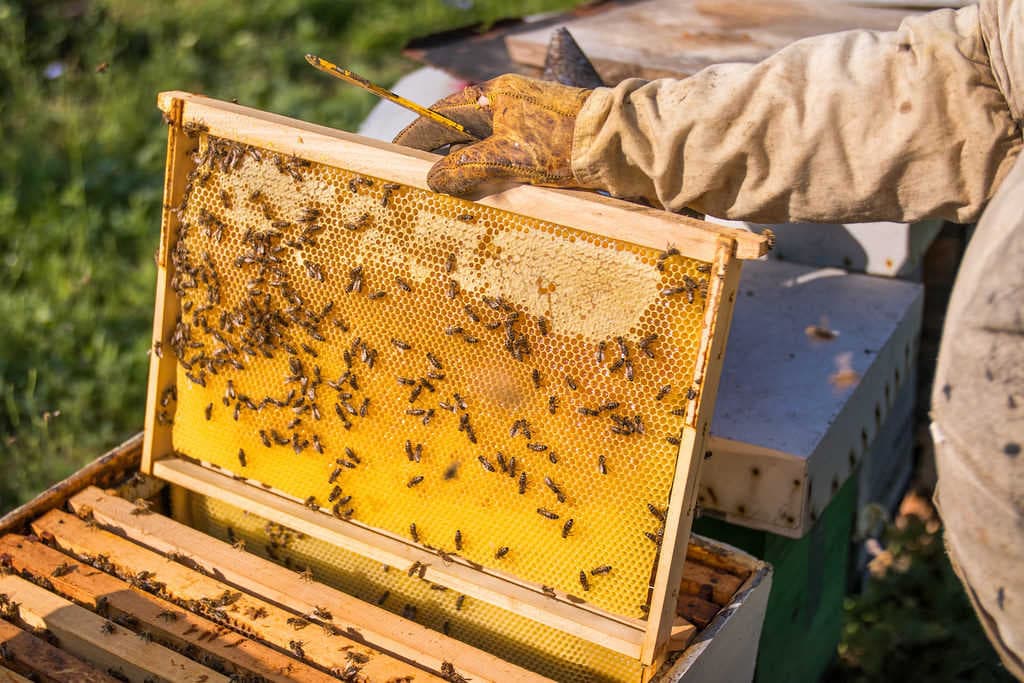
    Another important aspect to assess at this time of year is the state of stocks. Bees are coming out of wintering and this is a very delicate period. If left without nourishment, one can lose the entire family, literally starving to death. This is why you need to find out if they still have sufficient supplies or if they need to be fed. To find out if they have enough nourishment to last until the first blooms, we can use various methods. Visual inspections: a visual inspection can give you direct and immediate feedback on the stock situation, but it is not always possible to open the crates and take a look at them without causing damage to the bees. You can look at the bottom of the crates by analysing the remains of the opercula. Monitoring the weight: a safer method is certainly to assess the weight. The moment you see that the total weight of the crate is dropping beyond the threshold limit, you must feed the bees.
    Assessing stock status

    Varroa overwintering and infestation

    The evaluations to be made do not stop there, however. At this time we are also beginning to draw the conclusions of the wintering. How many families have survived? How many families are orphaned? Which ones will need to be reunited? At this time, plans are being made for the work that will be carried out in the coming months. Another important examination is that of varroa infestation. Varroa infestation allows you to control the spontaneous fall of the parasite. We know that an excessive number of varroa fall is a sign of a major infestation, which will become unmanageable when the family resumes full growth. An overly infested family is doomed to collapse and could also damage neighbouring hives. For this reason, measures must be taken to curb the problem. One certainly has to consider the winter treatments and how they were carried out, and possibly consider doing a late one.
    Varroa overwintering and infestation
    XNatura

    Work in the warehouse

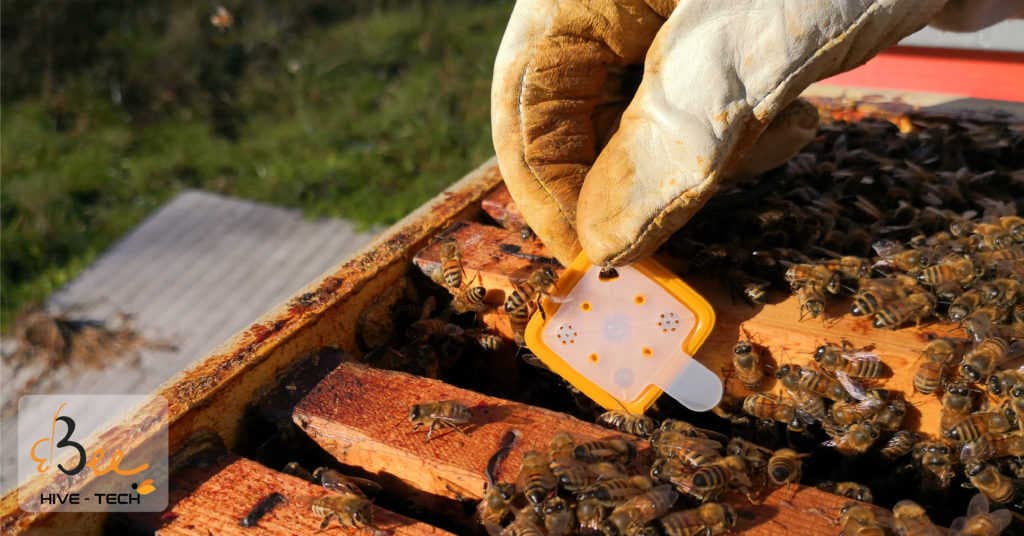
    The beekeeper's work to prepare for the arrival of spring does not end here. There is also plenty to do in the warehouse. This is the time of year when it is decided what material will be needed for the new season. The beekeepers assess the number of hives and honeycombs in their possession and, based on growth plans and the needs of individual stations, a decision is made to purchase new equipment either to replace older, run-down boxes or to house new families. This reasoning is applied to the entire warehouse, thus also to honey extraction and hive handling equipment. It is also important to check all the frames. Among the equipment you may need to improve the management of your business are the devices for remote monitoring of hives.
    Work in the warehouse
    3Bee
    29/01/2020Of 3Bee, Elena Fraccaro
    444 Views
    Newsletter
    newsletter
    Subscribe to the Blog about bees and biodiversity