Large carnivores: their importance for biodiversity
    Apex predatorEcosystemsAnimal husbandryEurope

    Large carnivores: their importance for biodiversity

    The existence or reappearance of large carnivores in habitats fragmented by humans is repeatedly met with efforts to decimate, not protect or never reintroduce these carnivores, even though they originally played an important role in many ecosystems.

    Read the article
    02/07/2024Of 3Bee, Elise Maria Keller Boehm
    1031 Views
    02/07/2024Of 3Bee, Elise Maria Keller Boehm
    1031 Views

    What is an apex predator?

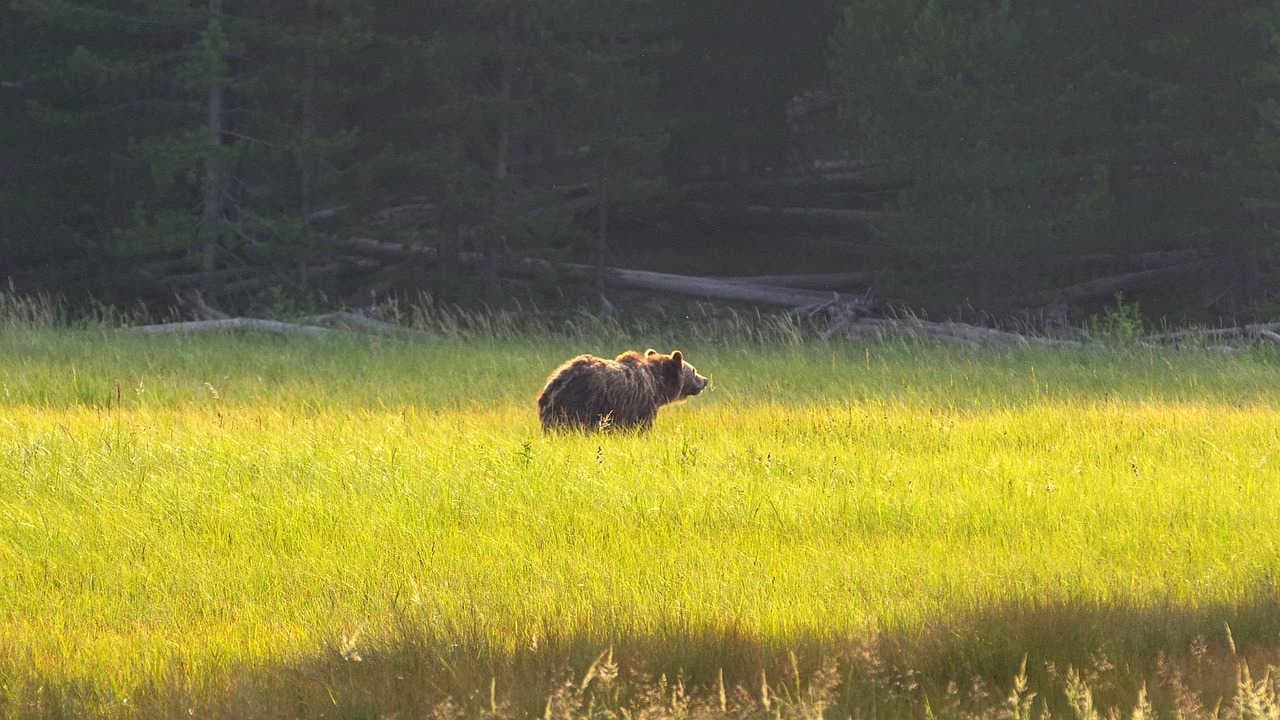
    Apex predators are predators that are at the top of the food chain and have no predators themselves. In Europe and on other continents, for example, these are land mammals such as bears, big cats (lynxes, lions, tigers, etc.) and wolves. But there are also apex predators from other groups, such as reptiles like some large crocodiles, birds like some of the large birds of prey or even apex predators in the sea like the orca whale. In a natural environment, the population density of apex predators is usually low, but can fluctuate due to various influencing factors. Historically, humans were also a type of apex predator for a long time after they were able to keep predators at bay by using weapons - but not in the sense of an animal that is "naturally" an apex predator.
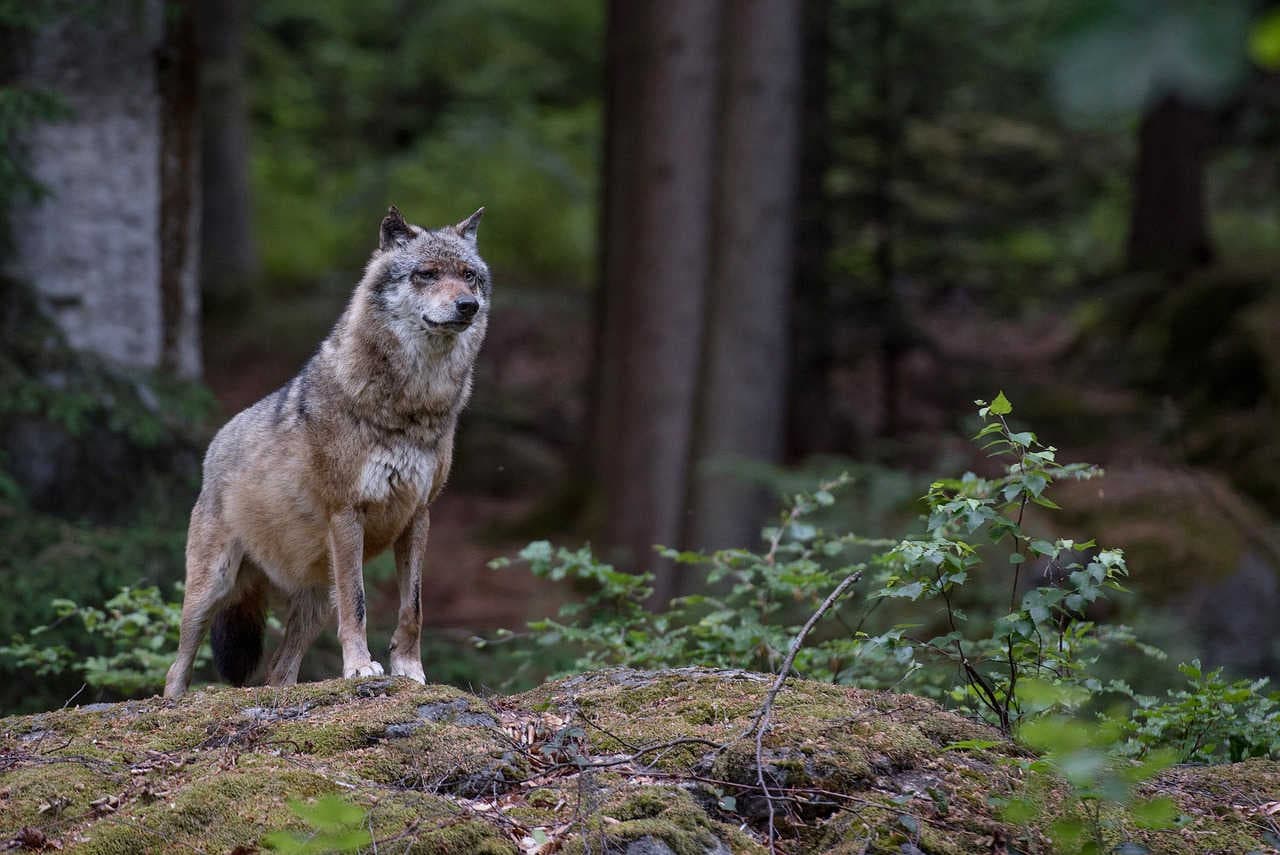
    Wolf

    Influence of apex predators on ecosystems

    Apex predators play an important role in the ecosystems in which they live, as they are an important regulator of the population dynamics of their prey and other predators. In a natural habitat, they are essential for the maintenance of biodiversity by regulating the population density of their prey, for the regulation of diseases within the population of their prey by favouring old or sick and weakened individuals as prey and ultimately for the overall functioning of the ecosystem in which they live. If the top predator in an ecosystem is decimated or eliminated (by humans), this usually has far-reaching consequences for all species present in the ecosystem, including the vegetation, for example if re-regulated browsing by deer and roe deer occurs.
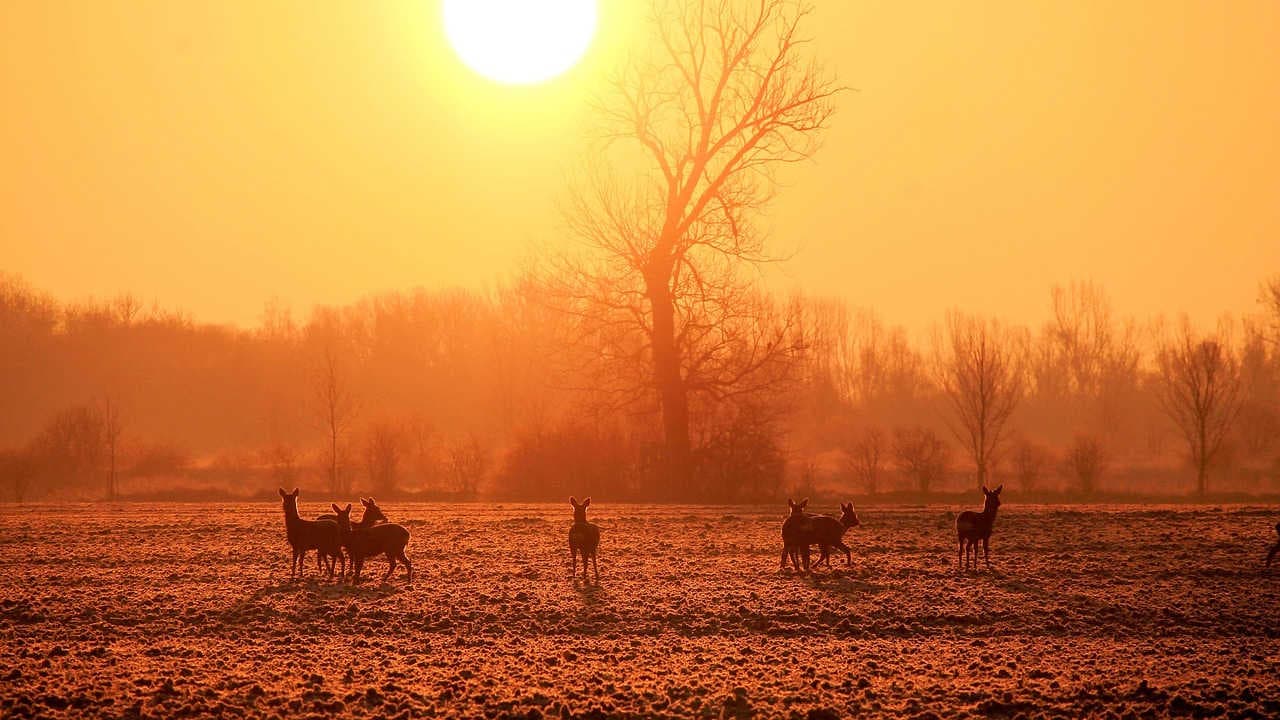
    Influence of apex predators on ecosystems
    XNatura

    Influence of apex predators on animal husbandry

    Large carnivores from the group of land mammals have become a point of contention between conservationists and farmers, especially in Central Europe. The fragmentation and intensive utilisation of remaining habitats plays a major role in this. In recent decades, wolves have been able to spread again in Central Europe thanks to targeted species protection (especially through a shooting ban). In highly restricted habitats, wolves find sheep and goats in particular to be very easy prey, especially as no adequate herd protection was implemented for a long time due to the absence of wolves. Since more sensible approaches have been taken to secure sheep in appropriate pens with dogs of the Maremma-Abruzzese Sheepdog, Pyrenean Mountain Dog or Caucasian Ovcharka breeds, the number of wolf raids on sheep has fallen again.
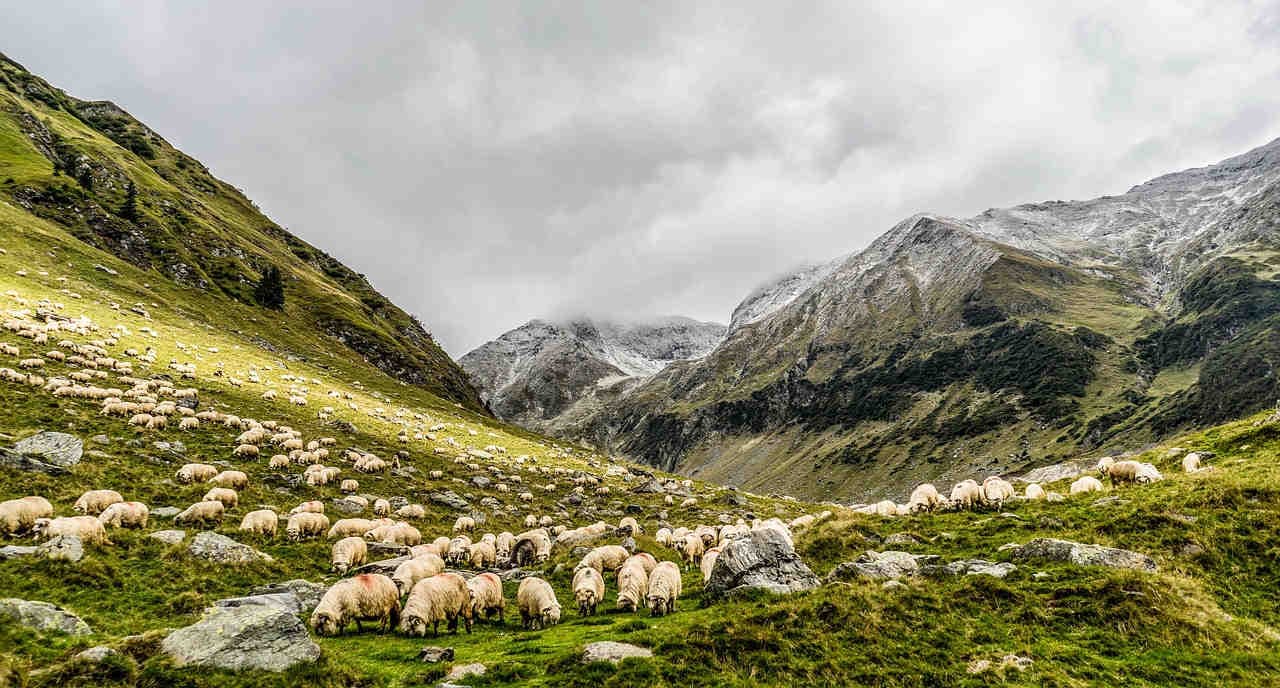
    Schafe

    Situation of top predators in Europe

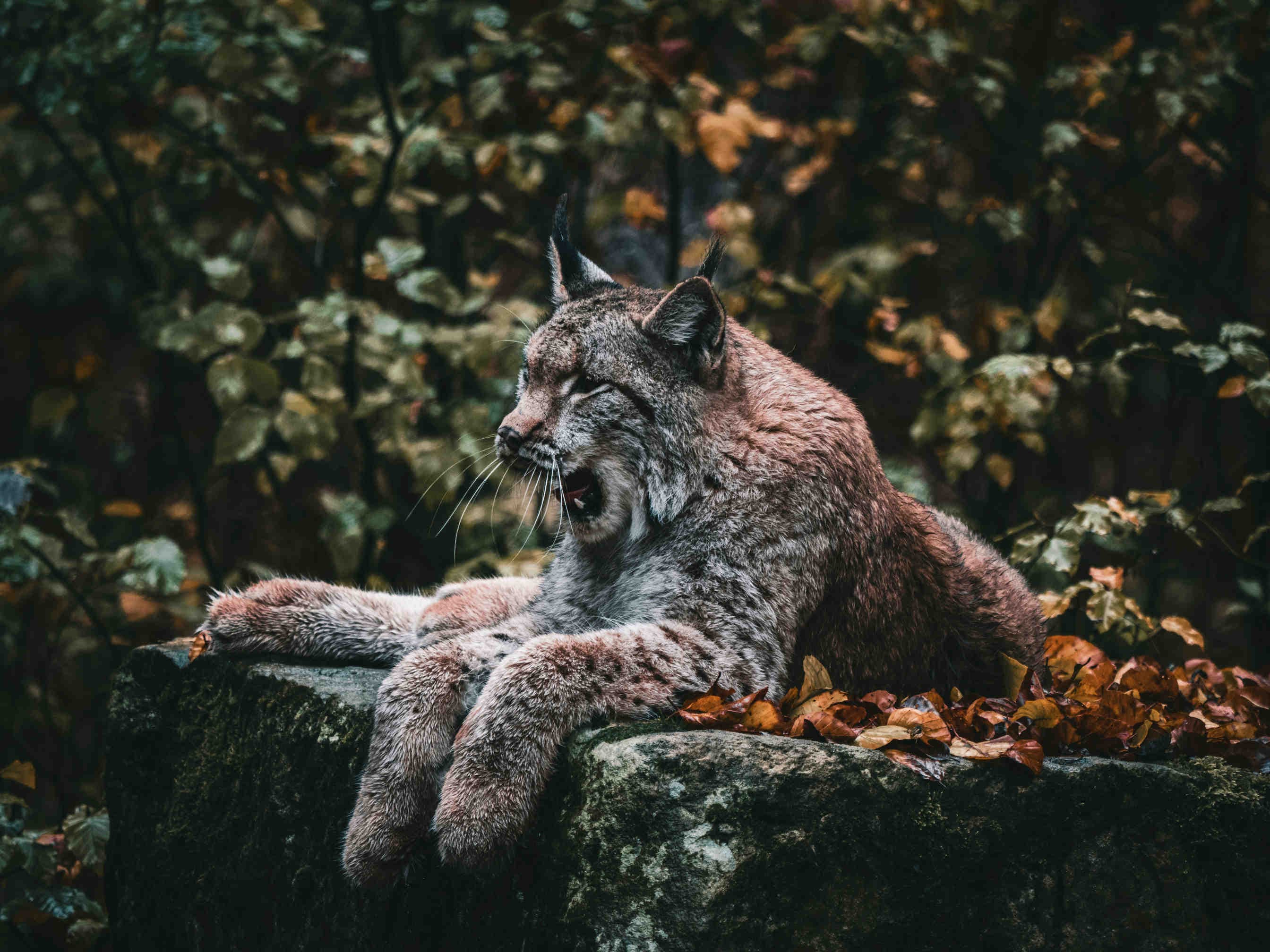
    The EU is a special case in the field of species conservation, as transnational directives and conservation efforts are supported by a relatively stable political climate. The Bern Convention, the FFH Directive and the EU Biodiversity Strategy have been able to take initiatives and advance species conservation. The most important predators have also benefited from the implementation of the Natura2000 programme, which has created, protected and expanded a network of protected areas and wildlife corridors. Through targeted species protection programmes in Natura2000 habitats, the populations of bears, lynxes, wolves and wolverines have been able to recover and spread throughout Europe in recent years. Strict requirements for forestry and mining make it possible to protect the habitat of these species to the required extent. The decrease in prey hunting has also allowed predators to benefit from the increased food supply.
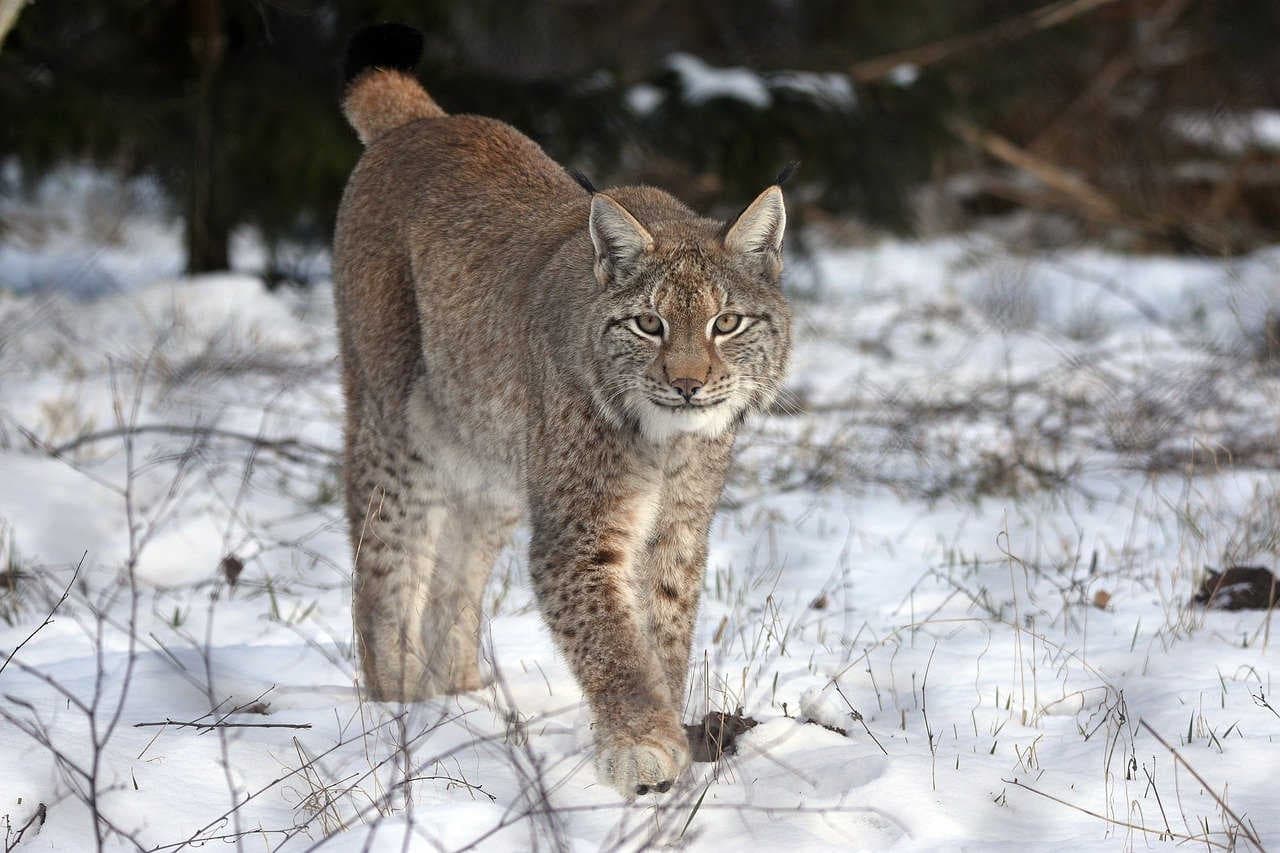
    Luchs
    XNatura

    Wildlife tourism as a means of species conservation?

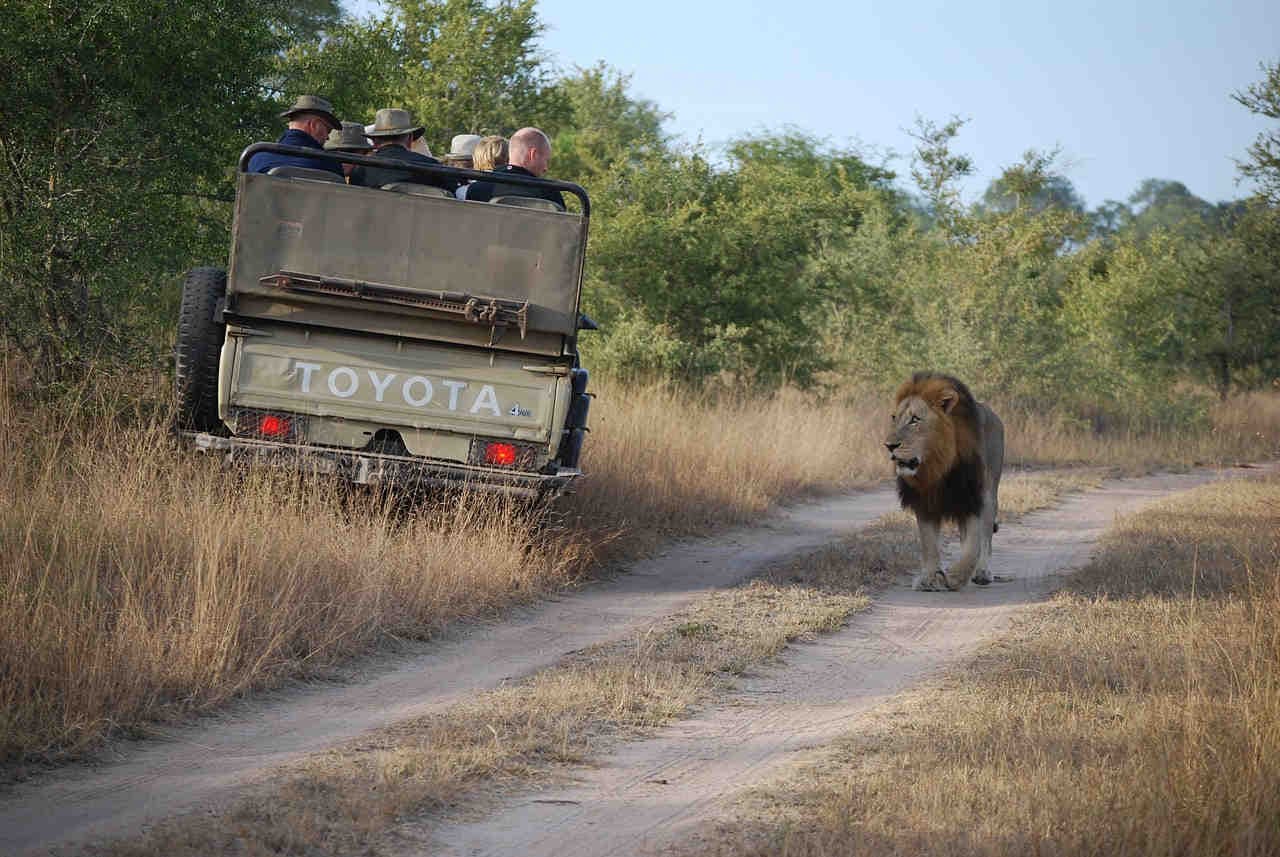
    The spread of knowledge and media information campaigns about animals, including predators, have increasingly led to the offer of predator watching as part of tourist activities in recent decades. Traditionally, this is also known from round trips to safari parks in African countries to observe lions and other large mammals. In the meantime, scientists have also become interested in studying these offers, as they can increase the acceptance of large carnivores and sensitise people to the importance and protection of these animals. However, great care must be taken to avoid human-wildlife conflicts, which can quickly turn observation tourism into the opposite of species conservation. The extent to which wildlife tourism could also be implemented in European countries remains to be seen.

    Safari
    3Bee

    Is reintroduction an option for predator protection

    The reintroduction of apex predators into habitats that are also used by humans, or are close to them, is a issue full of conflicts. On the one hand, it is known how important apex predators are for the regulation of population dynamics and the spread of diseases among prey animals, but the above-mentioned problems exist nonetheless. In addition, the population is usually fearful at the thought of large animals near their migration routes. Getting people used to them again is not easy. In countries with wild boar populations, for example, few people are afraid of them and know how to behave to prevent attacks. In England, for example, the idea of reintroducing wild boar was considered, which led to great uncertainty and fear among the population. And this with a species that is not a predator.

    Luchs

    Conclusion

    Even though many people are in favour of protecting animal species, the protection of large carnivores is a single-edged sword. In Europe, a compromise has been found at the political level that for the most part regulates coexistence well. If coexistence becomes unbalanced, for example because bears become aggressive in settlements or if too many packs live in areas used for agriculture, animals can be released for shooting in exceptional cases. These control measures lead to greater acceptance among the population and should therefore be welcomed. Ultimately, only humans can act as regulators in heavily urbanised and agriculturally used habitats and stand up for the rights of protected carnivores, farmers and the general population.
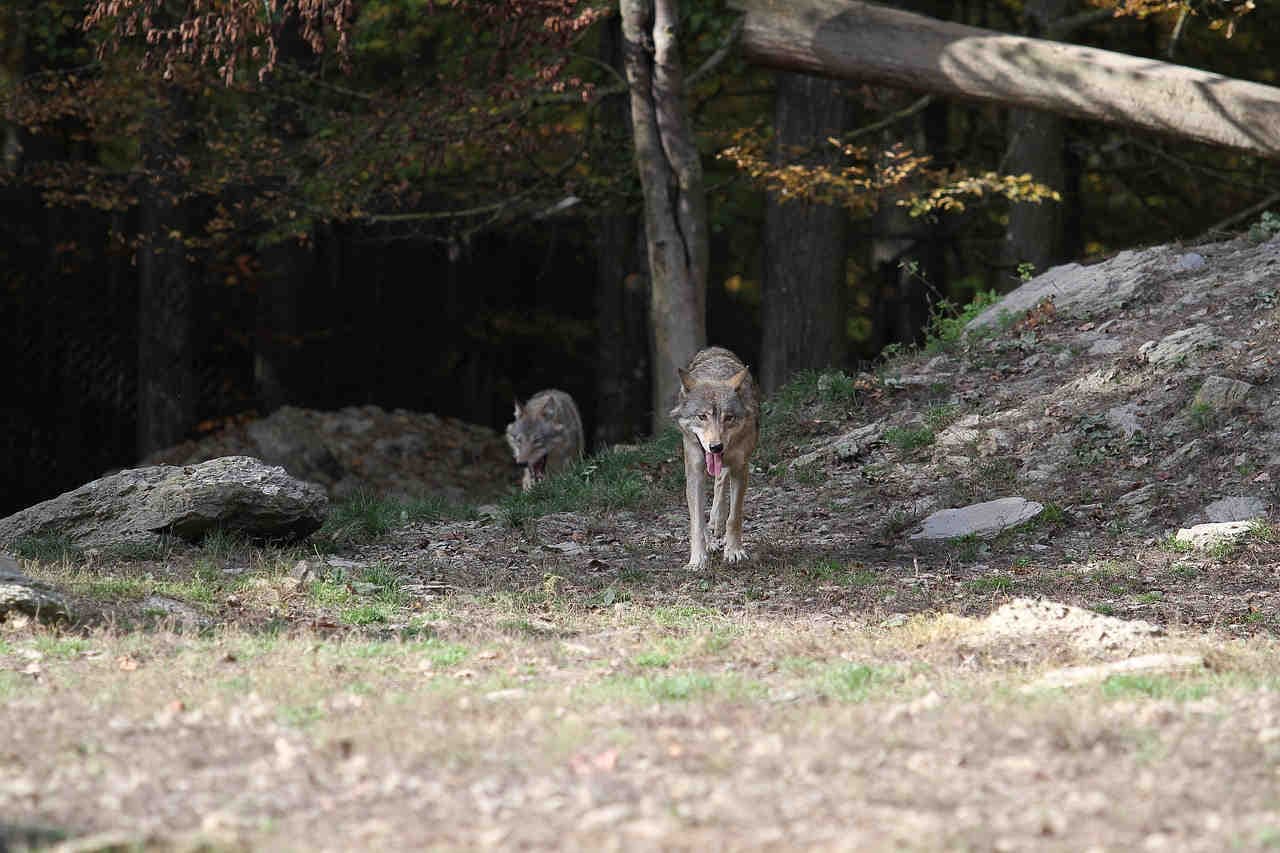
    Wölfe
    02/07/2024Of 3Bee, Elise Maria Keller Boehm
    1031 Views
    Newsletter
    newsletter
    Subscribe to the Blog about bees and biodiversity

    Frequently Asked Questions

    Do you have any doubts or other curiosities about this article? Here you will find some insights