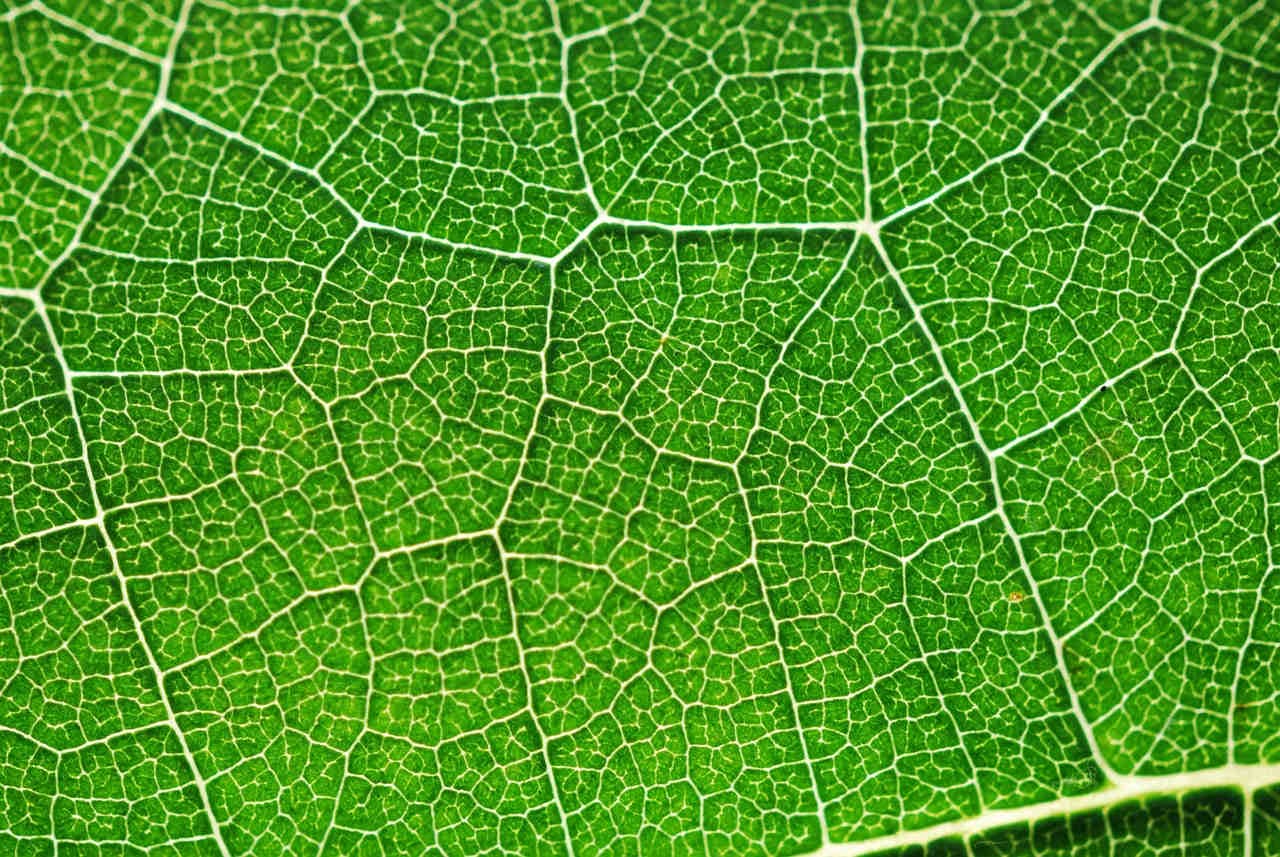
Photosynthesis? Happens even in near-darkness
    PhotosynthesisLimitiMicroalgaeNatura

    Photosynthesis? Happens even in near-darkness

    Photosynthesis can take place even in minimal light conditions, as demonstrated by Arctic microalgae. A new study has explored the limits of this process in the Arctic Ocean, revealing its potential in the darkest regions of our planet.

    Read the article
    28/09/2024Of 3Bee, Alessia Mircoli
    578 Views
    28/09/2024Of 3Bee, Alessia Mircoli
    578 Views

    What is photosynthesis?

    Disclaimer: this is an automated translation from Italian. Go to the original article.
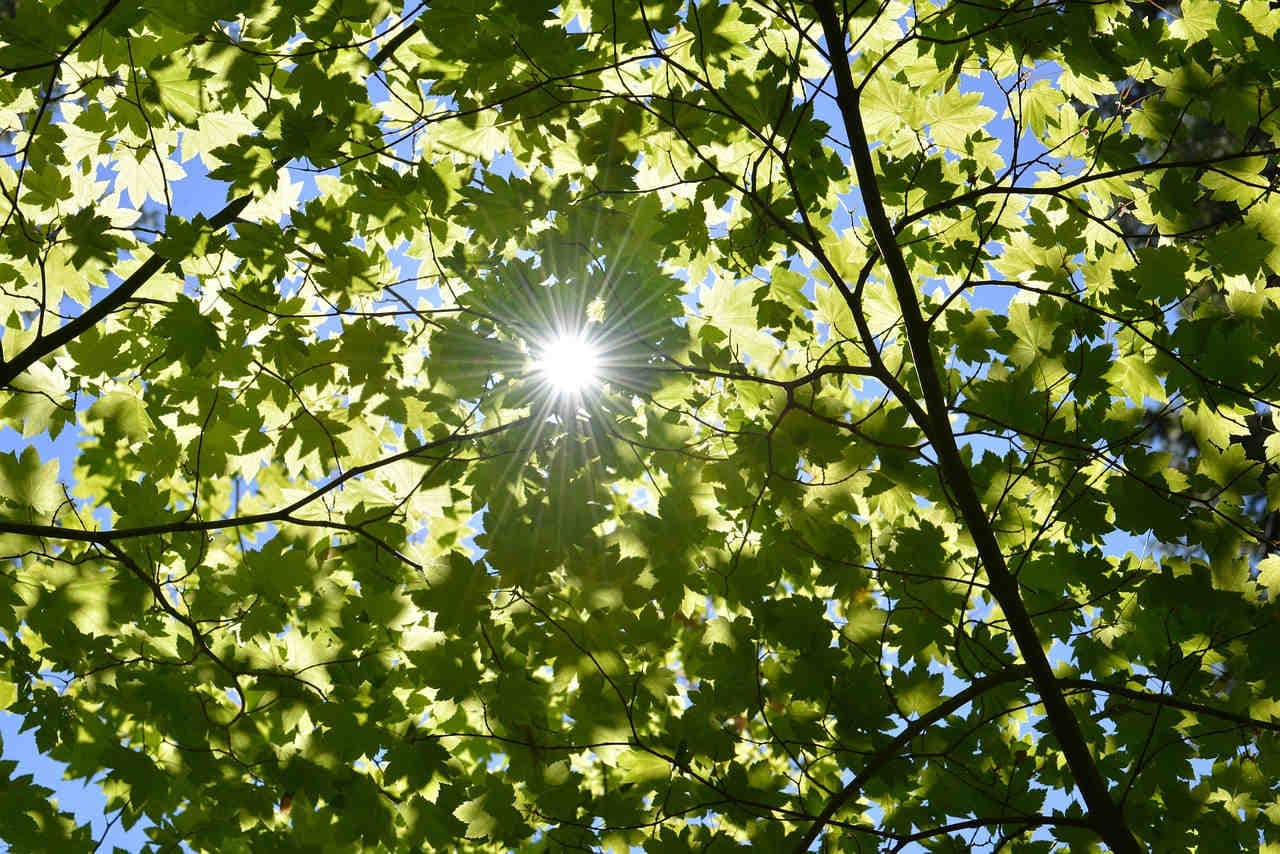
    Photosynthesis is a fundamental biological process by which certain organisms, such as plants, convert solar energy into chemical energy. In this process, carbon dioxide and water are converted into glucose, which serves as an energy source for the plant, and oxygen, which is released as a by-product. Since light is indispensable for photosynthesis to take place, the question arises as to what minimum light intensity is required to trigger this process. On a clear day in Europe, typical light conditions vary between 1,500 and 2,000 micromoles of photons m-²/s-¹. However, the estimated minimum value for photosynthesis to occur is around 0.3-5 micromoles of photons m-²/s-¹. This estimate, however, may not be entirely accurate. Confirming this theory is a study, published in the journal Nature Communications, which features Arctic microalgae.

    sole tra foglie

    The limits of photosynthesis

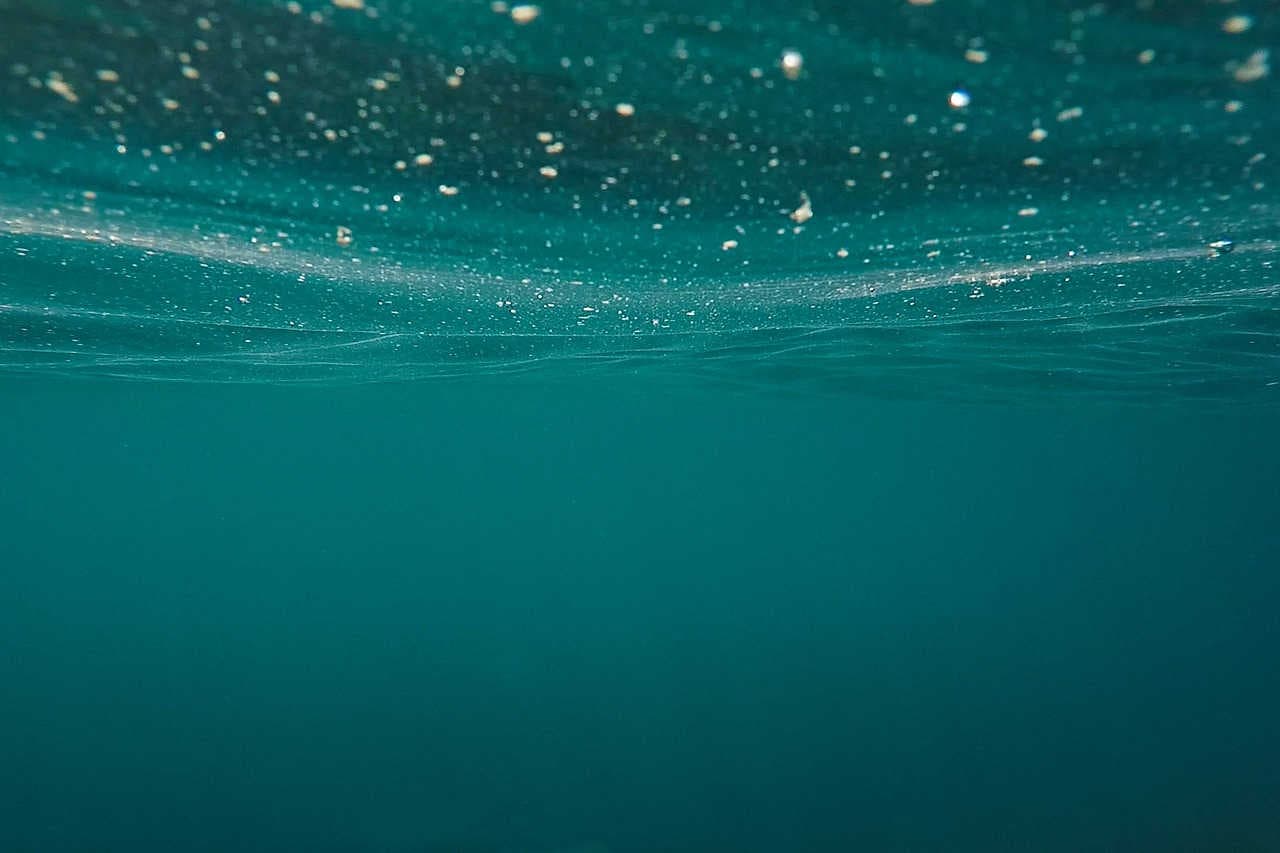
    In the ocean, photosynthesis occurs only in the upper layer called the euphotic zone, where there is enough light. The extent of this zone is crucial for the ocean net primary production (NPP) and the main biogeochemical cycles. Typically, the lower limit of the euphotic zone is defined as the depth at which light is 1% of that at the surface. This value may correspond to approximately 20 µmol photons m-²/s-¹ in the midday hours at the equator, where surface light typically reaches 2000 µmol photons m-²/s-¹. However, this limit is known to overestimate the minimum amount of light required for photosynthesis. According to theoretical estimates, the minimum light level for photosynthetic growth could be around 0.01 µmol photons m-²/s-¹. However,it is still unclear to what extent photosynthesis can actually take place with so little light. For this reason, a team of researchers decided to investigate the subject further.
    oceano
    XNatura

    The adaptation of microalgae to minimum light

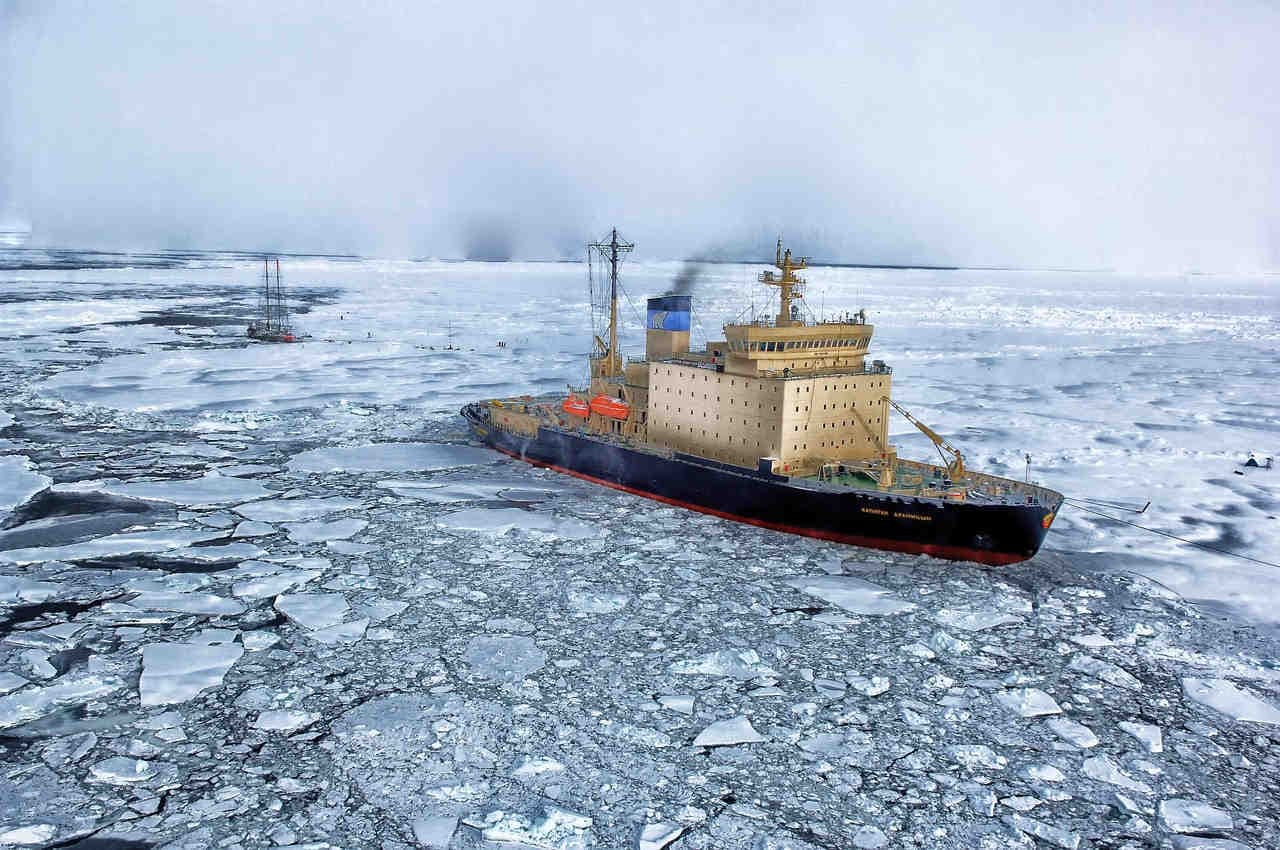
    The data used for the research came from the international Multidisciplinary drifting Observatory for the Study of the Arctic Climate (MOSAiC) project. The team of researchers, on board the vessel RV Polarstern, drifted in theArctic Ocean for a full year, from September 2019 to October 2020. This allowed them to study the resumption ofphotosynthetic activity in the central Arctic Ocean with the return of sunlight, after the long polar night, between February and April 2020. In particular, the team led by Dr Clara Hoppe of the Alfred Wegener Institute, Helmholtz Center for Polar and Marine Research (AWI) focused on the study of phytoplankton and ice algae. to determine the potential onset of photosynthetic activity, they took measurements of potential primary production, chlorophyll a (Chl-a) concentrations, and performed direct cell counts of photosynthetic microalgae.
    nave nel ghiaccio

    The incredible power of nature

    The study found that only a few days after the end of the month-long polar night the plant biomass, for which photosynthesis is absolutely essential, was able to regenerate. This result was particularly surprising, since photosynthesis in the Arctic Ocean took placeunder snow-covered sea ice, a condition that allows only a very limited number of solar photons to pass through. In fact, the microalgae only had access to one hundred thousandth of the light available on a sunny day on the earth's surface, yet they still managed to grow. It should be noted that in order to measure such low light levels in the harsh conditions of the Arctic winter, we had to freeze in the ice, in the middle of the polar night, special new-generation instruments that recorded the following value: 0.04 ± 0.02 µmol photons m-²/s-¹..

    ghiaccio
    XNatura

    Global implications of the photosynthesis study

    The results of this study are relevant for the entire planet. "Although our findings specifically concern the Arctic Ocean, they demonstratethe incredible potential of photosynthesis. If this process can be so efficient in the extreme conditions of the Arctic, we can reasonably assume that photosynthetic organisms in other ocean regions have adapted just as well,' explains Dr Clara Hoppe. This opens up the possibility that there is sufficient light to support photosynthesis even in the deepest parts of the oceans, thus enabling the production of oxygen and energy that can also be used by larger creatures such as fish. Consequently, the habitat in which photosynthesis takes place may be much more extensive than previously thought, expanding the life zones of the global oceans.

    cartello future
    3Bee
    28/09/2024Of 3Bee, Alessia Mircoli
    578 Views
    Newsletter
    newsletter
    Subscribe to the Blog about bees and biodiversity

    Frequently Asked Questions

    Do you have any doubts or other curiosities about this article? Here you will find some insights