How bees come into contact with toxic substances
Bees are most
The
Bees are most
Assessing the effects of a certain pesticide on the hive can be
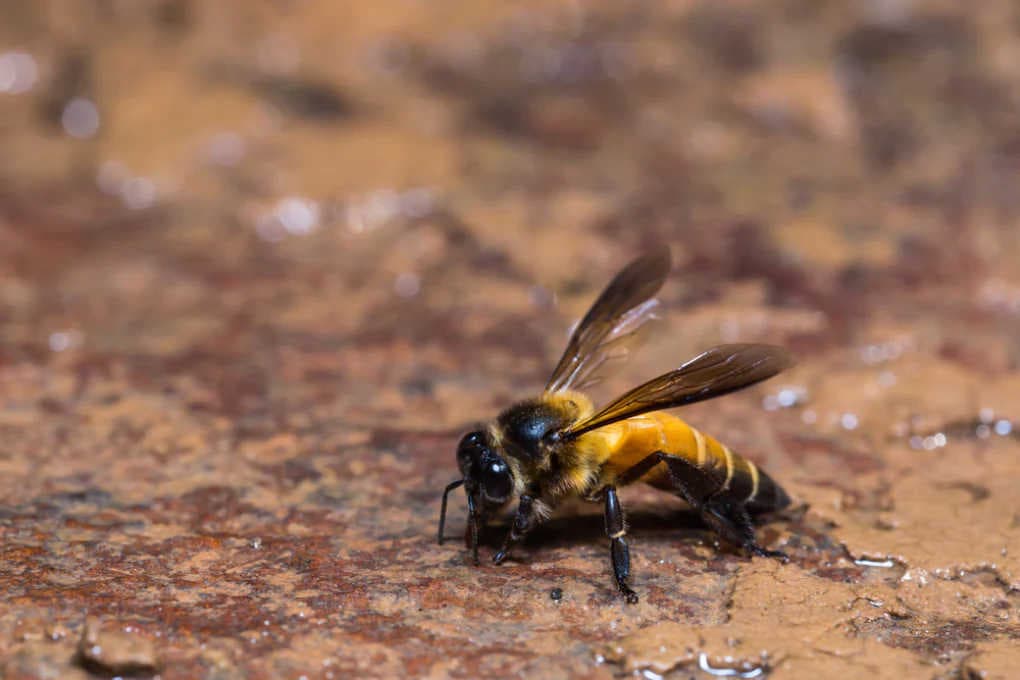

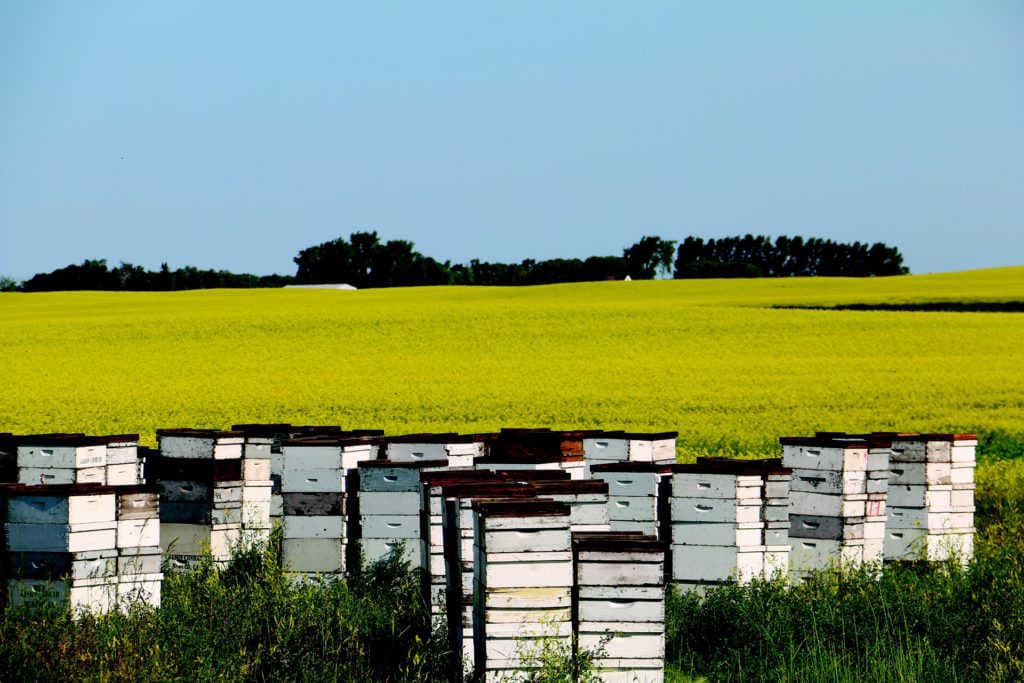
The suspicion of poisoning by plant protection products in the vicinity of cultivated areas is greatest at certain times of the year corresponding to the main crop protection periods. In general, poisonings may occur
Following poisoning, a more or less sudden
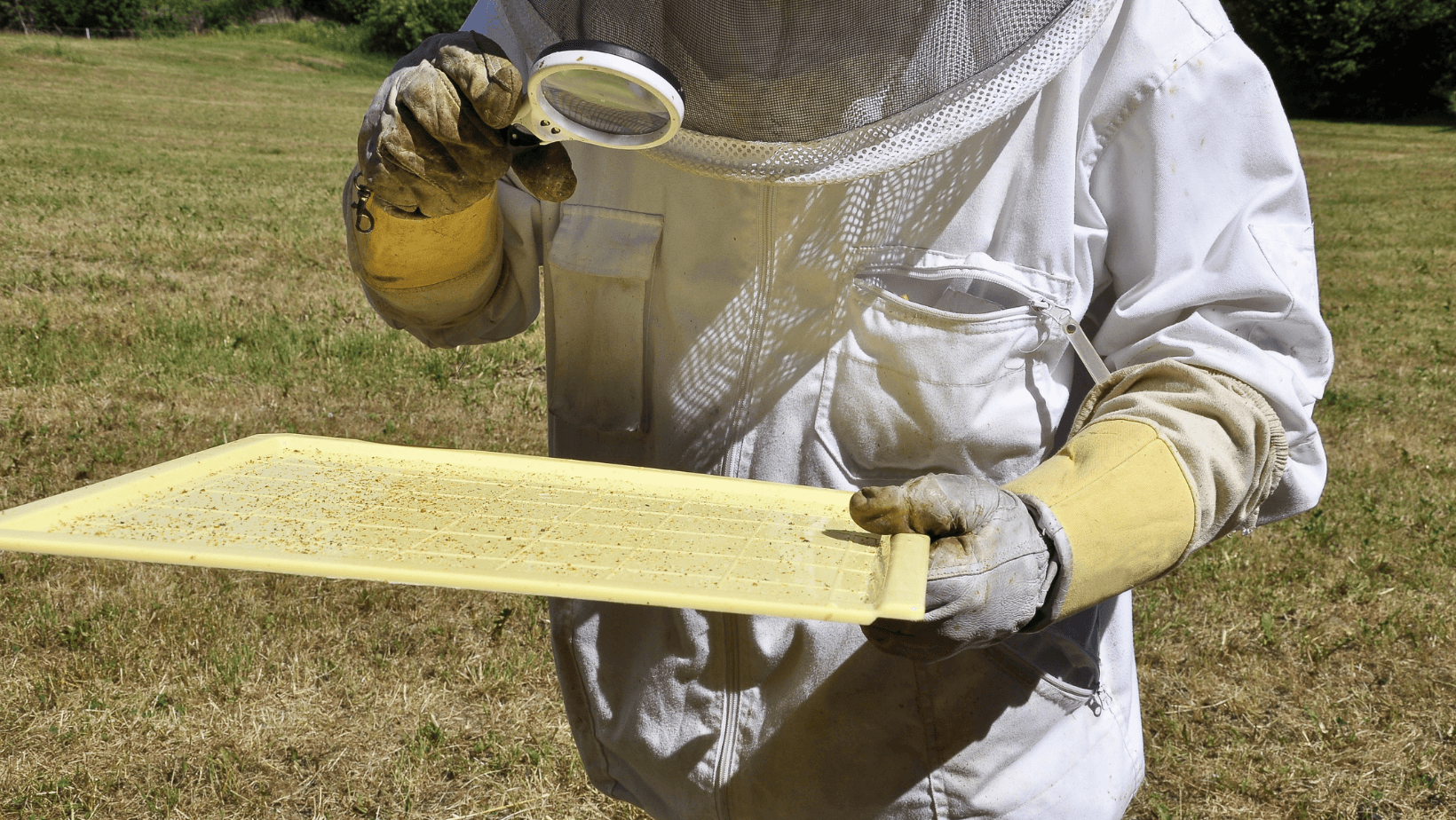

To date for bees
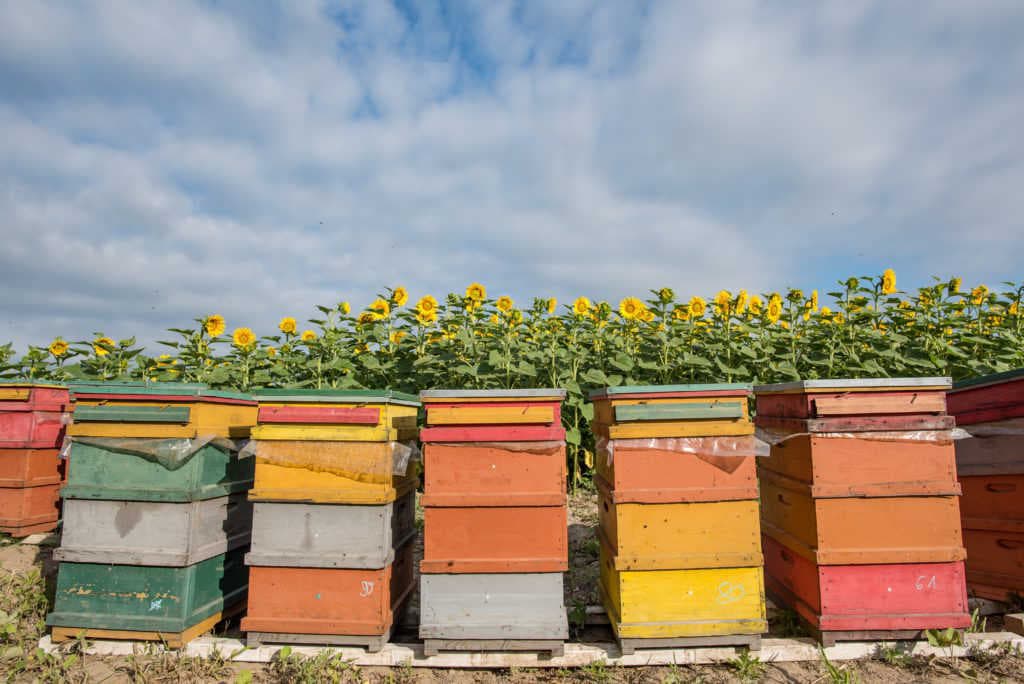

It is essential to report the phenomenon as soon as possible to the competent ASL, which will carry out analyses to prove the presence of active ingredients in bees. If the poisoning is confirmed by the analyses, the
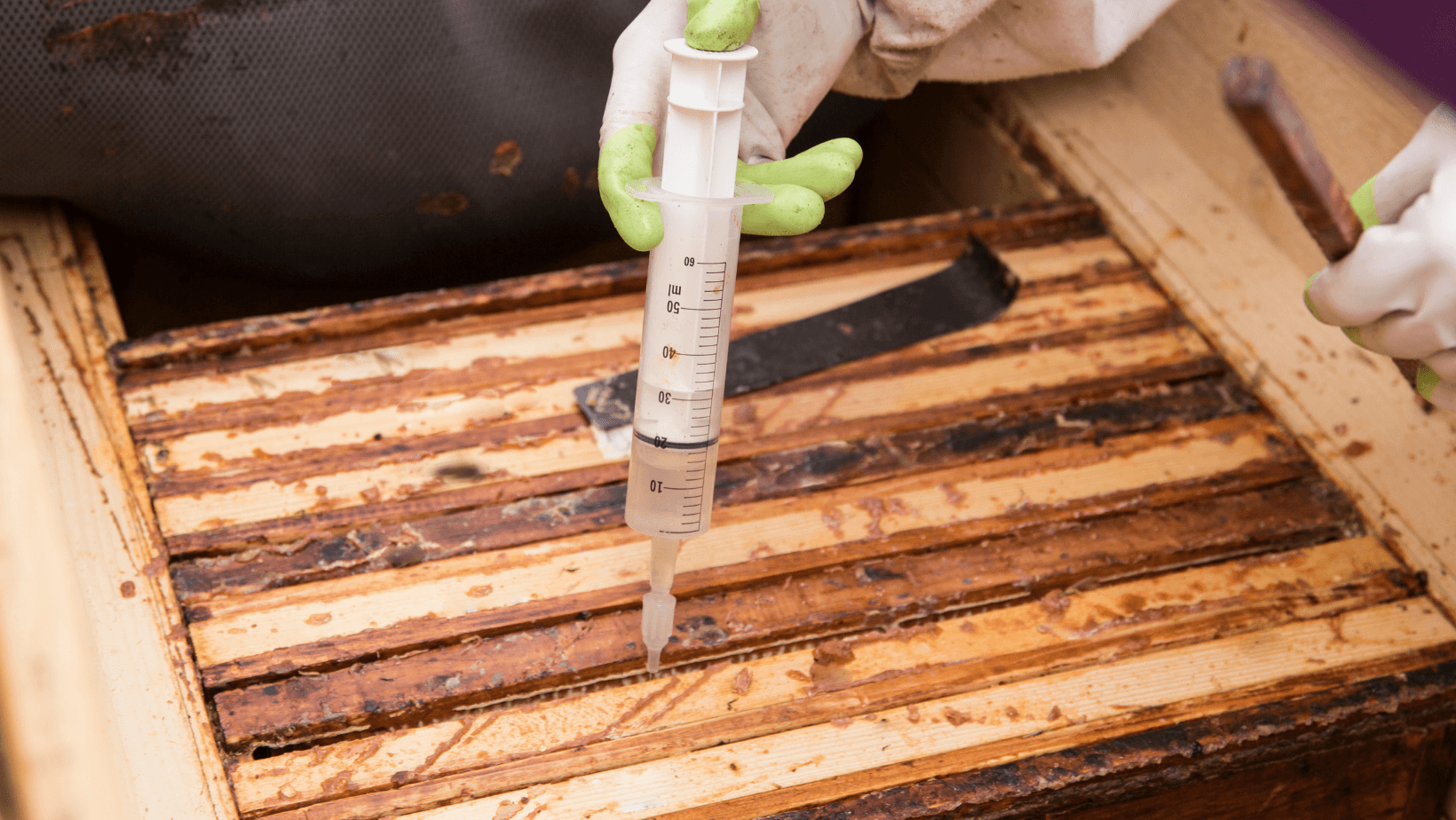
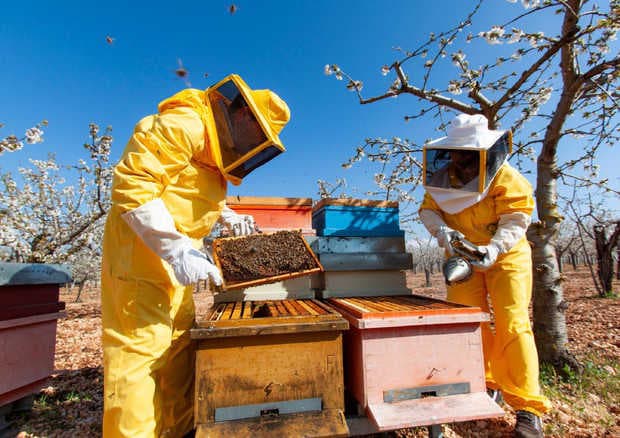
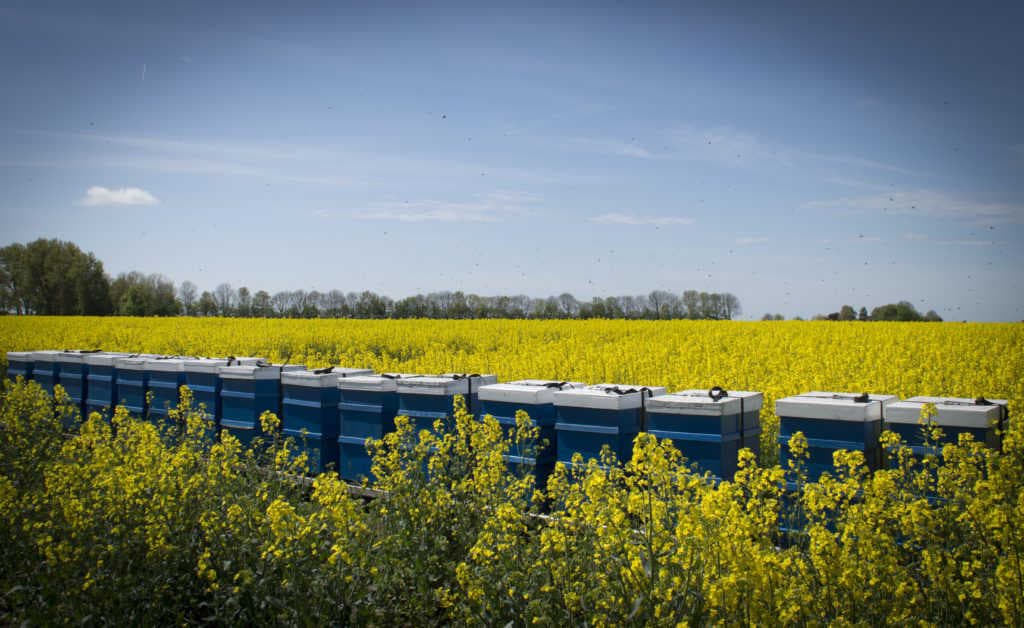
Dialogue between beekeeper and farmer plays a key role in preventing these phenomena. In addition to the correct use of pesticides and compliance with the strict rules for carrying out phytosanitary treatments, it is important for the farmer to inform beekeepers about the planned treatments. In this way, the apiary can be moved at an appropriate distance to preserve colony health. To limit damage, pharmaceutical companies should also put more effort into the development of low-toxicity pesticides. This problem is in fact very often ignored despite its seriousness. Currently, one of the tricks every beekeeper should put into practice is that of choosing the right location for their apiaries. Opting for pristine locations, far from sources of pollution and crops, especially intensive ones, is the best solution. This allows you to protect your bees better and avoid poisoning incidents.