The 2018-2024 Biodiversity Plan for Paris
    City of ParisBiodiversitéA committed cityFor all

    The 2018-2024 Biodiversity Plan for Paris

    The City of Paris has introduced its 6-year Biodiversity Plan (2018-2024) to strengthen nature in the city and stem the loss of biodiversity. This article looks at the various actions implemented as part of this Biodiversity Plan.

    Read the article
    17/04/2023Of 3Bee, Elena Fraccaro
    1104 Views
    17/04/2023Of 3Bee, Elena Fraccaro
    1104 Views

    Biodiversity in the city of Paris

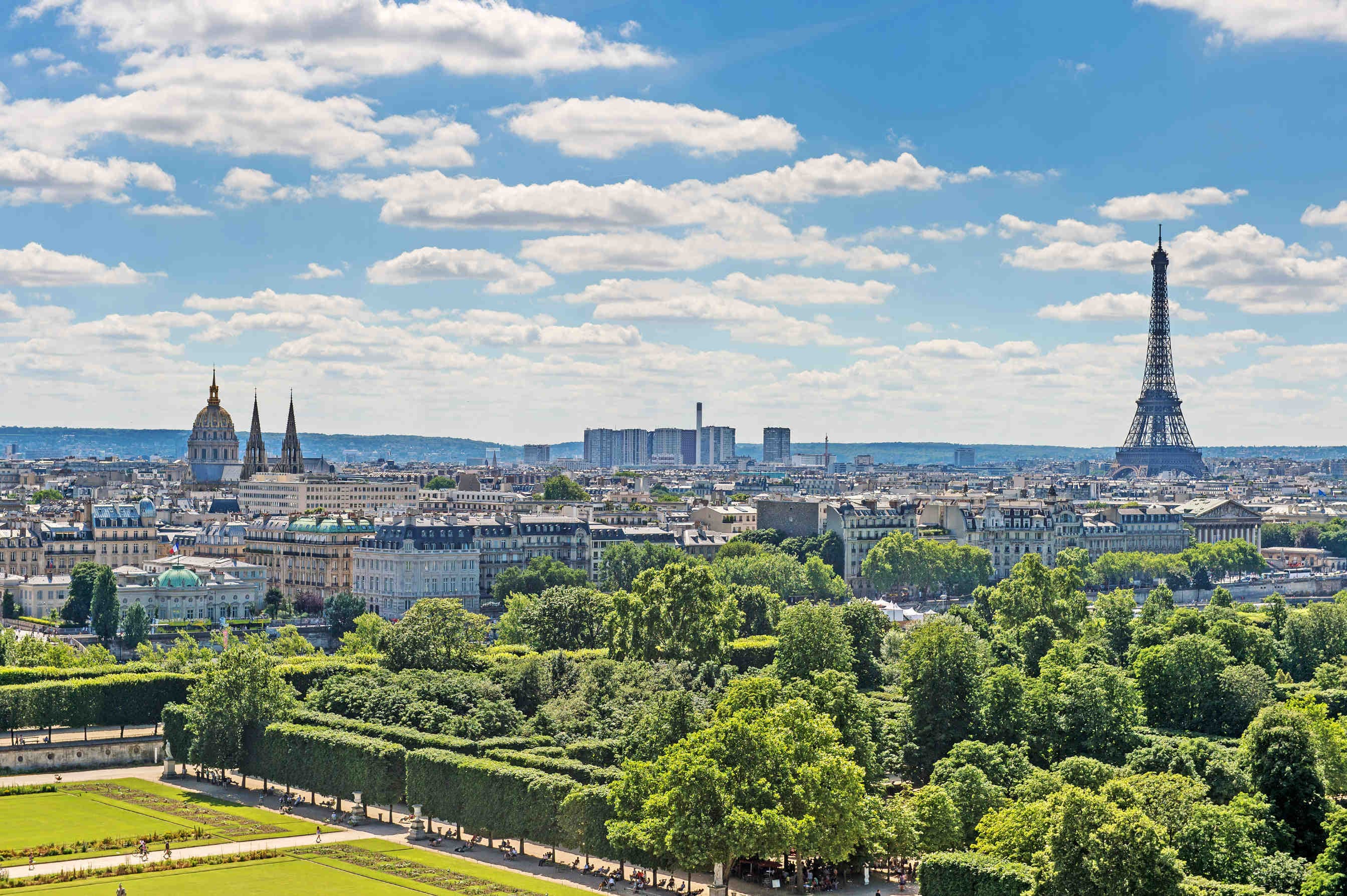
    The city of Paris, despite its obvious urbanisation, offers many scrubs for the region's flora and fauna as well as great diversity with almost 2,800 wild species of both animal and plant observed in Paris between 2010 and 2020. The city boasts the Bois de Boulogne and the Bois de Vincennes, over 500 parks and gardens, 200,000 avenue trees and the Seine and its canals. However, despite these places, the biodiversity of Paris remains fragile with, for example, butterfly and bird populations declining by 20% and 40% respectively over the past two decades (Regional Biodiversity Agency for Ile-de-France, February 2019).
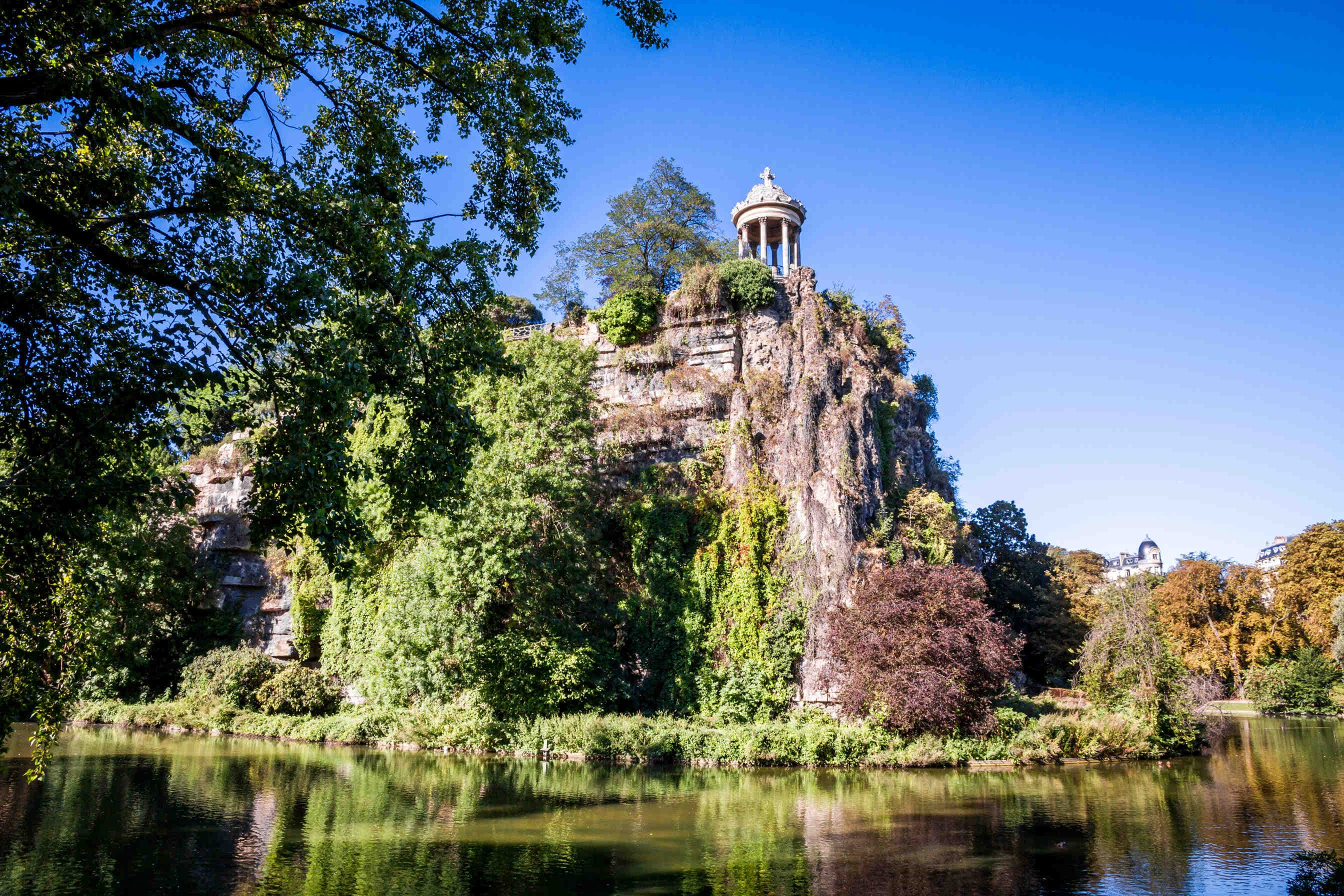
    Biodiversity in the city of Paris

    Biodiversity plan for the city of Paris

    In March 2018, the City of Paris introduced aBiodiversity Plan aimed at strengthening the City's actions in favour of the protection of flora and fauna as well as the development of the place of nature in the city, until 2024. This plan follows on from the one launched in 2011 and comprises aroundthirty actions. Its aim is to significantly increase the vegetation of the undeveloped area of Paris. This is because Paris is located at a natural biogeographical crossroads where wild regional flora and fauna can thrive. These thirty actions that have been put in place revolve around 3 axes that we will discover in the course of this article.

    Biodiversity plan for the city of Paris
    XNatura

    Biodiversity in a committed city

    The city of Paris wants to be a committed city in favour of biodiversity. It is therefore embarking on a path combining actions with rapidly visible results and strong ambitions forming the vision of a city: that of Paris. This priority is made up of 7 actions, such as including biodiversity in the city's urban planning documents and environmental plans, or encouraging the emergence of innovative financing for biodiversity. There is a willingness to develop, finance and cooperate to put biodiversity at the heart of Paris.

    Biodiversity in a committed city

    Biodiversity by and for everyone

    We are all stakeholders in biodiversity. The education and raising public awareness of the biodiversity issue is therefore more than decisive in the implementation of the Paris Biodiversity Plan. Eight actions are part of this axis and have the objectives of cognising and raising awareness of biodiversity among the general public, raising awareness and providing training in biodiversity for everyone, but also supporting and involving all players in the protection of biodiversity such as the residents of Paris, associations promoting and protecting biodiversity.
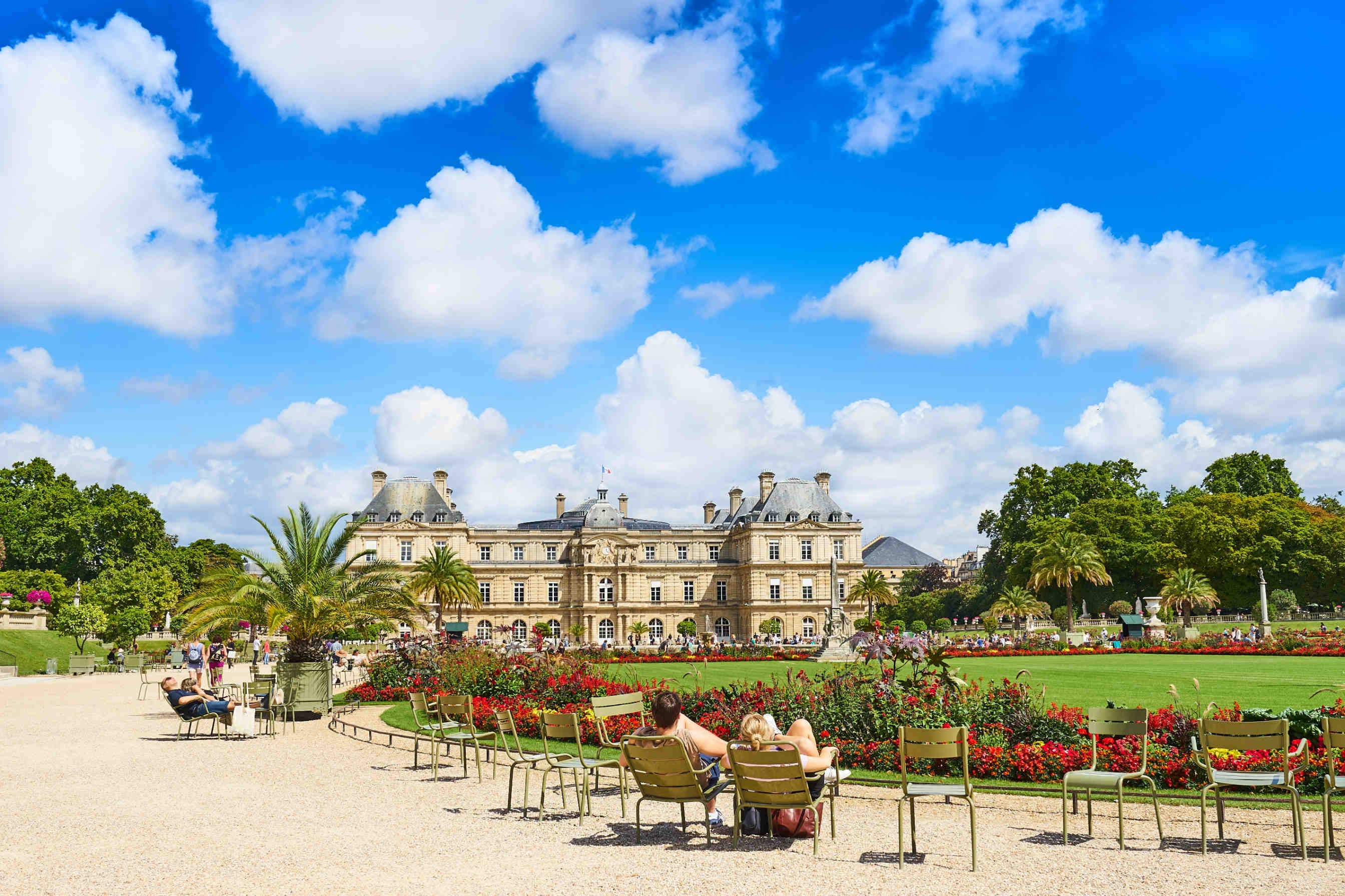
    Biodiversity by and for everyone
    XNatura

    Biodiversity everywhere

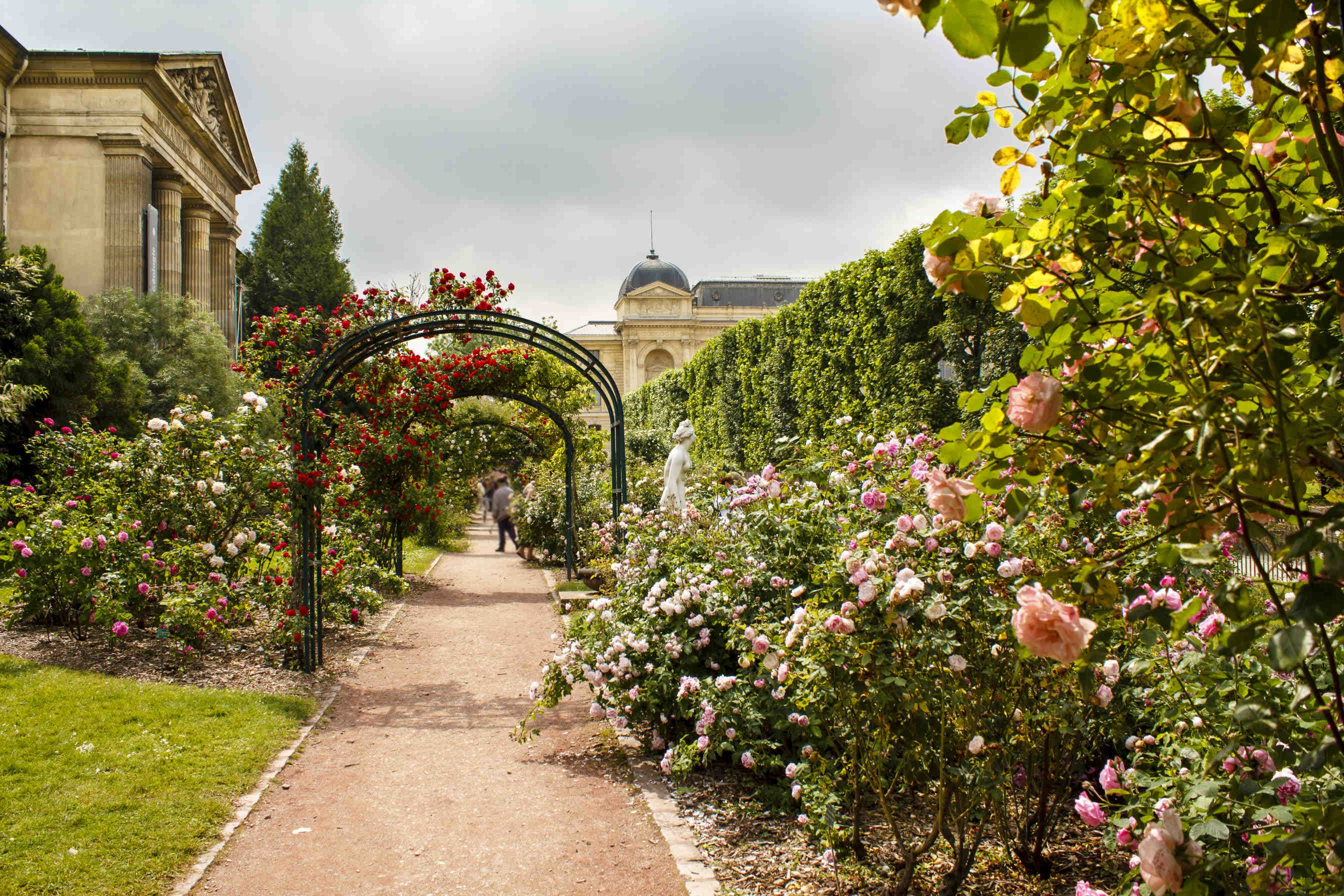
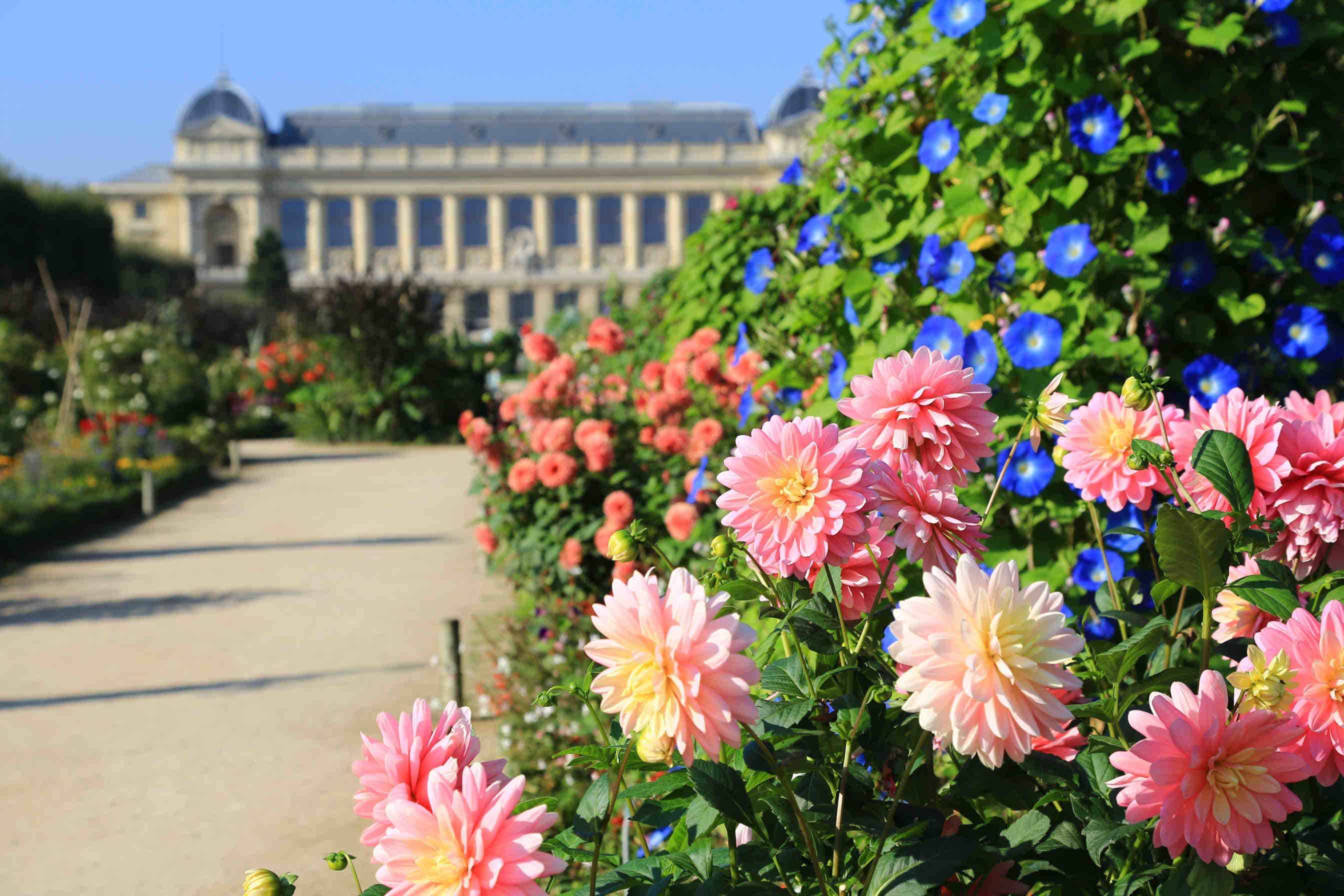
    This Biodiversity Plan invites us to think of the city as an asset for biodiversity. It involves opening up new green spaces, but also proposing a new urban model where nature unfolds and invites itself wherever possible. Biodiversity areas and wetlands will be created within the city. In the green spaces, insect hotels will be installed and plants planted that can provide nectar in quantity for all pollinators. These actions serve to construct, manage and live the city in complete harmony with biodiversity. This involves, for example, enhancing the greening of the city or even developing knowledge and management of invasive exotic species.
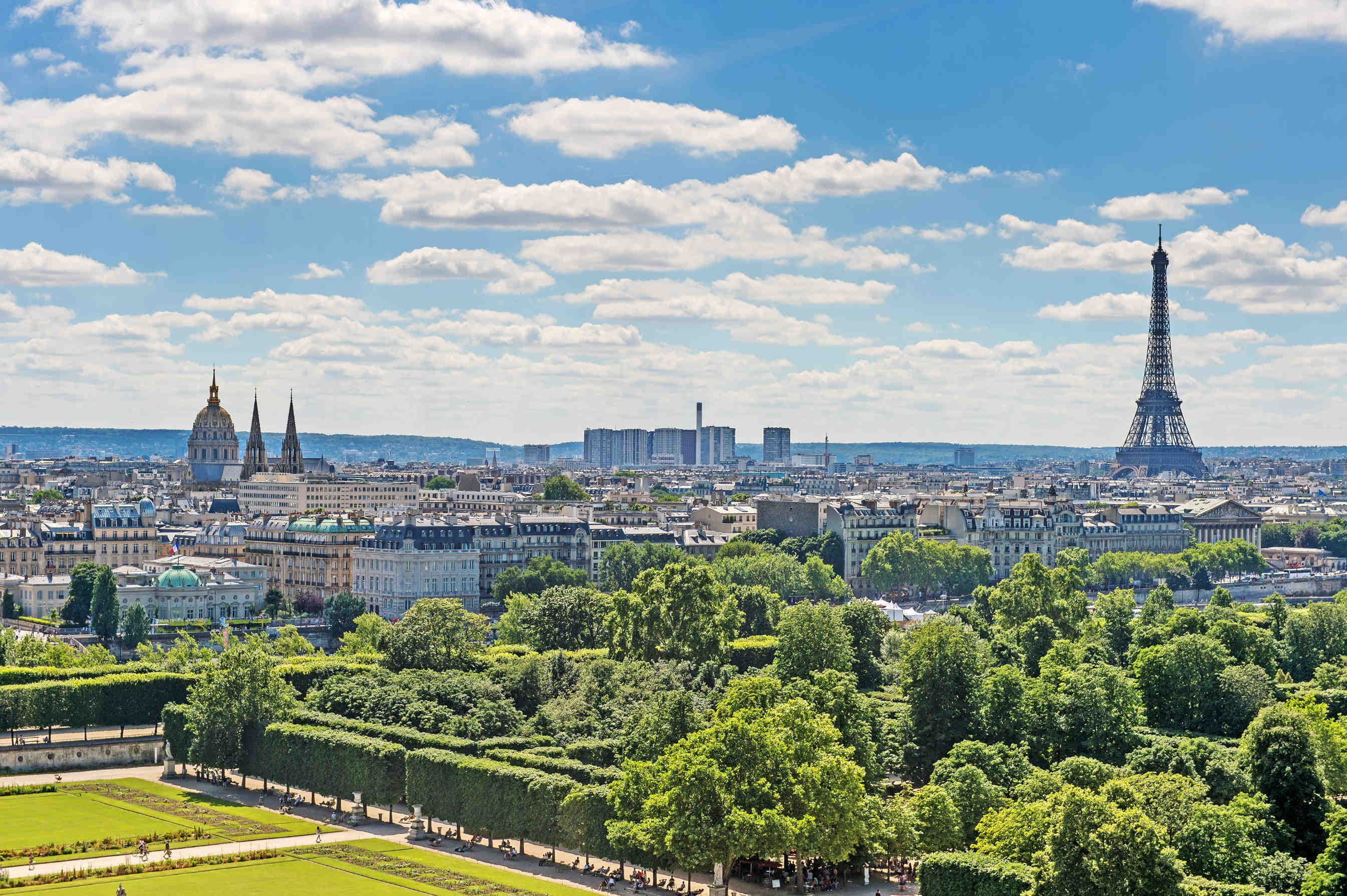
    Biodiversity everywhere
    3Bee

    How 3Bee protects and regenerates biodiversity

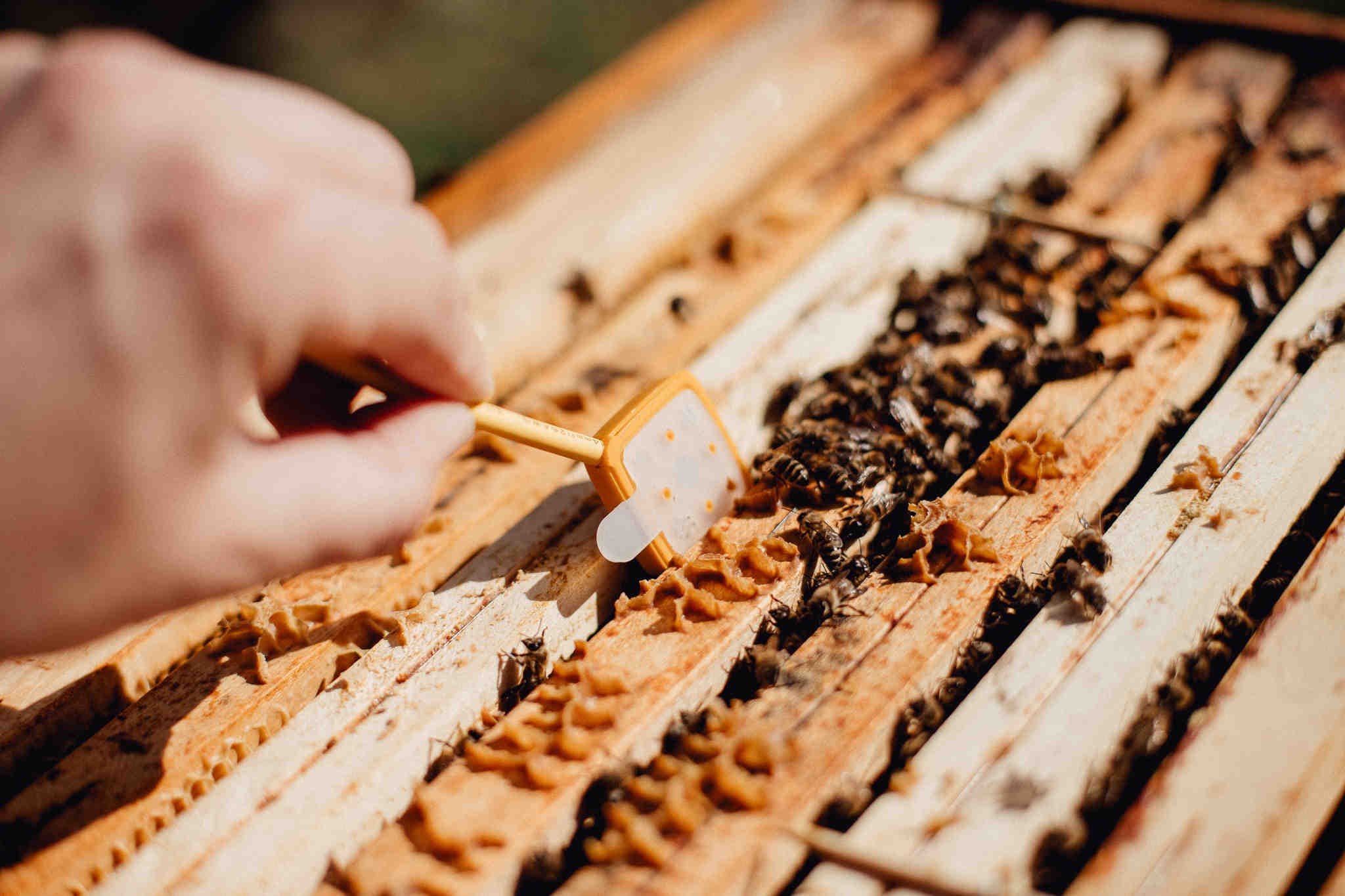
    Increasing urbanisation has led to a significant loss of biodiversity. Businesses and brands need to monitor and mitigate their impact on urban biodiversity and create biodiversity oases. 3Bee's technology is revolutionising the way we measure and understand biodiversity. Using advanced sensors and machine learning algorithms, 3Bee is able to collect and analyse vast amounts of data on species populations, habitats and ecosystems. This data is then used to create the world's first comprehensive biodiversity index, which provides an accurate snapshot of the health and diversity of our planet's ecosystems. Using this index, businesses, policymakers and the general public can make more informed decisions about how to protect and preserve the Earth's biodiversity for future generations.

    How 3Bee protects and regenerates biodiversity
    17/04/2023Of 3Bee, Elena Fraccaro
    1104 Views
    Newsletter
    newsletter
    Subscribe to the Blog about bees and biodiversity