Orchid Bees: Protecting the Tropical Pollinators Essential to Biodiversity
    Orchid beesWhere they liveTheir charmPollinators

    Orchid Bees: Protecting the Tropical Pollinators Essential to Biodiversity

    Orchid bees are vibrant tropical pollinators whose survival is threatened by deforestation and climate change. Discover the crucial role these solitary bees play in biodiversity and how they contribute to the delicate balance of tropical ecosystems.

    Read the article
    29/10/2024Of 3Bee, Niccolò Patelli
    655 Views
    29/10/2024Of 3Bee, Niccolò Patelli
    655 Views

    Orchid Bees: What Makes Them Unique?

    Disclaimer: this is an automated translation from Italian. Go to the original article.

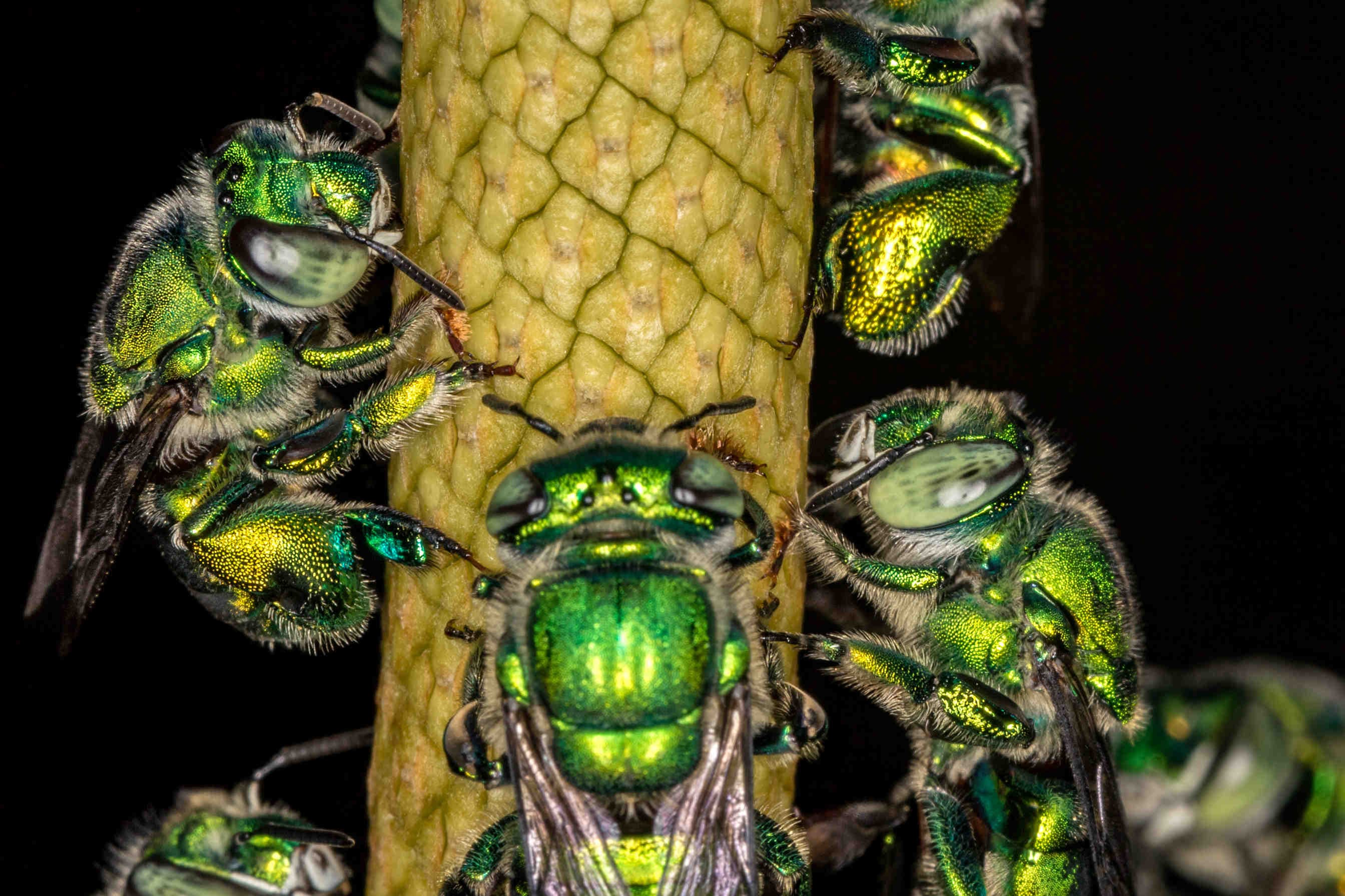
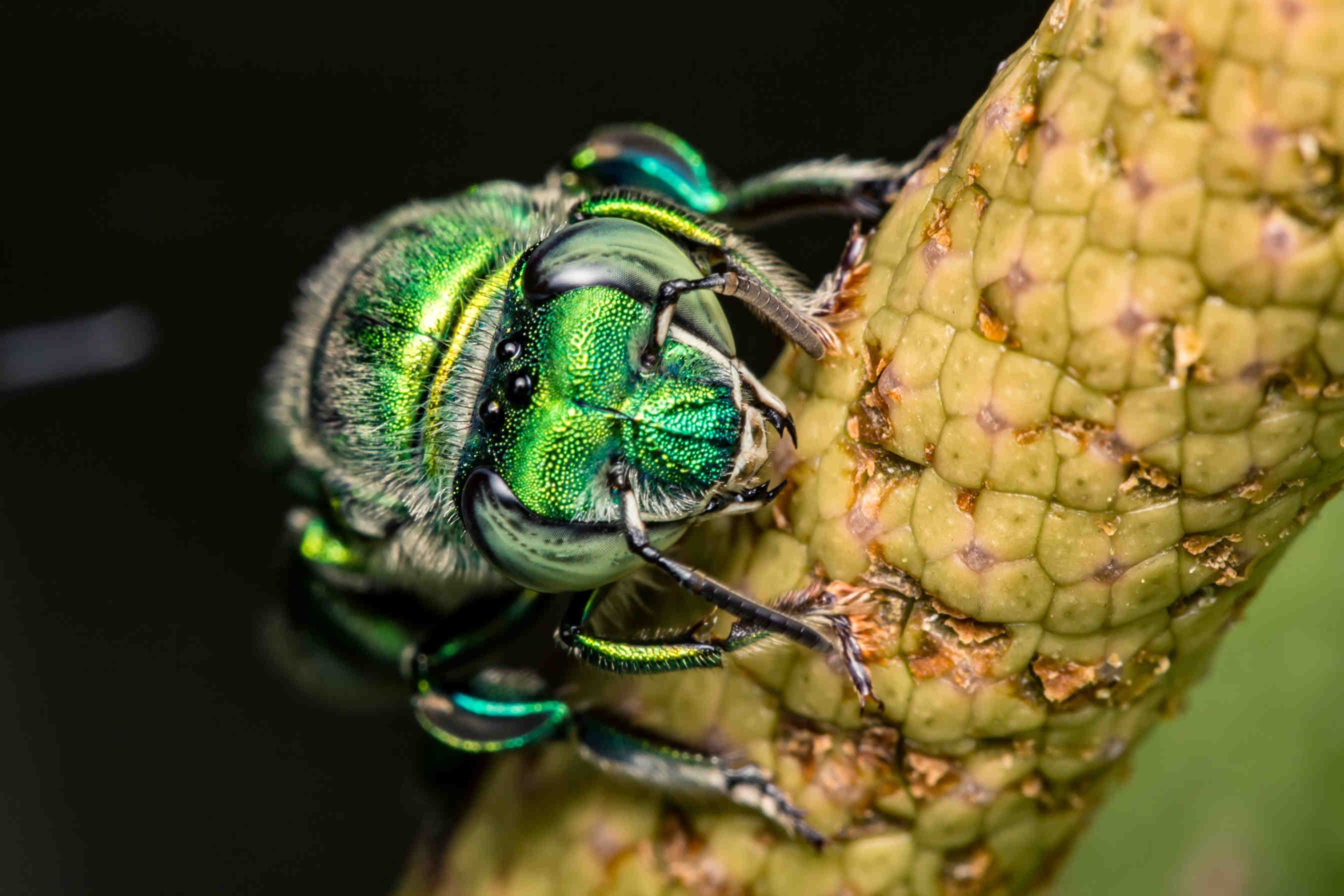
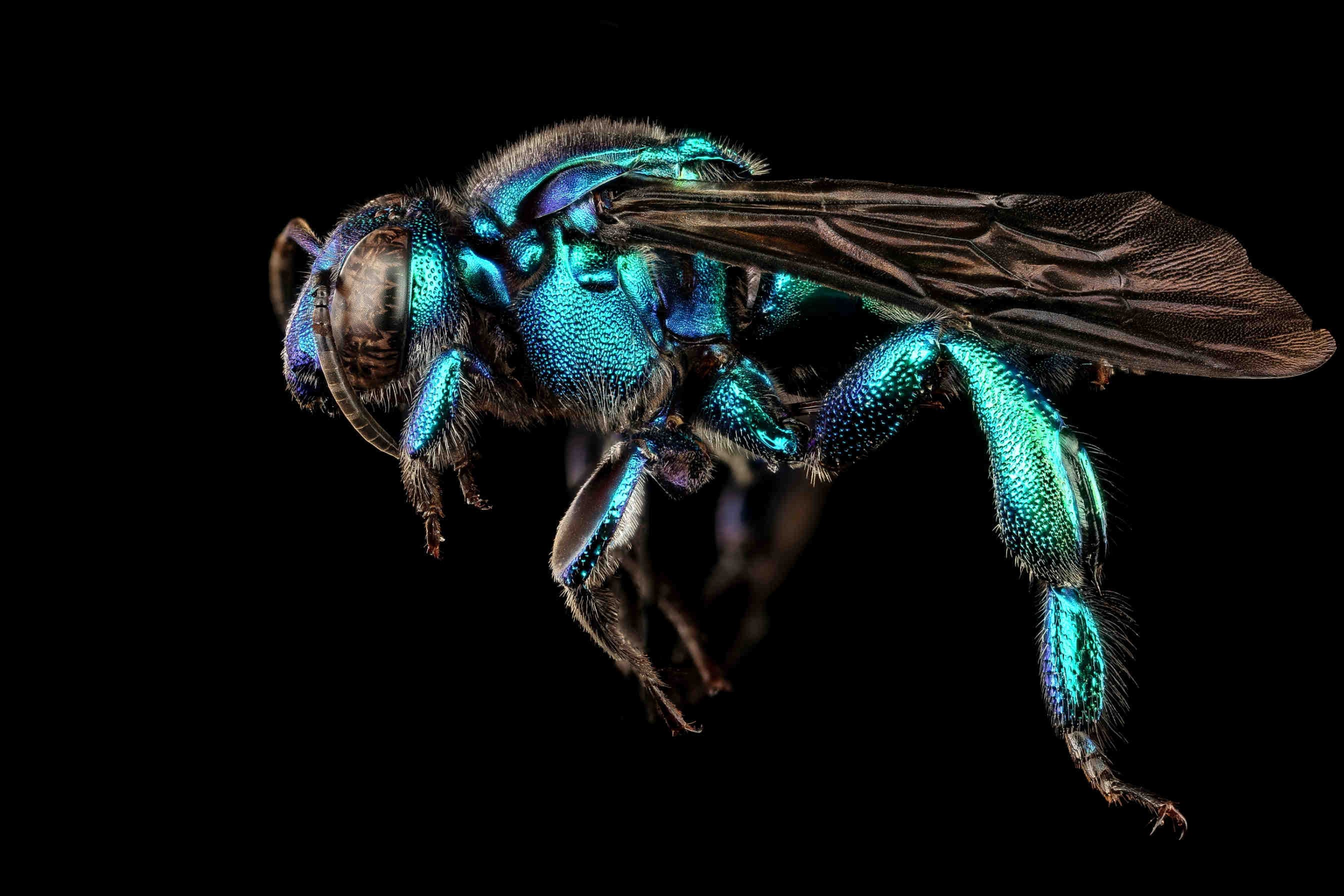
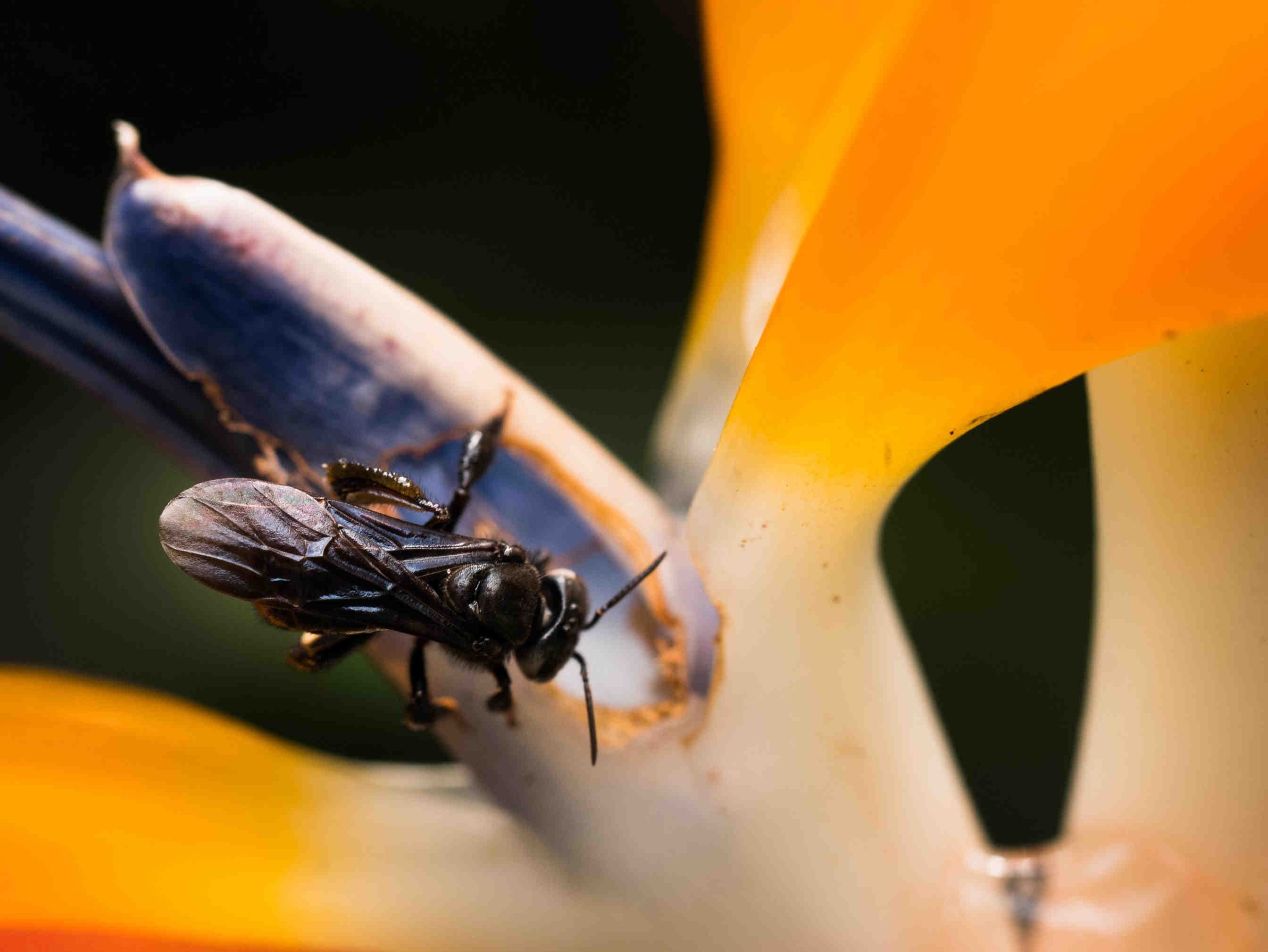
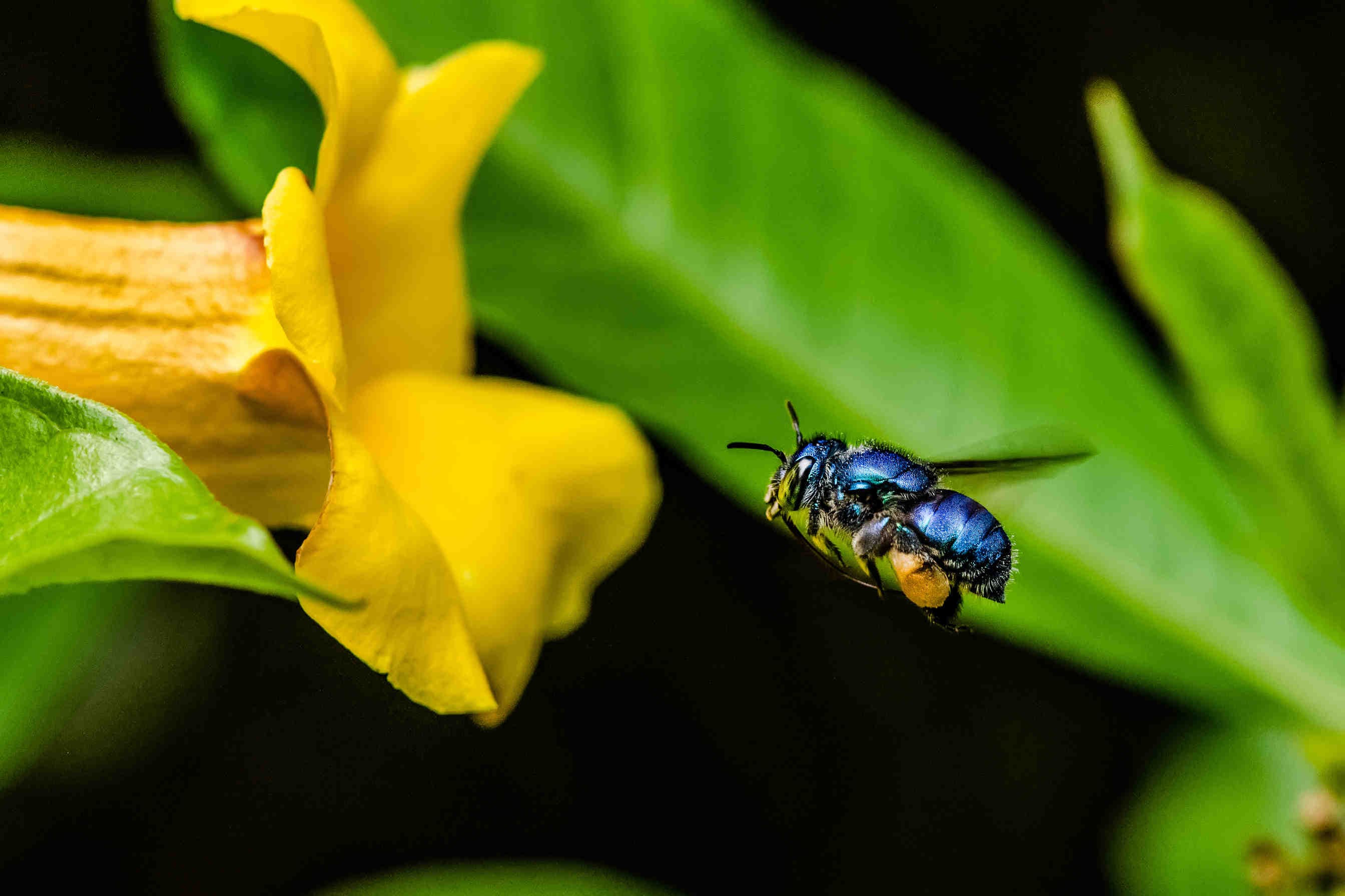
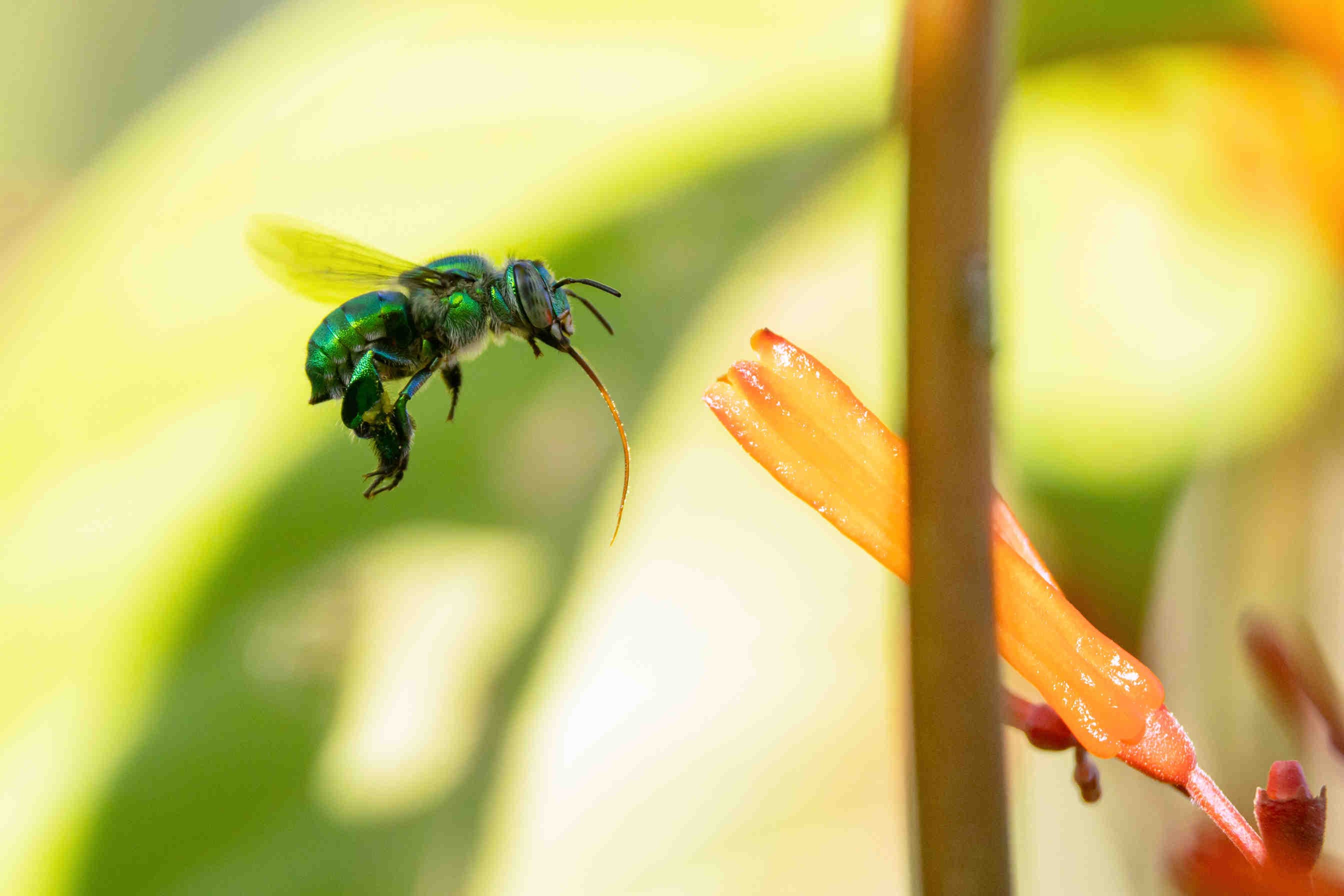
    The Orchid Bees, insects of the family Apidae, tribe Euglossinae, are a fascinating group of tropical bees, known to experts and enthusiasts mainly for their flamboyant metallic colouring and their intimate relationship with certain orchids. Their name derives from the males' behavior of collecting fragrances from orchid flowers to attract females, a unique behaviour among bees. These solitary bees are essential to the biodiversity of tropical forests, as they facilitate the pollination of many plant species, thus ensuring their reproduction.
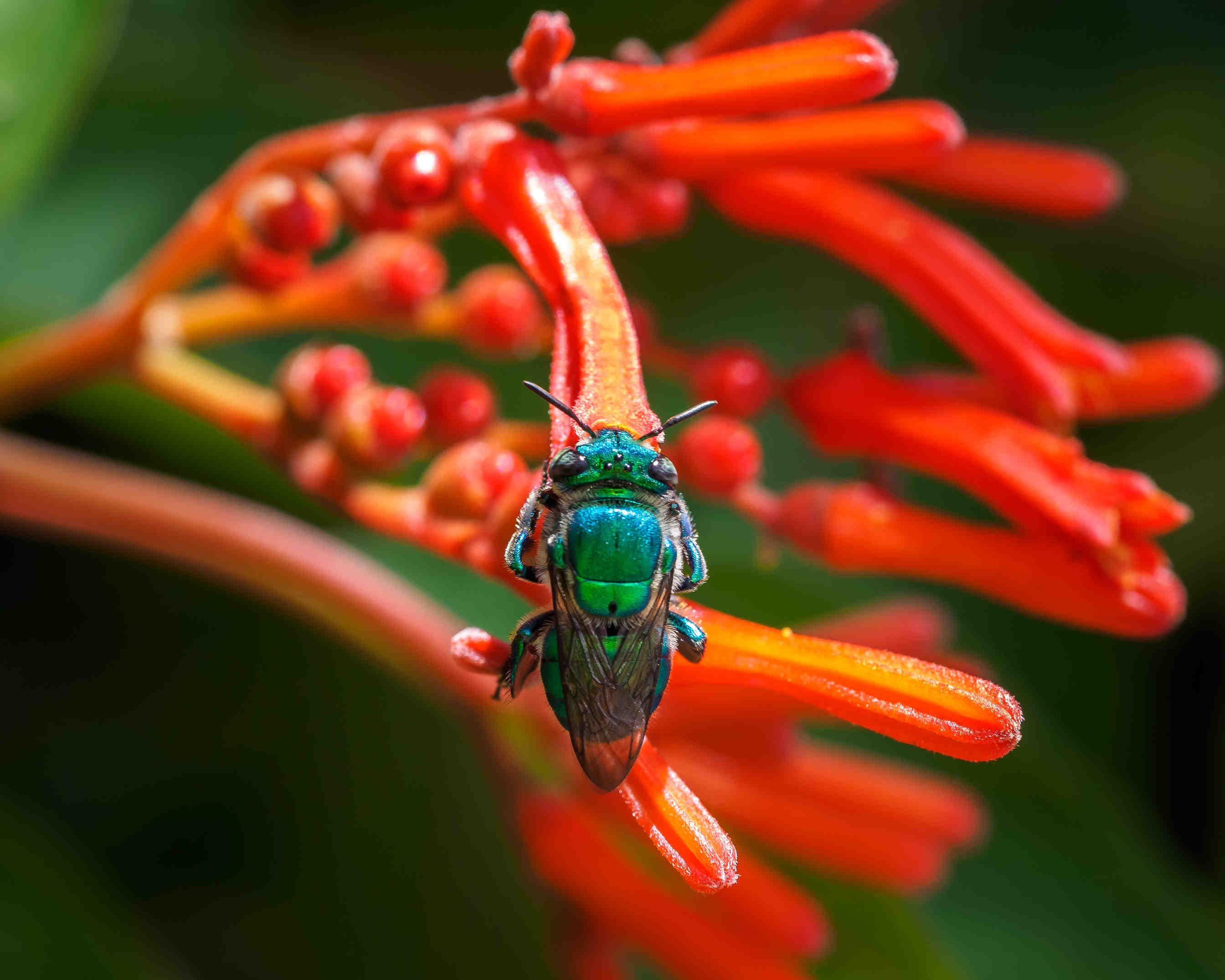
    euglossini

    Where Orchid Bees Live and Why They Are Endangered

    Orchid Bees are found exclusively in the tropical regions of the Americas. From the rainforests of Mexico to the southern territories of Brazil and Argentina, these bees thrive in environments rich in biodiversity, but severely threatened by human activity. The wet forests of Central and South America are their primary habitat, although some species have also been observed in transitional areas such as forest edges and disturbed vegetation fragments, and there are also observations in the southern United States. Deforestation and habitat loss are a major threat to their survival.

    Euglossini
    XNatura

    The Fascinating Biology of Orchid Bees

    The biology of Orchid Bees is unique and fascinating. Males, in addition to collecting nectar, specialise in gathering fragrance from flowers, which they accumulate in special sacs in their hind legs. This scent is then used during courtship to attract females. The females, on the other hand, take care of nesting and caring for their offspring, building their nests in natural cavities or abandoned places, such as small hollows in trees. They do not live in true colonies like the honey bee, but mostly lead solitary lives, although some species are communal.

    Euglossini

    Orchid Bees as Essential Pollinators

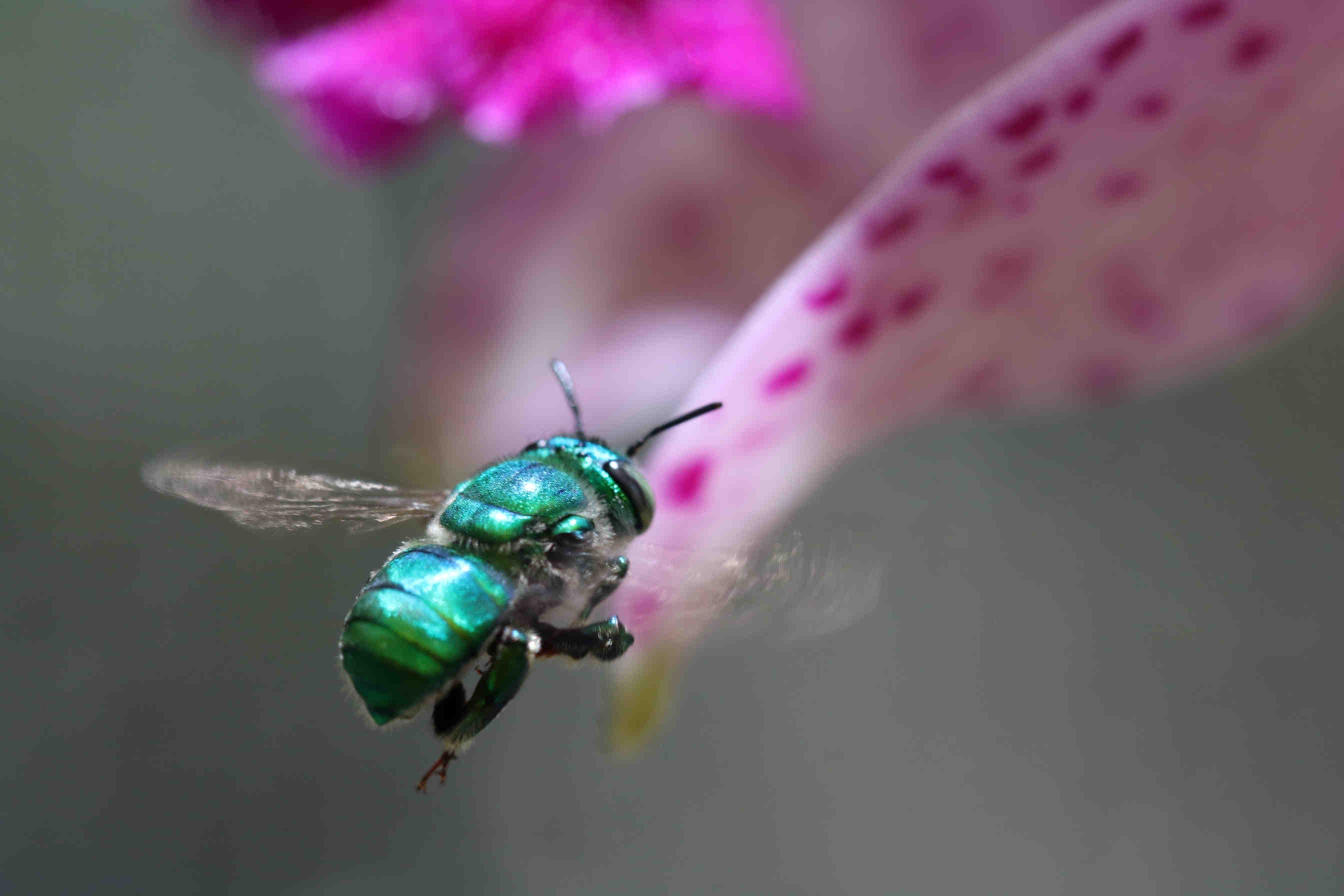
    Orchid Bees are crucial to the pollination of orchids and other tropical plants. While males pollinate when collecting fragrances, females visit flowers for nectar and pollen, contributing to plant reproduction like bees in our climates. The most pollinated plant families include Orchidaceae, Gesneriaceae, Solanaceae and Araceae. Their specialisation in fragrances makes some species of Orchid Bees particularly attached to specific plants, contributing to the co-evolution between bees and flowers.

    Orchid Bees as Essential Pollinators
    XNatura

    Three Species with Unique Habits

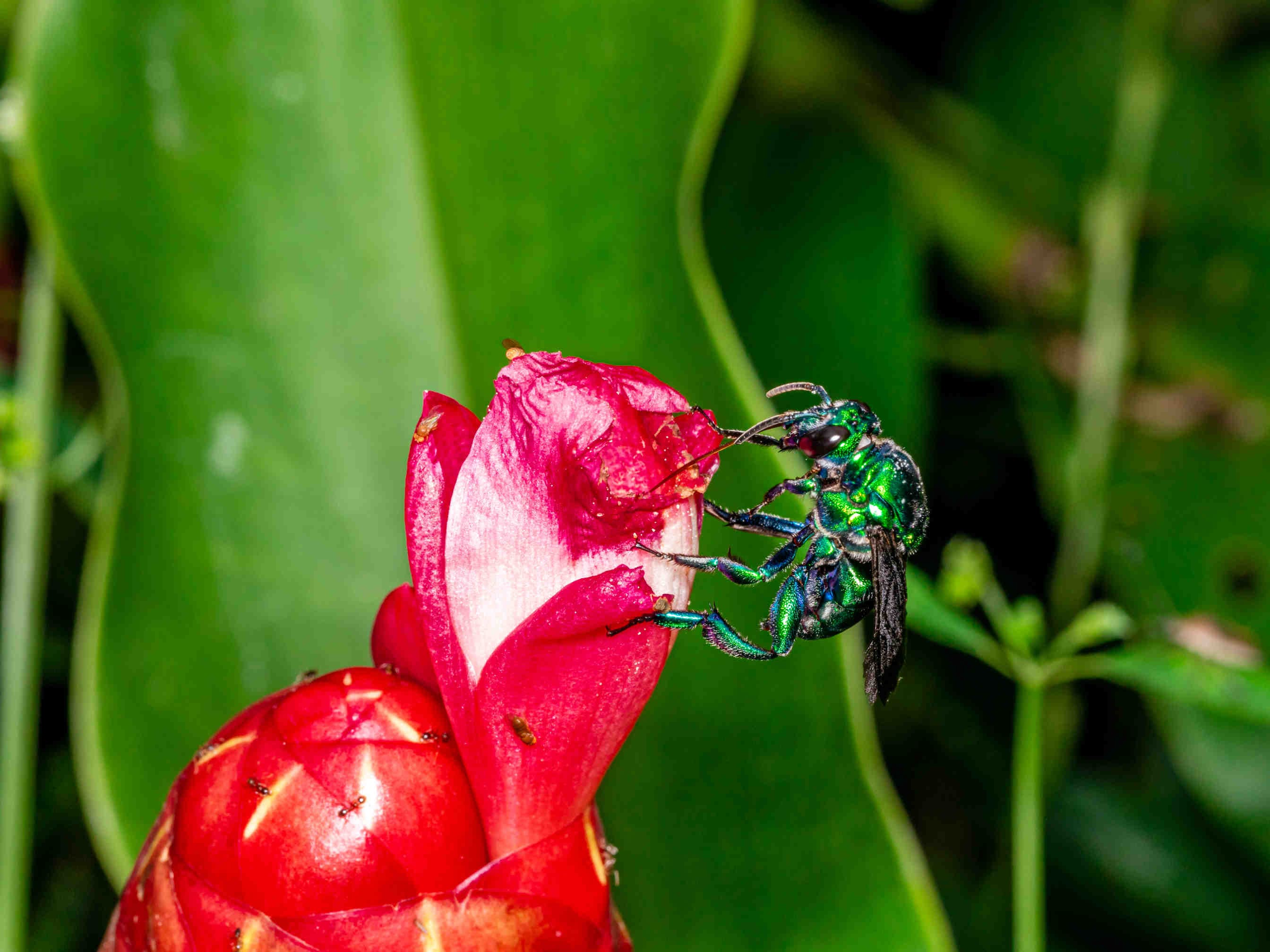
    Among the best known species are Euglossa dilemma, widespread in Central and North America, which pollinates mainly orchids and some Araceae. Eufriesea mexicana lives between Mexico and Colombia and pollinates orchids but also Fabaceae plants. Finally, Exaerete smaragdina is a kleptoparasite, laying its eggs in the nests of other bees, but at the same time pollinating orchids and Bromeliaceae in its vast South American range. These species represent only a small part of the biological diversity of Orchid Bees.

    Exaerete smaragdina
    3Bee

    Threats to Orchid Bees’ Survival

    The future of Orchid Bees is at stake and some species are already on the IUCN Red Lists. Deforestation, which destroys the tropical forests in which they live, is the main threat to these bees. The increasing use of pesticides and the loss of floristic biodiversity also pose a serious threat. Dependence on specific plants for fragrance and nectar makes many species vulnerable to environmental changes. Finally, climate change could severely affect their habitat, altering the geographical distribution and availability of resources necessary for their survival.

    Euglossini

    Eulaema nigrita: A Bio-indicator of Disturbed Environments

    Eulaema nigrita is a particular species among the Orchid Bees, known for its role as a bio-indicator. One study showed that it is the only species associated with fragmented or open forest cover, a pattern typical of disturbed and deforested environments. In fact, it was mainly found at the edge of primary forests or in disturbed forest fragments, making it an ecological indicator of degraded habitats. Its ability to adapt to such environments suggests that Eulaema nigrita could be useful in monitoring the effects of deforestation and other environmental changes.

    Eulaema

    The Urgent Need to Conserve Orchid Bees and Their Services

    Orchid Bees are not only fascinating, they also play a vital role in tropical ecosystems as pollinators of orchids and other plants. Without them, many plant species would not be able to reproduce, with serious repercussions for the entire ecological network. Their protection is crucial to maintaining the balance of tropical forests and ensuring the survival of many species. Protecting Orchid Bees means preserving an ecosystem service that is fundamental to the well-being of tropical and non-tropical ecosystems and contributes to the well-being of entire natural ecosystems.

    Euglossini
    29/10/2024Of 3Bee, Niccolò Patelli
    655 Views
    Newsletter
    newsletter
    Subscribe to the Blog about bees and biodiversity