Santa Giulia: the environmental cost of the Olympic Arena
    AbandonmentRegenerationImpactMSA

    Santa Giulia: the environmental cost of the Olympic Arena

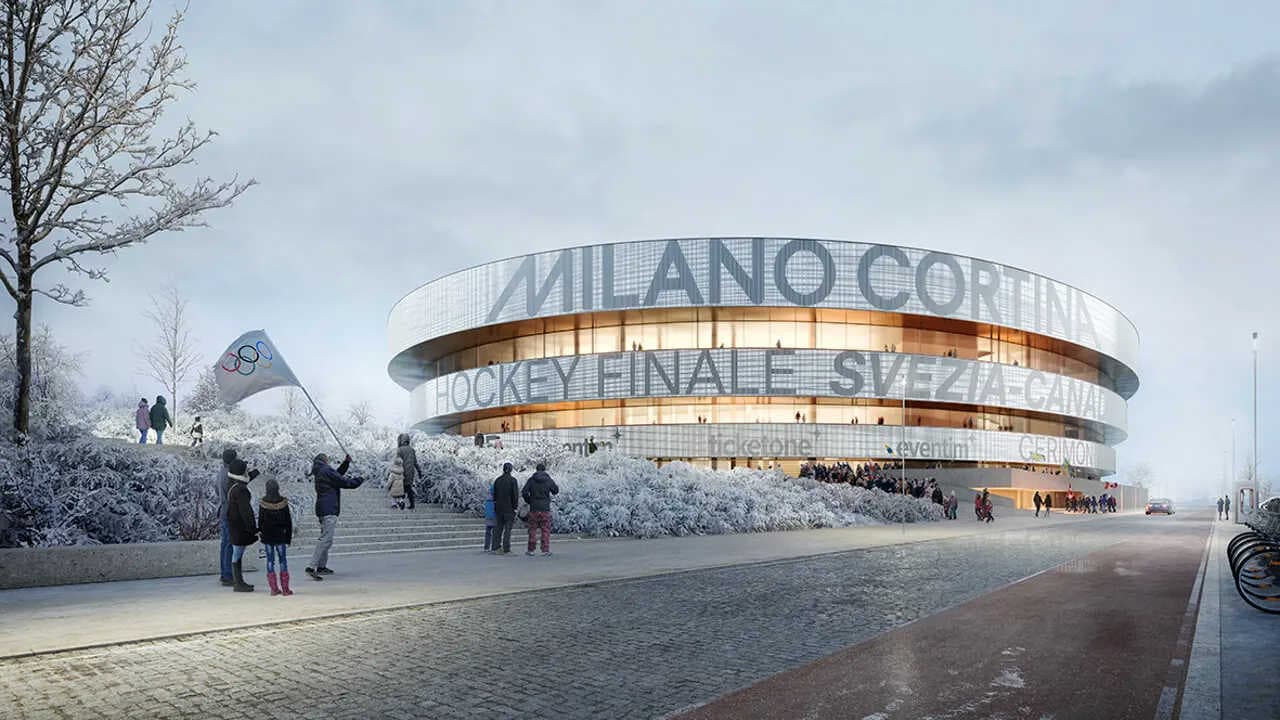
    The Santa Giulia Arena is presented as the future beating heart of Milan-Cortina 2026. A 16,000-seat project that promises to become an urban icon. But what lay behind the steel and the renderings of this future Olympic symbol? Let's uncover the history and impact of this site.

    Read the article
    21/01/2026Of 3Bee, 3Bee
    201 Views
    21/01/2026Of 3Bee, 3Bee
    201 Views

    From the steelworks to the silence of abandonment

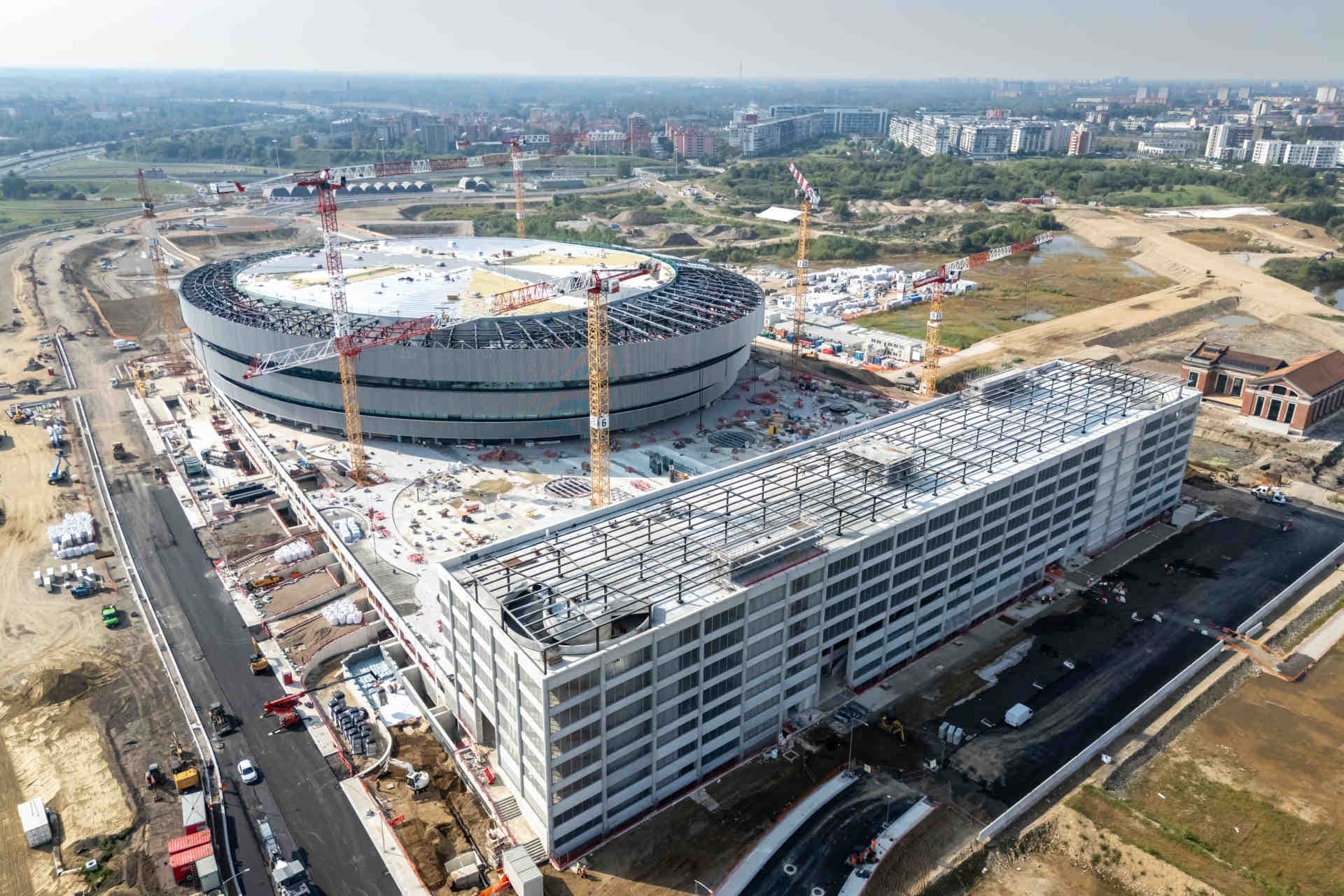
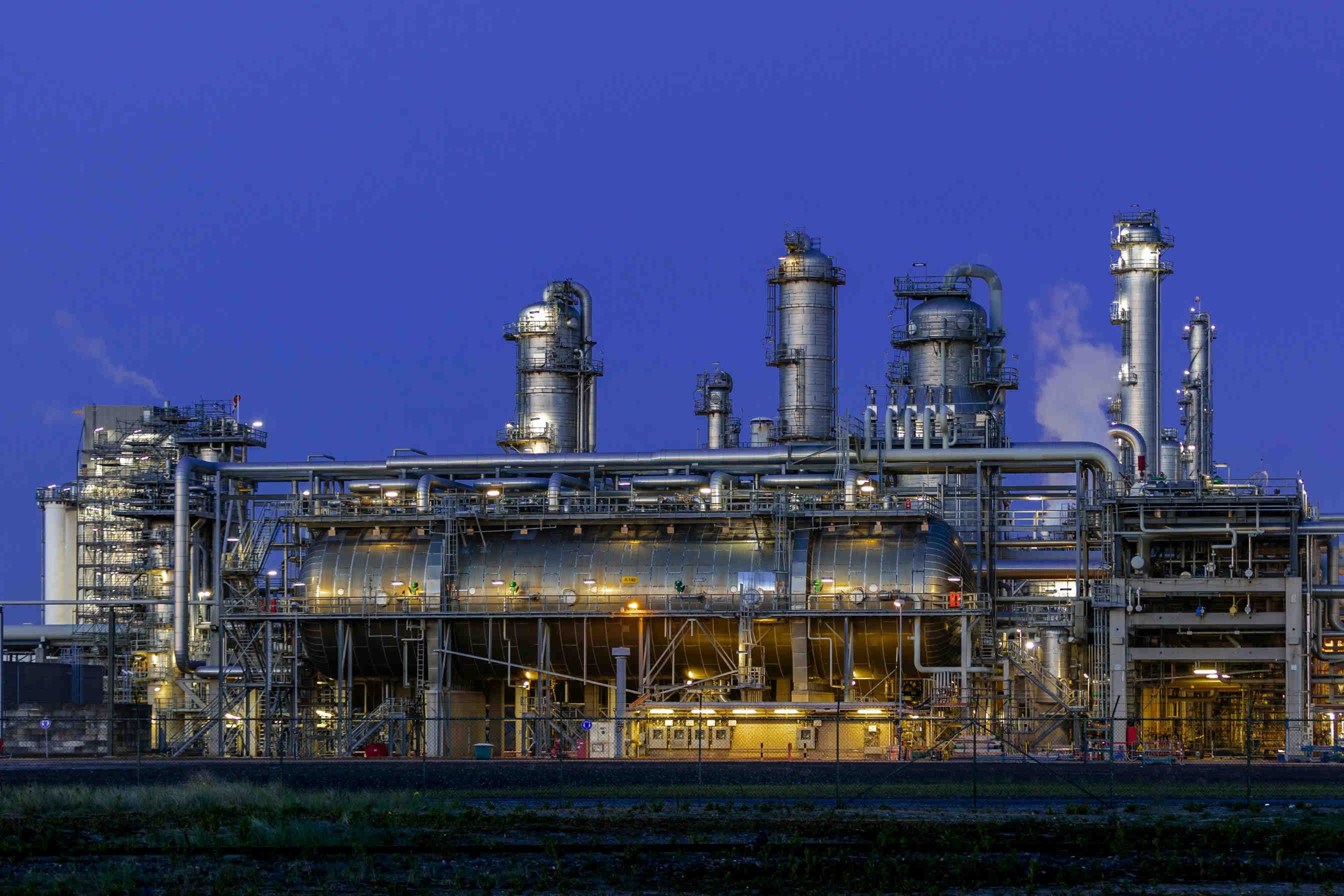
    The site where Arena Santa Giulia now stands has a history rooted in Milan's heavy industry of the last century. Originally, the area hosted the large production complexes of Montedison and Acciaierie Redaelli, giants of the chemical and steel industries that shaped the post-war economy. With the closure of the plants in the 1990s, the area slipped into a long period of abandonment, becoming what many described as a mere degraded urban void. However, away from the public eye and protected by fences, the site began a silent process of transformation. What seemed like an industrial desert had actually become the stage for an experiment in natural rebirth, preparing the ground for a clandestine biodiversity that would colonise every inch of concrete left exposed by the passage of time and human neglect.
    3bee-blog-dalle-acciaierie-al-silenzio-dell-abbandono

    The Miracle of Spontaneous Re-naturalisation

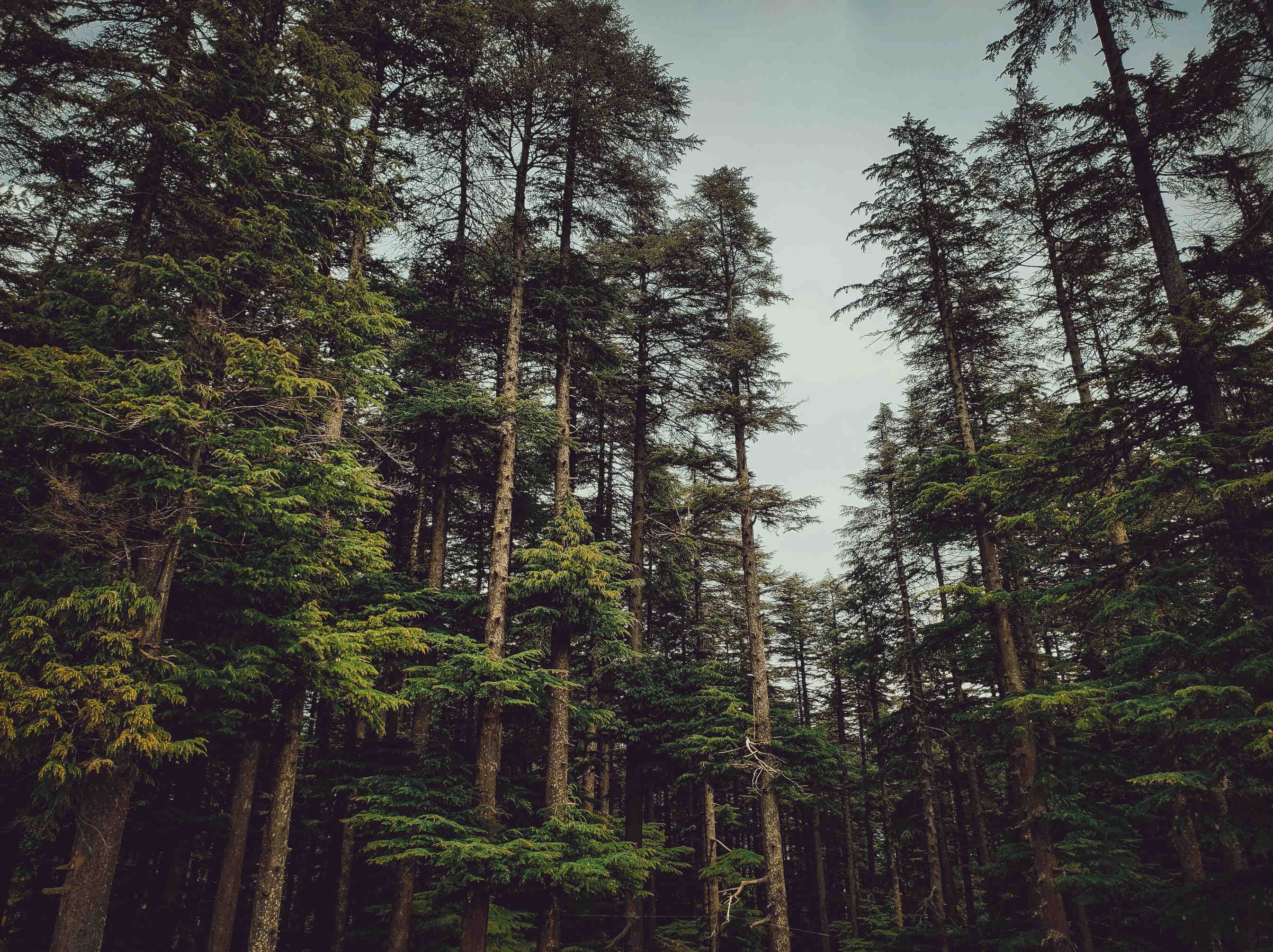
    After the closure of the plants, decades of inactivity have fostered a powerful spontaneous re-naturalisation of the site. Vegetation has progressively reclaimed its spaces, breaking through the old industrial pavements and transforming the former chemical and steel hub into a lush and functional ecosystem. This "green lung" was not the result of human design, but the outcome of a natural resilience capable of regenerating an area deeply marked by its productive past. The presence of this spontaneous flora represented a valuable reservoir of urban biodiversity, essential for mitigating the heat island effect and restoring vitality to previously degraded soil. However, with the construction of the Arena di Santa Giulia for the 2026 Olympics, this wild oasis has been removed to make way for a completely artificialised context and the permanent sealing of the soil.
    3bee-blog-il-miracolo-della-re-naturalizzazione-spontanea
    XNatura

    The Impact of the Arena on Milanese Soil

    The launch of the project for the Milan-Cortina 2026 Winter Olympics marked the end of this spontaneous oasis to make way for Italy's largest indoor multifunctional arena. The construction of the Santa Giulia Arena involved the complete removal of the existing wild greenery, replacing it with a fully artificial environment. This process led to a permanent sealing of the soil, meaning the covering of the ground with impermeable materials that prevent the natural exchange between land and atmosphere. Although the structure is an engineering masterpiece necessary to host the men's hockey competitions and other major events, its impact on the territory has permanently erased the ecosystem benefits that nature had painstakingly rebuilt. The transition from a permeable and living ground to a concrete platform represents a point of no return for the ecological management of this specific part of the Milanese district.

    3bee-blog-l-impatto-dell-arena-sul-suolo-milanese

    The Collapse of Biodiversity Measured in Numbers

    The analysis was conducted using XNatura, the Nature Intelligence by 3Bee platform that utilises satellite data and AI to monitor environmental parameters. To assess the impact of the construction, the Mean Species Abundance (MSA) was analysed, an indicator that measures biodiversity integrity by comparing the abundance of original species with that of an undisturbed ecosystem. Before the works in 2023, the site boasted an MSA of 60, a high value due to the spontaneous regeneration of the area. With the completion of the Arena in 2026, the index will experience a drastic drop to 5. This decrease indicates an almost total loss of biological integrity, transforming a variety-rich oasis into an artificial compartment devoid of original species. The data provide an objective perspective on the impact of urban progress on local natural balances.

    XNatura

    Towards new balances between city and nature

    The transformation of the Santa Giulia area prompts us to consider fundamental reflections on how to design the cities of the future in a truly sustainable way. On one hand, the arena will bring economic, sporting, and tourist development, but on the other, we cannot ignore the drastic reduction in the natural value of the area, which has decreased from an MSA of 60 to just 5 points. It is essential that future urban redevelopment projects consider biodiversity not as an obstacle, but as a heritage to be integrated from the earliest stages of the masterplan. The challenge now is to see whether the new parks planned around the arena will be able to compensate for this loss or if they will remain mere green decorations with little ecological value. We will continue to monitor the evolution of the Olympic construction sites, analysing in upcoming meetings the environmental impact related to the Sliding Centre and the Olympic Village to gain a complete picture of the transformation of Milan and other Italian locations.

    3Bee
    21/01/2026Of 3Bee, 3Bee
    201 Views
    Newsletter
    newsletter
    Subscribe to the Blog about bees and biodiversity

    Frequently Asked Questions

    Do you have any doubts or other curiosities about this article? Here you will find some insights