Goal 10 of the MDGs: reduce inequalities
    Introductioncausessolutionschallenges

    Goal 10 of the MDGs: reduce inequalities

    Discover how goal 10 of the 2030 Agenda aims to reduce inequalities within and between countries and promote social, economic and political inclusion. Explore the main causes of global and national inequalities and innovative solutions to reduce them.

    Read the article
    09/05/2023Of 3Bee, Elena Fraccaro
    728 Views
    09/05/2023Of 3Bee, Elena Fraccaro
    728 Views

    Introduction

    Goal 10 of the 2030 Agenda aims to reduce inequalities within and between countries and promote social, economic and political inclusion. Inequality is one of the biggest obstacles to sustainable development and the fight against poverty on a global scale. According to the ASVIS 2021 report, the economic crisis triggered by the pandemic has had a major impact on gender, generational and territorial inequalities in our country. Despite redistributive interventions, inequality in disposable income remains significantly higher in the South.
    Introduction

    Causes of inequality: factor analysis

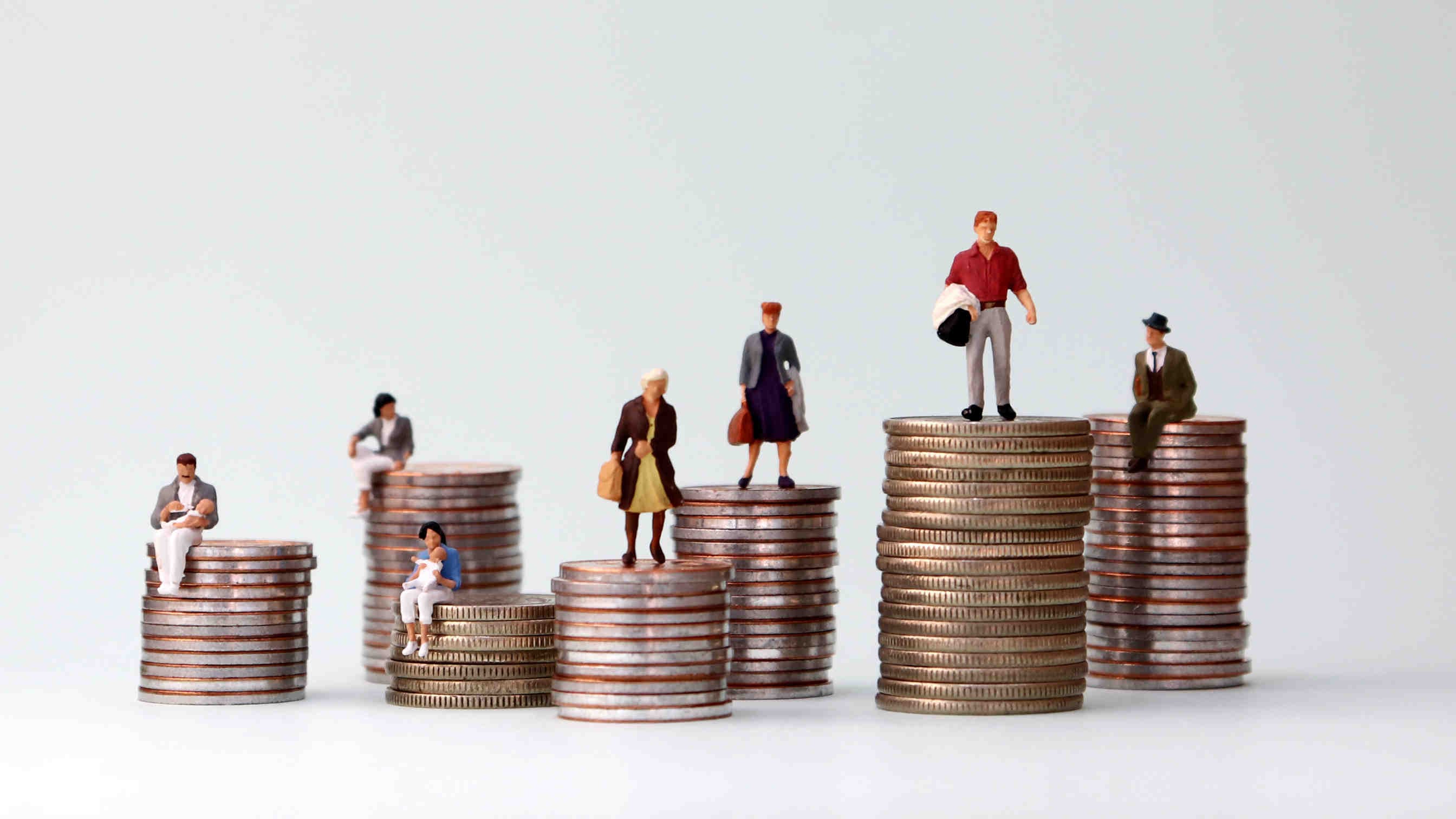
    Inequalities within and between countries are due to a number ofcomplex and interconnected factors. globalisation has led to a increase in inequality due to the concentration of power and resources: in 2019, the richest 1% of the world's population held twice the net worth of the poorest half. Thelack of economic opportunity is another factor, particularly for people living in developing countries. discrimination and social exclusion contribute to inequality, as does lack of access to education and healthcare. Corruption prevents a fair distribution of resources. Finally, climate change amplifies inequalities.

    Causes of inequality: factor analysis
    XNatura

    Solutions to reduce inequalities

    There are severalsolutions for reducing inequalities within and between countries. One of the main ones is the promotion of social and economic inclusion, which involves creating an environment in which everyone has the same opportunities to participate in social, cultural, political and economic life. This can be achieved through the elimination of discriminatory laws, policies and practices that act as barriers to equality, through the adoption of tax and wage policies aimed at reducing income inequalities, and through access to employment opportunities and vocational training. In addition, the adoption of social protection policies can help provide financial assistance to those in need. Finally, increasing the representation and voice of developing countries in decision-making within international economic and financial institutions can ensure greater balance and justice.

    Progress and challenges in the fight against inequality

    Although progress has been made in the fight against inequality, many challenges still need to be overcome to reach target 10 by 2030. According to the ASviS 2021 report, the economic crisis triggered by the pandemic has had a major impact on inequalities between genders, generations and territories. In addition, there is a need to address global challenges such as increasing inequalities between countries and the need to ensure greater representation and a stronger voice for developing countries in the decision-making process of international economic and financial institutions. At 3Bee, we pay particular attention to gender equality in the workplace, which is why 45% of our teams are made up of women and our recruitment processes are egalitarian.

    Progress and challenges in the fight against inequality
    XNatura

    Roles of the players involved in combating inequality

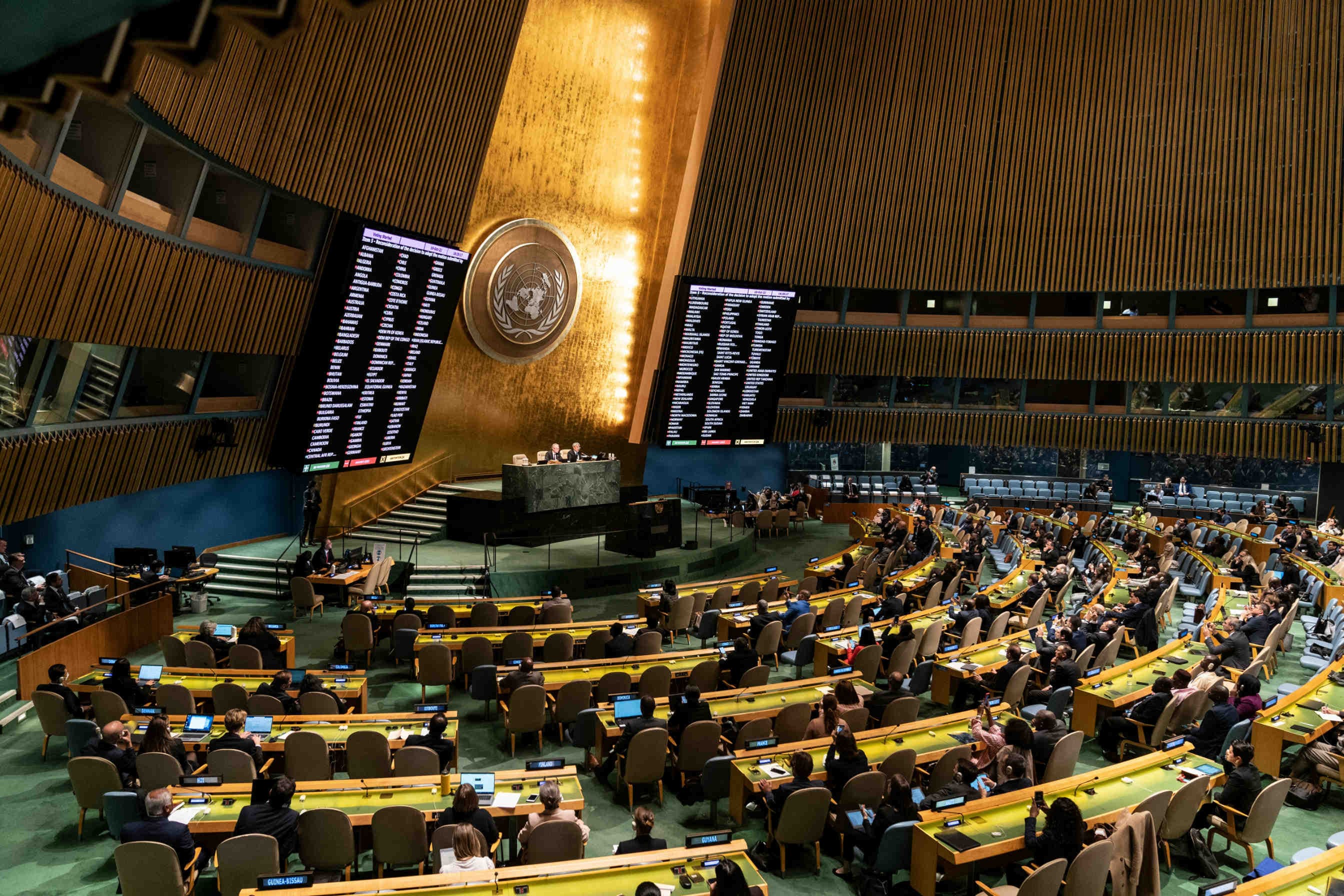
    International organisations, governments, businesses and civil society play a key role in the fight against inequality. The goals of the 2030 Agenda can only be achieved through cooperation between these actors, who must act in a coordinated and integrated manner. International organisations, such as the UN, play a role in coordinating and promoting policies to reduce inequalities at global level. Governments, for their part, must adopt inclusive and redistributive policies and guarantee access to essential services. Companies, in addition to adopting internal policies to reduce inequalities, can promote sustainable development by investing in socially responsible projects. Finally, civil society has the task of monitoring the implementation of policies to reduce inequalities and democratic participation and raising public awareness of this issue.
    Roles of the players involved in combating inequality
    3Bee

    Migration as a means of reducing inequalities

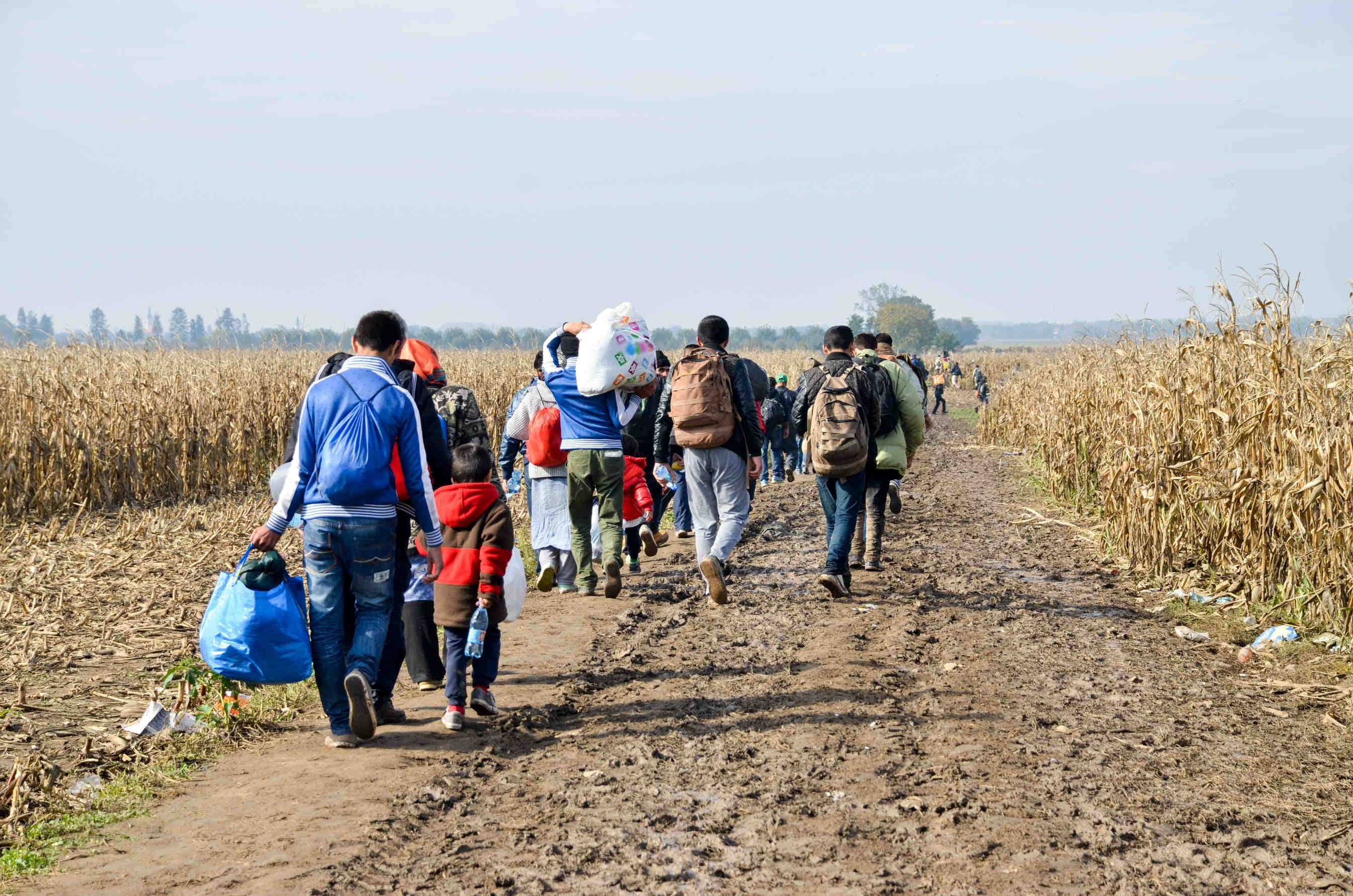
    Migration is an important factor in reducing inequalities, as it offers better economic, social and cultural opportunities for many people. According to the International Organisation for Migration (IOM), there will be around 281 million migrants worldwide in 2020, or 3.6% of the world's population. Planned and well-managed migration policies can help reduce inequalities by ensuring smoother and safer migration flows and promoting the protection of migrants' human rights. In addition, well-managed migration flows can also have a positive impact on economic growth and the reduction of inequalities, for example through the transfer of skills and knowledge between countries and the reduction of wage inequalities.

    Migration as a means of reducing inequalities

    The positive impact of reducing inequalities

    Reducing inequality has many positive effects on society and the global economy. According to an OECD study, reducing income inequality by one percentage point would increaseeconomic growth by 0.1-0.2% on average over the next five years. In addition, it has been shown that greater economic and social inclusion leads to greater political and social stability, as well as improved health and education. According to the World Bank, reducing income inequality could increase average income by 25% by 2030. Finally, reducing inequality can lead to greater social cohesion and a better perception of justice, fostering a climate of trust and cooperation.

    The positive impact of reducing inequalities

    Reducing inequalities for a more sustainable future

    Inequalities represent a major challenge to achieving the sustainable development goals. Reducing them requires an integrated approach that includes promoting social and economic inclusion, eliminating discriminatory laws and reducing income inequalities. Reducing inequalities can also contribute to the fight against climate change, as people living in poverty are often the most vulnerable to the effects of global warming. Reducing inequality is therefore crucial to a more sustainable and inclusive future. At 3Bee, we don't work directly on SDG 10, but we are committed to raising awareness of the importance of reducing inequality within and between countries. Contact us to find out how we can help your business design for sustainability and achieve the Sustainable Development Goals.

    Reducing inequalities for a more sustainable future
    09/05/2023Of 3Bee, Elena Fraccaro
    728 Views
    Newsletter
    newsletter
    Subscribe to the Blog about bees and biodiversity