What is <clr>Nomadism</clr> in Beekeeping
    Pala beekeepingWhat it isTypesHow it is done

    What is Nomadism in Beekeeping

    One of the most widespread beekeeping practices is nomadism. By nomadism we mean the moving of hives from one location to another. But how is it actually done to move bees and why is it done? Let's find out together!

    Read the article
    21/07/2021Of 3Bee, Elena Fraccaro
    1018 Views
    21/07/2021Of 3Bee, Elena Fraccaro
    1018 Views

    Pala beekeeping: nomadism in Sardinia

    We tackled this vast subject with Gavino Pala, of Apicoltura Pala, based in Sardinia. In addition to telling us all the secrets of nomadism, Gavino brought us his real experience, where nomadism becomes fundamental in order to be able to produce all the types of honey that Sardinia makes available. Pala beekeeping was officially born in 2018, when Gavino decided to make beekeeping his full-time job. His first encounter with bees, however, was more than 10 years ago, when he began tending bees as a hobby. Pala beekeeping is located in Olbia, but it is basically a nomadic beekeeping. Gavino moves his bees to different parts of Sardinia, especially in spring and autumn, to 'chase the blooms'. But what does that mean?
    Pala beekeeping: nomadism in Sardinia

    What is nomadism and why is it practised?

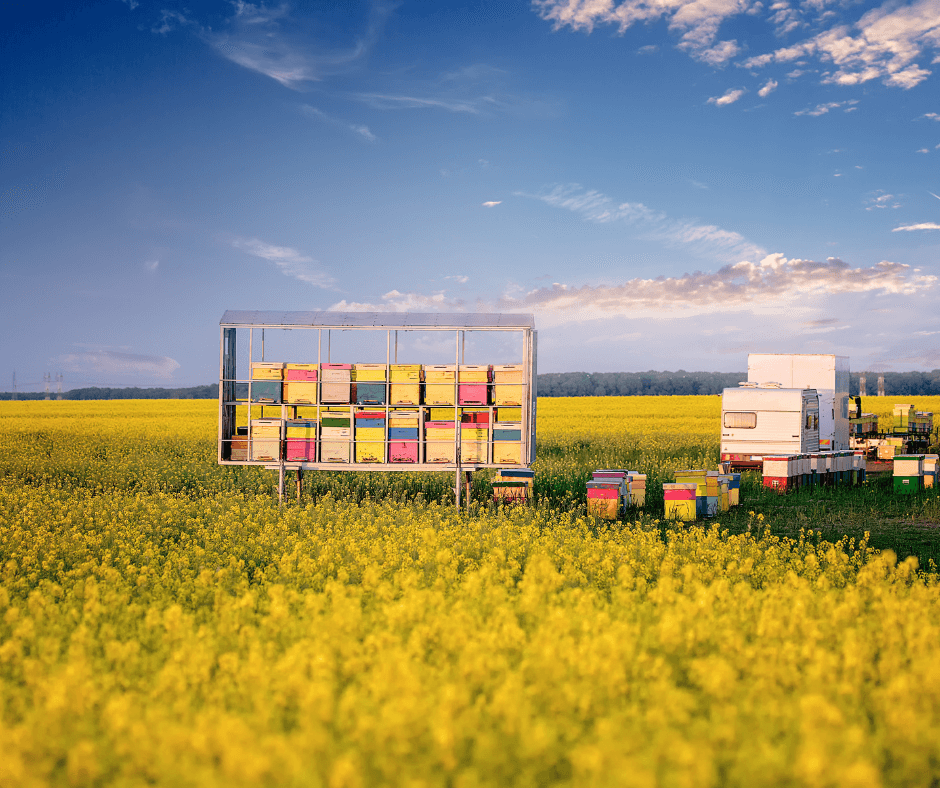
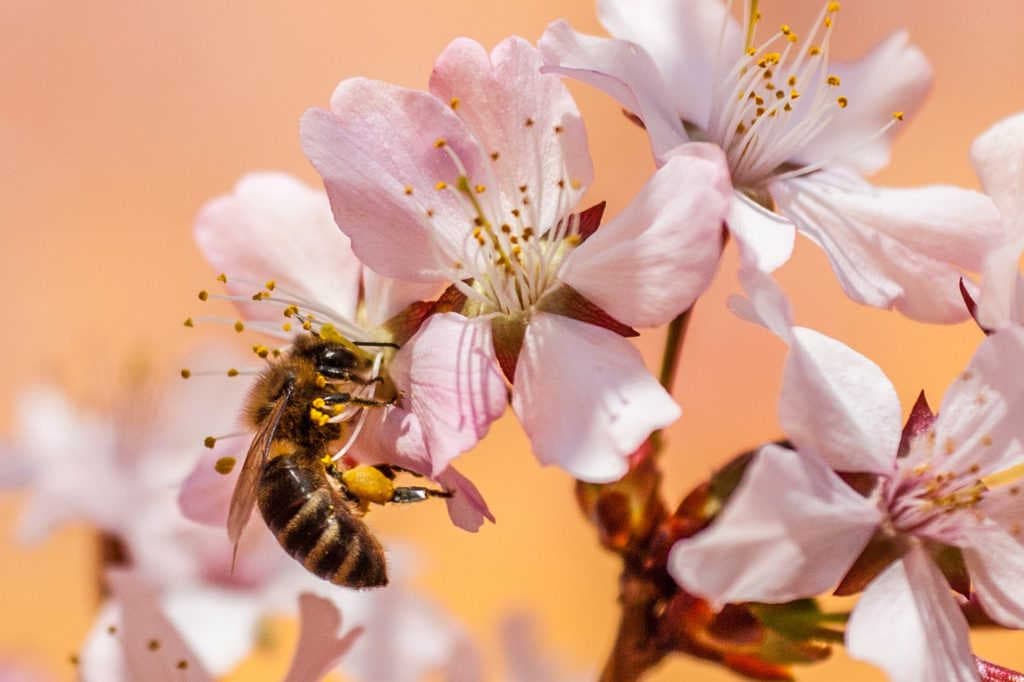
    Transporting bees where certain blooms are present is the reason why nomadism is practised. This is done for two main reasons: on the one hand, for the production of honey, and on the other for the wellbeing of the bees themselves. As we know, bees can fly up to 3 km away from their apiary in order to forage for nectar and pollen. If there is a predominant flowering in the area thus defined, the bees will collect that one. If there are several, the bees will collect different nectar and pollen, producing a multi-flower honey. If the habitat is poor in nectar sources, the bees may risk starvation. The beekeeper moves his bees from one area to another, therefore, to allow them to concentrate on a specific flowering. This will result in a monofloral honey, which is more sought after on the market than millefiori. At the same time, the bees will have a more consistent source of nutrition at their disposal.

    What is nomadism and why is it practised?
    XNatura

    Micro and macro nomadism

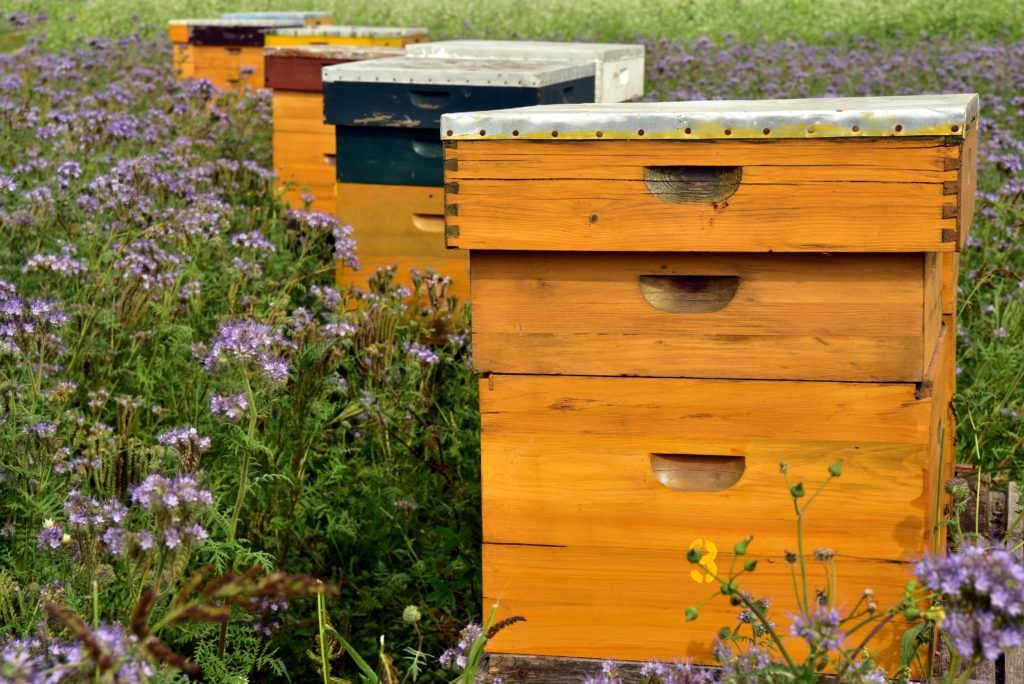
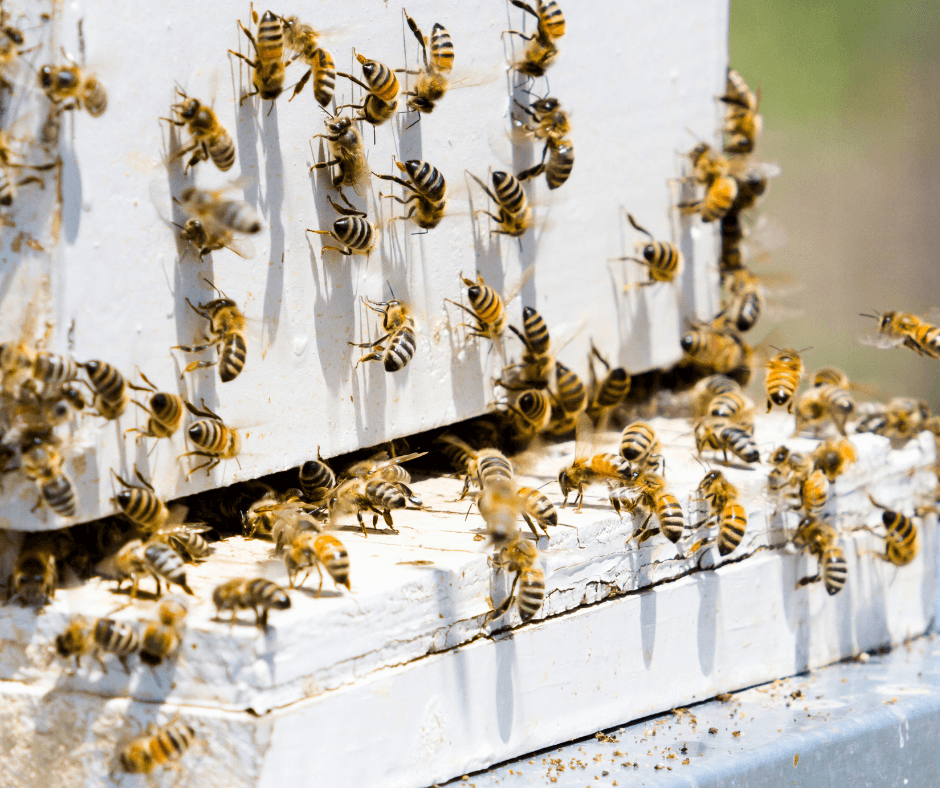
    Nomadism can be of short or long range. We speak of micro nomadism and macro nomadism respectively. Micro nomadism involves small movements and usually the ranges are contiguous or similar. Macro nomadism, on the other hand, involves more demanding displacements, with clear fields of landscape and essences. In both cases, the bees are moved during the night hours, when there is no light. This is essential because in this way it is ensured that almost all the bees are inside the hive, but also because these are the coolest hours and overheating inside the boxes is avoided. These movements are not dangerous for the bees. In fact, the hives are large enough to hold them all without any problems. The hives are also equipped with mesh bottoms that allow air to circulate.

    Micro and macro nomadism

    How nomadism happens

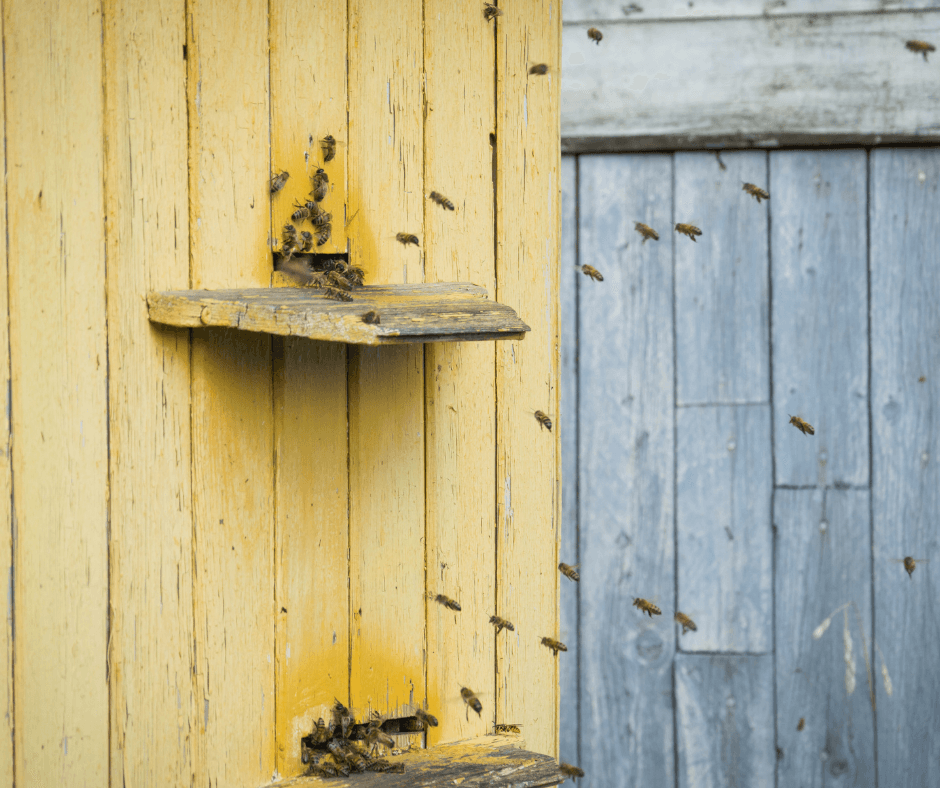
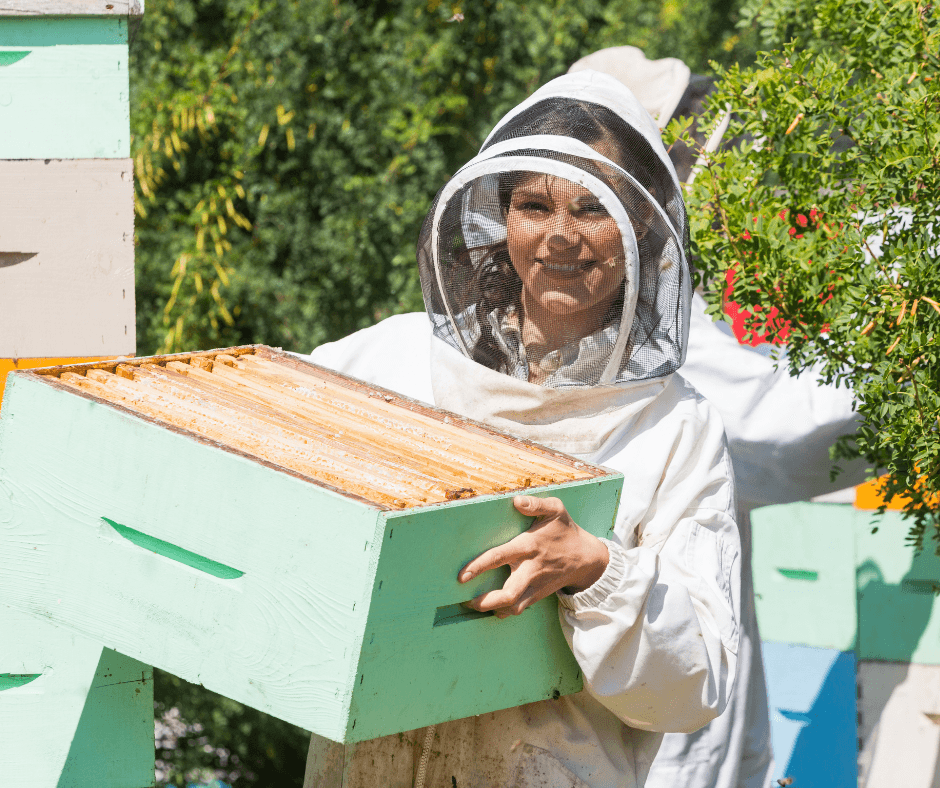
    When the beekeeper decides it is the right time to move his bees, he must close the hives in order to make the move safely. At night, he goes to the apiary, checks that there are no bees in the vicinity of the flying platform and closes the entrance with the grid. Having done this, he loads the boxes onto his transport vehicle and takes them to the new apiary. Once positioned, the beekeeper reopens the front entrance of the hives and the foraging bees, once the sun has risen, immediately begin their rounds in search of the precious nectar. The use of the 3Bee balances becomes essential in order to better manage nomadism. Always having the productive progress of the apiaries under control, even the most distant ones, is essential to avoid losing honey and to intervene in the event of anomalies.
    How nomadism happens
    XNatura

    Beekeeping in Sardinia

    These are all operations that even Gavino has to do every time he moves his bees for honey production. But what are the particularities of Sardinia? Is it so different from the rest of the Peninsula? Beekeeping in Sardinia has very ancient roots, even pre-Roman. However, it only became established as a real profession in the 1950s. The production of honey in Sardinia is extremely special: on the island one can find types that cannot be found anywhere else in Italy. The large rural extensions and the favourable climate make many flowers and plants available to bees. Gavino introduces us to the different types that his company produces, some of the most particular and representative of his island.
    Beekeeping in Sardinia
    3Bee

    The most distinctive Sardinian honeys - 1

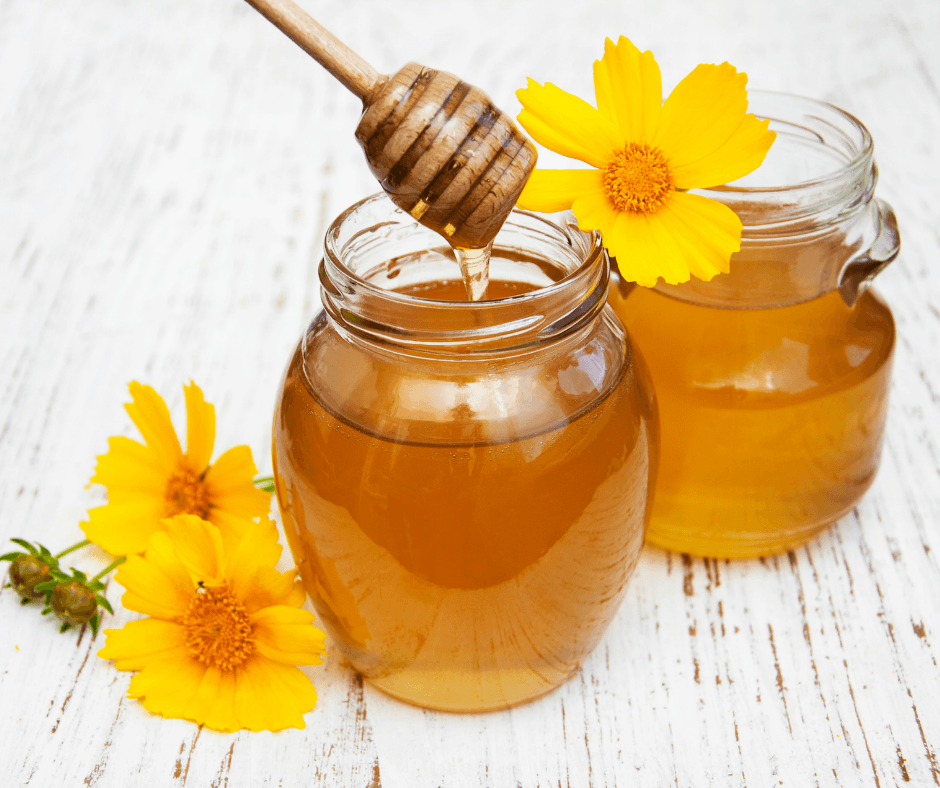
    Mediterranean scrub millefiori: Sardinian millefiori is a typical Mediterranean scrub honey. Heather, asphodel, thistles, lavandula and rosemary are just some of the essences that contribute to giving this honey unique and delicious characteristics. Strawberry tree honey: the most characteristic honey is certainly the strawberry tree. Very bitter, this makes it a niche product, often loved by those who generally do not appreciate honey. Very strong, pungent and intense, it is often juxtaposed with the aroma of ground coffee. On the palate, it is reminiscent of the taste of bitter roots. Aphodelus honey: asphodelus honey is another Sardinian rarity. This honey is produced from March to April, is very delicate and appreciated by all because of its sweetness. Very light in colour, it is very reminiscent of the taste of candyfloss and vanilla.

    The most distinctive Sardinian honeys - 1

    The most distinctive Sardinian honeys - 2

    Thistle honey: Thistle honey is an amber-coloured honey that crystallises rather quickly. The decisive and distinctive flavour, the spicy aroma and a floral note make it particularly suitable in combination with tasty and characterful cheeses. Wild lavender honey: Wild lavender honey is another rarity of beekeeping production on the island. Unlike the famous crops of Provence, Sardinian bees collect the nectar of wild lavender or lavandula. It is a honey that crystallises fairly quickly, amber-coloured, with an intense, fruity taste. You too can adopt a 3Bee hive.

    The most distinctive Sardinian honeys - 2
    21/07/2021Of 3Bee, Elena Fraccaro
    1018 Views
    Newsletter
    newsletter
    Subscribe to the Blog about bees and biodiversity